Croatia in January: Winter Weather, Crowds and What's Open
Croatia in January is cold inland and milder on the Adriatic, with empty old towns, low prices and short days. Here is what is open and who it suits.
On this page
January is Croatia at its quietest, and it feels like two different countries. Inland, Zagreb and the highlands sit near freezing and often under snow, while the Adriatic coast runs several degrees milder but wetter, with the bura wind cutting through streets that are packed in July and nearly empty now.
That split should shape your plan more than any single temperature figure. If you want snow, frozen waterfalls and museum days, the interior delivers; if you want mild air, cheap rooms and old towns to yourself, head for Dubrovnik, Split or Zadar and accept short daylight and occasional rain. For a similar contrast between alpine snow and milder southern cities, our Austria winter guide covers the same trade-off.
This guide covers typical January conditions, what actually stays open, the events worth building dates around, and who should pick a different month.
Weather in January
Across the country, January is the coldest month, with a typical range of about 0°C to 8°C (32°F to 47°F). Inland around Zagreb, expect highs near 3°C (37°F) and lows around -3°C (27°F), so snow is common and highland travel can be disrupted. On the southern coast it is a few degrees warmer but distinctly wet, with roughly five to six inches of rain over the month.
The bura is the detail that catches visitors out. This strong northeasterly wind can keep people indoors, cancel ferries and close bridges when it blows hard, so a coastal itinerary built on boat hops needs slack in it. Treat any wind forecast as a scheduling input, not background noise.
Coastal daytime temperatures run around 10°C (50°F) in winter, dropping to single figures in the evening, while inland nights can fall to 0–5°C (30–40°F). Snow along the coast is uncommon and rarely settles, though flurries happen and the mountains behind Split and Rijeka can be white while the waterfront is not.
January and February are usually the coldest months, and the coast turns rainier in February and March than in midwinter. If you want the best odds of dry walking weather on the Adriatic, early January is a reasonable bet; if you want snow inland, late January is stronger.
Daylight and Sea Temperature
Days are short in January, with darkness arriving mid-afternoon and limiting how much sightseeing you can fit outside. Plan indoor highlights such as museums and galleries for the tail of the day and keep major walks, walls and viewpoints for the brightest hours.
The Adriatic is cold in January and swimming is not realistic for most visitors, so this is a season for looking at the sea rather than getting into it. Beach time, island swimming and boat days belong to summer; in January the water is a backdrop to old towns and coastal walks.
What Is Open in Winter
The biggest practical constraint is transport. Ferry routes are reduced or cancelled in winter, so island-hopping that looks easy on a summer map can collapse in January. Check operator schedules before committing to a multi-island plan, and favour a single base on the mainland.
On the coast, many hotels close outright and those that stay open cut rates, while some seasonal restaurants shut or run limited hours. Cities such as Split, Zadar, Pula, Dubrovnik and Zagreb shift back towards local life, which is exactly the appeal of the season.
If a Christmas-market stop is part of your plan, Zagreb's Advent is the one to know, but it belongs to December rather than January. For the festive version of the country, plan around the earlier month and expect colder, snowier conditions inland.
Zagreb and Inland Croatia in January
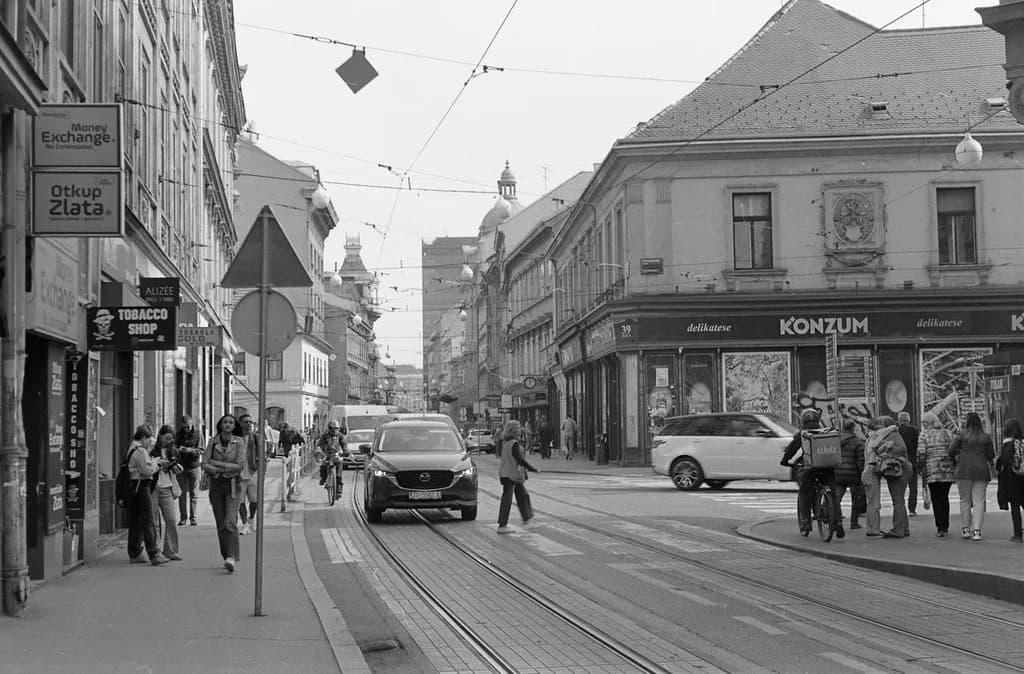
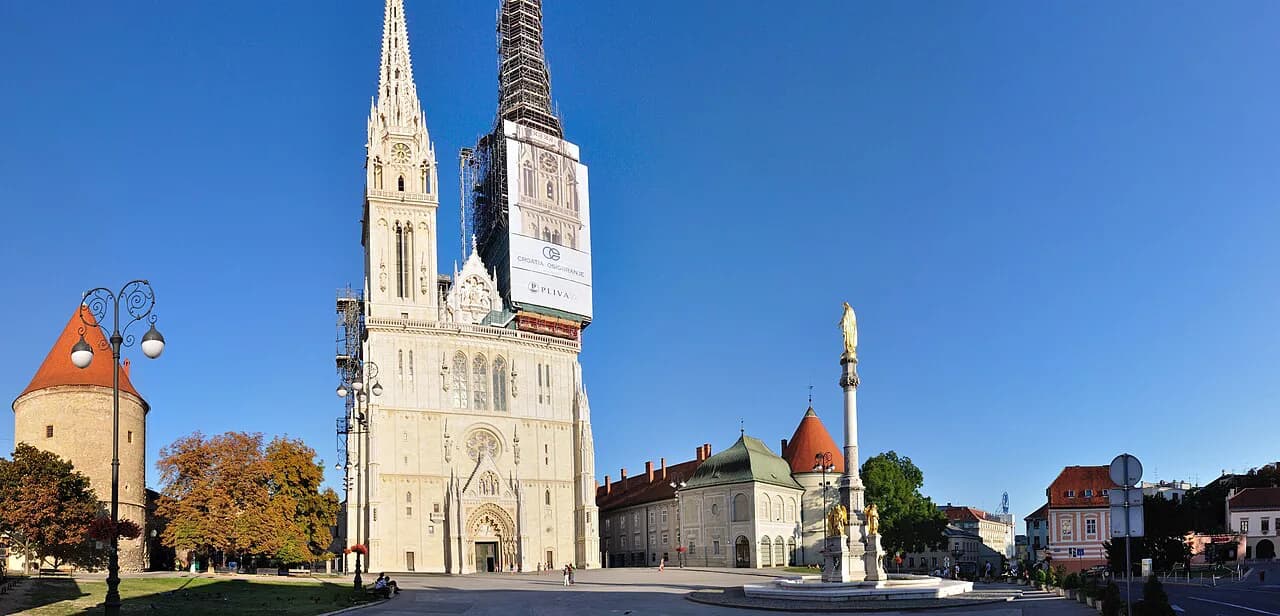
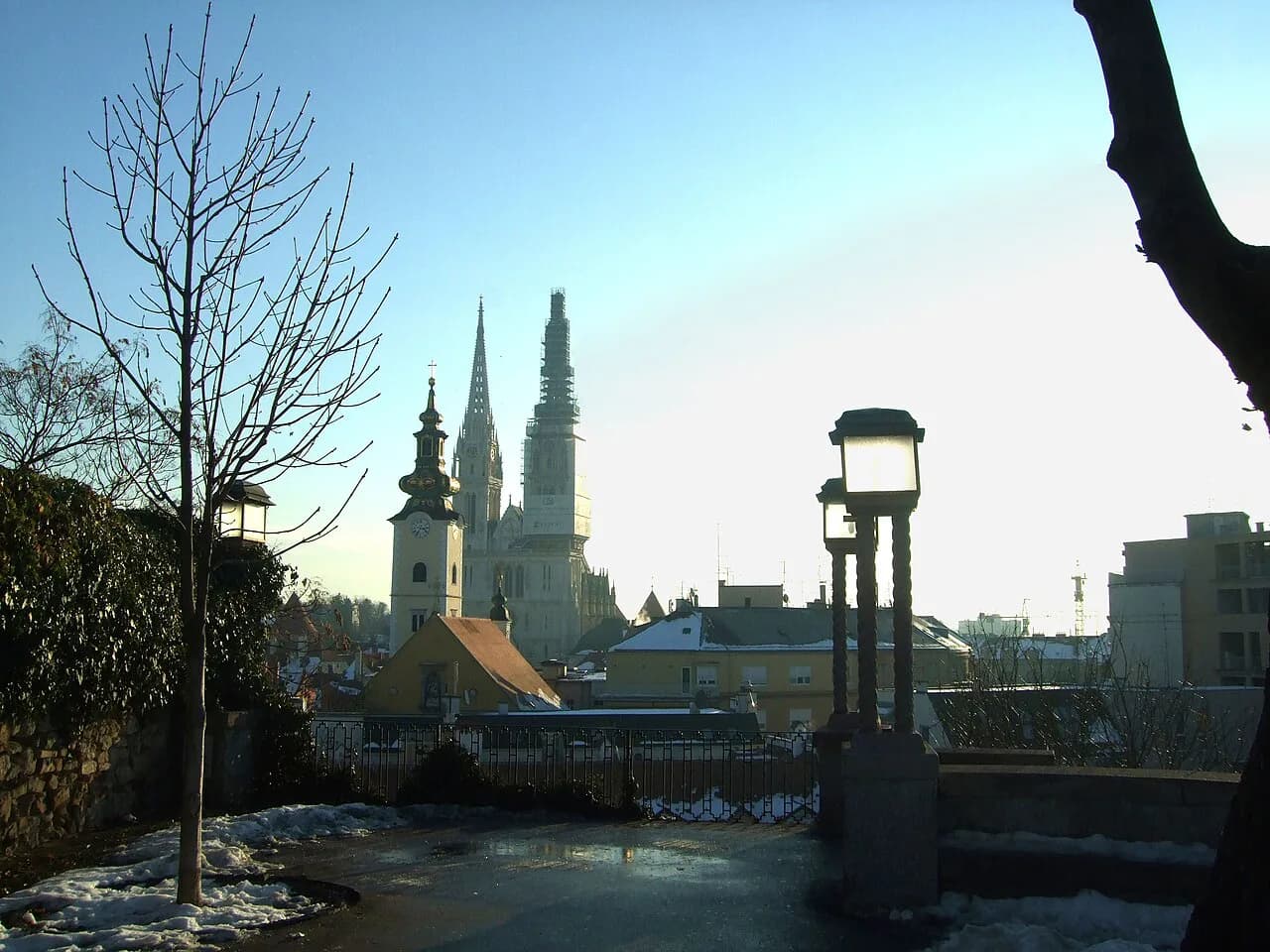
Zagreb in January is likely to be snow-covered, which makes it a city for coffee houses, museums and short walks rather than long days outdoors. The capital's Advent crowds have gone, so you get the same streets with room to move and lower room rates.
Above the city, Sljeme is the local mountain for skiing, snowboarding, sledding and even hiking, close enough to work as a half-day add-on to a city break. Every January it also hosts the Snow Queen Trophy ski race, though the exact race dates come from the organisers rather than any general calendar.
Inland snow is common through the winter months, and highland roads can be disrupted when it falls heavily. If you are driving between Zagreb and the parks, build in a spare day rather than chaining tight connections.
For a fuller picture of where snow falls and when across the country, the regional breakdown is worth reading before you fix dates. It helps separate the reliable snow of the interior from the rare coastal dusting.
Plitvice Lakes in January
Plitvice Lakes National Park is the standout winter sight inland: snow and ice transform the terraces and waterfalls, and prepared routes let bundled-up visitors walk them. It is a genuinely different experience from the summer lakes, quieter and more atmospheric.
Winter tickets are cheaper than peak season, and January is a strong month for snow there. Book through the park's official channels before you go rather than assuming summer opening patterns apply, since winter access and route conditions vary.
If Plitvice is central to your trip, compare the surrounding months before booking. Late winter often brings the deepest snow, while March starts the slow thaw and longer days.
Dubrovnik, Split and Zadar
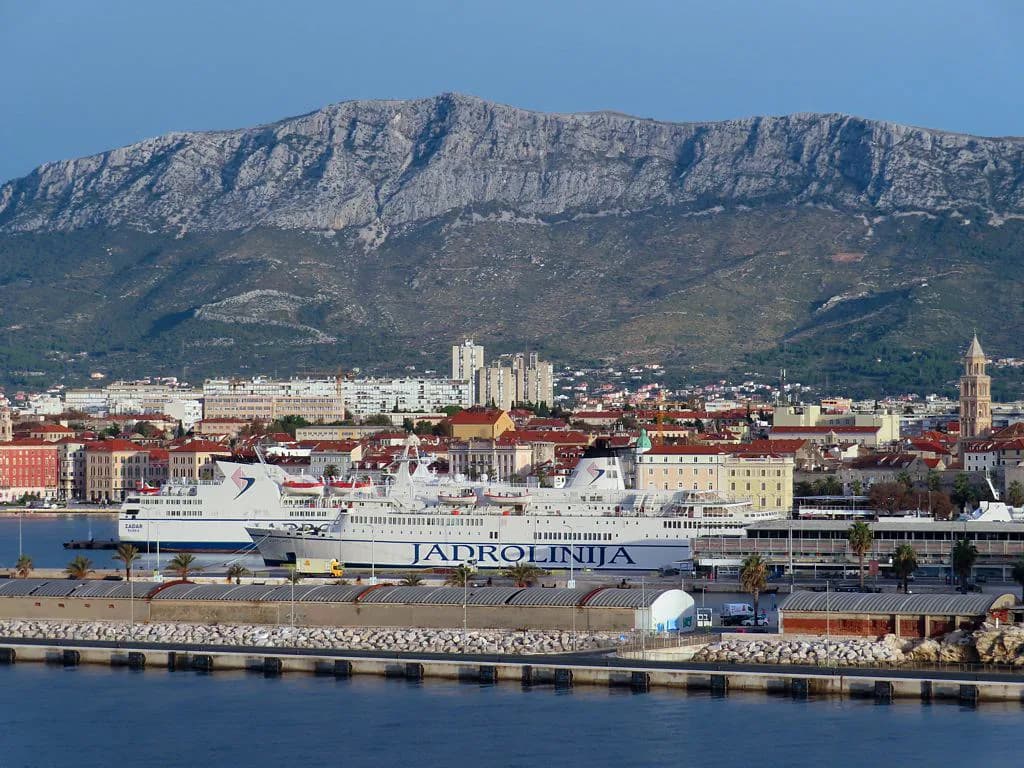
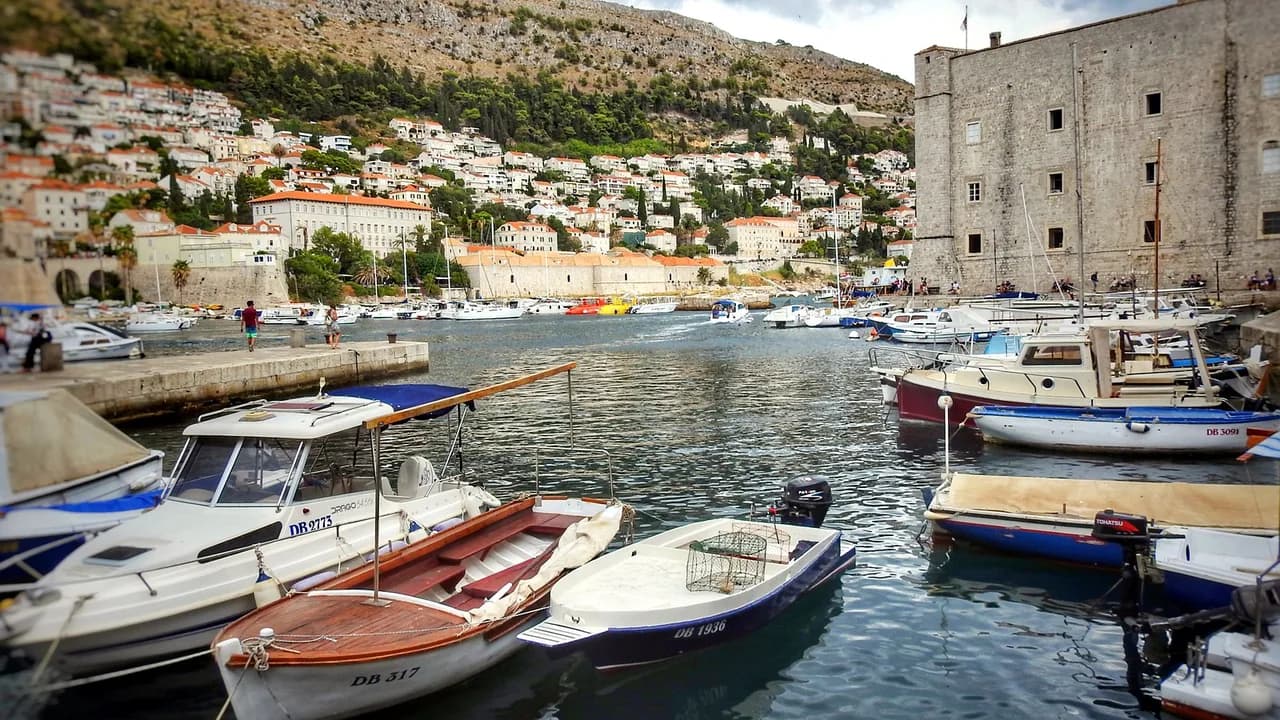
The Dalmatian cities are the easiest January win. Walk Dubrovnik's city walls and limestone streets, or Split's Diocletian's Palace and Riva, without the summer crush; the low winter light flatters the stone and you can get a table without a reservation.
Dubrovnik runs a Winter Festival that stretches into March, with the Old Town lit up through the season. The programme changes year to year, so the city's tourist board is the place to see what is on during your dates.
Zadar offers the same advantages: a compact historic centre, sea views and far fewer people. Pair a city base with a coastal walk on a dry day, and keep a museum or two in reserve for the wet ones.
Istria and the Northwest
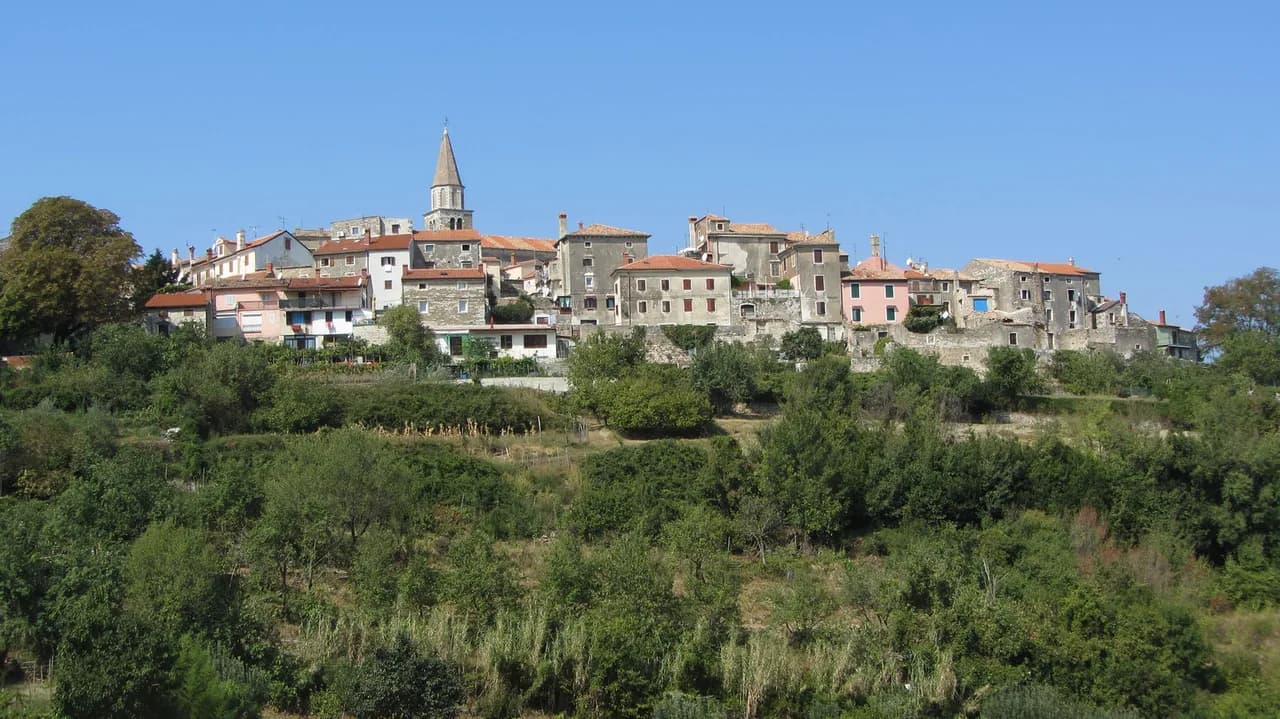
Istria is a rewarding January choice for food rather than sun. Rovinj and Pula are quiet, and the season is right for truffles, local wine and olive oil, with tables easier to find than in summer.
Expect a mild coastal climate but limited hours at seasonal restaurants and attractions, so check before making a long drive for a specific meal. A car helps here, since buses between small Istrian towns are thin in winter.
Rijeka Carnival
Rijeka's carnival is Croatia's largest and begins in January, with the ceremonial handing of the city key to the carnival master and the Korzo turning into an open-air party. Pageants, street dances, concerts and masked balls follow through the season.
The main parade and the peak of the festivities fall in February, so if the carnival is your reason to come, weigh a January visit for the opening against a February one for the full programme. Exact dates come from the carnival organisers.
Night of the Museums
On the last Friday of January, museums and galleries across Croatia open free from 6 pm to 1 am with special programmes, workshops and exhibitions. It is the single best date in the January calendar for culture-focused travellers, and it happens nationwide.
Plan around it by picking one city rather than trying to cover several; Zagreb and Split both have enough institutions to fill an evening. Venues publish their own participation lists closer to the night.
Skiing and Snow
Croatia's skiing is best treated as an add-on, not the reason for the trip. Sljeme above Zagreb and Platak near Rijeka offer short, affordable days on snow, and Platak's slopes come with a view of the Adriatic that few ski areas can match.
Gorski Kotar, the mountain region between Zagreb and the coast, adds snowshoeing and winter hiking for those who prefer quiet forest to lifts. Snow cover varies year to year, so check conditions with the individual resort before travelling for the slopes alone.
Getting Around in January
Direct flights to coastal airports thin out after early November, so Zagreb becomes the practical winter gateway, with domestic connections or a rental car onward. From other European cities there are still direct services to Split, Dubrovnik and Rijeka.
Ferries run reduced winter routes and timetables, and the bura can cancel sailings at short notice. If an island is essential, check the winter schedule with the ferry company and keep a mainland fallback rather than planning a tight chain of crossings.
For onward planning across the season, the wider winter picture helps: November is milder and wetter, while February holds the carnival peak and similar cold.
Crowds and Prices
January is firmly off-season: the Advent crowds have gone, coastal hotels cut prices if they open at all, and restaurants have space. Flights and rooms are generally cheaper from November to February than in peak season, which makes it a strong budget month.
The trade-offs are real: short days, rain on the coast, wind that can strand you, and closures that limit choice. You get empty streets and low costs in exchange for less certainty about weather and transport.
Who January Suits
January rewards travellers who want quiet cities, low costs and a genuine sense of local life, and it suits anyone chasing snow inland or planning around Night of the Museums and the carnival opening. It is a strong month for culture, food and photography.
It is the wrong month for beaches, swimming and ambitious island-hopping. If those are the point of your trip, wait for late spring or early autumn, or at least shift to a later winter month and accept that the sea stays cold.
Day Trips That Work in January
Realistic January day trips are short and road-based: Sljeme from Zagreb, Plitvice as a long day from Zagreb or Split, and Istrian hill towns from Rovinj or Pula. Keep them flexible and check road and park conditions before setting out.
Boat-based excursions to the islands are the ones to drop in January unless an operator confirms a winter sailing. Coastal walks and old-town wanders are the reliable substitutes when the water is rough.
Plan Your January Trip
Decide first which Croatia you want: the snowy interior with Zagreb and Plitvice, or the mild, wet coast with Dubrovnik, Split, Zadar and Istria. Then build the trip around two fixed points if they appeal: Rijeka's carnival opening in January and Night of the Museums on the last Friday of the month.
Book flexible transport, check winter ferry schedules and leave slack for the bura, and treat January as a season for cities and landscapes rather than beaches. If you would rather have longer days and warmer water, look at the spring months instead.
Explore more Croatia winter guides
Frequently Asked Questions
Is Croatia warm in January?
No. January is Croatia's coldest month: the coast is milder than the interior, with daytime temperatures around 10°C (50°F) and colder evenings, while Zagreb sits close to freezing and often below it. It is a month for coats and city walking, not for swimming.
Does it snow in Croatia in January?
Yes, most reliably inland. Zagreb and the highland areas around Plitvice Lakes often lie under snow in January, and heavy falls can disrupt travel on higher roads. Along the Adriatic, snow is uncommon and rarely settles, though flurries occasionally reach Split.
Is it worth visiting Croatia in January?
It is worth it if you want empty old towns, low room rates and a local atmosphere, or if you are chasing snow at Plitvice and around Zagreb. It is not the month for beaches, swimming or ambitious island-hopping, so choose a spring or early-autumn trip if those matter.
What is there to do in Croatia in January?
Walk Dubrovnik's walls, Split's old town and Zadar's historic centre without crowds, visit Plitvice Lakes under snow, ski a half-day at Sljeme or Platak, and eat Istrian truffles and seafood in quiet restaurants. Two dates to plan around are Rijeka's carnival opening and Night of the Museums on the last Friday of the month.
Sources
Winter travel notes
Optional updates when we add or revise winter guides.
You might also like
Continue reading
More guides you'll find useful