New Year's Eve in Croatia: Where to Be at Midnight
Croatia's New Year's Eve combines open-air parties in town squares with quieter harbor celebrations. Here is what 31 December 2026 looks like in the main cities.
On this page
Croatia at the turn of the year splits into two different holidays. Inland Zagreb is properly cold and the party is concentrated in one central square, while the Adriatic coast stays mild enough for long waterfront walks and gathers around harbor fronts and old-town streets.
The calendar helps in 2026–27: 31 December falls on a Thursday, Christmas Day 2026 is a Friday, and New Year's Day 2027 is a Friday, giving most visitors a three-day window without taking leave. New Year's Day is a public holiday in Croatia, so plan the first day of the year around what stays open rather than around shopping.
How Croatian New Year's Eve Works
The established pattern is a free open-air concert on the main square or waterfront of most sizable towns, with locals and visitors mixing in the streets rather than buying tickets. Croatia Week's round-up of town-square concerts shows the format running from Zagreb and Split down to much smaller places, which tells you the night is civic and public rather than resort-based.
Hotels add a second layer with gala dinners and in-house parties, which is the option to take if you want a seated meal, warmth and a guaranteed table. Everything else — the midnight countdown, fireworks over harbors, the crowd spilling off the square — happens outdoors and costs nothing to join.
The practical trade-off is weather. An outdoor celebration in Zagreb in late December means standing in near-freezing temperatures for hours, while the same night on the coast is mild but can turn wet or windy without warning. Choose your city by which of those evenings you actually want.
Zagreb: Trg ban Jelačić as the Main Stage
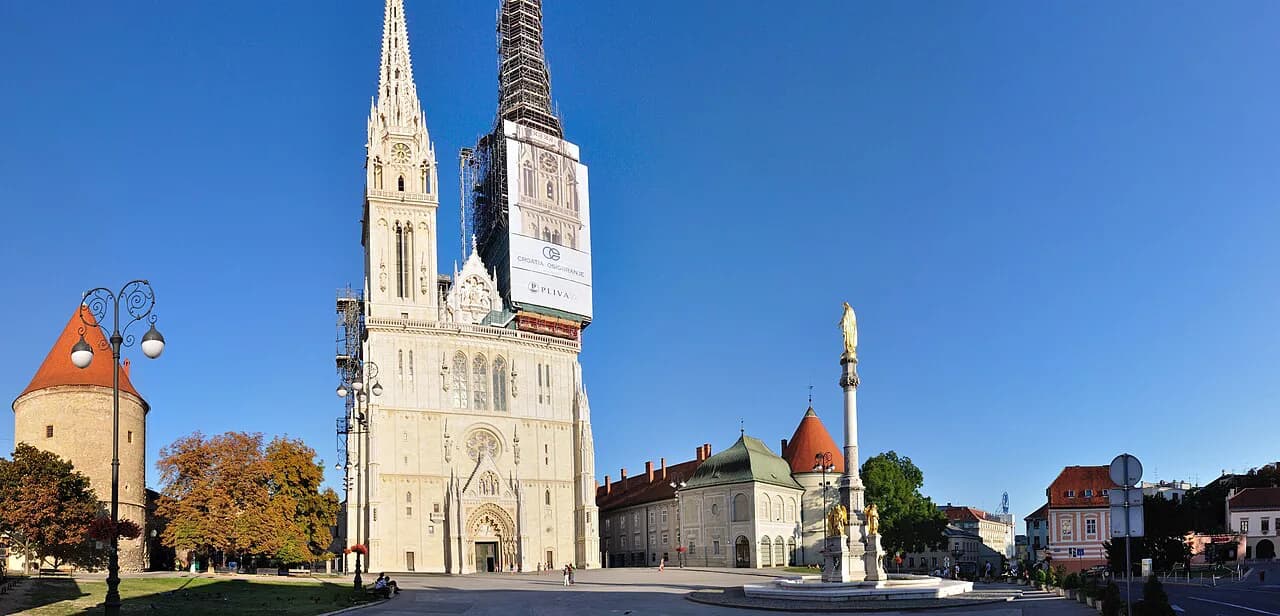
Zagreb concentrates its celebration on Trg ban Jelačić, the central square that has hosted the capital's free New Year's Eve concert in past years. The advantage of a single-stage city is that you can walk from your accommodation to the square, stay as long as the cold allows and retreat indoors without a taxi.
Expect a properly wintry night: the continental interior runs cold at the end of December, and standing still outdoors for several hours is a different proposition from a summer concert. The sensible approach is to book a table or a hotel dinner and treat the square as the midnight destination rather than the whole evening.
New Year's Day in Zagreb is a slow, cold public holiday. Upper-town museums and galleries give you a warm indoor route through the afternoon, and the Advent markets around the centre usually run into early January, so the city still has some life on 1 January even with shops shut.
Split: The Riva and Diocletian's Palace
Split gathers on the Riva, the seafront promenade that has served as the city's open-air stage for its New Year's concert. The setting is the draw: you are on the water with the harbor lights behind you and the palace walls a few minutes' walk away.
The morning after is the best reason to be in Split rather than Zagreb. Walking into Diocletian's Palace on 1 January, when the summer crowds are gone and the stone streets are quiet, is a genuinely different experience from the same route in July.
Coastal Dalmatia in late December is mild by central European standards but not warm, and rain is the variable that decides whether the Riva is comfortable or miserable. Build in a flexible plan: the palace and the indoor markets work whatever the sky does, while a waterfront evening does not.
Dubrovnik: The Stradun and the Old Harbor
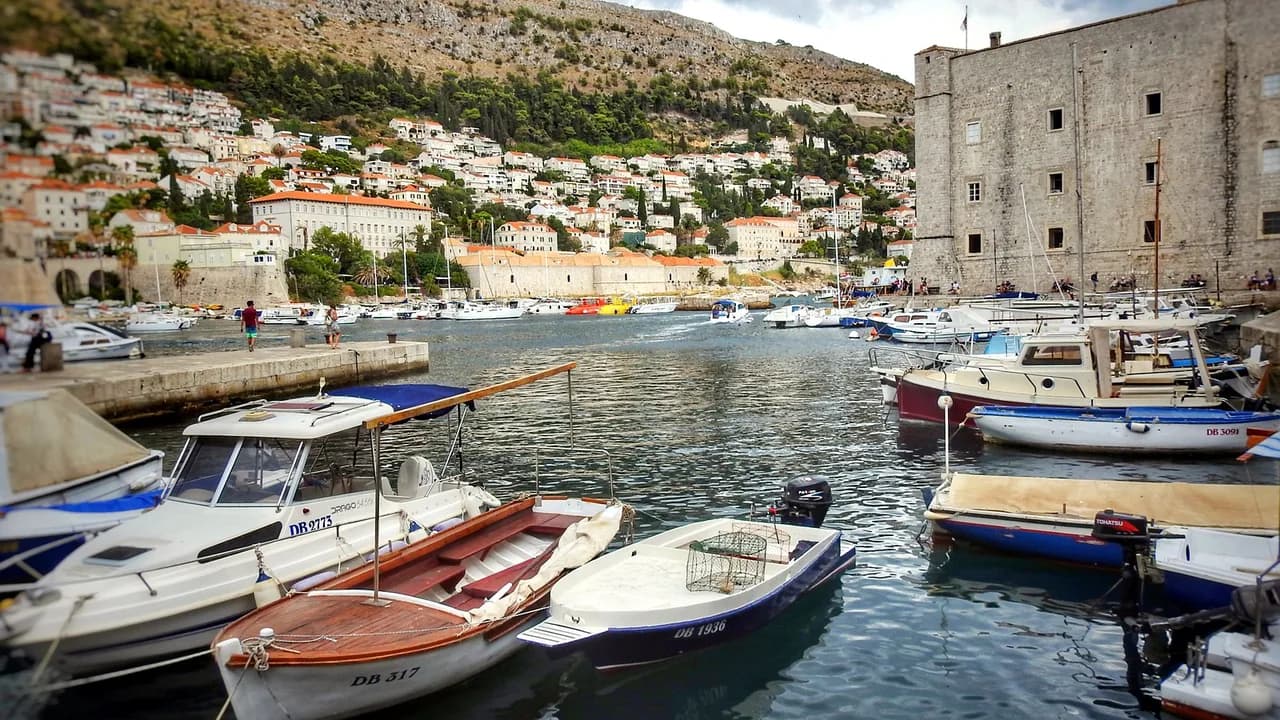
Dubrovnik's celebration runs along the Stradun, the limestone main street inside the walls, with the old harbor as the backdrop for midnight. Past celebrations on the Stradun have drawn big crowds into a very small space, which tells you the old town on 31 December is intimate and packed in equal measure.
Winter is the season that makes Dubrovnik walkable. The same walls and streets that are unbearable in August heat are comfortable in December, and a circuit of the city walls is the single best thing to do on 1 January while the town is still quiet.
Expect a good share of the midwinter trade to be regional rather than long-haul, with visitors from neighboring countries filling hotels for the holiday nights. That keeps the atmosphere local and the prices below summer levels, but it also means the old town's handful of hotels and restaurants fill up well before the date.
Rijeka and Opatija: The Kvarner Alternative
The Kvarner coast offers a smaller, less staged version of the same night. Rijeka's Korzo has hosted free square concerts like the rest of the country, and Opatija, twenty minutes up the coast, is a gentler place to spend the evening and the following morning.
This is the choice for travelers who want a real city with a working waterfront rather than a postcard. Rijeka is a port with year-round life, so restaurants and cafés do not vanish with the summer season the way they do in smaller coastal towns.
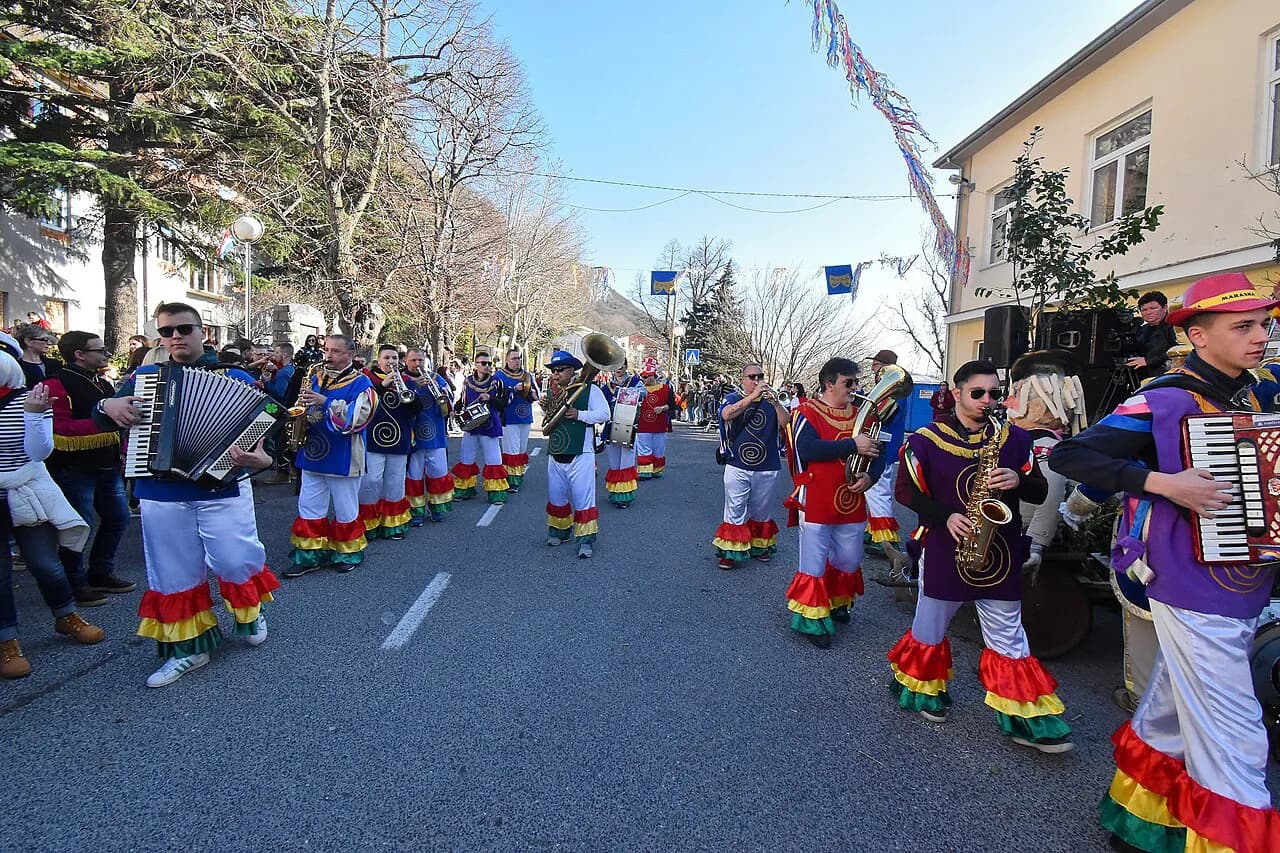
If your dates stretch past the first week of January, the Kvarner region becomes more interesting later in the season, when the carnival period takes over. That is a separate trip from New Year's Eve, and it belongs to a different set of dates in the winter calendar, which covers the whole season month by month.
Elsewhere on the Coast: Zadar, Pula and Makarska
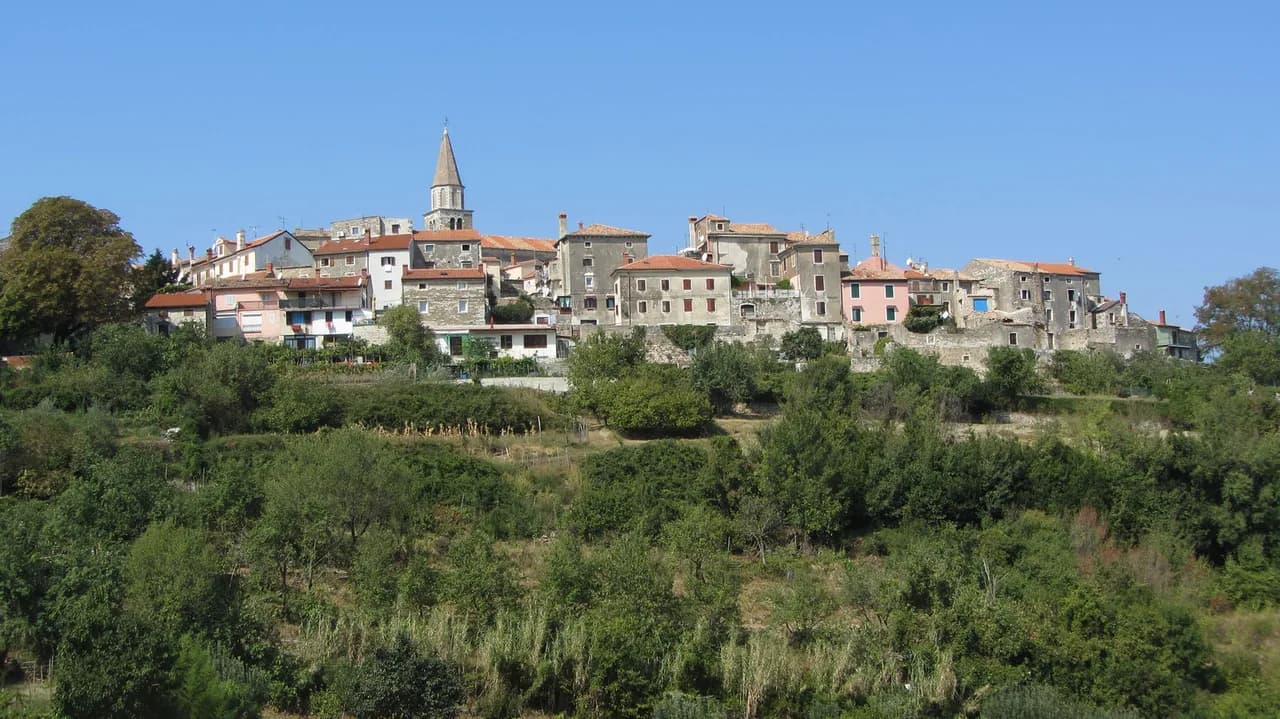
Zadar's Narodni trg, Pula's main square and Makarska's Kačićev Trg have all hosted free New Year's Eve concerts, which makes them credible smaller-city alternatives to Split and Dubrovnik. You get the same structure — a square, a stage, a midnight crowd — with fewer people and easier restaurant bookings.
These towns suit travelers who have already seen the big-name coastal cities or who want a low-key night without organizing a hotel gala. The trade-off is depth: in a small town, one bad-weather evening leaves you with limited indoor options, so a two-night stay is safer than a single night.
For a wider view of which coastal towns keep their restaurants and ferries running at different points in the season, the month-by-month picture is more useful than a single night's plan.
Weather at the End of December
The inland–coast split is the main thing to plan around. Zagreb and the interior sit in continental cold at the turn of the year, while the Adriatic coast is markedly milder, which is why Dubrovnik and Split can stage outdoor street parties that would be punishing in the capital.
Rain is the real variable on the coast, and the bora — the cold, gusty offshore wind — can arrive in late December and make an exposed waterfront genuinely unpleasant for a few days. There is no way to predict which way it will blow a year ahead, so treat an outdoor midnight as a plan with an indoor fallback.
Wherever you go, the daylight is short: sunset comes in the late afternoon, so the hours between the concert starting and midnight are long and cold if you are standing outside. Plan a warm indoor block — a long dinner, a museum, a hotel room — between late afternoon and the countdown.
Getting Around on 31 December and 1 January
New Year's Day is a public holiday, and holiday timetables apply to buses, trains and ferries. The safe assumption for 1 January is a Sunday-level or reduced service, so if you are moving between cities, book the transfer for 30 or 31 December and stay put on the holiday itself.
Coastal ferries to the islands run a reduced winter schedule regardless of the holiday, and some island connections are cut back sharply outside summer. If you want to spend New Year on an island, take the car ferry or a catamaran with a confirmed winter sailing and give yourself a buffer day on either side.
Driving is the most flexible option for the coast, but winter conditions in the interior — snow and closed mountain passes — can affect the routes between Zagreb and Dalmatia. Check road conditions before setting out and avoid a same-day drive from the capital to Dubrovnik on 31 December.
What Is Open Over the Holiday
Restaurants and hotels in the main cities serve through the holiday, and the New Year's Eve dinner is usually a fixed menu booked in advance. On 1 January, expect many shops to close and restaurants to open later, while museums and galleries in Zagreb, Split and Dubrovnik generally keep to their published winter hours.
Museums are the reliable indoor option on the first day of the year, and winter is when you can actually see them without queues. A city like Zagreb or Split can comfortably fill a cold, quiet New Year's Day with two or three indoor stops and a long lunch.
If your trip extends beyond the holiday, the rest of December and the first half of January have their own character, from quieter streets to the Epiphany holiday on 6 January. Extending the stay by a few days usually costs far less than adding them in summer.
Crowds, Costs and Booking Early
New Year's Eve is the one winter night when demand in Croatia is genuinely high. The capacity problem is not price but supply: coastal old towns have a limited number of hotel rooms inside the walls, and a midwinter celebration concentrated in a small area fills those rooms months ahead.
Outside that single night, the same destinations are quiet and comparatively cheap through December and January. Travelers who want the atmosphere without the premium can stay through the first week of January, when the square is dismantled, the streets empty and the coast returns to its off-season calm.
For anything beyond New Year's Eve itself, the wider picture helps: coastal towns wind down after the holiday and the interior moves into its coldest stretch. The month you choose changes the trip more than the city does, and the monthly guides make that comparison easier. If you are weighing similar off-season city breaks elsewhere, you can hold Croatia's Christmas-market and cold-square appeal up against Italy in winter, where many of the same decisions arise.
Who New Year's Eve in Croatia Suits
It suits travelers who want a real, public celebration rather than a manufactured resort party, and who are happy to be outdoors at midnight in proper winter conditions. It also suits anyone who wants to combine one big night with several quiet, walkable days in cities that are far more pleasant in winter than in summer heat.
It does not suit travelers who need guaranteed sunshine, a beach holiday or reliable outdoor dining every evening. The coastal rain and the bora wind can wipe out an outdoor plan, and inland Croatia in late December is cold enough that an evening on a square is a genuine decision, not a default.
Those who want summer sea temperatures and long, warm evenings should come back between June and September. Everyone else should pick a city, book early for the night itself and keep the rest of the itinerary loose enough to absorb a wet or windy day.
Plan Your Visit
The shape of the trip is straightforward: choose the coast for a milder evening and a walkable old town, or Zagreb for a single big square and a cold, wintry atmosphere. Then book the night itself early, because that is where supply is tightest.
Build the plan around the calendar rather than the city. With 31 December on a Thursday and New Year's Day on a Friday in 2026–27, a long weekend around the holiday is practical, and arriving a day or two early means you can settle in before the crowds arrive.
Wherever you end up, the pattern is the same: dinner indoors, the square or waterfront for midnight, and a quiet, cold walk on the first morning of the year. That combination is what makes a Croatian New Year memorable rather than merely busy.
Explore more Croatia winter guides
Frequently Asked Questions
Is Croatia good for New Year's Eve?
Yes, if you want a public, open-air celebration rather than a resort party. Croatian towns typically stage free concerts on their main squares or waterfronts, with midnight crowds and fireworks over the harbors, and hotels add gala dinners for guests who want to stay warm. The coast is mild at the end of December, while Zagreb and the interior are properly cold.
Where is the best place to spend New Year's Eve in Croatia?
It depends on the night you want. Zagreb concentrates everything on Trg ban Jelačić, which suits travelers who want one central square and a wintry atmosphere. Split's Riva and Dubrovnik's Stradun give you a coastal celebration with a walkable old town the next morning, and smaller towns such as Zadar, Pula and Makarska offer the same format with fewer people.
How do Croatians say Merry Christmas?
The standard Croatian greeting is Sretan Božić. Croatians also use the phrase with a new year wish attached, and you will hear it in shops, hotels and on the street throughout the holiday period. Christmas and New Year run together as one long festive stretch, so the greeting stays in use into early January.
Is Dubrovnik crowded at New Year?
The old town is busy on 31 December because the celebration is squeezed into a small walled space, and hotels in and around the city fill for the holiday nights. Outside that one night, Dubrovnik in winter is quiet and easy to walk, with none of the summer crowds on the walls or the Stradun.
What is open in Croatia on 1 January?
New Year's Day is a public holiday, so shops are largely closed and public transport runs a reduced holiday timetable. Restaurants often open later, and museums and galleries in Zagreb, Split and Dubrovnik generally keep their winter hours, which makes them the reliable indoor option for the first day of the year.
Will there be fireworks over the coast at midnight?
Coastal towns traditionally mark midnight with fireworks over the harbor, and Dubrovnik's old harbor is the classic setting. The scale and timing of any display are decided locally and announced close to the date, so confirm the arrangements for your specific town before you build the evening around it.
Should I book accommodation for New Year's Eve in advance?
Yes. The holiday is the busiest winter night in Croatia, and old-town hotels in Split and Dubrovnik have limited rooms inside the walls. Booking well ahead matters more for 31 December than for the quiet weeks either side of it, when rooms are plentiful and rates are far lower.
Sources
Winter travel notes
Optional updates when we add or revise winter guides.
You might also like
Continue reading
More guides you'll find useful