Croatia in March: Weather, Crowds and What's Open
Croatia in March brings mild Adriatic days, cold inland mornings and quiet old towns before Easter week. See typical weather and who the month suits.
On this page
March is the month Croatia stops behaving like a single country. The Adriatic coast edges toward spring, inland cities such as Zagreb hold on to winter, and the mountains above them can still feel like January. That split is exactly what makes a late-winter trip interesting.
It also decides who should go. If you want Dubrovnik's walls and Split's old town without summer crowds, early March delivers. If you want warm water, long evenings and open beach clubs, you are three months early, and May is the better bet.
Weather in March
Typical March temperatures across Croatia run from about 8°C (46°F) to 14°C (57°F), with regional variation doing much of the work. The north and inland sit at the cooler end while the Adriatic coast is warmer, so read these as long-term averages rather than a forecast.
Other seasonal summaries put the spread at roughly 8°C (46°F) in the north up to around 15°C (59°F) along the Adriatic. The gap matters: a day in Split and a day in Zagreb in the same week can feel like different seasons, so plan for two climates.
March behaves as a transition month, which in practice means changeable days rather than a steady warm-up. Carry a rain layer, expect some grey mornings even on the coast, and treat any sunny afternoon as a bonus to spend outside.
Coast versus interior
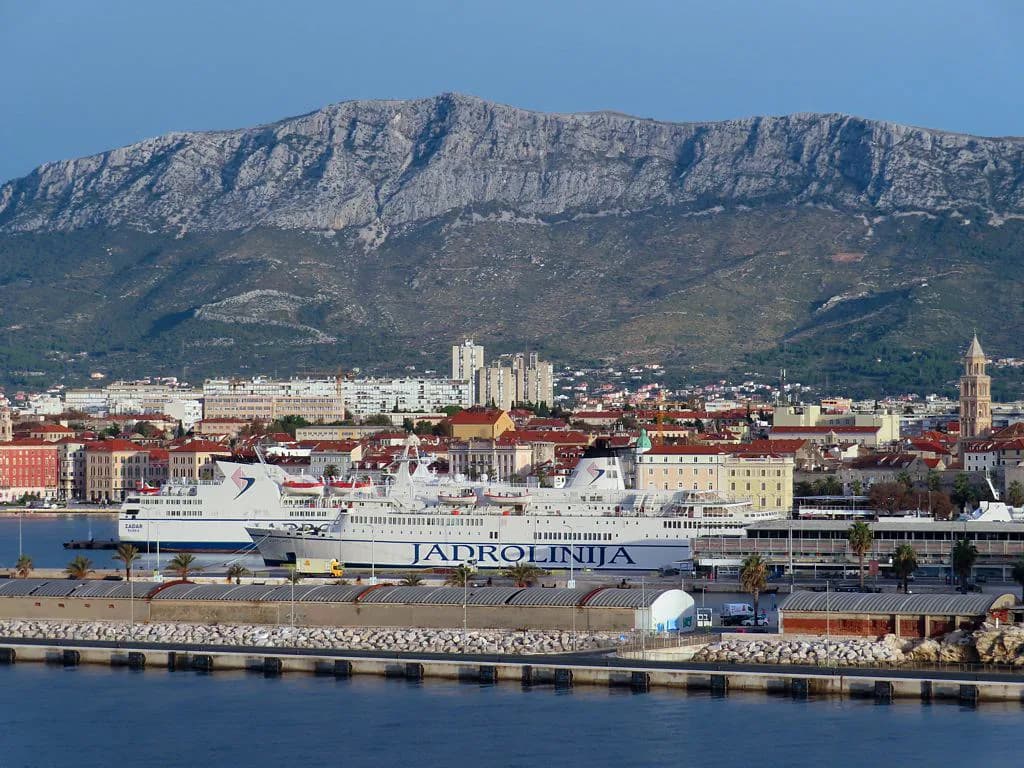
Dalmatia and Istria are the mildest options. Split, Dubrovnik and Rovinj sit on the water, where March air is moderated by the Adriatic Sea and afternoons can be genuinely pleasant for walking. It is not swimming weather, but it is sightseeing weather, and the wider winter picture across the coast is worth understanding before you pick dates.
Inland behaves differently. Zagreb stays cool and can still see frost, while the higher ground toward the Dinaric Alps holds snow well into the month. If you are heading inland, plan for winter conditions rather than spring ones.
Plitvice Lakes National Park sits between the two zones, cold and often wet in March, and winter conditions can affect which paths and boats run. The park publishes its seasonal arrangements, so build your day around what is operating when you go.
Daylight and the feel of the days
March daylight climbs quickly, but early in the month evenings still close in early. The bigger change comes on the last Sunday of March, when European clocks go forward and usable evening light suddenly stretches well past dinner. Plan city walks and viewpoints for late afternoon either side of that date.
If your trip straddles the clock change, note that the switch lands on the same weekend as Easter in 2027, which affects travel days and opening patterns. Build a buffer into any transfer booked for that Saturday night or Sunday morning.
What is open in March
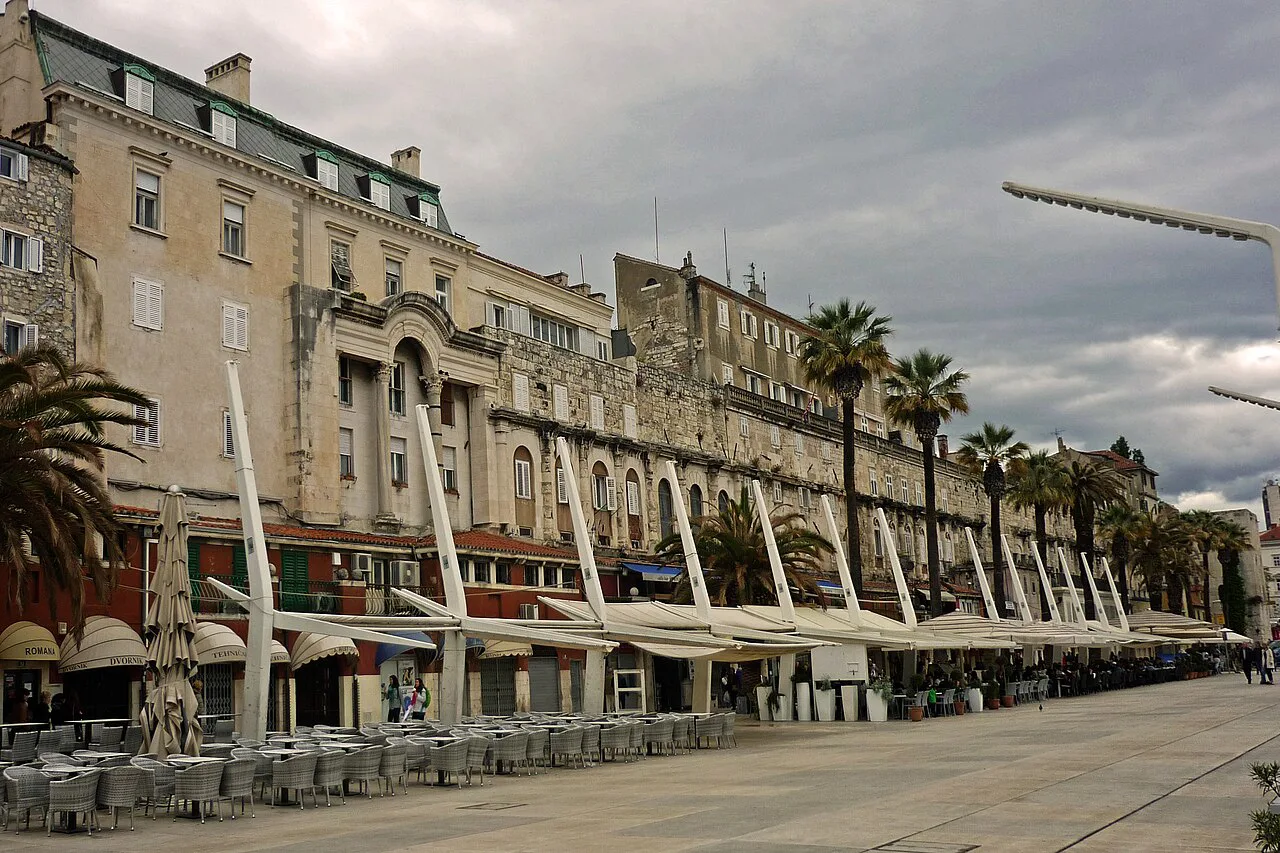
Croatia's old towns, city museums and fortified walls largely operate year-round, which is why March works so well for Dubrovnik and Split. The reward is space: you can walk the Dubrovnik walls without the summer crush, and the views over the old town and the sea are arguably clearer in the cooler air.
Seasonal tourism is a different story. Many coastal restaurants, beach clubs and island ferry services gear up later in spring, and ferry companies publish their own sailing calendars rather than running a summer schedule all year. Before you commit to an island day, check the current timetable with the ferry company running that route rather than assuming summer frequencies.
The same caution applies to coastal hotels and restaurants outside the main cities. Some reopen in stages through March and April, so an early-March visit to a small harbor town can be very quiet, while late March feels noticeably more awake.
Things to do
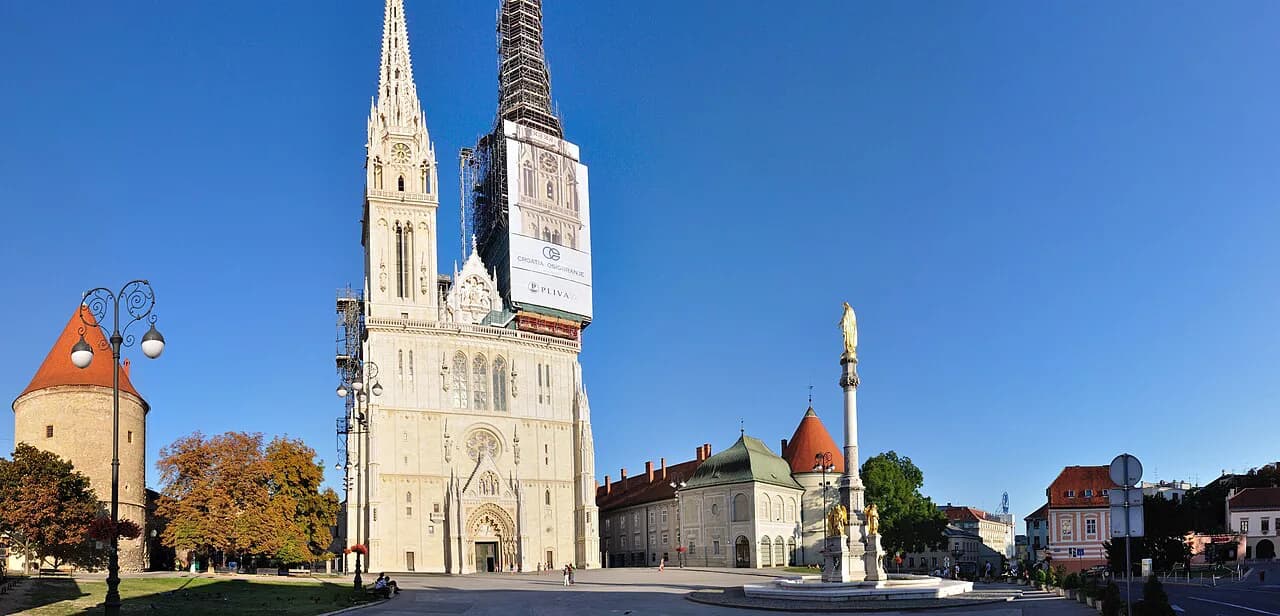
City walking is the core March activity. Diocletian's Palace in Split, Dubrovnik's old town and Zagreb's upper town all reward unhurried exploration, and the cooler air makes the uphill lanes and staircases far more comfortable than in July.
Use the weather as a filter. Grey days go to museums and covered markets, clear afternoons go to fortresses and viewpoints. On the coast the sea is the backdrop rather than the destination, though a harbor-side lunch still delivers the point of being there.
Food is a strong reason to come now. Istria's truffles appear on menus across the country in winter and early spring, in pasta, oils and cheese, and Zagreb's cafés and konobas fill with locals rather than tour groups.
If you want a sense of the wider winter and early-spring pattern, including which months are quietest, it helps to compare March against the month before you fix your dates; late February still carries Carnival energy in places like Rijeka.
Day trips that work in March
Konavle, the valley south of Dubrovnik, suits March well: wine tasting, family farms and short walks, with indoor options if the rain sets in. It is one of the easiest half-days from the city.
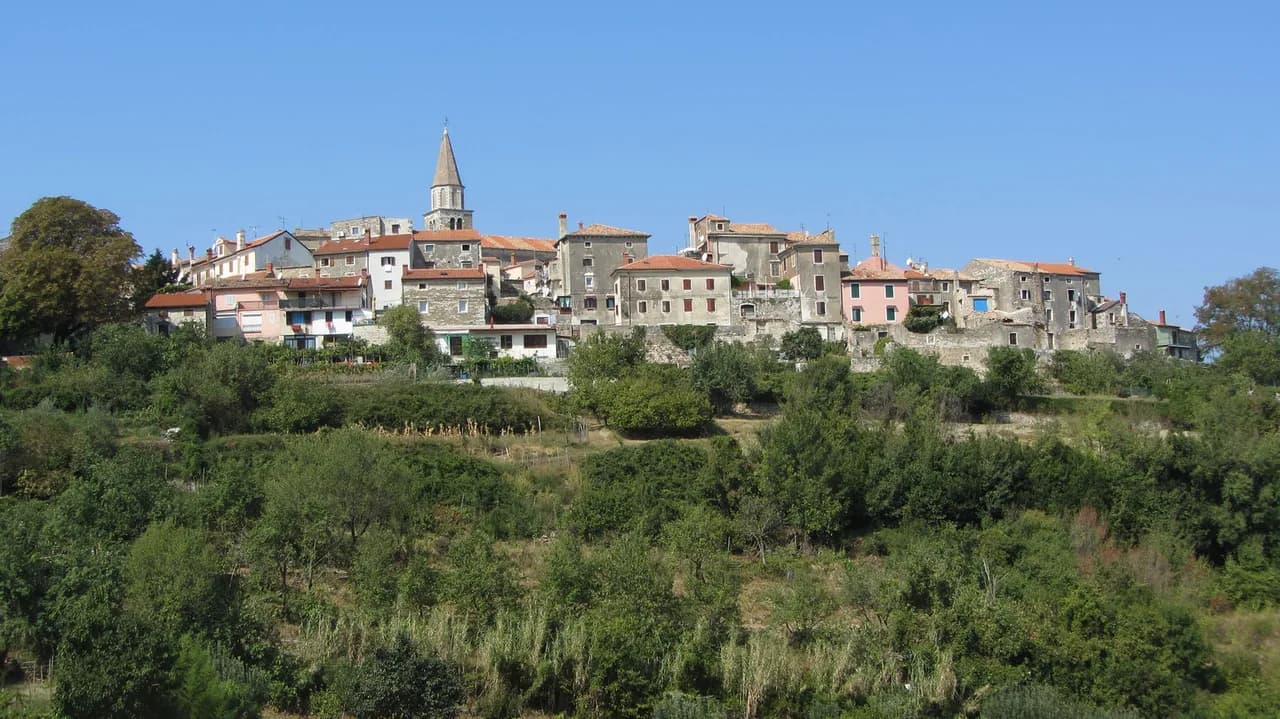
Istria's hill towns, including Rovinj and the inland villages, work as a gentle loop by car in March. Truffle country is at its most characteristic in the cooler months, and small towns are quiet enough that you can actually park.
Plitvice is realistic only as a full day from Zagreb, and the winter version is a different experience: fewer crowds, colder air and a need to work around whichever routes are running. If the lakes are your priority, plan a night nearby rather than rushing back the same evening.
For something more urban and northern, Zagreb and its surroundings give you a good cold-weather day out. Kumrovec, the open-air museum of restored rural cottages, is a straightforward excursion and quiet before spring weekends fill up.
Easter and Holy Week 2027
In 2027, Easter Sunday falls on 28 March, so Holy Week runs from 21 to 28 March. That is unusually early, and it lands on the same weekend the clocks go forward. Expect the last week of March to be noticeably busier than the first three.
If you want the quiet version of Croatia in March, aim for the first half of the month. If you want processions, decorations and a livelier atmosphere, book the Easter week and accept higher demand for accommodation and transport.
Crowds and prices
March is firmly shoulder season, and the trade-off is simple: far fewer visitors in exchange for some closed doors and unpredictable weather. Rates are set by individual hotels and restaurants rather than any national rule, so compare specific properties for your dates instead of assuming a seasonal discount.
The exception is Easter week, when domestic and regional travelers arrive and demand rises. If your dates are fixed around 28 March 2027, book early; if they are flexible, shifting a week earlier usually means a calmer trip.
Who March suits — and who should wait
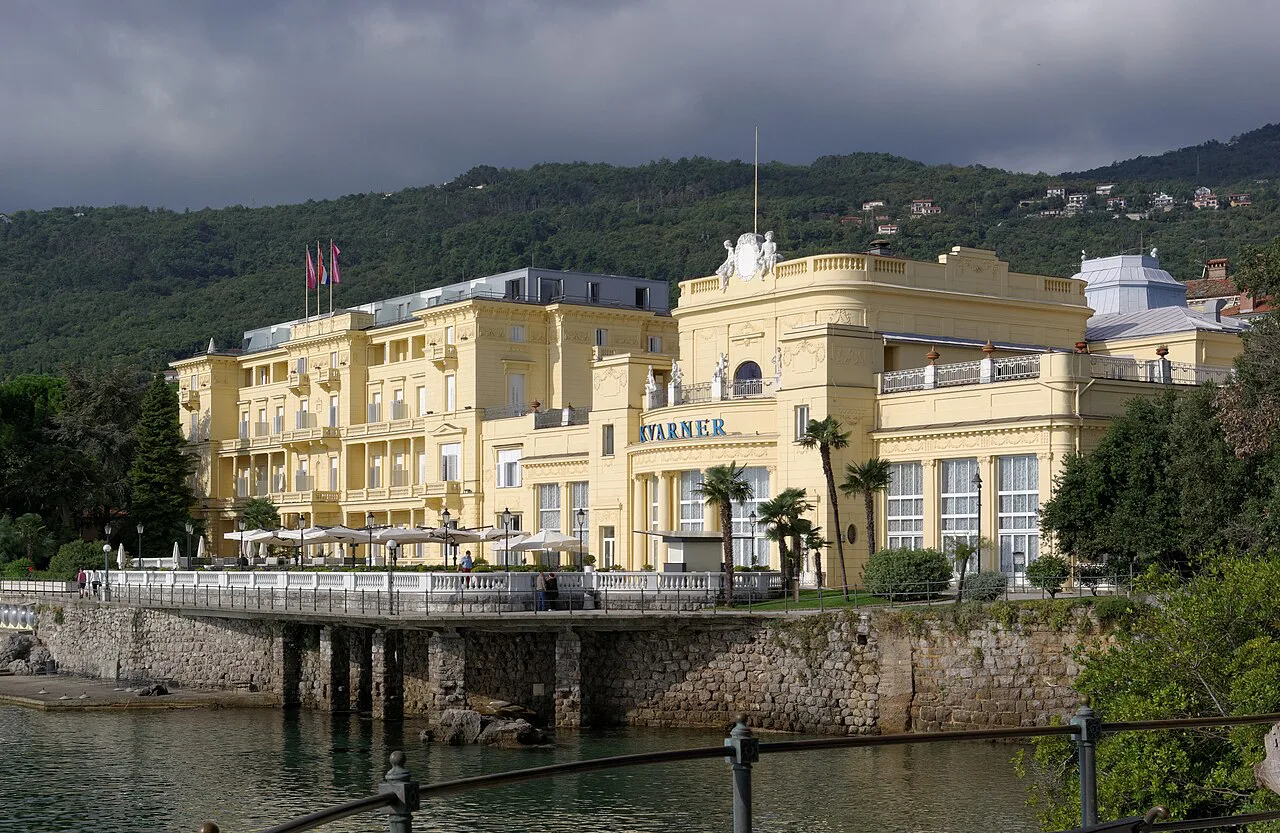
March suits travelers who want cities, food and walking without heat or crowds. It is a good fit for couples, photographers and anyone happy to trade beach time for empty streets and long lunches.
It suits less well if you want to swim, island-hop on summer timetables or eat dinner at a harbor terrace every night. For warm sea, open beach clubs and reliable coastal ferries, May is the more honest choice; for a colder, snowier atmosphere, look at February instead.
Taking a dog to Croatia in March
March temperatures in Croatia range from around 8°C (46°F) to 14°C (57°F) on average, with regional differences: the north sits near 8°C (46°F) while the Adriatic coast reaches around 15°C (59°F). For a dog, these are walking conditions rather than beach conditions, so plan the day around mild temperatures and coastal breezes rather than swimming.
Where you go matters as much as when. Inland areas, including Zagreb, are cooler than the coast in spring, so a dog travelling with you between the two will notice the difference. Coastal spring weather brings plenty of sunshine with occasional showers — April and May are the months described this way, after March's chill eases — so a towel and a dog coat for the cooler inland evenings are more useful than shade equipment.
Crowds are on your side in March. Spring, in April and May, brings fewer visitors to popular places like Split's Diocletian's Palace or Dubrovnik's Old City, and March sits before that lighter season, described as mild with sunny afternoons interwoven with cool, coastal breezes. A dog on a lead is easier to manage in uncrowded squares and old towns.
For outdoor days, the season's suggested activities suit a dog-owning traveller: exploring outdoor attractions is highlighted in spring, and the open-air museum at Kumrovec — restored cottages and gardens showing rural life more than a hundred years ago — is an outdoor stop rather than an indoor one. Easter festivities in larger cities such as Zagreb bring decorations, performances and markets, all outdoor wandering in mild weather. Summer, by contrast, is hot and dry, with coastal temperatures hovering between 75–90 F and inland regions sometimes exceeding 95 F.
Plan Your Trip
Decide first what the trip is for. A city and food break in Dubrovnik, Split or Zagreb works beautifully in early March; a coastal beach holiday does not. If you are weighing a shoulder-season city break further north instead, our Austria winter guide covers the same decision in the Alps, and Italy in winter makes a useful comparison for the months either side. Once that is settled, the rest of the planning is straightforward.
Build the calendar around two dates: the clock change on 28 March 2027 and Easter on the same weekend. Everything else, from restaurant bookings to ferry plans, is easier once those are fixed.
Explore more Croatia winter guides
Frequently Asked Questions
What is the average temperature in Croatia during March?
Long-term averages put March days at roughly 8°C to 14°C (46°F to 57°F) across the country, with the Adriatic coast at the warmer end and the north and inland cooler. Some summaries stretch the coastal figure to about 15°C (59°F). Treat these as typical conditions, not a forecast, and expect changeable days.
Is March a good time to visit Croatia?
Yes, if you want cities, food and walking without summer heat or crowds. Dubrovnik, Split and Zagreb are quiet and their old towns and museums stay open. It is a poor fit for a beach holiday, because the sea stays cold and many coastal restaurants and beach clubs are not yet in summer mode.
Is it warm enough to swim in Croatia in March?
No, not comfortably. Coastal air temperatures in March reach only the low teens Celsius, and the Adriatic holds winter cold well into spring. Treat the sea as scenery and plan walks, museums and harbor lunches instead of swimming, and wait until May if swimming is the point of the trip.
Does it rain in Croatia in March?
March is a changeable transition month, so grey mornings and wet spells are part of the deal, especially inland and around Plitvice. Carry a rain layer and keep museum or café options ready for the days that turn. Coastal afternoons are often bright enough for walking.
What is open in Croatia in March?
Old towns, fortified walls and city museums generally run year-round, which makes Dubrovnik, Split and Zagreb reliable in March. Island ferries, beach clubs and some small-town restaurants move to summer mode later in spring, so look up the individual operator's timetable before planning an island day.
Is Croatia crowded in March?
Early and mid-March are among the quietest weeks of the year, with plenty of space on the walls and in the old towns. The last week changes character because Easter Sunday falls on 28 March in 2027, so Holy Week from 21 to 28 March brings domestic and regional travelers and higher demand for rooms and transport.
Sources
Winter travel notes
Optional updates when we add or revise winter guides.
You might also like
Continue reading
More guides you'll find useful