Does It Snow in Croatia? Where and When It Snows in Winter
Snow in Croatia settles inland in Zagreb and the mountains from December to February, while the Adriatic coast rarely sees it. Here is where and when to expect it.
On this page
Croatia runs two winters at once. Inland, around Zagreb and across the mountains, temperatures drop low enough for snow to fall and settle through the core months, while the Adriatic coast stays mild and mostly wet rather than white. Which version of the country you get depends entirely on where you base yourself, so decide early whether you want to see snow or avoid it.
A city break in Zagreb or a mountain stay in Gorski kotar and Lika puts you in the snowy half of the country, with colder days and cheaper off-season rates. A Dubrovnik or Split trip trades snow for rain showers, short daylight and a quieter old town. Knowing which experience you want settles most of the planning.
Does it snow in Croatia? The short answer by region
Yes, snow falls in Croatia every winter, but almost all of it lands inland. The country splits into a Mediterranean climate along the Adriatic and a continental climate in the interior, and the mountain zone around Dinara behaves more like an alpine region again. That geography, not the latitude, decides whether you see snow.
If snow is the point of the trip, plan around Zagreb, Gorski kotar, Lika or the higher ground near Dinara. If you want a mild coastal break with museums and seafood, choose Dubrovnik, Split or Zadar and expect rain far more often than snow.
Snow in Zagreb and inland Croatia: December, January and February
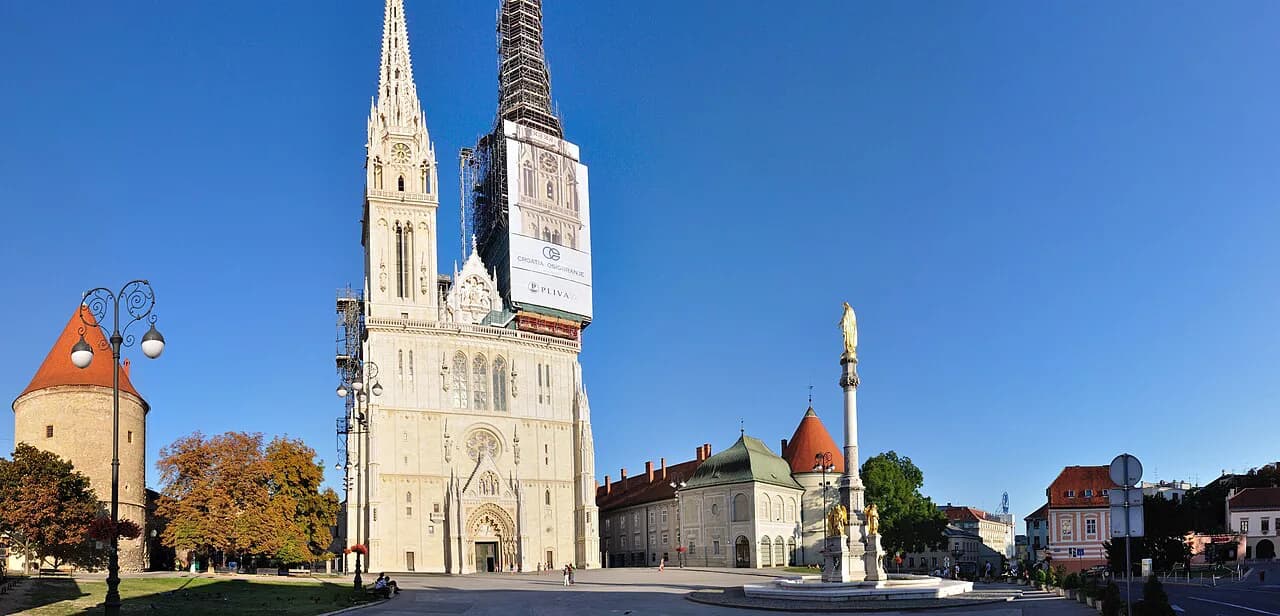
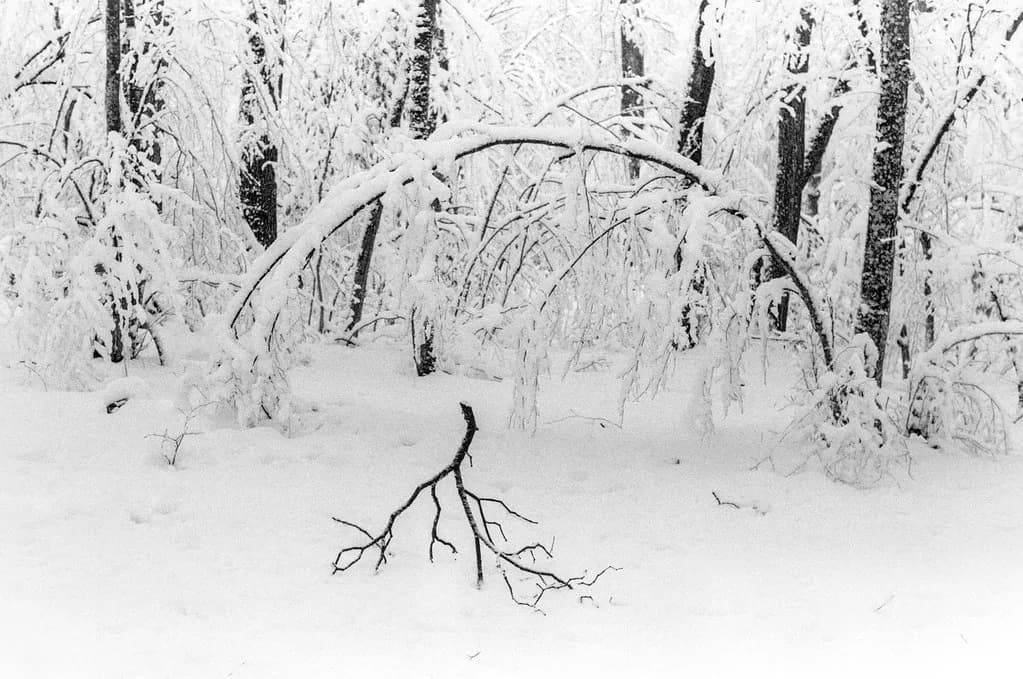
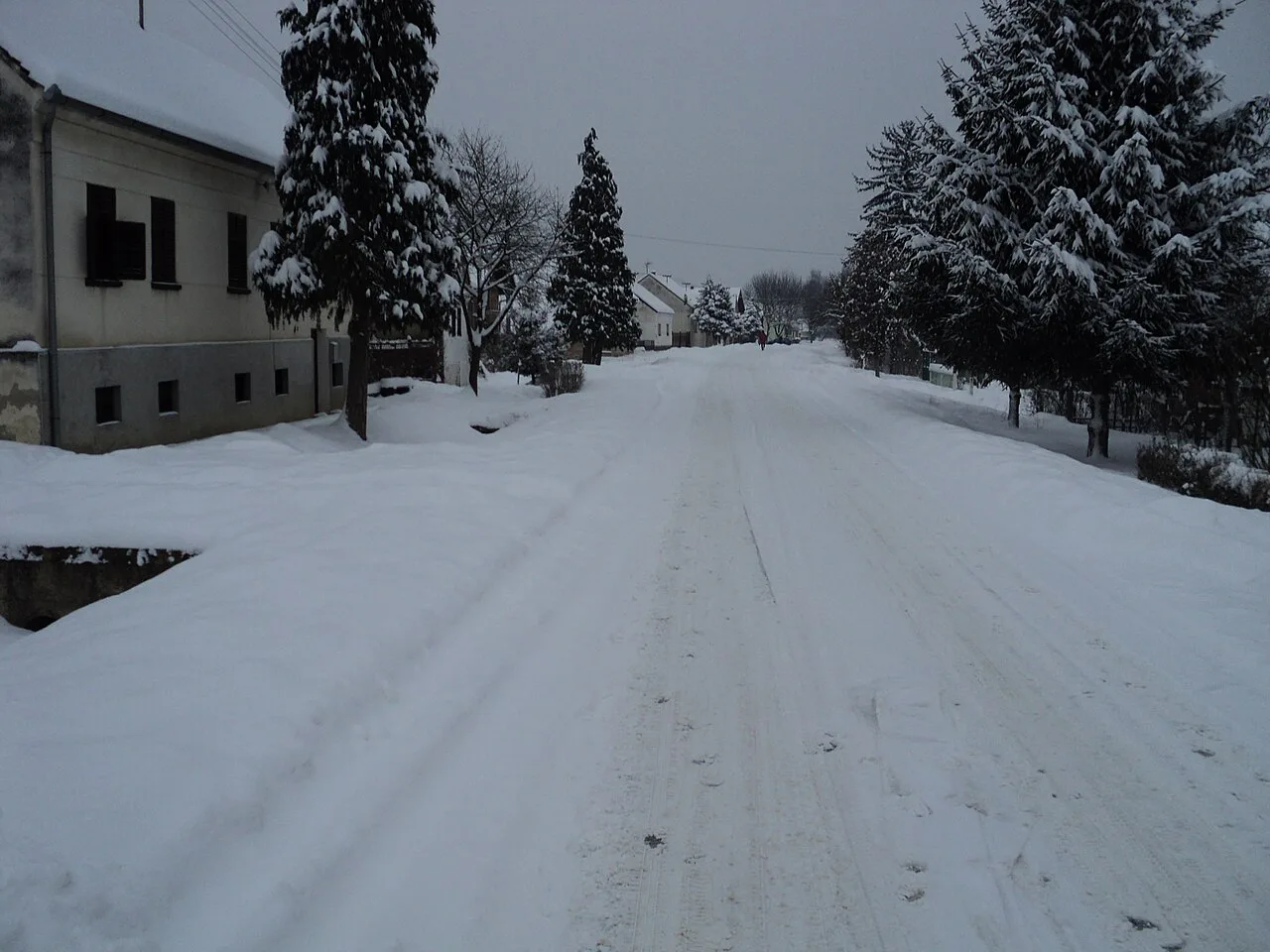
Zagreb is the most reliable place in Croatia to combine city life with a real chance of snow. Inland winters typically run from about minus 1 to 3 °C (roughly 30 to 37 °F), cold enough for snow to lie on the ground for days rather than melt on contact. This is the stretch to book if snowy streets and a festive city atmosphere are what you are after.
In January 2026 a single storm left 22 cm of snow on Grič in the city center and 29 cm at Zagreb airport, with 39 cm at Ogulin and 38 cm at Delnice in the hills to the southwest. Read those numbers as proof that heavy inland snow happens rather than as a typical forecast; the totals show how the interior and the mountain fringe catch snow while the coast does not.
December snow is less certain than January or February snow in Zagreb, and a white Christmas is possible but far from guaranteed. January is the coldest and most snow-prone stretch, while February often keeps cold nights and the chance of fresh falls before the thaw sets in.
Snow in the mountains: Gorski kotar, Lika and the Dinara range
The mountainous interior turns noticeably colder than the lowlands, with typical winter temperatures in the mountains around minus 5 to 0 °C (about 23 to 32 °F). Delnice and Ogulin in Gorski kotar sit right in this belt, which is why they recorded the deepest snow in that January storm.
Higher ground in Lika and toward the Dinara range holds snow longer and gets more reliable cover than the cities, but winter access is the trade-off. Roads through the mountains can be slow after heavy falls, so allow extra time and pick a base with easy access to main routes rather than a remote hamlet.
Snow on the coast: Dubrovnik, Split, Zadar and the islands
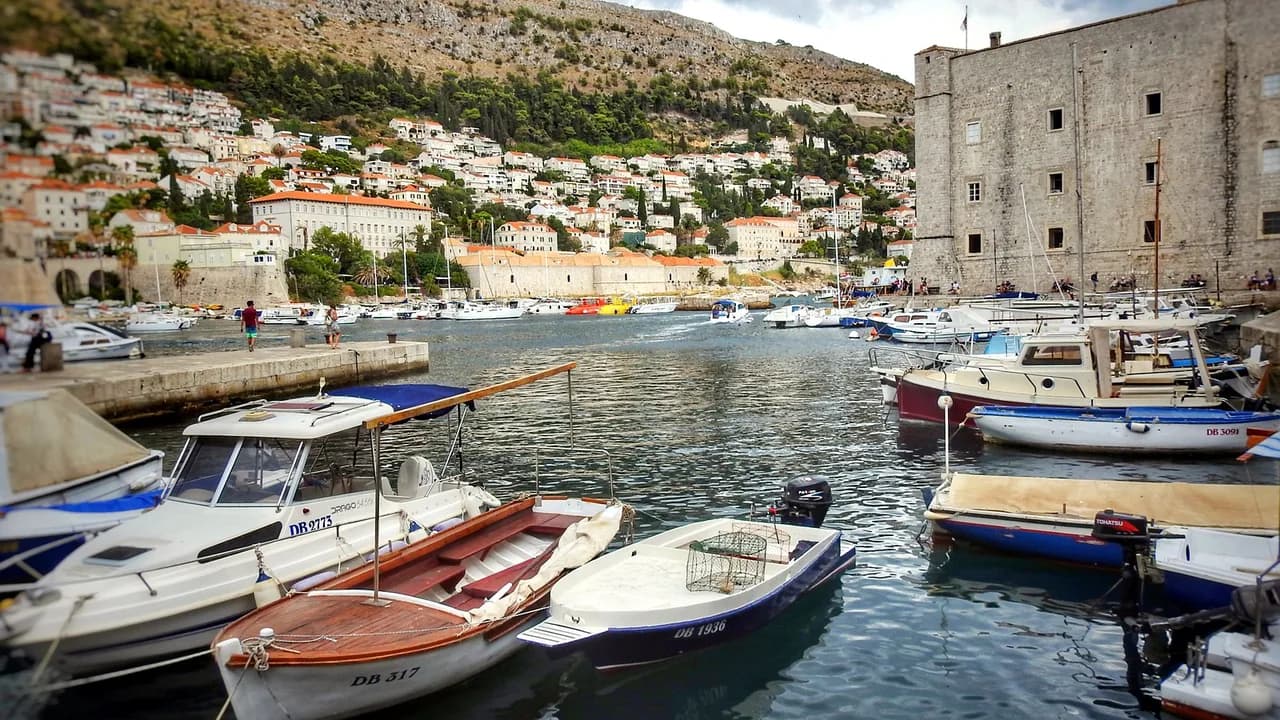
The Adriatic coast mostly gets rain, not snow. Coastal winter temperatures typically sit between 5 and 10 °C (roughly 41 to 50 °F), which keeps most precipitation falling as rain in Dubrovnik, Split and Zadar. Flakes do reach the coast occasionally during cold snaps, but they are the exception rather than something to plan around.
Island towns such as Hvar and Korčula are quieter and wetter in winter, and the same mild-but-changeable pattern applies. Treat a coastal snow day as a bonus rather than the reason to go, and build in indoor plans for the wet days that are far more likely to turn up.
Weather in winter: coastal and inland temperatures compared
The temperature gap between coast and interior is the single most useful planning number. Coast: typically 5 to 10 °C (41 to 50 °F). Inland lowlands: about minus 1 to 3 °C (30 to 37 °F). Mountains: around minus 5 to 0 °C (23 to 32 °F). Pack and plan for whichever of those bands your itinerary falls into.
Along the coast, the low season from November to April brings cooler, changeable weather and many hotels and attractions closing for winter, which changes what a coastal base can offer. Inland, cold is the main story and lower prices usually follow. The trade-off is simple: warmth and open attractions on the coast, or snow and cold inland.
When does it snow? Month-by-month likelihood
Snow is least likely in December and most likely in January and February, though a cold snap can produce snow in any of the three months. Over the winter, the coast is mild and wet while the interior is cold and snow-prone, so aim your trip at the region that matches your wish rather than chasing a specific date.
January is the sweet spot if a snowy city or mountain landscape is the goal, and February keeps the cold with Carnival to work around. Winter changes over to a milder pattern in March, when snow becomes less likely even inland and coastal days start to feel more like early spring.
November sits at the very start of the season, with colder, wetter weather setting in but snow still an outside bet outside the mountains. If you want festive city atmosphere rather than guaranteed snow, November and early December are calm and cheap inland.
The bora wind and what it does to a winter visit
The bora is the cold, gusty wind that funnels down toward the Adriatic and can make a bright coastal day feel far colder than the thermometer suggests. On coast, inland and mountain temperatures can all read mild on paper while the wind bites on an exposed seafront or viewpoint. Choose sheltered old-town streets over open promenades when it is blowing, and keep ferries flexible on windy days.
For inland snow days, the same wind adds to the chill, so plan the outdoor stretch of the day for the middle hours when the light and temperature are at their best. A short, well-timed walk beats a long exposed one in January and February.
Things to do on a snowy inland trip
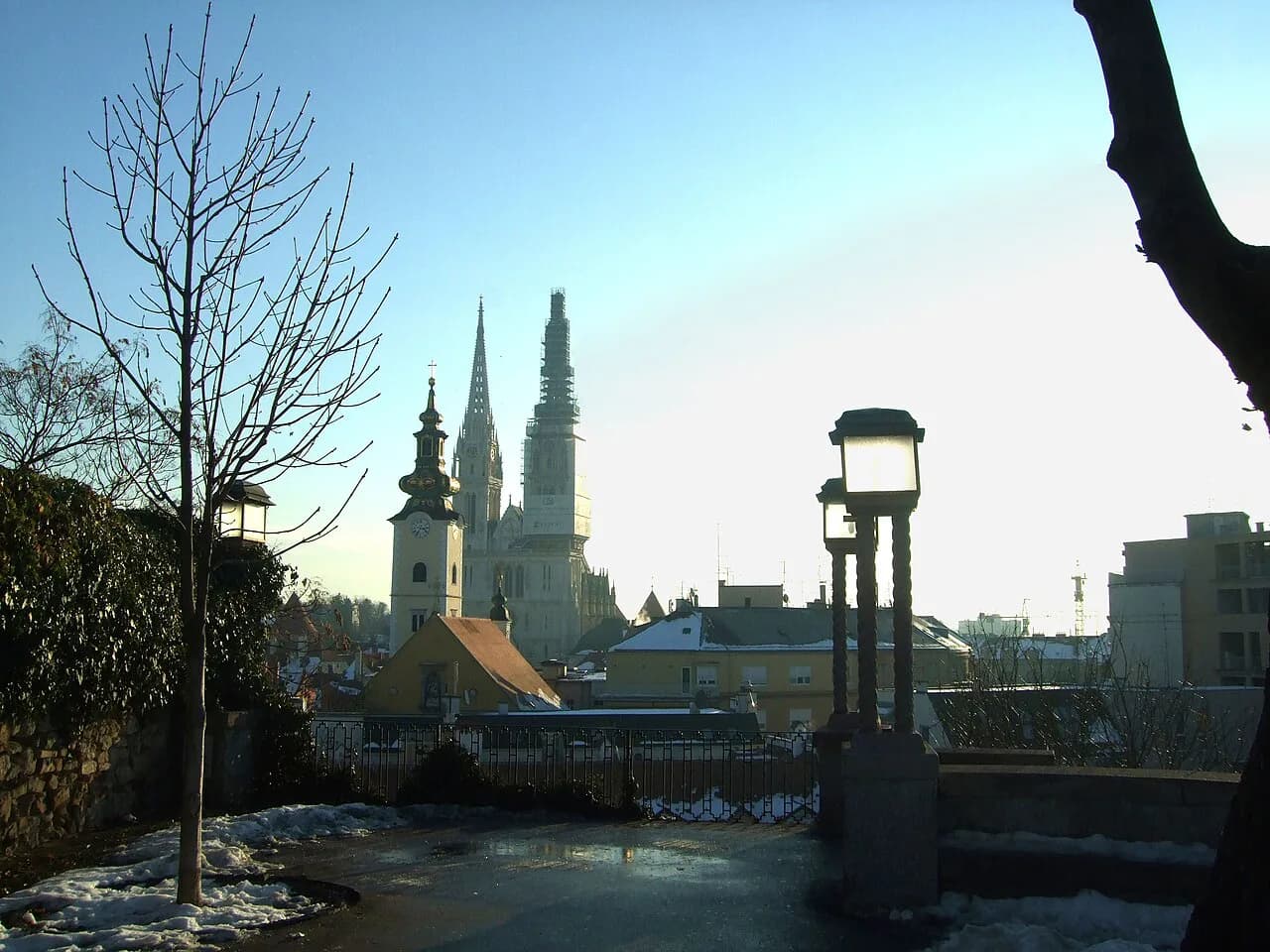
Zagreb works well in snow: the upper town, the markets and the museums give you a dense, walkable core where you can duck in and out of the cold. A snowy city is also a good base for a festive break, with indoor galleries and cafés filling the time between walks.
Rijeka, on the coast-facing edge of the mountain belt, mixes a winter city break with Carnival season, whose peak falls in February. That gives a February trip a lively reason to head west even if the snow is patchy that week.
Things to do on the coast when there is no snow
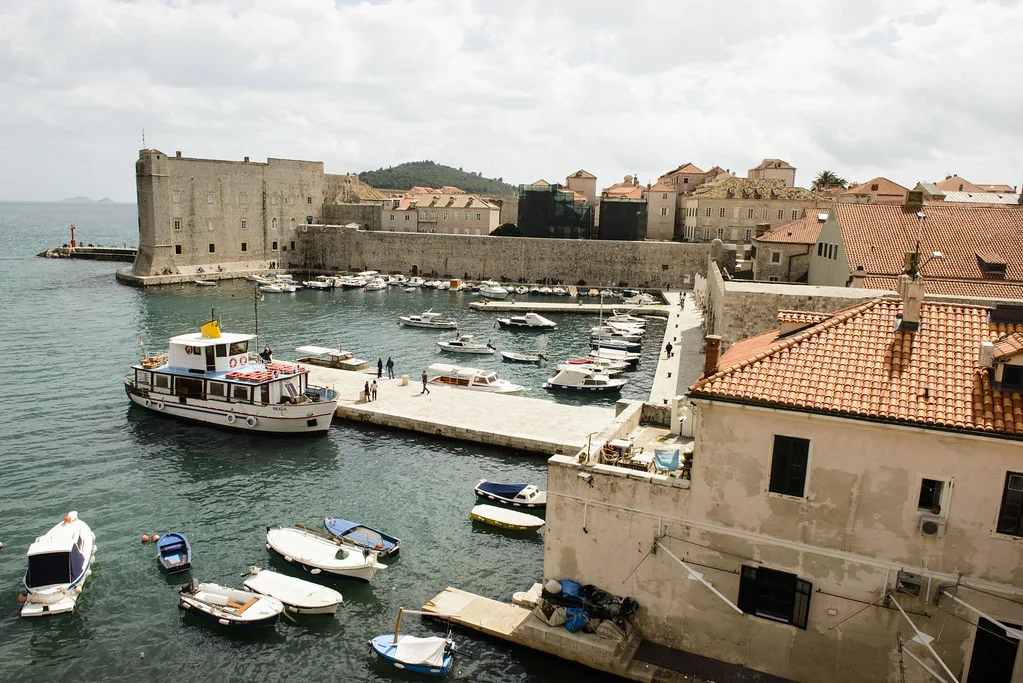
Without snow, the coast becomes a quiet city and food trip. Dubrovnik and Split are calmer in winter, with old-town walks, indoor sights and long lunches replacing beach days, and the low season keeps most of the pressure off. Expect rain showers and short daylight, and treat fine days as the ones for longer walks.
Inland, the Plitvice Lakes National Park is a winter excursion that suits a snow-and-water trip, with frozen falls and quieter paths when conditions allow. Plan it for a settled-weather window and allow for winter road conditions on the drive.
Getting around in winter snow and wind
Inland, snow can slow roads and mountain routes, so build slack into travel days in January and February and avoid tight connections when heading into Gorski kotar or Lika. On the coast, wind is the bigger disruptor: ferries and exposed crossings can be delayed when the bora blows, so keep plans for islands flexible and carry a wet-weather alternative.
Trains and roads link Zagreb with the coast, but winter conditions mean you should look at the day's conditions before committing to long drives through the mountains. If your plan hinges on a specific mountain route or crossing, check current conditions with the Croatian road authority, Hrvatske ceste, on the day.
Who a snow-seeking Croatia trip suits, and who should pick another month
Croatia in winter suits anyone who wants a snowy European city break or a cold mountain trip without the crowds of summer. It also suits travelers who want a cheap, quiet version of the Adriatic and are happy with rain, short days and a slower pace.
If you want guaranteed sun, swimming and long beach days, winter Croatia is the wrong call, and the coast in particular should wait for late spring or early autumn. Snow-seekers should aim for January, snow-avoiders should favor the coast, and anyone planning around Carnival should know the peak falls in February.
Plan Your Winter Trip
Decide on your winter first: snowy interior, or mild coastal. Zagreb and the mountains give you snow with cold days and quieter prices; Dubrovnik, Split and Zadar give you museums, food and sea air with rain. January and February are the most snow-prone months inland, and the bora is the variable that can turn a clear coastal day bitter. If you are weighing the same snowy-city decision elsewhere in Europe, our Austria winter guide covers the equivalent trade-offs in the Alps.
Book for the region that matches your wish rather than trying to chase snow across the whole country, and keep mountain and ferry days flexible when the weather is unsettled. That way a snowy week and a wet one feel like the same trip.
Frequently Asked Questions
Does it snow in Croatia?
Yes, but mostly inland. The continental interior around Zagreb and the mountains of Gorski kotar, Lika and the Dinara range get snow that settles through December to February, while the Adriatic coast is mild and wet with only occasional flakes during cold snaps.
Does it snow in Dubrovnik?
Rarely. Dubrovnik sits on the mild Adriatic coast, where winter temperatures typically stay between 5 and 10 °C, so precipitation usually falls as rain. Snow is possible during a cold snap but is not something to plan a trip around.
Does it snow in Split?
Split follows the same coastal pattern as Dubrovnik: mild, wet winters with snow as an occasional exception rather than a feature. Expect rain showers and short daylight, and plan indoor sights for the unsettled days.
When are the best months for snow in Croatia?
January and February are the most likely months for snow inland, with February still cold and prone to falls. December can bring snow to Zagreb and the mountains but is less reliable, and March marks a transition toward milder spring conditions.
How cold does Croatia get in winter?
It depends on the region. Coastal areas typically stay between 5 and 10 °C, inland lowlands around minus 1 to 3 °C, and the mountains around minus 5 to 0 °C. The bora wind can make a clear coastal day feel much colder than the temperature suggests.
Can you ski in Croatia?
Croatia has winter sports on its higher ground, but this is a minor part of the winter picture compared with snow in the cities and mountains. If skiing is your main goal, check the resort's own snow and lift information before booking.
Sources
Winter travel notes
Optional updates when we add or revise winter guides.
You might also like
Continue reading
More guides you'll find useful