Does It Snow in France? Snow by Region and Month
Snow is common in the French Alps and other mountains, while Paris and the lowlands see it only occasionally. Here is where and when snow falls in France.
On this page
France in winter splits into two quite different countries. In the mountains, snow is a normal part of the season and shapes how villages, roads and lifts operate from December into March. In Paris, the Atlantic coast and the Mediterranean lowlands, winter is mostly cool and damp, and snow arrives as an occasional event rather than a fixture.
That divide decides what kind of trip you book. If snow is the point, aim for altitude in the Alps, the Pyrenees, the Massif Central or the Jura. If you want museums, markets and city walks without ice underfoot, the lowlands and the south suit you better, with snow treated as a bonus rather than a plan.
How Often It Snows in France: Mountains Versus Lowlands
France sits in the temperate zone with moderately cold winters, and its weather is driven by latitude, distance from the Atlantic and, above all, altitude. That is why a village at 1,200 meters in the Alps can hold snow for weeks while a city at sea level in the same month sees rain. The national climate picture, including the cold, wet winter sequences that bring heavy precipitation to high ground, is set out in the climate of France.
Think in terms of three bands. High mountains above roughly 1,500 meters are where settled snow is reliable in midwinter. Mid-altitude hills and eastern plains see regular frost and occasional snow that lies for days rather than weeks. Coastal and southern lowlands rarely keep snow on the ground, and a white day there is short-lived and disruptive rather than scenic.
Rain-to-snow limits matter more than snowfall totals for planning. Weather systems crossing the Alps routinely drop snow at altitude while falling as rain lower down, and the limit can shift by hundreds of meters within a day. On the weather and snow conditions page, forecasters track exactly that line, along with which areas are picking up fresh snow.
Snow in the French Alps
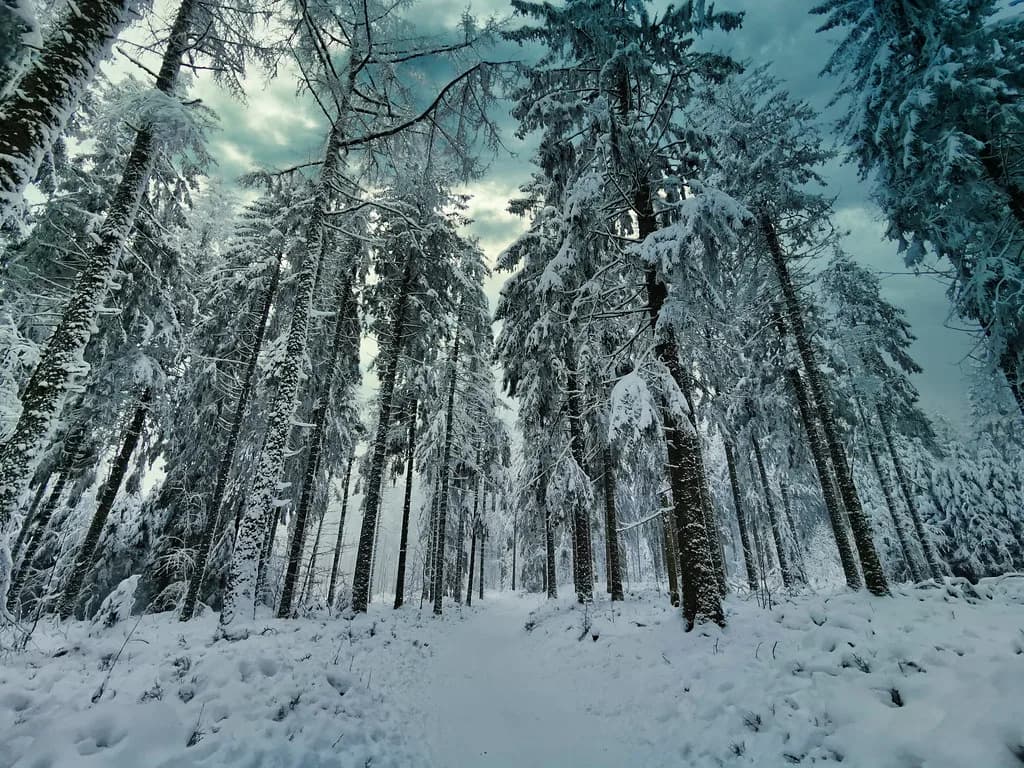
The French Alps are the country's snow engine. The northern ranges around Chamonix, the Tarentaise and the Vanoise tend to do well from westerly and north-westerly systems, while the southern Alps pick up snow from Mediterranean disturbances that can deliver large amounts in a short window. This is why two resorts at similar altitude can have very different cover in the same week.
The season builds rather than switches on. Early high-altitude falls from October onward whiten the glaciers and the highest slopes, but the cover that matters for a winter visit usually accumulates through December and deepens in January and February. Reserves can be thin on lower slopes in a mild winter, so altitude is the single most useful variable when you choose where to base yourself.
Away from the lifts, Alpine towns such as Annecy and Chamonix give you a snow experience without committing to a ski week. If Annecy is on your shortlist, does it snow in Annecy sets out what the town itself typically gets by month and where to find reliable snow nearby.
Snow in the Pyrenees, Massif Central and Jura
The Pyrenees form the second great snow range, running along the Spanish border from the Atlantic to the Mediterranean. They catch moisture from both sides, and the central and western valleys are the most consistent for winter cover, with resorts spread across Ariège, Haute-Garonne and the Hautes-Pyrénées. Snow here can be deep and long-lasting at altitude but patchy on the lower approaches.
The Massif Central is France's unexpected snow country. The volcanic uplands of the Cantal, the Aubrac and the Monts Dore sit high enough to hold snow through midwinter, and cross-country skiing and snowshoeing are as much part of the picture as downhill slopes. The Jura, along the Swiss border, is colder and more continental, with a long, low-key snow season among forests and comté country.
Does It Snow in Paris?
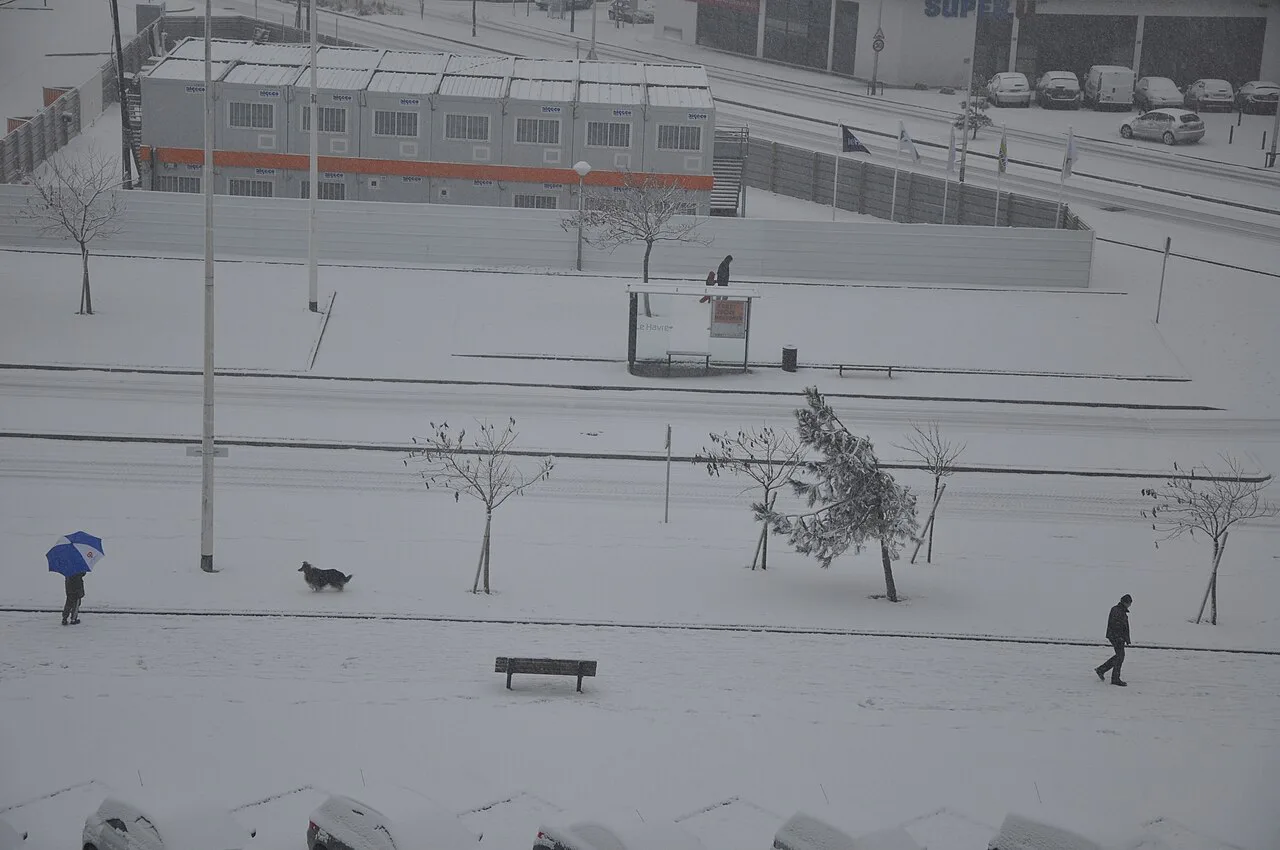
Paris does get snow, but rarely in a way that settles for long. The city's low altitude and Atlantic influence mean winter precipitation usually falls as rain, and when snow does arrive it often turns to slush within hours as traffic and slightly milder air take over. A dusting on rooftops is a genuine event in the capital, not a seasonal routine.
When snow is forecast in Paris, expect transport to slow and some flights and trains to be affected, and plan indoor anchors accordingly. Winter is otherwise a strong season for the city's museums and covered passages, and if you want a full picture of the season beyond snow, the France in winter guide covers weather, openings and what runs year-round.
Eastern and Northern France: Alsace, Lorraine and the Continental Influence
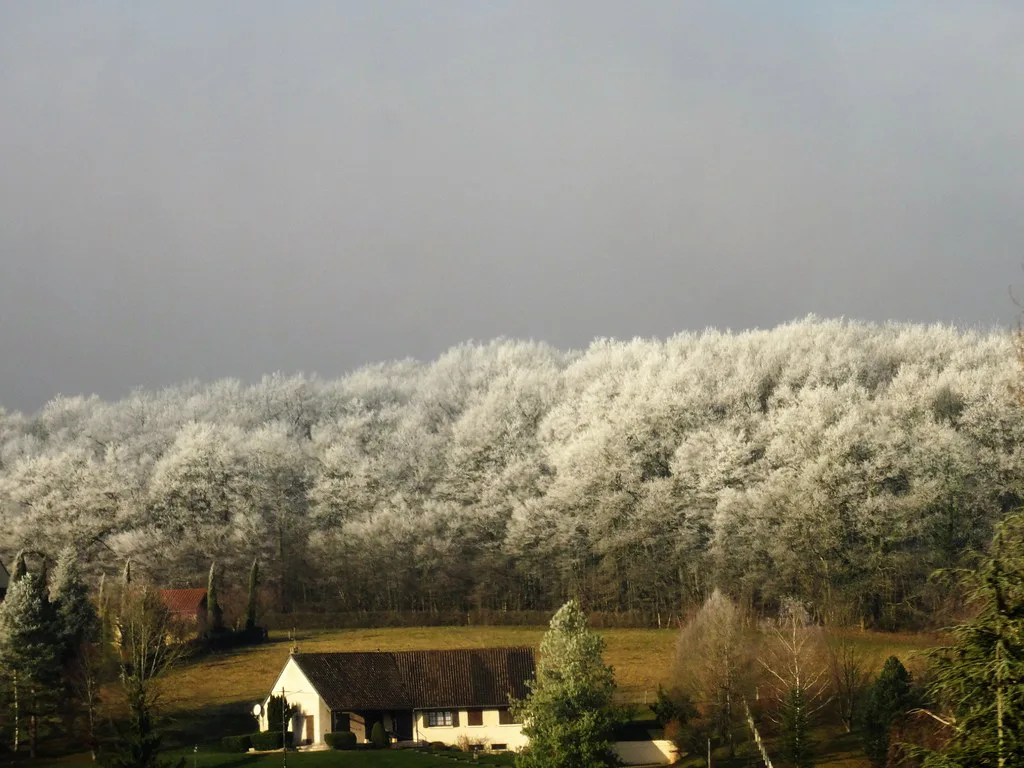
Eastern France behaves more like central Europe than like the coast. Strasbourg, Colmar, Metz and Nancy sit far from the Atlantic's moderating air, so winters are colder and snow is more plausible on the plain, not just in the Vosges. Cold air pooling in the Rhine valley can keep streets frosty for days and preserve a light snow cover that would vanish further west.
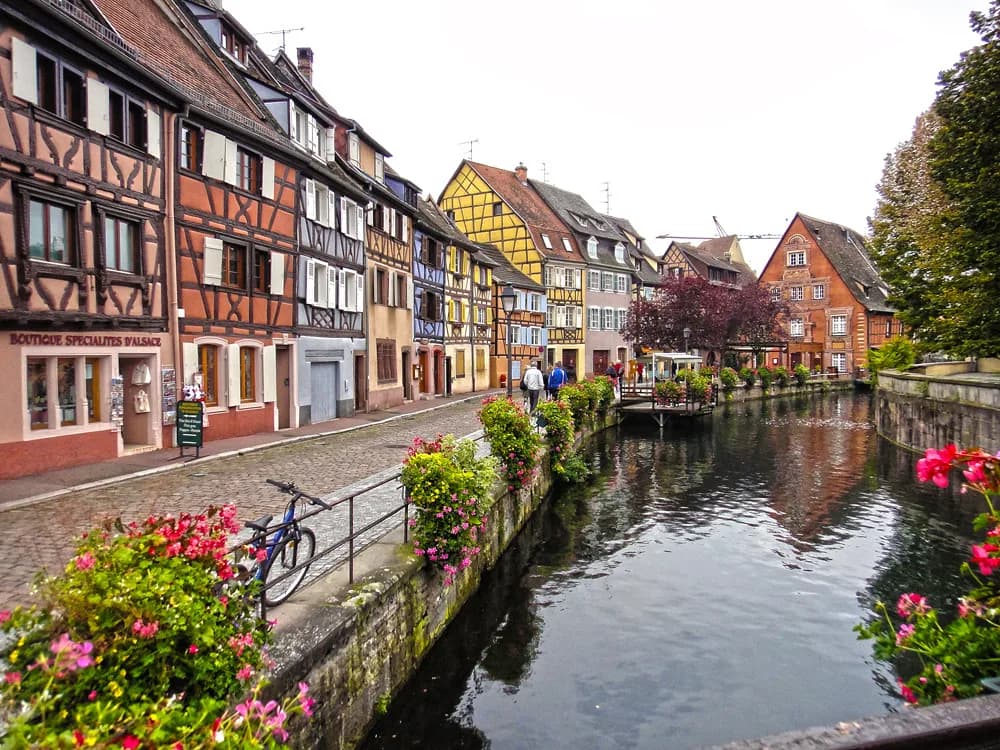
This is also the region where a winter city break and a snow day can combine. Strasbourg and Colmar run Christmas markets through December, and the Vosges ridges above them hold snow through the season for snowshoeing and small-scale winter sports. If December is your window, France in December sets out what the month feels like across the country.
Western and Southern France: Brittany, the Atlantic Coast and the Mediterranean
Brittany and the Atlantic coast get wind, rain and mild air in winter, and snow is rare and brief. When it does fall, the sea-warmed air usually wins within a day. The trade-off is dramatic weather rather than white landscapes: expect squalls, big skies and empty coastal paths, with museums and crêperies as the sensible fallback.
The Mediterranean coast is the least snowy part of France below the mountains. Marseille, Nice and Montpellier see cold mistral winds and crisp sunny days far more often than snow, and the French Riviera can be pleasant for walking in midwinter while the Alps behind it are under cover. Snow on the coast is a genuine oddity that makes local news, not something to plan around.
Snow Month by Month: December, January, February and March
December brings the first dependable cover on high Alpine and Pyrenean slopes, with the Christmas and New Year weeks the busiest and most expensive of the season. Lowland France is dark and often wet, brightened by Christmas markets and lights. France in December explains how the month plays out from the cities to the mountains.
January is the coldest month across most of the country, which is good news for snow retention and bad news for anyone hoping to linger outdoors. Mountain cover is usually at its most widespread, while cities are quiet after the holidays and museum queues are short. If you want snow and space, this is the month with the best ratio of both.
February brings the deepest base to the mountains in a typical year and the French school holidays, which fill resorts in the second half of the month. It is also Carnival season, with Carnival Tuesday falling on 9 February 2027, followed by Ash Wednesday on 10 February 2027. Snow can still be excellent on the slopes while Mediterranean towns stay mild and dry.
March is a transitional month: longer days, stronger sun and snow that softens in the afternoon on lower slopes while staying good at altitude. The season winds down through the month, and town-level snow is largely over. France in March sets out where to still find winter conditions as spring takes hold.
Cities That See Snow More Often
Among French cities, the most snow-prone are the eastern and upland ones. Strasbourg, Nancy, Metz, Besançon, Grenoble and Clermont-Ferrand all sit where cold air can hold, so snow settles more readily than in Paris or Bordeaux. Grenoble has the added advantage of the Alps on its doorstep, with snow visible on the peaks for much of the winter even when the streets are clear.
Lyon is the interesting middle case, colder than the coast but sheltered in its valley, so snow comes in occasional spells rather than as a seasonal feature. If Lyon features in your plans, does it snow in Lyon explains what the city realistically gets month by month and where to head when you want proper cover.
Seeing Snow Without Skiing
You do not need to ski to spend time in snowy France. Mountain villages such as Chamonix, Megève, Saint-Lary-Soulan and Le Lioran offer cleared paths, sledding runs, spa afternoons and long lunches while the peaks stay white. Many lifts run for pedestrians in winter, taking non-skiers up to viewpoints that would be a summer hike.
Snowshoeing and cross-country trails are the quiet alternative, and the Massif Central and Jura are especially good for it because the terrain is gentler and the crowds thinner. Tourist offices publish whether trails are groomed and whether rental shops are running that week, since these services follow the snow rather than a fixed calendar. Lake settings work well too: Does It Snow in Annecy? What to Expect in Winter covers the town and the surrounding massifs in one place.
What Snow Means for Your Trip: Transport, Short Days and Altitude
Snow changes logistics more than it changes scenery. Mountain roads can require chains or winter tires, passes close for the season, and a fall of snow can delay buses and trains between valley towns and resorts. Build a buffer day around any transfer to or from the mountains, and treat the drive up as the flexible part of the plan rather than the fixed one.
Days are short in midwinter, and the clocks going forward on 28 March 2027 is the point at which evenings start to stretch again. Before that, plan outdoor time for the middle of the day and keep an indoor option for late afternoon. Altitude also brings colder temperatures and faster-changing weather, so a valley forecast tells you little about conditions a thousand meters higher.
Some mountain services reduce in winter rather than expand: high-level picnic spots, summer lift links and some village restaurants close, while snow-clearing and avalanche control shape which paths and roads open each morning. Local tourist offices publish what is running week by week, and that is the most accurate source once you have picked a base.
Who Should Plan Around Snow, and Who Should Pick Another Month
Plan around snow if winter landscapes are the reason for the trip. Choose altitude over latitude, favor January and February for depth of cover, and accept that a transfer day may need to flex. Families with small children and travelers who want guaranteed snow on the ground should look at villages with lifts and cleared paths rather than city stays with a mountain day trip attached.
Pick a different emphasis if you want reliable dry weather and long days outdoors. The Mediterranean coast, the cities and the wine regions suit cool-weather sightseeing better than snow-chasing, and spring from late March brings longer light and milder air. For a broader look at what the season offers city by city, from the Riviera to Alsace, the France in winter guide is the place to start.
A middle path works for many travelers: base in a lowland city with good transport and take one or two days at altitude when conditions are right. That gives you snow as an experience rather than a gamble on the whole trip, and it keeps you mobile if a storm closes a road or a pass.
Plan Your Visit
Snow in France is predictable in the mountains and unpredictable almost everywhere else. Altitude is the variable that matters most: above roughly 1,500 meters you can reasonably expect a winter cover in January and February, while Paris, Brittany and the Mediterranean treat snow as an occasional visitor that rarely stays.
Choose the month and the region together rather than separately. December for atmosphere and early cover, January for cold and quiet, February for the deepest mountain base and school-holiday bustle, March for longer days and softening snow. Match that to whether you want to be in the white landscape or merely near it, and the rest of the planning falls into place.
Explore more France winter guides
Frequently Asked Questions
Does it snow in the south of France?
On the Mediterranean coast, snow is rare below the mountains; Marseille, Nice and Montpellier mostly get cold mistral winds and clear, crisp days in winter. Inland and at altitude it is a different story, with the southern Alps and the Pyrenees holding regular winter cover. Coastal snow tends to be brief and makes local news rather than forming a seasonal pattern.
Does it snow in France at Christmas?
In the Alps, the Pyrenees, the Massif Central and the Jura, snow on the ground at Christmas is normal at altitude and very likely in the higher villages. In Paris and the lowlands, a white Christmas is the exception, and rain or grey skies are far more typical. Christmas Day 2026 falls on a Friday, which puts it at the start of the busiest week of the mountain season.
Is snow forecast this week in France?
Weekly snow forecasts change constantly and depend heavily on the rain-to-snow line, which can move hundreds of meters in a day. For the mountains, the daily snow reports and forecasts on weather and snow conditions track where fresh snow is landing and at what altitude. For cities and lowlands, a national weather service forecast is the reliable place to look in the days before you travel.
Sources
Winter travel notes
Optional updates when we add or revise winter guides.
You might also like
Continue reading
More guides you'll find useful