New Year's Eve in France: Where to Be at Midnight
Plan New Year's Eve in France with typical late-December weather, the réveillon dinner tradition and city gatherings at midnight.
On this page
Late December in France is really two trips in one: a cold, often grey north where the pleasure is indoors and in lit streets, and a softer Mediterranean coast where you can still eat outside at lunchtime. New Year's Eve suits travelers who want a long dinner with a named menu and a midnight toast, or a city crowd in a square, more than travelers chasing long daylight and outdoor hikes. Pick your base for the evening, not the afternoon, and the week around 31 December becomes easy to plan.
Why France on 31 December suits some travelers and not others
France rewards a New Year's trip if you treat the evening as the anchor and the days as culture, food and short walks. Museums, cathedrals, restaurants and lit shopping streets carry the season, and the big sights are calmer than in summer. The trade-off is daylight and weather: days are short and rain is common across much of the country, so an itinerary built around gardens, coastal paths or long drives will lose hours.
Families and couples who book a specific dinner and stay in one city for three or four nights get the most from the date. Travelers who want to move between regions every day, or who need reliable dry weather, should look at a different week. If you are weighing the whole season rather than one night, the broader picture of France in winter helps you place 31 December inside November-to-March conditions.
Weather at the end of December: regional differences
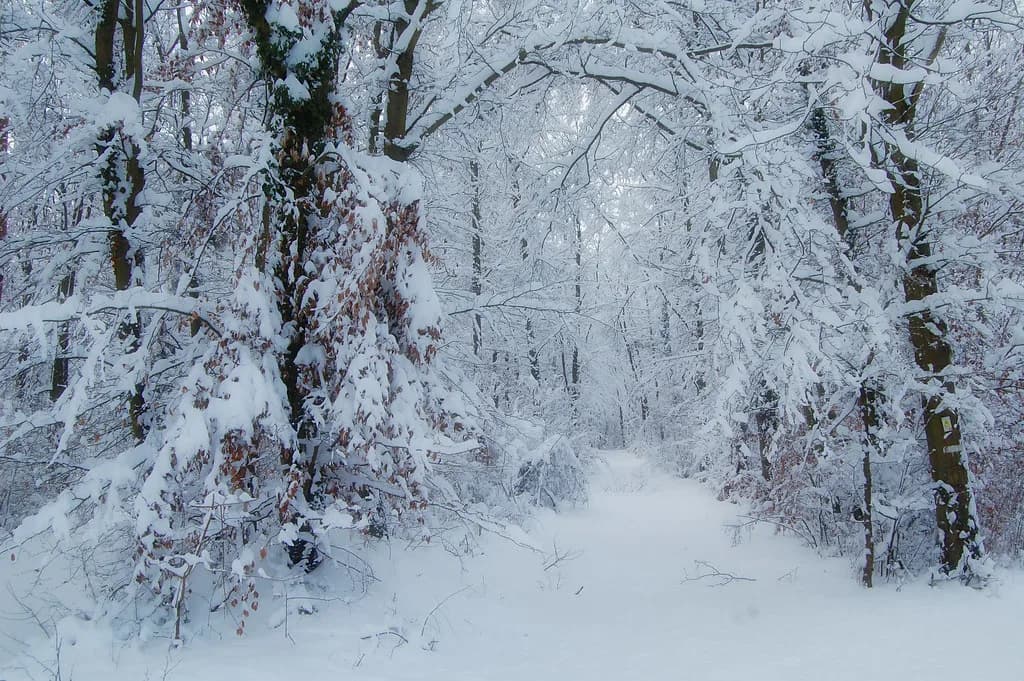
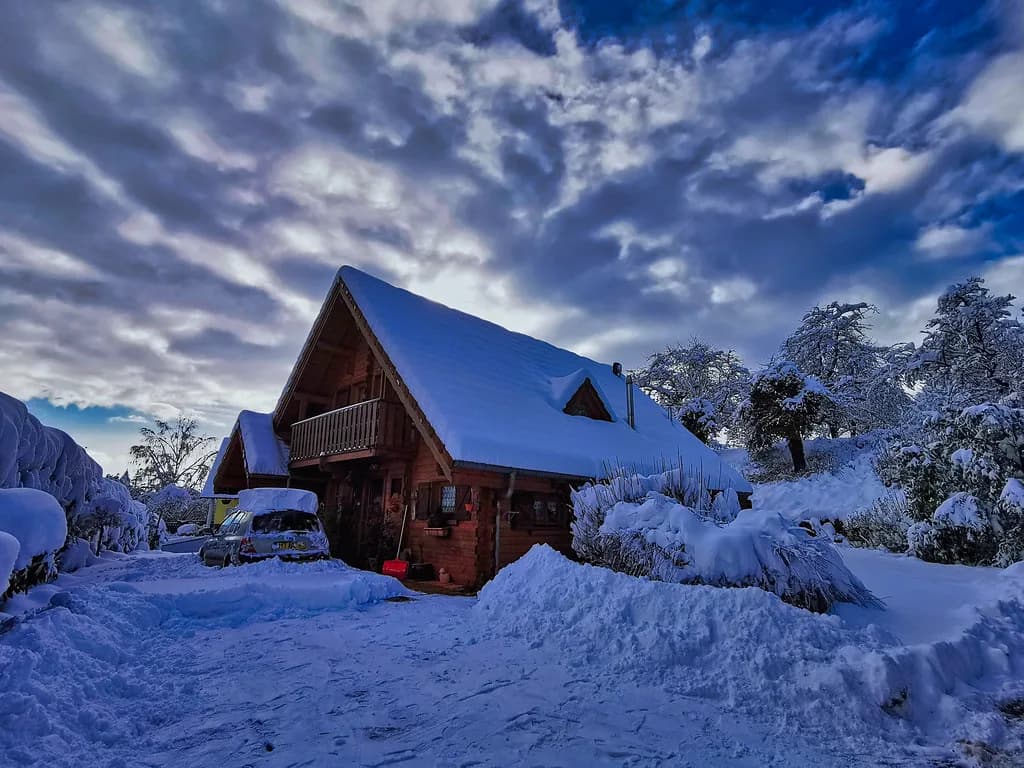
Typical late-December conditions follow a clear north-south split. In Paris, days usually sit between roughly 4°C and 8°C (39–47°F) with about nine days of rain in December, while the French Riviera is milder at around 6–14°C (43–57°F) with about five rainy days. Alsace is the coldest of the three, typically 0–6°C (32–43°F) with around eight days of precipitation, which is also the best non-mountain chance of snow.
Treat those numbers as long-term averages, not a forecast for 31 December 2026, and plan one indoor option for each day. Snow is realistic in Alsace and in the Massif Central and Alps, much less so on the coast; if snow is the point of your trip, look at the resort-by-resort monthly snow records from Meteo-France before you book. Paris in December is cold and often wet, so a dinner reservation and a museum slot matter more than a walking route.
What happens on New Year's Eve: la Saint-Sylvestre and the réveillon dinner
In France, 31 December is la Saint-Sylvestre, and the centerpiece is the réveillon du Nouvel An, a long evening meal that starts late and runs past midnight. Restaurants shift to set menus for the night, so the choice you are really making is a table, a price band and a seating time rather than a bar. Book that table well ahead for 31 December 2026, a Thursday, because the good rooms sell out in the weeks before.
Paris shows the range clearly: dinner cruises on the Seine, cabarets, grand brasseries and gourmet restaurants all run special New Year's menus, and each has a different atmosphere and price level. Decide whether you want the meal to be the whole evening or a prelude to a public gathering, then book the venue that matches. The city's New Year's Eve dining options are listed by the tourist office and by the venues themselves.
If you want a smaller city on the same night, New Year's Eve in Lille gives you a walkable center and a shorter, more manageable evening than Paris. The format is the same: a réveillon table, then the street or square at midnight.
Paris: big-city scale, crowds and transport
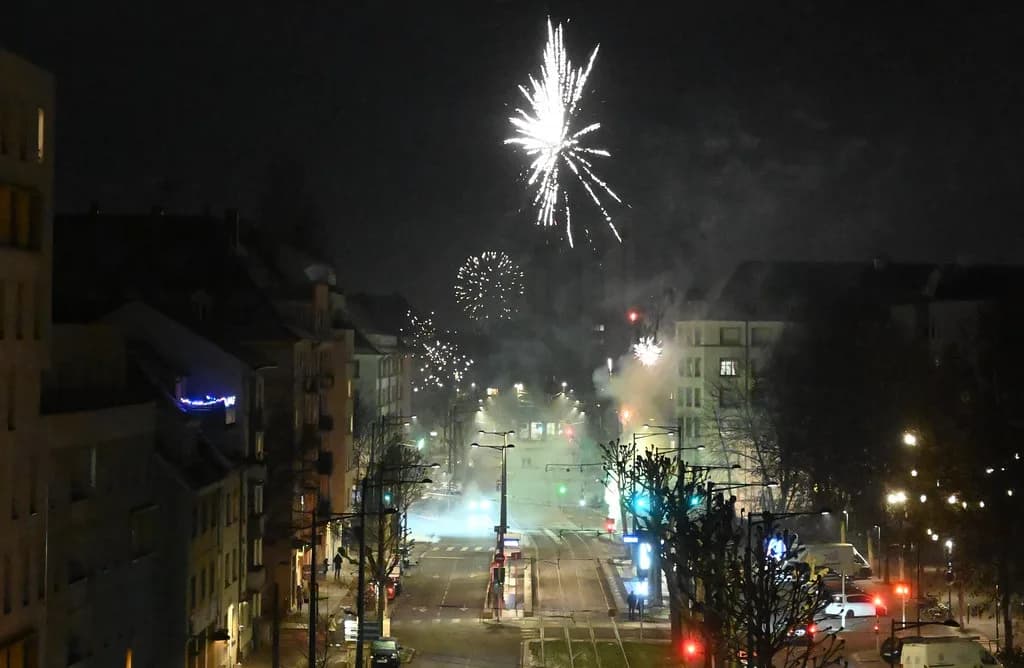
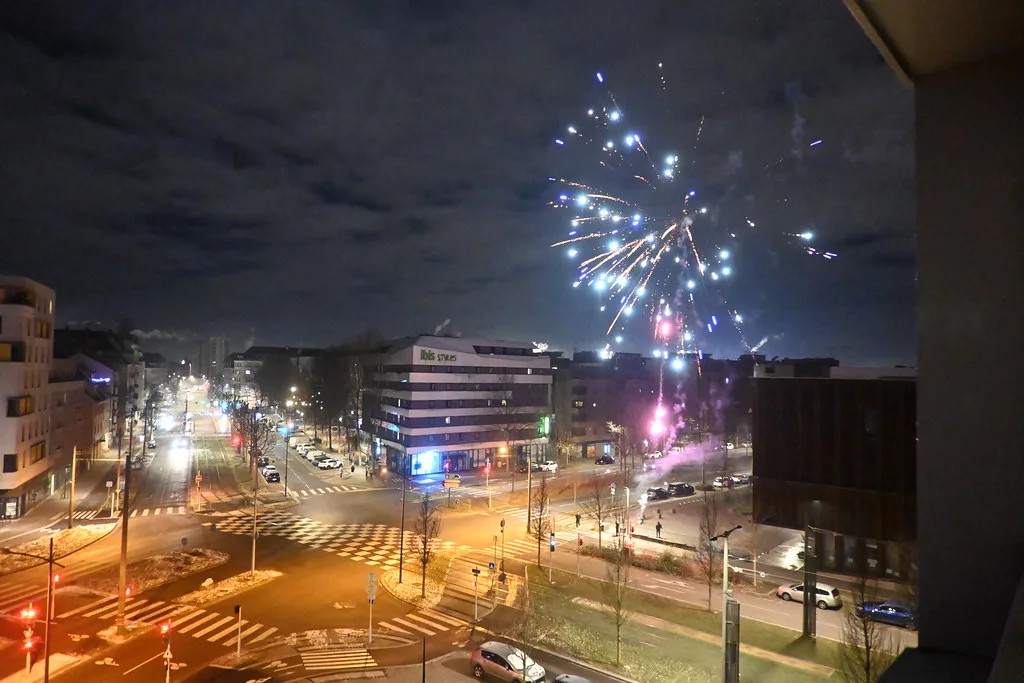
Paris delivers the most choice and the most crowding. The Champs-Élysées and the area around the Eiffel Tower draw the largest midnight crowds, and metro stations near them fill and close on the night, so plan a route home that does not depend on one station. Book dinner, decide whether you want the crowd at all, and keep the first hours of 1 January free of transport plans.
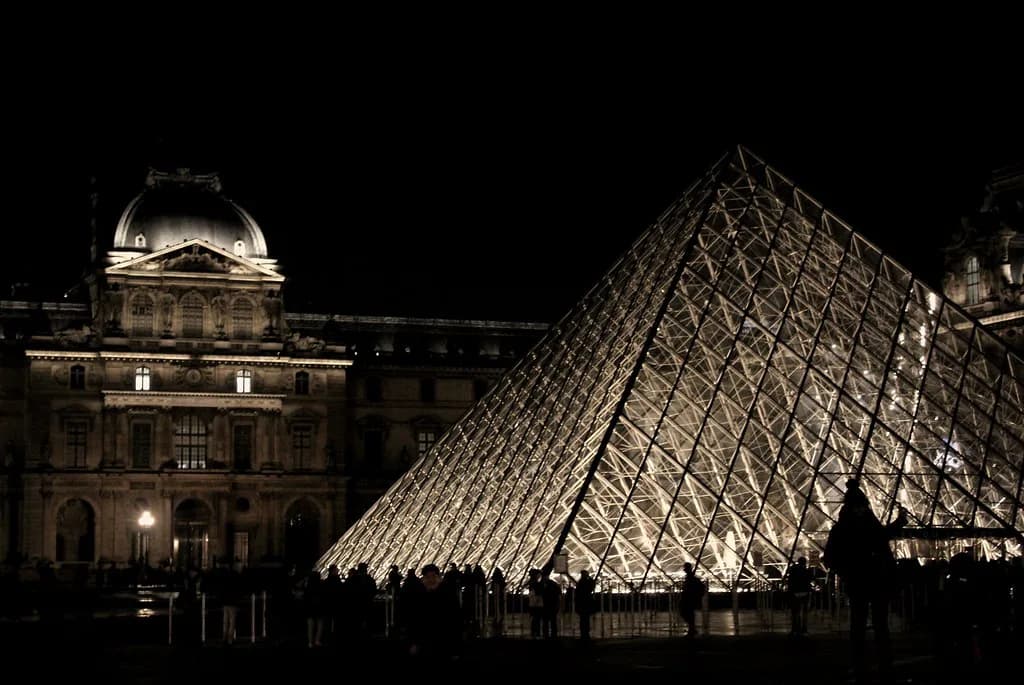
The compensations are cultural. The Louvre, the Opéra and the major museums run through the holidays, and the department stores on Boulevard Haussmann put on their window displays and central atrium decorations. Notre-Dame is free to enter and calmer in winter than in summer, though a reservation still saves time. A Paris New Year works best for travelers who like a big, loud city and are happy to pay for a good table.
Lyon and Strasbourg: festive streets after Christmas
Lyon's Fête des Lumières centers on 8 December, so by 31 December the city has moved on to its restaurants and its winter streets rather than the light festival itself. Plan Lyon around food and the Fourvière hill, then a réveillon dinner in the Presqu'île. If you are building a week around Lyon, New Year's Eve in Lyon is the natural anchor for that evening.
Strasbourg and the Alsace towns keep their Christmas markets running into early January in the larger cities, while small villages often close their stalls before Christmas Eve. That makes Alsace a good base for travelers who want the festive atmosphere to stretch past 25 December. Expect cold evenings and a realistic chance of snow, and reserve dinner in Strasbourg or Colmar before you arrive.
Provence and the French Riviera: milder evenings
The Mediterranean gives you the warmest possible 31 December in mainland France, with Riviera highs typically near 14°C (57°F) and few rainy days. Nice, Menton and the Côte d'Azur work well for a low-key dinner and a seafront walk at midnight. Book a table in Nice or Menton early and treat the coast as a place for slow lunches rather than beach time.
Marseille pairs a city evening with a Provençal table, and bouillabaisse is the dish to order if you want something rooted in the place. In Provence more broadly, the santons tradition fills churches and public spaces with hand-made figurines during December, and the Avignon nativity scenes are the best-known. Both give you daytime material for the days between Christmas and New Year.
If you would rather build the trip around mild days than one evening, the French Riviera in January keeps the same climate with fewer visitors and lower prices. That is the case for a January visit over a holiday-week one.
Loire Valley châteaux and quieter small-town evenings
The Loire Valley offers a different New Year: châteaux decorated for Christmas, market towns and a réveillon in a village restaurant rather than a city square. Chenonceau is the standout for decorations, and the gardens and interiors give you a full day. Check each château's winter opening days before you build a route, because several reduce hours or close on some days in January.
Small towns across Normandy, Burgundy and the southwest run their own New Year's Eve dinners, often in the village hall or the local restaurant, and the crowd is mostly local. This is the right choice for travelers who want a quiet midnight rather than a spectacle. Ask your accommodation directly about the town's réveillon and whether reservations are needed.
New Year's Day and Epiphany week
New Year's Day 2027 falls on a Friday, which gives you a long weekend before ordinary life resumes. Expect many shops and some restaurants to close or run holiday hours on 1 January, and treat that day as a slow one with a walk and a booked meal. The following week is the smarter time to see museums and cities, with fewer visitors than mid-December.
Epiphany falls on Wednesday 6 January 2027, and the galette des rois appears in bakeries across the country in the days around it. Plan to be in a town rather than on a motorway that day. If you are extending the trip, France in January covers the post-holiday lull in more detail.
Trade-offs: crowds, prices and short days
The honest trade-off is that New Year's week combines short daylight, a higher chance of rain and peak holiday demand in the most popular cities. Paris and Strasbourg are the busiest and most expensive; the Riviera and small towns are calmer. Build in one indoor activity per day, accept that a 9 a.m. start is really a 10 a.m. start in daylight terms, and the trip stays comfortable.
Prices rise around 31 December for dinners, taxis and short stays, so book the table and the transport first and plan the rest around them. If budget matters more than the date, the week after Epiphany is noticeably quieter. That shift is one reason some travelers choose a February or March visit instead.
Who should pick 31 December in France
Choose 31 December in France if you want a long dinner with a fixed menu, a city street or square at midnight, and a few days of museums and food around it. Paris suits travelers who like scale and crowds, Lyon and Strasbourg suit food and festive streets, the Riviera suits milder evenings, and the Loire and small towns suit quiet. Skip the date if you need long daylight, dry weather or a spontaneous, unbooked trip.
For a family with young children, a small-town réveillon and a château visit beats a midnight crowd. For a couple who want the biggest possible night out, Paris gives the most options. Either way, decide the dinner before the destination.
Plan Your Visit
Book the réveillon table and the travel first, then choose the city around them. Paris for scale, Lyon and Strasbourg for food and festive streets, the Riviera for mild evenings, the Loire and small towns for quiet. Check the venue's own site for its New Year's menu and seating times, and confirm which sights are open on 1 January before you set an itinerary.
Frequently Asked Questions
What is New Year's Eve called in France?
It is la Saint-Sylvestre, and the evening meal is the réveillon du Nouvel An. Most celebrations center on a long dinner with a set menu, followed by a toast at midnight.
How is New Year's Eve celebrated in France?
Two rituals run side by side: a restaurant or home réveillon dinner that starts late, and a public gathering in a city square or street at midnight. Restaurants switch to special menus for the night, so booking a table is the key decision.
What is the weather like in France on New Year's Eve?
Expect typical late-December conditions rather than a forecast. Paris usually sits around 4–8°C (39–47°F) with frequent rain, the Riviera is milder at roughly 6–14°C (43–57°F), and Alsace is coldest at about 0–6°C (32–43°F) with the best chance of snow.
Is Paris a good place to spend New Year's Eve?
Paris offers the widest choice of dinners, cabarets and cruises, plus museums and department-store displays. The cost is crowding and transport pressure near the big midnight gathering points, so book dinner and plan a route home.
What happens on New Year's Day in France?
Many shops and some restaurants close or run holiday hours, so treat 1 January 2027 as a slow day with a walk and a booked meal. Epiphany follows on Wednesday 6 January 2027, when bakeries sell galette des rois.
Sources
Winter travel notes
Optional updates when we add or revise winter guides.
You might also like
Continue reading
More guides you'll find useful