Gdańsk in February: Winter Weather and What to Do
Gdańsk in February brings subzero nights, short daylight and quiet Old Town streets. See typical temperatures and decide whether the trip suits you.
On this page
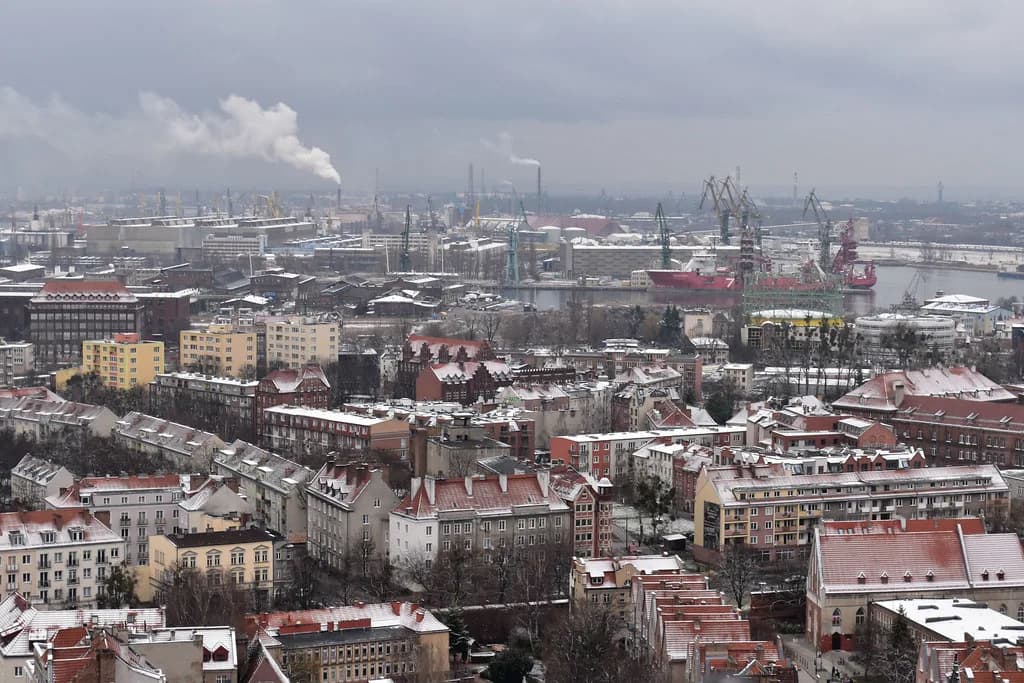
February is the quietest stretch of the Gdańsk winter, when the Christmas crowds are long gone and the Baltic wind does most of the talking. Days are short but brightening quickly, and the brick façades of the Old Town look their best in low, cold light. It is a month for travelers who would rather have a museum almost to themselves than a terrace seat in the sun.
The cold is real but manageable: think Central European winter rather than Arctic. What shapes the trip more than the thermometer is daylight and wind, so plan around a compact sightseeing window and warm indoor stops between them. If you want the fuller picture of the season, the Gdańsk in winter overview sets February alongside December and January.
What February Feels Like and Who It Suits
This is a month for people who like cities in their working clothes. The Long Market is walkable without dodging tour groups, restaurant tables are easy to get, and the big museums absorb a whole afternoon without feeling rushed. Couples and solo travelers do well here; families with small children may find the short days and biting wind a struggle.
Expect a genuinely cold, slightly windy climate with frequent grey skies. Historical data for a typical February day puts daytime temperatures near freezing and the wind at roughly 18 mph (about 29 km/h), strong enough to make the Motława riverside feel several degrees colder than the forecast suggests. Build your day around indoor anchors and treat outside time as short bursts.
If you can accept dark afternoons and a mostly indoor itinerary, February gives you Gdańsk at its least crowded and most atmospheric. If your idea of a winter city break includes long café terraces and daylight sightseeing after 5 PM, look at May or June instead. The trade-off is simple: solitude and low-season calm against very limited daylight.
February Weather: Typical Highs, Lows, Wind and Daylight
Treat these as long-term averages rather than a forecast for your dates. A typical February day in Gdańsk reaches about 2°C (35°F) at its mildest and drops to around -3°C (27°F) overnight, with some sources putting the night low nearer -2°C (28°F). It is cold enough that pavements stay icy for days after snow, so footwear with grip matters more than a heavy coat.
Daylight averages around 9.7 hours across the month, with sunrise near 7:09 AM and sunset near 4:49 PM in mid-February. That sounds generous, but early in the month sunset arrives well before 5 PM, and the usable sightseeing window is realistically from about 9 AM to 4 PM. Plan the outdoor part of your day first and save museums, meals and cafés for the dark hours.
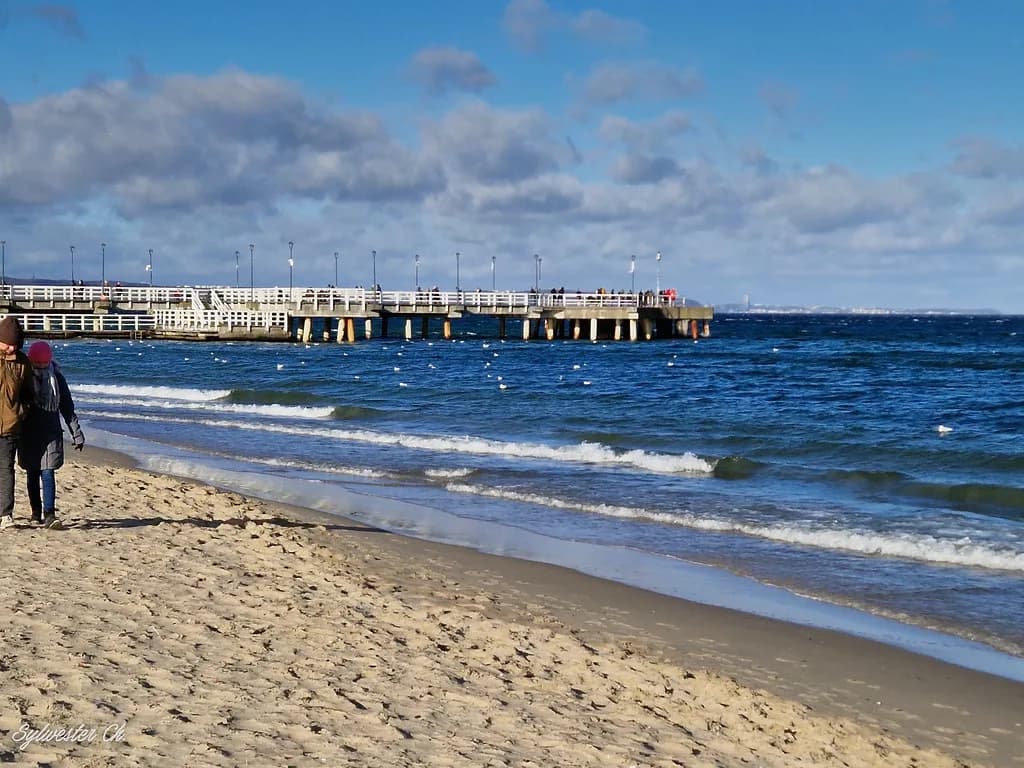
Wind off the Baltic is the detail travelers underestimate. Forecast pages for the city give a monthly picture of highs and lows you can compare with your travel dates, and the AccuWeather monthly outlook for Gdańsk is a reasonable place to watch the trend in the final week before you go. The sea itself stays bitterly cold all month, so this is a city to look at from the shore rather than swim from.
Rain, Snow and Cloud: What to Expect Day to Day
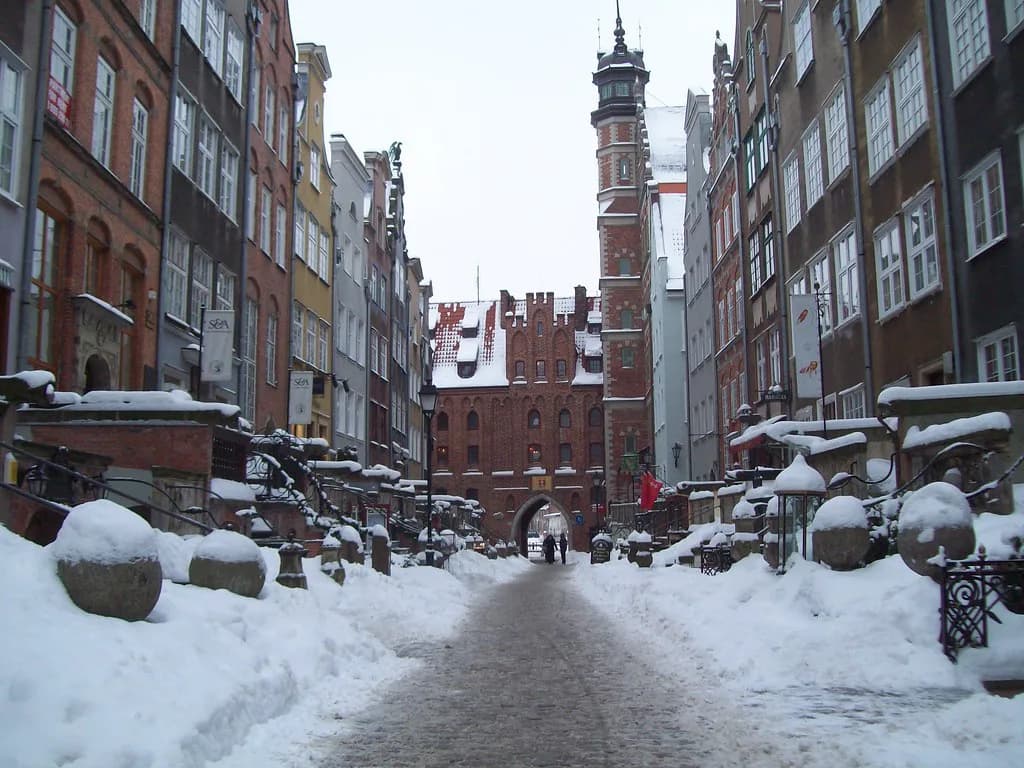
February is not a wet month in volume terms, but it produces plenty of grey, drizzly days and occasional snow that can settle or turn to slush within hours. Historical summaries suggest roughly a one-in-five chance of precipitation on any given day and heavy cloud cover much of the time. Snow on the Old Town roofs is the postcard version; wet, wind-blown sleet is the more common reality.
That variability means you should not lock in a fixed daily plan before you arrive. Keep two outdoor options and two indoor ones ready and swap them based on the morning sky. Snow rarely shuts the city down, but it does slow trams and makes the cobbled streets around Mariacka slippery, so allow extra time for short journeys.
What Stays Open in the Old Town and Museum Quarter
The core sights run year-round. The European Solidarity Centre, the Museum of the Second World War, the Amber Museum in the old prison building, the Museum of Gdańsk in the Main Town Hall and the maritime museum's Crane branch are all substantial indoor attractions within easy reach of the center. St. Mary's Church and Oliwa Cathedral stay open as working places of worship, with visitor access around services.
Seasonal, weather-dependent offerings are thinner. Some riverside cafés and smaller attractions reduce hours or close outside peak season, and outdoor boat trips on the Motława are a summer proposition rather than a February one. Confirm specific opening days and times with each venue before you build a schedule around it, since winter timetables vary.
The Christmas market stalls are gone by February, so do not come expecting them. If that scene is what draws you, plan for December and start with Christmas in Gdańsk to see how the season works. February offers the same streets without the crowds, which many travelers prefer.
Things to Do: Museums That Suit a Cold February Day
The Museum of the Second World War is the heavyweight: a modern, striking building with exhibitions that can absorb three hours or more, exactly what a freezing afternoon calls for. The European Solidarity Centre pairs a powerful account of the 1980s movement with a rooftop viewing terrace, so you can combine history and a skyline view in one stop.
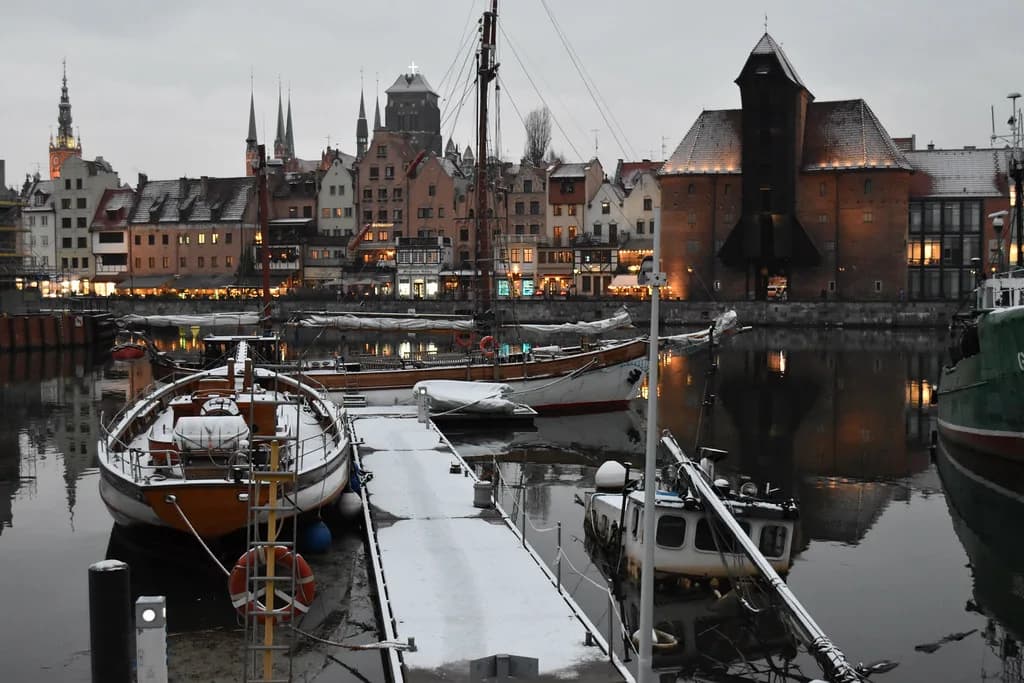
For something lighter, the Amber Museum occupies a former prison and tells the story of the trade that made the city rich, and it works well as an hour-long warm-up between outdoor stops. The National Maritime Museum's Crane branch covers the port's shipbuilding and trading past in a reconstructed medieval crane on the waterfront. Line up two of these per day rather than three; the walking between them in the cold adds up.
Food is part of the cold-weather plan here. Pierogi, bigos and barszcz are the dishes to seek out, served in straightforward milk-bar-style places and traditional restaurants across the center. A long lunch is a legitimate way to wait out the worst of the wind before an afternoon museum slot.
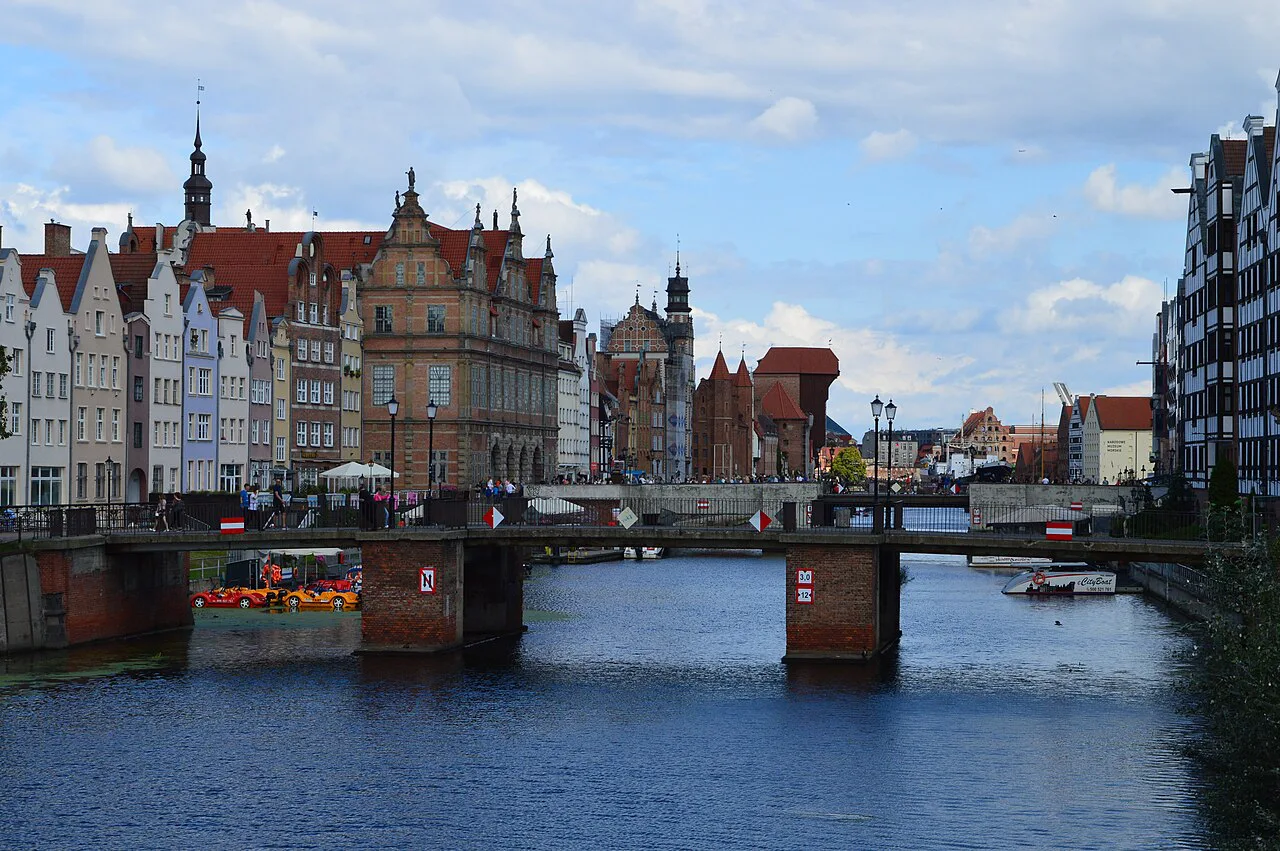
Walking the Old Town, Long Market and Mariacka in Winter
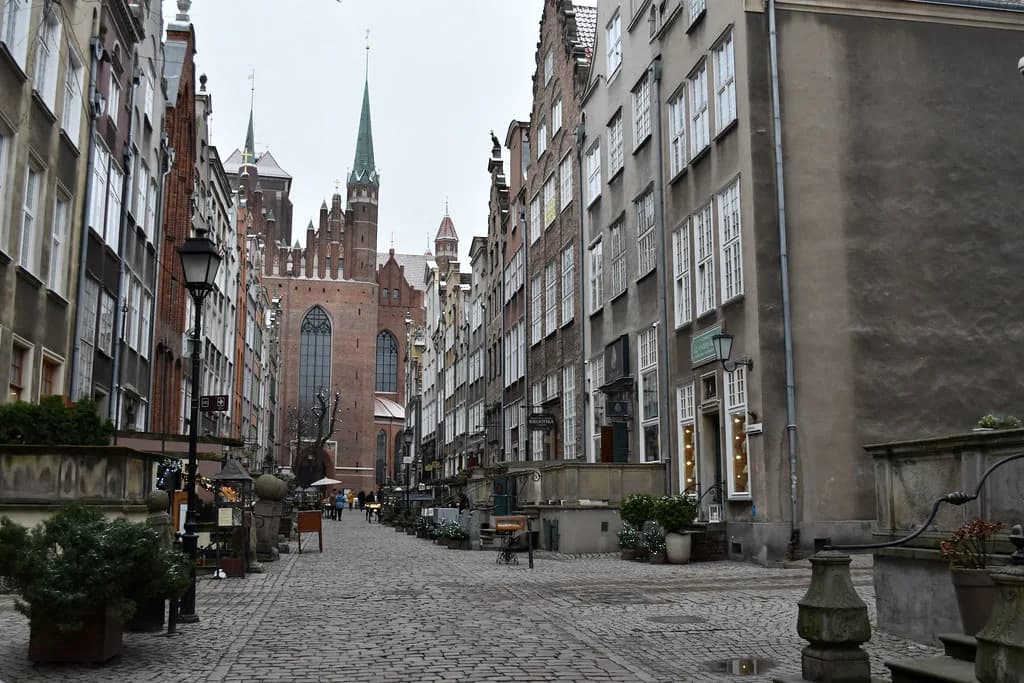
The classic walk is short and best done in one cold-tolerant stretch: through the Golden Gate onto Długa and the Long Market, past Neptune's Fountain, then into Mariacka beneath the church. In February you can do it slowly without crowds, and the amber shopfronts and stepped terraces of Mariacka look particularly good in low winter sun. Allow an hour and keep moving; standing still is what gets uncomfortable.
The Motława embankment is the most exposed part of the route, so save it for a clear, still day and combine it with a café stop rather than a full riverside circuit. If you are here in early January instead, the Gdańsk in January guide covers how the same streets feel at the coldest point of the year. Either way, the Old Town is compact enough to retreat indoors quickly when the wind picks up.
Climbing St. Mary's Church Tower for the View
The tower climb at St. Mary's Church is the best winter viewpoint in the city: roughly 400 steps, some of them narrow and steep, ending in a viewing platform above the roofs. On a clear February day the reward is a snow-dusted Old Town and a view out toward the shipyard and the Baltic beyond. Visitor reports put the climb at around 20 PLN, with cash sometimes required for the tower ticket, so carry some rather than relying on a card.
Do the climb on the clearest morning of your stay, not the first day. The platform is small and exposed, clouds can swallow the view entirely, and icy steps make the descent slower than the ascent. The church interior itself, with its astronomical clock and vast brick nave, gives you a warm fallback if the weather turns.
Oliwa: Cathedral, Organ and the Park in Winter
Oliwa, a short train ride north of the center, pairs a baroque cathedral famous for its great organ with a large landscaped park. In February the park is bare and quiet rather than lush, but the formal paths and the view back to the cathedral still make a bracing hour-long walk when the ground is not icy. The cathedral's organ concerts are the obvious indoor draw, though you should confirm the current concert schedule with the cathedral directly.
Treat Oliwa as a half-day: train out, cathedral, a short park loop if conditions allow, and back before the light fades. It is a good choice for a day when the center feels too familiar, and far easier logistically than a longer excursion in winter.
Day Trip to Malbork Castle in Winter Conditions
Malbork Castle, the vast brick fortress on the Nogat river, is the standout day trip from Gdańsk and remains visitable in February. The scale is what surprises people: courtyards, chapels and halls that take hours to cover, much of it indoors or under cover, which makes it a sensible cold-weather excursion. Snow on the red brick and the surrounding fields is the reason many travelers rate it higher in winter than in summer.
The practical caveat is transport and light. Trains from Gdańsk to Malbork run regularly, but you want to leave in the morning to have a full visit before the early sunset, and winter opening hours for the castle can differ from the summer pattern. Check the castle museum's own site for the date you plan to travel, and wear footwear that copes with ice in the courtyards.
February 14 and the Carnival Run-up in Poland
Valentine's Day on 14 February is marked in Gdańsk much as anywhere in Europe, with restaurants pushing set menus and the Old Town busier in the evening than on a normal February night. It is not a city-wide festival, so do not expect street events, but book a table if you want a specific restaurant. Beyond that, February is a quiet month socially.
Carnival season runs up to Carnival Tuesday, which falls on 9 February in 2027 before Ash Wednesday on 10 February. In Poland the run-up is more associated with doughnuts and costume parties than with large public parades, and Gdańsk does not stage a major street carnival, so treat it as a seasonal marker rather than a reason to book. If your dates land on that weekend, expect a livelier restaurant and bar scene rather than a procession.
Getting Around Gdańsk in Winter
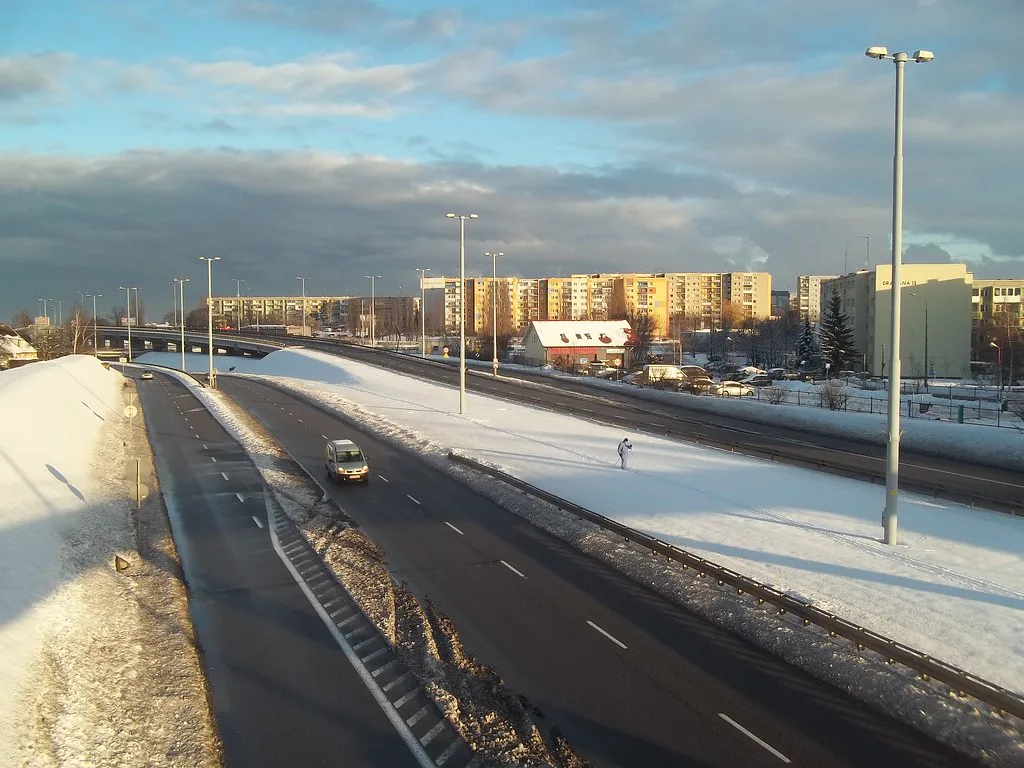
The center is walkable, and most of what you will want in February — the Long Market, St. Mary's, the museums, the riverside — sits within twenty minutes on foot. Trams and buses fill the gaps for Oliwa, Westerplatte and the main station, and they run through winter, though snow can slow them. Buy tickets from machines or apps before boarding rather than hunting for a conductor.
For Malbork and other regional trips, the main station, Gdańsk Główny, is the hub, with frequent trains along the corridor toward Malbork and Tczew. In icy conditions allow extra time to reach the station; the walk from central hotels is short but the pavements can be slick. Taxis and ride-hailing apps are useful for late dinners when the temperature drops further.
Crowds, Prices and the Trade-Offs of a February Trip
February is low season in Gdańsk, which shows up in both availability and rates. Hotels and restaurants are quieter, tables are easy to find, and you are not competing for museum slots. The trade-off is that some seasonal businesses reduce hours or close, and the city's outdoor pleasures — riverside walks, boat trips, long evenings outside — are either limited or off the table.
Weigh the darkness honestly. With sunset before 5 PM for most of the month, your outdoor sightseeing is compressed into a morning and early afternoon, and evenings are for restaurants, concerts and museums with late hours. If you want a city where you can wander until 9 PM in daylight, February in Gdańsk will frustrate you; if you want a quiet, cold, atmospheric city with time to read every museum label, it delivers.
Who Should Pick Another Month Instead
Travelers chasing warm weather, beach time or long outdoor days should aim for late spring or summer. Families with young children, anyone with mobility issues who would struggle with icy cobbles, and photographers who need soft golden light for hours will all find February hard work. The Baltic coast is at its least inviting, and the sea is far too cold to enter.
If you want the Gdańsk winter atmosphere but a livelier calendar, December brings the Christmas market and New Year's Eve brings the fireworks, while November is even quieter and darker than February. March, the last month of the season, brings noticeably longer days and the start of spring. February sits in the middle: cold, quiet, and best for travelers who know that is what they want. If you are weighing a second Baltic city break in the same season, our Kaunas in winter guide covers how a comparable cold-weather month plays out there.
Should You Go to Gdańsk in February?
Go if you want a cold, quiet, museum-rich city break with empty streets, easy tables and low-season calm. Skip it if you need long daylight hours, outdoor boat trips or a beach, or if you are traveling with people who feel the cold badly.
Plan your days around one outdoor stretch in the morning and indoor anchors in the afternoon, keep a clear-day slot free for the St. Mary's tower and a Malbork trip, and check winter opening times with each venue before you build a fixed schedule. Done that way, February in Gdańsk is a rewarding, unfashionable month rather than a compromised one.
Frequently Asked Questions
What is the weather like in Gdańsk in February?
Typical February days reach about 2°C (35°F) and fall to around -3°C (27°F) at night, with wind off the Baltic making it feel colder. Heavy cloud and frequent grey days are normal. These are long-term averages, not a forecast, so check the monthly outlook close to your dates.
How much daylight does Gdańsk get in February?
Daylight averages around 9.7 hours, with sunrise near 7:09 AM and sunset near 4:49 PM in mid-February. Early in the month, darkness arrives well before 5 PM, so plan outdoor sightseeing for the morning and early afternoon.
Is February a good time to visit Gdańsk?
It is a good time for museum-goers, couples and budget-conscious travelers who value empty streets and low-season calm. It is a poor fit for anyone wanting long daylight hours, boat trips, beach time or a busy events calendar. The main trade-off is atmosphere and quiet against short days and cold.
What is there to do in Gdańsk in February?
The Museum of the Second World War, the European Solidarity Centre, the Amber Museum and the maritime museum's Crane branch are the backbone of a cold-weather itinerary. Outdoors, walk the Long Market, Długa and Mariacka, and climb St. Mary's Church tower on a clear day. Oliwa and Malbork Castle make good half-day and day trips.
Does it snow in Gdańsk in February?
Snow is possible throughout the month, though it often turns to slush or sleet within hours. Precipitation falls on roughly one day in five, and cloud cover is frequent. Icy pavements are common after snow, so footwear with grip is more useful than a heavy coat.
Is Gdańsk colder than Krakow in winter?
Gdańsk sits on the Baltic, so wind makes it feel colder than the thermometer suggests, while Krakow tends toward calmer, more continental cold. February temperatures in both cities are typically around freezing by day and below zero at night. Pack for wind if you are heading to the coast.
What happens on 14 February in Gdańsk?
Valentine's Day is marked mainly by restaurants offering set menus and a busier evening in the Old Town. It is not a city-wide festival, so there are no street events to plan around. Book a table in advance if you have a particular restaurant in mind.
How do I get to Malbork Castle from Gdańsk in winter?
Trains from Gdańsk Główny run regularly to Malbork, and the castle is a short walk from the station. Leave in the morning to have a full visit before the early sunset, and check the castle museum's current winter opening hours before you travel.
Sources
Winter travel notes
Optional updates when we add or revise winter guides.
You might also like
Continue reading
More guides you'll find useful