Madeira in Winter: Weather, What's Open and Things to Do
Madeira in winter brings mild coastal days, wetter spells and short daylight. See typical temperatures, what stays open and who the season suits.
On this page
Winter turns Madeira into a green, mild island rather than a hot one. You can walk the coast on the south side in a light layer, watch cloud pour over the central peaks, and still see flowers on the hillsides, but you should plan around rain and short daylight rather than around sunbathing.
The island suits travelers who want scenery, gardens and walking without summer crowds, and who are happy to keep an itinerary flexible when showers arrive. Anyone chasing guaranteed beach weather or long, warm evenings should look at late spring or early autumn instead.
What Madeira Is Like in Winter
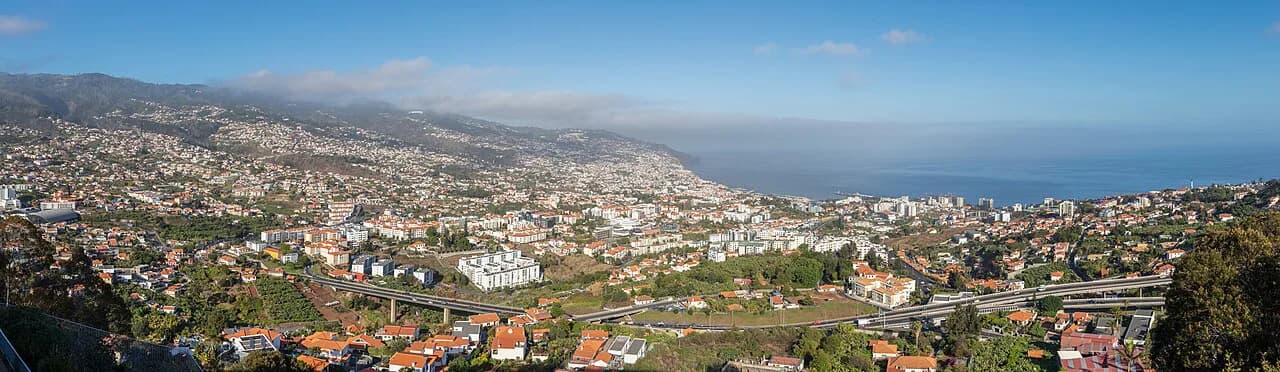
Madeira sits in the Atlantic off Portugal and Morocco, and its climate is the reason winter visits work at all. The sheltered south coast around Funchal is drier and sunnier than the north, where cloud and rain arrive more often, so the same day can feel like two seasons depending on which side of the island you are on.
Across December to February, the customary pattern is a mix of bright, mild days and shorter wetter spells rather than cold. Landscapes stay green because most rain falls between late autumn and early spring, and the levadas run full, which is good news for waterfall walks and less good for exposed ridge trails.
The season rewards slow travel: long lunches, viewpoints, gardens and market mornings. It does not reward rigid schedules built around boat trips or mountain hikes on fixed days, because wind and swell can wipe those plans out with little notice.
Winter Weather in Funchal: Typical Highs and Lows
Funchal's climate normals are remarkably stable from month to month. The standard figures for January put the average high near 20°C (68°F) and the low near 14°C (58°F); February is similar at roughly 20°C (68°F) by day and 14°C (57°F) at night; December averages about 21°C (70°F) and 16°C (60°F); and November is the mildest of the winter months at around 23°C (73°F) and 17°C (63°F).
Rain is the real variable. October to December is the wettest stretch in the Funchal record, with rain heaviest on the green north coast and lighter along the sheltered south, and winter as a whole brings the island's cloudiest, dampest weeks. Treat these as long-term averages that describe what a given week is likely to feel like, not a forecast for your dates.
Daylight is short and changes fast across the season. European clocks went back on 25 October 2026 and go forward again on 28 March 2027, so late-November and December afternoons darken early enough to make a headlamp useful on any walk that finishes after about 5pm.
November to March, Month by Month
November is the softest entry into winter: warm sea air, flowers still out and fewer visitors than at Christmas. It is also the start of the wetter period, so build in indoor options such as the Mercado dos Lavradores and the Old Town.
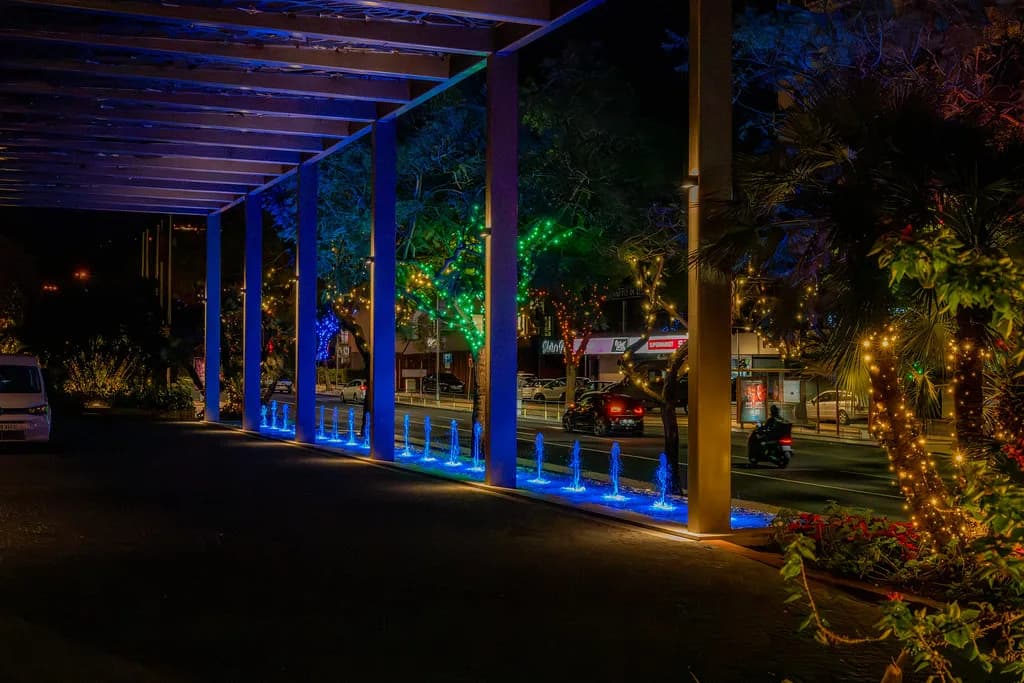
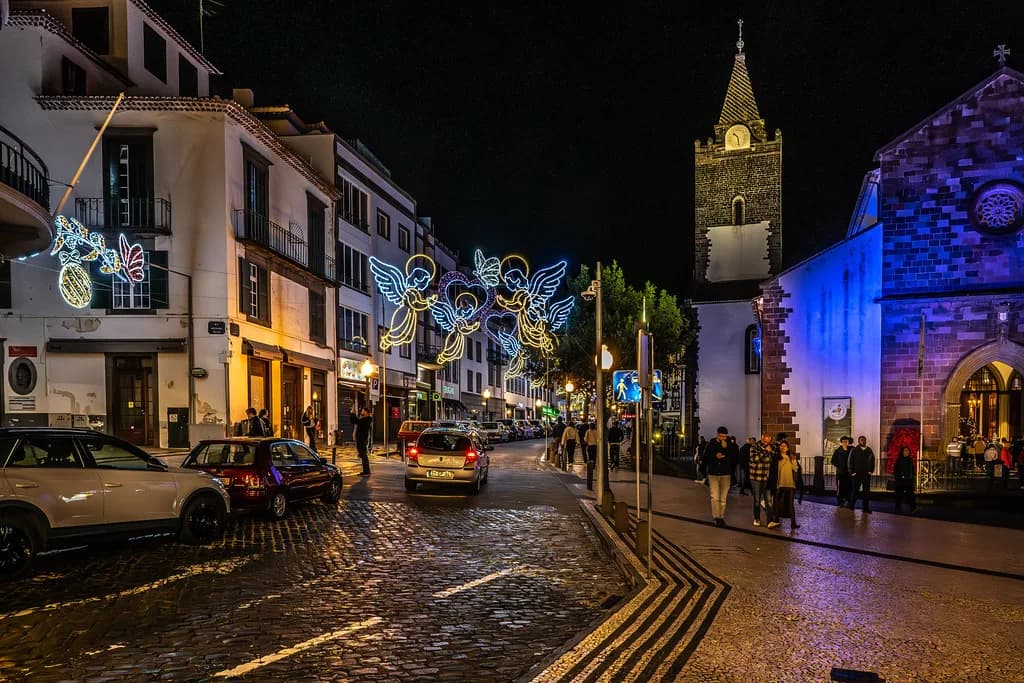
December is festive and busy around the holidays, with Funchal's lights and New Year's Eve drawing crowds to the bay. If you want quiet streets and easier tables, come in the first half of the month rather than the last week.
January and February are the coolest, quietest months and the best value of the season. They also carry the highest chance of rain and of wind disrupting mountain trails and boat trips, so keep a spare day for the PR1 ridge walk and for anything involving the water.
March is a transition month: warmer days in Funchal, more color on the hillsides, but still plenty of moody weather. It suits hikers who accept that a planned trail may close after heavy rain and who can reorder their week around the forecast.
Mountains Versus Coast
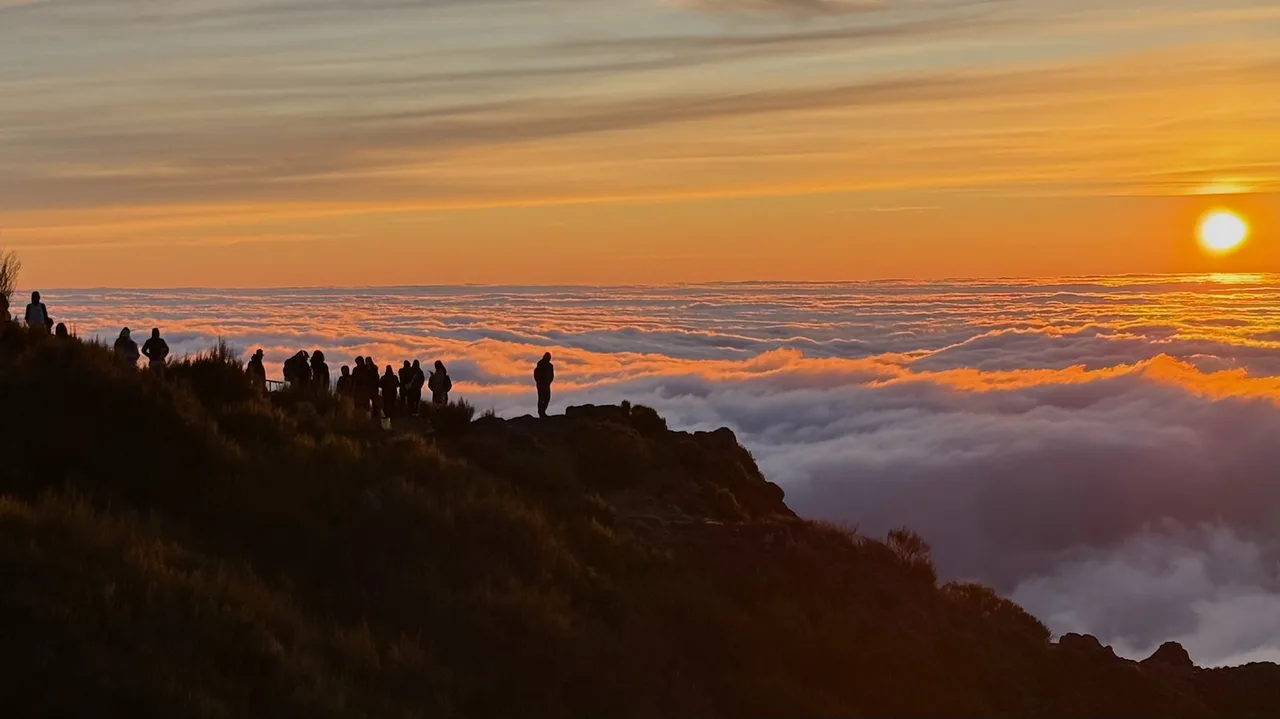
Pico do Arieiro and Pico Ruivo feel like another island in winter. Temperatures on the high ground drop to single digits Celsius, cloud can arrive within minutes, and wind on exposed sections is strong enough to close the connecting PR1 trail on bad days, so check conditions before setting out and carry a waterproof layer even on a clear Funchal morning.
Snow does occasionally settle on the peaks while Funchal stays mild, which is worth knowing if you are packing for a coast-based week. The subfreezing conditions belong to the summits, not the towns, and the practical consequence is that mountain plans need flexibility rather than heavy winter equipment.
Along the coast, the difference between the south and north is the more useful planning tool. Funchal and the south are drier and more sheltered, while the north coast around Porto Moniz and Seixal catches more cloud and rain, so on a wet morning head south and save the north for a brighter day.
Sea Temperature and Swimming
The Atlantic stays cool in winter, with sea temperatures around 18°C (64°F) in March after the coldest months. That is bracing rather than comfortable, and most swimmers will prefer Madeira's tidal and seawater pools to open-ocean beaches, which are few and often rough anyway.
The natural pools at Porto Moniz and Seixal are the practical option, because they let seawater in while keeping the swell out. Even so, they can close when waves are too strong, so treat a pool visit as weather-dependent and pick your day rather than booking it in advance.
What Stays Open in Winter
Funchal runs through winter rather than shutting down. The Funchal Cable Car up to Monte, the Monte Palace Tropical Garden, the Madeira Botanical Garden and the city's museums and markets generally remain part of the winter city experience, and the cable car makes a good rainy-morning alternative when the trails are too slick.
Out in the countryside, the picture is patchier. Some smaller villages and coastal accommodation close until peak season, which concentrates winter visitors in and around Funchal and makes a rental car more useful for reaching the rest of the island on your own schedule.
Levada walks are largely a year-round activity, but rainfall makes them muddier and can trigger temporary closures on individual trails. Walkers who accept these conditions find quieter paths and spectacular waterfalls, which are at their most dramatic after the winter rains.
Christmas and New Year in Funchal
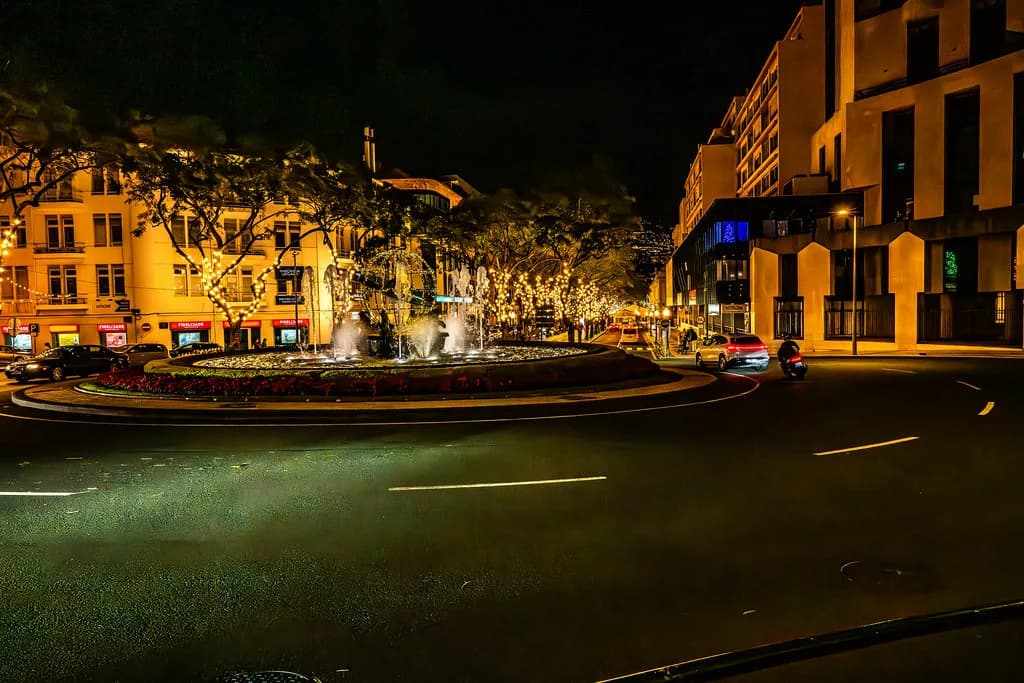
Funchal makes a serious effort over the holidays, with lights, a market and a festive atmosphere through December, and Christmas Day 2026 falls on a Friday. Expect higher demand and higher prices around that final week, and book anything time-sensitive well ahead.
New Year's Eve is the island's signature winter night, built around a huge fireworks display over Funchal bay that has held records for its scale. New Year's Day 2027 falls on a Friday, so the holiday week runs straight into the weekend and the city stays busy for several days.
This is not a Christmas-market destination in the central European sense; the appeal is the lights, the mild air and the bay on the last night of the year. If markets are your main reason for a winter trip, Madeira is the wrong island.
Carnival and Other Winter Events
Carnival is Madeira's other big winter fixture, with parades running from the Friday before Lent to Shrove Tuesday. In 2027 Carnival Tuesday falls on 9 February and Ash Wednesday on 10 February, so the island's Carnival period sits in early to mid-February, and accommodation around Funchal fills early.
Beyond that, the Flower Festival and the wine harvest belong to spring and late summer, not winter, so don't plan a winter trip around them. Epiphany on 6 January 2027 is a public holiday and a quieter, local kind of day in Funchal rather than a visitor spectacle.
Things to Do in Winter
Start with Funchal itself. The Old Town's painted doors and narrow streets, the Mercado dos Lavradores with its tropical fruit and flowers, and the cafés around the harbor fill a wet morning easily, and the city is compact enough to walk even in drizzle.
Viewpoints are Madeira's great free attraction, and winter light makes them dramatic. Pico dos Barcelos above Funchal, the glass-floored platform at Cabo Girão, and the Eira do Serrado viewpoint over Curral das Freiras all work on mixed days, though the high ones may sit in cloud.
Whale and dolphin trips run in the milder months and can be excellent in winter, but wind and swell cancel them more often than in summer. Book one early in your stay so you have room to rebook if the sea is up, and treat it as a bonus rather than the centerpiece.
Indoor and slow options round out a wet day: the CR7 Museum, a food and wine walk through Funchal, a long lunch of grilled seafood or espetada, and a poncha at the end of it. All of these work whatever the sky is doing.
Walks That Suit the Wetter Months
Winter is waterfall season, and the levada routes are the way to see it. The Levada do Caldeirão Verde is a moderate, mostly gentle walk through laurel forest to a tall waterfall, and it holds up well when the higher ridges are closed or in cloud.
Coastal paths such as the Vereda do Larano between Machico and Porto da Cruz, and the PR8 Ponta de São Lourenço at the eastern tip, tend to be more reliable than the central mountains in wind. They are exposed rather than muddy, so check the wind rather than the rain before setting out.
The rule of thumb for winter walking is to keep one flexible day and to check trail status with the island's official walking information before committing to the PR1. Mud, slippery stone and short daylight matter more than cold, and a headlamp is worth carrying from November through February.
Day Trips From Funchal in Winter
The classic inland half-day is Curral das Freiras, the Nun's Valley, reached by road from Funchal with a stop at Eira do Serrado for the view down into the bowl. It works in mixed weather, though the valley can be hidden by cloud, so go on a clearer morning if you can.
West along the coast, Cabo Girão's glass platform and the villages toward Ribeira Brava make an easy loop, and the drive itself is the attraction on a showery day. Continue to Porto Moniz for the pools and a seafood lunch if the north coast is clear.
The north coast villages and the Santana area reward a full day with a car, but they are also where winter rain concentrates. Pair a north-coast run with a flexible forecast rather than a fixed booking, and keep the south coast as your fallback.
Crowds, Prices and Daylight
Winter is Madeira's low season outside the holidays, which means easier tables, quieter trails and more choice of accommodation. November sits between the busy and festive periods, and January and February are the quietest and best value weeks of the season, provided you accept the higher chance of rain.
The trade-offs are real: short afternoons, wet trails, occasional closures and a sea too cool for most swimmers. In exchange you get green landscapes, waterfalls at full flow, and a version of Madeira that feels lived-in rather than crowded.
Who Winter in Madeira Suits
Madeira in winter suits walkers, gardeners, photographers and anyone who wants mild air and green scenery without summer heat or crowds. It also suits a Christmas or New Year trip built around Funchal, provided you book early and accept holiday prices.
It suits less well if you want reliable beach weather, long warm evenings, or a fixed schedule of boat trips and ridge hikes. For those, aim for late spring or early autumn, and treat winter as the season for flexibility, viewpoints and long lunches. If you want the same mild Atlantic winter on a smaller, easier-going scale, Cascais in winter offers a low-key coastal alternative.
Explore more Madeira winter guides
Frequently Asked Questions
What is the weather like in Madeira in winter?
Funchal typically sees average highs of about 20–23°C (68–73°F) and lows of 14–17°C (57–63°F) between November and February, with December and January the wettest. The mountains are much cooler and windier, and rain is heavier on the north coast than the south. These are long-term averages, not a forecast.
How warm is Madeira in January?
January is one of the coolest months in Funchal, with average highs near 20°C (68°F) and lows near 14°C (58°F). It is also one of the quietest and best-value months, but expect some rain and keep mountain and boat plans flexible.
Is Madeira warm enough to swim in winter?
The Atlantic is cool, around 18°C (64°F) in March and colder earlier in winter, so most people swim in the tidal and seawater pools at Porto Moniz and Seixal rather than the open sea. Those pools can close when the swell is strong.
What is there to do in Madeira in winter?
Funchal's Old Town, the Mercado dos Lavradores, the cable car to Monte, the botanical gardens and Monte Palace Tropical Garden all work in winter, along with levada walks, waterfalls, viewpoints and food tours. Whale and dolphin trips run but are more weather-dependent than in summer.
Is Madeira worth visiting in winter?
Yes, if you want mild air, green scenery, waterfalls and quiet trails, and you are happy to plan around rain and short daylight. If you want guaranteed beach weather or long warm evenings, late spring or early autumn is a better fit.
What is Christmas like in Madeira?
Funchal goes all out with lights, a market and festive events through December, and New Year's Eve brings a famous fireworks display over the bay. Christmas Day 2026 falls on a Friday and New Year's Day 2027 on a Friday, so the final week of the year is the busiest and most expensive part of winter.
Does it snow in Madeira in winter?
Snow occasionally settles on the highest peaks around Pico do Arieiro and Pico Ruivo, while Funchal stays mild. The snow is a mountain phenomenon, not a coastal one, and the summits are cold, windy and often in cloud.
Sources
Winter travel notes
Optional updates when we add or revise winter guides.
You might also like
Continue reading
More guides you'll find useful