Portugal in Winter: Where It's Mild, Wet or Snowy
Portugal in winter is mild in the Algarve and wet in Porto. Compare typical temperatures by region, what stays open, and which month suits your trip.
On this page
Portugal in winter is not one climate but several, packed into a country roughly the length of a long day's drive. The Algarve in the south often delivers bright, dry days, Lisbon sits in a middle zone of blue skies and rainy spells, and Porto and the north run cooler and wetter. Decide which of those you want before you fix a date, because the difference between them shapes the whole trip.
It suits travelers who value quiet streets, shorter queues and lower off-season rates over guaranteed heat, and who are happy to build a day around a museum, a long lunch or a coastal walk when the sky turns. Anyone chasing swimming weather or evening dinners outdoors should look at spring instead.
Weather in Portugal in Winter
Winter in Portugal is shaped by the Atlantic on one side and the hills and mountains on the other. The southern coast catches warmer Mediterranean-influenced air, while the northwest takes the brunt of Atlantic fronts, which is why Porto expects around 150 rain days a year, most of them between October and March. Inland, away from the sea, the thermometer reads similar numbers but the cold bites harder.
Typical December figures give a fair picture of the spread: Faro averages highs of 17°C (63°F) and lows of 10°C (50°F), Lisbon 16°C (61°F) and 10°C (50°F), and Porto 15°C (59°F) and 8°C (47°F). January is the coolest month in each city, when Faro drops to a typical 16°C (61°F) high and Porto to 14°C (57°F). Treat these as long-term averages and pack for a range rather than a single forecast.
One planning factor catches visitors out: Portuguese homes and many older buildings are often unheated, and winter humidity makes interiors feel colder than the street. Hotels and modern apartments generally have heating, but a wool layer you can wear indoors is worth more than an extra coat.
The Algarve in Winter
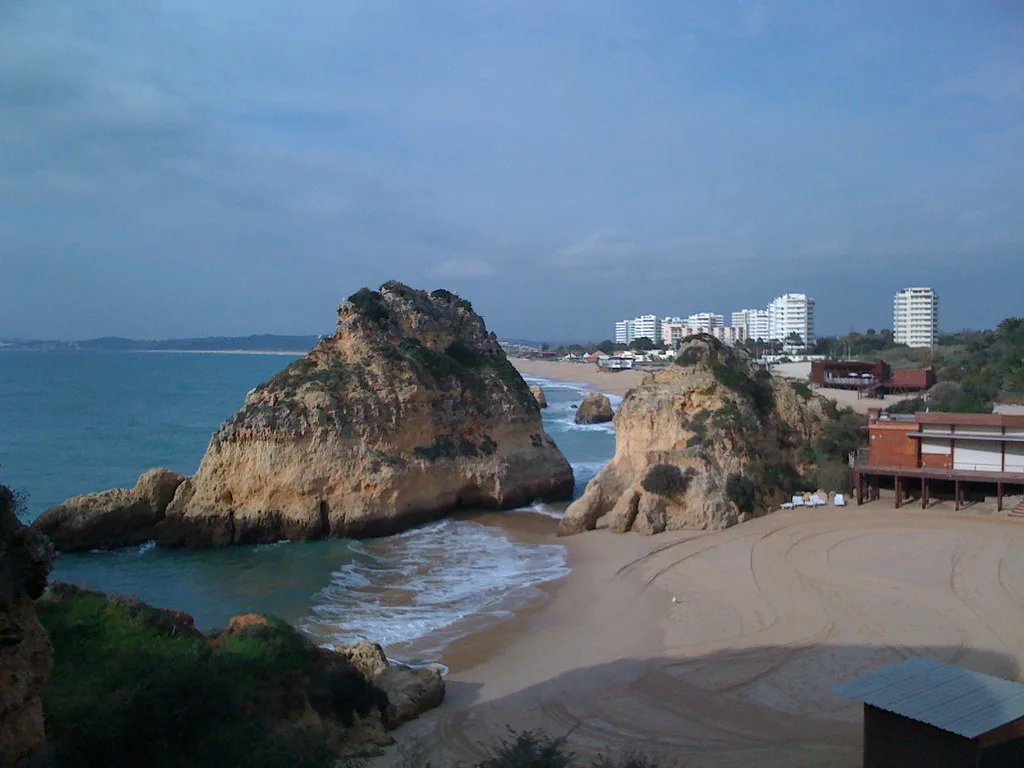
The Algarve is the mildest part of mainland Portugal in winter, with typical highs around 15°C (60°F) and a sea temperature near 17°C (62°F). The southern coast experiences little rain compared with the north, though wet days still arrive. Coastal towns such as Lagos, Tavira and Albufeira empty out, which means quiet seafront promenades and easy tables at lunch.
This is walking and looking country rather than lying-on-the-sand country. The clifftop paths above Ponta da Piedade, the fishing-quarter lanes of Olhão and the riverfront of Tavira all work in a jacket. Boat trips and kayak outings around the rock formations are still bookable in the off-season, though operators run reduced schedules.
Lisbon in Winter
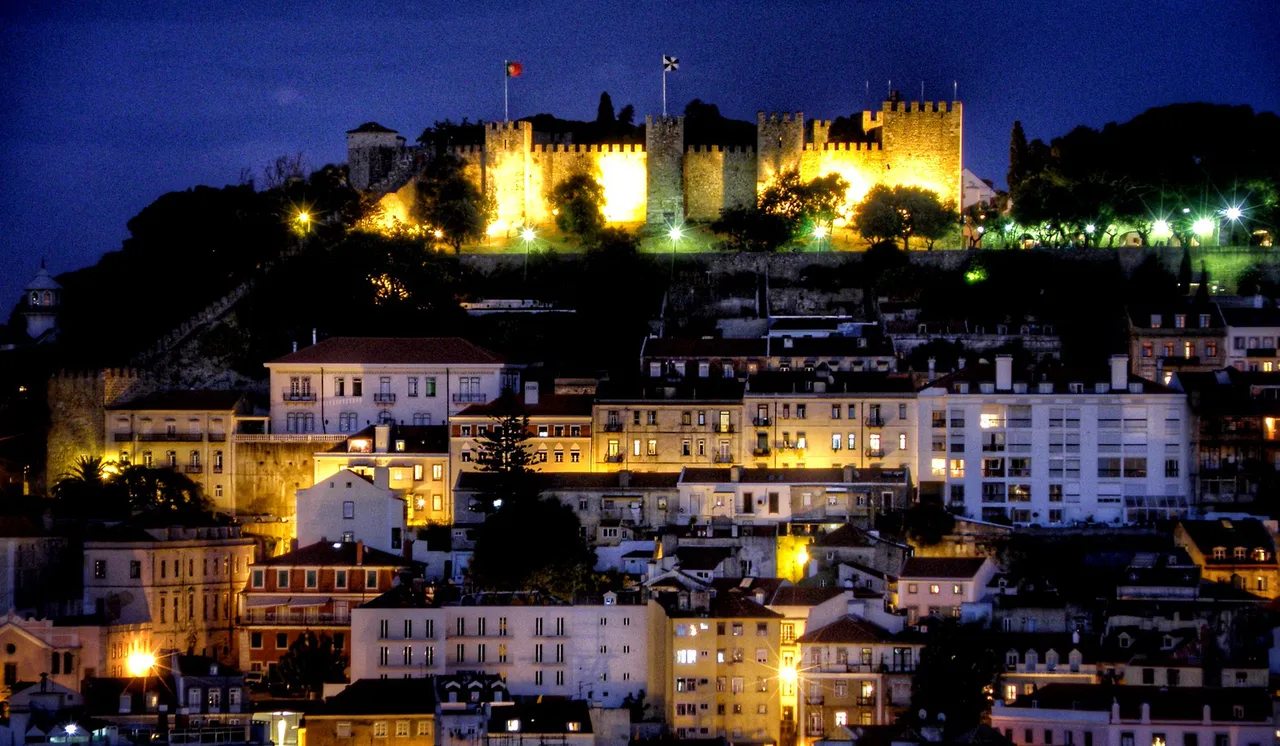
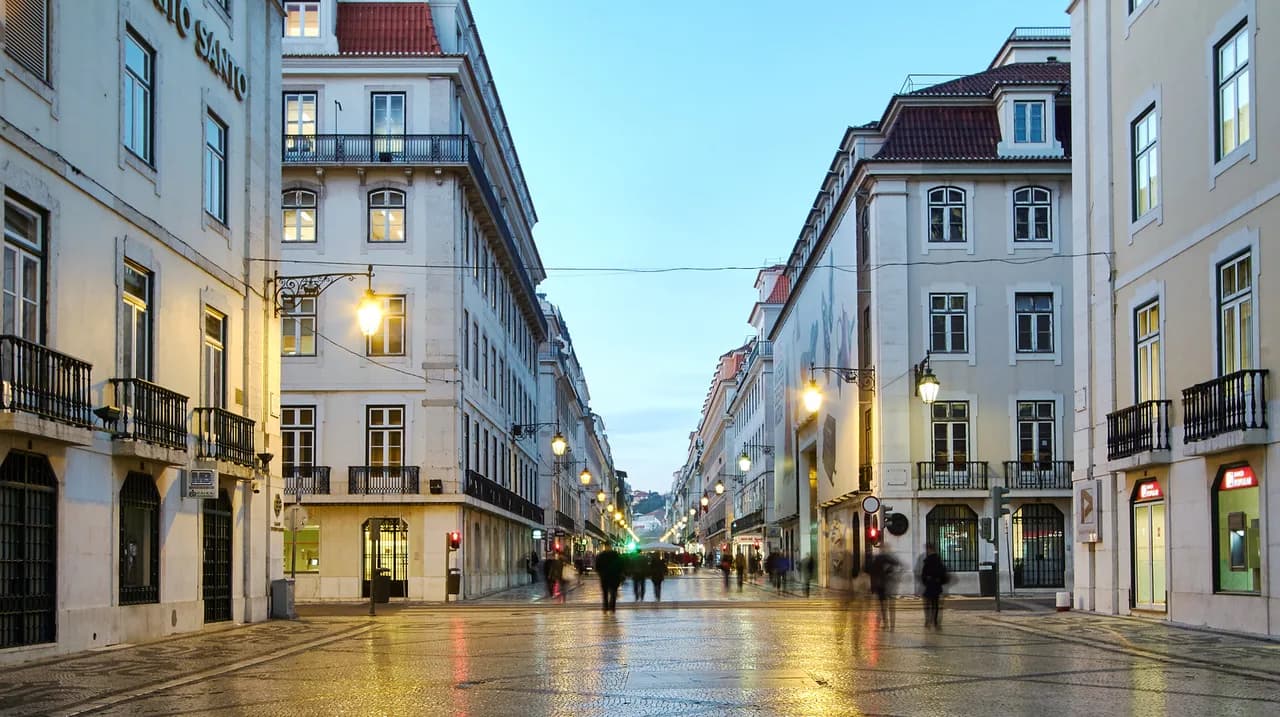
Lisbon balances culture and weather better than anywhere else in the country. Typical highs sit at 16°C (61°F) in December, 15°C (59°F) in January and 17°C (63°F) in February, with lows of 9–10°C (48–50°F). Expect a mix: stretches of grey, wet days broken by bright blue skies that make the miradouros worth the climb.
Short daylight hours push you toward a compact plan. Alfama's alleys, the riverfront at Belém and the collections at the Calouste Gulbenkian are all within easy reach of each other, and the city's trams and funiculars save your legs on the seven hills. Cobbles turn slippery in the rain, so footwear with grip matters more here than in flatter cities.
Lisbon is the obvious base for a wider central-Portugal loop. Sintra's palaces and gardens, Cascais on the coast and the walled town of Óbidos all sit within day-trip range, and Évora's Roman temple and chapel of bones are a straightforward train or drive east.
Porto and the North in Winter
Porto is cooler and much wetter than Lisbon, with typical highs of 15°C (59°F) in December, 14°C (57°F) in January, 15°C (59°F) in February and 17°C (63°F) in March, and lows close to 6–8°C (43–47°F). Rain is a feature rather than an exception, so plan the trip around indoor anchors and take the dry hours when they come.
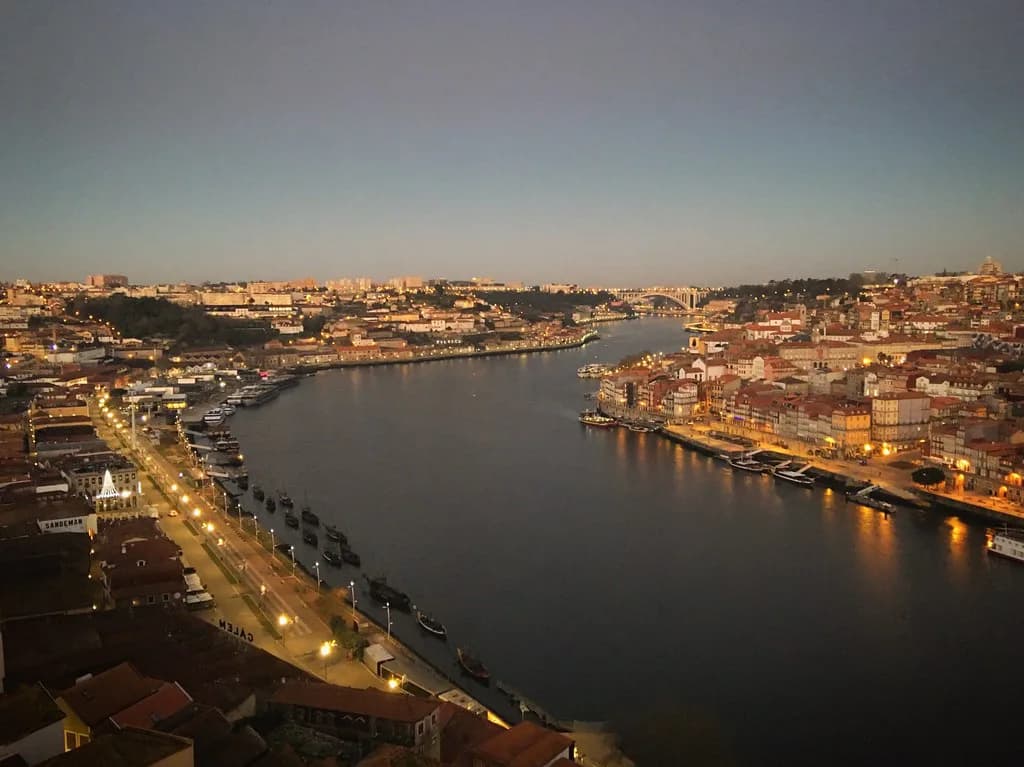
Rain days have obvious answers in Porto. The Port wine cellars of Vila Nova de Gaia, across the Dom Luís I Bridge, run tours and tastings year-round, and Livraria Lello near the top of the old town absorbs an hour or two without the summer queue. The Ribeira waterfront stays atmospheric in drizzle, with its colored facades reflecting in the Douro.
Inland from Porto, the Douro Valley terraces above Pinhão and Peso da Régua are at their quietest, and quintas that stay open through winter offer tastings by appointment. Farther north, the smoked-meat fairs of Trás-os-Montes and the historic centers of Guimarães and Braga give the northern loop more than one reason to justify the rain.
Snow and the Mountains
Snow in Portugal lives in the mountains. Serra da Estrela, the highest range on the mainland, collects snowfall in midwinter and supports a small ski area used mainly by Portuguese families, with Covilhã as the practical base. The roads up can be busy on snow weekends, so go midweek if you can.
Winter conditions in the range vary a lot from year to year, so treat any snow report as day-of information rather than a plan. The same applies to what is running on the slopes, which changes with the weather.
Madeira in Winter
Madeira is the warmest option in Portugal in winter, mild enough that outdoor life continues year-round. Funchal makes a comfortable base, with the Levada trails radiating out from the island's interior and coastal cliffs giving big views on clear days. The island's New Year's Eve fireworks over the harbor are its signature winter event.
The trade-off is rain on the north side and in the high interior, where the laurisilva forest catches moisture even in dry months. Walkers should check trail conditions locally before setting out, since some routes close after heavy rain.
What Is Open in Winter
Cities keep working through winter. Lisbon's and Porto's museums, monuments, trams and funiculars operate year-round, and restaurants stay open because locals keep eating out. What changes is the coast: some seasonal beach bars and boat operators scale back in the quieter months, and smaller towns can feel very quiet in the evening.
The general pattern is that the further south and the smaller the place, the more you should expect reduced hours. Booking ahead matters less for space and more for certainty that a particular kitchen or tour is running on the day you want it.
What Is on in Winter
December brings Christmas lights to town squares and small markets in the cities. Epiphany on 6 January is marked with Bolo Rei cake and, in some towns, parades and music. In the days around 10 January, Aveiro holds the Festas de São Gonçalinho, and 20 January brings the Festa das Fogaceiras, both worth building a January route around.
Carnival is the big late-winter date, falling in late February or early March, with Ash Wednesday the following day, and towns including Torres Vedras, Sesimbra and Loulé are known for their parades. Book accommodation early for that week, since domestic demand is high.
Things to Do in Winter
The best winter days mix one indoor anchor with one outdoor stretch. In Lisbon that could be the Gulbenkian in the morning and the Alfama miradouros in the afternoon; in Porto, a Gaia cellar followed by the riverside. Coimbra's university library and Évora's cathedral and temple reward a slower pace inside.
Outside the cities, Aveiro's canals and moliceiro boats make an easy half-day, and Sintra's palaces look their best in mist, when the gardens are quiet. Along the coast, Nazaré's winter swell draws surf watchers to the clifftop viewpoint at Praia do Norte between November and March.
Day Trips That Work in Winter
From Lisbon, Sintra, Cascais and Óbidos are all comfortable winter day trips, with fewer crowds than in summer. From Porto, Vila Nova de Gaia is a short walk across the bridge, and Guimarães or Aveiro make a full day by train.
In the Algarve, pick a base in Albufeira or Tavira and string together coastal towns by train or bus: Faro's old quarter, Loulé's market town and the riverfront at Tavira are all manageable in a day. The interior run to Silves and its castle adds a change of scene from the coast.
Winter Food and Festivals
Portuguese winter eating leans hearty. Northern dishes like francesinha and caldo verde suit damp Porto days, while the Alentejo and Serra da Estrela produce the country's best-known cheeses. Food fairs cluster in the cooler months: the Serra da Estrela cheese fair in Seia and smoked-meat fairs in Vinhais and across Trás-os-Montes.
Beyond the fairs, the pleasure is in ordinary places. Markets, tascas and pastelarias keep their rhythms through winter, and a mid-afternoon coffee and pastel de nata costs little.
Crowds, Prices and Short Days
Winter is Portugal's low season, and the savings are real: hotel rates drop well below summer levels, rental cars are cheaper, and the major sights are quieter. Against that, daylight is short, rain can wipe out a coastal day, and some seasonal businesses close entirely.
The trade-off is atmosphere. Small Algarve resorts can feel hollow in January, while Lisbon and Porto stay animated because residents are still there. If you want life on the streets, choose a city base; if you want solitude and coastline, pick the south and accept that some places will be half-asleep.
Who a Portugal Winter Trip Suits
Portugal in winter is a strong fit for city-break travelers, walkers, food and wine people and anyone happy with mild-but-variable weather. It is not a beach holiday: the sea is cool, many beach clubs shut, and sunshine is never guaranteed.
Wait for spring if you want long evenings outdoors, swimming, or reliable dry days. From late March the country warms noticeably and the coastal towns reopen, which makes spring a better bet for a first visit built around the sea.
Getting Around Portugal in Winter
Trains link Lisbon, Porto, Coimbra and the Algarve, and winter is a comfortable time to use them because carriages are uncrowded. The Algarve line connects Faro with coastal towns, and Porto's metro reaches the airport and Gaia. Buses connect smaller inland places.
A car helps most in the interior: Serra da Estrela, the Douro Valley and the Alentejo are awkward by public transport and slow to string together. Winter driving is easy in most of the country, though mountain roads need care after snow.
Plan Your Winter Trip to Portugal
Start with the region, not the month. If sunshine matters most, base yourself in the Algarve or Madeira; if you want culture with a fighting chance of blue sky, choose Lisbon; if you want atmosphere and don't mind rain, Porto and the north deliver.
Then pick your week around what you want to see: Christmas lights in December, Epiphany and the January food fairs, Carnival in early February, or the first warm days of March. Either way, pack for a range, book the indoor anchors, and leave room for the weather to redirect you.
Explore more Portugal winter guides
Frequently Asked Questions
Is Portugal worth visiting in winter?
Yes, if you want quieter cities, lower off-season rates and mild rather than hot weather. Lisbon and Porto keep their museums, restaurants and transport running all winter, and the Algarve stays walkable even when beach businesses scale back. The catch is variability: rain can take a day or two out of any itinerary, and the sea is too cool for most people to swim.
How cold does Portugal get in winter?
Typical daytime highs run around 16–17°C (61–63°F) in Faro, 15–17°C (59–63°F) in Lisbon and 14–15°C (57–59°F) in Porto, with lows of roughly 6–10°C (43–50°F). Inland and in the mountains it feels colder, and Serra da Estrela receives snow. Portuguese interiors are often unheated, so a warm layer for indoors is more useful than an extra coat.
Which part of Portugal is the warmest in winter?
Madeira is the warmest option overall, with mild conditions that keep outdoor life going year-round. On the mainland, the Algarve is the mildest region, thanks to warmer sea influence and less rain than the northern coast. Lisbon sits between the two extremes, while Porto and the north are the coolest and wettest.
Does it snow in Portugal?
Snow falls in the mountains rather than the cities. Serra da Estrela, the highest range on the mainland, collects snowfall in midwinter and has a small ski area used mostly by Portuguese families, with Covilhã as the practical base. Conditions change from year to year, so snow cover is a day-of question rather than something to plan months ahead.
Where should I base myself for a winter trip?
Choose Lisbon for culture with a reasonable chance of blue sky and easy day trips to Sintra, Cascais and Óbidos. Pick the Algarve, with Albufeira or Tavira as a base, if sunshine and coastal walking matter most. Porto and the north suit travelers who want atmosphere, wine cellars and riverside streets and can live with rain.
Sources
Winter travel notes
Optional updates when we add or revise winter guides.
You might also like
Continue reading
More guides you'll find useful