Portugal in January: Weather, Crowds and What's Open
Portugal in January brings mild coastal days, rainy northern weeks and thin crowds. Here is what the weather, sights and events are really like by region.
On this page
Portugal in January is not one climate but several. The Algarve can serve up mild, bright afternoons while Porto sits under low cloud and the Douro Valley disappears into mist, so the country rewards travelers who pick a region rather than a national average. It suits slow city breaks, food and wine trips and anyone who prefers near-empty viewpoints to queues.
The trade-off is short daylight, wet spells in the north and a coastline that looks beautiful but stays too cold for swimming. If your image of Portugal involves sunbathing, January will disappoint; if it involves custard tarts, port cellars and long walks without crowds, this is a strong month to go.
Why January divides Portugal
Winter here runs on an Atlantic gradient. Southern coastal areas such as Lisbon and the Algarve see daytime highs around 15°C (about 59°F), while inland districts and higher ground fall to roughly 5°C (about 41°F) at night, with more frequent rain and sunshine breaking through between showers.
That split decides your itinerary. Base yourself in Lisbon or the Algarve for the best odds of dry sightseeing weather, or accept grey skies as part of the appeal in Porto and the Douro, where mist over the terraced slopes is the point rather than a setback.
Weather in January by region
Treat any figure as typical conditions rather than a forecast. The Algarve records average daytime highs of roughly 16°C (around 61°F) and up to six hours of daily sunshine, making it the mildest corner of mainland Portugal in January.
Lisbon and the Tagus coast run a little cooler than the Algarve, and the north is cooler and wetter again, with rain more frequent and daytime temperatures noticeably lower than in the south. Inland Trás-os-Montes and the Serra da Estrela highlands are the coldest areas, and snow on the highest ground is normal rather than exceptional.
Daylight is short: sunrise comes late and sunset early enough that a full day of sightseeing needs an early start. Plan indoor anchors such as museums and cellars for the late afternoon, when light fades first, and leave the outdoor viewpoints for the middle of the day.
Lisbon and the Tagus coast in January
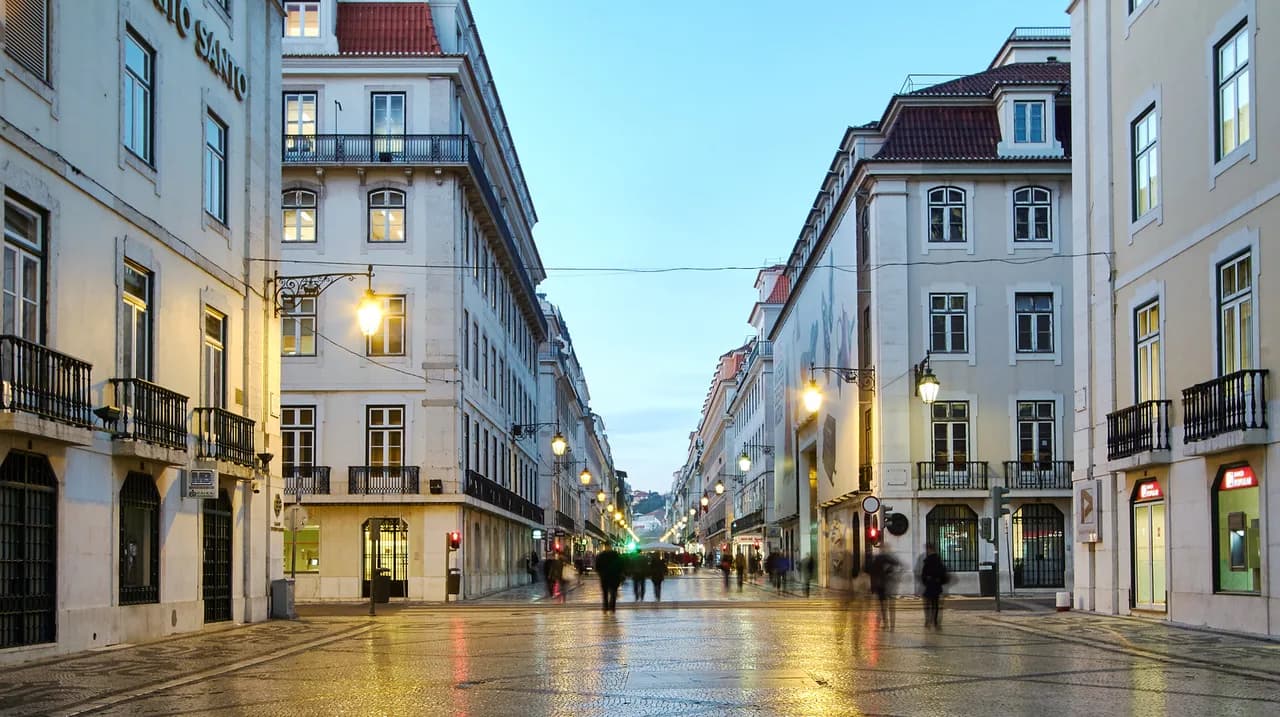
Lisbon in January is a city of empty miradouros and short queues. São Jorge Castle, Belém Tower and the trams are far less crowded than in spring, and the low winter light over the tiled façades of Alfama makes the walking itself the attraction.
Rainy afternoons are easily absorbed: the city's museums and galleries provide warm, dry hours, and the custard tarts of Belém taste just as good with a jacket on. Small fado houses in Alfama and Bairro Alto play to intimate, candlelit rooms rather than coach groups, which changes the mood of a performance for the better.
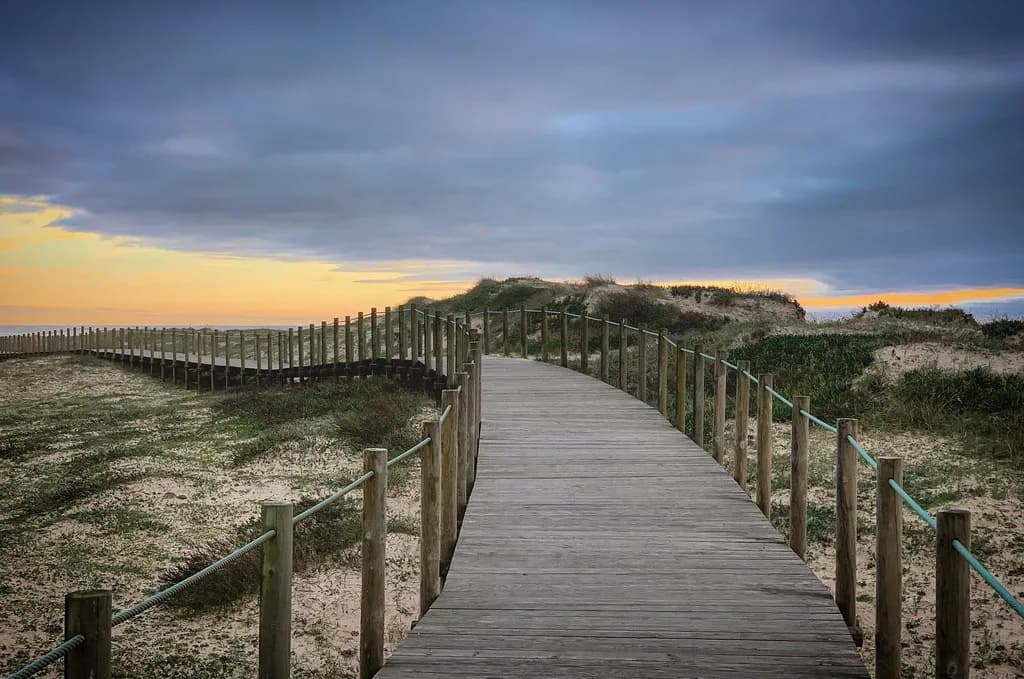
If you want a coastal base outside the capital, towns along the Lisbon District line put you within easy reach of both the city and the Atlantic, and the same weather pattern applies: cool, often breezy, with bright spells between fronts.
Porto, the Douro Valley and the north
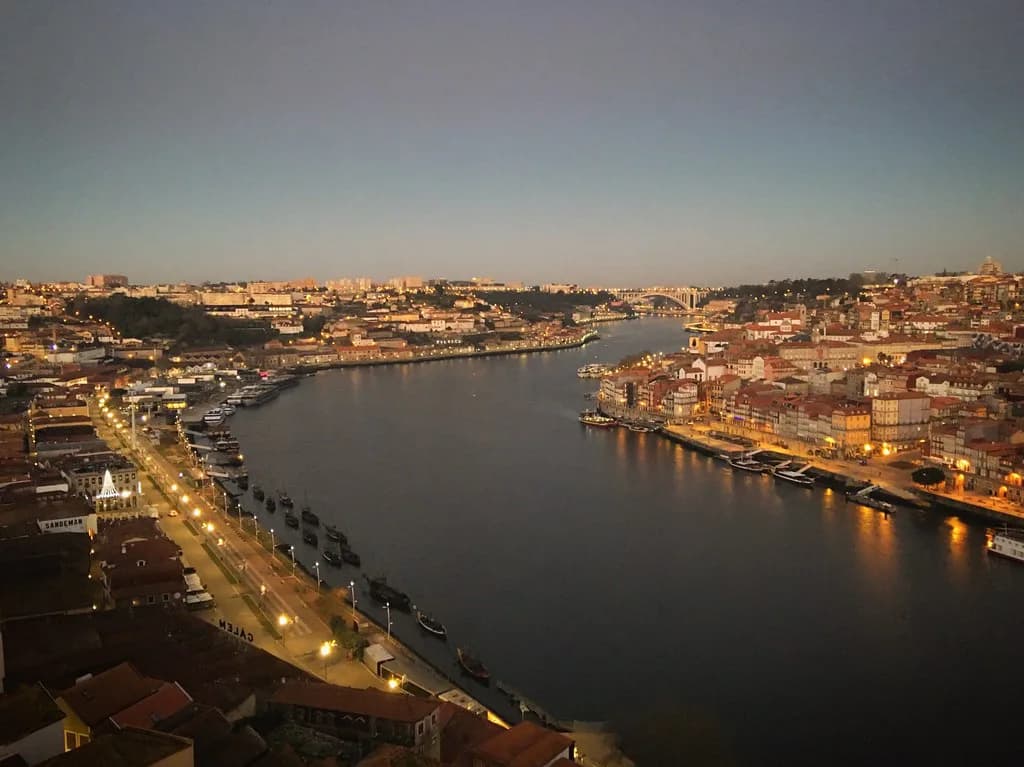
Porto is a rainier, more contemplative city in January. The Ribeira district and the Dom Luís I Bridge still deliver their views between showers, and the port wine cellars across the river in Vila Nova de Gaia are a sensible refuge when the weather turns, with tasting rooms far quieter than in summer.
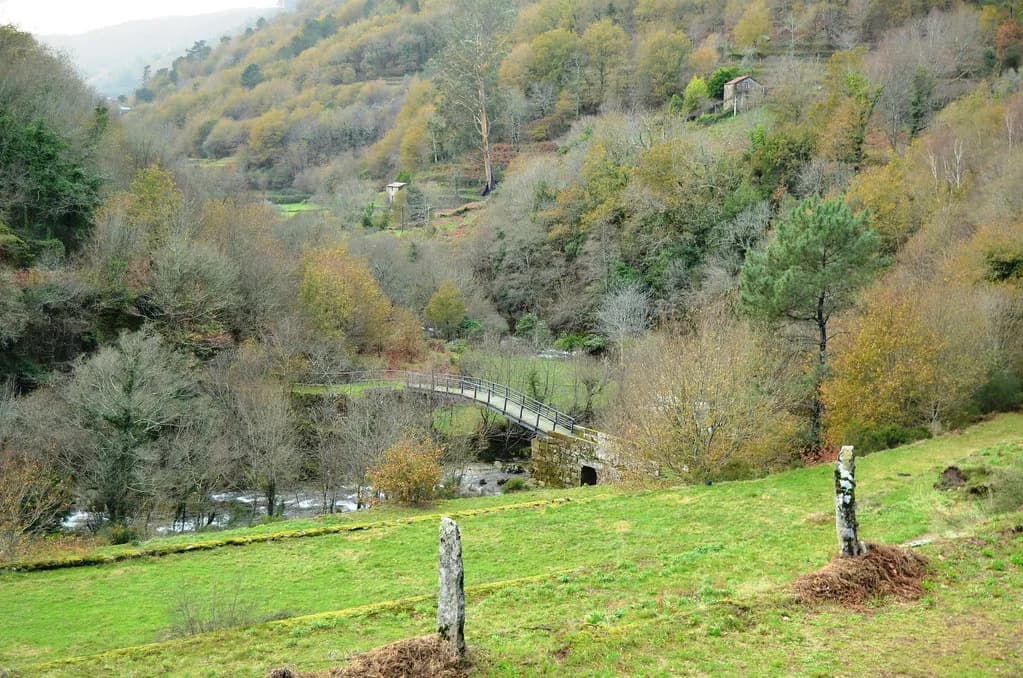
Upstream, the Douro Valley is at its most atmospheric: misty mornings, occasional frost on the terraces and unhurried tastings at the quintas, which have time for conversation in a way they never do at harvest. Pinhão and Peso da Régua make practical bases, and river views from the valley roads are the reason to drive rather than rush through by train.
The Algarve in January
The Algarve is the warmest part of mainland Portugal in January and the obvious choice if mild air matters more to you than beach weather. Days of around 16°C (about 61°F) with up to six hours of sunshine are comfortable for long cliff walks, golf and birdwatching, though the water stays too cold for swimming.
This is the coast at its most local: towns such as Lagos and Tavira empty out, restaurant menus turn to stews and grilled fish, and the Ponta da Piedade cliffs can be walked without stepping around selfie sticks. Come for the light and the walking, not the beach clubs, which belong to summer.
What closes and what runs year-round
Big-city sights keep working in January: Lisbon's castles and museums, Porto's cellars and the Douro's wineries all stay open for visitors, though some coastal and rural venues trim their days. Sintra's palaces, including the Pena Palace, are quieter than at any other time of year, which makes a visit much more pleasant.
River cruises, ferries and small boat trips vary by company, and winter timetables are commonly reduced, so treat any schedule you find online as a starting point and check current times before building a day around it. Wineries and cellars are the most reliable indoor option, since tastings run regardless of the weather.
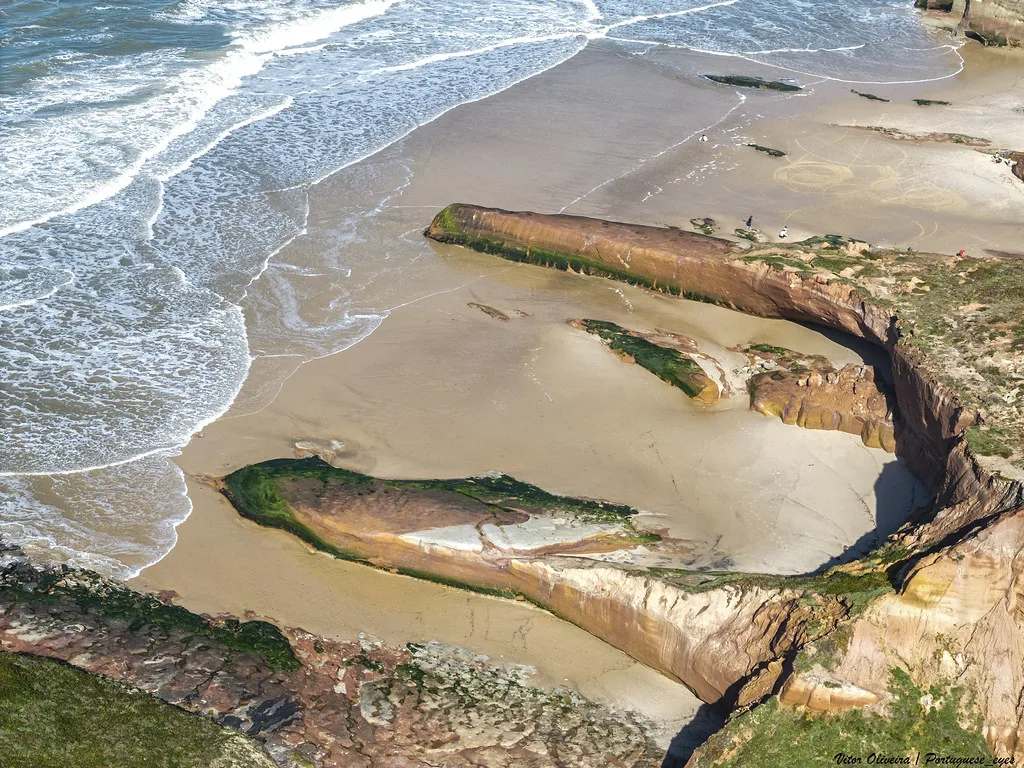
Madeira in January
Madeira is Portugal's mildest winter destination, with green landscapes and comfortable walking temperatures even in January. The Levada trails are the classic reason to come, and the coastal cliffs, including Cabo Girão, draw far fewer people than in spring.
Funchal hosts a well-known New Year fireworks display, which makes the turn of the year the busiest week on the island. Book around it or after it, when the island settles into a quiet month of walks and seafood.
What is on in January
Epiphany, on 6 January, is celebrated with parades, music and the ring-shaped Bolo Rei cake, and it marks the traditional end of the Portuguese Christmas season. Groups also go door to door singing Janeiras, wishing neighbors a good new year in a custom that runs through January.
Carnival falls outside the month this winter, with Carnival Tuesday on 9 February 2027, so January travelers see the run-up rather than the parades. If the festivities are your reason to come, February is the better month; if you want the calm before them, January wins.
Things to do when it rains
Build each day around one indoor anchor. In Lisbon, that might be a museum morning followed by a tram ride and a long lunch; in Porto, a cellar tour and a bookshop visit fill a wet afternoon comfortably, with the World of Discoveries museum a useful option for families.
Outside the cities, the rain itself becomes the attraction. The Douro's misty mornings and Peneda-Gerês's frost-covered forests and waterfalls are winter landscapes first and hiking routes second, and the trails are empty.
Food and wine in winter
January cooking in Portugal is built for cold, damp days: stews, grilled fish, cheeses from the Serra da Estrela and roasted chestnuts sold on city streets. In Porto and the Douro, cellar visits and tastings are the natural centerpiece of a winter day, and winter is when the smaller quintas give you the most attention.
In Lisbon, the pastéis de nata of Belém and the tiled streets of Alfama and Bairro Alto make a food-led day easy on foot. Coimbra and Guimarães reward the same approach, with cozy cafés around their historic centers.
Day trips that work in January
Sintra is the best day trip from Lisbon in January: the Pena Palace and the gardens of Quinta da Regaleira are far less crowded, and the misty forests add atmosphere rather than spoiling the visit. Go early, since daylight is short and the palaces deserve more than an hour.
Évora, with its Roman temple and Chapel of Bones, is a good rainy-day city break, and Aveiro's canals and Art Nouveau streets make an easy coastal stop. Guimarães, the country's birthplace, works well as a half-day of castle and medieval streets, while Coimbra's university library is a rainy-afternoon classic.
Further south, the Costa Vicentina's cliffs and beaches are at their emptiest in winter, though the Atlantic wind makes them a short-visit rather than all-day proposition.
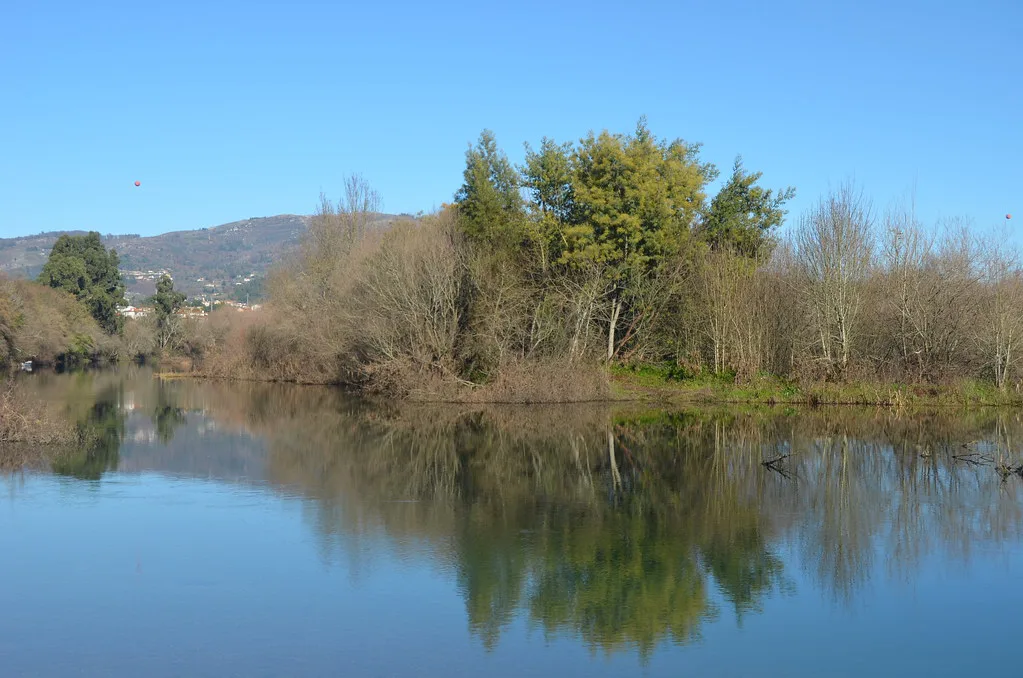
Nazaré and the big-wave season
Nazaré's Praia do Norte is the most dramatic January sight on the coast. Winter swells push waves that can exceed 40 feet, drawing professional surfers and spectators to a natural amphitheater on the beach, and even non-surfers find the show worth the trip.
Check the surf forecast before you go, since big-wave days are not every day, and keep well back from the water; the viewing area above the beach is the sensible place to watch. Combine it with the town's clifftop viewpoint for the classic photograph.
When the mountains turn white
Serra da Estrela, Portugal's highest range, is snow-covered in the colder months and draws visitors for sledding, snowshoeing and mountain walks, with Covilhã as the practical base for cheese and comfort food after a day outside.
If you specifically want snow, this is the region to plan around; the rest of Portugal rarely sees it at low altitude. Where and when snow falls varies with each winter's weather, so treat any mountain day as weather-dependent and keep a wet-weather city plan in reserve.
Crowds, prices and who January suits
January is the quietest month of the Portuguese winter. Accommodation and transport are more affordable than in peak season, though New Year's week and Madeira's fireworks keep some dates busy, and reduced demand does not mean every restaurant or rural hotel stays open.
The month suits city-break travelers, food and wine visitors, walkers and anyone who values space over sunshine. It is less suitable for families wanting beach days, for travelers who need reliable dry weather, or for anyone planning around coastal boat trips and ferries with fixed winter schedules.
Who should pick another month
If sunshine is the priority, the Algarve in March or April is a safer bet than January, and Lisbon's spring is warmer and drier. If you want Carnival, February is the month, with Carnival Tuesday falling on 9 February 2027.
If you want Christmas markets and festive lights, December is the better fit; January trades them for empty streets and lower rates.
Plan Your January Trip
Pick a region rather than a whole-country itinerary. Lisbon and the Tagus coast, the Algarve and Madeira give you the best odds of dry days, while Porto, the Douro and the northern parks reward travelers who enjoy mist, rain and empty trails.
Build each day around one indoor anchor and one outdoor stretch, check surf and mountain conditions before committing to Nazaré or Serra da Estrela, and confirm reduced winter schedules with the specific operator you plan to use.
Explore more Portugal winter guides
Frequently Asked Questions
Where is the warmest place in Portugal in January?
The Algarve is the warmest part of mainland Portugal in January, with average daytime highs around 16°C (about 61°F) and up to six hours of daily sunshine. Madeira is also mild, with green landscapes and comfortable walking weather.
Is it worth going to Lisbon in January?
Yes, if you want the city without the crowds. São Jorge Castle, Belém and the trams are far quieter than in spring, and the museums and fado houses give you warm indoor options when it rains. Pack for cool, changeable weather and short days.
What is January weather like in Portugal in Celsius?
Typical January conditions run from roughly 15°C coastal highs in Lisbon to around 16°C in the Algarve, with inland areas and higher ground considerably colder and more prone to rain. The north is wetter and cooler than the south. These are long-term averages, not a forecast.
Is January a cheap month to visit Portugal?
January is one of the quietest months, and accommodation and transport are generally more affordable than in peak season. New Year's week is an exception, and some rural hotels and coastal restaurants close in the low season, so check availability before booking flights.
What is there to do in Portugal in January?
Highlights include Lisbon's viewpoints and museums, port cellar tastings in Porto, quiet walks along the Algarve cliffs, Levada trails on Madeira and big-wave watching at Nazaré. Epiphany on 6 January 2027 brings Bolo Rei cake and parades, and Janeiras singing runs through the month.
Does it rain a lot in Portugal in January?
Rain is more frequent across the north and inland, while the Algarve and parts of the southern coast catch more sunshine between fronts. Showers rarely settle in for days at a time, but build indoor options into each day.
Is the Algarve warm enough to swim in January?
No. Air temperatures in the Algarve are mild, but the Atlantic stays cold and the season's appeal is walking, golf and quiet towns rather than swimming.
What is open in Portugal in January?
Big-city sights in Lisbon and Porto, the port cellars, Douro wineries and Madeira's trails run through the month. River cruises, ferries and smaller coastal venues commonly reduce their winter schedules, so check current details with the specific operator.
Sources
Winter travel notes
Optional updates when we add or revise winter guides.
You might also like
Continue reading
More guides you'll find useful