Does It Snow in Portugal? Where, When and How Often
Snow in Portugal settles mainly on the highest inland mountains, most often from December to February. Lisbon, Porto and the Algarve see it rarely.
On this page
Winter in Portugal usually means soft light, wet streets and green hills, not snow. The country's snow belongs to the high interior, where the highest ridges catch it for a few weeks a year, while Lisbon, Porto and the Algarve spend the same months in double-digit daytime temperatures. That split matters when you plan: if you want guaranteed snow underfoot, Portugal is a weak bet; if you want mild winter travel with a chance of seeing white peaks on the horizon, it works well.
Where snow actually falls in Portugal
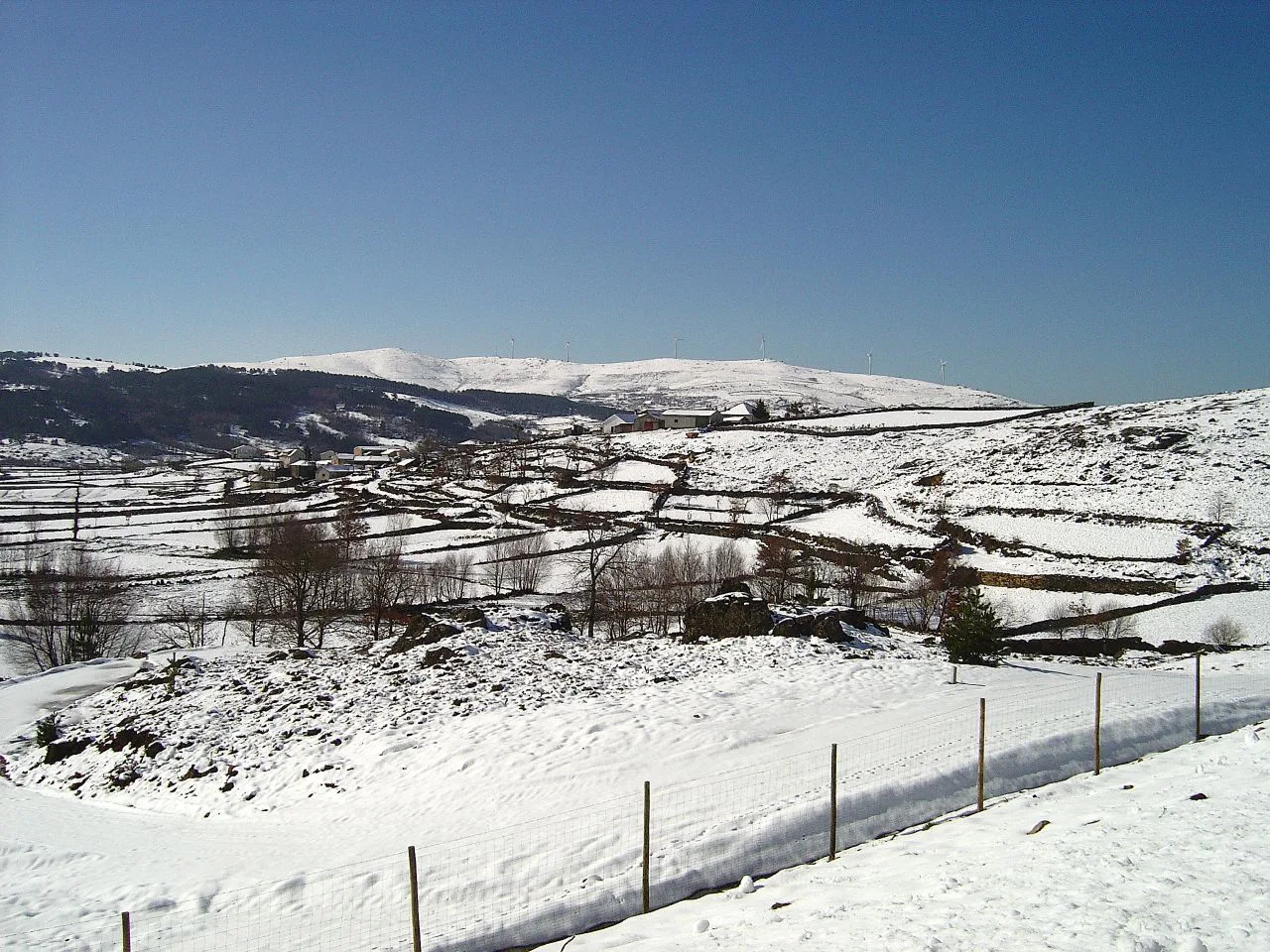
The reliable place to look is Serra da Estrela, mainland Portugal's highest mountain range and the site of the country's only ski and snow resort, above Covilhã. The range sits inside a national park, with marked hiking trails in summer and a small area of pistes in winter, so a snow day here is as much about the drive and the views as about skiing. Outside Serra da Estrela, snow in Portugal is a hilltop event rather than a regional one: a cold snap can whiten a ridge and leave the valley towns below untouched.
Several other inland ranges can hold snow when the air turns cold enough. Peneda-Gerês National Park in the far northwest, Montesinho in the northeast, Serra do Marão in the north, Serra do Açor in the centre and Serra de São Mamede near Marvão close to the Spanish border all appear on lists of places where snow can be seen. Treat these as possibilities rather than certainties: a winter week can pass without any of them turning white, and even when they do, cover often lasts a day or two.
For context on scale, the country's highest ground tops out well below the Alps, so runs are short and the season is short with them. Weekenders from Lisbon and Coimbra treat a snowy weekend in Serra da Estrela as a novelty rather than a routine winter habit. It follows that anyone expecting a full Alpine holiday should book the Alps instead and use Portugal's mountains as a scenic detour, not the main event.
When snow falls: December to February
The core window runs from December to February, with the first proper cover on Serra da Estrela most often arriving in January. In average terms the mountain interior is the coldest part of the country in these months, while the coast stays mild: typical January highs sit around 15°C (59°F) in Lisbon, 14°C (57°F) in Porto and 16°C (61°F) in Faro, with lows of roughly 9°C (48°F), 6°C (43°F) and 8°C (46°F). Those figures describe long-term averages, not any particular week, and they are exactly why snow on the coast is unusual.
By March the coastal averages climb again, to about 19°C (66°F) in both Lisbon and Faro, and the odds of lowland snow shrink accordingly. Snow in Portugal is also highly variable year to year: a mild winter may bring nothing but rain to the hills, while a cold snap can close roads above Covilhã for a short spell. Build flexibility into any snow plan and keep a city alternative ready, rather than blocking out days that depend on the weather turning.
Snow in the north and centre: Porto, Braga and Coimbra
Porto, Braga and Coimbra get cold rain in winter, not snow. Porto is the wettest of the three, with rain spread across roughly 150 days a year and most of it falling between October and March, so pack for damp pavements and grey skies rather than ice. The snow line sits on the hills above these cities; you can sometimes see white on high ground inland while the city itself stays wet and green.
That pattern makes the north a poor choice for snow-chasing but a good one for city travel in low season. Grey days are the cue to spend more time indoors: port wine cellars in Gaia, the bookshop Livraria Lello, museums and long lunches fill a wet afternoon easily. If your itinerary runs through the north, plan it around food and interiors and treat any glimpse of snowy peaks as a bonus.
Snow in Lisbon and the south: rare and short-lived
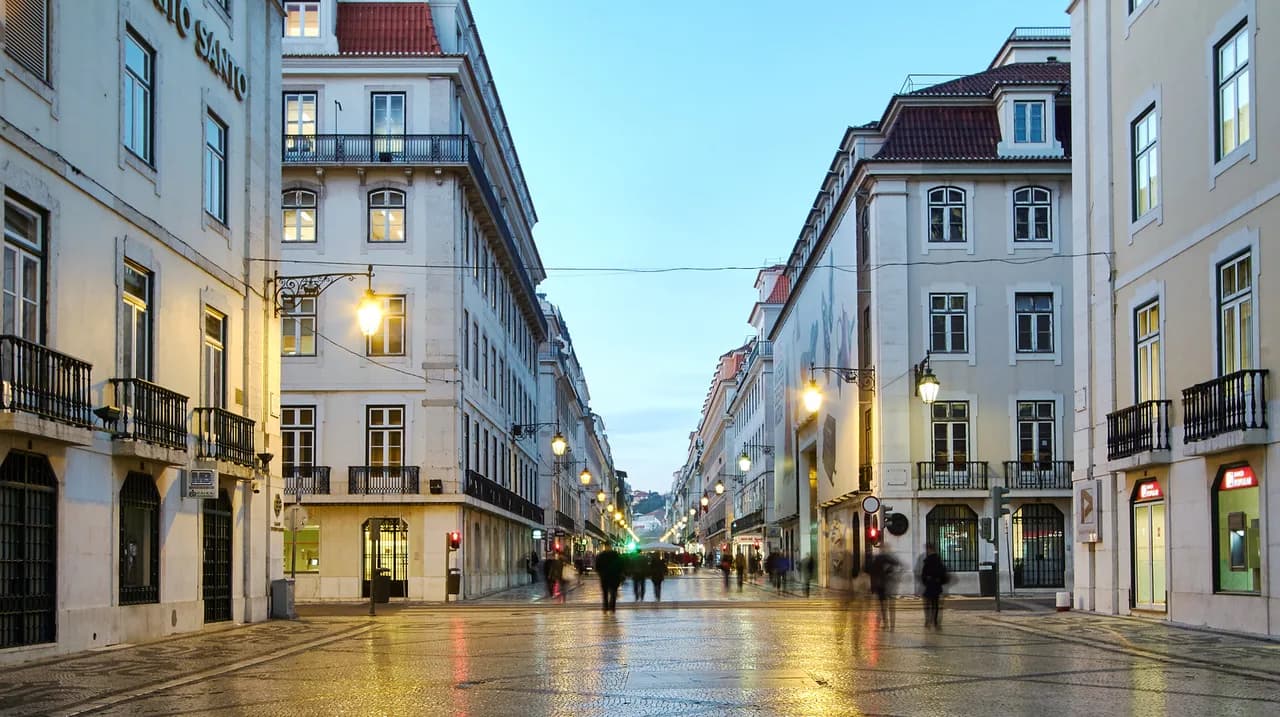
Snow in Lisbon is a headline event, not a seasonal expectation. The city's winter is mild and often bright, with daytime highs that stay in double digits and grey, wet weeks broken by clear spells, so flakes that settle are exceptional. In practice you should plan a Lisbon winter trip around dry-weather sightseeing and indoor museums, and treat the very occasional cold snap as luck rather than something to schedule around.
Inland Alentejo towns sit higher and colder than the coast, and Sintra's hills hold their own damp microclimate, often misty in winter, which makes the palaces moodier rather than snowier. Even there, snow is not something to build an itinerary on. Coastal sightseeing elsewhere continues through the season: the cliff paths and rock formations around Ponta da Piedade stay open to walkers, and winter is when the Algarve's towns are quietest.
The Algarve exception: mild coast, historic freak snowfall
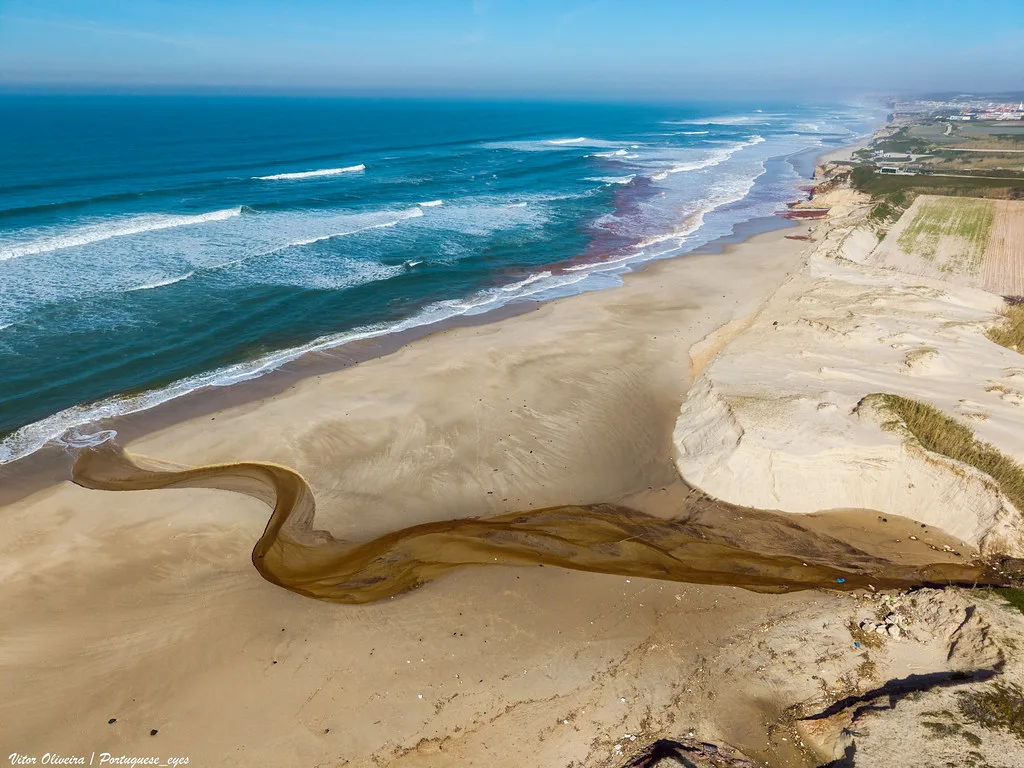
The Algarve is where you go to escape winter, not to find it. The southern coast benefits from warmer sea influence, with January and February highs typically around 15–16°C (59–61°F) and sea temperatures near 17°C (62°F), and the region claims more than 300 days of sunshine a year. Rain is less frequent here than in the north, which is why the coast is the safest bet for dry days between December and March.
Snow does occasionally reach the Algarve, but as a historic curiosity. On 2 February 1954 a heavy snowfall covered towns across the region, from Lagos and Portimão to Faro, Olhão and Tavira, with depths reported up to half a metre and telephone and power lines down; it remains the benchmark for how unusual coastal snow is. Read that as a once-in-a-generation event rather than a possibility to plan for.
Madeira and the Azores: high ground versus mild coast
Madeira and the Azores follow the same logic as the mainland at a smaller scale. The coasts stay mild through winter, with the islands warmer than continental Portugal, while the highest ground can turn cold enough for snow in a sharp spell. Anyone curious about how far that goes on Madeira can read a dedicated guide on does it snow in Madeira and where the island's peaks catch it.
For most visitors the islands are a winter sun and walking choice, not a snow destination. Mild coastal temperatures, green levadas and whale-watching boat trips suit the months when mainland cities are grey. If you want to combine island time with a snow detour, keep the mountain day flexible and treat it as a bonus rather than a fixed plan, since the weather decides.
What a snow day in Serra da Estrela is actually like
A snow day here means a mountain road, not a resort transfer. Trains run from Lisbon to Covilhã in roughly three hours and twenty minutes to four and a half hours depending on the service, and buses also connect the town with the capital. From Covilhã you still need road transport up to the snow, and that is the part the weather can take out of your hands.
Once you are up there, expect national park scenery rather than a big lift network: a small piste area, high viewpoints and walking routes, with the plateau often windier and colder than the town below. Snow can block highways in Portugal, so build in slack and avoid a tight same-day return if you are driving. Winter weekends are when the one road up gets busy, so midweek gives you a calmer visit and easier parking.
Rain, not snow, is the real winter story
Across most of the country, rain and short daylight shape a winter trip far more than snow does. Porto's wet season runs from October to March, Lisbon mixes grey spells with bright ones, and the Algarve stays driest of the three. Daylight is short everywhere, so plan sightseeing for the middle of the day and leave evenings for food, wine and interiors.
Portuguese buildings are famously underheated, and winter humidity makes interiors feel colder than the thermometer suggests, so a heated hotel room is worth seeking out in the interior and the older city centres. That is a comfort issue rather than a snow one, but it shapes how a mountain day feels at either end. The country's winter is best enjoyed as a mild, green, food-led season with snow as an occasional mountain extra.
Trade-offs and who should skip snow-chasing
Portugal rewards travellers who want low-season cities, coastal walks and long lunches without summer crowds. It disappoints anyone who wants reliable snow underfoot, long lift-served runs or a white Christmas by the sea. If snow is the point of the trip, choose an Alpine country or wait for a cold snap and accept the risk that it may not come while you are there.
If you simply want a European winter with short flights from the US or UK, the calculus changes: flights and accommodation are cheaper outside summer, queues at major sights shrink, and even the wet days come with mild temperatures. The trade-off is unpredictable weather, brief daylight and the need for indoor backup plans. Match the destination to the season rather than forcing a snow trip out of a country that rarely provides one.
Better winter alternatives if you wanted snow
If the idea of a mild winter appeals more than the reality of a marginal snow chase, three bases work well. Lisbon gives you tiled streets, viewpoints and Sintra's palaces, among them Pena Palace, on misty days. The Algarve gives you dry coastal walking and quiet towns, and Madeira gives you warmth with green mountain scenery.
February is a strong month for the south, with mild days, almond blossom inland and Carnival celebrations in early February 2027, when Carnival Tuesday falls on 9 February. The quieter stretches of the western coast, including the Costa Vicentina, suit walkers who do not mind wind and rain showers. Book the coast and keep the mountains as a day trip if the cold arrives.
Plan Around the Weather, Not the Snow
Snow in Portugal is a mountain event: reliable only on Serra da Estrela and occasional on the inland ranges, most likely between December and February. The cities and the Algarve deliver mild, sometimes wet winters with short days and few crowds, which suits most visitors better than a speculative drive into the hills. Decide which of those two trips you actually want before you book.
Explore more Portugal winter guides
Frequently Asked Questions
Does it snow in Portugal?
Yes, but mostly on high inland ground. Serra da Estrela, the country's highest range and its only ski area, sees the most reliable cover, usually between December and February. Other inland ranges such as Peneda-Gerês, Montesinho and Serra de São Mamede can turn white in a cold spell, though cover is variable and often brief.
Does it snow in Lisbon?
Rarely, and it does not settle for long. Lisbon's winters are mild and often bright, with daytime highs in double digits, so plan city sightseeing and indoor visits rather than snow. Neighbouring Sintra is misty and damp in winter, which suits palace visits but does not mean snow.
Does Portugal have a ski resort?
Portugal has one ski and snow area, in Serra da Estrela above Covilhã, inside a national park. It is small compared with Alpine resorts and conditions vary from winter to winter. Check the snow reports and road access before travelling, since mountain roads can be affected by snow.
What is the coldest month in Portugal?
January is typically the coldest month across most of the country, with average highs around 15°C (59°F) in Lisbon, 14°C (57°F) in Porto and 16°C (61°F) in Faro, and lows a few degrees above freezing in the interior. These are long-term averages rather than a forecast for any given week.
Does it snow in the Algarve?
Almost never. The Algarve's coastal winter is mild and comparatively dry, and the last snowfall of real note hit the region on 2 February 1954, when towns from Lagos to Tavira were briefly covered. Treat coastal snow as a historic anomaly, not something to plan a trip around.
Does it snow in Madeira?
The island's coast stays mild all winter, while the highest peaks can turn cold enough for snow during a sharp spell. It is not a dependable snow destination, so keep any mountain day flexible. A dedicated guide covers the island's peaks and their winter conditions in more detail.
When does it snow in Serra da Estrela?
The core window is December to February, with the first substantial cover most often arriving in January. Snowfall varies greatly from year to year, and a mild winter may bring rain rather than snow. Check current conditions with the park and road authorities before setting out.
Is it worth visiting Portugal in winter for snow?
Not if snow is the main point of the trip. Portugal is better for mild city breaks, coastal walking, food and wine, with snow as an occasional mountain detour. If you want reliable snow, choose an Alpine country; if you want a quiet, affordable winter, Portugal works well.
Sources
Winter travel notes
Optional updates when we add or revise winter guides.
You might also like
Continue reading
More guides you'll find useful