Portugal in November: Weather, Crowds and What Stays Open
Portugal in November brings cooler, wetter weather, low-season hotel rates and quiet cities. Here is what the month is like and who it suits.
On this page
November in Portugal is late autumn, not a mild extension of summer. City streets thin out after the first week, hotel prices slide into low-season territory, and the weather divides the country: the Algarve and Costa Vicentina stay relatively dry and mild, while the north and higher inland regions turn wetter and windier. It is a month for museum days, long walks before the rain sets in, and unhurried meals rather than beach time.
The trip suits walkers, city travelers, wine-country visitors and anyone who prefers Lisbon or Porto without summer queues. It does not suit travelers who want guaranteed sunshine, swimming, or long daylight hours. The whole winter picture, month by month and region by region, sits in the wider Portugal in winter planning guide.
November in Portugal at a Glance
Average regional temperatures range from roughly 10°C (50°F) in the Minho and Alentejo to nearly 15°C (58°F) on the Costa Vicentina, with Lisbon and Porto in between. Rain is the defining feature of the month, and it falls unevenly: the north and interior see far more of it than the southern coast. Plan a loose itinerary with indoor options ready and you will use the month well.
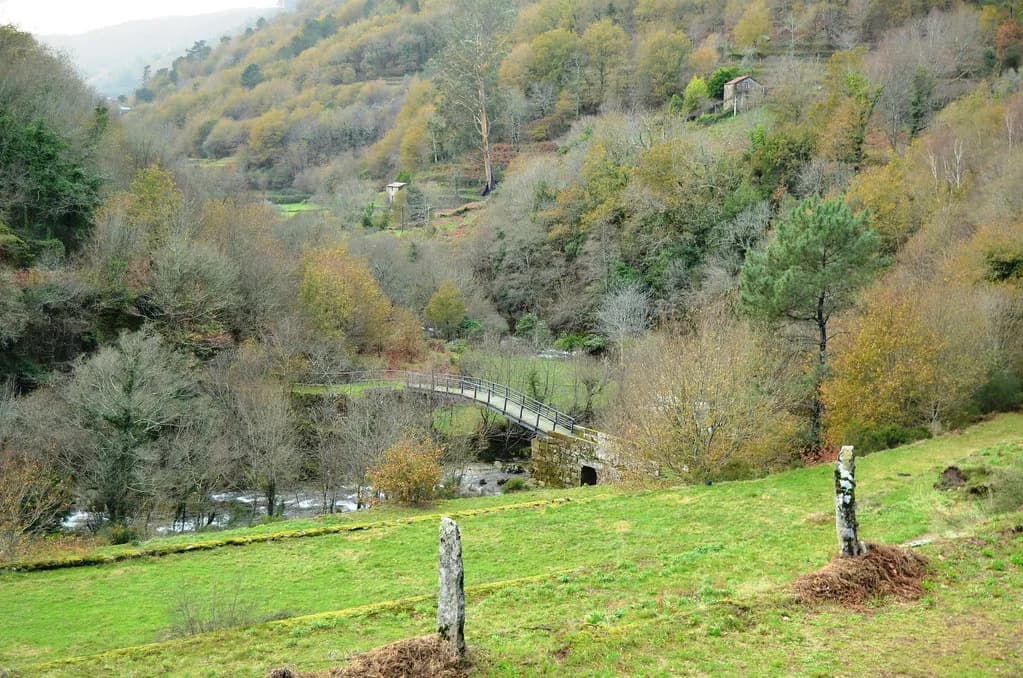
The first week or two is the better window for walking in the Alentejo or Minho, before winds pick up and rain becomes more frequent, especially in the north and higher regions. If a specific trail or outdoor activity is the reason for the trip, aim for early November rather than the end of the month.
Weather in November: Regional Averages
Long-term monthly averages give a realistic baseline rather than a forecast. Lisbon averages about 14.6°C (58°F) with roughly 106 mm of rain, Porto about 12.2°C (54°F) with 157 mm, and the Douro Valley about 11.9°C (53°F) with 116 mm. The Alentejo sits near 10.7°C (51°F) with 118 mm, the Minho near 10.3°C (51°F) with 172 mm, and the Costa Vicentina near 14.8°C (58°F) with just 82 mm.
Read those numbers as typical conditions, not guarantees: a single November can be much drier or wetter than the average. The Costa Vicentina and Algarve coast come out mildest and driest, which makes the south the safer bet for outdoor plans. Porto and the Minho are the wettest, so build in more indoor time there.
Short days are the other fixed constraint. Portugal switches off daylight saving time on 25 October 2026, so November runs on winter clocks with sunset in the late afternoon. Structure each day around daylight for viewpoints and walks, and save museums, tastings and long lunches for the darker hours.
How the Season Changes
Tourism operators describe winter, roughly November through March, as the low season, with hotels offering their lowest rates from 1 November to 31 March. That means easier bookings and cheaper rooms, but also thinner service in some coastal and resort areas that gear up for summer. Treat the low-season label as a signal to book flexibly and confirm directly with any small hotel or restaurant you have set your heart on.
Cities stay fully functional: Lisbon's museums, monuments and miradouros, Porto's port lodges and riverfront, and the Douro Valley's quintas keep working through the month, though some outdoor and river experiences scale back. Beaches and sun-focused coastal businesses are the first to wind down, and the sea is cold by November, so plan coastal days around clifftop walks rather than swimming. Reserve any time-sensitive tour with the company running it before you travel.
What Is On in November
November has no national holiday in Portugal; the public holidays fall either side, with All Saints' Day on 1 November just before and the Restoration of Independence on 1 December just after. That keeps the month relatively free of domestic travel spikes, which is part of why cities feel quieter. Regional fairs and food festivals change year to year, so ask the local tourism office in the town you're visiting what's on.
If you want the festive season, November is too early: Christmas markets and lights arrive later, and the fuller picture of Christmas in Portugal sits in December. Use November for the quieter version of the country, then come back if you want the celebrations.
Lisbon and Around in November
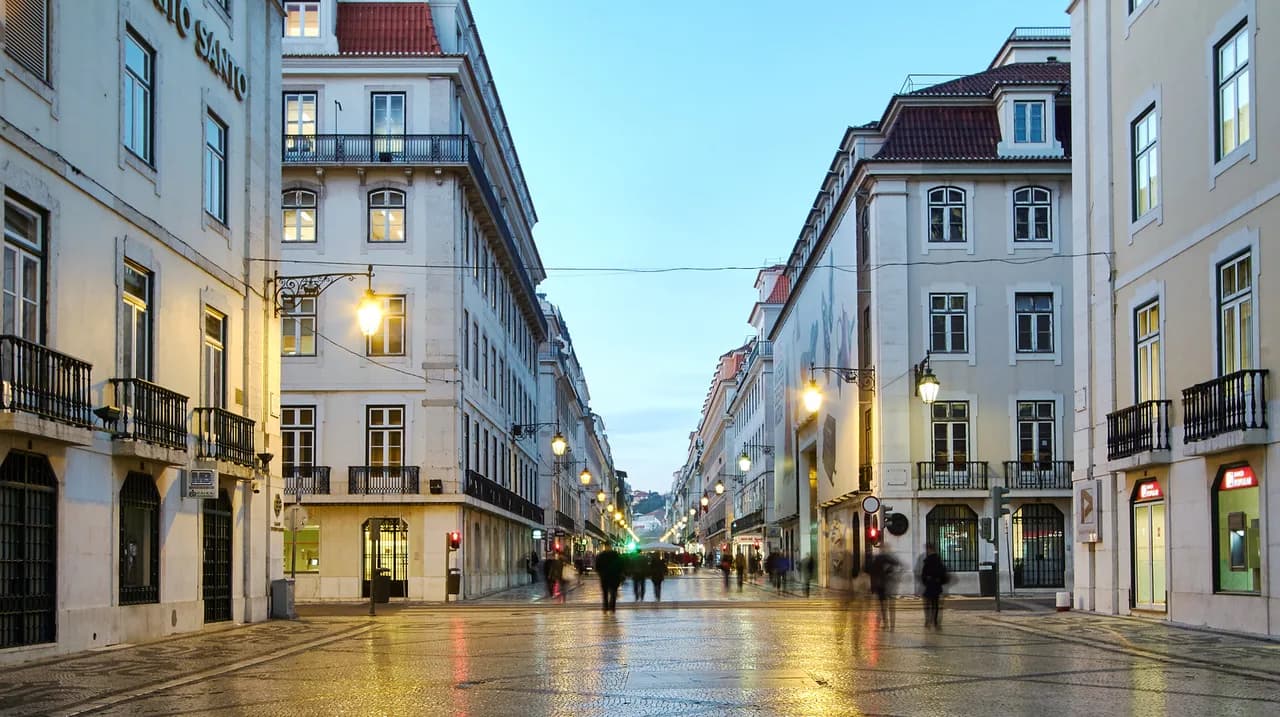
Lisbon at 14.6°C (58°F) average is comfortable for walking, and the rain is manageable if you alternate outdoor and indoor stops. Pair the Belém Tower and Monument to the Discoveries with the museums nearby, then use a dry afternoon for the Alfama streets and a viewpoint. The city's core sights run year-round, so the main adjustment is daylight, not closures.
Day trips work well in November if you go early and check conditions. Sintra's Pena Palace and the Mafra National Palace make strong half-day outings, though Sintra draws heavy crowds in season and the palaces are best booked ahead. Óbidos is a compact walled town that suits a damp day. All are realistic day trips from Lisbon by train or car.
The Lisbon coast is a good alternative base for milder, breezier days. Cascais in November has the same short-day and rain trade-offs as the capital but puts the Atlantic clifftops within easy reach. From there, the train into Lisbon keeps city museums and restaurants on the itinerary.
Porto and the North
Porto is wetter and cooler in November, averaging about 12.2°C (54°F) with 157 mm of rain, and the Minho is wetter still. That makes the north a city-and-indoor month: port lodges in Vila Nova de Gaia, the riverside Ribeira, the Serralves museum and the Livraria Lello all keep working through the rain. Bring a plan B for every outdoor stretch.
The north's appeal in November is atmosphere rather than sunshine: misty river views, warm tascas and fewer tourists at the main sights. If you want snowy mountain scenery, that is a different trip; the question of does it snow in Portugal is answered region by region, and the north's high ground is where you look.
The Douro Valley and Alentejo
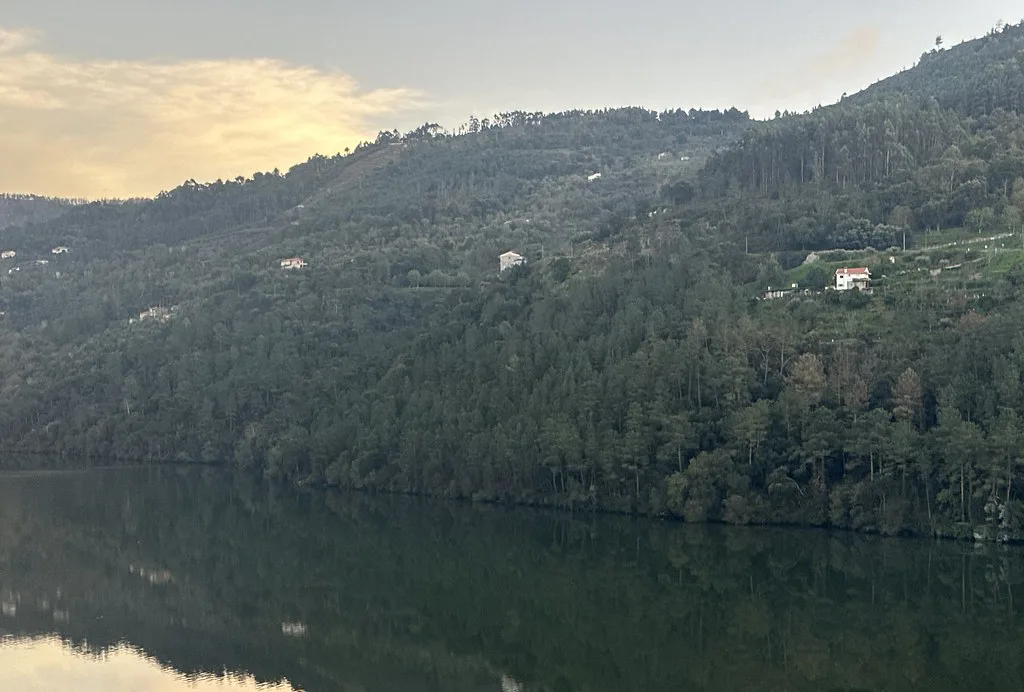
The Douro Valley averages around 11.9°C (53°F) with 116 mm of rain in November, and the harvest crowds of September and October have gone. Quintas still welcome visitors for tastings, and the terraced river landscape is at its quietest. River cruises operate on reduced winter schedules, so book through an operator and confirm the departure before you commit.
The Alentejo averages about 10.7°C (51°F) with 118 mm of rain, but its open country and hilltop villages reward walkers who go early in the month. The Costa Vicentina, at 14.8°C (58°F) and 82 mm, is the driest and mildest corner in the averages, making it the best coastal option for a November walk. If you want this region at its most reliable, the Portugal in February guide covers the later winter window.
The Algarve in November
The Algarve is milder than the north and far quieter than in summer, but November is not beach weather: the sea is cold and the season for swimming has passed. Coastal towns thin out, some seasonal businesses cut hours, and the cliffs and walking trails become the main attraction. The region's average rainfall is closer to the Costa Vicentina than to Porto, which makes it the most forgiving part of the country for outdoor plans.
Use the Algarve for coastal walks, seafood lunches and quiet towns rather than sunbathing. If you want warmer sea and livelier resorts, the Portugal in March guide gives a later picture as spring approaches. For a snowier or colder alternative, Madeira in November is a different island climate entirely.
Who a November Trip Suits
November suits walkers, city travelers, wine-country visitors and budget-conscious travelers who value low-season rates and thin crowds over sunshine. It is a strong month for Lisbon, Porto and the Douro, and the Costa Vicentina is the best coastal choice. It does not suit beach lovers, swimmers, or travelers who need long daylight hours for a packed outdoor itinerary.
If your priority is festive atmosphere, wait for December; if it is sunshine and swimming, wait for spring or summer. If you want a shoulder-season version of the country with lower prices and quieter streets, November delivers. The later winter months are covered in Portugal in January and Portugal in December if you want to compare.
Getting Around Portugal in November
Trains and buses run on normal timetables in November, and the low season makes intercity seats easy to find. Lisbon and Porto are well connected by rail, and the Douro Valley and Alentejo are reachable by car or organized day trip. Check timetables with the rail and bus companies when you book, since some regional and river services run reduced winter schedules.
Driving gives the most flexibility for the Alentejo and Costa Vicentina, where November rain can make minor roads slow. Allow extra time, keep days short because of early sunset, and book any guided walks or tastings in advance. If you are weighing a later trip, the Portugal in February guide shows how the winter months compare.
Walking with a Dog in November
For anyone travelling with a dog, November fits the walking calendar in Portugal better than the hot summer months, and the guide's regional figures show why. Alentejo records an average of 10.7°C and 118 mm of rain, Minho averages 10.3°C with 172 mm, Costa Vicentina reaches 14.8°C with 82 mm, the Douro Valley sits at 11.9°C with 116 mm, Lisbon averages 14.6°C with 106 mm, and Porto 12.2°C with 157 mm. Conditions are rated good in Alentejo, Costa Vicentina and Minho, and ok in Lisbon, Porto and the Douro Valley.
Timing your walks matters. According to the same seasonal guide, the first week or so of November is a nice time to get out walking in Alentejo or Minho before the weather takes a turn; beyond the first week or two, winds pick up and rains increase, especially in the north and in the higher regions. A dog-friendly plan built around those early-November days in Alentejo or Minho gives you the best-rated conditions and gentler weather for long days outdoors.
The broader season works in your favour too. November falls in Portugal's low season, with hotels offering low-season rates from November 1 up to March 31, though specialists note the weather will be rainy, especially by the coast, and cooler, especially in the northern part of the country. November also grows quieter overall and temperatures continue to steadily fall. Quieter streets and trails, cooler temperatures and lower room rates together make November a practical month for a walking holiday with a dog, and the rated conditions point to Alentejo, Minho and Costa Vicentina when the northern rains settle in.
Plan Your November Trip
November in Portugal is a quiet, low-season month with mild southern coasts, wet northern cities and short days. Build the trip around Lisbon, Porto, the Douro or the Alentejo, keep indoor options ready, and treat the Costa Vicentina as your best coastal bet. Book low-season rates early and confirm any winter-schedule tours with the tour company before you travel.
If you want more sun, plan for spring; if you want festive atmosphere, plan for December. If you want fewer crowds and lower prices, November is one of the smartest months to visit.
Frequently Asked Questions
Is Portugal warm in November?
It is mild rather than warm. Long-term averages put the Costa Vicentina around 14.8°C (58°F), Lisbon around 14.6°C (58°F) and the Minho around 10.3°C (51°F). Expect cool, changeable days rather than beach weather, and plan indoor options.
Does it rain a lot in Portugal in November?
Rain increases through the month, especially in the north and higher inland regions. The Minho averages around 172 mm and Porto 157 mm, while the Costa Vicentina is much drier at roughly 82 mm. The south is the safer bet for outdoor plans.
Is November a good time to visit Portugal?
It is a strong month for city trips, wine country and walking before the rains set in, with far fewer crowds. It is a poor month for swimming and beach holidays. Travelers who want reliable sunshine should choose spring or summer instead.
Is November the cheapest month to visit Portugal?
November falls in the low season, when hotels typically offer their lowest rates from 1 November to 31 March. Prices stay low through winter, so the exact cheapest month varies. Book early and compare directly with hotels for the best rates.
What are the best things to do in Portugal in November?
Focus on Lisbon's museums and viewpoints, Porto's port lodges, Douro Valley tastings and Alentejo or Costa Vicentina walks early in the month. Coastal days are better for clifftop walking than swimming. Reserve any time-sensitive tour directly with the operator.
Should I visit Lisbon or Porto in November?
Lisbon is milder and drier on average, so it suits outdoor sightseeing better. Porto is wetter and cooler but rewards with atmospheric riverside days and port lodges. Choose Lisbon for walking and Porto for a cozier, indoor-heavy city break.
Sources
Winter travel notes
Optional updates when we add or revise winter guides.
You might also like
Continue reading
More guides you'll find useful