New Year's Eve in Portugal: Where to Be at Midnight
New Year's Eve in Portugal means fireworks over Lisbon's Praça do Comércio and Porto's Douro, plus Funchal's bay display. Here is how the night works by city.
On this page
Portugal on 31 December is a country that goes outside. City squares fill with free concerts, riverside neighborhoods crowd the banks for fireworks, and on Madeira the whole bay of Funchal becomes the stage. Nights are cool rather than freezing along most of the coast, which is why families with children and older travelers often choose Portugal over northern Europe for the last night of the year.
The choice that shapes your evening is format, not city. A big public square means crowds, live music and a short walk home; a paid dinner in a restaurant means a table, a set menu and a midnight toast indoors; a wine estate in the Douro or Alentejo means quiet, food and local wine with few other visitors. Decide which of those three you want before you pick a destination, because each one books up differently.
How the Night Works in Portugal
Most Portuguese celebrations follow the same shape: a late dinner, a gathering in a square or along a river, a countdown at midnight, then fireworks and music until well after one. Public celebrations in Lisbon and Porto are open to anyone and cost nothing to attend, while restaurant dinners and hotel parties are ticketed and need booking. The two run on different clocks, so you can combine a dinner with a square if you eat early enough.
New Year's Day 2027 falls on a Friday, which turns the holiday into a long weekend and pushes restaurant demand up for both the 31st and the 1st. Book the dinner table first and build the rest of the trip around it; public fireworks need no reservation, but a good position by the water does reward arriving early.
Portuguese Midnight Traditions
At midnight many Portuguese households and crowds eat twelve raisins, one for each chime of the clock, each standing for a wish for the coming months. The toast that follows is usually sparkling wine, and in Porto it is often port. Joining in is easy: buy a small box of raisins and a bottle of sparkling wine or port before the shops close on the 31st.
Coastal towns add their own rituals. In beach communities some people run into the Atlantic at midnight to start the year clean, and blue underwear is widely worn for luck. Both are optional, but knowing about them saves confusion when you see a crowd sprinting for the water in Albufeira or Cascais.
Lisbon: Praça do Comércio and the River
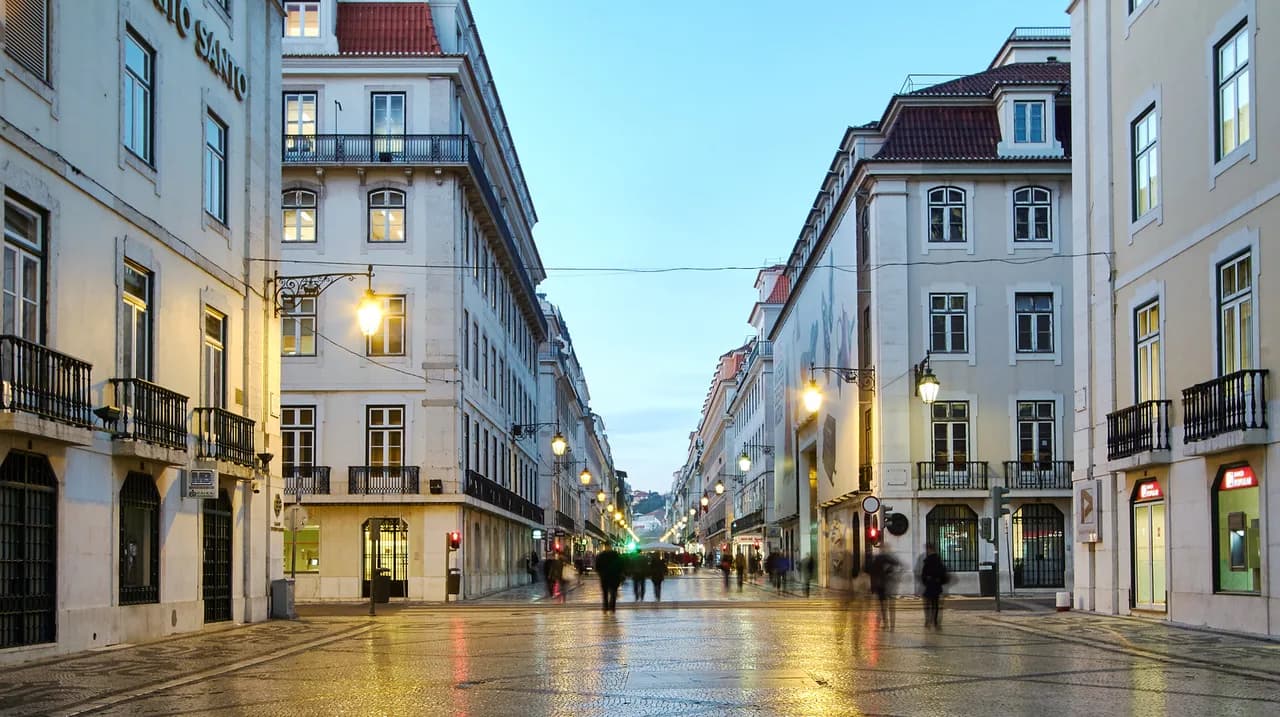
Lisbon's main public celebration happens on Praça do Comércio, the waterfront square also known as Terreiro do Paço, with concerts and a fireworks display over the Tagus. The square and the streets leading to it fill early, so anyone wanting space to move should arrive well before midnight. The riverside stretch toward Alcântara gives a longer view of the sky at the cost of being further from the music.
Parque das Nações and the area around Torre de Belém host their own entertainment, which suits anyone staying in the eastern or western parts of the city and unwilling to cross town at one in the morning. Castelo de São Jorge, on the highest hill, opens for midnight celebrations and gives a view over the river and the fireworks; the climb is steep and the terrace crowded.
If your trip stretches past the holiday, Lisbon in January is quiet, cheap by local standards and free of queues at the museums and monuments that are mobbed in summer; the Portugal in winter guide covers what stays open through the season.
Porto: Aliados, Ribeira and the Douro
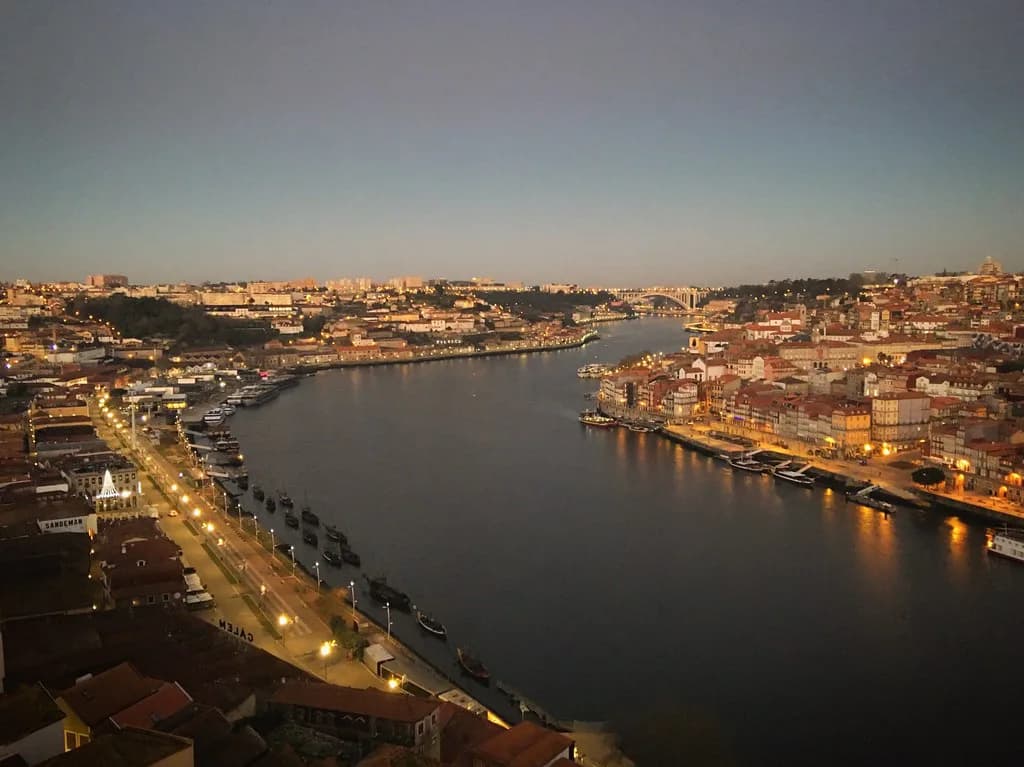
Porto concentrates its celebrations on Avenida dos Aliados, where free concerts run through the evening, and along the Douro in Ribeira, where crowds gather on both banks for fireworks above the river. The Dom Luís I Bridge frames the display and carries foot traffic between Porto and Vila Nova de Gaia, so you can watch from either side. Expect dense crowds in Ribeira and slower movement on the bridge itself.
A quieter option is a port wine cellar in Gaia, several of which run special evening tastings and dinners on the 31st; these are paid, seated events that need booking months ahead. The Douro Valley, an hour or so inland by train or car, trades fireworks for fireplaces and wine tastings at estates, which suits couples and small groups more than families with young children.
Madeira: Funchal's Bay Display
Funchal's New Year's Eve is built around fireworks launched from points across the bay and the hillsides, so the display wraps around the city rather than sitting in one spot. The waterfront and the marina are the obvious places to stand; boats leave the harbor for a view from the water. Hotels and hillside viewpoints fill far in advance, and the island's December weather is mild enough to spend the whole evening outside.
Madeira rewards a longer stay. The levada walks, the botanical gardens and the cable car up to Monte all run through the winter, and the island's carnival season follows in February with parades and street parties; February on the island is a separate trip worth planning around.
The Algarve: Albufeira and Vilamoura
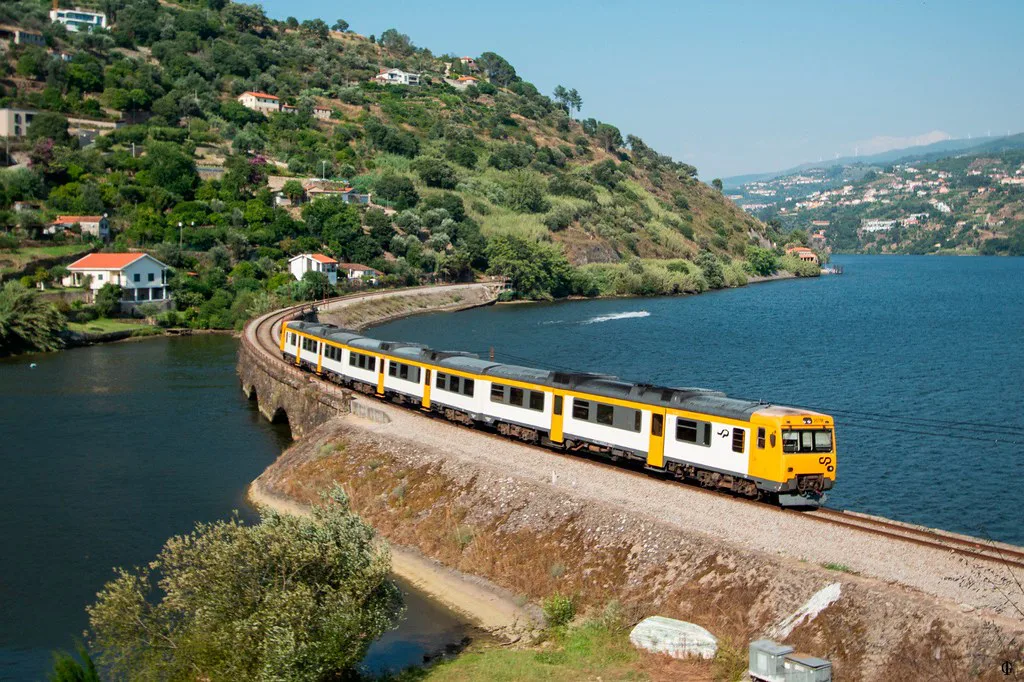
The Algarve is Portugal's mildest winter coast, and the region's New Year's Eve is an outdoor affair. Albufeira holds a fireworks display over the main beach with live music, while Vilamoura Marina takes a calmer approach with special menus in its restaurants and entertainment for families. Both are walkable from the main resort areas, which removes the transport problem that cities pose at one in the morning.
Do not expect a summer resort in December. Many beach bars and seasonal restaurants close for the winter, hotel rates drop sharply, and the coastal walks are at their best in cool, clear weather. Travelers who want the Algarve without crowds should look at the Costa Vicentina stretch on the Atlantic side, where the cliffs and beaches stay open and empty.
Douro Valley, Alentejo and Coimbra
Inland Portugal marks the new year with food, wine and smaller gatherings. Alentejo estates host dinners and tastings, and the clear inland skies make stargazing part of the evening; Évora fills its streets with locals celebrating after midnight. The Douro Valley takes the same approach in grander wine hotels, with fireplaces, river views and long tasting menus.
Coimbra's celebration has a student character, with university groups leading the energy in the historic center and restaurants serving special New Year's menus. Book dinner in all three places weeks in advance: these are small towns with limited tables, and the estate dinners in the Douro and Alentejo often sell out well before Christmas.
Late December Weather at Midnight
Midnight on 31 December is cool across Portugal and genuinely cold inland, so the coast decides how long you can stay outside. Lisbon, Porto and the Algarve have mild days in late December, but nights near the water fall sharply once the sun is down, and the Algarve's sheltered south coast is noticeably softer than Porto's Atlantic exposure. Madeira is the warmest of the four, which is one reason its outdoor display draws such crowds.
Pack for a long evening outdoors rather than a short dash to a bar: a warm layer, something windproof for riverbanks and beaches, and shoes you can stand in for hours. Inland destinations such as Évora and the Douro need winter coats, and the Serra da Estrela mountains can hold snow at this time of year, though that is a separate trip from the coast.
Getting Around and Getting Home
Public transport runs on holiday timetables on 31 December and 1 January, and many cities add extra services after midnight to move crowds home; the metro, tram and suburban train networks are the reliable options in Lisbon and Porto. Taxis and ride-hailing apps are scarce in the half hour after fireworks end, so plan to walk or take the metro rather than wait on a street corner.
Book accommodation within walking distance of your chosen square or waterfront if the budget allows; the premium is worth it on a night when roads close and demand peaks. In the Algarve and Madeira, staying at the resort where the fireworks happen removes the transport question entirely.
Who Should Choose Which Celebration
Pick Lisbon or Porto if you want scale: free concerts, big crowds and fireworks over water, with the trade-off of dense streets and a slow walk home. Choose Madeira if the fireworks themselves are the reason for the trip and you can book early; choose the Algarve if you want warmth, beach views and an easier evening with children.
Inland Portugal, from the Douro to Évora, suits couples and small groups who prefer a table, a fireplace and local wine to a stage. Anyone hoping for a quiet, early night should look elsewhere: Portugal celebrates late, and midnight is when the evening properly starts.
New Year's Day in Portugal
1 January is a public holiday and much of the country sleeps in. Many restaurants and shops close or open late, museums often run reduced hours, and the streets stay quiet until the afternoon, so plan a slow morning and a walk rather than a full itinerary. Coastal promenades and city viewpoints are the easiest places to spend the daylight hours.
By 2 January normal life returns, and the first weeks of the year are a good time to move on: Lisbon's museums empty out, the Algarve's coastal trails are dry and cool, and hotel rates are at their lowest. Portugal in January is one of the quietest months to see the country, though some seasonal businesses on the coast stay shut until spring.
If your dates fall later in the winter, the country changes character: carnival parades arrive in February, and by March the almond blossom and warmer days pull visitors back to the coast. November, by contrast, is the wettest and quietest month, with many coastal hotels closed.
Plan the Night Around One Decision
Start with the format: a public square, a paid dinner, an island bay or a wine estate. Then match the place to it, book the table or the room, and leave the fireworks to look after themselves. Portugal's New Year's Eve rewards planning more than improvisation, because the best tables and the best views go first.
If you are still deciding between destinations, the wider winter picture helps: coastal Portugal is mild but wet, the interior is cold and clear, and the islands are the warmest option. Weigh what you want from the trip beyond the 31st, and the right city usually becomes obvious.
Explore more Portugal winter guides
Frequently Asked Questions
Is Portugal good for New Year's Eve?
Yes, if you want an outdoor celebration with mild coastal weather. Lisbon and Porto run free concerts and fireworks in public squares and along the rivers, Funchal stages a bay-wide display, and the Algarve offers beachfront parties. Inland regions such as the Douro and Alentejo suit travelers who prefer a seated dinner with local wine. Nights are cool, so plan on spending the evening outdoors in warm layers.
Where is the biggest celebration in Portugal?
Lisbon's Praça do Comércio and Porto's Ribeira and Avenida dos Aliados are the largest mainland gatherings, with free concerts and fireworks over the Tagus and Douro. Madeira's display in Funchal spreads across the whole bay and hillsides, drawing visitors specifically for the fireworks. Choose by format rather than size: a square means crowds and atmosphere, an island bay means a wider view and an earlier booking.
Do I need to book dinner ahead?
Yes for any restaurant or hotel dinner on 31 December. New Year's Eve menus are fixed and tables sell out weeks ahead in Lisbon, Porto, Coimbra and the wine regions. Public fireworks and square concerts need no ticket. Eat early if you want to combine a restaurant dinner with the countdown outdoors.
What do people eat and drink at midnight in Portugal?
Twelve raisins, one per clock chime, are eaten at midnight for luck, and the toast is sparkling wine or, in Porto, port. Some coastal towns also see people run into the sea at midnight to start the year fresh. All of it is easy to join: buy raisins and a bottle before the shops close on the 31st.
What is the weather like in Portugal on New Year's Eve?
Typical late-December conditions are mild by day and cool at night, coldest inland and in Porto, softer in the Algarve and on Madeira. Expect a long evening outdoors to feel chilly near the water, especially after midnight. Treat any figure as a long-term average rather than a forecast and check the national weather service close to your trip.
Is 1 January a good day to sightsee?
Mostly not. New Year's Day 2027 is a Friday and a public holiday, so many restaurants and shops close or open late and museums run reduced hours. Plan a slow morning, a coastal walk or a viewpoint, and save indoor sights for 2 January, when normal hours resume and the holiday crowds disappear.
Sources
Winter travel notes
Optional updates when we add or revise winter guides.
You might also like
Continue reading
More guides you'll find useful