Christmas in Portugal: Traditions, Food and What's Open
Christmas in Portugal revolves around the Consoada dinner on Christmas Eve, midnight Mass and family gatherings. Here is how the holiday plays out.
On this page
Christmas in Portugal is a family holiday first and a public spectacle second, and that order shapes the trip. The big meal lands on 24 December, the streets fill with lights through December, and the days from Christmas to Epiphany keep a slow, domestic rhythm. That suits travelers who want atmosphere, food and city sightseeing rather than resort-style holiday programming; anyone hoping for a full calendar of ticketed events on Christmas Day should look at the weeks before or after instead.
What Christmas in Portugal feels like and who it suits
The season is still recognisably religious in small towns and increasingly commercial in the cities, with nativity scenes at home and trees and Santa imagery alongside them. For visitors this means the holiday is visible in churches, bakeries, lights and family restaurant menus rather than in one central festival. If you want a warm-weather Christmas with city culture and long dinners, Portugal works; if you want guaranteed snow or a resort programme, plan differently.
Timing matters more than in summer. Christmas Day 2026 falls on a Friday and New Year's Day 2027 on a Friday, which gives you two long holiday weekends separated by a short working week when many places run reduced hours. Book the Christmas Eve and Christmas Day meals first, then build sightseeing around the days when museums return to normal.
Portuguese Christmas weather: what to expect
December in Lisbon is mild by northern European standards but breezy, with typical temperatures of roughly 10–16°C (50–61°F) and occasional drizzle, so a warm layer and comfortable shoes do more for a day of walking than a heavy coat. Porto and the north run cooler and wetter, while Madeira stays warm enough for outdoor strolls, with winter temperatures often quoted around 18–21°C (65–70°F). Treat all of these as long-term averages, not forecasts, and pack for rain on any mainland itinerary.
Short daylight is the real constraint: midwinter sunset arrives in the late afternoon, so outdoor sightseeing, viewpoints and light displays work best from late morning to about four o'clock. Rain is more likely in the north than in the Algarve, and snow is a mountain affair rather than a city one. If winter weather is central to your plans, read up on the country's colder corners before committing to dates, and see what a Portugal in December trip typically involves.
Christmas Eve and the Consoada dinner
The Consoada, Portugal's Christmas Eve dinner, is the meal that matters: families gather, often after days of preparation, for bacalhau with potatoes and cabbage or green beans in olive oil, followed by octopus rice and a table of sweets with Port wine. Many families eat late and go on to midnight Mass, the Missa do Galo, which takes its name from the rooster said to have crowed at Christ's birth. If you want the closest thing to a local Christmas, book a restaurant serving bacalhau on the evening of the 24th rather than aiming for a big lunch on the 25th.
Restaurants in Lisbon do offer Christmas dinner menus, and the popular traditional places fill up, so reserve well ahead for the 24th and 25th. Christmas Day itself is quieter: families visit relatives, lunch is often leftovers reworked as roupa velha or a roast turkey, and the city feels calm rather than closed. Plan a long lunch and an evening walk rather than a packed sightseeing day.
Midnight Mass and Christmas Day
Missa do Galo services take place in churches across the country on Christmas Eve, and in Lisbon the cathedral and the city's older churches draw both locals and curious visitors. Even if you do not stay for the whole ceremony, the candlelit atmosphere and choirs are part of the season. Dress warmly for the walk home; churches are cold and the streets empty quickly after midnight.
On the 25th, expect reduced public transport schedules and earlier closing at many museums, shops and attractions, with some major sights closed altogether. Outdoor places such as viewpoints, squares and waterfront promenades remain accessible and are the safest bet for the day itself. Sequence indoor sightseeing into the days before Christmas or between Christmas and New Year.
Bolo Rei, rabanadas and the sweets of the season
Bolo Rei, the crown-shaped king cake filled with candied fruit and pine nuts, appears in bakeries through December and is tied to the Three Kings; tradition hides a dried bean inside, and whoever finds it buys next year's cake. Alongside it come rabanadas, Portugal's version of French toast, arroz doce dusted with cinnamon and honey cakes. Buy a slice from a traditional pastry shop rather than a supermarket box and eat it with coffee.
Bakeries sell these sweets only in season, which makes them a good marker of how seriously a shop takes the holiday. In Lisbon, the old confeitarias around Baixa and Chiado are the obvious stop on a December walk, and they stay busy right up to the 24th. Go in the morning to avoid the queues.
The Twelve Days: Janeiras carols and Epiphany
Between Christmas and 6 January, groups go from house to house singing Janeiras, the January carols that wish households good fortune for the year ahead. Epiphany, Three Kings' Day, falls on Wednesday 6 January 2027 and closes the season with the last of the Bolo Rei. This stretch is the quietest and most local part of the Portuguese Christmas, and it rewards travelers who stay put rather than moving cities every day.
For planning purposes, the days between New Year and Epiphany are a good window for museums, day trips and long lunches, because the holiday crowds have gone and normal opening resumes. If you want the full arc, arrive before the 24th and leave after the 6th. That way you see the lights at their brightest and the season wind down.
Christmas lights and markets in Lisbon
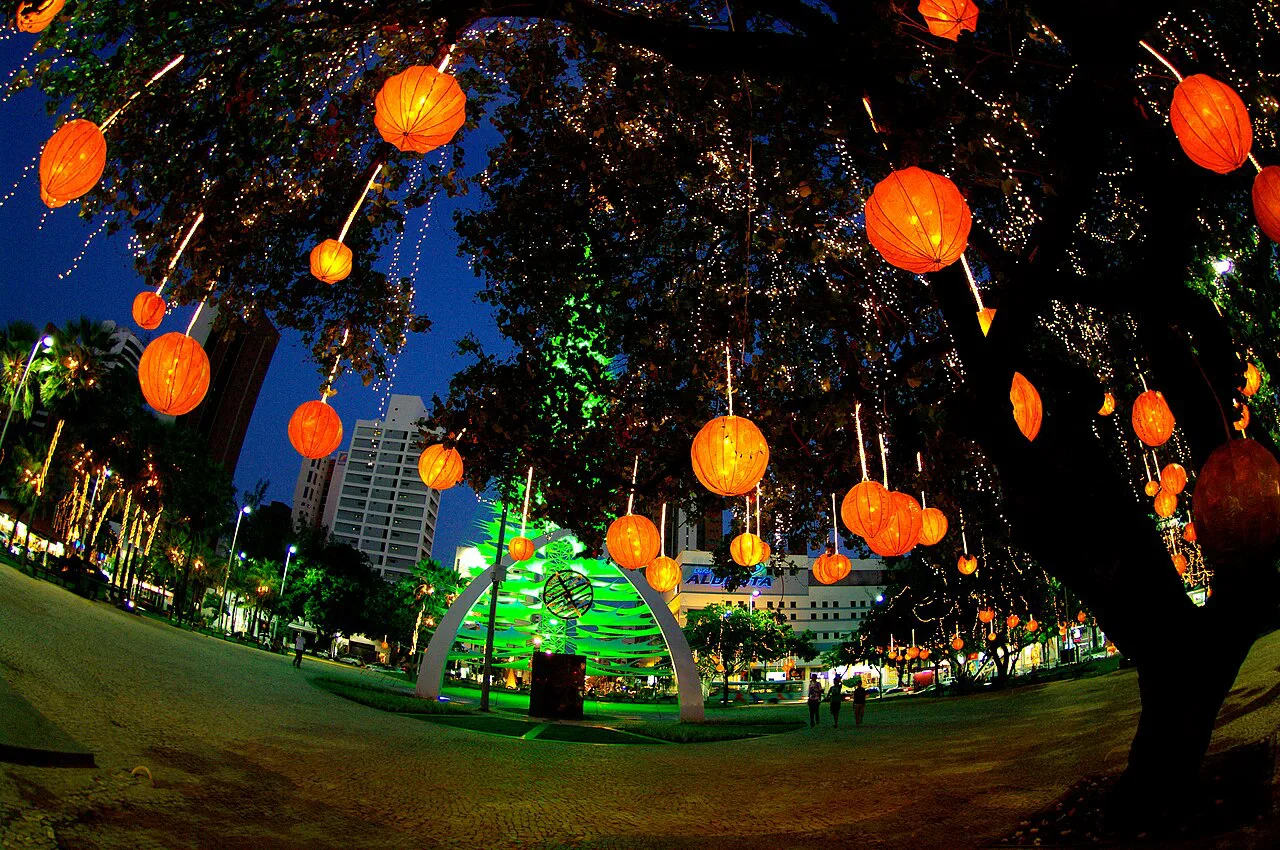
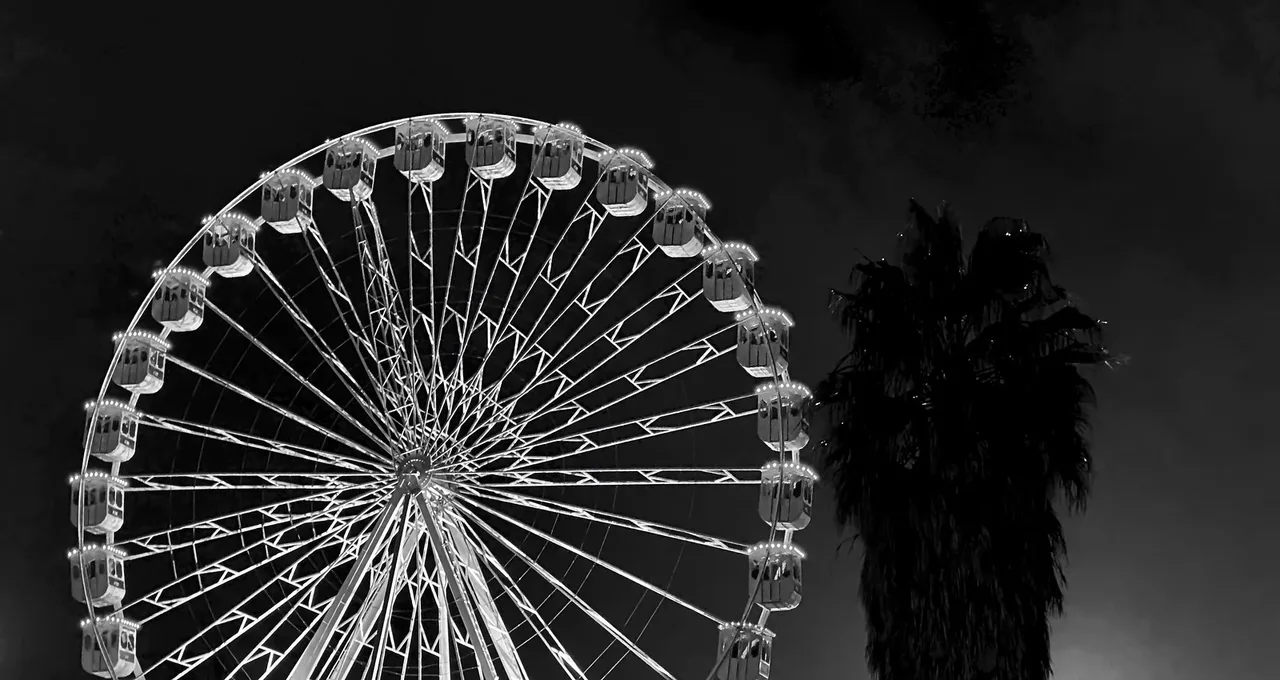
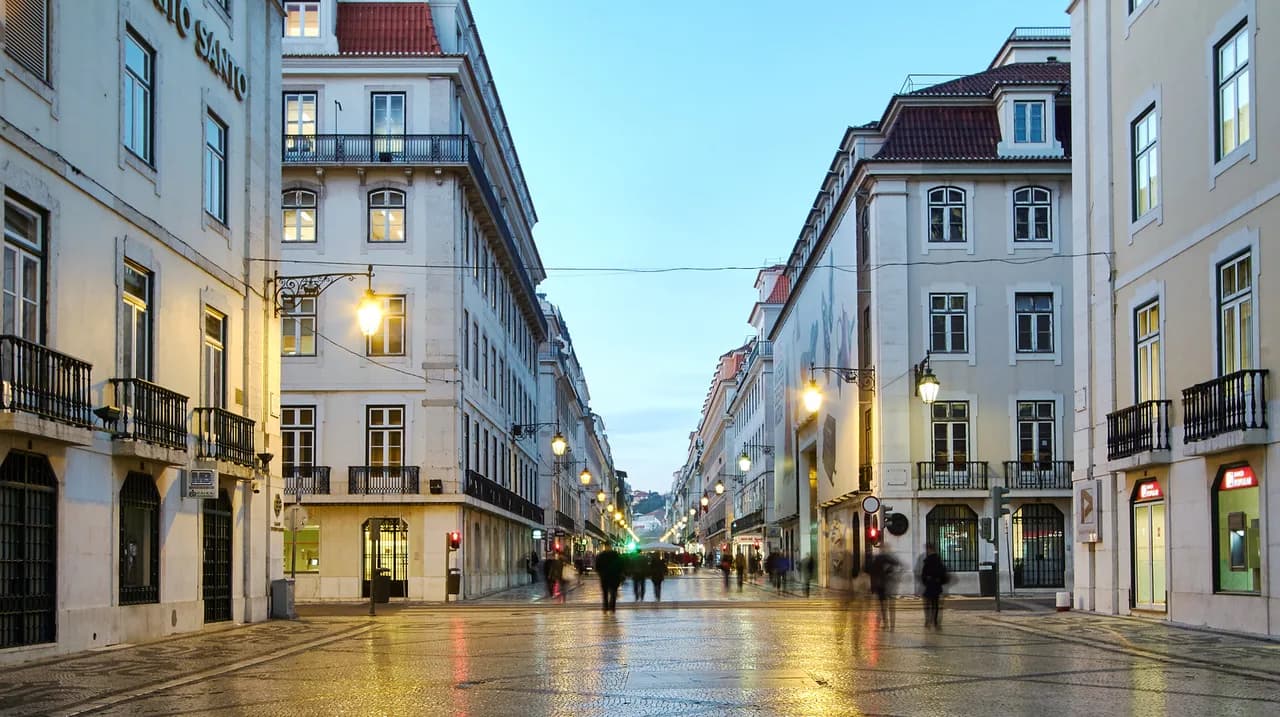
Lisbon dresses itself in lights along Avenida da Liberdade, Baixa and Chiado, with a giant tree on Praça do Comércio and a market at Rossio selling crafts and hot chocolate. Wonderland Lisboa, in Parque Eduardo VII, adds ice skating and rides and is the family option; Rossio suits browsing and edible gifts. Both are evening activities, so pair them with an early dinner rather than trying to fit them into a museum day.
The city feels lively but not overwhelming in December, and the major sights are quieter than in summer, which makes Belém and the Jerónimos Monastery pleasanter than usual. Day trips to Sintra, where the Pena Palace sits in the hills above the town, and to Óbidos work in winter as long as you start early and accept that you may be walking in rain. Check the palace's own site for winter hours before you go.
Porto and the north at Christmas
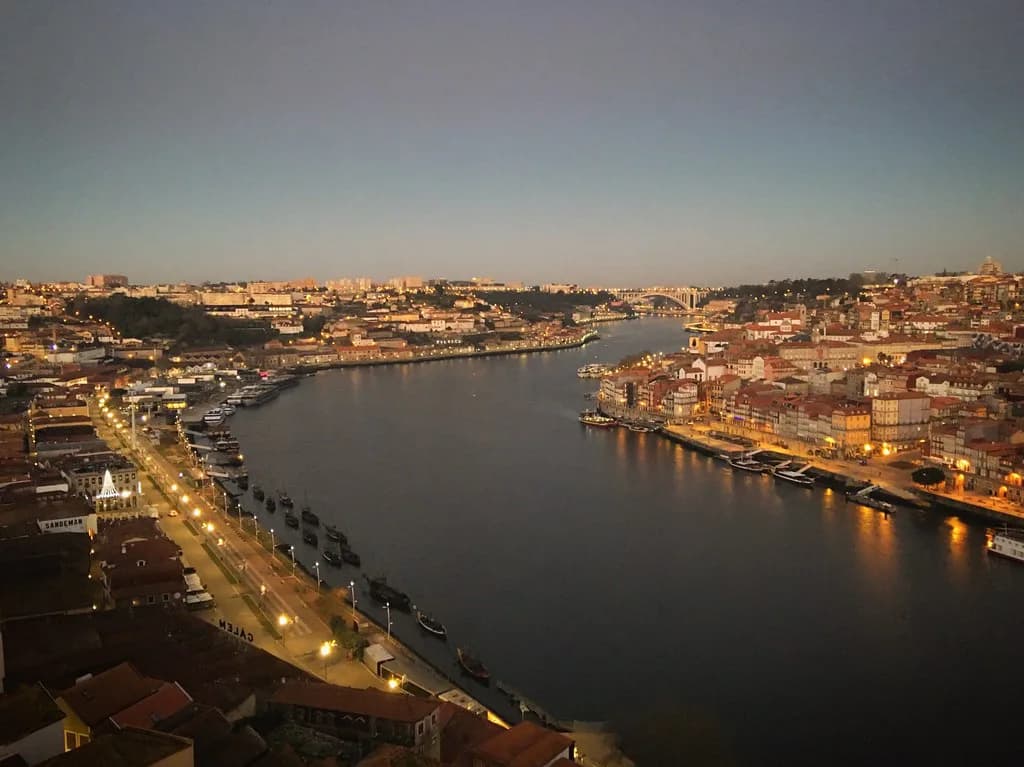
Porto takes a more intimate approach, with lights along the Ribeira waterfront, a market on Avenida dos Aliados and port wine cellars that make a natural cold-weather stop. The city's Christmas is best experienced on foot: cross the Dom Luís I Bridge for the views, warm up in a cellar, and eat rabanadas from a market stall. It is colder and wetter than Lisbon, so build in indoor breaks.
The north's appeal in this season is atmosphere rather than sightseeing volume, and smaller towns keep their religious traditions more visibly than the big cities. If you are combining Porto with the Douro, accept that river excursions and country roads can be disrupted by weather in late December. Keep a city day in reserve rather than chaining day trips back to back, and check how the Douro Valley runs in the depths of winter.
Madeira and the Azores: island celebrations
Funchal goes further than anywhere else in Portugal: Avenida Arriaga hosts a Christmas market with crafts and bolo de mel, choirs sing in the streets and churches hold Missas do Galo through the season. The city's New Year's Eve fireworks over the harbour are the centrepiece, recognised by Guinness World Records as one of the largest displays. The mild weather makes this the most comfortable place in the country to spend the holiday outdoors, so see what is planned for New Year's Eve in Portugal if the harbour show is the draw.
The Azores are the opposite mood: low-key, community-based celebrations in Ponta Delgada and Ribeira Grande, with nativity scenes, church choirs and local markets, plus hot springs at Furnas and crater lakes at Sete Cidades for the days around them. Winter weather here is changeable and can ground flights, so leave slack in your itinerary. It suits travelers who want nature and quiet rather than a programmed holiday.
What is open and what closes over the holiday
The safe pattern is straightforward: shops, museums and attractions often close early on the 24th and many stay shut on the 25th, public transport runs reduced schedules on both days, and normal service gradually returns afterwards. Outdoor sights, churches, markets and restaurants with holiday menus stay available, so plan indoor visits for the 22nd–23rd or from the 26th onward. Confirm opening hours for the specific museum or monument on its own website, as schedules vary by venue.
Restaurants behave differently from sights: many open for Christmas Eve and Christmas Day with special menus, but the best-known places require booking well in advance. Smaller neighbourhood tascas may simply close for family time. If a particular restaurant matters to your trip, secure it before you book flights.
Things to do between Christmas and New Year
This is the best week of the season for sightseeing: the lights stay up, the streets are busy but not packed, and museums return to normal hours after the 25th. Use it for Lisbon's museums and Belém, a Sintra day trip, or the port cellars in Porto. Book the popular restaurants ahead, because locals are also on holiday.
If quiet is the priority, head away from the two big cities to the Alentejo or the coast, where winter rates apply and the crowds vanish. The trade-off is that some seasonal restaurants shut and the weather is less predictable. A few days of slower travel here balances a busy Christmas in Lisbon, and the wider Portugal in Winter guide helps you pick the region that fits.
New Year's Eve in Portugal
New Year's Eve splits into two very different experiences: Lisbon, where crowds gather along the Tagus for fireworks and concerts, and Funchal, where the harbour display is the main event of the island's season. Porto offers a third option, with fireworks over the Douro and a more manageable scale. All three need accommodation booked early and a plan for getting back after midnight, as transport is limited, so read up on New Year's Eve in Portugal before you commit.
The 1st of January is a public holiday and much of the country slows down, so treat it as a rest day with a late lunch rather than a sightseeing day. The advantage of a Portuguese New Year is that the following week is calm and the weather is still mild enough for walking.
Who should plan around Christmas and who should pick another week
Christmas in Portugal suits travelers who want a family-centred holiday with good food, city lights and mild weather, and who are happy to build their trip around the 24th rather than fight it. It rewards people who book the key meals early, keep one indoor plan per day and treat the 25th as a slow day. It is a poor fit for anyone expecting a full events calendar on Christmas Day or reliable winter sun.
If your priority is cheaper prices and emptier streets, come in the first half of January instead: the lights come down, Epiphany closes the season on 6 January, and the country returns to its ordinary rhythm. February brings Carnival on Tuesday 9 February 2027, which shifts the mood again, so see what Portugal in February holds if you want a festive week without the Christmas crowds. If you want warmth, the Algarve and Madeira are the safer bets. Either way, the holiday itself is best enjoyed as the Portuguese do it, at the table.
Plan Your Visit
Build your Portuguese Christmas around the 24th. Book the Consoada dinner and a Christmas Day lunch first, protect the 25th as a quiet day, and put museums and day trips in the days before and after. That structure matches how the country actually celebrates.
For the wider picture of weather, transport and what stays open across the season, use the country-level planning guide and adjust your dates to the part of winter that fits your tolerance for rain and short days.
Explore more Portugal winter guides
Frequently Asked Questions
What day do they celebrate Christmas in Portugal?
The main family celebration is Christmas Eve, when the Consoada dinner brings relatives together, often followed by midnight Mass. Christmas Day itself is quieter, with family visits, a long lunch and many shops and museums closed or on reduced hours.
What is the traditional Christmas Eve dinner in Portugal?
Bacalhau with potatoes and cabbage or green beans in olive oil is the core of the Consoada, followed by octopus rice and a spread of sweets such as rabanadas, arroz doce and Bolo Rei, usually with Port wine.
Is Lisbon nice at Christmas?
Yes, if you want lights, markets and mild weather rather than snow. December temperatures are typically in the low to mid teens Celsius, the major sights are quieter than in summer, and the city stays lively without being overwhelming.
What is Bolo Rei and when do you eat it?
Bolo Rei is a crown-shaped cake with candied fruit and pine nuts, sold in bakeries through December and associated with the Three Kings. Tradition hides a dried bean inside, and whoever finds it is expected to buy the next year's cake.
Are restaurants and museums open on Christmas Day in Portugal?
Many restaurants open with special Christmas menus, though the popular ones need booking well ahead. Museums and attractions often close early on the 24th and stay shut or shortened on the 25th, while outdoor sights and churches remain accessible.
What happens between Christmas and Epiphany in Portugal?
The days between Christmas and 6 January are the quietest part of the season, with Janeiras carols sung door to door and the last Bolo Rei eaten at Epiphany. The 6th falls on Wednesday in 2027 and closes the Christmas period.
Sources
Winter travel notes
Optional updates when we add or revise winter guides.
You might also like
Continue reading
More guides you'll find useful