Portugal in February: Weather, Carnivals & Quiet Cities
Portugal in February brings mild coastal days, wet northern winters and Carnival crowds. See typical temperatures and decide whether to go.
On this page
Portugal in February is a country of two winters. The Atlantic south and the Lisbon coast stay mild enough for long walks and outdoor lunches, while the north and the interior feel raw, wet and sometimes cold enough for snow on the higher ground. It suits travelers who want cities, food and Carnival rather than guaranteed sunshine.
The month is also the last quiet stretch before spring bookings begin. Museums, cafés and city sightseeing run normally, rates sit at their winter lows, and the short daylight hours push you toward indoor plans in the late afternoon. If you are weighing the whole season, the wider Portugal in winter picture helps you compare February with the darker months.
What Portugal Is Like in February
Think of February as late winter with a southern accent. Coastal temperatures stay cool but mild, the interior is colder and the northern mountains can see snowfall, which is why a single national forecast tells you almost nothing useful. Average figures here describe what is typical over many years, not what any given week will bring.
The practical consequence is that your base matters more than your dates. A week based in Lisbon or on the Alentejo coast can be spent largely outdoors, while the same week in the Minho or the Douro Valley is more likely to be built around indoor stops and shorter walks. Pick the region first, then the itinerary.
Weather in February: Regional Averages in °C and °F
February averages from Pura Aventura's Portugal month guide put Lisbon at 12.4°C (about 54°F) and the Costa Vicentina at 12.3°C (about 54°F), the mildest of the regions it tracks. Porto averages 9.8°C (around 50°F), the Douro Valley 9.6°C (around 49°F), and both Alentejo and Minho sit at 8.2°C (about 47°F). Those are monthly means, so expect warmer afternoons and colder nights than the number suggests.
Alentejo illustrates the trap neatly: its average is as low as the Minho's, but for a different reason, since clear winter nights drain heat from open interior country while the days can still be bright. Travelers who chase the highest number head for the Lisbon coast and the Algarve. Travelers who want empty hill towns accept colder mornings and pack accordingly.
Rainfall, Sunshine and Daylight Hours
Rain is the deciding factor in February, and it is not evenly spread. The same source records February rainfall of 165 mm in the Minho, 130 mm in Porto, 92 mm in Lisbon, 119 mm in the Alentejo, 118 mm in the Douro Valley and 72 mm on the Costa Vicentina. In practice, the southwest coast is the driest lowland option and the northwest the wettest.
The Algarve's winter pattern is described as mild, with a mix of bright sunny days and grey ones and very little of the heavy rain that soaks the north. Daylight is still short, so plan indoor visits for the late afternoon and keep the middle of the day for viewpoints, walks and old-town wandering. Sunset comes early enough that a late museum slot followed by an early dinner is a sensible rhythm.
Readers who want a dry-ish winter base with Atlantic scenery should treat the coast between Lisbon and the Algarve as the safe bet. Inland and northern regions reward you with atmosphere and lower prices, but you will spend more time under cover. Comparing notes from travelers who have been through a Portuguese winter is useful context, though it is anecdotal rather than climatological.
If you are choosing between the deep-winter months, the pattern barely changes: Portugal in January runs on the same north-wet, south-milder logic, with slightly shorter days.
Carnival in February: What Happens and Where
Carnival is the month's defining event, and in 2027 it falls late: Carnival Tuesday is 9 February and Ash Wednesday is 10 February. In the run-up, cities across the country stage Carnival celebrations, which is the main reason February draws domestic crowds even in poor weather. The Portuguese carnival tradition is strongest in the run-up to Ash Wednesday rather than on a fixed weekend, so build your dates around the Tuesday if Carnival is the point of the trip.
Pura Aventura lists Carnaval among February's events alongside Essência do Vinho, a wine event held during the month. Exact venues, ticket details and program times change year to year, so check the carnival organisers' and Essência do Vinho's own listings before you book travel around them.
Outside Carnival week, February is remarkably free of the summer crush. That makes it a good month for Lisbon's museums and tram rides, for Porto's port lodges, and for the kind of slow travel that is unpleasant in July. It is a poor month for anyone whose idea of Portugal is a sun lounger.
What Closes or Cuts Hours in Winter
Portugal does not shut down in February. Cities operate on normal winter rhythms, museums and monuments keep regular schedules, and restaurants in Lisbon and Porto stay busy with locals rather than visitors. The seasonal trimming happens at the edges: coastal and country businesses that depend on summer trade, along with some rural hotels and tour operations, may run reduced days or open only on request.
Rather than assume, check directly with the specific operator or venue, especially for boat trips, guided day tours and anything involving a cable car or ferry. Attractions run by public heritage bodies publish their own winter calendars, and those calendars are the only reliable source for a given year. Build one flexible day into a week-long trip so a weather-driven closure does not derail the plan.
Things to Do in February
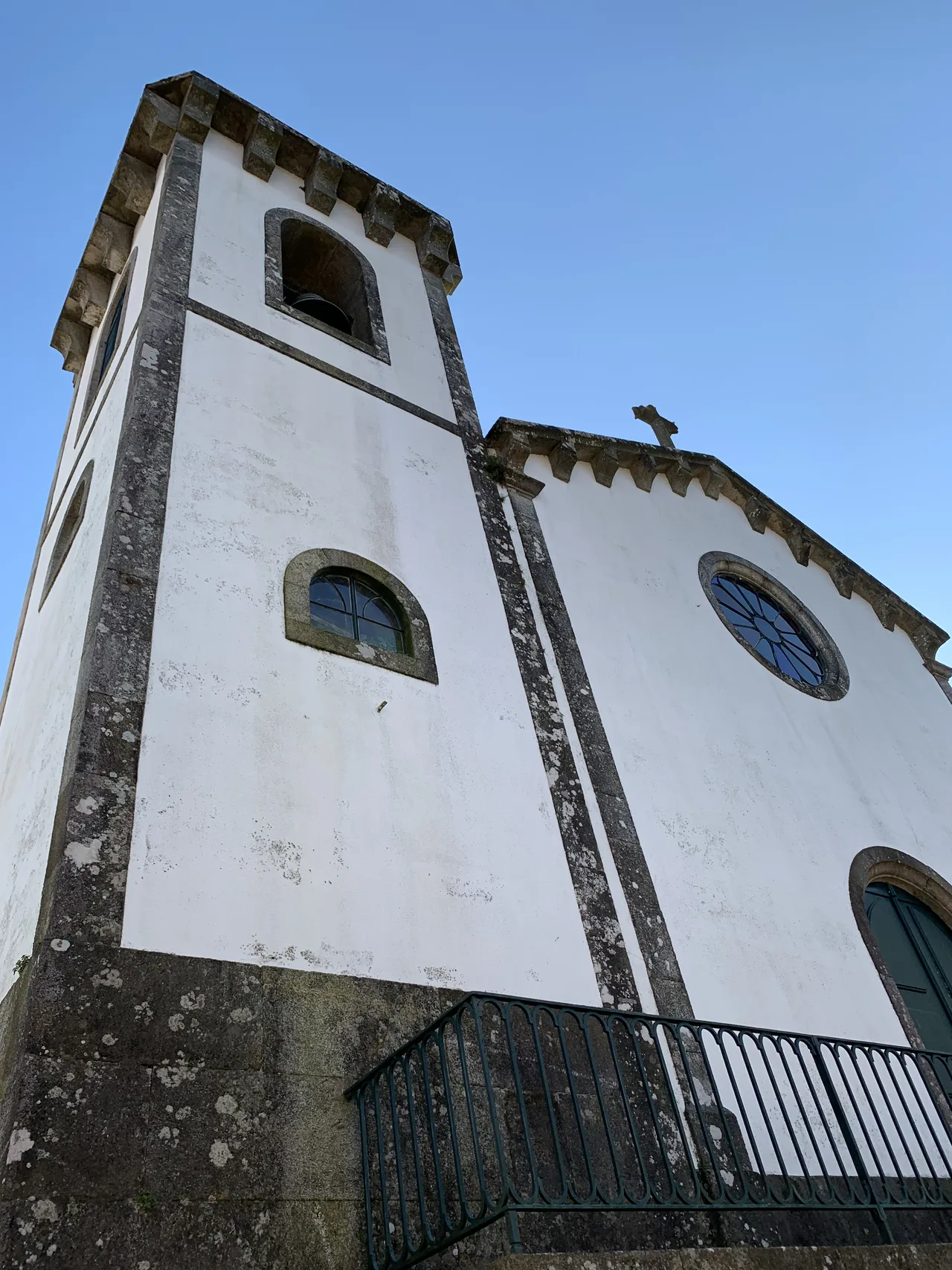
February favors the indoors. Lisbon's museums and tiled churches, Porto's port cellars and the university city of Coimbra all work well in cool, damp weather, and Sintra's palaces are quieter than at any other time of year; check the winter opening arrangements for Pena Palace before you commit to a day there. Fátima and Óbidos make easy half-day visits without summer queues.
For a dose of real winter, the Serra da Estrela is Portugal's snow country, and a February trip can be timed around a cold snap if you watch the forecast. The wider question of where snow falls, and how often, is worth reading before you plan around it.
Thermal baths, food markets and long lunches fill the rest of the time. The Costa Vicentina's cliff walks are superb on a clear day and bleak in a gale, so keep them flexible. And if you are heading into the Douro, expectation-setting on winter conditions is essential, because the valley is beautiful but cold and wet in February.
Lisbon and Porto in Winter
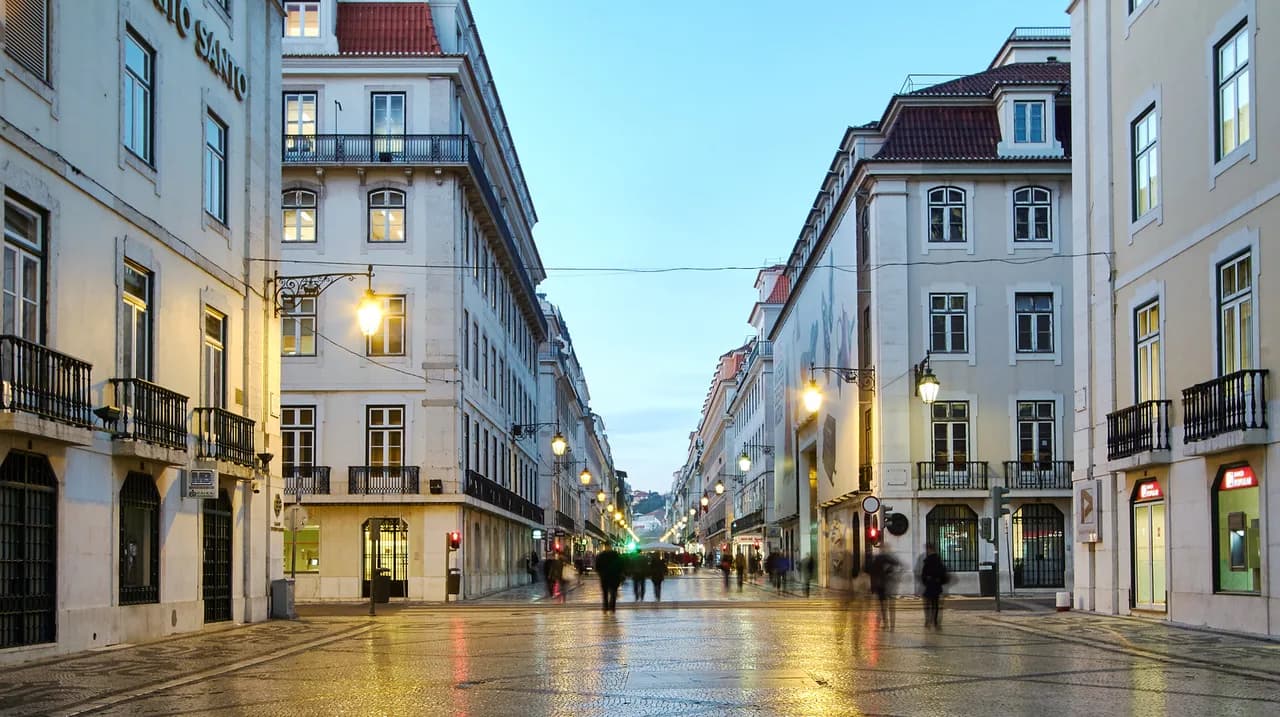
Lisbon is the strongest February city choice: mildest of the big urban options, with the lowest rainfall of the northern and central cities in the data. Expect changeable days rather than wall-to-wall rain, and use the dry spells for the miradouros and the riverside. Porto is colder and wetter, but its indoor life, from port lodges to bookshops and cafés, holds up well; the two cities are easily paired by train.
Anyone thinking of extending a Lisbon stay to the coast should look at Cascais in February, which stays mild and makes a simple day trip on the coastal train.
The Algarve and the South Coast
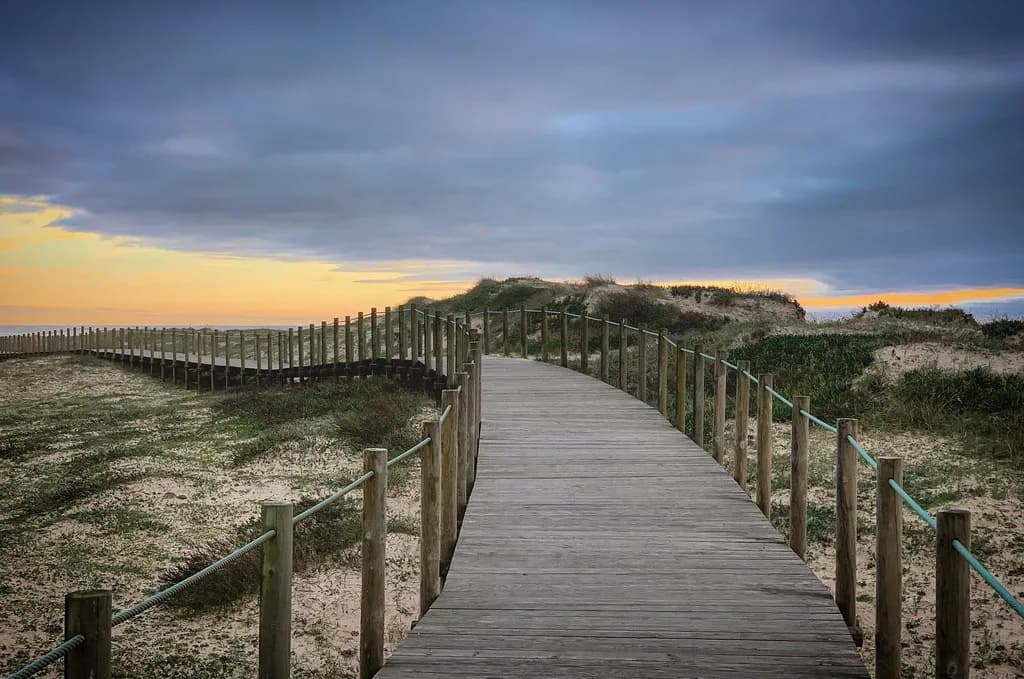
The Algarve in February is mild and often dry, but it is not beach weather. Days split between bright sunshine and grey skies, and the coast is at its quietest, with many seasonal businesses running reduced hours. That suits walkers, cyclists and anyone who wants the cliffs and fishing towns to themselves. It does not suit swimmers or families expecting resort entertainment.
The same logic applies to the Alentejo coast, where February rain totals 72 mm on the Costa Vicentina, the lowest of the regions in the data. Base yourself somewhere like Vila Nova de Milfontes or Odeceixe and use the Rota Vicentina's coastal paths on the good days.
The North and the Mountains
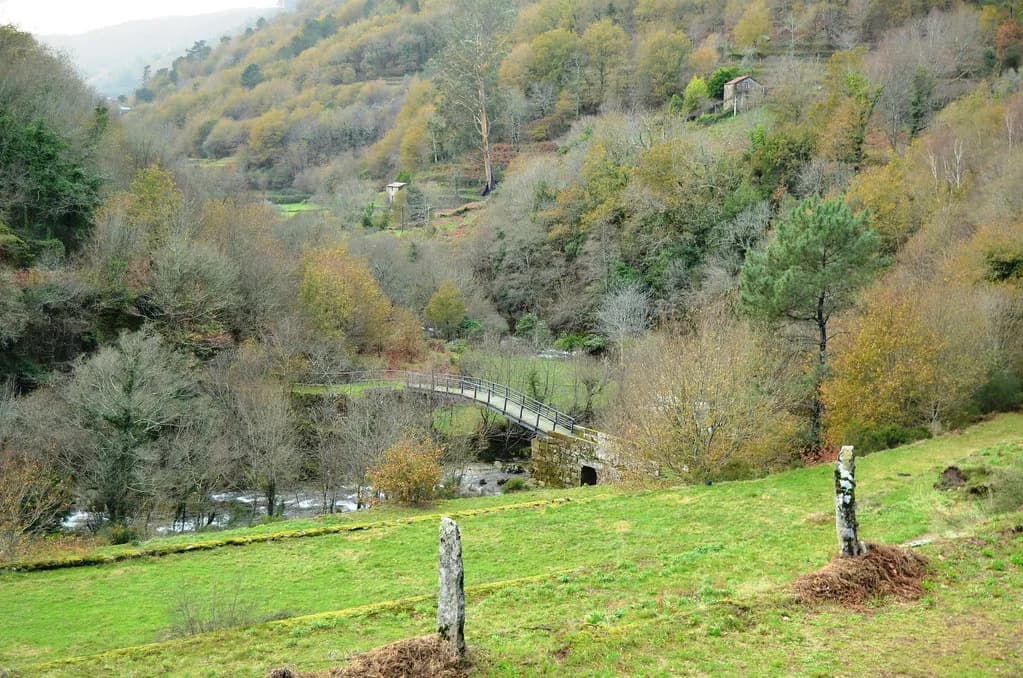
Minho and Porto take the brunt of February rain, and the northern mountains can see snow. That makes the north a poor choice for a first-time visitor with only a week, but a rewarding one for travelers who care more about wine, Romanesque churches and green landscapes than sunshine. Braga, Guimarães and the Douro all work with a rain plan in hand.
If snow is the draw, treat it as a bonus rather than a fixture: the Serra da Estrela's conditions vary year to year. A December trip to Portugal offers the same mountain possibilities with festive city atmosphere added.
Food and Drink in February
February eating in Portugal is hearty and seasonal: caldo verde, bacalhau in its many forms, roast meats, and the winter citrus that is at its peak in the Algarve. Wine lovers should note Essência do Vinho, one of the month's listed events, as a reason to be in the country in late February rather than early.
Beyond the cities, winter is when small restaurants serve what locals actually eat, away from the summer rush. Queues at the famous pastelaria and grilled-fish spots vanish.
Day Trips That Work in Winter
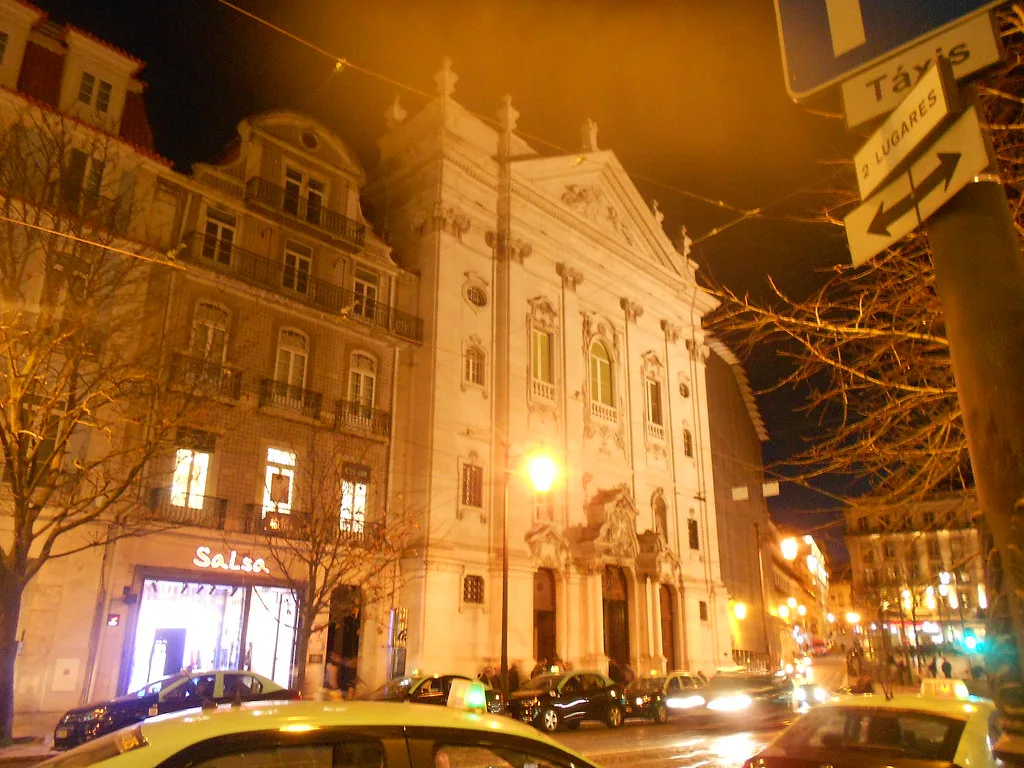
Sintra, Óbidos, Fátima and Coimbra all work as winter day trips from Lisbon, and the reduced crowds make them more pleasant than in summer. From Porto, Guimarães, Braga, Aveiro and the Douro Valley are all feasible, though the Douro is at its least appealing in February and some river operations scale back. From Faro, the Algarve's inland towns and Cape St Vincent are reachable on a short winter day.
Because winter timetables on regional trains and buses can differ from summer, check the relevant operator's own schedule — Comboios de Portugal for trains, the local bus company for coaches — for the specific route before you set out. Fewer services run on Sundays and public holidays, and a missed connection in a small town can cost you hours.
Crowds, Prices and Short Days
February is the cheapest and quietest month of the Portuguese winter outside Carnival week. Hotels, flights and tours are priced for low season, and the main sights have no meaningful queues. The trade-off is the weather: you will get some wet days, and the north gets plenty of them.
Short daylight is the other constraint. Plan outdoor sightseeing for the middle of the day and keep a museum or a long lunch as a fallback. If you are traveling in the second week, check Carnival dates before booking anything, because accommodation in Carnival towns fills quickly even in low season.
Who February Suits and Who Should Wait
February suits city travelers, food and wine visitors, walkers who do not mind mud, and anyone who wants Portugal without crowds. It suits travelers who can be flexible about which days they spend outdoors. It suits people combining Lisbon with the Algarve for mild, quiet coastal days.
It does not suit beach travelers, families who need guaranteed sunshine, or first-time visitors with a single week who want to see the north and the south in one trip. Those travelers should look at Portugal in March, when the days lengthen and the rain begins to ease.
Plan Your February Trip
Build a February trip around one or two bases rather than a whirlwind tour. Lisbon or the Algarve coast for mild weather, Porto or the Douro if wine and indoor life matter more, and Carnival week if you want the month's one big event. Book late enough to read the forecast and early enough to get the accommodation you want in Carnival towns.
Treat the averages as a planning tool, not a promise. They tell you that the Costa Vicentina is drier than the Minho and that Lisbon is milder than Porto; they cannot tell you what next February will do. Choose the region whose bad weather you can live with, and the month will look after itself.
Explore more Portugal winter guides
Frequently Asked Questions
What is the weather like in Portugal in February?
February is late winter in Portugal, and averages vary sharply by region. Lisbon and the Costa Vicentina are mildest at around 12°C, while Porto is around 10°C and the Alentejo and Minho average about 8°C. Rain is heaviest in the north and lightest in the south and southwest, and the northern mountains can see snow.
Is February a good time to visit Portugal?
Yes, if you want cities, food, Carnival and low prices rather than beach weather. It is the quietest month of the winter, sights are uncrowded and accommodation is at low-season rates. It is a poor choice if you need guaranteed sunshine or plan to swim.
Is it warm enough to go to the Algarve in February?
The Algarve is mild in February, with a mix of bright and grey days and little of the heavy rain that falls in the north. It is comfortable for walking, cycling and sightseeing, but not for swimming or sunbathing. Many seasonal businesses run reduced hours, so confirm specific places before you rely on them.
Does it rain a lot in Portugal in February?
The north and northwest get the most rain, with Minho and Porto far wetter than Lisbon or the southwest coast. February rainfall in the Minho is more than double that of the Costa Vicentina. The Algarve is drier still, though grey days are common.
What is there to do in Portugal in February?
Carnival is the main event, with Carnival Tuesday on 9 February 2027 and Ash Wednesday on 10 February. Beyond that, February is a month for museums, port lodges, food markets, thermal baths, coastal walks on clear days and day trips to Sintra, Óbidos, Fátima or Coimbra.
When is Carnival in Portugal in 2027?
Carnival Tuesday falls on 9 February 2027, with Ash Wednesday on 10 February. Celebrations build in the days before, and the exact program varies by town, so the local organizer's schedule is the place to look for parades and events.
Should I choose February or March for Portugal?
February is quieter and cheaper, with Carnival as its highlight and the shortest days of the late winter. March brings longer daylight, easing rain and the first signs of spring, though it also brings the run-up to Holy Week. Choose February for cities and Carnival, March for slightly better weather.
Sources
Winter travel notes
Optional updates when we add or revise winter guides.
You might also like
Continue reading
More guides you'll find useful