Pisa in November: Weather, Crowds and Things to Do
Pisa in November brings mild temperatures, heavy rain and thin crowds. Here is what the weather feels like and which museums and day trips suit the month.
On this page
Pisa in November is a city in late autumn: soft grey light on the Arno, wet stone underfoot and a Piazza dei Miracoli you can photograph without elbowing anyone. It suits travelers who care more about Romanesque architecture, medieval art and Tuscan food than about sunshine, and who are willing to build the day around the weather rather than around a fixed schedule.
The month is genuinely mild for northern Tuscany, so you will not be fighting frost, but it is also the wettest stretch of the Pisan year. Treat an umbrella and a flexible afternoon as the core of the plan, and keep one indoor option in reserve for each day outdoors.
Weather in November
Typical November days in Pisa average a high of about 16°C (61°F) and a low of roughly 7°C (45°F), cool enough for a jacket and warm enough that long walks stay comfortable. The month also feels breezy at times, which matters most in the open expanse of the Piazza dei Miracoli where there is little shelter.
Rain is the defining feature: November is normally the wettest month of the Pisan year, with something in the region of eight rainy days and totals that can be heavy when fronts stall over the coastal plain. Those figures describe long-term averages rather than any particular week, so build slack into the itinerary instead of trusting a forecast made weeks ahead.
Daylight shrinks fast through the month, with sunrise around 7:10 a.m. and sunset near 4:54 p.m. in mid-November, so an afternoon outdoors has a hard stop. Plan the Piazza dei Miracoli and any tower ascent for the middle of the day and leave the late afternoon for museum interiors.
What November Changes
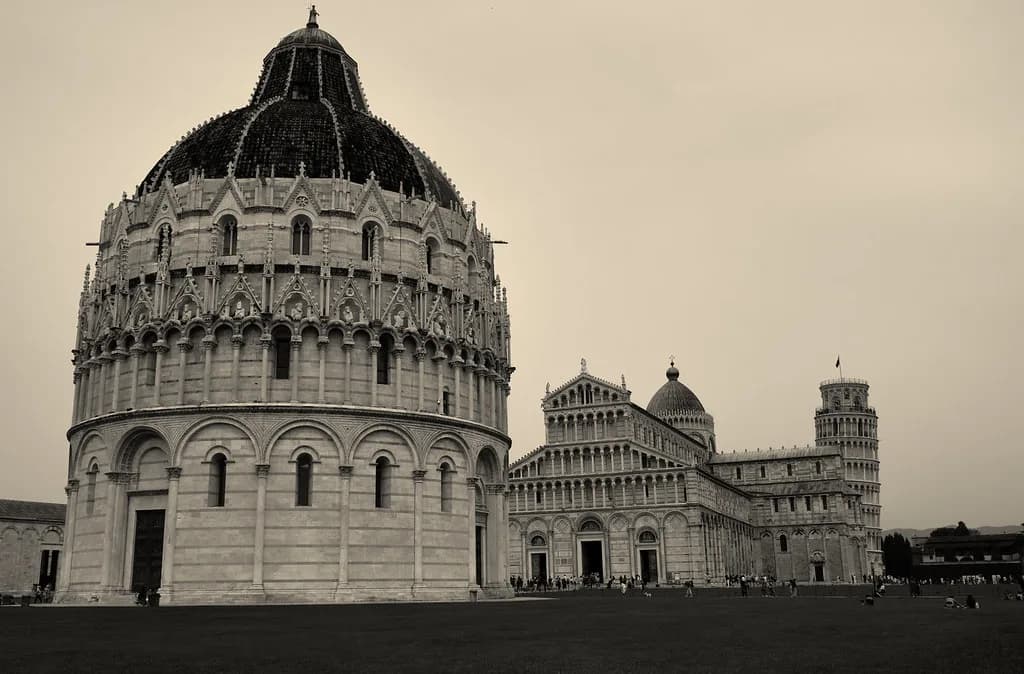
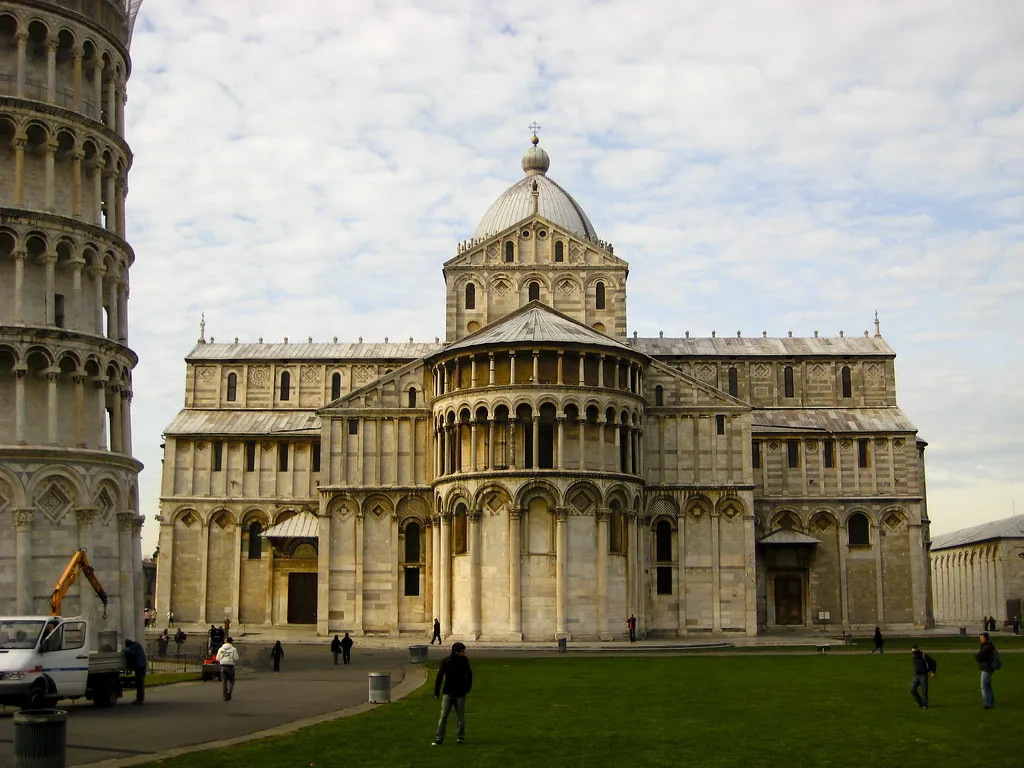
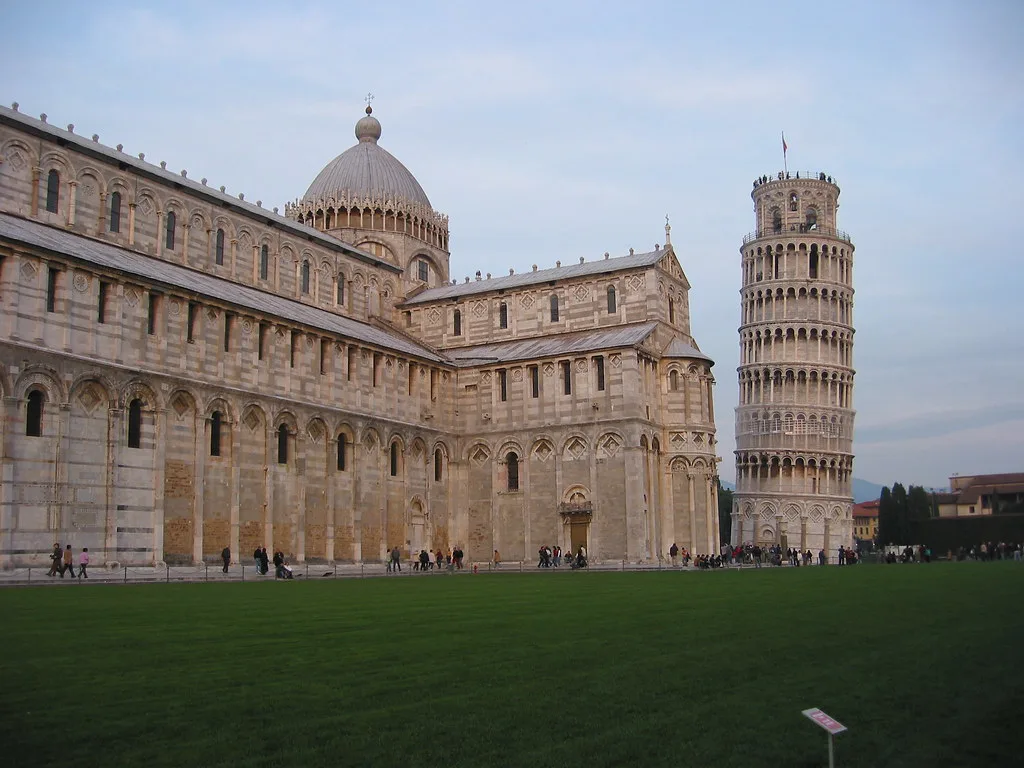
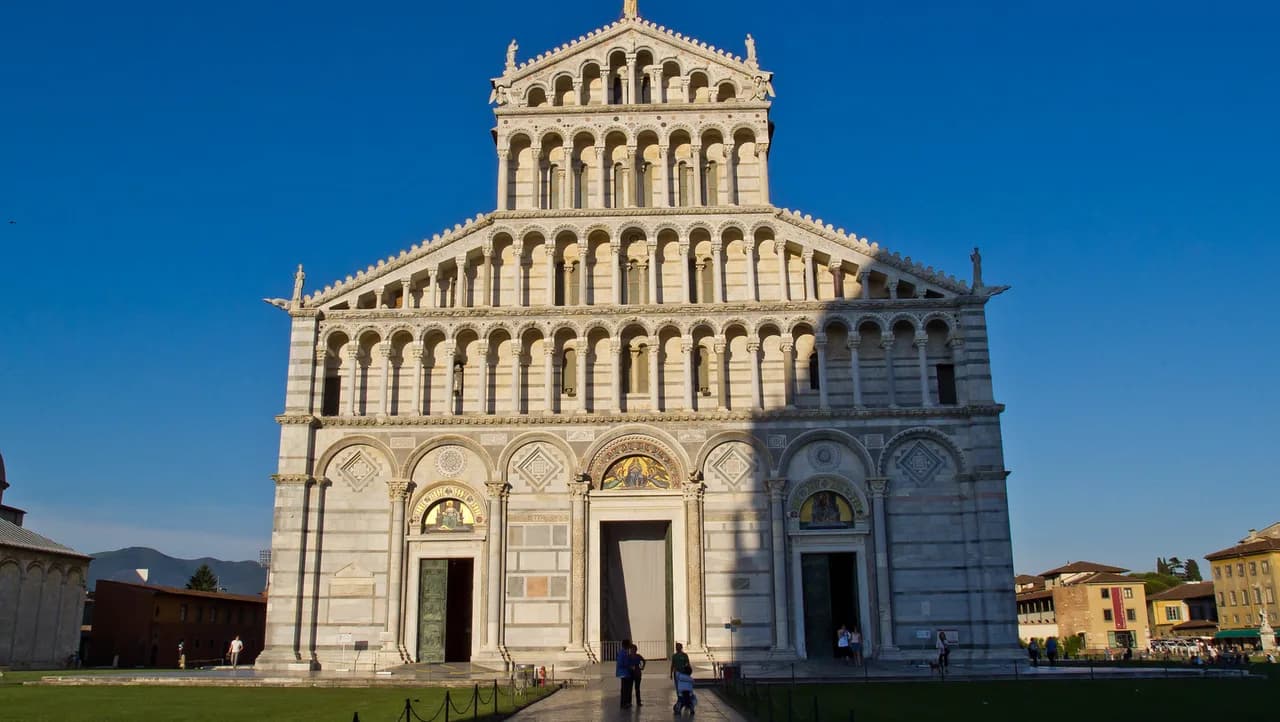
The biggest shift is crowd pressure. The square around the cathedral, baptistery and tower empties out considerably after October, and the marble facades read well in low, slanting light rather than in summer glare. That quiet is the single best argument for visiting now.
Expect shoulder-season rhythms rather than full summer service across the city: some smaller sights trim their days, and the tower and cathedral monuments run on published seasonal arrangements. The monuments sit within a single walled complex, so a wet morning is best spent inside the cathedral and baptistery rather than on the lawns.
If your trip runs into the very end of the month, the Christmas season starts to appear in the streets and squares, and the wider winter picture is covered in the Pisa in Winter guide. December adds lights and markets but also colder, darker days, which suits some travelers far better than a wet November.
Things to Do Around the Piazza dei Miracoli
The Piazza dei Miracoli holds the Leaning Tower of Pisa, the cathedral, the baptistery and the Camposanto in one grassy enclosure, and in November you can move between them without queues dictating your pace. The Camposanto in particular rewards a slow visit: its cloister walls carry restored fourteenth-century frescoes and it stays far calmer than the tower lawn.
Climbing the tower is still possible in the low season, but the steps are open to the weather and the view disappears in low cloud, so treat the ascent as optional and decide on the morning of your visit. The cathedral interior, with its carved pulpit and striped marble, gives you a dry alternative on the same ticket complex.
Museums for Wet Afternoons
The Museo Nazionale di San Matteo is the strongest indoor card in Pisa, holding medieval and early Renaissance painting and sculpture in a former convent on the Arno. On a rainy afternoon it is quiet enough to take slowly, and it pairs naturally with a walk along the river when the showers ease.
Palazzo Blu, a restored palace on the riverbank, mixes a permanent collection of Italian art with temporary exhibitions and is well set up for a damp few hours, with lockers and a bookshop. Both museums close earlier than summer visitors expect, so check the day's times before setting out rather than arriving late.
Walks That Work in Drizzle
Central Pisa is compact enough that drizzle never ruins a walk, and the arcaded Borgo Stretto gives you cover while you move between shops and cafes. Cross the Arno on the Ponte di Mezzo for the classic river view, then head north to Piazza dei Cavalieri, whose Renaissance square and frescoed facades are among the city's most underrated corners.
Keith Haring's Tuttomondo mural sits on a church wall near the station and takes only minutes to see, which makes it a good stop while waiting out a shower. Combine these short outdoor pieces with a cafe break rather than attempting one long circuit in the rain.
Food in November
Late autumn is a good eating month in Tuscany, when menus turn to truffles, chestnuts and hearty pasta, and Pisan trattorias lean into the season. This is the moment for a long indoor lunch rather than a rushed sandwich, especially when the afternoon light is already fading by late afternoon.
Book dinner a little earlier than you would in summer, since kitchens and diners both follow the light, and use the dark evenings for a slow meal rather than for sightseeing you have already run out of daylight to do.
Day Trips That Still Run
Lucca is the easiest day trip from Pisa and a natural fit for November: the town's intact Renaissance walls and cobbled lanes work well on foot, and the flat circuit along the walls is quick to walk even in cool weather. Trains between the two cities are frequent and short, so you can wait for a decent forecast and go.
Florence is close enough for a full day by train, and its museum-heavy center means rain costs you less than it would in a countryside stop. If you want the wider regional picture for the month, the Italy in November guide covers what shifts across the country as the season turns.
Beyond the cities, the Pisan hills and the coastal pinewoods of Migliarino San Rossore offer walking when the weather holds, but paths get muddy after heavy rain. Save them for a dry morning and keep the afternoon free for museums or the train back.
All Saints' Day and the Local Calendar
All Saints' Day falls on 1 November, a public holiday in Italy when families visit cemeteries and many businesses close or keep reduced hours. Expect a quiet, slightly solemn city that day, with the Camposanto and churches busier than usual and restaurants on holiday schedules.
Local traditions elsewhere in the province, including events tied to San Martino, are best verified with the Comune di Pisa and the Pisan tourism office before you plan around them. Nothing keeps you from using those quieter days for the river and the piazzas instead.
Crowds, Prices and Short Daylight
November is the value month in Pisa. Flights, rooms and restaurant tables are easier and cheaper than in spring or summer, and the squares are thinned out enough that you rarely wait to enter a monument; the trade-off is rain, shorter days and some seasonal closures.
If you want longer daylight and a better chance of dry afternoons, the Pisa in February guide shows how the city looks once the days stretch again, while January keeps the quiet and adds holiday closures. March brings the first real warming but also higher demand.
Who Should Visit Pisa in November
This month suits museum-minded travelers, photographers who like grey light, and anyone using Pisa as a low-cost base for Lucca and Florence. It equally suits travelers who want a shorter, cheaper Italian break and are happy to swap beach weather for long lunches and cloisters.
Skip November if your trip depends on sunshine, bathing, or clear views from the top of the tower, and choose late spring or early autumn instead. Families with very small children should also weigh the early sunset and wet pavements before committing to a full outdoor day.
Plan Your November Trip
Base your days around rain rather than around a checklist: one outdoor block at midday, one indoor block in the fading afternoon, and a flexible morning for the day trip you choose only when the sky allows. November is Pisa at its quietest and most atmospheric, provided you accept that the weather, not the itinerary, sets the pace.
Explore more Pisa winter guides
Frequently Asked Questions
Is November a good time to visit Pisa?
Yes, if you value quiet squares, cheap rooms and long lunches over sunshine. November is the wettest month and daylight fades early, so plan indoor anchors such as the cathedral, the Camposanto and the city's art museums, and treat the tower climb as optional.
What is the weather like in Pisa in November?
Typical November days average a high near 16°C (61°F) and a low around 7°C (45°F), with breezy spells and frequent rain. These are long-term averages, not a forecast, so check the week before you travel and build in a wet-weather alternative.
How much does it rain in Pisa in November?
November is normally the wettest month in Pisa, with roughly eight rainy days and a large monthly rainfall total that often includes a few heavy downpours. Short showers are common, so an umbrella and a flexible afternoon matter more than waterproof shoes.
What are the best things to do in Pisa in November?
Focus on the Piazza dei Miracoli complex, the Camposanto frescoes, the Museo Nazionale di San Matteo and Palazzo Blu, then use dry spells for Borgo Stretto, Ponte di Mezzo and Piazza dei Cavalieri. Late autumn is also the time for truffle dishes and long Tuscan lunches indoors.
Is Pisa worth visiting in November?
It is worth it for architecture and art lovers who can live with wet days and an early sunset. The city is calmer and cheaper than in high season, and Lucca and Florence remain easy train day trips, so Pisa works well as a short base rather than a sun holiday.
Sources
Winter travel notes
Optional updates when we add or revise winter guides.
You might also like
Continue reading
More guides you'll find useful