Pisa in February: Weather, What's Open and What to Do
Pisa in February means cold, often damp days and thin crowds at the Leaning Tower. Here is the typical weather, what stays open and how to plan your trip.
On this page
February is Pisa in its quietest register. The tour buses thin out, the marble of the Piazza dei Miracoli stands almost alone in the frame, and the city belongs more to students and locals than to day-trippers. Days are cool and often grey, light fades early, and the pleasure of the visit comes from the monuments, the museums and long lunches rather than from sitting by the Arno.
It suits travelers who want the tower, the cathedral and a good art museum without queuing behind a thousand phones held up for the same photo. It suits less well anyone dreaming of Tuscan hill towns in sunshine and outdoor terraces; for that, come back later in spring.
What Pisa Is Like in February
Expect a small, walkable city operating at low volume. The historic core between the station, the Arno and the Piazza dei Miracoli takes about half an hour to cross on foot, so a February day holds more than you might think even with shortened daylight. The trade-off is atmospheric: drizzle, flat grey skies and a wind off the Tuscan plain can make the wide, open square feel exposed.
Treat February as deep off-season rather than early spring. Restaurants and cafés in the center keep going because the university keeps going, but the rhythm is slower, some places trim their hours, and the riverside terraces sit empty. That quiet is exactly what makes the month attractive for photography and for seeing the interiors properly.
Weather in February
February in Pisa is cold by Italian standards and changeable. Typical February conditions in Tuscany run from about 5 to 13°C (41 to 55°F) during the day, with nights falling to roughly 0 to 5°C (32 to 41°F), and colder spells are part of the picture rather than an anomaly. Read those as long-term averages, not a forecast for your week.
For a closer benchmark, Pisa's January climate summary gives average highs near 10°C (50°F) and lows near 4°C (40°F), with daylight around nine hours, a modest daily chance of rain, breezy conditions and substantial cloud cover. February sits in the same bracket, so plan on a jacket, an umbrella and at least one indoor backup per day.
Daylight matters more than the thermometer. With sunrise before eight and sunset before six in the January pattern, the sensible plan is to reach the Piazza dei Miracoli in the morning while the light is at its best, keep the middle of the day for interiors, and take the Arno walk in the late afternoon.
February Against January and March
January is the coldest, darkest version of this trip, with the Epiphany holiday on 6 January 2027 adding a brief burst of local festivity before the city settles again. If your priority is absolute emptiness and the lowest room rates of the winter, January edges ahead.
March lengthens the days, softens the edges and starts to fill the square again, and it also brings the run-up to Easter, which falls on 28 March 2027 and pulls Italian families onto the move in Holy Week. February sits between the two: still cheap and quiet, with slightly more light than midwinter.
If you are weighing Pisa against the rest of the country, February behaves very differently from place to place. Southern and coastal destinations are milder but often half-closed, while northern cities are colder and busier around Carnival.
What Is Open in February
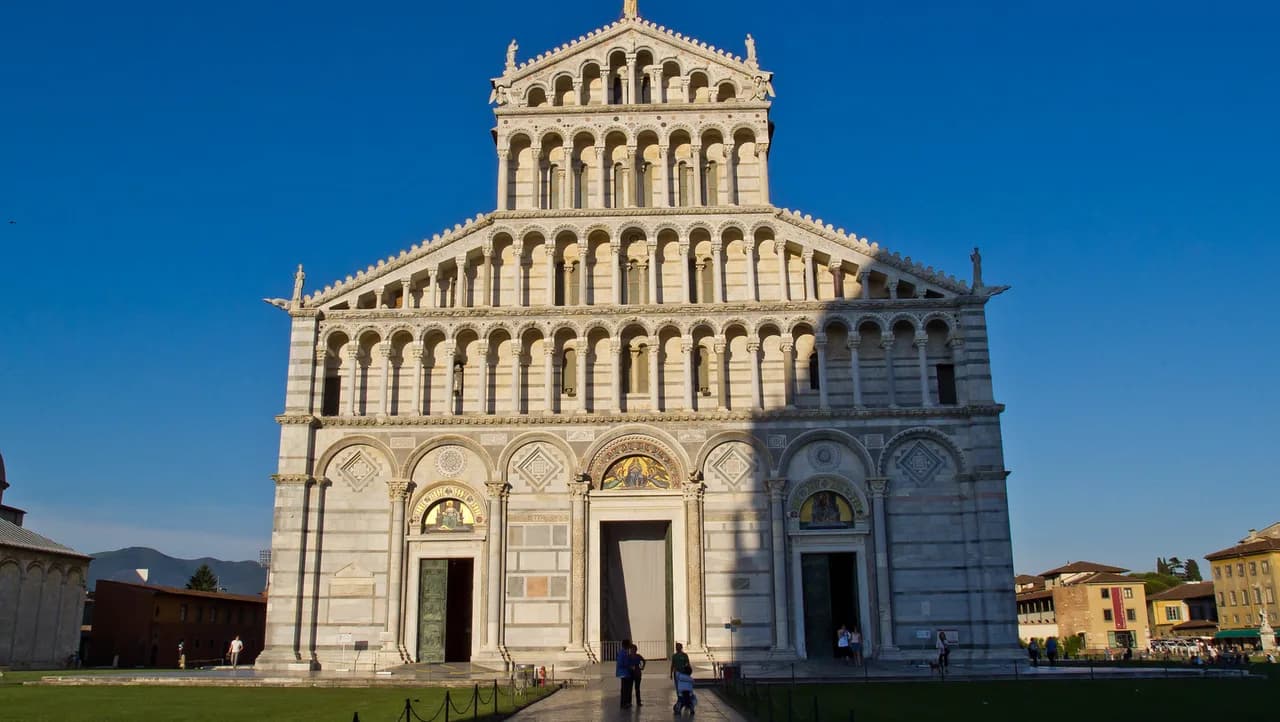
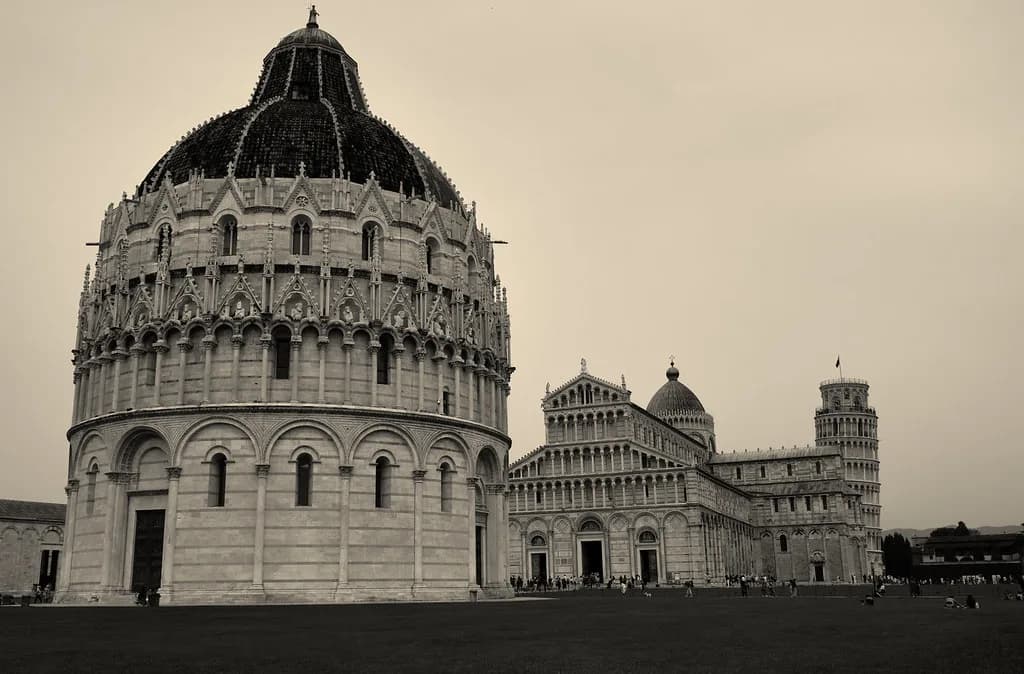
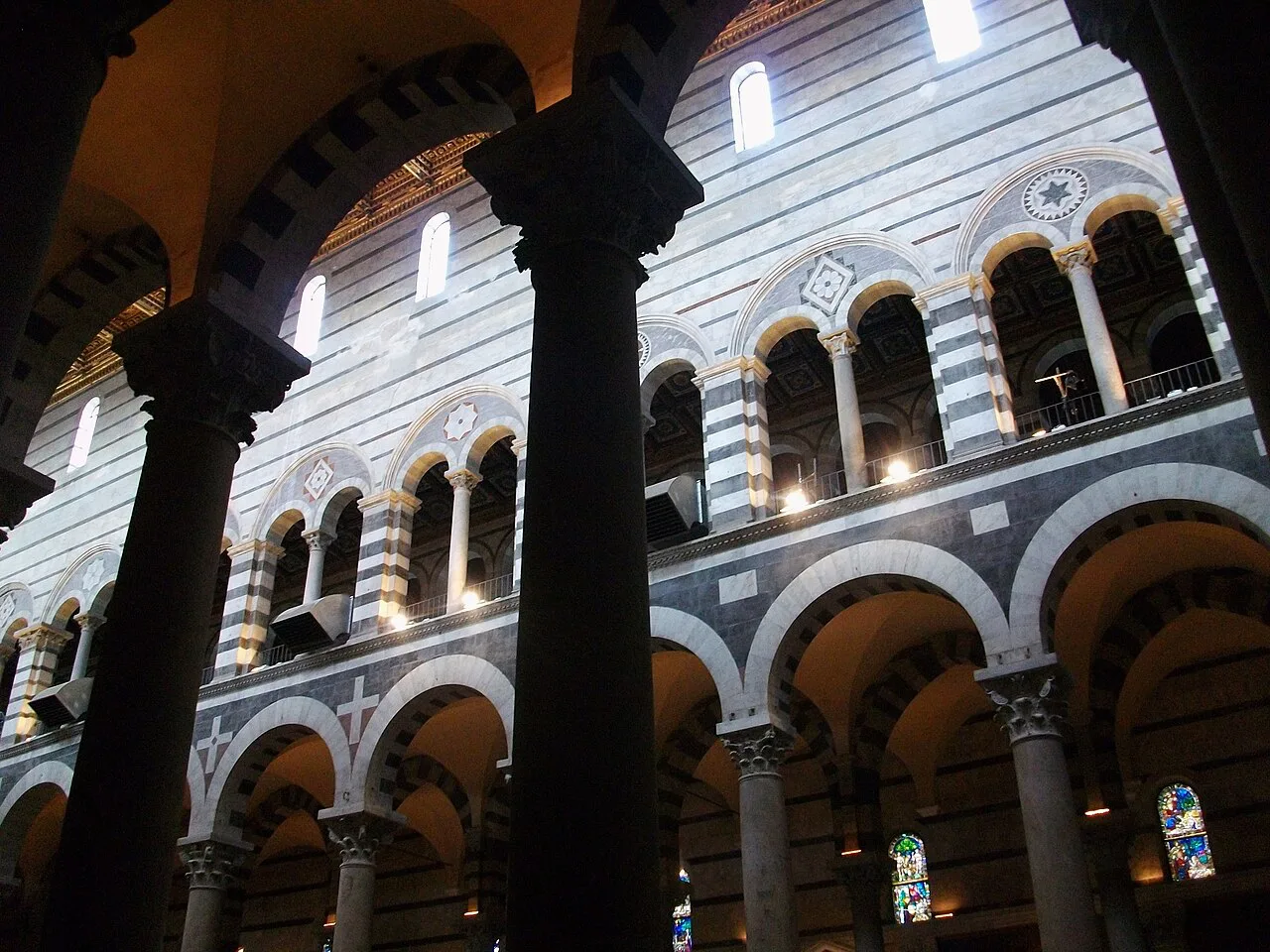
The monuments of the Piazza dei Miracoli are the core of any February visit: the cathedral, the baptistery, the Campo Santo cemetery and the tower itself. Climbing the tower needs a timed ticket bought in advance, and in low season you have a far better chance of finding a slot at short notice. Check the Opera della Primaziale Pisana's own site for current opening times and ticket rules before you fix your day.
Cathedral entry is free but still requires a timed ticket from the on-site office, and holders of tower or combined tickets can often bypass the designated time slot and queues for the other monuments. The baptistery is the underrated stop, with an interior worth more time than most visitors give it, and the Campo Santo offers shelter plus frescoes when the rain sets in.
Beyond the square, Palazzo Blu on the south bank of the Arno runs permanent and temporary exhibitions with adult admission around five euros in 2026, while the university's Orto Botanico charges about six euros and opens free on the first Sunday of the month. Its greenhouses make an unexpectedly good wet-day detour.
Free sights fill the gaps between showers: the Keith Haring mural Tuttomondo on the church wall near the station, the riverside church of Santa Maria della Spina seen from outside, Piazza dei Cavalieri, and the arcaded shopping streets of Borgo Stretto and Corso Italia. Walking those, you can dodge rain under the porticoes without losing the day.
Carnival, Valentine's Day and February Dates
Carnival is the big movable date of the month: Carnival Tuesday falls on 9 February 2027, with Ash Wednesday the next day, and Italian towns mark it with their own local processions and children's costumes rather than one central Pisa event. Viareggio, on the coast, hosts one of Italy's best-known Carnival seasons, but confirm its parade dates with the organisers before building a day around it.
Valentine's Day on 14 February is a restaurant and hotel occasion in Pisa rather than a street festival, so book dinner if you want somewhere specific and otherwise ignore it. Epiphany, on 6 January 2027, falls before February and is worth remembering only if you are travelling in the first week of January instead.
Things to Do in Pisa in February
Give the tower and cathedral a morning, then switch indoors: the baptistery, Campo Santo and a temporary exhibition at Palazzo Blu can absorb a wet afternoon comfortably. Add the botanical garden if the sky clears, and save the Arno walk and Ponte di Mezzo for the last hour of light.
Food is a legitimate February activity here. Tuscan winter cooking means ribollita, a thick bread and vegetable soup, and cacciucco, the Livorno-style seafood stew, both of which taste better in a cold month than in July. Pair them with a local wine tasting, which wineries around Pisa run year-round.
If you are in the city over the Christmas season instead, note that Pisa's festive lights and market stalls are a December affair that has packed up long before February; the December guide covers that period properly.
Winter Day Trips from Pisa
Pisa's position makes it a strong low-season base. Lucca is about thirty minutes away by train, Florence under an hour, and Siena roughly two hours twenty by rail, which means you can see a second Tuscan city without changing hotels or paying summer rates.
The coast is a different calculation in February. Livorno and the beaches at Marina di Pisa and Tirrenia are for brisk walks, not swimming, and some seasonal seafront businesses shut for the winter; check before you rely on a specific beach club or ferry connection.
Cinque Terre is reachable via La Spezia in around an hour, but its coastal paths and boat services are weather-dependent in winter, so treat it as an option for a clear, dry day rather than a fixed plan. A similar logic applies elsewhere on the Italian coast.
Crowds, Costs and the Trade-offs
The clearest gain is the square itself. In February you can circle the tower, photograph the cathedral facade and walk into the baptistery without the shoulder-to-shoulder press of spring and summer, and timed tower slots are easier to secure. Accommodation is in its cheapest season too, though this guide does not quote rates; compare directly across your dates.
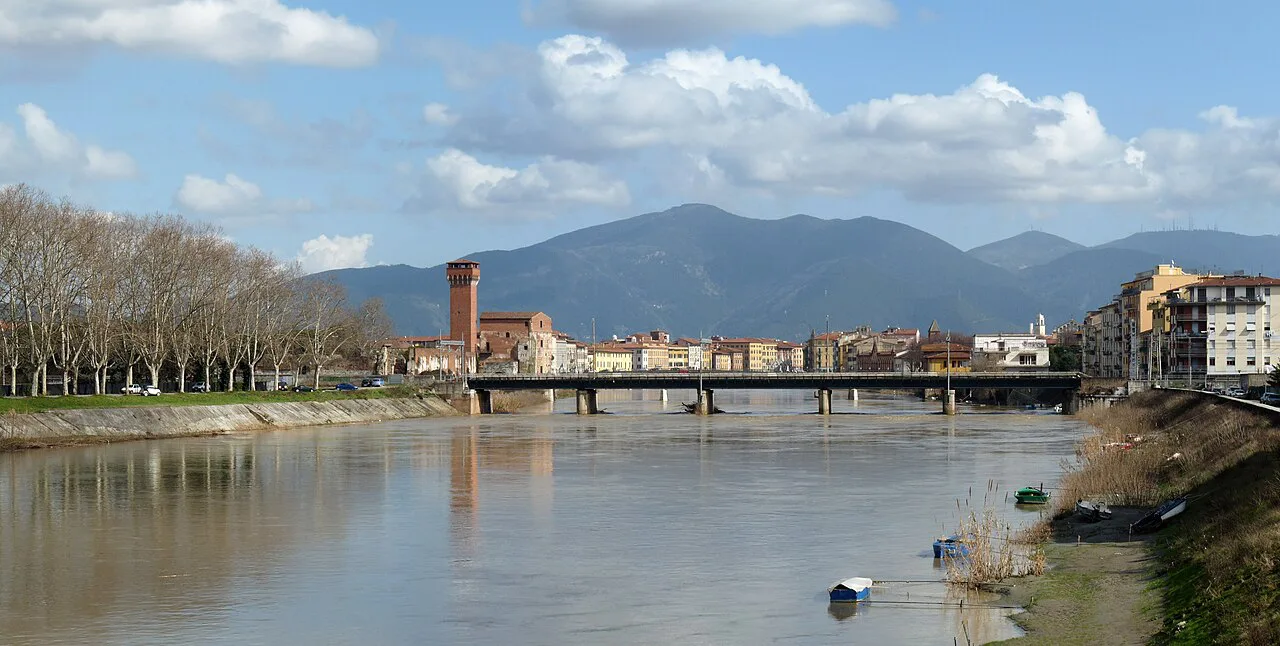
The cost is weather and light. You may lose a day to steady rain, the countryside looks brown and bare, and the Arno can run high and muddy. None of that ruins a city built around churches, museums and long lunches, but it does rule out the lazy outdoor version of Tuscany some travelers are hoping for.
Getting Around Pisa in Winter
Pisa is a walking city, and February is comfortable for it as long as you accept wet pavements and a wind on the open square. The airport sits a short train or bus ride from the center, and the central station puts you at the foot of Corso Italia for the walk to the Arno.
For day trips, the train is the sensible default: no winter road conditions to worry about, and direct services to Lucca and Florence. If you are continuing a longer winter trip elsewhere in Europe, the broader guide to Pisa in winter sets this month in context.
Who February Suits
Choose February if you want the monuments without the crowds, you are happy to build a day around interiors and meals, and you see Pisa as a compact base for Lucca and Florence rather than a beach or countryside holiday. Photographers, museum-goers and travelers on a budget get the most from it.
Wait for later spring if you want long outdoor evenings, green hills, riverside terraces and the classic postcard Tuscany. And if Christmas lights and markets are the point of the trip, come in December instead of February.
Plan Your February Trip
Build your February days around a morning at the Piazza dei Miracoli and an indoor afternoon, and leave one day flexible for a train to Lucca or Florence. Book the tower slot online, keep a museum and a long lunch in reserve for wet weather, and you will use the short daylight well.
Check opening times and ticket rules with the Opera della Primaziale Pisana shortly before you travel, since low-season schedules shift, and confirm any Carnival parade with its local organiser before you plan around it.
Explore more Pisa winter guides
Frequently Asked Questions
What is the weather like in Pisa in February?
February is cold and often grey, with typical daytime temperatures in Tuscany around 5 to 13°C (41 to 55°F) and nights near 0 to 5°C (32 to 41°F). Pisa's winter pattern brings roughly nine hours of daylight, frequent cloud and a steady chance of rain, so plan for wet days and short afternoons.
Is February a good time to visit Pisa?
Yes, if you want the monuments without crowds and cheaper off-season accommodation. It is less good if you picture long sunny afternoons in the Tuscan hills, because February is cool, damp and dark early. Pisa works best in February as a short city break and a base for Lucca and Florence.
Are the Leaning Tower and cathedral open in February?
The Piazza dei Miracoli monuments, including the tower, cathedral, baptistery and Campo Santo, operate through the winter, though February schedules can differ from high season. Cathedral entry is free but needs a timed ticket, and tower climbs should be booked in advance. Check current times with the Opera della Primaziale Pisana before you go.
What are the free things to do in Pisa in winter?
You can see the tower and the square from outside at no cost, visit the Keith Haring mural Tuttomondo, walk Piazza dei Cavalieri, Borgo Stretto and Corso Italia, and view Santa Maria della Spina from the riverbank. The botanical garden is free on the first Sunday of the month.
Is Pisa worth a night in February or only a day trip?
A night is worth it in February. Day-trippers leave in the afternoon, and staying over gives you a quiet evening, an early-morning square and an easier connection to Lucca or Florence the next day.
Which Tuscan towns can you visit from Pisa in February?
Lucca is about thirty minutes by train, Florence under an hour, and Siena roughly two hours twenty. Livorno and the coast are close but wintry, and Cinque Terre via La Spezia depends on weather and path conditions, so keep those as flexible options rather than fixed plans.
Sources
Winter travel notes
Optional updates when we add or revise winter guides.
You might also like
Continue reading
More guides you'll find useful