Pisa in Winter: Weather, Crowds and Things to Do
Pisa in winter brings mild, damp days, short daylight and quiet piazzas. See typical temperatures, what stays open and who should visit November to March.
On this page
Pisa in winter trades postcard sunshine for something quieter: mist over the Arno, wet cobblestones, and a cathedral square where you can hear your own footsteps. The city stays mild by European standards, but the damp air off the nearby Tyrrhenian coast makes a ten-degree afternoon feel colder than the thermometer suggests. It suits travelers who want Tuscany without queues, who treat the city as a base for train trips, and who are happy to build days around a short afternoon.
If you picture long lunches on sunlit terraces and al fresco evenings, book for May instead. Anyone arriving between November and March should plan around indoor refuges, early sunsets and the chance of rain on any given day. The reward is a version of Pisa where locals outnumber visitors on most streets.
Weather in December and January
December in Pisa typically runs from a cool morning near 8°C (46°F) to an afternoon around 15°C (59°F), with rain arriving in short bursts rather than settling in all day. January sits at the colder end of the season, with lows of roughly 4°C (39°F) and humidity that makes the chill bite harder than the number implies. Treat these as long-term averages rather than a forecast, and expect the damp sea air to be the defining sensation of a winter visit. If you are comparing Italian cities for a cold-weather trip, our guide to Bologna in winter covers a very different inland version of the season.
The practical consequence is that a winter day here feels colder than a dry day at the same temperature elsewhere, and a waterproof outer layer matters more than a heavy coat. Rain showers pass quickly, so a compact umbrella and shoes with grip for wet stone let you keep walking instead of retreating to a café for the afternoon.
Weather in February and March
February stays cool and changeable, and it carries the season's biggest crowd spike: Carnival Tuesday falls on 9 February 2027, with Ash Wednesday the next day, and Tuscan towns mark the run-up with costumes and sweets. If you want maximum quiet, avoid that window; if you want local festivity without summer numbers, it is one of the liveliest weeks of the winter.
March is the pivot toward spring. Days stretch noticeably, afternoons soften, and by the end of the month the city is shaking off the greyest weeks. European clocks go forward on 28 March 2027, which lands on Easter Sunday that year, so a late-March visit coincides with both lighter evenings and the start of Holy Week travel across Italy. Book trains and beds earlier than you would in January.
Daylight and Short Days
Winter daylight is the constraint that shapes everything else in Pisa. In December the sun sets in the late afternoon, around 16:30, which means the sightseeing day effectively ends when the light goes and the city switches to shop windows, café interiors and illuminated facades. Plan outdoor stops for the morning and early afternoon, and keep an indoor option in reserve for the last two hours of light.
A workable winter rhythm is one major outdoor sight before lunch, a long indoor pause, then a walk as the lights come on. The Arno riverside and Ponte di Mezzo are arguably better after dark, when reflections double the buildings and the streets empty out. If you are here for a single day, resist the urge to cram in a day trip as well.
Piazza dei Miracoli in Low Season
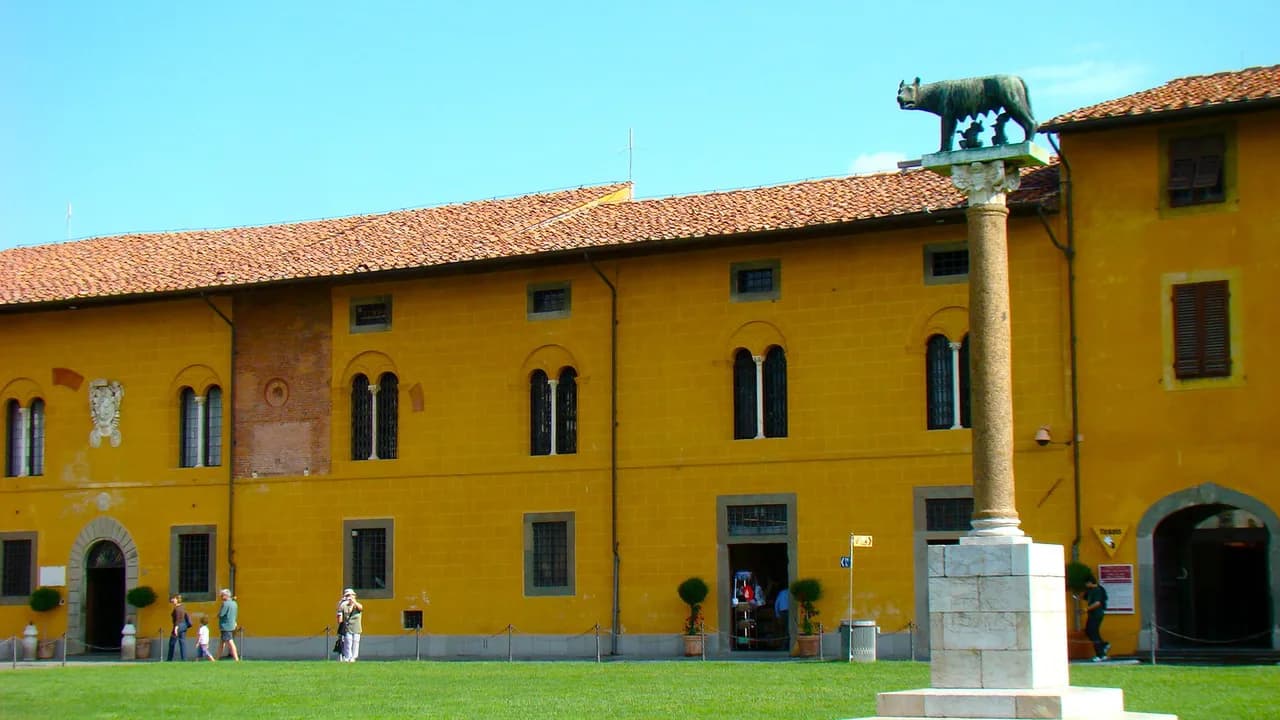
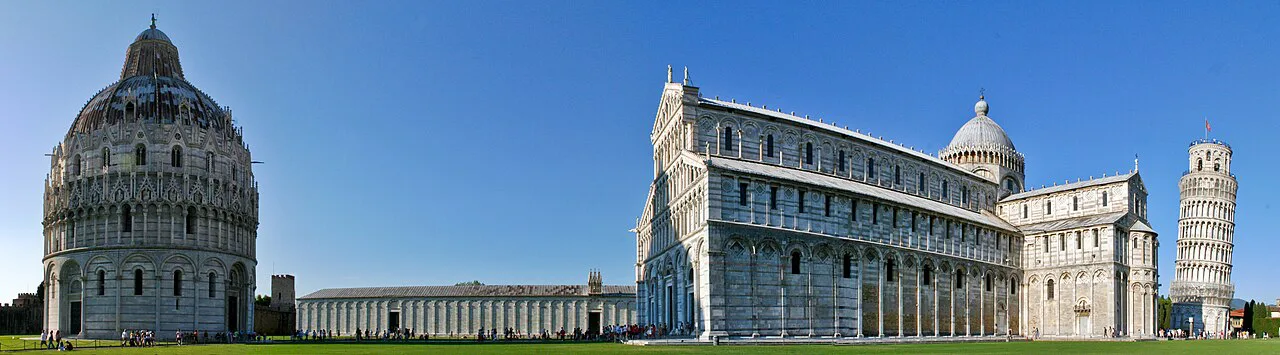
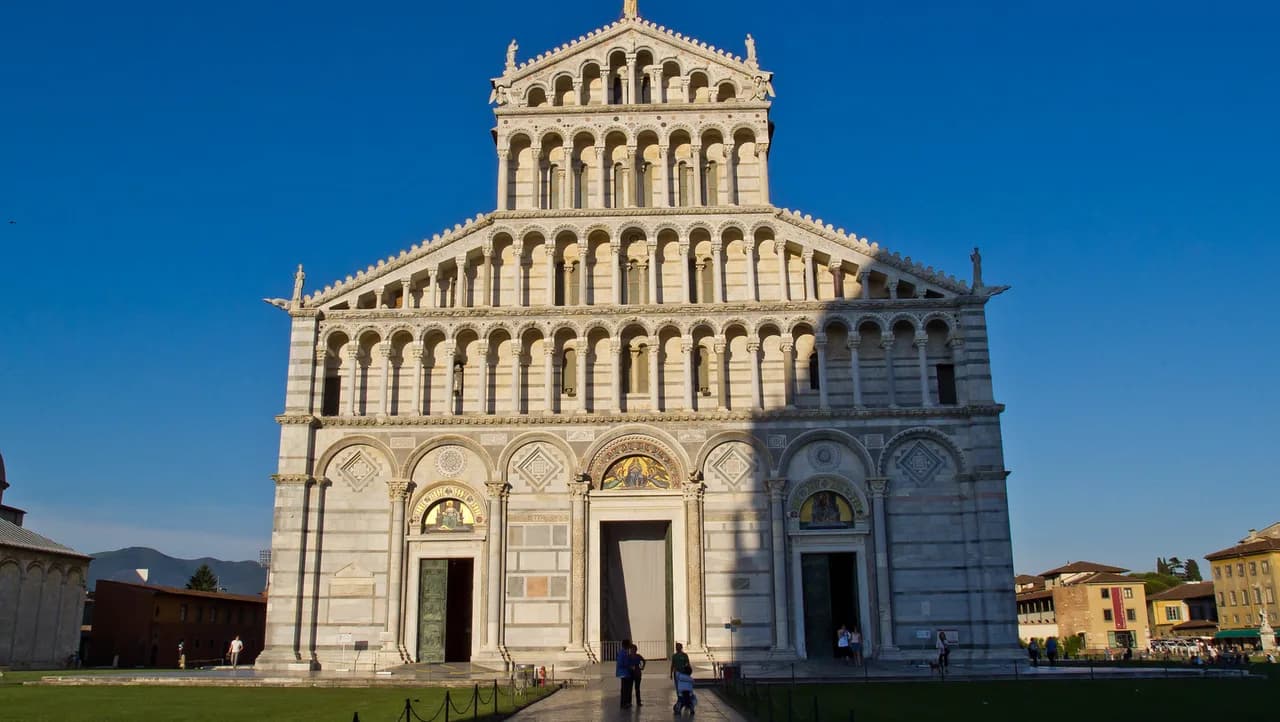
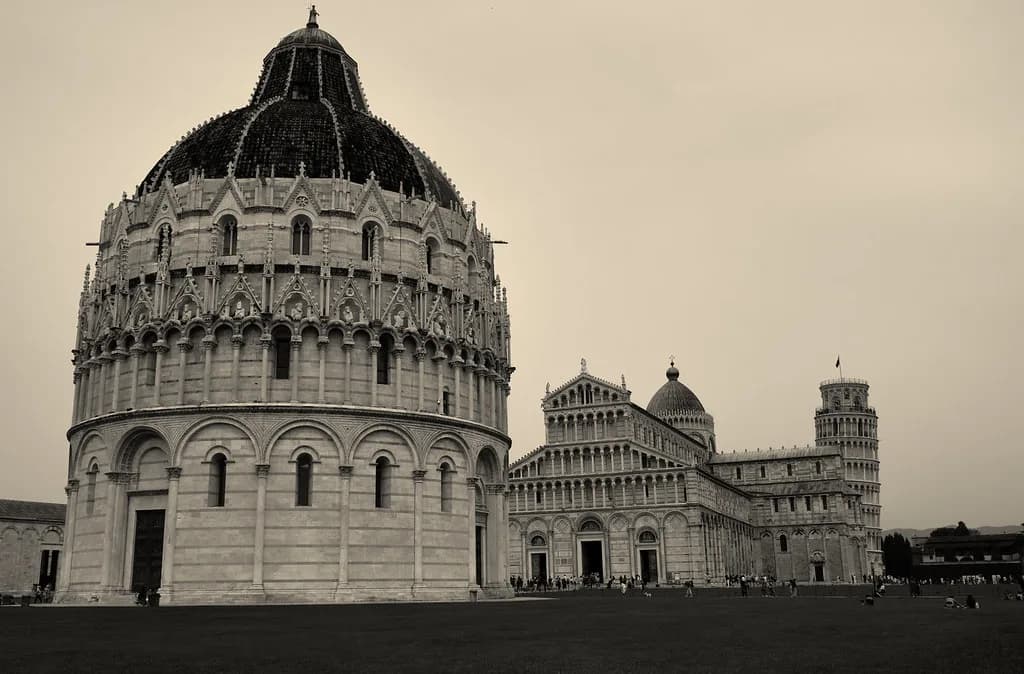
The cathedral complex is four separate buildings, and treating it that way is the key to a wet winter day. The Leaning Tower, the Cathedral, the Baptistery and the Camposanto each offer a different kind of shelter or exposure: the cathedral interior is calm and dry, the Camposanto's covered corridors keep rain off while you look at frescoes and sarcophagi, and the tower itself is a timed, open-air climb best placed in the middle of the day when the stone is dry underfoot.
The square itself, the Piazza dei Miracoli, is at its most photogenic in low winter light, when the marble picks up a soft glow and you are not queuing for a viewpoint. Ticket rules and seasonal hours for the monuments are set by the Opera della Primaziale Pisana, so confirm times directly with them before you build a day around them.
Christmas and New Year in Pisa
Christmas in Pisa is modest and local rather than spectacular. Stalls typically appear around Piazza Vittorio Emanuele II and along the shopping streets, and the evening passeggiata takes on a festive edge as families stroll between lights and displays. Christmas Day 2026 falls on a Friday and New Year's Day 2027 on a Friday, so the period between them is the busiest of the winter for Italian domestic travel; book beds and restaurant tables ahead.
Epiphany on 6 January 2027, a Wednesday, closes the Italian holiday season, and the city empties out noticeably afterwards. If your priority is empty piazzas rather than festive atmosphere, the second week of January is the quietest stretch of the whole winter.
Indoor Pisa
Rainy days are where Pisa quietly outperforms its reputation. Palazzo Blu hosts rotating exhibitions in a restored riverside palazzo, the Museo Nazionale di San Matteo holds a strong collection of medieval and Renaissance art, and the university botanical garden, founded in the sixteenth century, keeps heated greenhouses that feel tropical in January. Santa Maria della Spina, the small Gothic church on the Arno, is a ten-minute stop that rewards a close look at its carved facade.
Pair two indoor sights with a long lunch rather than trying to fill a whole day indoors; Pisa's cultural spaces are compact, and an afternoon of galleries plus a market visit is a realistic pace. A short walk between them keeps a wet day from turning into a corridor of taxi rides.
Walks in Winter
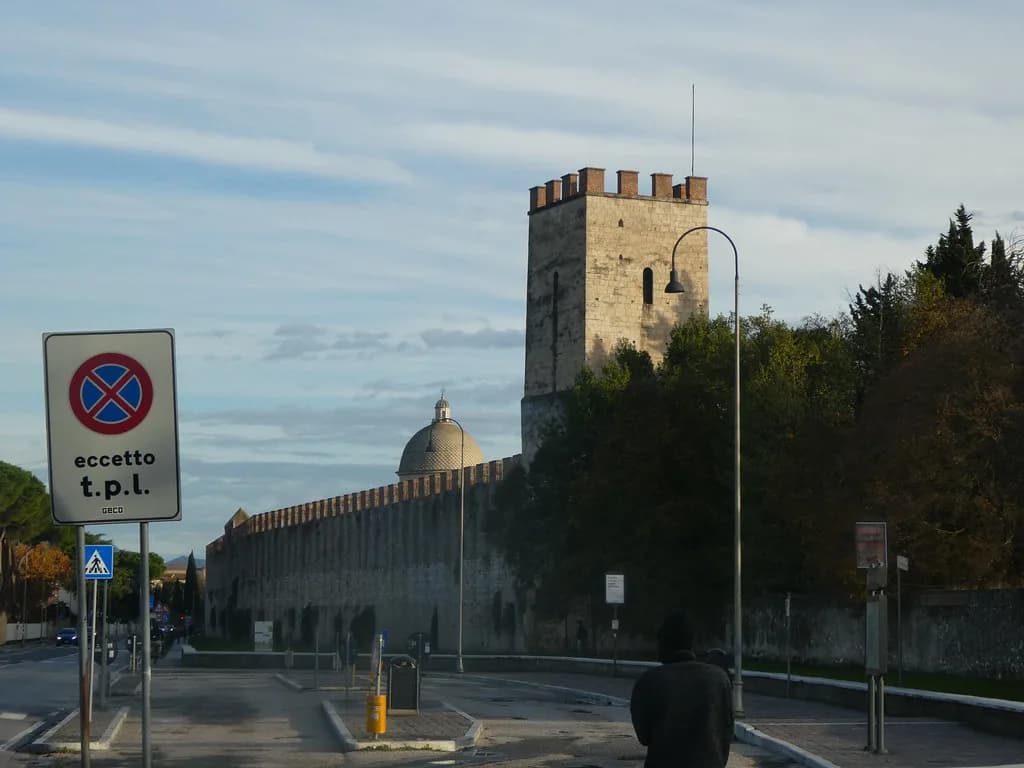
The classic winter walk runs along the Arno from the Ponte di Mezzo past Santa Maria della Spina, with reflections in the water on still days and a bracing wind when the weather turns. Continue to the Mura di Pisa, the restored city walls, where the elevated path gives you rooftops and gardens without a crowd in sight. Both are free and both work in light rain with the right shoes.
Time the riverside for late afternoon so the walk ends as the lights come on, and keep it short if the mist is heavy. The walls are more exposed than the streets, so save them for a dry, clear morning.
Piazza dei Cavalieri and the Everyday City
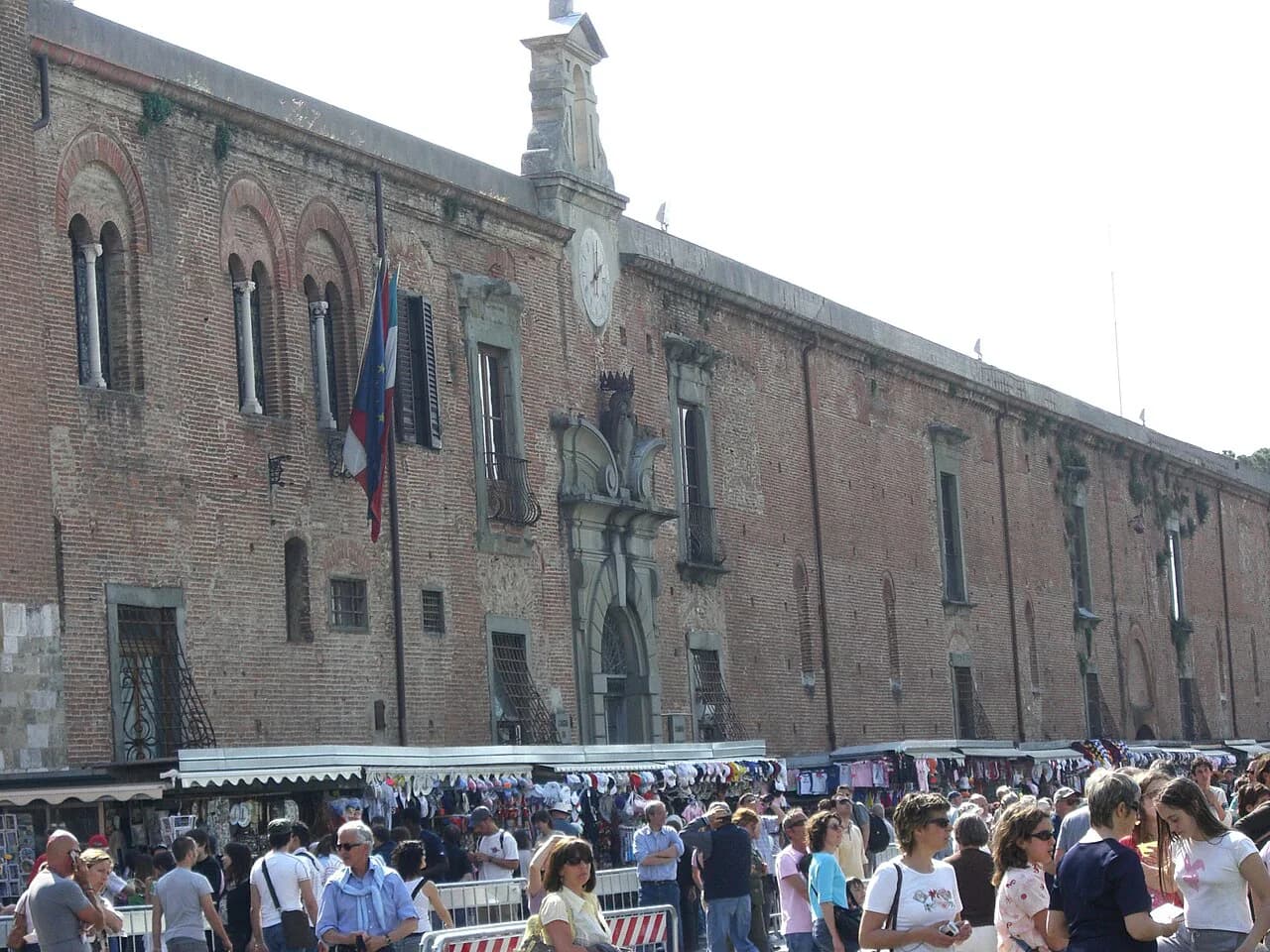
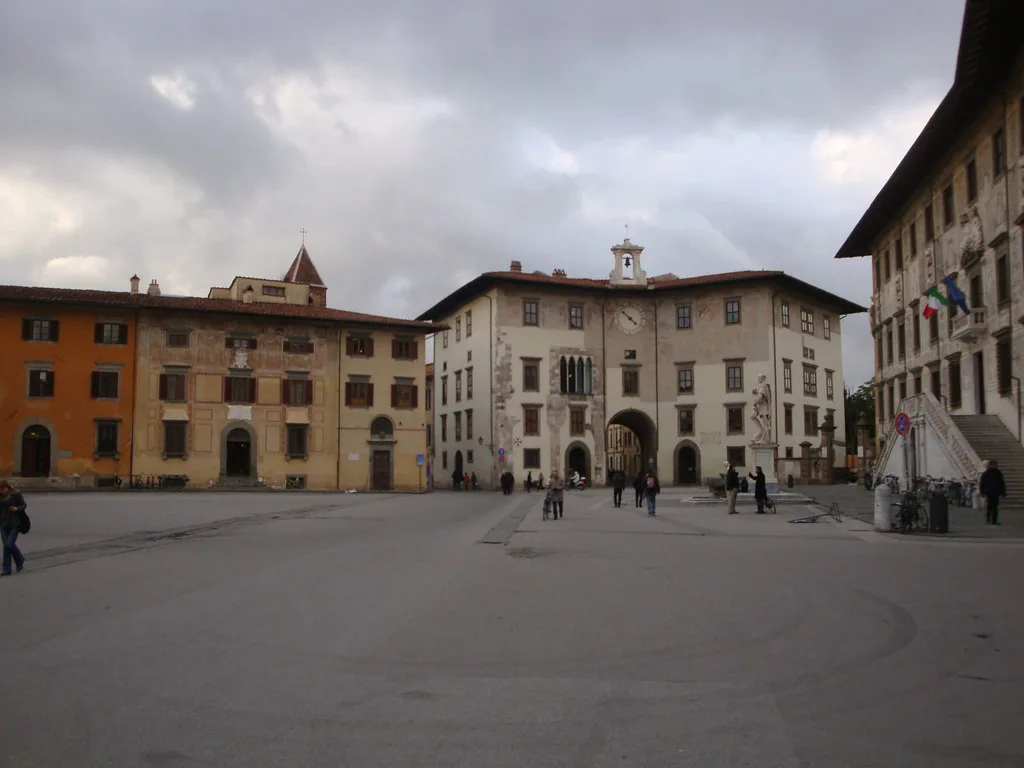
Piazza dei Cavalieri, the old political heart of the medieval republic, is dominated by the Palazzo della Carovana with its decorated facade and is crossed all day by students from the Scuola Normale Superiore. In winter light the sgraffito details read clearly, and the square belongs to the working city rather than to tour groups. From here, Borgo Stretto's arcades lead you back toward the river under cover.
This is the part of Pisa that makes a winter stay worthwhile: café counters crowded at breakfast, students between lectures, shopkeepers rearranging displays. Build an hour of unstructured wandering into your day rather than scheduling every block.
Food in Winter
Winter is the best season for Pisan eating. Look for ribollita, the thick bread-and-bean soup, and pappardelle with wild boar, both built for cold weather; the covered Mercato di Sant'Omobono shelters a rainy lunch among cheese, produce and truffle stalls. For a warm-up between sights, an artisanal cioccolata calda is a meal in itself.
Restaurants keep Italian hours even in low season, so aim for lunch around 13:00 and dinner from 20:00, and note that many kitchens close between services. Reserve for weekend evenings and around the New Year period.
Day Trips That Work in Winter
The strongest argument for a winter base in Pisa is the train network from Pisa Centrale. Lucca is a short hop and its intact walls make a fine cold-day circuit; Florence offers the museum depth Pisa lacks; Livorno and the coast are reachable but bleaker out of season. Check current timetables with Trenitalia rather than relying on summer schedules, which do not always hold in winter.
Pick one day trip, not three. With sunset before five in midwinter, a return leg in the dark is normal, and two cities in one short day leaves you with nothing but train windows. A winter weekend works best as one full day in Pisa and one out. If you would rather base yourself in a larger port city with its own cold-weather character, see our Genoa in winter guide for how the season plays out there.
Crowds, Prices and Closures
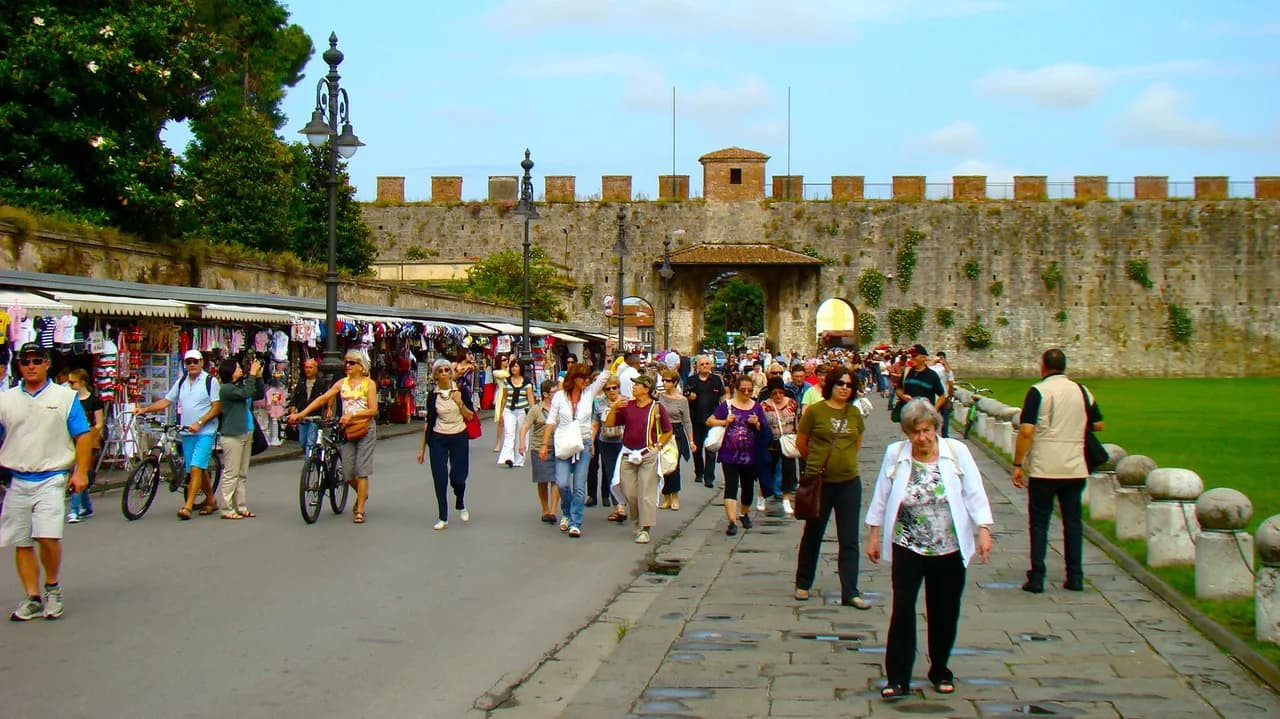
Low season in Pisa means genuinely fewer people, shorter or absent queues at the cathedral complex, and more availability at every level of accommodation, often at rates well below spring. It also means some smaller churches trim their hours, a handful of seasonal restaurants close, and the beach resorts to the west shut down entirely. Expect a quieter, more functional city rather than a fully open one.
Treat the tower as the one Pisa experience where a timed entry genuinely matters and sort it out once your dates are fixed rather than hoping to walk up on the day. Everything else can stay flexible around the weather.
Getting Around
The historic center is walkable end to end in under half an hour, so you will rarely need transport between sights. Pisa Centrale sits south of the river and connects to the airport by the PisaMover people mover, with local buses covering the rest; routes and tickets are published by Pisamover and the local bus operator.
Wear shoes you can walk in on wet stone and keep your plans flexible around rain rather than trying to outrun it. A compact umbrella lives in the day bag from November to March.
When to Go
Choose early December for festive atmosphere and tolerable crowds, mid-January for the emptiest piazzas and the lowest prices, or late March for longer days and the first warmth, accepting that Easter week 2027 will be busy. February suits travelers who want Carnival energy and do not mind the cold; it is the least restful month for quiet sightseeing.
Skip Pisa in winter if your trip depends on beaches, al fresco dining or long daylight hours; choose May or September instead. Come in winter if you want Tuscany at a walking pace, with the Arno to yourself and Florence an hour away.
Plan Your Visit
Pisa in winter rewards a slower plan: one major sight in the morning, a long indoor pause, a riverside walk as the lights come on. Book the tower and your restaurant tables for the holiday weeks, confirm winter opening days for smaller museums, and let the short days shape the itinerary rather than fighting them.
If you are still weighing months, compare Pisa in December and Pisa in February against your tolerance for cold and crowds. Either way, you will see a side of the city that summer visitors never do.
Explore more Pisa winter guides
Frequently Asked Questions
Does Pisa get snow in winter?
Snow is rare in Pisa. The city sits close to the Tyrrhenian coast, so winters are damp and cool rather than sharply cold, and the dominant winter weather is grey skies and passing rain. Frost can occur on clear January nights, but settled snow in the historic center is unusual. Check a short-range forecast before you travel rather than packing for blizzard conditions.
Is Pisa worth visiting in winter?
Yes, if you value empty piazzas, short queues at the cathedral complex and lower room rates over sunshine. The trade-offs are real: sunset arrives in the late afternoon in December, rain is likely on some days, and a few seasonal restaurants and coastal resorts shut down. Travelers who need beaches or outdoor dining should pick spring instead.
What is the weather like in Pisa in January?
January is the coldest month of the Pisan winter, with typical lows around 4°C (39°F) and afternoon highs in the low teens Celsius. Humidity from the nearby coast makes the air feel raw, and rain falls on a number of days across the month. Treat these as long-term averages and check a forecast for the week you travel.
Is the Leaning Tower open in winter?
The tower operates year-round with seasonal hours and timed entry, but those hours change across the winter months. Book a slot through the Opera della Primaziale Pisana, the body that manages the cathedral complex, and confirm the day's opening times directly with them before you go. Place the climb in the middle of the day when the stone steps are dry.
Pisa or Florence in winter, which is better?
Florence wins on museums, food depth and indoor options for wet days; Pisa wins on empty streets, lower prices and a calmer pace. The two are close enough by train to combine them, with Pisa as a quieter base and Florence as a day trip. If you have only one winter day in Tuscany, Florence has more to fill it with.
How many days do you need in Pisa in winter?
One full day covers the cathedral complex, a riverside walk and a long lunch. Two days lets you add an indoor museum, Piazza dei Cavalieri and a day trip to Lucca or Florence. With sunset before five in midwinter, resist packing three cities into a short stay.
Sources
Winter travel notes
Optional updates when we add or revise winter guides.
You might also like
Continue reading
More guides you'll find useful