Nerja in Winter: What November to March Is Really Like
Nerja in winter brings mild Costa del Sol days, quiet beaches and a town that stays open. Here is what November to March is really like.
On this page
Winter on this stretch of the Costa del Sol is less an off-season than a slower version of the same town. Nerja keeps its terraces in use, its independent shops trading and its beaches open for walking, while the summer crowds and queue lines simply disappear. That mix of mild weather and a town that still functions makes it a strong fit for slow travelers, walkers, remote workers and anyone who wants sunlight without heat.
The trade-off is real but predictable: shorter afternoons, a handful of wet and windy spells, and a scattering of restaurants and family-run shops that take their annual break in the quieter months. If you want guaranteed heat or a town in full fiesta mode every day, this is not the winter base for you. Read on for the weather month by month, what stays open, and what actually happens between November and March.
What Nerja Is Like in Winter and Who It Suits
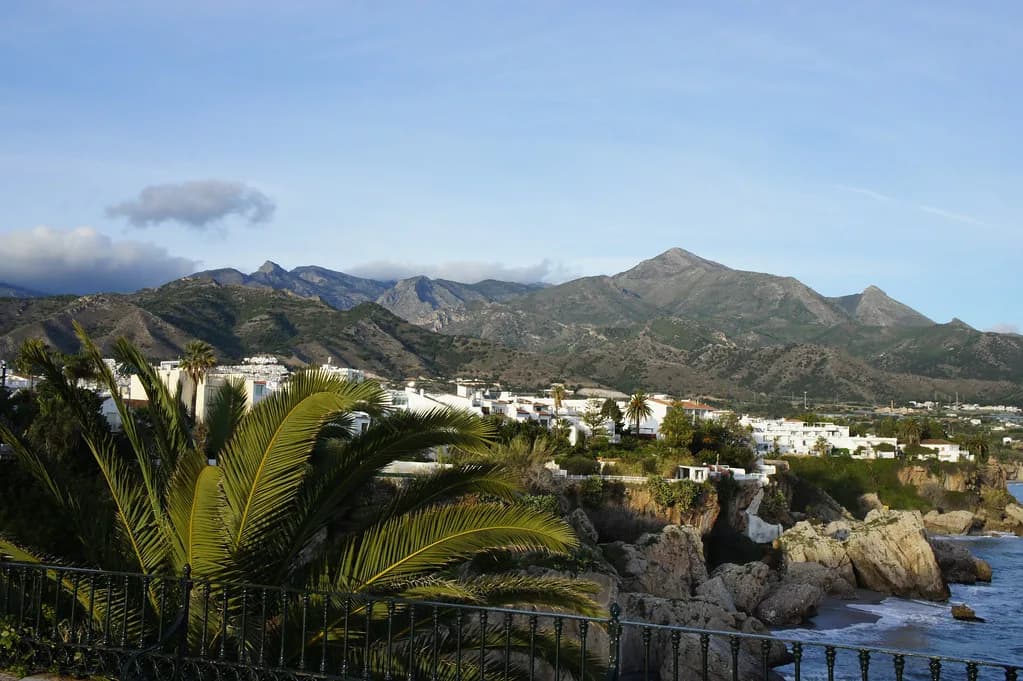
Nerja sits where the Costa del Sol meets the foothills of the Axarquía, so the coast stays noticeably gentler than inland Andalucía while the mountains behind town turn genuinely cold. Winter here is a mild, bright season with cooler evenings and the occasional dramatic spell of weather coming in off the sea. The town's appeal in these months is the combination of sea air, walkable streets and enough open businesses to keep a week or a month comfortable.
It suits travelers who plan around daylight rather than heat: long lunches, coastal walks, museum and cave visits, and unhurried evenings. It suits less well anyone chasing beach weather, since the sea and air are cool enough that most people stroll rather than swim. Families with small children will find the pace easy, though the water and unheated pools push most swimming to the brave.
Weather Month by Month
Typical daytime temperatures from November to March sit between roughly 15 °C and 20 °C (59 °F to 68 °F), with plenty of sunshine between the wetter spells and noticeably cooler nights. Treat those as long-term averages rather than a forecast: a January afternoon can feel spring-like in the sun and genuinely cold once it drops after dark.
December is the transition month, with mild days, cool evenings and the festive season in full swing in the streets and restaurants. January and February are the coolest and quietest, when the town fills with long-stay visitors escaping northern winters rather than day-trippers. March warms gradually and brings back longer afternoons, which makes it a good month for hiking the Axarquía and for day trips further afield.
If your priority is daylight and warmth together, aim for late February or March; if you want the festive atmosphere and don't mind cooler evenings, December delivers. January is the month to pick for emptiness and lower prices, at the cost of the shortest days and the highest chance of a restaurant you had earmarked being on its annual break.
Rain, Wind and the Occasional Calima
Rain arrives in spells rather than as a steady drizzle, and recent winters have brought more of it than usual, with bright sunshine returning quickly between fronts. The more distinctive winter weather comes off the sea: occasional thunderstorms over the water and gusts strong enough to send everyone off the terraces. There is also the calima, the warm, dust-laden air that occasionally blows in and turns the light hazy for a day or two.
Plan around this by keeping one indoor option ready for each day rather than booking a rigid schedule: the Nerja Caves, a museum or a long lunch work well when the weather turns. Wind matters most on the beaches and the Balcón de Europa, where an otherwise mild day can feel sharp; sheltered corners of town and inland villages are the fallback.
Daylight and How Short the Afternoons Get
The shortest days fall around the turn of the year, when afternoons close in early and evening terraces need a jacket. Daylight lengthens steadily through January and February, and clocks go forward on 28 March 2027, which puts a long, light evening back into the end of the season. Plan sightseeing for the morning and early afternoon in December and January, and save the late-afternoon walks for February onward.
Practical consequence: in midwinter, treat the Nerja Caves, the Balcón de Europa and the old town as morning and lunchtime outings, and keep evenings for food and indoor culture. By March, the balance flips and you can stretch a coastal walk into the late afternoon without rushing.
The Sea and the Beaches in Winter
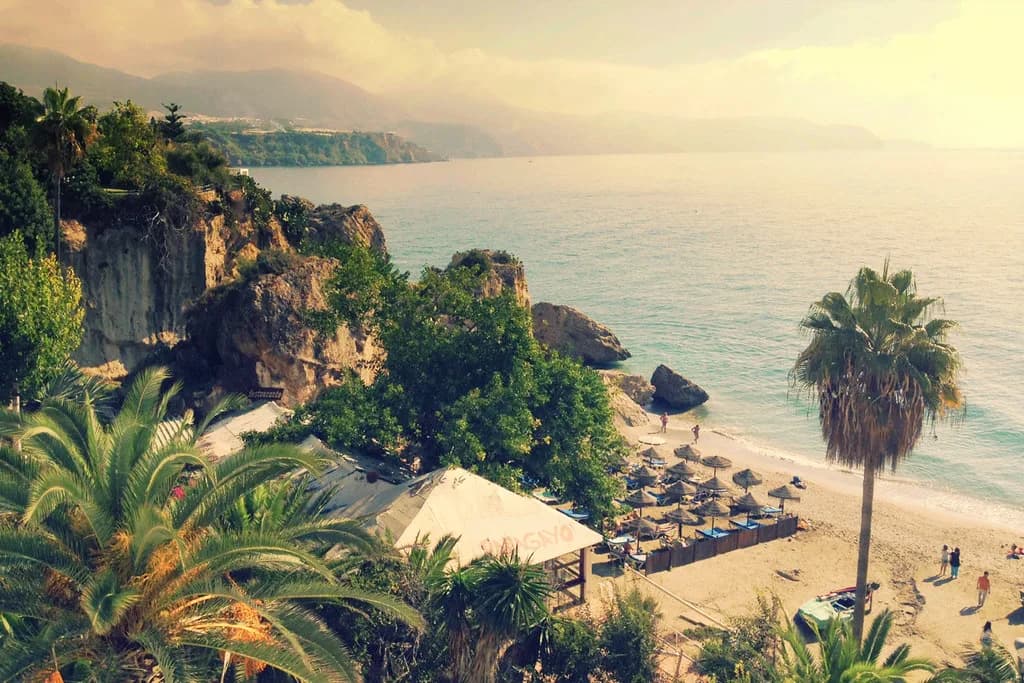
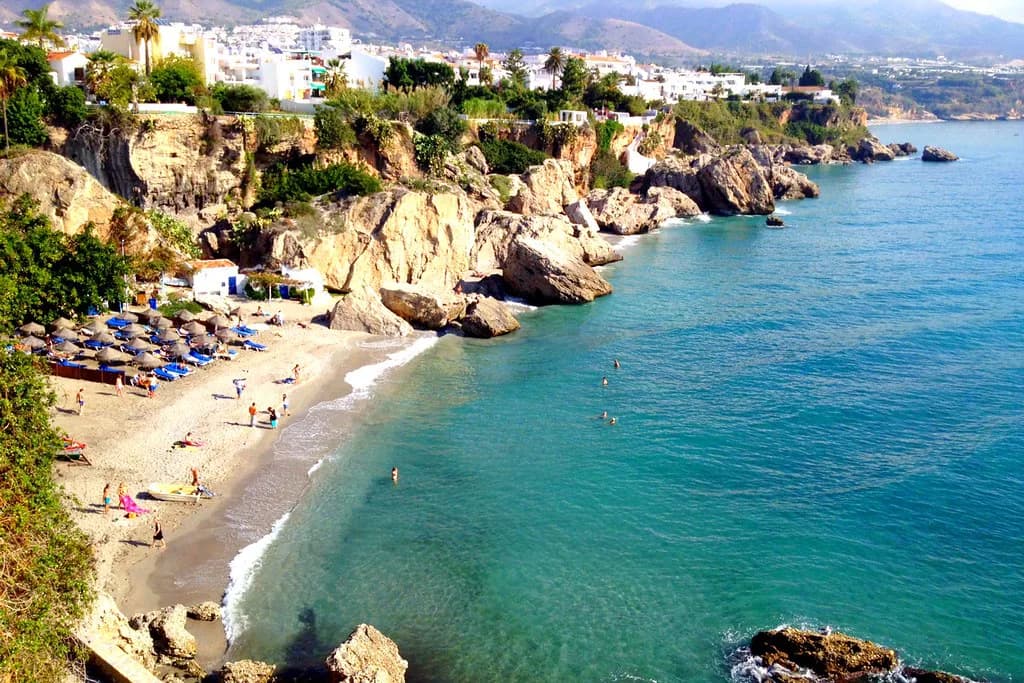
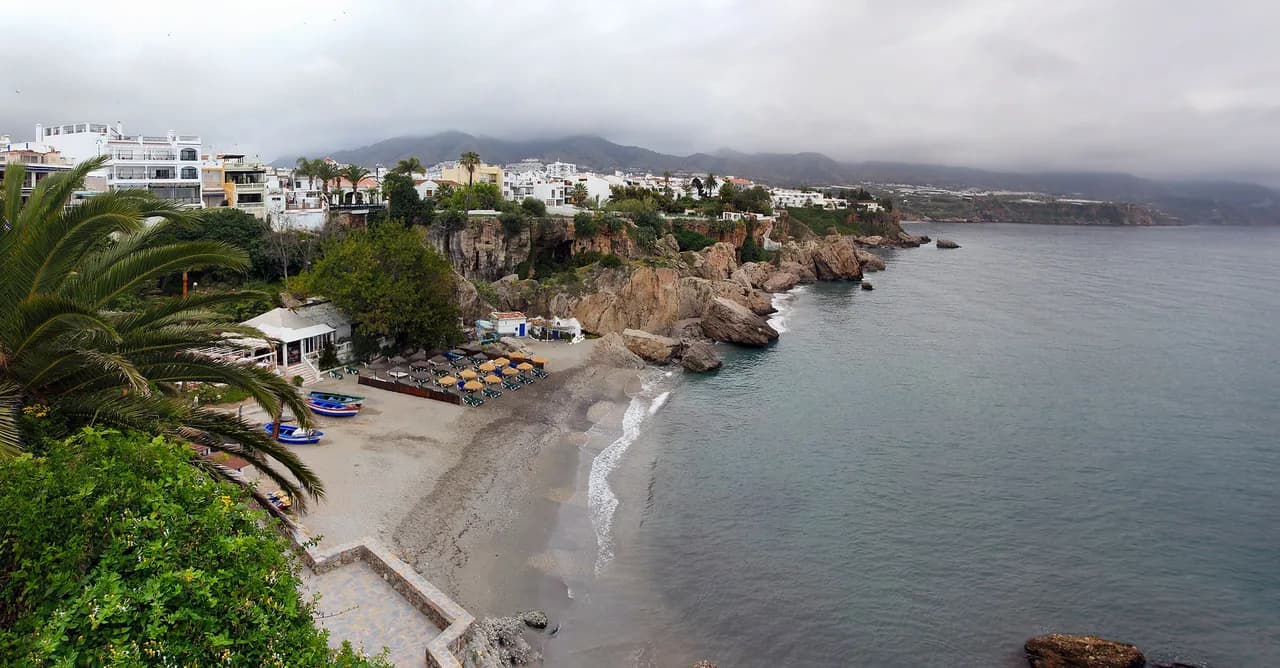
The beaches do not close for the season; they simply change character. Winter is the best time for long walks along the sand and promenades, sea-air coffees and quiet lunches with the Mediterranean in front of you, and you will still see the occasional hardy swimmer. Many smaller chiringuitos shut for the season, so walk with a backup café in mind rather than counting on a specific beach bar.
This is a strolling and sea-gazing coast in winter, not a sunbathing one, so choose your base for walks and views rather than for sand. The Balcón de Europa gives you the panoramic view without committing to a beach, and the coves below it are worth the steps down on a clear morning.
What Stays Open and What Takes a Seasonal Break
Most shops keep normal hours right through the winter, including the town's independent stores, which are far more pleasant to browse without the summer crush. The exceptions are the smaller family-run businesses that close for a few weeks or a month for their annual holiday, usually in the quieter months. Restaurants follow the same pattern: some take a January or February break, but the sheer number of places to eat means you are never stuck.
Nerja also keeps a more flexible eating rhythm than much of Spain, with plenty of places serving through the afternoon, which suits winter days when you want an early lunch or a warm drink between walks. The town does not empty out: January and February bring a steady population of long-stay visitors, so the streets, cafés and morning promenades feel lived-in rather than shuttered.
Christmas in Nerja
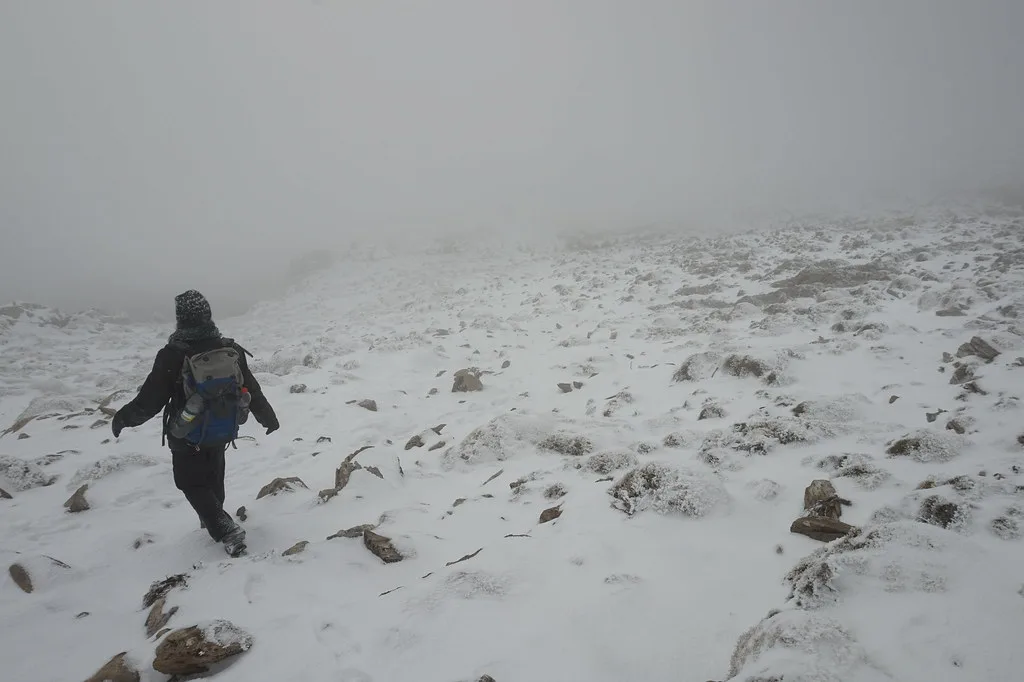
Christmas is the busiest and most social stretch of the winter, with parades, entertainment and festive events organized around town, bright streets in the evenings and restaurants full of people celebrating. Christmas Day 2026 falls on a Friday, which makes for a long weekend around it and a lively run into New Year. Book tables for the key dates in advance, and expect the town to be at its most animated after dark.
This is also the one time of winter when you should plan ahead: accommodation and popular restaurants fill for the festive week, and parades draw crowds along the center. Outside those days, the season relaxes quickly into the January rhythm.
Three Kings and January in a Winter-Visitor Town
Epiphany on 6 January is the traditional Spanish high point of the season, with the Three Kings parade marking the end of the festivities. After that, Nerja shifts gear: the long-stay winter visitors settle in, the morning walkers become familiar faces and the pace becomes noticeably slower. Expect some restaurant closures as owners take their annual break, but plenty of alternatives remain open.
January is the month for the classics without queues: the Nerja Caves, the old town, the Balcón de Europa and the coastal paths, all far easier to enjoy when the summer crush is absent. Evenings are for plays, films and music at the cultural center, which keeps a winter program going.
Carnival in February
Carnival typically falls in February, and the festivities around it bring color and noise back to town after the quiet of January. It is a local celebration rather than a tourist spectacle, so expect the streets to fill with residents and the atmosphere to be genuinely Andalusian. Dates and processions are set by the town hall each year, so the exact program is worth picking up locally when you arrive.
If Carnival is your reason for coming, base yourself in the center within walking distance of the main streets and stay flexible about dinner reservations on the biggest nights. Otherwise, February remains a calm month for walking, caves and day trips, with Carnival as a lively bonus.
Nerja Caves and the Balcón de Europa Without the Summer Crowds
The Nerja Caves, in nearby Maro, are the standout indoor sight and a natural fit for a cooler or wetter day, with vast chambers and formations that reward an unhurried visit. Winter removes the peak-season crush, so you can actually stop and look. The caves were discovered in 1959 and now anchor a visit that pairs well with the Museo de Nerja in the town center, where finds from the caves are displayed.
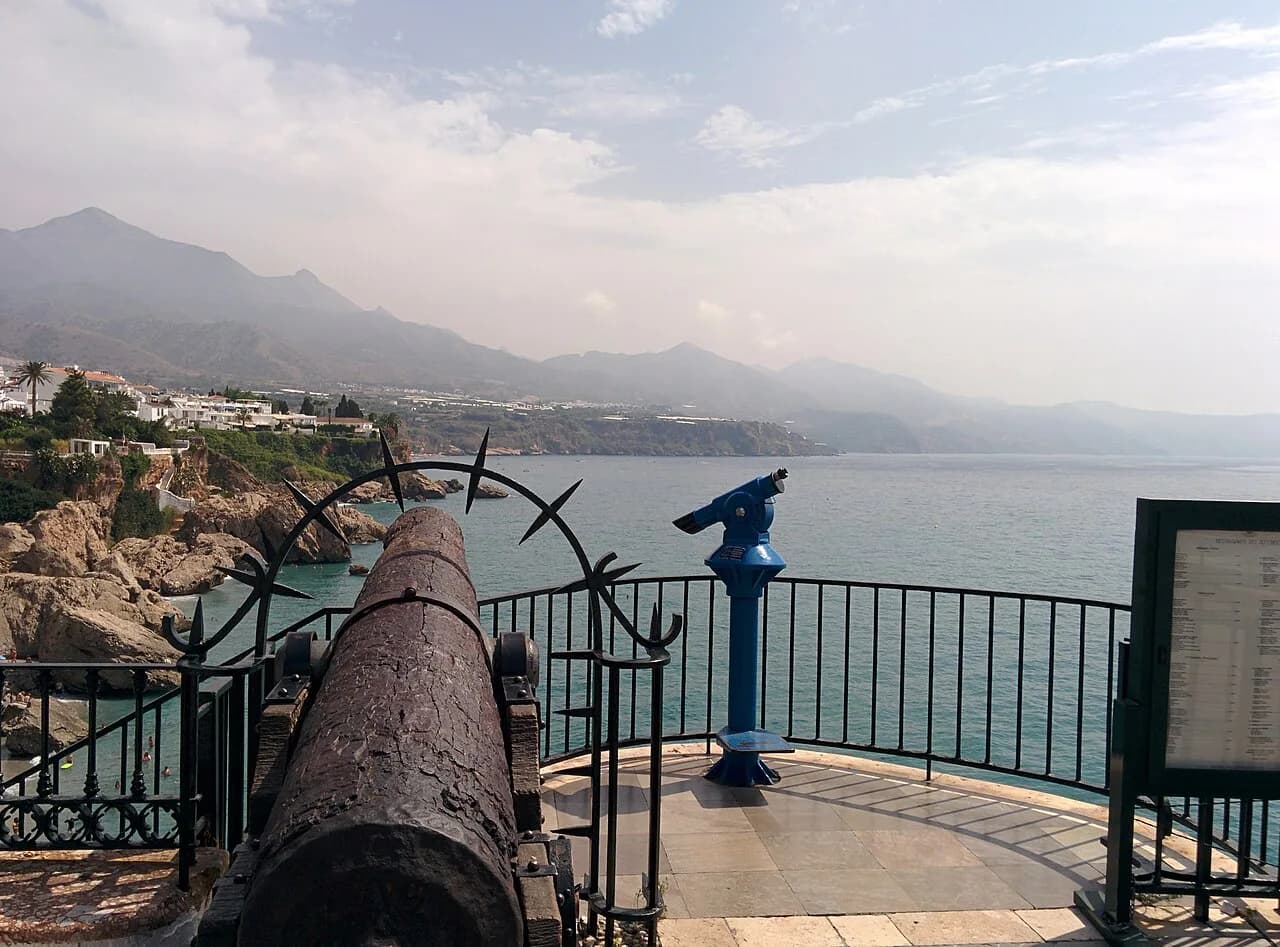
The Balcón de Europa is the town's signature viewpoint, a headland terrace with the sea on three sides and a history stretching back to a 16th-century watchtower. In winter you get the panorama without jostling for the railing, and the surrounding old-town streets are pleasant to wander at any hour. Allow time to sit with a coffee rather than treating it as a photo stop.
The Nerja Caves operator publishes current opening times, ticket options and any combined tickets for the caves, museum and tourist train, so confirm those before you set out.
Walks: the Old Town, Maro, the Aqueducts and the Coast
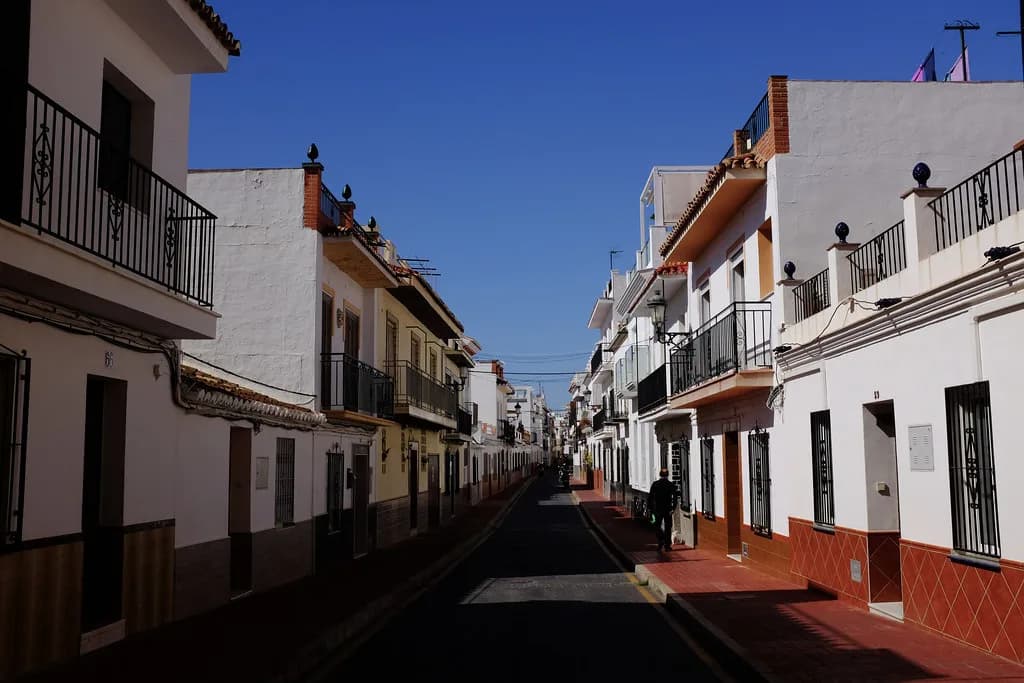
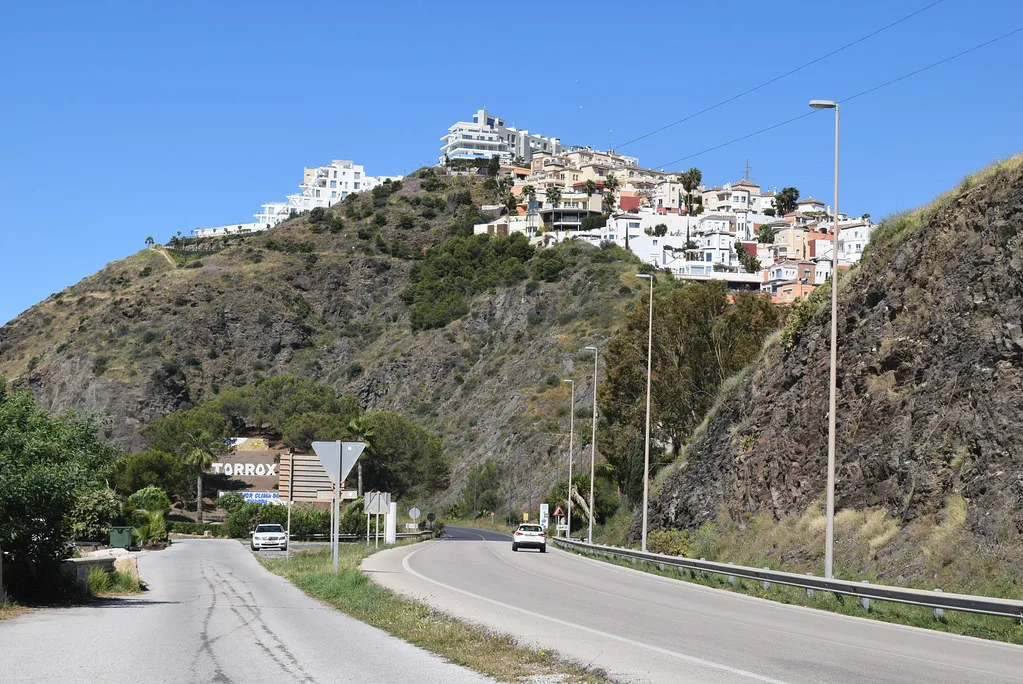
Winter is prime walking weather here: cool enough to climb, bright enough to see the coast, and quiet enough to have paths largely to yourself. Easy options include the coastal paths and promenades, the old town's historic corners and the countryside tracks around town. The more ambitious can head for the hills behind Nerja, including the climb toward El Cielo, while gentler routes around Maro and the old sugar factory give the same scenery without the effort.
Carry a layer for the wind and start early, since afternoons shorten sharply in December and January. The old town and the Balcón area work as a short loop on a wet morning, with cafés to duck into between showers.
Day Trips That Work in Winter
The Axarquía's white villages are the obvious day trip: winding mountain roads, hilltop towns and landscapes tied to raisins, wine, olive oil and avocados. In winter the light is clearer and the villages are quiet, though mountain roads can be slower in wet weather.
Further afield, Málaga's museums and cultural sights and Granada's Alhambra make rewarding winter outings, and Nerja works as a base for both if you accept a long day. Inland Andalucía is markedly colder than the coast in winter, so treat the white villages and Granada as cold-weather days and keep the coast for the milder ones.
Crowds, Prices and the Long-Stay Rhythm
Outside Christmas and New Year, winter is low season on this coast: fewer people, easier tables, no need to book days ahead and a noticeably calmer town. January and February bring long-stay visitors rather than emptiness, so the town feels lived-in without the summer pressure. If you want company and a social rhythm, this is a sociable kind of quiet.
Accommodation and restaurant rates are generally at their lowest outside the festive weeks, and monthly rentals are widely marketed to winter visitors, remote workers and retirees. Expect the best value in January and early February, and the highest demand around Christmas, New Year and Carnival.
Who Should Pick Another Month
Skip Nerja in winter if guaranteed beach weather, warm sea and pool days are essential, or if you want the resort at full volume with everything open every day. Travelers who need long daylight hours should aim for March rather than December, and anyone determined to see specific restaurants or family-run shops should remember that some close for annual breaks in the quieter months.
If you want heat, look further south to the Canaries, where winter days are warmer and the sea swimmable; the Canary Islands in winter offer a genuinely different version of the same off-season decision. If you want a mild, quiet, walkable Andalusian town that stays open, winter here works well.
Plan Your Winter Trip
Nerja in winter is a decision about priorities: mild days and empty streets versus short afternoons and the odd restaurant on its annual break. Most travelers get the best of it by choosing late February or March for daylight and warmth, or December for atmosphere, and by keeping plans flexible around the weather.
Base yourself in the center for walkability, build days around morning sightseeing and long lunches, and keep one indoor option ready for wet or windy spells. That is the rhythm the town runs on from November to March, and it is why so many visitors come back for the whole season.
Explore more Nerja winter guides
Frequently Asked Questions
What is the weather like in Nerja during winter?
Typical daytime temperatures from November to March sit between roughly 15 °C and 20 °C, with sunshine between wetter spells and cooler nights. Treat these as long-term averages: a sunny January afternoon can feel spring-like, while evenings and windy days turn genuinely cold.
Can you sunbathe in Nerja in February?
Some visitors do find a sheltered corner and sunbathe in winter, and hardy swimmers still go in, but the air and sea are cool and most people walk the beaches rather than lie on them. February is better for coastal walks, sea-air lunches and sightseeing, with the warmest afternoons arriving as spring approaches.
Is Nerja quiet in winter?
Outside Christmas and New Year it is much quieter than summer, but not empty. January and February bring a steady population of long-stay winter visitors, so the streets, cafés and morning promenades feel lived-in rather than shuttered.
Are restaurants and shops open in Nerja in winter?
Most shops keep normal hours, and the town has more than enough restaurants open to eat well. Some smaller family-run shops and restaurants take a break in January or February, so if a specific place matters to you, ask locally.
What is there to do in Nerja in winter?
The Nerja Caves, the Museo de Nerja, the Balcón de Europa, the old town, coastal and countryside walks, and day trips into the Axarquía or to Málaga and Granada all work well. Cooler weather makes walking and hiking more comfortable than in midsummer.
What events fall in Nerja's winter?
Christmas brings parades and festive events, Epiphany on 6 January 2027 is marked with the Three Kings parade, and Carnival falls around Carnival Tuesday on 9 February 2027. Programs and processions are set each year, so pick up the local schedule when you arrive.
Is Nerja a good winter destination compared with the rest of Spain?
It is one of the milder coastal choices, and the town stays open rather than shutting down for the season, which sets it apart from many seasonal resorts. Inland Andalucía is colder in winter, so the coast is the better base if you want mild days and short day trips.
Sources
Winter travel notes
Optional updates when we add or revise winter guides.
You might also like

Continue reading
More guides you'll find useful