Nerja in January: What to Expect and Plan Around
Nerja in January brings mild coastal days, cool evenings and a town without summer crowds. See typical weather, what stays open and who the month suits.
On this page
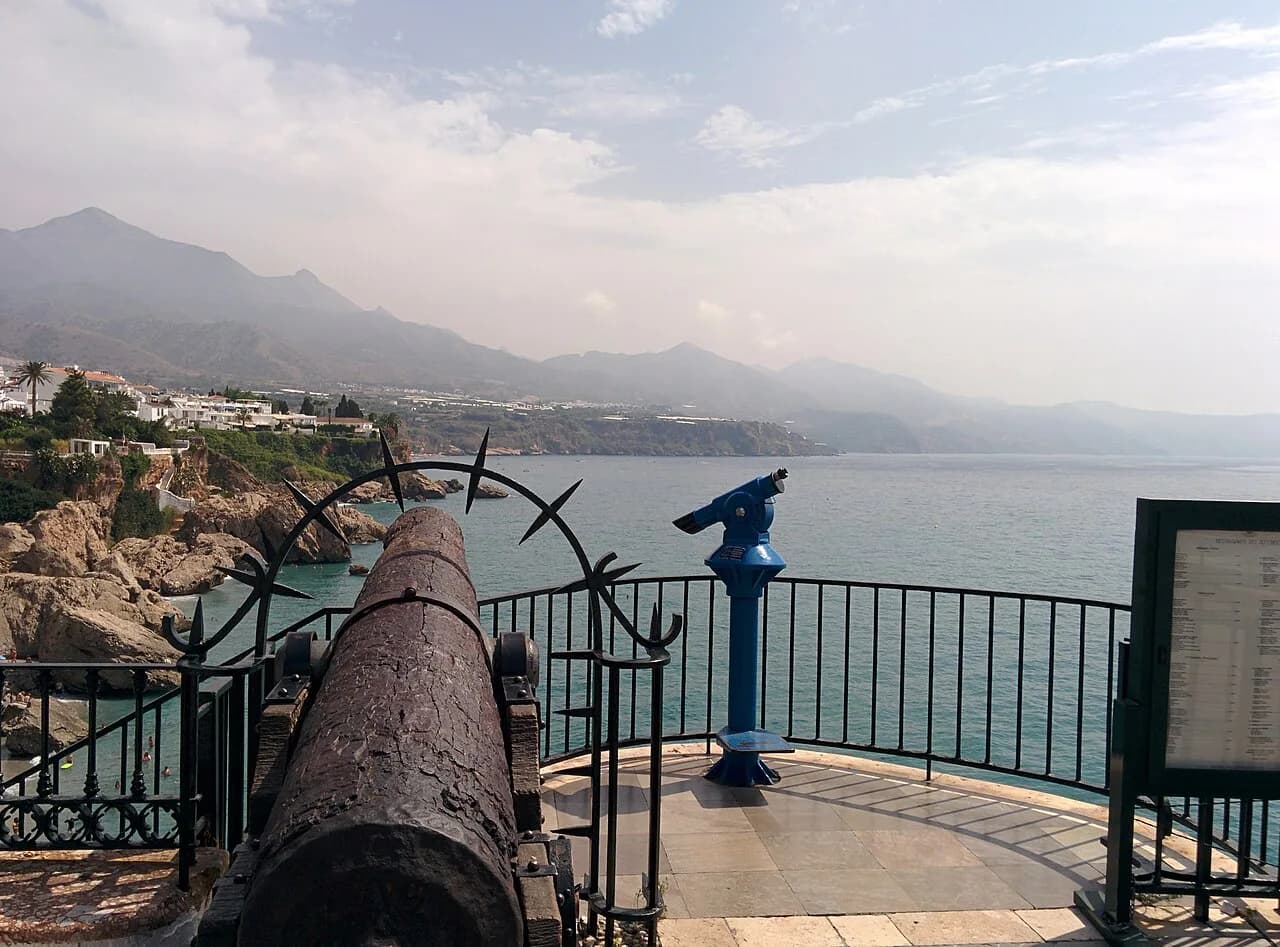
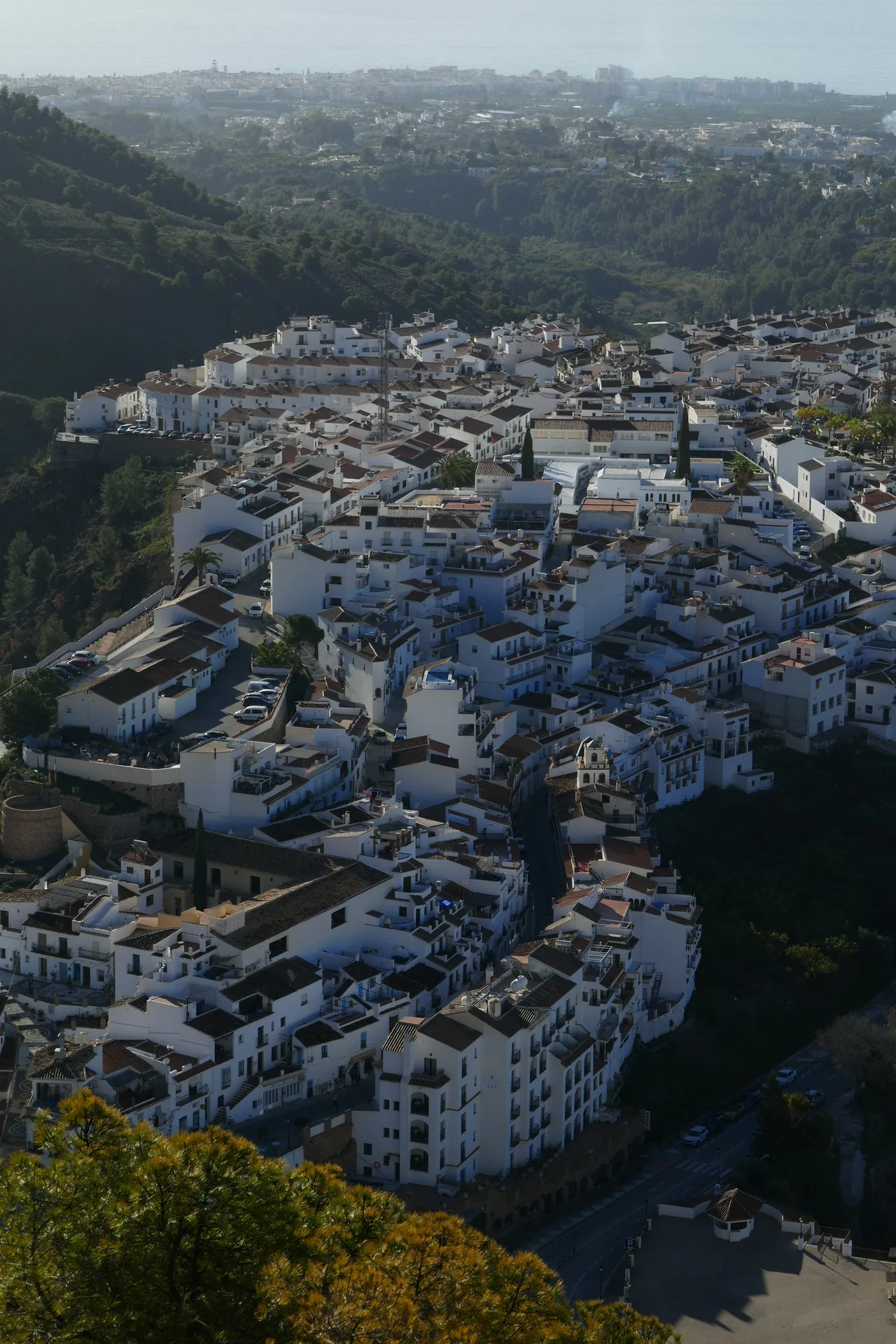
Nerja in January is a working Andalusian coastal town in its low season, not a resort in hibernation. The seafront promenade and the Balcón de Europa stay open and walkable, the cafes settle into a local rhythm, and the summer crowds are gone. It suits walkers, slow travelers and anyone who wants the Costa del Sol without the July crush.
The trade-off is daylight and water temperature. Afternoons end early, evenings turn cool enough for a jacket, and the sea is for looking at rather than entering. Anyone hoping for beach days or a lively late-night scene should look at April or May instead.
Nerja in January at a Glance
The month splits into two moods. The first week still carries the tail of the festive season, with Three Kings parades and music in the streets around 5 and 6 January. After that the town thins noticeably and you get quiet terraces, easy tables and unhurried sightseeing.
Think of January as the middle of the Spanish coastal winter: mild by northern European standards, but not Mediterranean summer. Pack layers for a cool evening and expect at least one wet day in a week. The overall pattern is settled enough for cliff walks and day trips, provided you start early and keep plans flexible.
If you are weighing months, the wider winter picture helps: December is busier and more festive, February is a notch warmer, and both sit either side of this quietest stretch.
January Weather in Nerja
January is the coolest month on this stretch of coast, with daytime highs typically in the mid-teens Celsius and nights dropping to single figures. In Fahrenheit that means afternoons around the high 50s to low 60s and evenings in the 40s. Present the figures as long-term averages, not a forecast: a given week can run warmer or colder than the norm.
Rain is part of the month rather than an exception, usually arriving in a handful of wet days spread across the four weeks. Sunshine hours are modest compared with summer, but bright, clear days between fronts are common. For current conditions and any weather warnings, the Spanish national weather service, AEMET, publishes local forecasts for the Málaga coast.
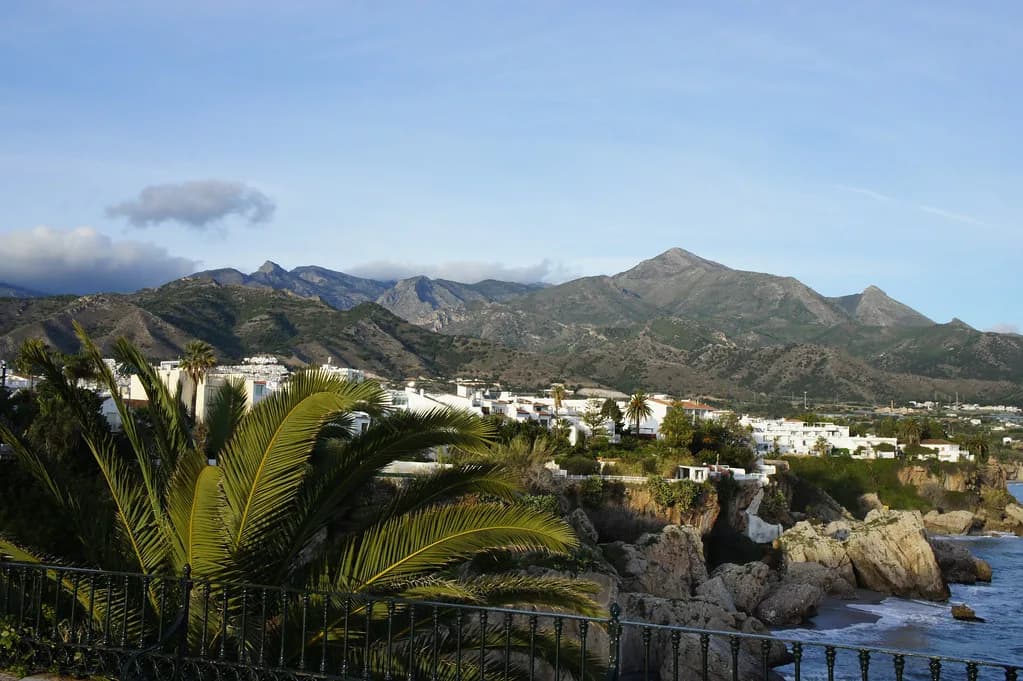
Wind is rarely the story here, because the town sits below the Sierra de Almijara and faces south. Sheltered terraces can feel pleasant even when the forecast looks cool. Inland, a few kilometres up the valley, temperatures fall faster after sunset.
Daylight and Sea Temperature
Days are short. Expect sunrise around 8:20 and sunset before 18:30 for much of the month, so plan outdoor time for late morning and early afternoon. That makes a two-hour cliff walk or a market visit easy, but squeezes a long day trip at both ends.
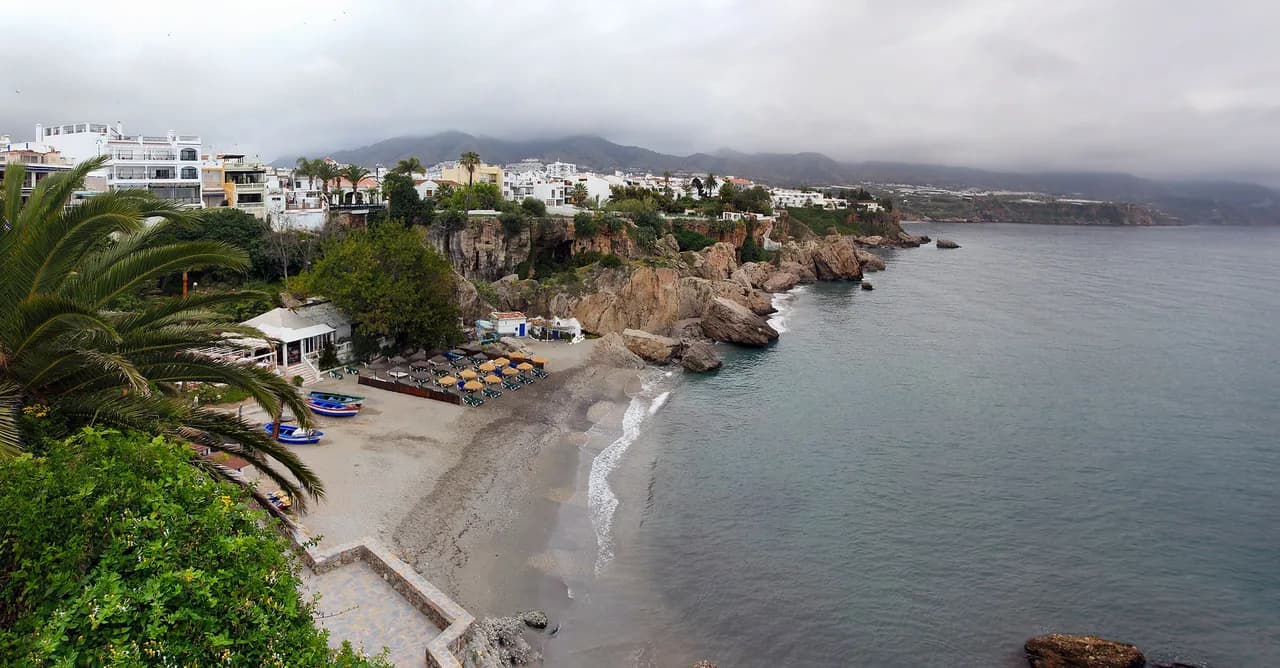
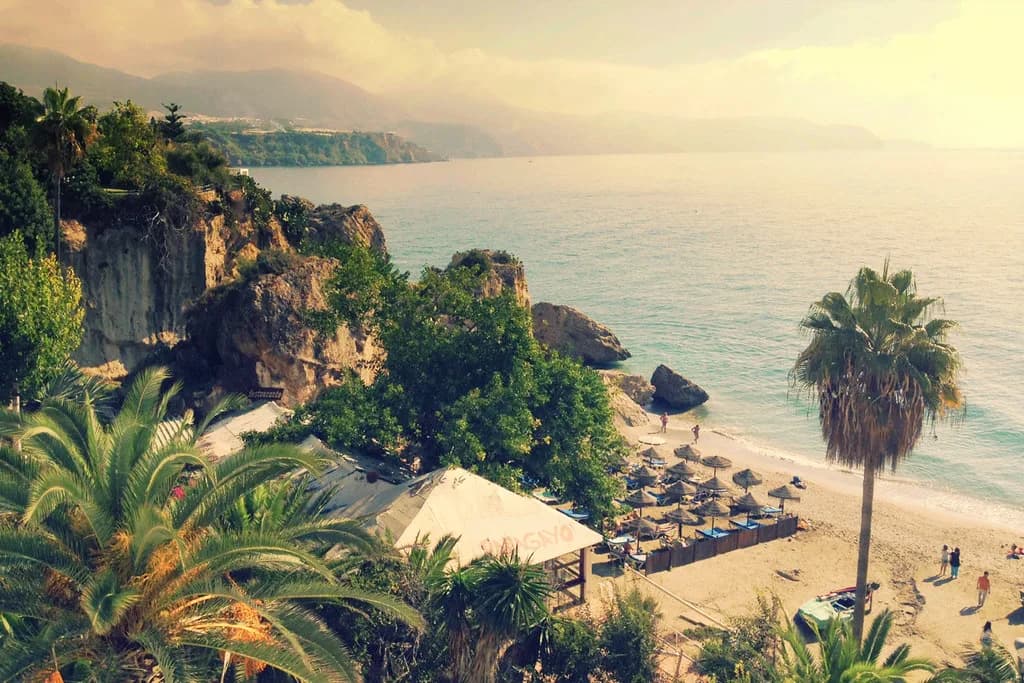
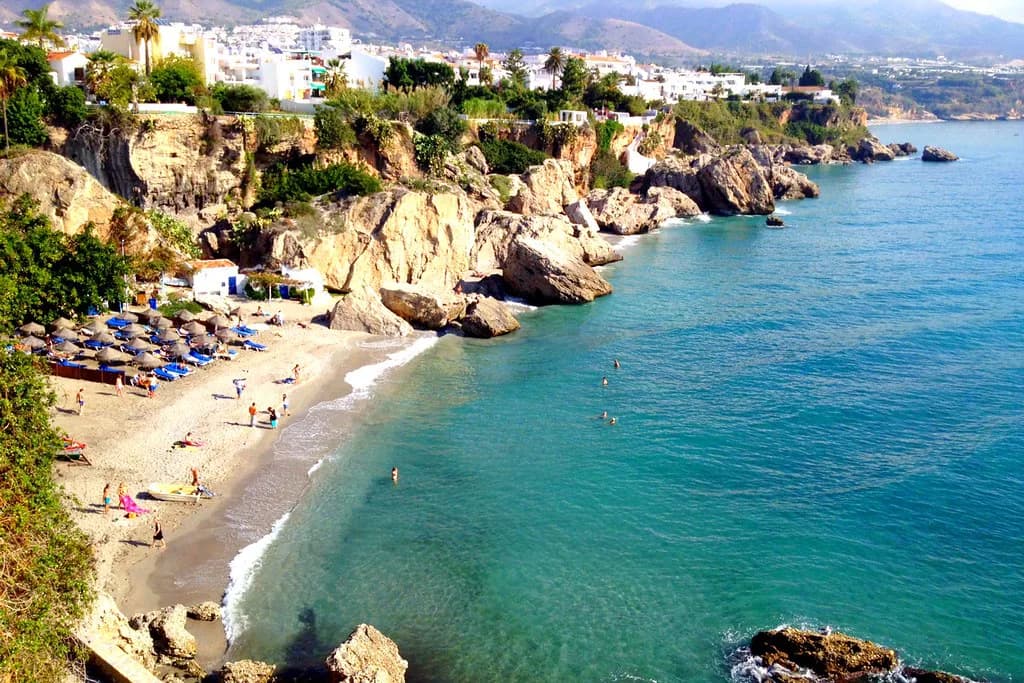
The Mediterranean off Nerja is at its coldest in January, typically around 15°C (about 59°F). That is fine for a paddle at the edge but not for swimming for most visitors, and beach clubs and lifeguard cover are largely absent. Treat the water as scenery: the cliff path above it is the better January plan.
Clocks go forward on 28 March 2027, so January visitors get the shortest version of the Spanish day. If long evenings matter to you, look at March instead.
Rainy-Day Nerja
The Cueva de Nerja, a few kilometres east of town, is the obvious wet-weather backup: a large cave system with guided routes and an interior that stays dry whatever the sky is doing. Check the cave's own website for the day's visiting times before you set out, since winter hours differ from summer.
In town, the parish church and the small museums around the old centre give you an hour or two of cover, and the covered market and cafe terraces keep going through showers. A long lunch is a perfectly respectable January strategy.
Keep one indoor option in reserve for every outdoor day you plan. That way a wet morning does not derail the whole trip and you still see the town rather than waiting it out in a hotel room.
Three Kings and the First Week of January
Epiphany, on 6 January, is the big family celebration in Spain, and in Nerja it brings parades and music across the first week of the month. In 2027 the date falls on a Wednesday, so expect the main processions on the evening of 5 January and again on the day itself.
This is the social peak of the month: streets are busier, restaurants fuller and the atmosphere lively. It is also the moment to book tables rather than improvise. After the sixth, the town empties quickly and hotel and restaurant business drops off.
If you are arriving for the festive period, the Christmas run-up in December brings its own lights and processions, and New Year's Eve in the town square is a separate celebration.
What Stays Open in January
The Balcón de Europa, the cliff-top viewpoint at the heart of town, is public and open all year, and the coastal path towards the eastern beaches remains walkable in winter. The beaches below town stay accessible; it is the sunbeds, bars and beach-club service that disappear.
Restaurants and cafes keep serving, though some close one or two days a week in low season or shut for a short break after the festive period. Shops in the old centre stay open for locals rather than tourists, which means quieter browsing and shorter queues.
Holiday packages for January to Nerja are widely sold, and flight-and-hotel deals are easy to find for the month. Winter hotel rates sit well below summer, with more room to negotiate and more availability at short notice.
Things to Do in January
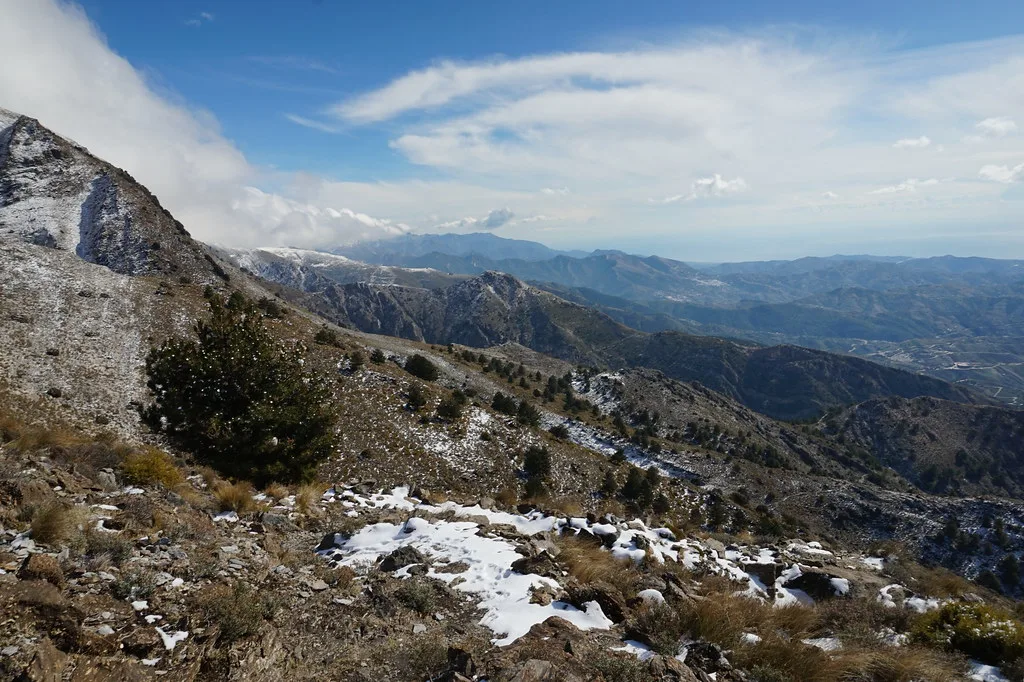
The cliff walks are the highlight. The path from the Balcón de Europa towards the eastern coves gives you sea views, short climbs and benches, and takes an hour or two at an easy pace. Do it in the middle of the day, when the sun is highest and the rock is warm.
Inland, the white villages of the Axarquía make an honest winter day out, and Málaga is within an hour or so by road for a city day of museums and food. Granada and the Alhambra are possible but long in January daylight, so treat them as a full day with an early start rather than an afternoon.
Food is a good reason to come now. Winter menus lean on stews, local fish, oranges and almond sweets, and tables are easy to find. Ask what is in season rather than ordering from the summer photo menu.
Day Trips on a Short Winter Day
Scope trips by daylight, not by map distance. Málaga and the Axarquía villages work comfortably on a January day, while Granada and the Alhambra are doable but should start at dawn to leave time at the site before the light goes.
The coast road east towards the Cueva de Nerja and the cliffs above Maro is one of the best short outings, combining the cave with a walk. Pair it with lunch in a village rather than driving back for dinner.
Crowds and Prices
January is the quietest month after the Christmas holiday: hotel occupancy is low, restaurant tables are easy and the Balcón de Europa is not a scrum. Prices follow the same curve and sit well below spring and summer levels, though exact rates depend on the property and the week.
The exception is the first week, when Three Kings brings local families out and demand rises. If you want both celebration and quiet, split your stay: a few days early in the month and then the rest later.
Who January Suits
January suits walkers, slow travelers and anyone on a long stay who wants the town to themselves, mild afternoons and cheap rooms. It also suits people who like Spanish winter food and a local rhythm.
It does not suit beach-goers, swimmers or anyone who wants a lively evening scene. The sea is cold, the days are short and the town goes quiet. If you are after sunbathing and swimming, look at the Canary Islands in January or wait for late spring.
If you want a bit more warmth and a busier town, February is a small step up. The pattern is the same, with slightly longer days and a bit more life after the festive break.
Getting Around
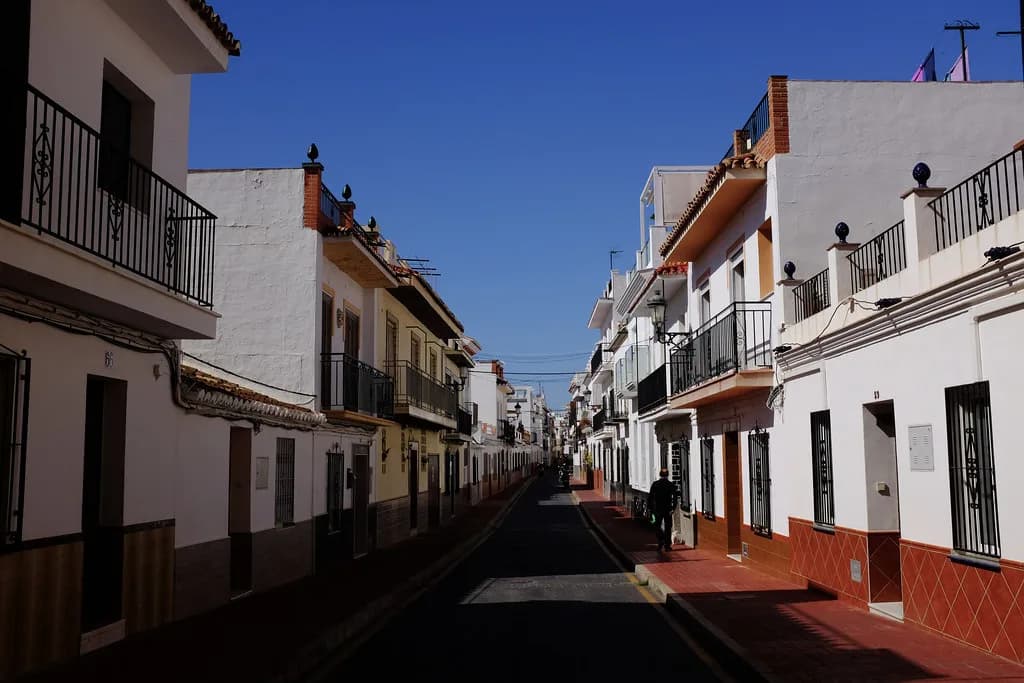
Nerja is compact and walkable, with the old town, the Balcón and the beaches all within twenty minutes on foot. Local buses connect the centre with the eastern coves and the Cueva de Nerja.
For day trips, the coast road west towards Málaga and the inland routes into the Axarquía are straightforward by rental car, which gives you flexibility around winter light. Parking in town is easier in January than in summer.
Plan Your January Trip
Build the trip around late morning starts, an indoor backup for wet days and a couple of good cliff walks. Keep the first week free if you want the Three Kings parades and music, and expect the town to quieten afterwards.
Check winter opening times directly with the Cueva de Nerja before you go, since hours differ from summer. Beyond that, the month asks little more than layers, a flexible plan and an acceptance that the sea is for looking at.
Explore more Nerja winter guides
Frequently Asked Questions
What is the weather like in Nerja in January?
January is the coolest month on this part of the Costa del Sol, with mild daytime highs and cool nights in single figures Celsius. Rain falls on a handful of days across the month, and sunshine is modest but bright days are common between fronts. Treat any figure as a long-term average rather than a forecast.
Is Nerja warm enough in January for beach days?
Daytime temperatures are mild enough for walking and sitting outside, but not for sunbathing or swimming. The Mediterranean is at its coldest in January, so most visitors paddle rather than swim.
Is the sea warm enough to swim in Nerja in January?
For most people, no. Water temperatures hover in the mid-teens Celsius, which is cold for extended swimming. The cliff paths and viewpoints are the better way to enjoy the sea in January.
What is there to do in Nerja in January?
Cliff walks from the Balcón de Europa, the Cueva de Nerja, day trips to Málaga and the Axarquía villages, and slow lunches of winter food. In the first week, the Three Kings parades and music add a festive reason to be in town.
When is Three Kings' Day celebrated in Nerja?
Epiphany falls on 6 January, which in 2027 is a Wednesday. Parades and music run through the first week of the month, with the main processions typically on the evening of 5 January and the day itself.
Is January a good time to visit Nerja?
If you want quiet streets, low-season prices and mild walking weather, yes. If you want beach days or a lively evening scene, January is the wrong month and late spring suits better.
Sources
Winter travel notes
Optional updates when we add or revise winter guides.
You might also like
Continue reading
More guides you'll find useful