Nerja in March: Weather, Crowds and What's Open
Nerja in March brings mild afternoons around 18-20°C, about a dozen wet days and a chilly sea. See what's open, what's quiet and whether March suits you.
On this page
March in Nerja sits in the Costa del Sol's shoulder season: afternoons warm enough for a light jacket and a long walk, terraces half-full, and a Mediterranean that most visitors admire rather than enter. The town works on foot, the Balcón de Europa is pleasant at almost any hour, and the Caves of Nerja give you a solid indoor option when rain arrives.
It suits walkers, sightseers and slow travelers who want the town without July crowds, and it suits anyone building a February-to-April itinerary who can trade beach time for scenery. If swimming is the point of your trip, look at later spring instead; the sea stays cold through March. The wider picture of the season is covered in the Nerja in winter overview, which helps you compare weeks.
Weather in March
Expect typical March conditions rather than a guarantee: Thomas Cook's climate averages give an average high of 20°C (68°F) and an average low of 11°C (52°F), with an overall average temperature of 15°C. The same averages list 30 mm of rain spread across about 12 wet days, so a short rainy spell is normal rather than unlucky. Treat these as long-term figures and check a short-range forecast as your dates approach.
Other providers put the afternoons slightly cooler, around 19°C (66°F) or in an 18–20°C band, which is a useful reminder that March in Nerja means mild, not hot. Sunshine estimates vary too, from roughly 9 to 12 hours of sun per day depending on the source, so plan for bright spells rather than a solid blue sky. Evenings cool quickly after sunset, which shapes how you schedule a late walk.
The sea is the number that surprises people: Thomas Cook gives an average sea temperature of 16°C (61°F) in March. That is fine for a paddle and bracing for a swim, and it explains why the beaches feel like promenades in March rather than places to lie down for an afternoon. Wind averages around 8 mph, gentle enough for coastal walks but noticeable on exposed viewpoints.
Daylight and the Rhythm of the Day
Early March gives you a usable morning and a fairly early dusk, so the sensible pattern is to walk or hike in the morning, eat a proper lunch, and keep the afternoon for a museum, the caves or a slow coffee. As the month progresses the light stretches, but you are still planning around short days compared with May.
European clocks go forward on the last Sunday of March, which is also Easter Sunday in 2027. That single weekend pushes sunset noticeably later and, combined with Holy Week, makes the final days of March feel like a different town: longer evenings for a post-dinner stroll and a much fuller street scene. If you are choosing dates, decide whether you want the quiet early month or the busy, brighter last week.
What Is Open in March
March is when Nerja's terraces come back to life after the quietest weeks of winter. The Balcón de Europa, the old town streets and the Ermita de las Angustias are public spaces that anchor a day of wandering, and the Caves of Nerja on the eastern edge of town are the reliable choice when it rains. Confirm cave tickets and any seasonal time changes with the cave operator directly, since these shift by season.
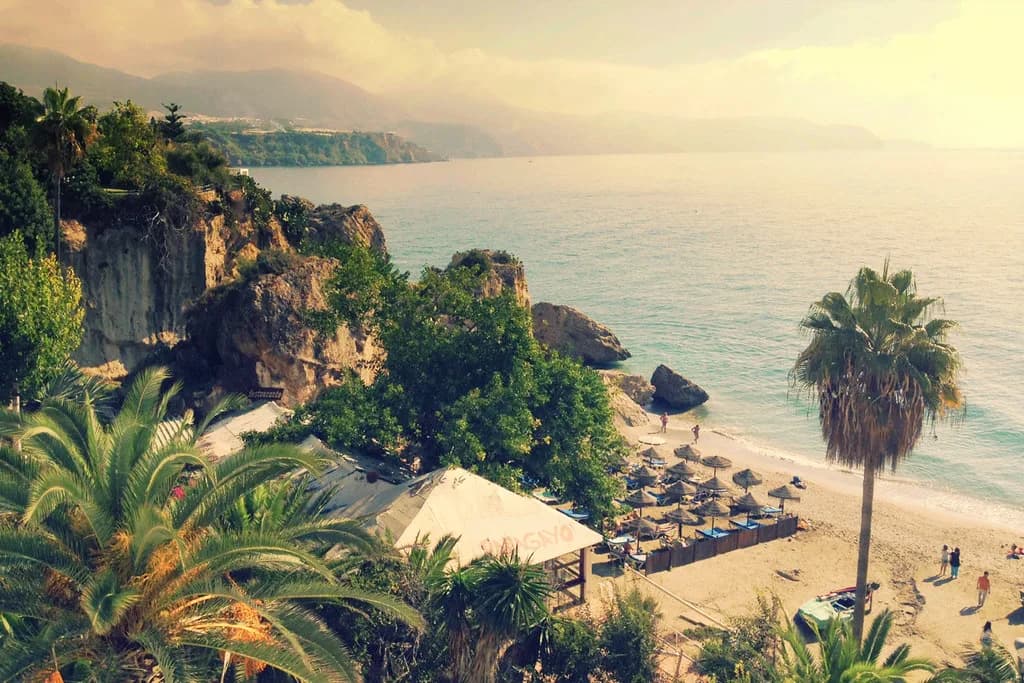
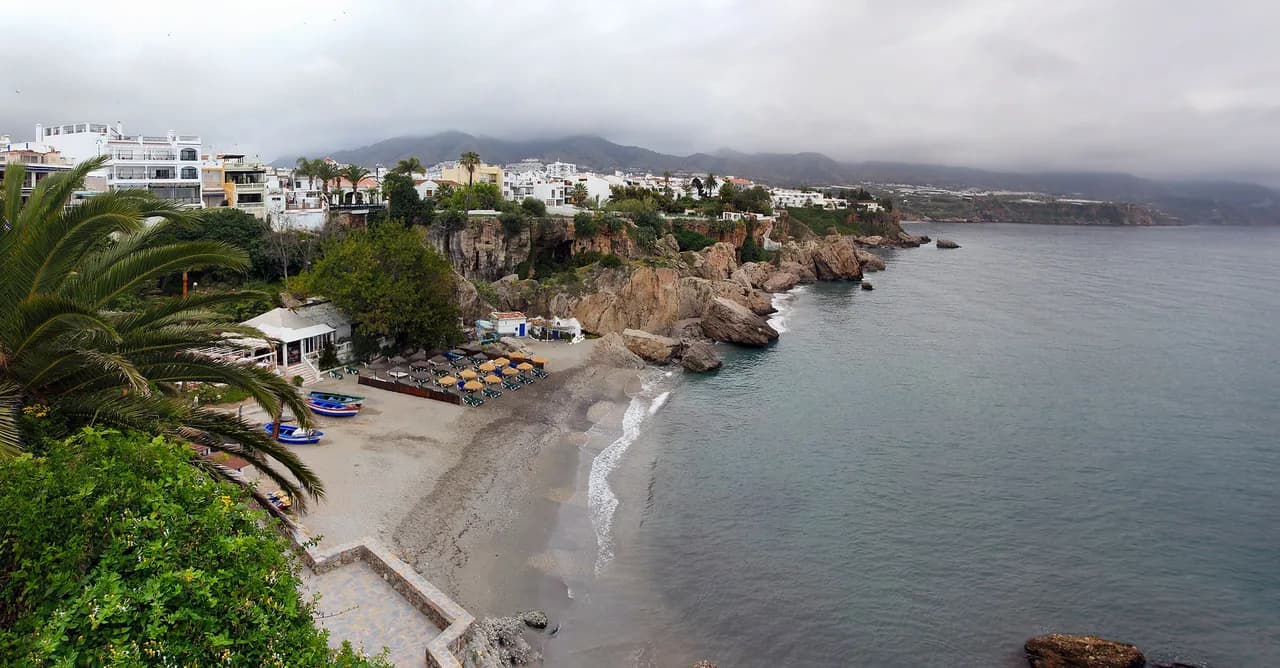
Beaches such as Burriana and Torrecilla are open in the sense that matters in March: you can walk them, sit at a chiringuito and watch the water, but the sea is not inviting for most people. Waterfront businesses reopen gradually through the month rather than all at once, so a place that is shut on your first morning may well be serving by the end of your stay.
If your trip lands in the first half of March, you are still in the tail of the quiet season, and the town's winter rhythm applies. The Nerja in February guide is the closest comparison for what the weeks before your visit look like, and it helps you judge how much of the March reopening you will actually catch.
Things to Do in March
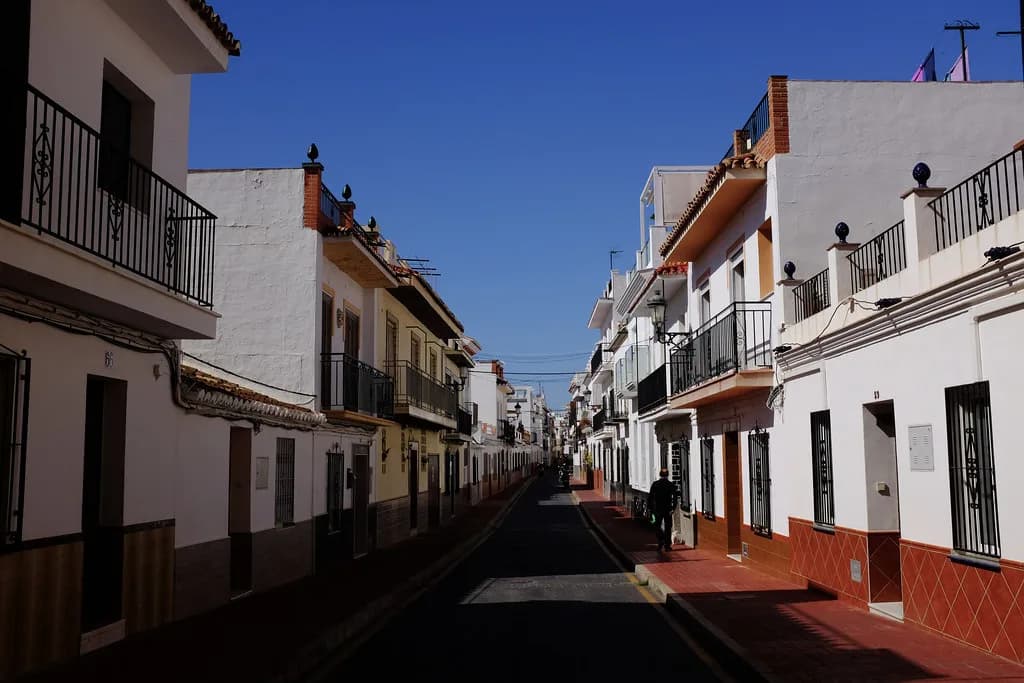
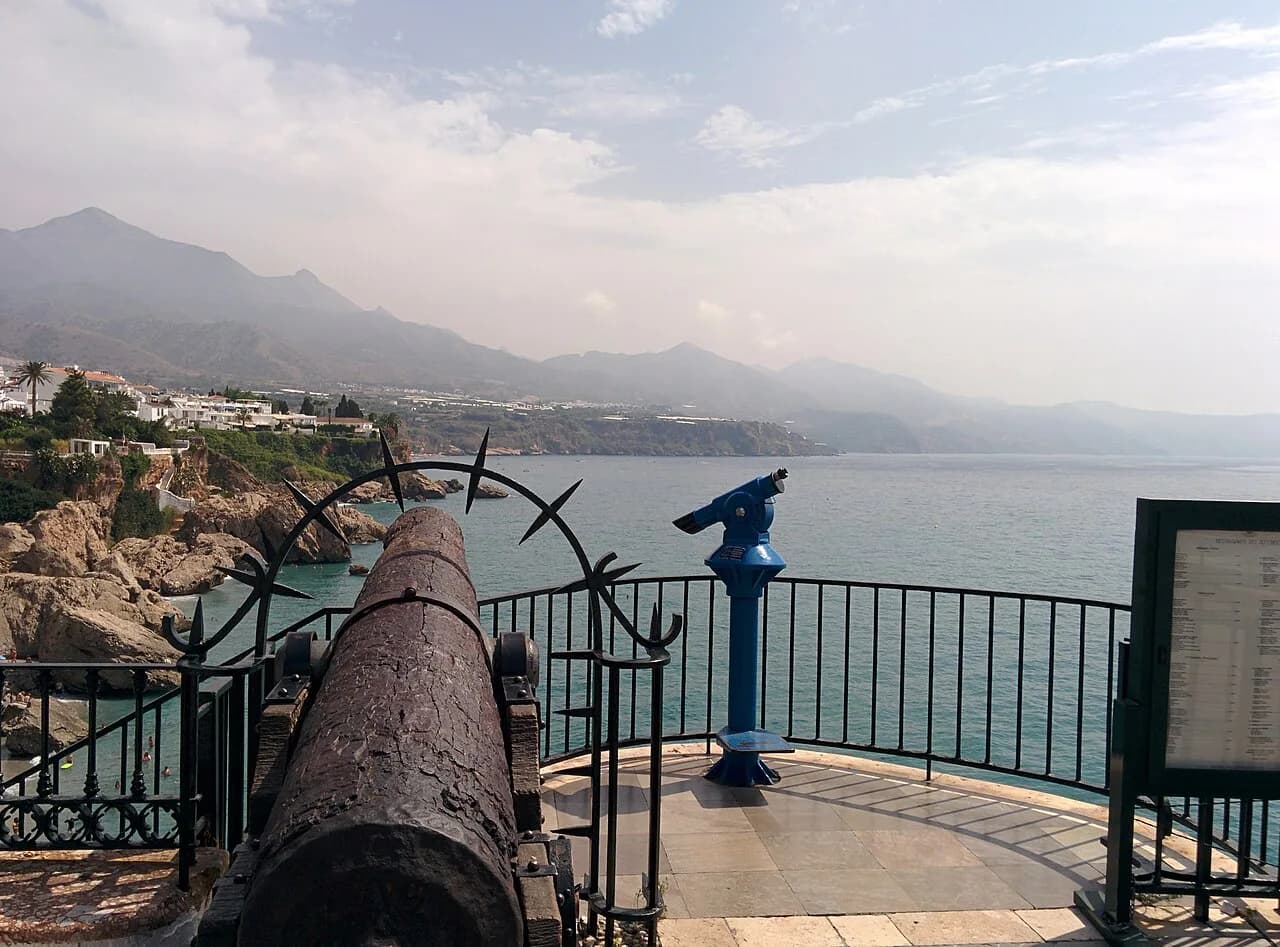
Build your days around the two anchors: the Caves of Nerja for a rainy or windy morning, and the Balcón de Europa for a late-afternoon viewpoint over the water. Between them, the old town rewards slow walking, with the Ermita de las Antiguas and the small squares giving you reasons to stop. The Acueducto and the approach to the Río Chíllar work as half-day walks when the ground is dry.
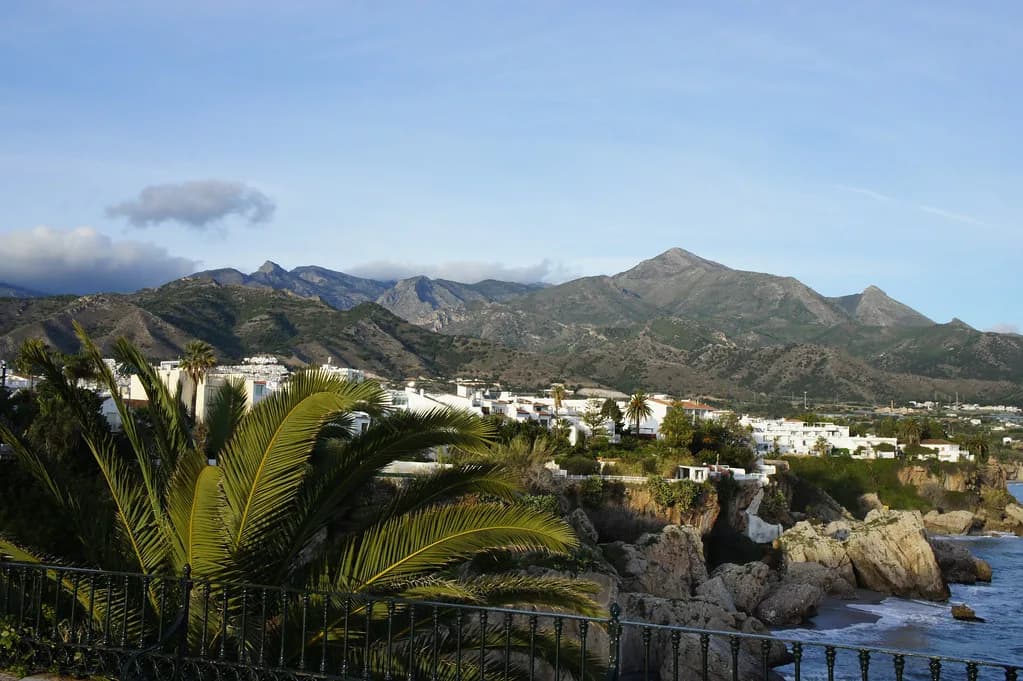
The foothills of the Sierra de Tejeda and Almijara rise behind the town and offer the best walking of the month, provided you check conditions after rain and stay on marked routes. This is walking weather in the best sense: cool enough to climb without overheating, with clear views on the brighter days. Carry water and a layer for the wind, and start early to make the most of the light.
Beaches in March
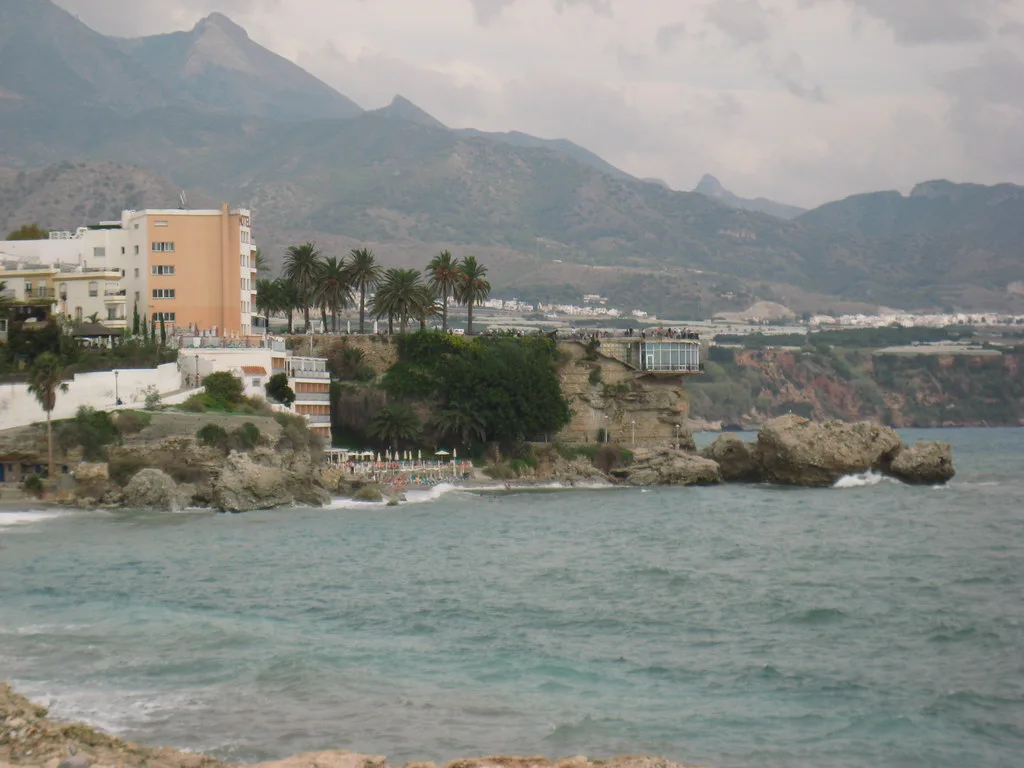
Treat the coast as scenery rather than a swimming destination. Burriana, Torrecilla and Calahonda are all walkable in March, and the seafront makes a good morning circuit before the day warms up. The 16°C (61°F) sea average is the key figure: pleasant to look at, cold to enter, and the reason beach clubs and sunbed services come back gradually rather than at the start of the month.
Day Trips That Work in March
Málaga is the easiest city day trip, with museums and an old town that function well in mixed weather, and it gives you a full urban day if the coast turns grey. Frigiliana, a short hop inland, is the classic white-village outing from Nerja and suits a half day of steep lanes and viewpoints. Farther into the Axarquía, the white villages reward a car, but plan around shorter daylight early in the month.
If you want to compare March conditions elsewhere before committing, Mediterranean alternatives run warmer or cooler depending on the island. Mallorca in March is a different proposition, with cooler air and a landscape built for walking rather than swimming, and the Serra de Tramuntana gives you a sense of how far north the season still feels wintry.
Crowds and the Easter Effect
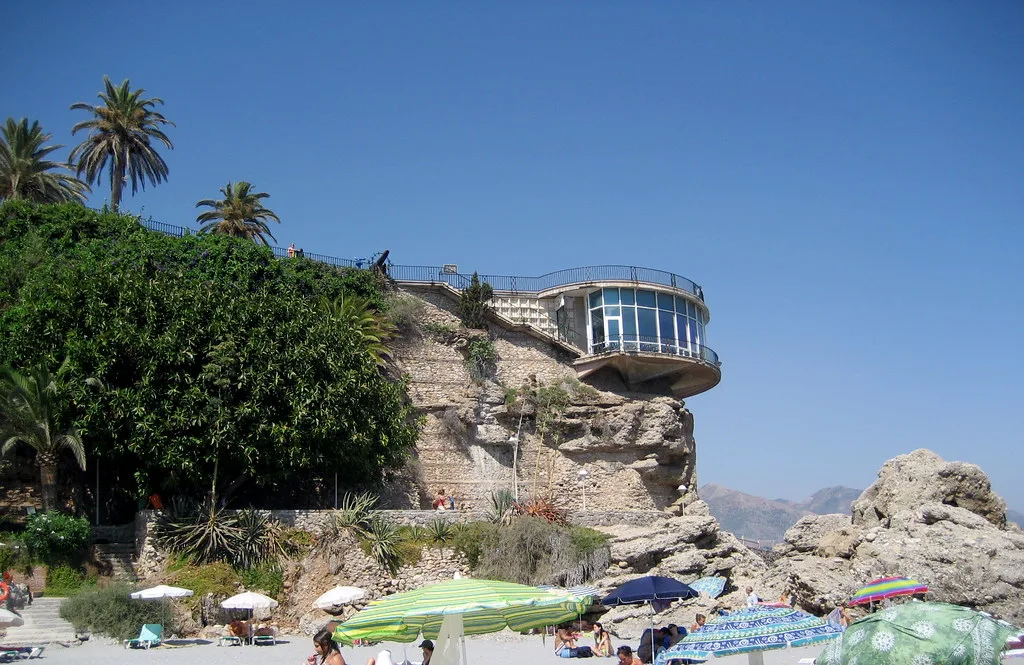
The first three weeks of March are among the quietest of the year in Nerja, with space on the viewpoints and no need to book far ahead for restaurants. That changes sharply in Holy Week, which runs the final week of March in 2027 and ends with Easter Sunday; Easter week brings Spanish visitors in volume and tightens availability across the Costa del Sol. Decide early whether you want the quiet or the atmosphere, because the two halves of the month behave like different seasons.
Hostals and apartments give you the widest choice in early March, while the Easter week itself rewards booking well ahead. Asking for rates directly by email or through a booking site is more reliable than relying on a seasonal average, since March prices swing between the quiet weeks and the holiday.
Who March Suits and Who Should Pick Another Month
March suits walkers, sightseers, photographers and anyone who wants the Costa del Sol without summer density. It also suits travelers who value a genuine local rhythm over beach time, and who are happy to plan around rain with a cave, a museum or a long lunch. Couples and solo travelers find the town easy to navigate on foot, with everything central.
Choose February instead if you want maximum quiet and do not mind cooler, wetter days; the Nerja in February comparison shows how the two months differ. Choose April if the sea matters to you, since the water warms slowly and March stays cold. If you need guaranteed warmth, look at the Canary Islands in March rather than mainland Andalusia, where the Atlantic islands deliver a more reliable version of what March promises here.
For a wider view of how the town changes across the whole season, the Nerja in December and Nerja in January guides show the quietest weeks and the winter festivals, while Christmas in Nerja, Spain covers the holiday period for anyone planning a return in a colder month.
Plan Your Visit
Book the first three weeks of March if you want quiet streets, easy tables and the freedom to change plans when rain arrives. Book the last week only if Holy Week atmosphere is the point, and reserve accommodation early because Holy Week is the busiest stretch of the month. Either way, pack for mild afternoons and cool evenings rather than for the beach.
Check the cave operator for tickets and seasonal times, and use a short-range forecast in the final days before you travel, since March averages describe typical conditions rather than your specific week. If you are still choosing between months, read the February comparison and the winter overview before you commit to dates.
Frequently Asked Questions
Can you sunbathe in Nerja in March?
Mostly no. Afternoons average around 18–20°C, which is comfortable for walking and sitting outside, but the sea averages about 16°C and the air cools quickly after sunset. A sheltered terrace is realistic; a full beach day is not.
Is March a good month to visit Nerja?
Yes, if you want mild days, quiet streets and walking weather. The first three weeks are among the calmest of the year, while Holy Week at the end of March 2027 brings a much busier town and tighter accommodation.
How warm is the sea in Nerja in March?
Around 16°C on average, which is cold for most swimmers. It suits a paddle and a seafront walk, and it is the main reason March is a sightseeing month rather than a swimming one.
Is Nerja busy in March?
Early and mid-March are quiet, with space at viewpoints and no pressure on restaurant tables. The last week changes sharply because Holy Week runs 21–28 March 2027, ending with Easter Sunday on 28 March.
Does the clock change affect a March visit?
Yes. Clocks go forward on 28 March 2027, so evenings get noticeably longer from that weekend, which is useful for late walks and outdoor dinners. Before then, plan around an earlier dusk.
What should I do in Nerja if it rains?
The Caves of Nerja are the obvious indoor option, and Málaga's museums make a solid full-day escape. In town, the old town streets and a long lunch cover a wet morning without much planning.
Sources
Winter travel notes
Optional updates when we add or revise winter guides.
You might also like
Continue reading
More guides you'll find useful