Canary Islands in January: Winter Sun and Things to Do
January in the Canary Islands brings mild days, cool evenings and low rainfall. See typical temperatures, sea conditions, crowds and what suits a winter trip.
On this page
January in the Canary Islands means mild air, bright spells and a sea that stays remarkably gentle for the time of year. This is the month when northern Europe shivers and the archipelago, barely 100 miles off the Saharan coast, keeps offering outdoor lunches and coastal walks. It suits travelers who want warmth without summer heat, low-season calm and space on the trails and promenades.
The trade-off is smaller than you might expect, but it is real: the days are shorter, evenings cool quickly, and a few overcast or rainy spells can interrupt a week. There is also a sharp split in the month, with the busy Three Kings holiday around 6 January followed by a quiet, cheaper stretch once the Spanish school holidays end. Plan around that rhythm and January becomes one of the smartest months in the Canary Islands in winter.
Weather in January
Typical January conditions across the archipelago run around 20°C (68°F) by day and 14°C (57°F) at night, with roughly 28 mm of rain spread across the month and a sea temperature near 19°C (66°F). Treat these as long-term averages rather than a forecast: a January week can deliver six flawless beach days or a couple of grey, windy ones.
Those figures are island-wide and hide a lot of local variation. South-facing coasts in Tenerife and Gran Canaria are consistently sunnier and drier than the greener north of either island, while Lanzarote and Fuerteventura see more wind. If warm afternoons matter more than dramatic scenery, base yourself on a southern coast and treat the mountains as day trips.
Sunshine and Daylight
January daylight is short by Canary standards but far longer than in northern Europe, with sunset well before seven in the evening and mornings that stay cool until the sun clears the volcanic ridges. The practical effect is that you front-load outdoor plans: hike or take a boat trip in the morning, and keep museums, old towns and long lunches for the late afternoon.
The trade winds, known locally as the Alisios, shape the weather more than anything else. They keep coastal temperatures comfortable and feed the cloud forests on the high ground, which is why the north and the interior can look green and damp while the south stays arid. Pick your base according to which of those two landscapes you actually want to wake up to.
Island by Island
Tenerife and Gran Canaria offer the most reliable winter warmth, with sheltered southern resorts and a wide choice of attractions if the weather turns. Gran Canaria adds a striking contrast: the busy capital, Las Palmas, has a long city beach at Las Canteras and a historic old quarter at Vegueta, while the interior rises to pine forest and almond groves above the clouds.
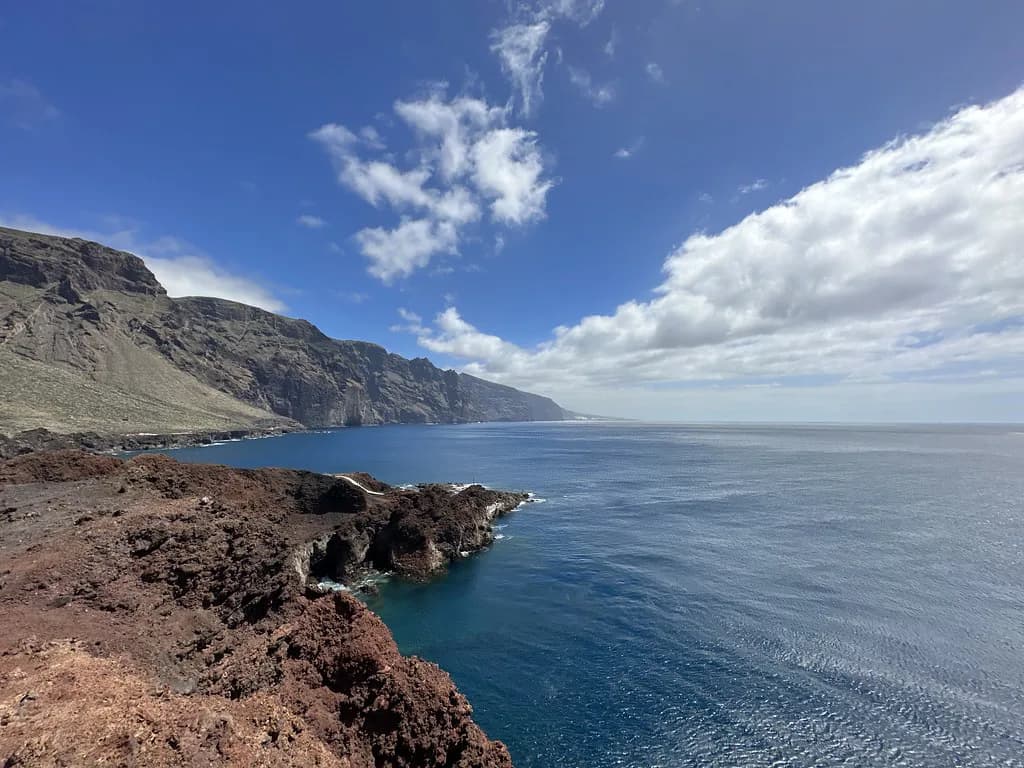
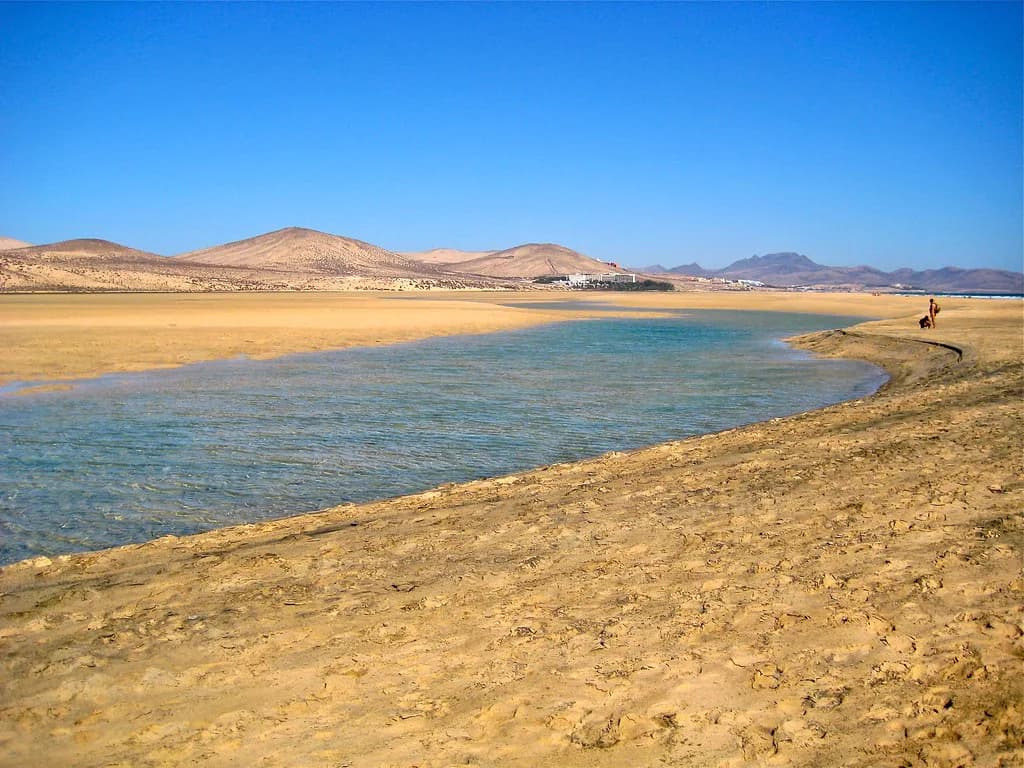
Lanzarote and Fuerteventura are windier and a touch cooler in the water, but they reward that with volcanic scenery and enormous empty beaches. The quieter western isles, La Palma, La Gomera and El Hierro, suit walkers and anyone who wants solitude, though they need a car and offer fewer family attractions. La Graciosa, reached by ferry from Lanzarote, is the smallest and calmest option of all.
Can You Swim in January?
Yes, for most people, though it is a bracing rather than balmy experience. The sea sits near 19°C (66°F) in January, which is cool but manageable for a short swim, especially in the sheltered coves of the southern coasts where the water is calmest. Hotel pools are often heated, which makes them the easier option for children.
Shelter matters more than the thermometer. At Las Canteras in Las Palmas, a natural volcanic reef called La Barra creates a calm lagoon where you can snorkel among wrasse and damselfish while Atlantic rollers break further out. Look for similar protected bays on the south coasts of Tenerife and Gran Canaria if you want to swim without fighting a swell.
What Is Open in January
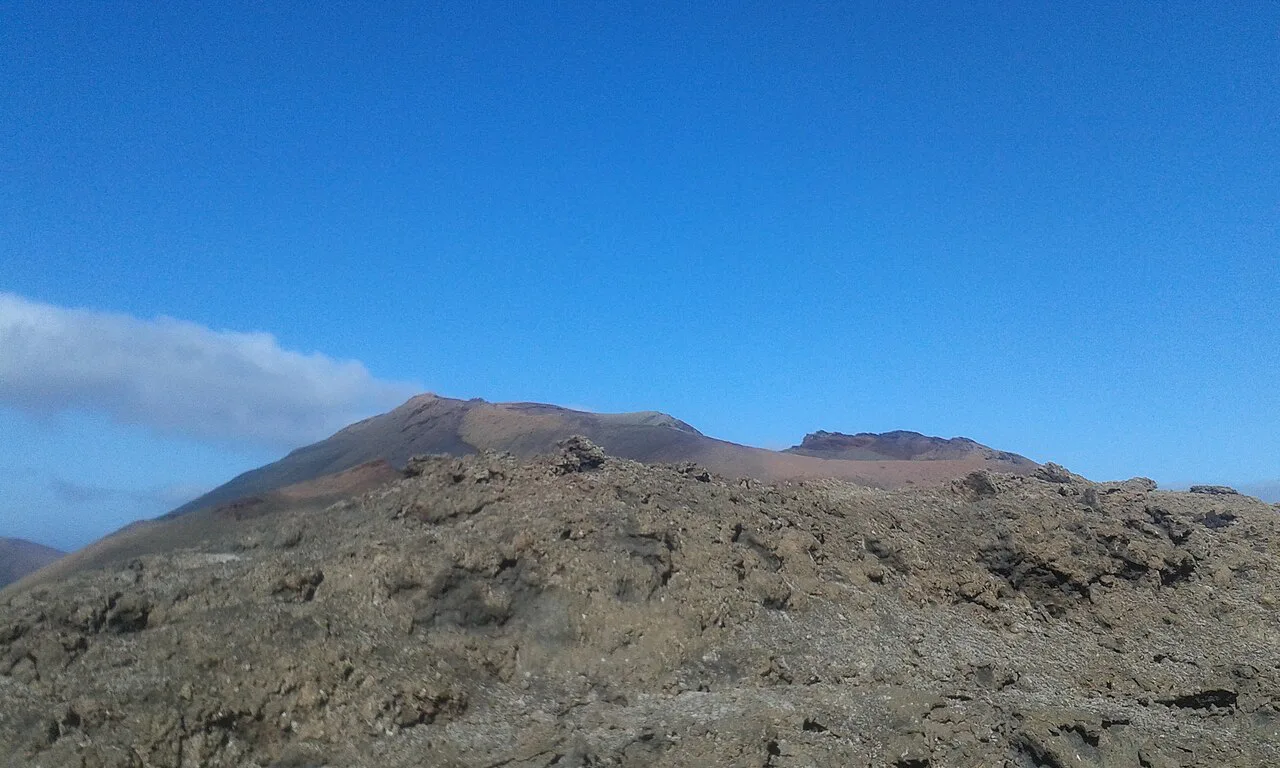
Unlike mainland Spain, where coastal resorts can feel shuttered in midwinter, the Canary Islands keep working through January. National parks such as Teide, Timanfaya and Corralejo Dunes stay open, whale-watching boats run out of the southern Tenerife ports, and the major waterparks and wildlife parks operate, though some attractions trim their hours outside the holiday weeks.
Inter-island ferries are the practical backbone of a multi-island trip and run year-round. Crossing times give a sense of what is feasible as a day trip: Playa Blanca to Corralejo takes around 25 minutes, while Tenerife to Gran Canaria runs roughly 1 hour 20 minutes to 1 hour 40 minutes depending on the route.
Three Kings and the Post-Holiday Lull
The defining date of the Spanish winter calendar is Three Kings, or Epiphany, on 6 January. In 2027 it falls on a Wednesday, and the preceding days bring processions and family gatherings across the islands, with accommodation and ferries busiest around that window. Book the first week of January early and expect inflated rates.
Once the holiday ends, the archipelago empties out quickly. The second half of January is one of the quietest and cheapest stretches of the year, with fewer crowds on the beaches and easier tables at restaurants. If you are flexible, arriving after about 10 January gets you the same weather with a fraction of the company.
Things to Do
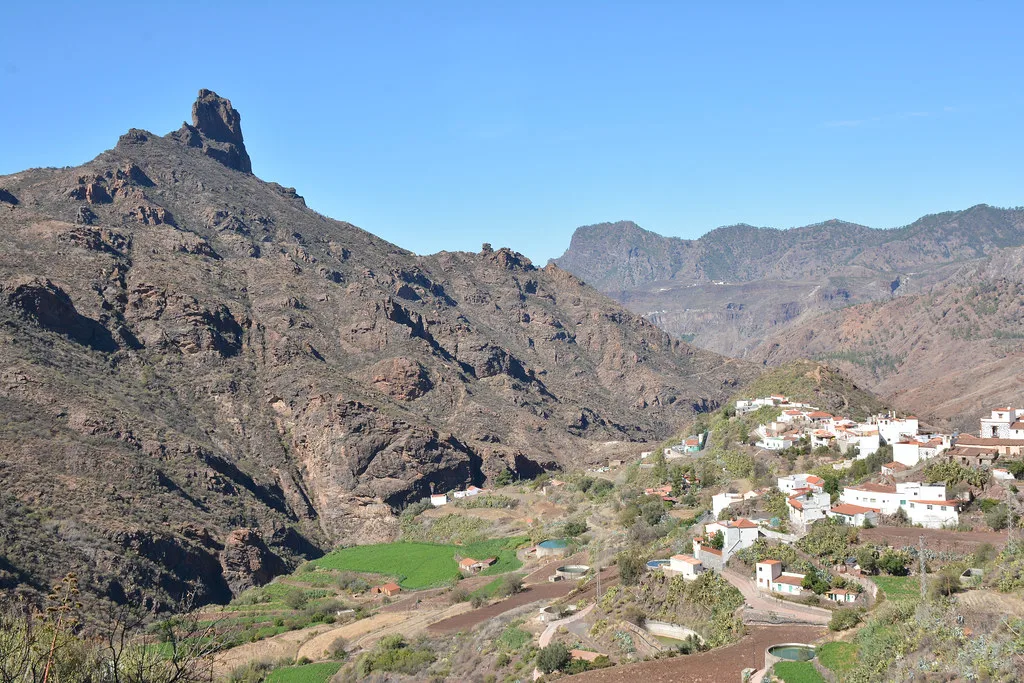
Hike the high ground. Gran Canaria's interior is a network of dramatic gorges and flower-filled villages, with almond blossom on the slopes and cloud forest near the summit of Pico de las Nieves, which reaches 6,390 feet and makes a cool, clear contrast to the coast. Bring a windproof layer, as the interior is noticeably colder than the beaches.
Spend a city day in Las Palmas, where the Vegueta quarter holds the Columbus-linked history and the seafront fills with promenaders each evening. Alternatively, go whale watching off southern Tenerife, walk the volcanic landscapes of Timanfaya on Lanzarote, or drive the dunes at Corralejo on Fuerteventura. All of these work well in mild winter temperatures that never become exhausting.
For families, the big attractions are open and far less crowded than in summer. Siam Park and Loro Parque on Tenerife, Palmitos Park on Gran Canaria and the wildlife parks on Lanzarote and Fuerteventura all make easy full-day outings, and queues are shorter outside the Three Kings week.
Crowds and Prices
January splits neatly into two price seasons. The first week, around New Year and Three Kings, is the peak of the winter, with the highest demand for flights and rooms. From mid-January onward the islands settle into low season, and the second half of the month is among the best-value windows of the year.
Think of January as a month of careful sequencing rather than a single experience. If you want festive atmosphere and don't mind paying for it, go early; if you want quiet beaches, cheap flights and empty trails, go after the tenth. The weather is broadly the same, so the choice is about crowds and cost rather than sun.
Who January Suits, and Who Should Wait
January is ideal for walkers, couples, retirees and remote workers who want mild air, low prices and space. It is also good for families with young children who can travel outside school holidays, since attractions stay open but queues shrink. Anyone chasing guaranteed hot beach weather should look at the Canary Islands in February instead, when daytime temperatures edge slightly higher and the sea begins to warm.
If you need long, hot days and reliably calm water, wait until spring. Travelers who want consistently dry, sunny weather should also favor the south coasts over the northern and western islands, and anyone planning a multi-island itinerary should build in a buffer day for a windy ferry crossing. If you would rather trade island hopping for a single mainland base, Mallorca in January offers a quieter Mediterranean alternative.
Taking a Dog to the Canaries in January
For travellers who want mild winter sunshine, November to February are excellent months in the Canary Islands, and winter months like November, January and February often have the lowest prices, provided you avoid Christmas and New Year. That combination of comfortable weather and fewer crowds is the same draw for anyone planning a trip with a dog, since January is one of the cheapest months of the year, with warm winter sun and fewer crowds after New Year. Daytime temperatures in January average around 20°C, night temperatures sit around 14°C, rainfall is about 28mm and the sea is around 19°C, so walks and time outdoors remain realistic rather than being limited by heat or storms.
Where you base yourself matters as much as the month. Las Palmas on Gran Canaria is a city of nearly 400,000 people, one of the 10 biggest cities in all of Spain and the largest European Community city outside Europe, so a dog-friendly stay there means an urban setting rather than a resort one. The city's evening life centres on Las Canteras, the large beach where the population decants at weekends and in the evenings to promenade along the seafront, and the beach holds Blue Flag status, an international hallmark of water quality and environmental management. La Barra, the natural volcanic reef that acts as a giant breakwater, creates a tranquil lagoon where you can snorkel in January while the Atlantic rollers crash a few hundred yards out. Away from the city, Gran Canaria is called the "miniature continent" for its array of climates and landscapes, with hiking routes that rise to Pico de Las Nieves at 6,390 feet, giving January visitors a range of terrain to choose from on days when the coast is busy.
If you are weighing islands, note that Tenerife and Gran Canaria tend to offer the warmest weather especially in the winter months, while Lanzarote and Fuerteventura are windier. For a January trip with a dog, that difference is worth factoring into which island you pick and how much time you plan to spend outdoors.
Plan Your Visit
January rewards travelers who accept the Canary Islands on their own winter terms: mild rather than hot, bright rather than blazing, quiet rather than buzzing. Choose a south-coast base for sun, plan outdoor activities for the morning and keep an indoor option in reserve, and you will see the archipelago at its most relaxed and affordable.
Book around Three Kings rather than through it, confirm ferry routes and attraction hours before you commit to a day trip, and leave room for a spontaneous swim in a sheltered bay. Do that, and January becomes one of the most rewarding months to see these islands.
Explore more Canary Islands winter guides
Frequently Asked Questions
Which Canary Island is the hottest in January?
Tenerife and Gran Canaria are generally the warmest, particularly along their south coasts, where shelter from the trade winds keeps afternoons mild and sunny. Lanzarote and Fuerteventura are a little cooler and noticeably windier, while the western isles are greener and wetter.
Can you swim in the Canary Islands in January?
Yes, though the water is refreshing rather than warm, with a typical sea temperature around 19°C (66°F). Sheltered bays and lagoons, such as the reef-protected stretch at Las Canteras, make it easier, and heated hotel pools are a good alternative for children.
Is Fuerteventura or Lanzarote warmer in January?
The two are close, and both are windier than Tenerife or Gran Canaria. Fuerteventura tends to feel drier and more exposed, while Lanzarote's sheltered southern resorts such as Playa Blanca offer calmer conditions. Neither matches the reliable winter warmth of the southern coasts of the two largest islands.
Is it worth visiting the Canary Islands in January?
For most travelers, yes. You get mild daytime temperatures, an open tourist infrastructure, low prices after the first week and far fewer people than in summer. The compromises are shorter days, cool evenings and the occasional rainy or windy spell.
How warm is the sea in the Canary Islands in January?
The average sea temperature is around 19°C (66°F), cool enough to be bracing for a long swim but comfortable for a quick dip or snorkel. Sheltered coves and lagoons are noticeably calmer than exposed Atlantic beaches.
Sources
Winter travel notes
Optional updates when we add or revise winter guides.
You might also like
Continue reading
More guides you'll find useful