Canary Islands in December: Winter Sun and What to Expect
Canary Islands in December means mild days, cooler evenings and a quiet week before Christmas. Here is what the weather, crowds and each island feel like.
On this page
December in the Canary Islands is a mild, bright month rather than a hot one, and that distinction shapes the whole trip. Coastal days are comfortable for walking, sightseeing and sitting outside, while evenings and higher ground call for a jacket. It suits travelers who want European winter sun without extreme heat, and it rewards anyone willing to mix beach time with volcanic landscapes and island towns.
The month splits into two quite different trips. The first three weeks are calm, with easy restaurant tables and softer rates, while the Christmas and New Year period brings Spanish holidaymakers, higher demand and a livelier atmosphere. Choosing between them is the single biggest decision you will make before booking.
What December Is Like in the Canary Islands
The islands sit off the west coast of Africa, which keeps them warm through the European winter. Typical winter conditions hover around 20°C (68°F), warm enough for beach days and outdoor activity, as one winter-escape account describes. Treat that as a seasonal average rather than a promise for every hour of your trip.
The variable that catches visitors out is not the coast but elevation and wind. A town like Vilaflor, the highest village in Tenerife, sits far above the beaches and feels distinctly cooler, while exposed coasts can be breezy even on sunny afternoons. Plan a coastal day and a mountain day separately so you are not dressed for the beach at 2,000 meters.
For a wider view of how the season behaves across the archipelago, the Canary Islands in winter overview puts December alongside the other winter months. It helps to read it before you fix dates, because the differences between early December and the holiday weeks matter more than the temperature gap.
December Weather by Island
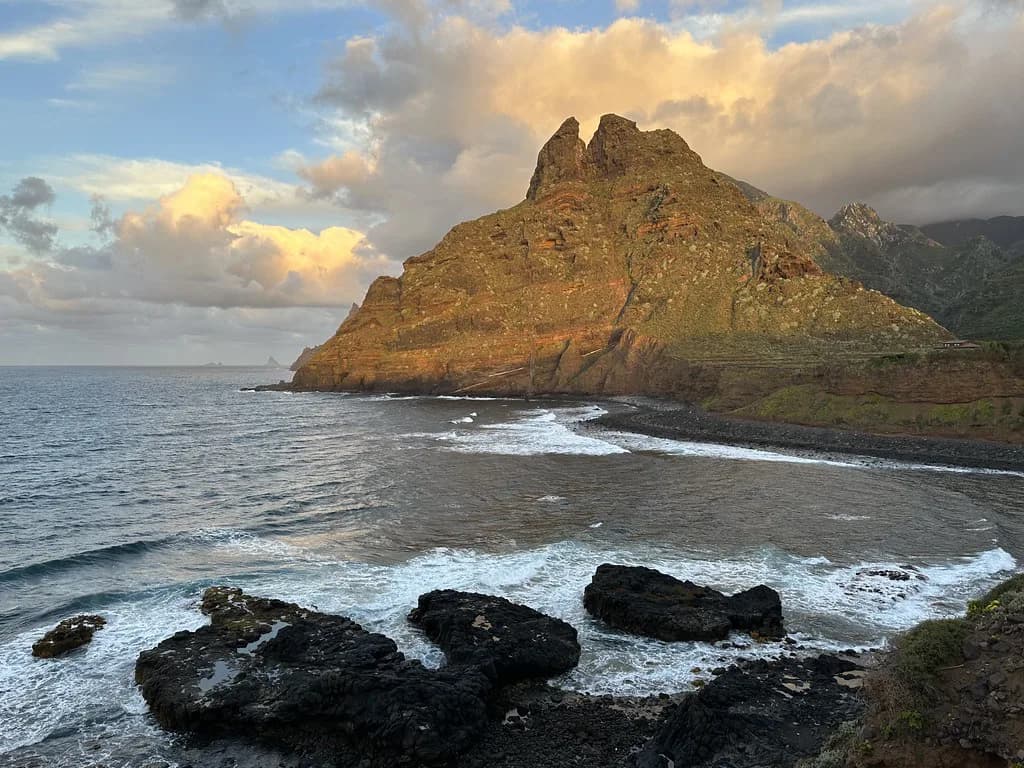
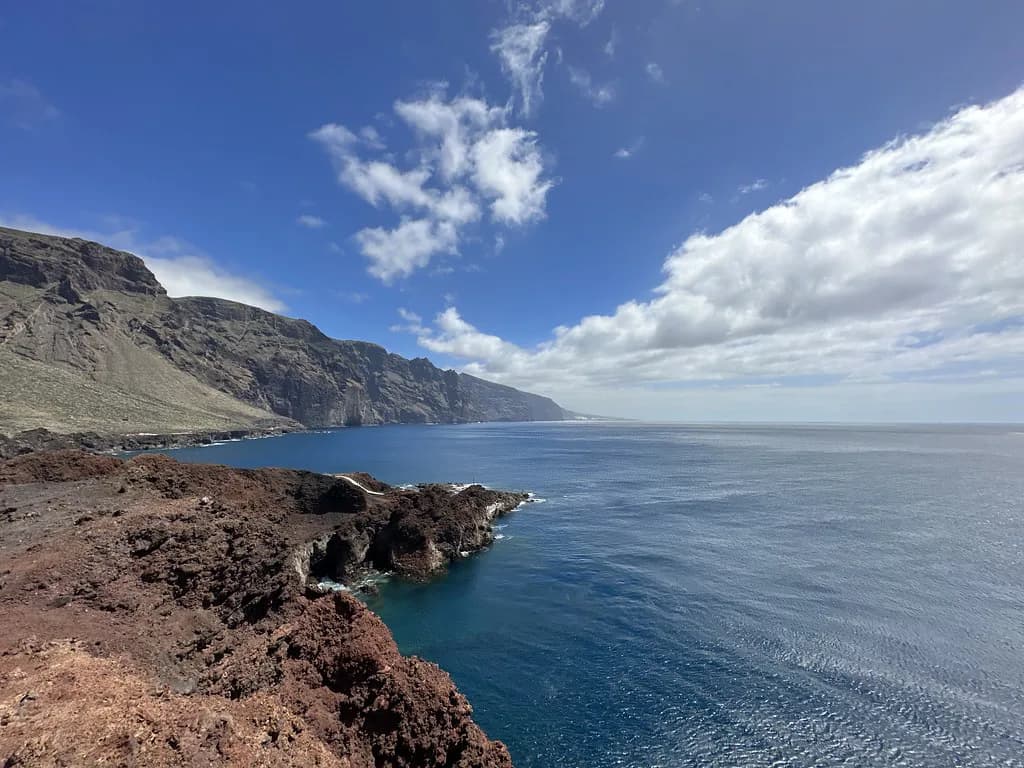
Each island has its own microclimate, and December exposes the differences. Tenerife pairs warm southern resorts with a cool, high interior around Mount Teide, Spain's highest peak. Gran Canaria combines golden beaches with green mountains, so you can go from sand to cloud forest in a single day.
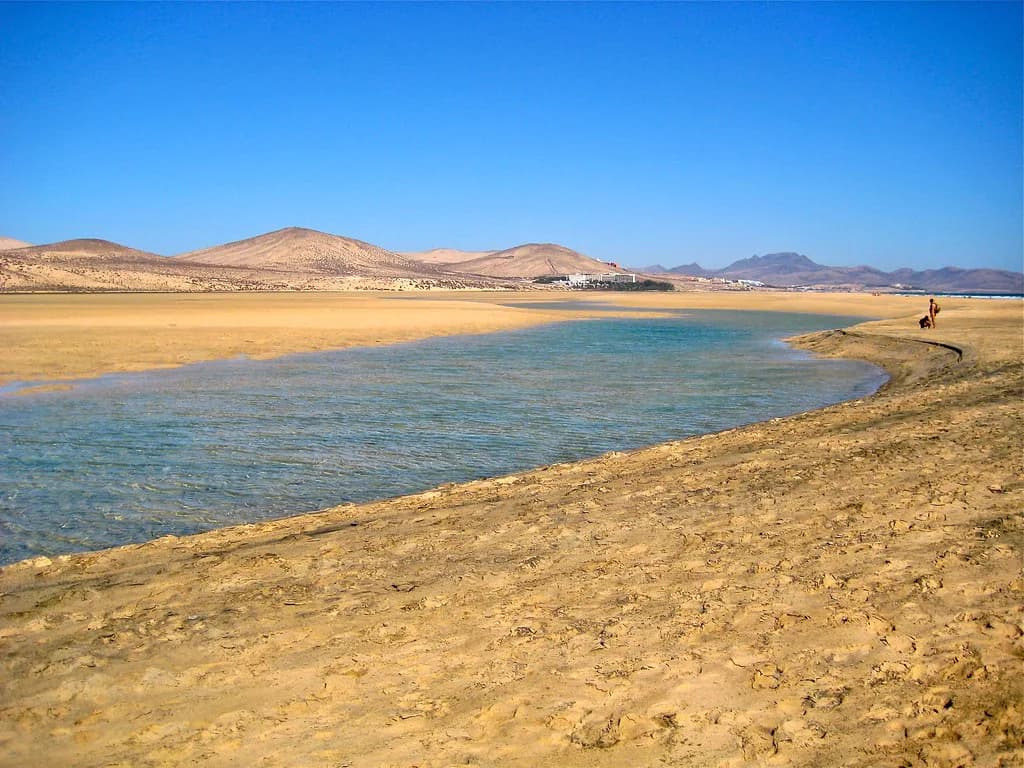
Lanzarote and Fuerteventura, the eastern islands, are flatter and more exposed, which means more wind and a drier, starker volcanic look. Fuerteventura's long white beaches are the obvious draw for walkers and watersports, though December wind makes it better for kitesurfing than for lying still. La Palma, the greenest and most mountainous, rewards hikers but feels cooler and wetter at altitude.
Because conditions vary so much between the coast and the interior, treat any single island-wide forecast with caution. Check the Spanish national weather service, AEMET, for the specific municipality you will be in, and use its long-term climate figures to set expectations rather than to plan hour by hour.
Rainfall, Sunshine and Daylight in December
December is one of the wetter months in the Canary Islands, though rain usually arrives as short showers rather than days of steady drizzle. The northern sides of the mountainous islands catch more cloud and rain than the sheltered southern resorts, which is why Tenerife's south is the classic winter base. Check AEMET's climate records for the rainfall and sunshine averages of the island and coast you have chosen.
Days are short by Canary standards, and December contains the shortest daylight of the year around the winter solstice. Sunset comes early enough that you should plan outdoor sights and walks for the morning and early afternoon, leaving evenings for towns, restaurants and indoor attractions. Sunrise and sunset times shift by only a few minutes across the month, so a single set of times for your dates is enough to plan around.
Sea Temperature and Swimming in December
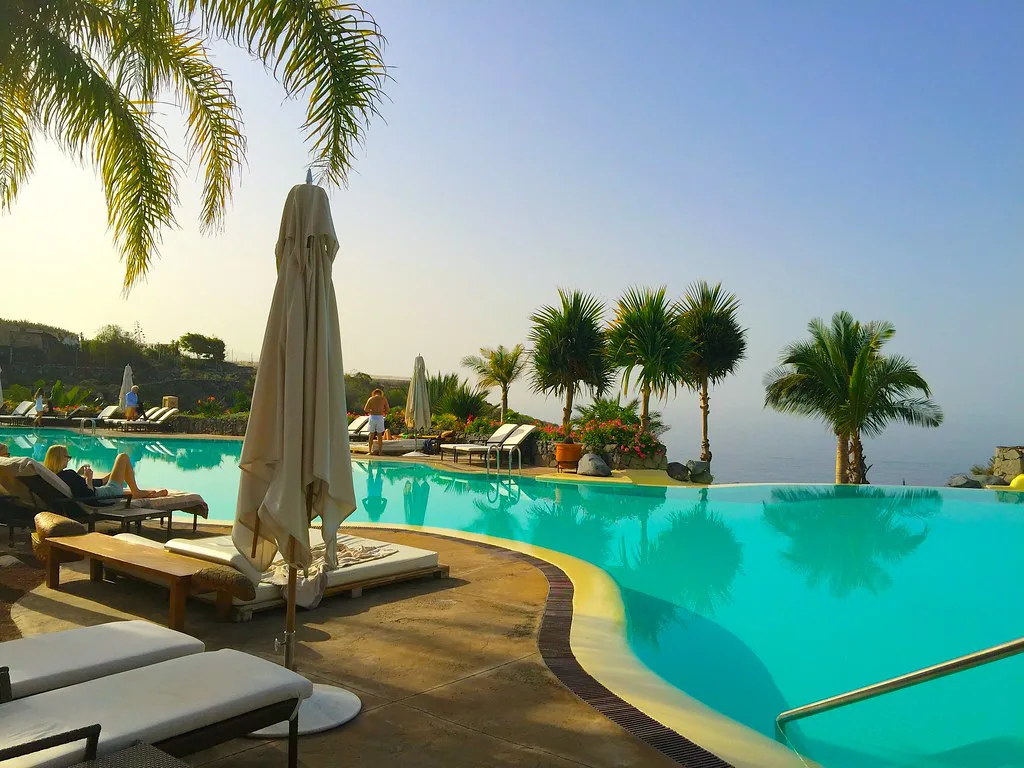
The Atlantic around the Canaries is cooler in December than in summer, and most people find it bracing rather than balmy. Swimmers tend to be short and purposeful, and sheltered southern coves are more comfortable than exposed northern beaches. The sheltered southern resorts of Tenerife, including Playa de las Américas and Costa Adeje, are where most winter swimming happens.
If water temperature is central to your trip, look up the sea-temperature averages for your specific island before booking; they vary around the archipelago and are published by marine and meteorological services. Pair that with the air temperature and wind forecast for the same week, since a warm afternoon with a stiff breeze still feels cool on wet skin.
What Closes or Slows Down in December
December is low season for some tourism infrastructure but not for the islands as a whole. Visitor attractions tend to keep regular hours through the month, with reduced schedules possible on the public holidays, so an operator's own site is the place to look for the days you plan to visit. Do not assume a summer timetable carries over unchanged into the holiday weeks.
Some seasonal businesses in quieter resorts take their annual break in the weeks before Christmas, which can mean fewer restaurant choices in smaller coastal towns. Larger resorts and island capitals such as Santa Cruz de Tenerife and Las Palmas keep a fuller range of options. If a particular restaurant or excursion matters to you, ask the business directly whether it runs in early December.
What Stays Open All Winter
The major draws run year-round. Mount Teide and Timanfaya National Park remain the headline landscapes of Tenerife and Lanzarote respectively, and hiking and guided excursions continue through the winter months. Vilaflor's highland setting and Tenerife's vineyards also stay on the map beyond the summer season.
Island life carries on normally for residents, so markets, town centers, museums and the capitals' cultural programs continue in December. That makes the month good for a mixed itinerary of coastline, towns and volcanic scenery rather than a beach-only stay. Organized tours, including multi-day island itineraries, are listed for December departures by operators such as TourRadar.
Christmas Eve and Christmas Day
In 2026, Christmas Day falls on Friday 25 December, with Christmas Eve the day before. Spanish Christmas is centered on the evening of the 24th and family meals, so expect many restaurants to run special menus and to require booking well ahead. Smaller shops and some attractions may keep holiday hours on the 25th.
If the holiday week is the reason for your trip, the Christmas in the Canary Islands guide covers the festive period in more depth. Planning Christmas Eve and Christmas Day meals early matters more than any other December booking.
New Year's Eve in the Canary Islands
New Year's Day 2027 is a Friday, which makes the run from Christmas to the New Year a single long holiday block. Spanish New Year's Eve centers on the midnight grape ritual and family and street celebrations, and island capitals and resort towns both stage their own versions. Restaurant and hotel demand peaks in this week.
For a detailed look at how the night runs across the islands, the New Year's Eve in the Canary Islands guide is the relevant read. Expect the week between Christmas and New Year to be the busiest and most expensive of the month.
Epiphany on Wednesday 6 January 2027 is the traditional end of the Spanish Christmas season and a public holiday. If your trip spans it, treat the days around it as holiday time with adjusted opening hours rather than normal working days.
Things to Do on a December Trip
December suits outdoor activity that keeps you moving. Hiking, surfing and windsurfing in Fuerteventura, exploring volcanic parks in Lanzarote, and driving between the diverse landscapes of Gran Canaria all work well in mild winter temperatures. The islands are compact enough that you can cover a lot of ground in a single day.
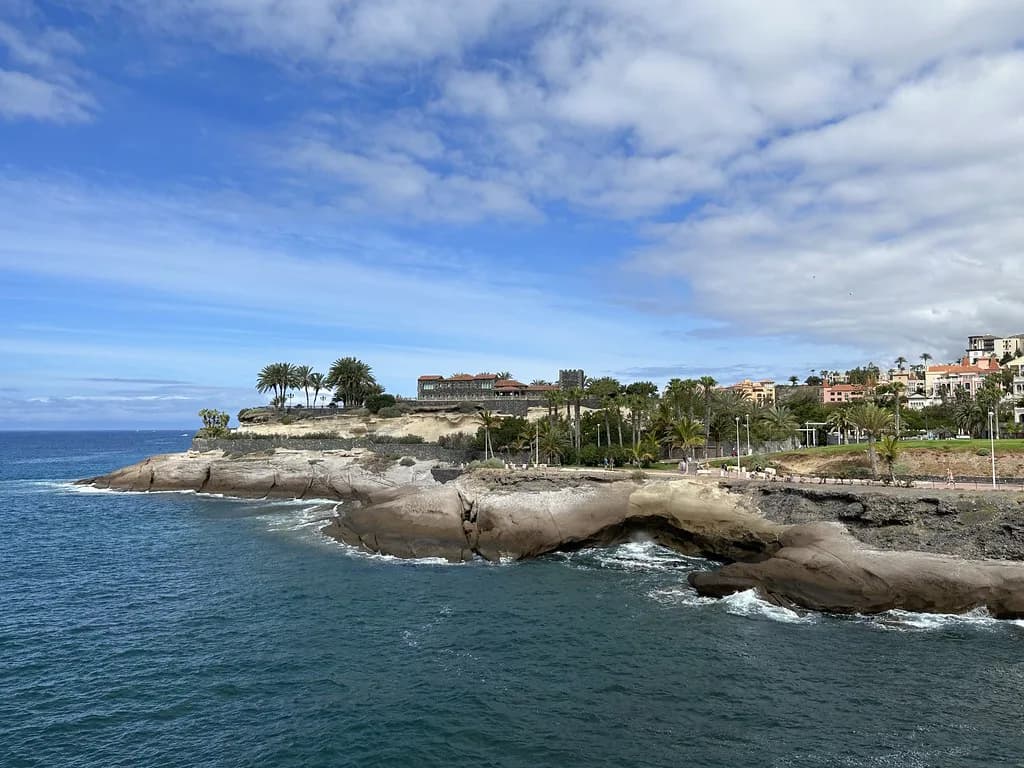
For coastline without committing to hours on a lounger, the long promenades linking Playa de las Américas with Costa Adeje and Los Cristianos in Tenerife make an easy winter walk. In Gran Canaria, the seafront promenade at Las Canteras in Las Palmas is a good city alternative when the wind picks up.
Christmas markets and festive lights appear in the island capitals and larger towns in December. One evening at a market or a lit-up town square is enough to set the tone; the islands' appeal in winter is the outdoors, not a market trail.
Hiking Mount Teide and Timanfaya in Winter
Mount Teide sits high enough that winter conditions differ sharply from the coast below. Snow can appear on the summit, and the air is thin and cold even on clear days, so plan the visit for the warmest part of the day and take layers seriously. Access to the summit area and the cable car is run by the park's own operator, which publishes current conditions and schedules.
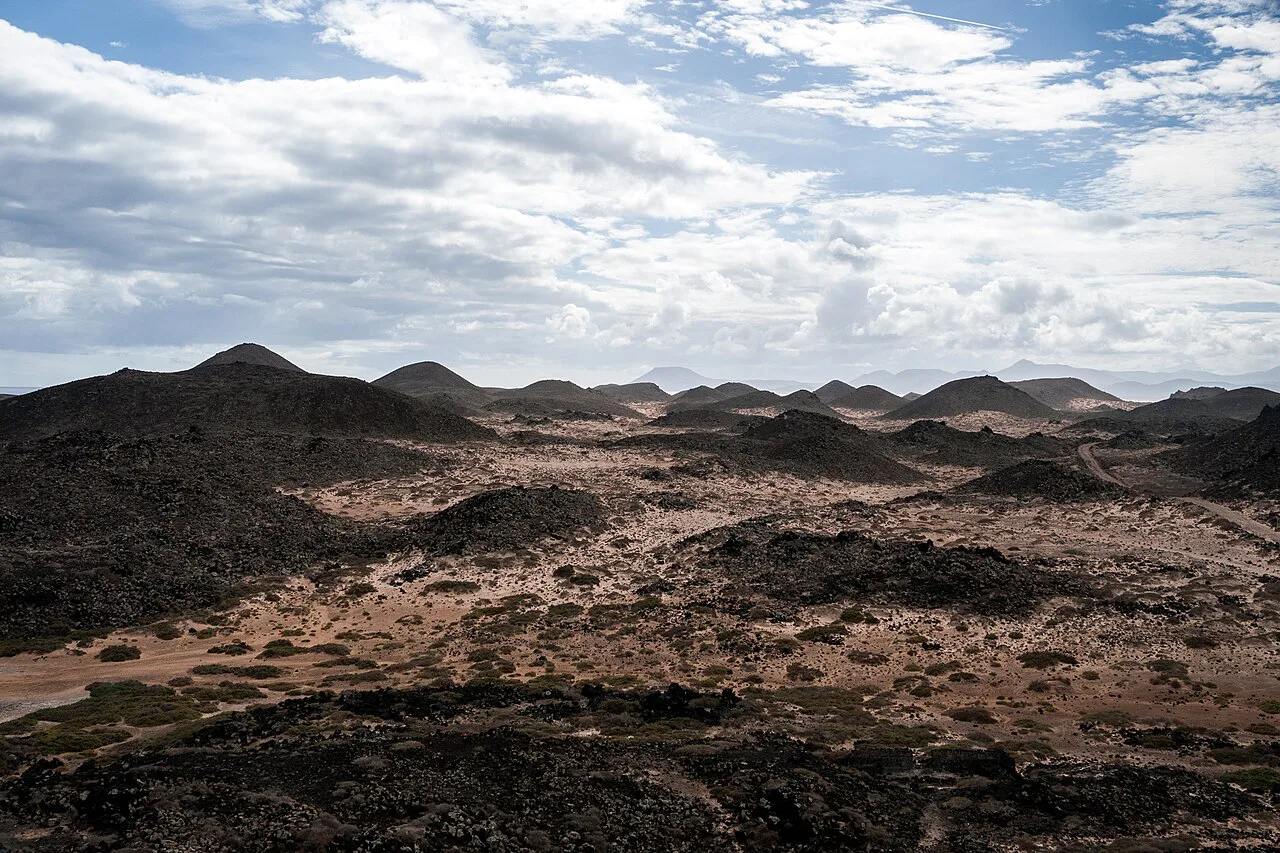
Timanfaya in Lanzarote is a different proposition: low, volcanic and often windy, with guided bus routes through the park rather than open walking. Check the park's official visitor information for the day you plan to go, since wind can affect operations. Both landscapes reward an early start when daylight is short.
If you are weighing islands for hiking, the February guide shows how the same trails behave later in the winter. December brings shorter days and a higher chance of summit snow on Teide, while movement in the other direction toward January works for travelers who want slightly longer daylight.
Day Trips That Work in December
The islands are small enough for meaningful day trips from any base. From Tenerife's southern resorts you can reach Vilaflor and the Teide foothills, or head north to the vineyards and the capital, Santa Cruz de Tenerife. From Lanzarote, the volcanic landscapes of Timanfaya and the north of the island make a full day out.
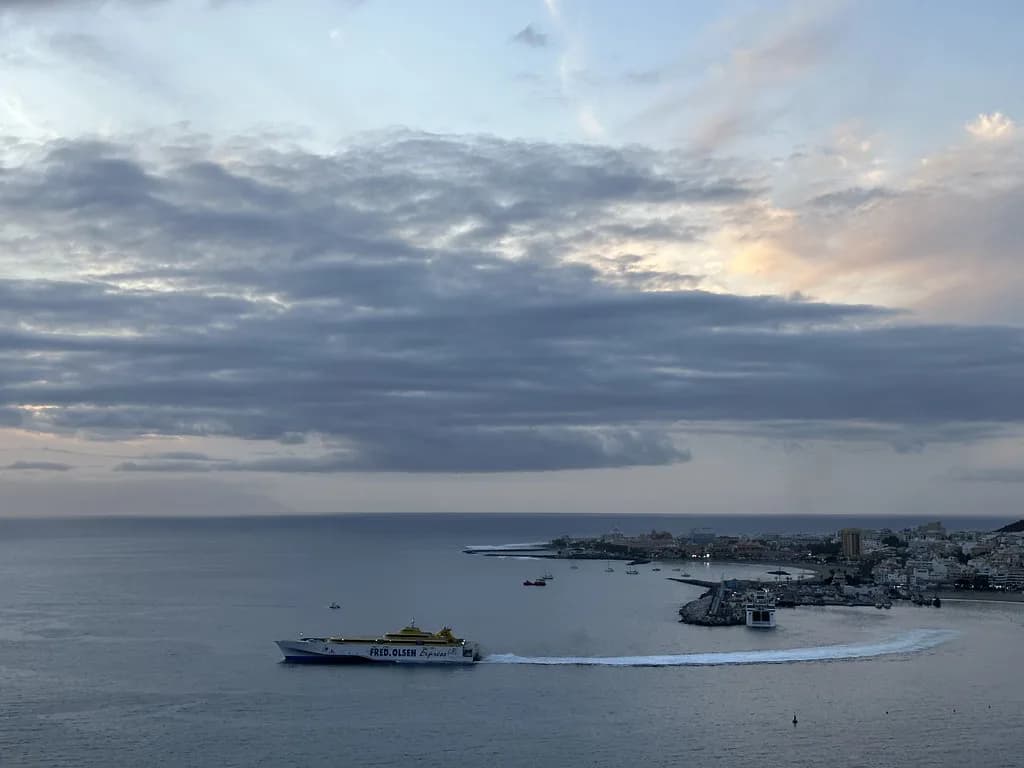
Sailing or cruising between islands is one way to sample several landscapes, and tour operators publish December itineraries that combine islands. Independent travelers can also take inter-island ferries, but in December schedules matter, so check the ferry company's own timetable for the day you need instead of relying on summer frequencies.
Which Island Suits Which Traveler
First-time visitors who want variety should base themselves in Tenerife, which combines warm southern resorts, high mountains and a lively capital. Travelers who want long beaches and wind-driven watersports should look at Fuerteventura, while hikers and green landscapes point to La Palma. Lanzarote suits anyone drawn to volcanic scenery, and Gran Canaria is the all-rounder, with golden beaches and green mountains in easy reach.
If you need a specific island for a December week, traveler discussions such as this one on which Canary Island is best for December are a reasonable place to compare experiences. Use them for impressions, then check practical details such as ferry times and opening hours with the island's tourism office as your dates approach.
Crowds and Prices in Early vs Late December
Early December is quiet, and that is its advantage: easier restaurant tables, softer hotel rates and unhurried sights. The trade-off is that some seasonal businesses are winding down or taking their break, and the atmosphere in resorts can feel flat. Late December flips all of that, with full hotels, festive energy and prices at their peak.
No source quotes December rates here, so treat any figure you see as specific to the hotel, dates and booking window. Compare the first week of the month with the Christmas-to-New-Year week directly on the same booking site to see the gap for yourself.
Who December Suits and Who Should Wait
December suits travelers who want mild winter sun, are happy to layer up in the evenings, and value quiet streets and easy bookings in the first three weeks. It is a strong month for walkers, hikers, watersports enthusiasts and anyone combining coast and volcanoes. Couples and older travelers find the mild temperatures and low early-month crowds particularly comfortable.
Travelers who need guaranteed hot beach weather should wait: December is mild, not tropical, and the sea is cool. If long, hot days by the water are the whole point, later spring or summer fits better. Anyone planning the holiday week should also accept Christmas and New Year as the busiest and priciest time of the winter.
Getting Around Between the Islands in December
Inter-island ferries and flights connect the archipelago, but December schedules are not summer schedules. Check the ferry operator's own timetable for your route and date rather than relying on older information, and allow extra time around the public holidays. Hiring a car on each island is the most flexible way to see the landscapes at your own pace.
For a sense of how transport and conditions change month by month, the Canary Islands in March and Canary Islands in November guides both sit on either side of this season. If you are set on the festive weeks, reading the Christmas and New Year material before fixing transport is the sensible order.
Plan Your December Trip
December in the Canary Islands is a mild, varied winter trip, not a guaranteed hot beach holiday. Pick early December for quiet and value, or the holiday weeks for festive atmosphere and full hotels, and choose your island by landscape rather than temperature. Layer clothing for cooler evenings and higher ground, and plan around the short daylight.
If December's mix of mild air and cool sea does not fit, the Málaga in December guide covers a nearby mainland alternative on the Costa del Sol, and Mallorca in December shows a quieter island winter farther north. Compare those with the Canary winter overview before you commit.
Frequently Asked Questions
What is the weather like in the Canary Islands in December?
December is mild winter sun rather than heat: coastal days around 20°C (68°F) are typical, with cooler evenings and much cooler air on high ground such as Mount Teide. Rain falls as short showers, mostly on the northern sides of the mountainous islands. Treat figures as seasonal averages and check AEMET for the specific island and coast you are visiting.
Is it warm enough to swim in the Canary Islands in December?
Most people find the Atlantic cool rather than warm in December, and swims are usually short. Sheltered southern coves in Tenerife are the most comfortable, while exposed northern beaches feel brisker. Look up the sea-temperature average for your specific island before deciding how much swimming to plan.
Which Canary Island is best in December?
Tenerife offers the most variety, pairing warm southern resorts with Mount Teide and a lively capital. Gran Canaria is the all-rounder with beaches and mountains, Fuerteventura suits wind and watersports, Lanzarote has the volcanic landscapes, and La Palma is best for hikers. Match the island to what you want rather than to temperature, which is fairly similar across the archipelago.
Are the Canary Islands expensive in December?
Early December is one of the quieter and better-value periods, with softer rates and easy restaurant tables. The Christmas and New Year weeks are the busiest and priciest of the month, when hotels and restaurants fill up. Compare the first week with the holiday week directly on a booking site to see the difference for your dates.
Is December a good time to visit the Canary Islands?
Yes, if you want mild winter sun rather than hot beach weather. December suits walkers, hikers, watersports enthusiasts and anyone combining coast and volcanic scenery, and early December is calm and unhurried. Travelers who need guaranteed heat and warm sea should wait for spring or summer.
What is open in the Canary Islands in December?
Major landscapes such as Mount Teide and Timanfaya National Park operate through the winter, and island towns, markets and capitals keep normal programs. Some seasonal businesses in smaller resorts take their annual break before Christmas. Check the relevant park or operator for the day you plan to visit.
Do I need to book restaurants over Christmas and New Year in the Canary Islands?
Yes, booking ahead matters most for Christmas Eve and the New Year's Eve week, when Spanish families fill restaurants for special menus. Christmas Day itself can see reduced hours at smaller venues. Reserve as soon as your plans are fixed.
Sources
Winter travel notes
Optional updates when we add or revise winter guides.
You might also like
Continue reading
More guides you'll find useful