New Year's Eve in Canary Islands: Where to Celebrate
New Year's Eve in the Canary Islands means mild outdoor weather, midnight grapes and island-specific parties. Compare Tenerife, Gran Canaria and Fuerteventura.
On this page
New Year's Eve in the Canary Islands falls in the middle of a mild Atlantic winter, so the last night of the year happens outdoors rather than behind closed windows. You can eat the twelve grapes at midnight in a town square, on a beach promenade or at a hotel gala dinner, and still walk home in a light jacket. That combination of Spanish tradition and dependable winter warmth is why the archipelago draws both families and late-night crowds.
The choice that shapes your trip is the island, not the party. Tenerife brings the biggest resort concentration and a daytime road race, Gran Canaria offers a capital city night plus southern resort programmes, and Fuerteventura keeps things quieter. Each island has its own rhythm on 31 December, so pick the night you actually want, then plan around it.
Why the Canary Islands Work for New Year's Eve
The archipelago sits far enough south that late December often behaves like a mild spring day rather than a European winter one. Tenerife in particular is nicknamed the Island of Eternal Spring, and daytime temperatures in December are quoted around 23°C (73°F), warm enough for sightseeing, hiking and time by a pool without heavy winter layers. Treat that as a typical figure rather than a promise for your specific dates.
The other half of the appeal is cultural: 31 December here is a Spanish night, not a British club night. Families eat dinner late, gather around a clock or a television feed from Madrid, and see in the year with cava and sweets such as turrón. If you have been weighing up New Year's Eve in Spain on the mainland, the Canaries give you the same traditions with a much better chance of spending the evening outside.
Weather is not uniform across the islands or even within one island. Coastal resorts stay mild while Mount Teide can hold snow in winter, so a single trip can combine a beach walk with a volcanic landscape. Packing for both is the practical consequence, and the broader Canary Islands in winter guide sets out how conditions shift from month to month.
The 12 Grapes and the Spanish Traditions You Will See
The centrepiece of the night is the twelve grapes: one for each chime of the clock at midnight, eaten quickly and meant to bring luck for each month of the coming year. The custom is followed across Tenerife and the other islands, in homes, hotel dining rooms and public squares alike. Other habits include wearing red underwear for love and luck and toasting with cava.
Food carries as much weight as the clock. Canarian tables lean on fresh seafood, papas arrugadas with mojo, and volcanic wines from growing areas such as La Orotava and Tacoronte-Acentejo on Tenerife. Hotel and restaurant gala dinners build on those local products, so the evening often starts with a long meal before the grapes are even unwrapped.
If you are travelling with children or with relatives who do not want a late night, plan around the meal and the midnight countdown rather than the hours after. Hotels on the islands routinely lay on family entertainment during the afternoon and early evening of 31 December, which lets adults get ready for dinner while younger guests are occupied.
Tenerife: The South Coast Party and the San Silvestre Race
Tenerife concentrates its New Year's Eve energy on the south coast, from Playa de las Américas to Costa Adeje. Clubs in those resorts run themed parties with DJs, cava and dancing, while town squares host open-air gatherings with music, food and fireworks. Choose the resort strip for a late night and a village square for something closer to a local street party.
If you would rather run into the new year than dance into it, the San Silvestre Golden Mile Playa de Las Américas takes place annually in the neighbouring municipality of Arona, just a few minutes from Adeje. Visitors can register, and the race draws participants from several countries. It is a good fit for anyone who wants an early, energetic celebration before dinner.
Resort hotels on Tenerife typically build the night into a package: a gala dinner, live music, a show and access to spa or pool areas during the day. These are bookable events with their own terms, so ask the hotel what is included when you reserve; a room rate alone rarely covers the gala. Away from the resorts, Tenerife's historic towns and Teide National Park give you reasons to extend the trip before or after the holiday.
Gran Canaria: Las Canteras in Las Palmas and the Southern Resorts
Las Palmas de Gran Canaria offers the most urban version of the night in the archipelago. The capital brings together restaurants, shopping streets and walking areas, and Las Canteras Beach is the emblematic spot to eat the twelve grapes beside the Atlantic, watch fireworks and start January with the sound of the ocean. It is a lively, city-based evening rather than a resort one.
In the south, Meloneras, Maspalomas and San Agustín form the resort belt. Hotels and restaurants there prepare special dinners and night programmes, and the seafront promenade near the Maspalomas dunes makes an easy New Year's Day walk. San Agustín is quieter than its neighbours but still close to beaches and leisure areas if you want to see out the year without big crowds.
Demand on these dates is higher than in a normal low-season week, especially around Maspalomas, Meloneras and Las Palmas. Lopesan advises booking early and asking explicitly whether a hotel includes a special dinner or a festive programme in the rate. That single question prevents the common disappointment of arriving to find the gala is a separate, sold-out add-on.
If you are still choosing dates around the holiday, January is calmer and cheaper once the Epiphany celebrations finish, and the Canary Islands in January guide covers what stays open in that quieter stretch.
Fuerteventura: A Quieter Night in Corralejo, Puerto del Rosario and Morro Jable
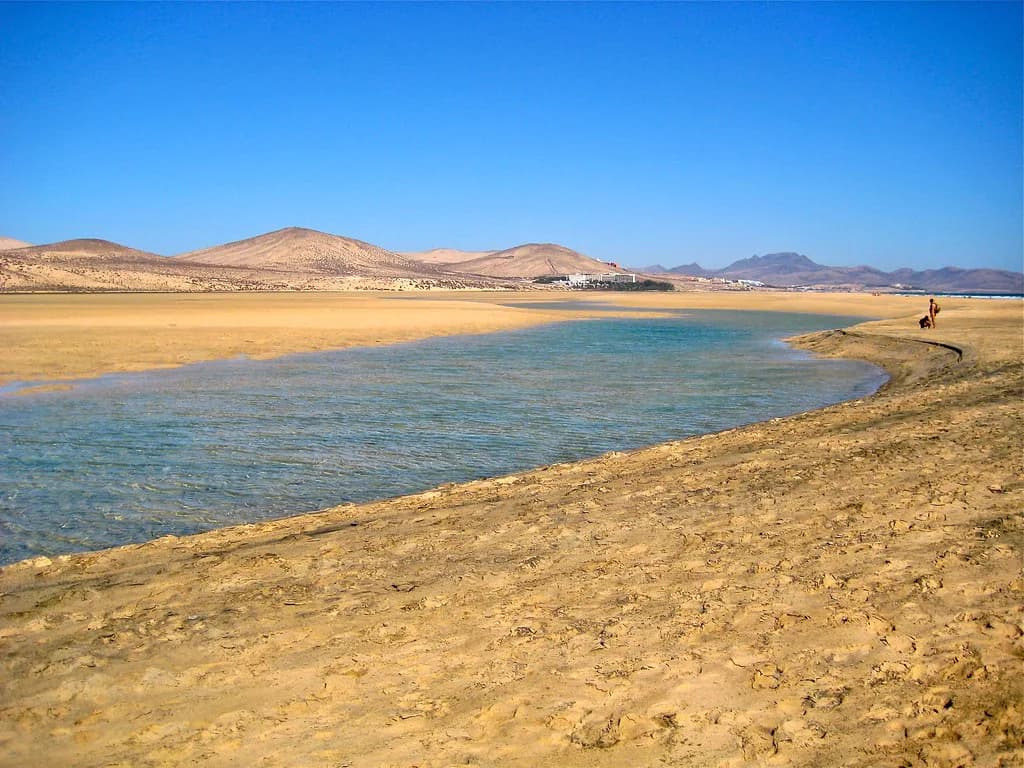
Fuerteventura runs at a slower pace than Tenerife or Gran Canaria, and that suits some travellers better on 31 December. You can book a dinner near the sea in Corralejo or Puerto del Rosario, or stay in Morro Jable in the south, where the combination of beach, food and coastal walks replaces the big resort party. Wide beaches and open landscapes mean the evening feels quieter even when the restaurants are full.
Use the days either side of the holiday to explore inland Fuerteventura, try Majorero cuisine and see some of the island's most recognisable landscapes. It is also the obvious island for anyone who wants nature, silence and coast rather than fireworks and a stage. Note that the calmer atmosphere is a matter of degree: restaurants still fill up, so reserve ahead.
Which Island Suits Which Kind of Traveler
Choose Tenerife if you want a mix: south-coast nightlife, bookable hotel galas, the San Silvestre race and easy access to Teide's winter landscapes. Choose Gran Canaria if you prefer a capital city night at Las Canteras with a resort option in the south, or if you want the flexibility of a city break with urban meals and shopping. Both islands handle families and couples well, but the Tenerife south coast is the livelier of the two on the night itself.
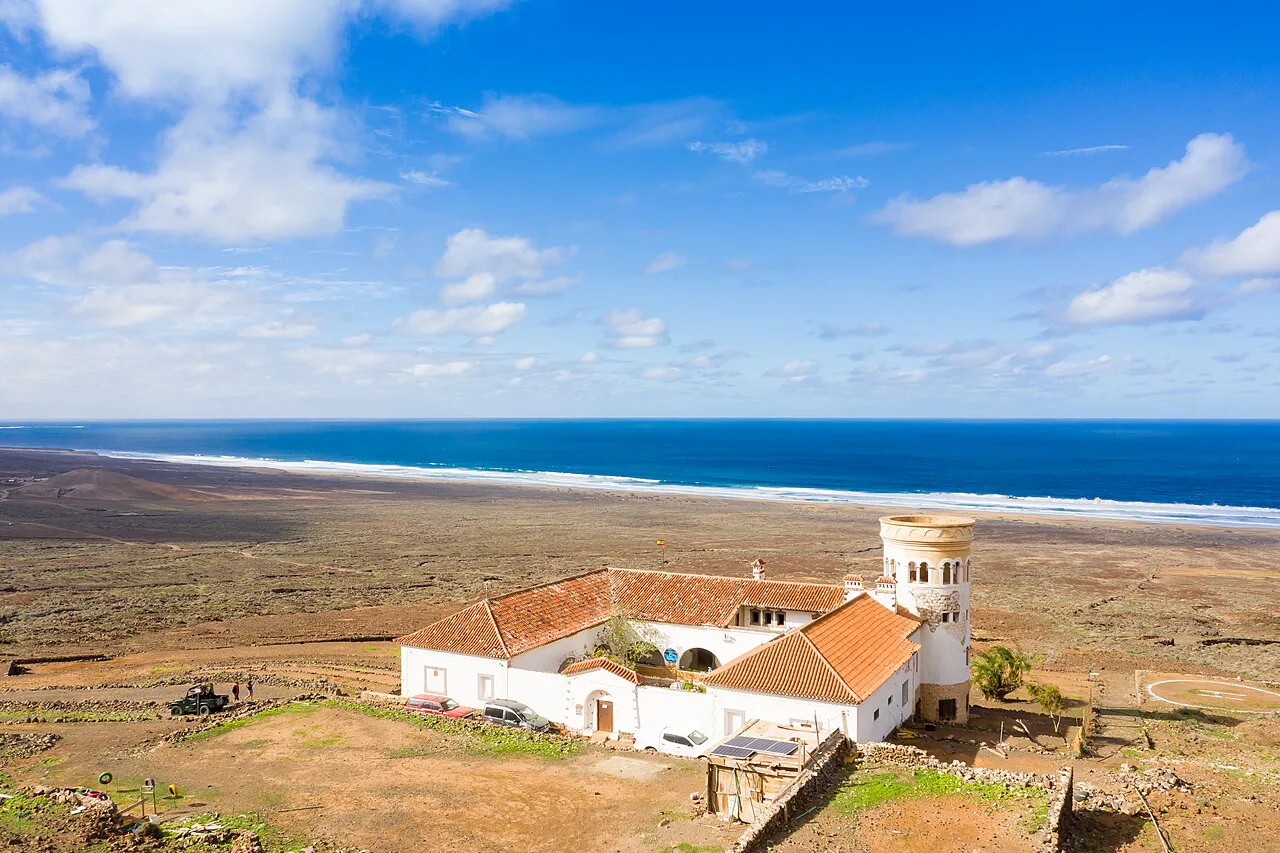
Choose Fuerteventura if your ideal New Year's Eve is dinner by the sea followed by a walk, with a quiet New Year's Day. La Palma suits travelers who want a smaller island base and scenery rather than a party scene; its hotels also run festive programmes, though the island's night is not the headline draw. Anyone planning a longer winter stay should weigh February too, when Carnival Tuesday falls on 9 February 2027 and the mood shifts again.
Travelers who want a club-led night with headline DJs, or who expect a Northern European New Year's Eve countdown in a cold city square, will find the islands gentler and more family-oriented than they expect. If your priority is a big-city European celebration, the Costa del Sol or Málaga are better comparisons than the Canaries.
New Year's Day: Beach Walks, First Swims and a Slow Start
New Year's Day in the Canary Islands is deliberately low-key. Many guests start with a swim in the sea or a calm morning by a hotel pool, and others take a coastal walk or head to a viewpoint to begin the year with some exercise. The mild climate is what makes these outdoor starts realistic, and it is the main reason the islands appeal for this particular holiday.
Beaches on Tenerife such as Playa del Duque, Playa de las Teresitas and Playa Jardín are commonly used for a relaxed first day of the year, with soft sand and a peaceful atmosphere after the night before. The water is cooler than the air in late December, so a quick dip is more comfortable than a long swim. Expect some restaurants and shops to open late or stay closed on 1 January.
Three Kings and the End of the Season
The holiday season does not stop on 1 January. Epiphany, Día de los Reyes Magos, falls on Wednesday 6 January 2027, and Tenerife marks it with parades, live music and traditional festivities. For Spanish families this is the main gift-giving day of the winter, so the days around it feel more like Christmas than the period after New Year.
If your dates are fixed, this is the strongest argument for extending a New Year trip by a week rather than flying home on 2 January. Parades in the main towns are evening events, so you can combine a daytime excursion with a Three Kings procession. Check local town hall listings for the route and timing closest to where you are staying.
After 6 January the season winds down quickly. Christmas lights come down, hotel festive programmes end and prices soften. That makes the second week of January a good compromise for travelers who want the holiday atmosphere without the peak-night crowds.
Weather in Late December and Early January
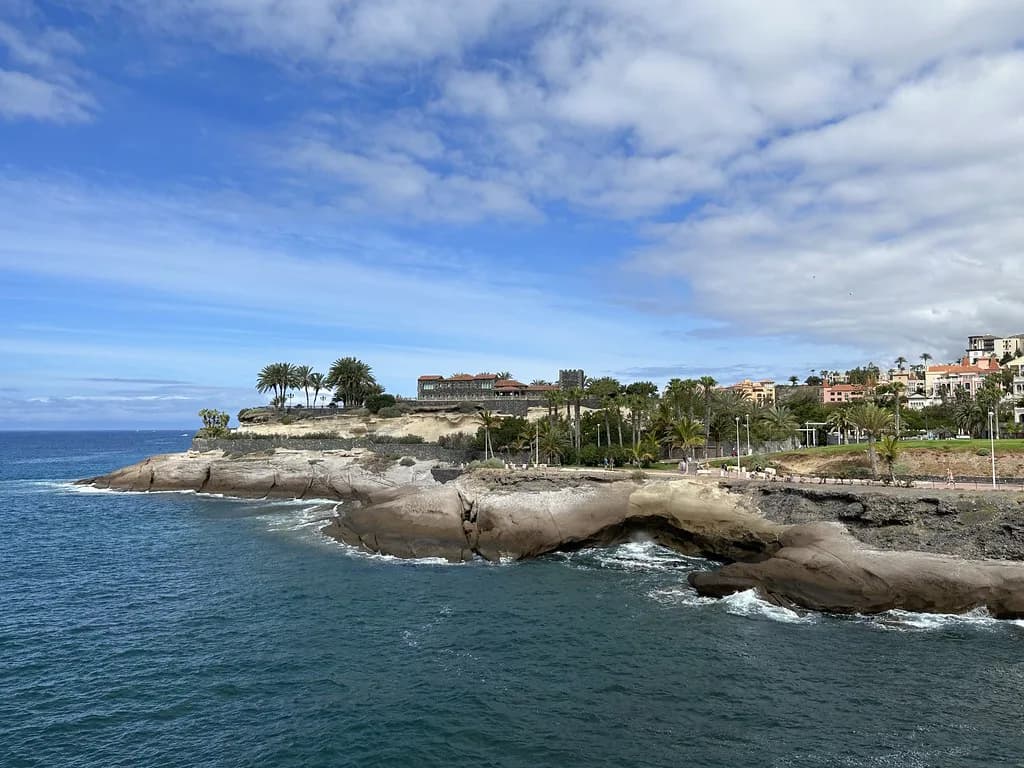
Late December and early January are mild by European standards, with coastal daytime temperatures that support outdoor plans and evenings that still call for a layer. Tenerife's December daytime figure of around 23°C (73°F) is a long-term typical value, not a forecast, so plan for variation between the coast and higher ground. The sea stays cool enough that swimming is a short plunge rather than a long session.
Altitude matters more than most visitors expect. Mount Teide and Teide National Park often see snow in winter while the coast stays warm and sunny, which is why the same trip can include both. If you plan to go up, build in flexibility for road conditions and carry warm layers even when you left the beach in sunshine.
Daylight is shorter than in summer but still generous for a winter destination, with enough light for a late-afternoon walk. Rain falls mainly in short spells and varies sharply between islands and between north and south slopes. The Canary Islands in December guide gives a fuller picture of what to expect in the run-up to the holiday.
What Closes and What Stays Open Over the Holiday
The biggest closures happen on the evening of 31 December and on 1 January, when many shops and smaller restaurants shut or run limited hours. Hotels keep their restaurants and bars working, often with a set festive programme, and larger resorts add entertainment for guests. Book any dinner you care about in advance, because walk-in tables on 31 December are unreliable.
Attractions follow their own calendars rather than a single island-wide rule. Museums, cable cars and natural sites may shorten hours or close on public holidays, so check the website of the museum or cable car company before you build a day around one. Outdoor sights such as beaches, promenades and Teide's landscapes remain accessible, which is why so much of the holiday happens outdoors.
Getting Between the Islands and Around Them in Winter
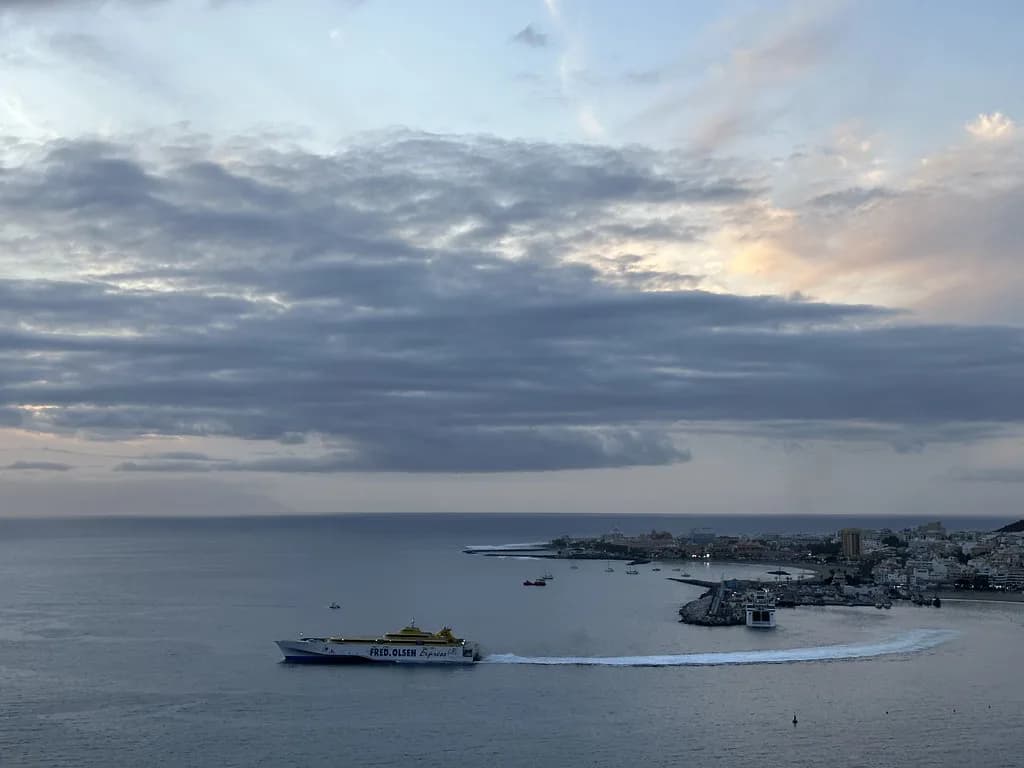
Tenerife, Gran Canaria, Fuerteventura and La Palma are connected by inter-island ferries for shorter crossings and by flights for longer hops. Winter weather can affect sea crossings, so leave a buffer if you plan to island-hop around 31 December. A short ferry from Tenerife to La Gomera is a realistic day trip for travelers based in the south.
On the larger islands, a rental car gives you the most freedom, especially for Teide, inland villages and quieter beaches. Public buses work well along the main resort corridors but thin out on Sundays and public holidays. Taxis are plentiful in resort areas but scarce and expensive after midnight on 31 December, so agree on a return plan before you go out.
Arrival airports shape your choice as much as the night itself. Tenerife South serves the southern resorts, Gran Canaria's airport sits close to Las Palmas and the southern resort belt, and Fuerteventura's airport is central to Puerto del Rosario and the main tourist areas. Book transfers in advance for the holiday period, when demand is at its yearly peak.
Who Should Book the Canaries for New Year, and Who Should Not
The Canary Islands suit travelers who want a Spanish New Year's Eve with the twelve grapes, a long dinner and a walk outside afterwards without winter coats. They work particularly well for families, couples and groups who want a bookable hotel celebration plus beach and mountain days. Tenerife and Gran Canaria cover the livelier end, while Fuerteventura keeps things calm.
They suit less well if you want a cold-weather city New Year in the style of Madrid or Berlin, or if a big club night with headline DJs is the point of the trip. Anyone hoping for guaranteed hot beach weather in late December should reset expectations: the days are mild and pleasant, not midsummer. Use the Canary Islands in winter overview to match the island and month to the trip you want before you commit to dates.
Frequently Asked Questions
Which Canary Island is best for New Year's Eve?
There is no single best island, because the night differs by place. Tenerife's south coast, from Playa de las Américas to Costa Adeje, has the busiest resort scene, with clubs, town-square gatherings and hotel gala dinners. Gran Canaria offers the most urban night at Las Canteras in Las Palmas plus southern resort programmes around Maspalomas and Meloneras. Fuerteventura is the quieter choice, with dinners by the sea in Corralejo, Puerto del Rosario or Morro Jable.
Is Gran Canaria good for New Year's Eve?
Yes, particularly if you want a city rather than a resort. Las Canteras Beach in Las Palmas is the emblematic spot to eat the twelve grapes by the Atlantic and watch fireworks, with restaurants and walking areas close by. In the south, Meloneras, Maspalomas and San Agustín have hotels and restaurants that put on special dinners and festive programmes, and the promenade near the dunes makes an easy New Year's Day walk.
Do you need to book New Year's Eve dinner in advance?
Book ahead, especially for 31 December. Hotels in the main tourist areas prepare special dinners and programmes, and demand is higher than in an ordinary low-season week. Ask the hotel or restaurant directly whether the celebration is included in the rate or sold separately, and reserve a table rather than relying on walking in.
What is the weather like in the Canary Islands on New Year's Eve?
Expect mild coastal conditions rather than summer heat. Tenerife's December daytime temperatures are typically quoted at around 23°C (73°F), which is comfortable for sightseeing and time outdoors, with cooler evenings. Higher ground is a different story: Mount Teide and Teide National Park often see snow in winter. Treat all figures as long-term averages, not a forecast.
Where do locals celebrate New Year's Eve in the Canary Islands?
Much of the night is family-based and happens around a dinner table, followed by the twelve grapes at midnight and a toast with cava. In Tenerife, town squares fill with music, food and fireworks, while in Gran Canaria the Las Canteras seafront in Las Palmas draws people to see out the year by the sea. Hotel galas and club nights run alongside these public gatherings.
Is it worth going to the Canary Islands in December?
For many travelers, yes. December brings mild daytime weather, outdoor plans and the Spanish Christmas and New Year traditions, with the holiday continuing to Epiphany on 6 January 2027. The trade-offs are shorter daylight, occasional rain and higher demand around 31 December. It is less appealing if you want guaranteed hot beach weather or a cold-weather city Christmas.
What happens after New Year's Eve in the Canary Islands?
The season continues to Epiphany, or Día de los Reyes Magos, on Wednesday 6 January 2027, which Tenerife marks with parades, live music and traditional festivities. For Spanish families this is the main gift-giving day of winter, so the days around it feel festive. After 6 January lights come down and hotel programmes end, making the second week of January quieter.
Can you swim in the sea in the Canary Islands at New Year?
Some visitors do take a first swim on 1 January, a tradition that works because the air stays mild. The water itself is cooler than the air in late December, so a short dip is more comfortable than a long swim. If swimming matters to you, a heated hotel pool is the more reliable option at this time of year.
Sources
Winter travel notes
Optional updates when we add or revise winter guides.
You might also like
Continue reading
More guides you'll find useful