Canary Islands in February: Where to Go and What to Expect
February in the Canary Islands brings mild days, cool evenings and a brisk sea. Here is what the weather, crowds and Carnival timing mean for your trip.
On this page
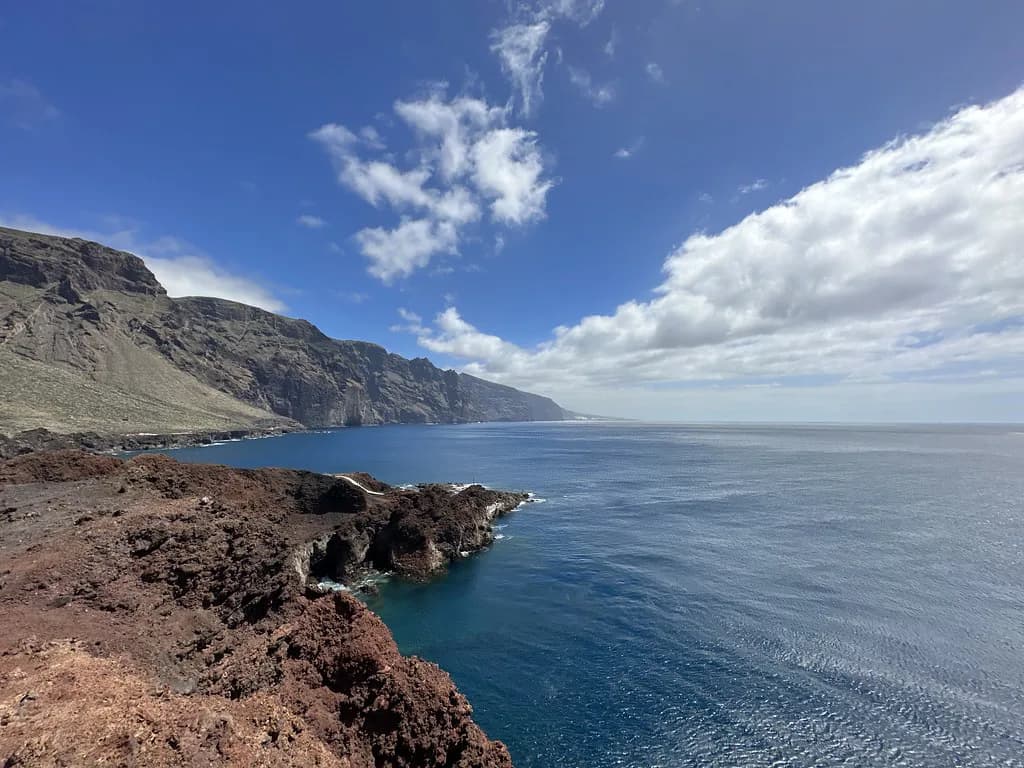
February is the month when the Canary Islands feel least like a beach holiday and most like a mild, breezy corner of Europe with volcanoes in the middle. Days are comfortable, evenings need a layer, and the Atlantic is at its coolest, so the islands suit walkers, sightseers and anyone chasing a short dose of sunshine rather than a heatwave. If you want warm sea and long, lazy afternoons on the sand, this is not your month.
The archipelago lies off the southwest tip of Morocco, which is why it stays green and dry in midwinter while mainland Spain sits in single figures. That position also explains the month's character: mild but not hot, with a cool sea and occasional wind, and conditions that can differ sharply between a sheltered southern coast and a cloud-catching northern slope. Plan around those differences and February can be a genuinely rewarding trip.
Weather in February
Expect typical February highs of around 21°C (about 70°F) across the islands, with evenings noticeably cooler. February is the coolest month of the winter season rather than a warm one, so pack for mild days rather than a heatwave.
The islands are subtropical and dry by European standards, receiving more than 3,000 hours of sunshine across a year, so February days often deliver several hours of brightness even when cloud rolls in. Rain tends to arrive in short spells rather than all-day downpours, which makes it easier to plan outdoor days with a flexible backup.
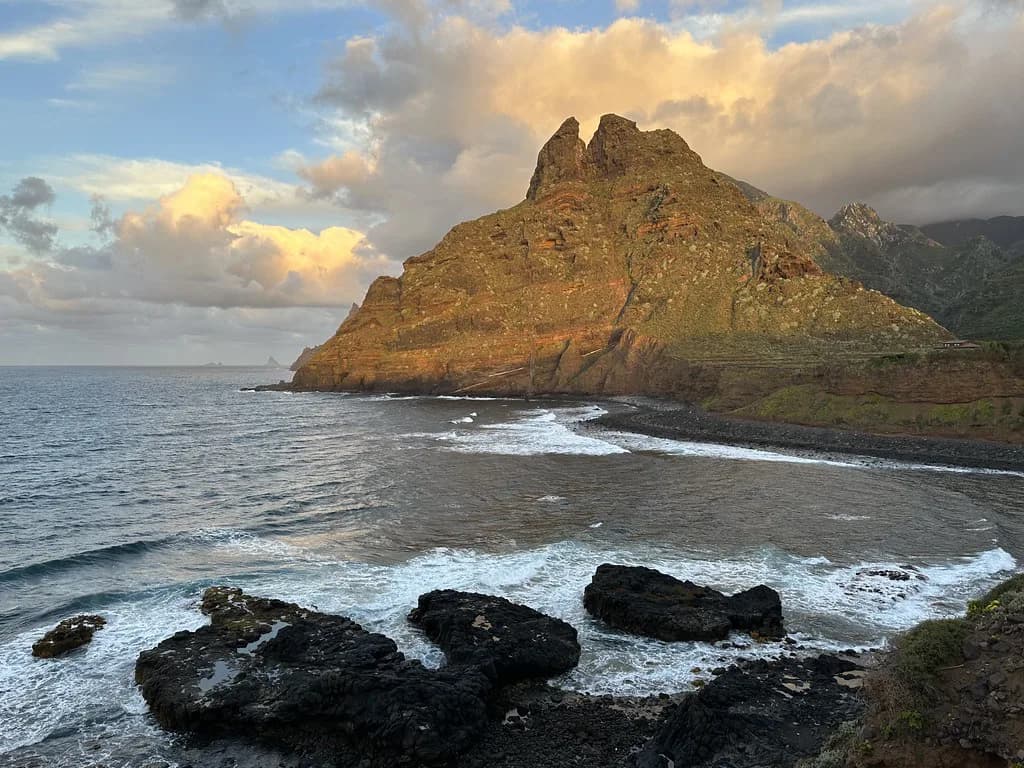
Conditions vary more by terrain than by island. North-facing coasts and higher ground catch cloud and wind, while southern coasts are usually sunnier and calmer, so a base on the south of Tenerife or Gran Canaria buys noticeably more reliable weather than a northern one in the same week.
February daylight is short by summer standards but far longer than northern Europe's, with sunrise around 7:30 and sunset around 18:45 mid-month. Plan sightseeing for the middle of the day and leave the late afternoon for towns, museums or a long lunch.
Sea Temperature and Swimming
The Atlantic around the Canary Islands is at its coolest in February, so swimming is a short, bracing affair rather than a long soak. Many visitors swim anyway at sheltered southern beaches such as Las Canteras in Las Palmas, where the water is clear and the bay calm.
Hotel pools are often unheated and can be colder than the sea, so check before you book if a pool matters to you. Sea conditions also vary: southern bays are usually gentler, while exposed northern and western coasts see bigger swells that suit surfers more than swimmers.
The Islands Compared
Tenerife gives you the widest choice in February: the sunny south for coastal walks, the green north for old towns, and Mount Teide for a completely different climate a cable car ride away. Gran Canaria mixes the dunes and long beach at Maspalomas with the city life of Las Palmas and the green interior around Bandama and Tamadaba.
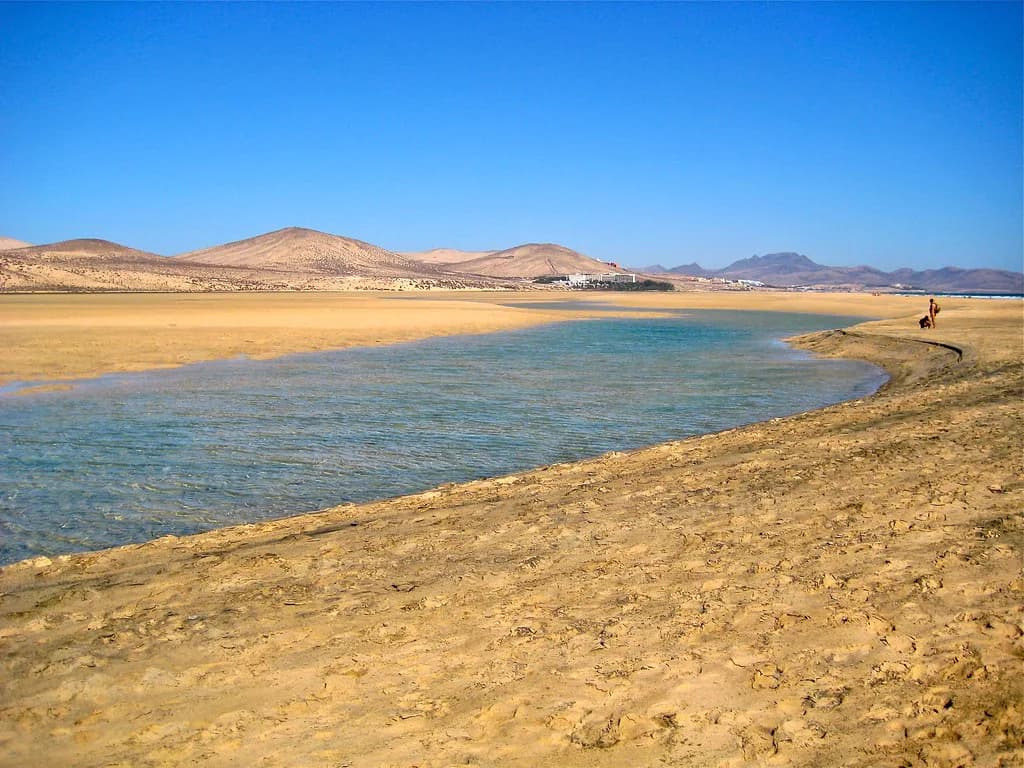
Lanzarote is the most volcanic and the most windblown, with Timanfaya's bare landscapes and the sheltered wine country of La Geria. Fuerteventura is the flattest and breeziest, which makes it a strong choice for windsurfers and walkers but a less comfortable one for anyone hoping to sunbathe in still air.
If your dates are flexible, compare how the month shifts either side of February. Early February still carries the tail of the winter season, while late February begins the slide towards spring conditions; the guide to the Canary Islands in March shows what changes within a few weeks.
What Is Open in Winter
The big sights run year-round. Teide National Park and its cable car operate through winter, as do Timanfaya National Park on Lanzarote and the walking routes around Caldera de Bandama on Gran Canaria, so February is not a month of locked gates.
Wineries keep their doors open when mainland European vineyards are dormant, and La Geria's bodegas pour malvasia and sweet wines against the black volcanic soil throughout the season. That makes a tasting a reliable wet-weather or windy-day option rather than a summer-only outing.
Resort areas switch some seasonal restaurants and beach clubs to reduced hours or annual closures in the quietest weeks, so it pays to look at the specific place you plan to eat rather than assume everything is running. Hotels and larger restaurants in the cities and main resorts stay open.
Book national park activities and any cable car ascent ahead where the park or lift company allows it, because winter capacity is limited and weather can close summit access at short notice. Check timings and dates before you travel.
Mount Teide in February
Teide is the highest peak on Spanish soil at 12,198 feet, and in February its summit is often capped with snow while the coast below stays mild. The cable car climbs to around 11,663 feet, from where three short trails lead to viewpoints over the north of the island and, on clear days, towards La Gomera.
Treat the summit as a different season. Temperatures up there can be several degrees lower than at sea level, wind chill is real, and altitude makes the walk feel harder than the distance suggests. Keep the visit short, move slowly and build in time to acclimatise at the El Portillo visitor centre.
Cloud and wind can shut the cable car or the summit trails on the day, so keep Teide for a morning when the forecast is settled and hold a coastal plan in reserve. The park is a UNESCO World Heritage Site, and even without the summit the lava fields and rock formations are worth the drive.
Things to Do on a Cool or Cloudy Day
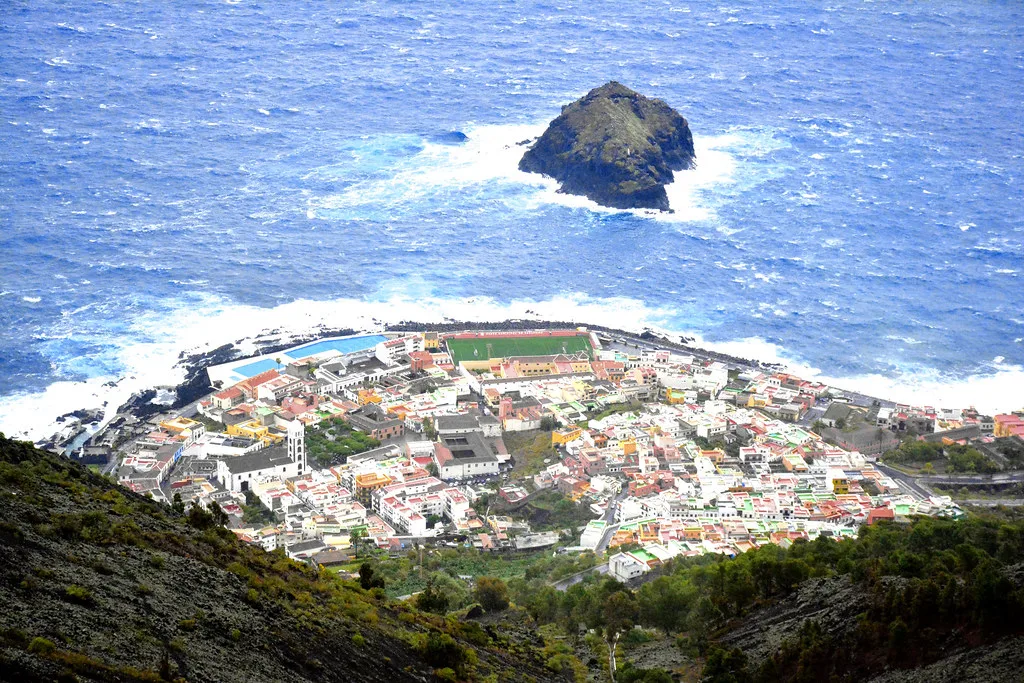
Old towns are the answer to February's cloud. San Cristóbal de La Laguna, a UNESCO-listed former capital, has a grid of churches and carved balconies, while La Orotava in the north of Tenerife pairs the Casa de los Balcones with a craft museum.
In Gran Canaria, the Vegueta district of Las Palmas gives you palm-lined squares, the 16th-century Santa Ana cathedral and coffee stops within a short walk of each other. On Lanzarote, the village of Haria sits in the valley of the thousand palms and holds the Casa Museo de César Manrique, a good wet-weather morning.
Walking works well in this weather as long as you pick your elevation. Caldera de Bandama's crater rim on Gran Canaria is a manageable loop with viewpoints, and the laurel forests of Anaga, with a small visitor centre and museum, offer shade and shelter without the heat of summer.
If rain sets in, wineries and museums absorb a day easily, and the islands' cities carry enough restaurants and shops to fill an afternoon. Save beach days for the clearest, calmest forecast rather than tying them to fixed dates.
Whale and Dolphin Watching
The waters between the islands are one of the few places in Europe where whales and dolphins can be seen year-round, and February is a legitimate month for a boat trip. Pilot, sperm and fin whales live offshore, while bottlenose dolphins are common on outings from Tenerife's southern marinas.
Trips leave from Puerto Colón on Tenerife and from Puerto Calero, Puerto del Carmen and Mogán on Lanzarote and Gran Canaria, typically lasting two to three hours. Sea state matters more than air temperature, so choose a calm day and a licensed operator, and expect a reroute or cancellation if the swell builds.
February Events and Carnival Timing
Carnival is the defining event of February in the Canary Islands, and its date moves with Easter. In 2027, Carnival Tuesday falls on 9 February, with Ash Wednesday on 10 February, so the parades, street parties and costume contests concentrate in the days immediately before that Tuesday.
Outside Carnival, the month is quiet on the events calendar, which is part of its appeal. If your trip falls in early January instead, the Canary Islands in January has the Three Kings celebrations around 6 January; the Christmas in the Canary Islands period centres on the nativity sand sculpture at Las Canteras in Las Palmas and city markets rather than resort entertainment.
Carnival crowds push up demand in the host cities and resorts, so if the party is the reason for your trip, book accommodation and transport well ahead. If you want quiet, choose a base away from the main Carnival towns during that week.
Day Trips and Getting Around
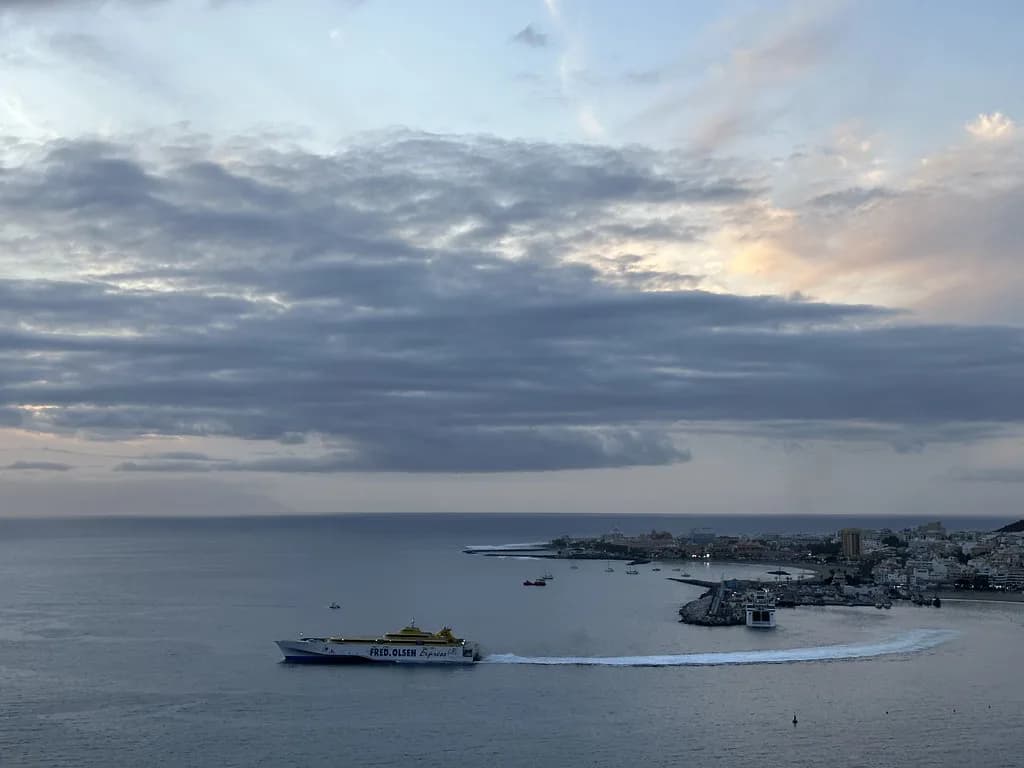
Inter-island flights are the fastest way to combine two islands, while ferries link the closer pairs and run throughout the year, though winter swell can make crossings rough. For a short February trip, pick one island and use it as a base rather than trying to tick off three.
On the larger islands, a hire car turns February into a much better trip, letting you move between a cloudy north and a sunny south on the same day. Buses connect the main towns and resorts, but mountain roads and park entrances reward the flexibility of your own vehicle.
Inland day trips work well in this season: the pine forests and cliffs of Tamadaba on Gran Canaria, the palm valley at Haria on Lanzarote, and the old town of La Laguna on Tenerife are all comfortable without summer heat.
Crowds, Prices and Who February Suits
February is one of the quieter winter months outside Carnival week, and travel writers have long noted fewer crowds on the islands in winter. That means easier tables, looser car hire and more space at the big sights on ordinary weekdays.
Prices sit below the Christmas and New Year peak and below the spring and summer high season, though half-term weeks and the Carnival period tighten availability. Package operators publish winter offers across the season, so compare your exact dates rather than relying on a general impression of the month.
February suits walkers, sightseers, whale-watchers and anyone who wants mild air and winter sunshine without a long flight. It suits less well if your idea of a winter break is guaranteed heat, warm sea and long days on a sun lounger.
If you are weighing up the season as a whole, the wider guide to the winter in the Canary Islands sets February against the other months and helps you match the island and the timing to the trip you actually want.
Who Should Choose Another Month
If warm water, reliable sunbathing and pool days are the priority, come later in the spring, when days are longer and the sea has had time to warm. February gives you mild air and brightness, but not beach weather in any dependable sense.
If your trip is pinned to February and you want a different balance, compare the same islands in a different winter month. December brings festive markets and the New Year build-up, while the Canary Islands in December guide shows the cooler, quieter weeks before the holidays begin.
Surfers and windsurfers should come anyway, since winter brings some of the year's most powerful Atlantic swell. Families with small children who need guaranteed swimming weather may prefer to wait.
Plan a February Trip
Build your February trip around the weather pattern rather than against it: sunny southern coasts and old towns, mountains in the morning before cloud builds, and a sea swim only if you like it cold. Keep one flexible day for Teide or a boat trip so you can take advantage of the calmest forecast of the week.
If your dates are still open, compare the Canary Islands in November for a warmer, quieter shoulder season, or Mallorca in February if you would rather have a Mediterranean city break than an Atlantic island. Both are different trips, and both are honest about what winter delivers.
Explore more Canary Islands winter guides
Frequently Asked Questions
Is February a good time to visit the Canary Islands?
Yes, if you want mild days, reasonable sunshine and fewer crowds rather than a hot beach holiday. Days typically reach around 21°C and evenings are cool, so it suits walking, sightseeing and whale-watching better than sunbathing and swimming.
Can you swim in the Canary Islands in February?
You can, but the Atlantic is at its coolest and most people find it bracing rather than comfortable. Sheltered southern bays such as Las Canteras in Las Palmas are the easiest places to try, and hotel pools may be colder than the sea.
What is Gran Canaria like in February?
Gran Canaria in February is mild and varied: the southern dunes and beaches at Maspalomas are the sunniest, Las Palmas offers city sights and a long city beach, and the green interior around Bandama and Tamadaba suits walking. Expect cool evenings and a brisk sea.
Which is the hottest Canary Island in February?
Differences between the islands are small and terrain matters more than the island itself. Sheltered southern coasts, such as the south of Tenerife and Gran Canaria, are typically sunnier and calmer than northern coasts and higher ground.
What events happen in the Canary Islands in February?
Carnival is the main event, and its timing follows Easter. In 2027 Carnival Tuesday falls on 9 February, with Ash Wednesday on 10 February, so parades and street parties cluster in the days before that Tuesday in the main towns.
Do I need a car in the Canary Islands in February?
A car makes a real difference on the larger islands, letting you move between cloudy northern slopes and sunny southern coasts and reach national park entrances. Buses connect the main towns and resorts if you prefer to stay put.
How much daylight is there in February?
Expect sunrise around 7:30 and sunset around 18:45 mid-month, giving a full day of sightseeing if you start early. Daylight lengthens noticeably by the end of the month.
Should I book ahead for February?
Book ahead for Carnival week, half-term weeks and any Teide cable car or boat trip you have your heart set on, since capacity is limited and weather can change plans. Ordinary weekdays outside those periods are usually easier to arrange at short notice.
Sources
Winter travel notes
Optional updates when we add or revise winter guides.
You might also like
Continue reading
More guides you'll find useful