Mallorca in February: Weather, Almond Blossom and Quiet Days
Mallorca in February brings mild days around 15°C, almond blossom inland and empty villages. Here is what is open, what is on and who it suits.
On this page
February is the month Mallorca stops behaving like a beach destination and starts behaving like a Mediterranean island in early spring. Daytime temperatures are mild rather than warm, villages that heave in July are close to empty, and the almond trees inland come into flower. It suits walkers, photographers, cyclists and anyone who wants Palma's old town without queuing.
It frustrates travelers who picture swimming, sunbathing and long evenings outdoors. The sea stays cold, rain arrives in spells rather than all day, and darkness falls early enough to reshape how you plan each afternoon. Treat February as a cool-weather city and countryside trip with a few bright hours in the middle of the day and you will use the island well.
What Mallorca Is Like in February
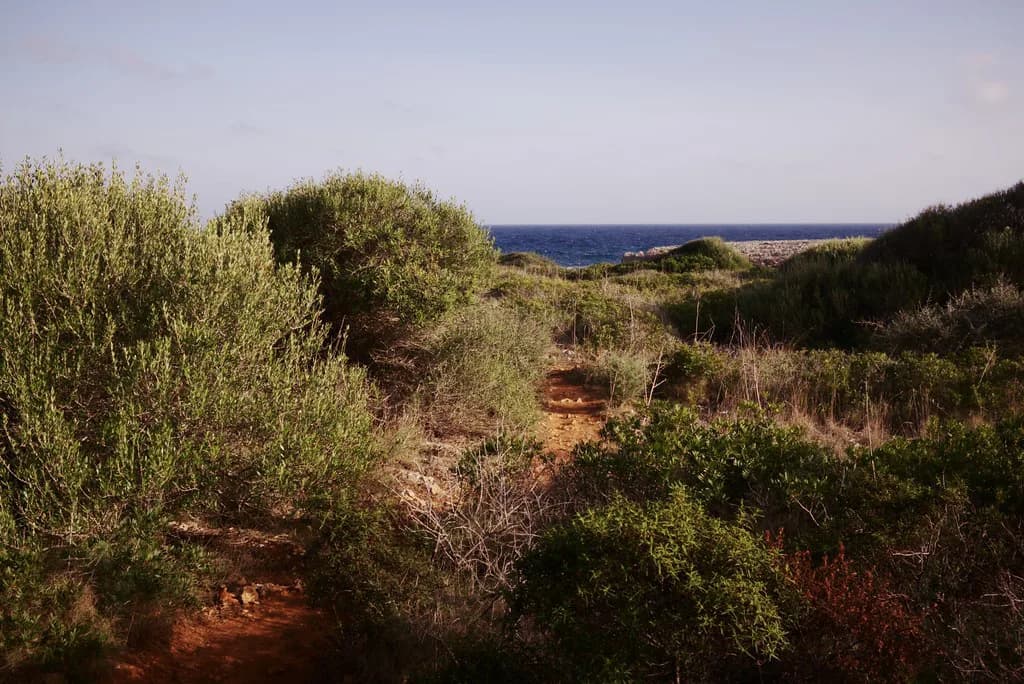
The island in February is quiet in a way summer visitors would not recognise. Valldemossa, crowded to the point of discomfort in high season, can be walked at leisure, and Palma's boutique streets and the lanes of Santa Catalina are relaxed rather than frantic. Hiking trails such as the Barranc de Biniaraix near Sóller feel close to private.
This is also the tail end of the winter season rather than the start of spring. Some coastal businesses and seasonal hotels run reduced winter hours, while Palma's museums, cathedral and markets operate year-round. The trade-off is simple: you get space and lower rates in exchange for shorter days, an unwelcoming sea and the need to keep plans flexible around rain.
February Weather in Mallorca
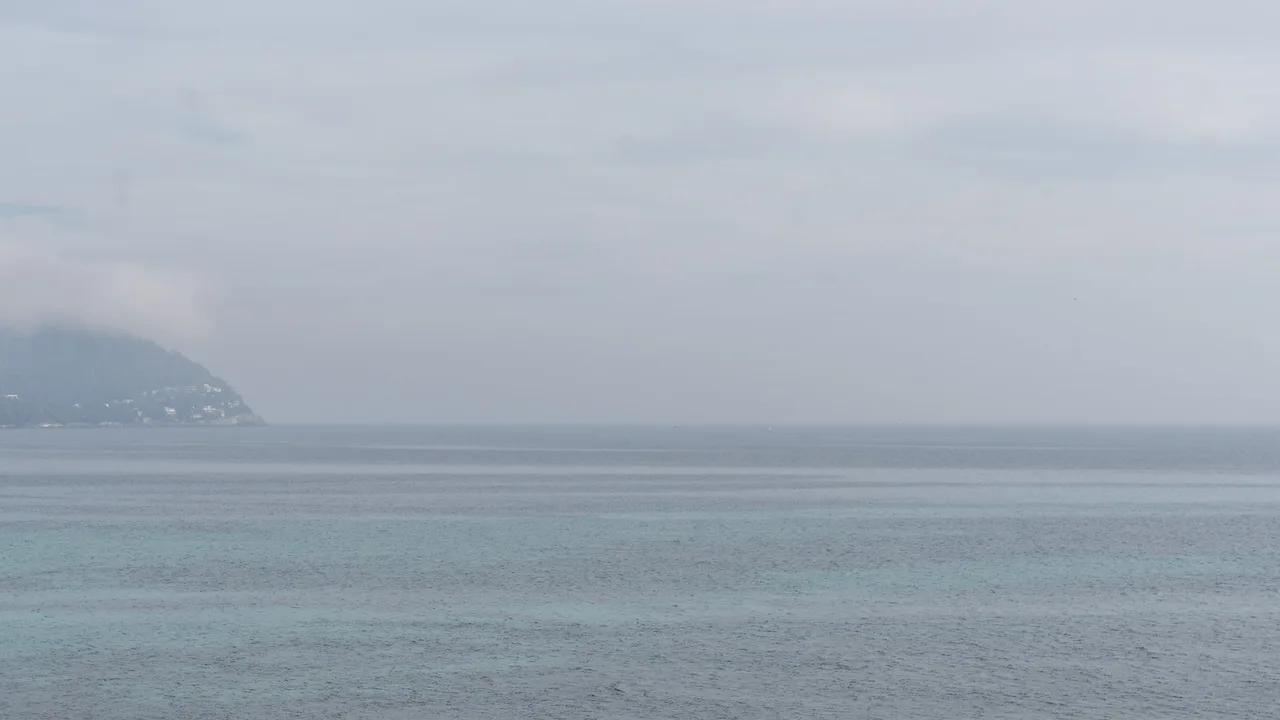
Typical February conditions are slightly drier and fractionally warmer than January, with an average daytime temperature of about 15.5°C (roughly 60°F). That is an average, not a promise: some afternoons climb towards 20°C while others stay grey and cool, and the Serra de Tramuntana peaks occasionally carry a dusting of snow.
Rain is a real feature of the month, usually arriving as showers that pass rather than days of steady downpour. October and November are the island's wettest months, so February tends to be drier than late autumn but still unsettled. Build at least one indoor option into each day and you will not lose an afternoon to a passing front.
Wind matters more than the thermometer on exposed coasts and ridge paths, and the Tramuntana can feel markedly colder than Palma. Inland villages such as Valldemossa and Sóller sit in cooler air than the capital, so a day that feels mild in the city may feel raw in the mountains. Check the forecast each morning and swap your plan rather than pushing through.
Daylight and the Sea in February
Days are lengthening but still short by summer standards, with sunset falling in the late evening only after the clocks go forward on 28 March 2027. In February you are working with a compressed outdoor window, so front-load hikes, viewpoints and village wandering into the middle of the day and keep late afternoons for museums, food or the drive back.
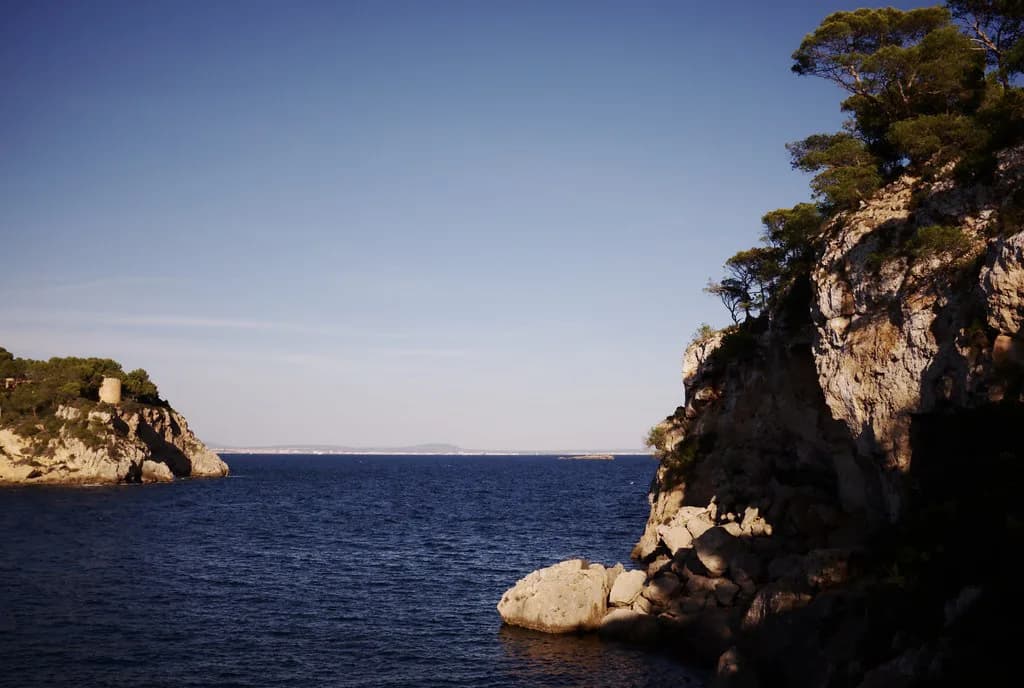
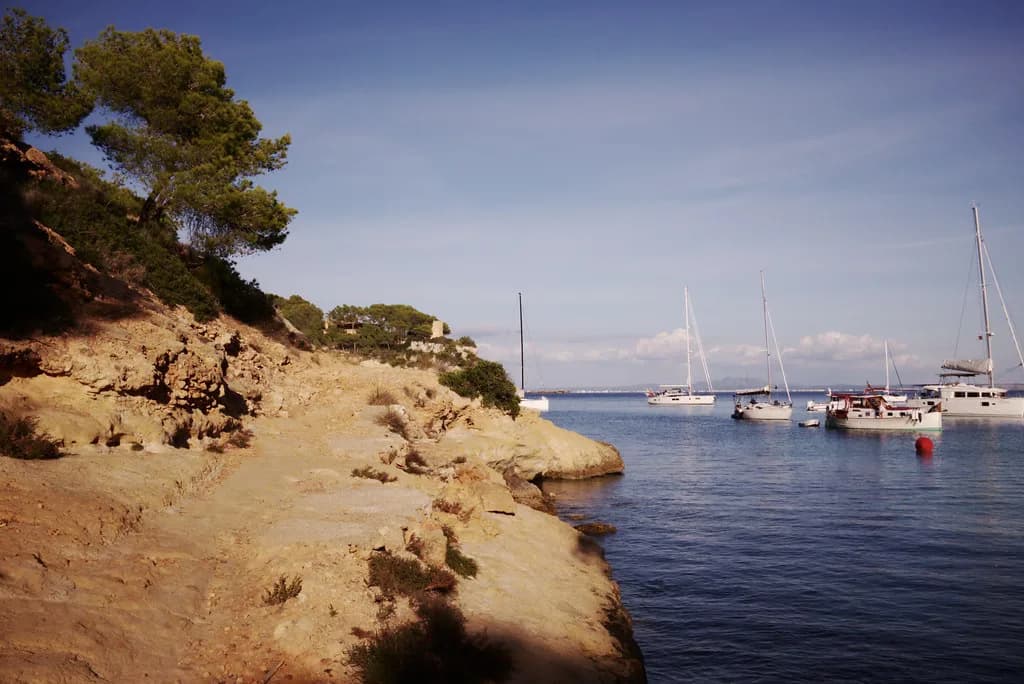
The Mediterranean is at its coldest of the year and swimming is not a realistic plan for most visitors. Beach time in February means a walk on an empty shore, a coffee facing the water and photographs without crowds, not a day under an umbrella. If warm water is the point of your trip, February on Mallorca is the wrong choice.
What Is Open and What Runs on a Winter Timetable
Palma works on a full urban schedule: the cathedral, the museums, the markets and the restaurant scene all operate through February, and you can tour the cathedral without summer crowds. The Banys Àrabs, the old Muslim bathhouse in the old town, is an underrated stop that rewards a quiet hour. Coastal and mountain businesses are patchier, with some seasonal venues keeping reduced winter hours.
For anything that matters to your trip, such as a specific museum, guided tour, boat trip or mountain restaurant, contact the venue directly before you build a day around it. Winter timetables on Mallorca are shorter than summer ones and change by venue, so a quick call or a look at the museum's or restaurant's own page is more reliable than any seasonal summary.
Almond Blossom in the Pla de Mallorca and Around Sóller
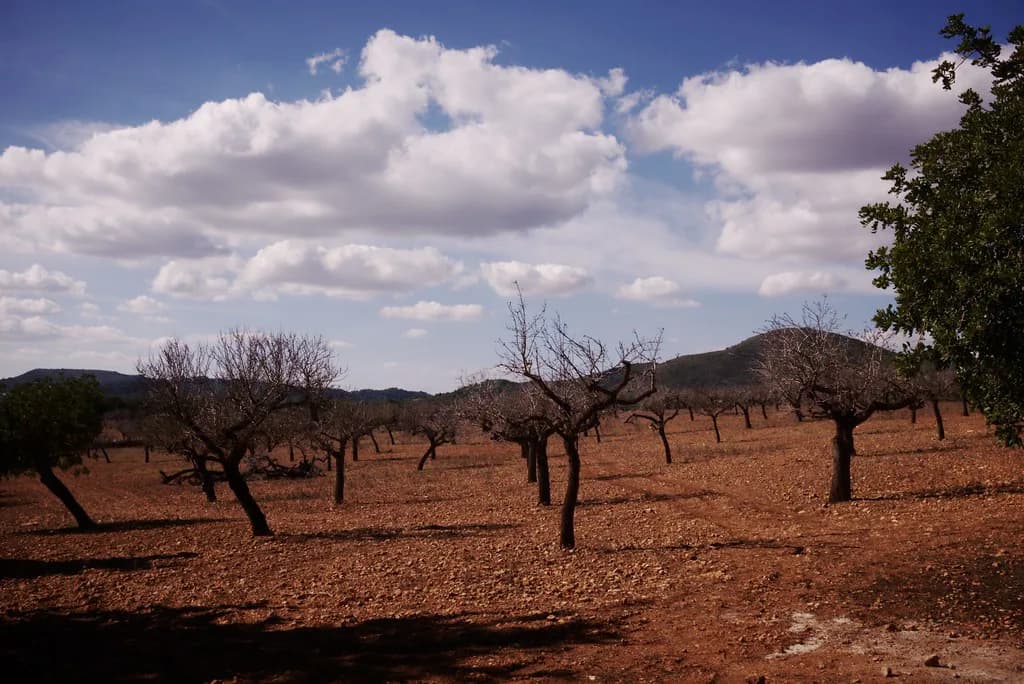
Almond blossom is February's signature sight, and it belongs to the interior rather than the coast. The Pla de Mallorca region and the valleys around Sóller turn soft pink and white as the trees come into flower, and the scent carries across the groves. The blossom typically develops in late February, but the timing shifts with the weather each year.
Plan a loop through the inland villages by car or bicycle and stop where the trees are densest rather than chasing a single famous viewpoint. Caimari and the lanes around it are a reliable starting point, and the drive between Inca and Sóller passes through some of the best almond country on the island. Go on a clear morning, when the light is best and the roads are quietest.
Things to Do on a Cool or Wet Day
Palma absorbs bad weather better than anywhere else on the island. The cathedral, the Museu de Mallorca, the Banys Àrabs and the covered markets give you a full day indoors and under arcades, with coffee and lunch breaks in Santa Catalina between showers. The city's street art, much of it politically pointed rather than simple tagging, is worth seeking out on foot in the old town.
When the sun comes out, move to the villages. Valldemossa, Deià and Fornalutx are compact, walkable and far more pleasant in February than in summer, and the Chopin connection at the Cartoixa in Valldemossa gives a rainy-hour destination with real substance. Pair a village with a short walk rather than a full-day hike and you can retreat indoors if the weather turns.
Palma in February
The capital is the base that makes February work. You can walk the old town, visit the cathedral, eat well in Santa Catalina and use the city as a launching point for the Tramuntana, the Pla and the coast, all without summer heat or queues. City hotels and restaurants are open, and the pace is local rather than touristic.
If you are weighing the winter months against each other, Palma in December has festive lights and holiday atmosphere, while January is the quietest and coldest stretch of the season. February sits between them with longer days and the first almond blossom, which is why it appeals to travelers who want atmosphere without the holiday crush.
Villages and Hikes in the Serra de Tramuntana
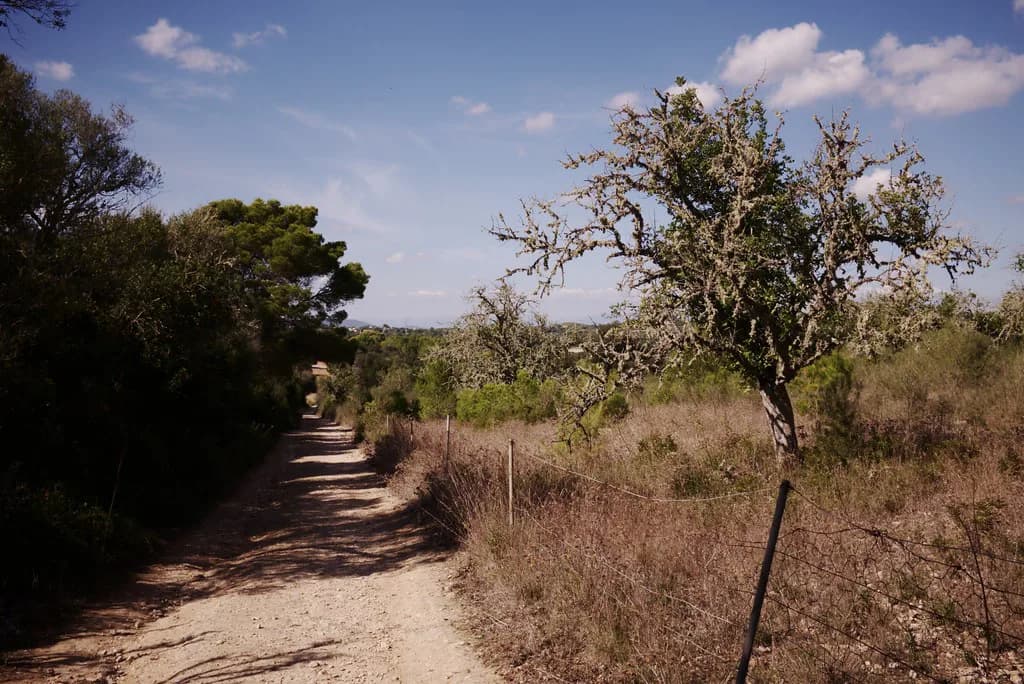
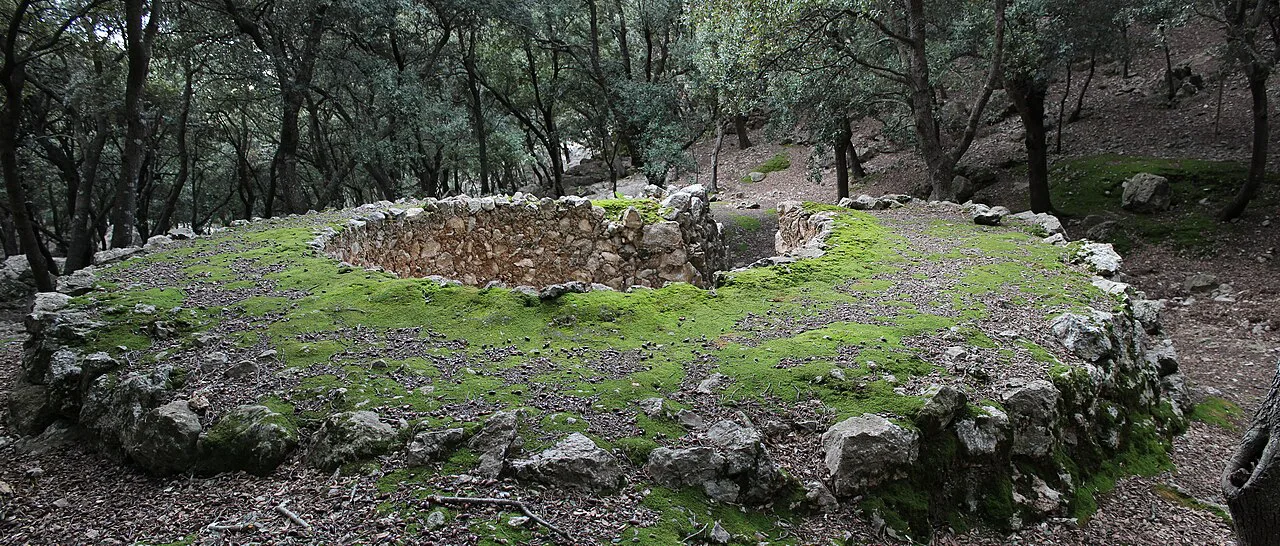
The Tramuntana is the island's best winter playground because the walking is genuinely comfortable at this time of year. Routes such as the Barranc de Biniaraix near Sóller and the stone-path network above Deià are far quieter than in spring, and the terraced valleys are green rather than scorched. Carry water, check the forecast and start early enough to finish before dusk.
Weather in the mountains is not the weather in Palma. Ridges catch wind and cloud, paths can be wet and slippery after rain, and snow occasionally touches the highest ground. If a front is forecast, drop the ridge walk and take a lower valley route or spend the day in a village instead; the flexibility is the whole advantage of a February trip.
Food and Drink in February
Winter is when Mallorcan cooking makes most sense: hearty stews, roasted vegetables, sobrasada, olive oil and slow-cooked meat in rural tavernas, with the summer seafood terrace trade on hold. Markets in Palma and the inland towns continue through the season and are good places to assemble a picnic for a walking day.
Sea urchins are the month's cult delicacy, fished in cold winter water and served simply in coastal restaurants. If you want to try catching them yourself, a fishing licence is required and applies to visitors too; otherwise order them prepared and leave the diving to the professionals.
Day Trips That Work in February
The island is small enough that most of it works as a day trip from Palma. Sóller and its valley, Valldemossa, Deià, Fornalutx, the almond country around Caimari and the wine town of Binissalem are all reachable by car in under an hour, and each gives you a village walk, a lunch and a short outdoor stretch rather than a demanding itinerary.
Alaró, at the foot of its castle hill, is a pleasant half-day stop with a craft heritage of its own: the Tony Mora workshop has been making boots by hand for more than a century, and the town is small enough to combine with lunch. The train to Sóller is another winter-friendly option, running through the mountains without requiring you to drive narrow roads.
Crowds, Prices and the Trade-Offs
February is one of the cheapest and least crowded months of the Mallorcan year. Flights, accommodation and car hire are all well below summer levels, and popular sites and museums are quiet enough that you rarely need to book ahead. That combination is the strongest argument for traveling now rather than in May or September.
The offset is that you give up the beach holiday entirely. The sea is cold, some coastal venues reduce services, the weather can take a day from you, and evenings arrive early. February rewards travelers who want solitude, walking and good food, and disappoints anyone whose ideal Mallorca involves swimming and sunbathing.
Who February Suits and Who Should Pick Another Month
February is right for walkers, cyclists, photographers, food travelers and anyone who values empty villages over warm water. It is also a good month for a city break built around Palma, with countryside days layered on top. Couples and solo travelers who want quiet and lower costs will find it far more appealing than the summer version of the island.
If you need reliable sunshine, swimming and long outdoor evenings, wait. Mallorca in March brings longer days and warmer walking, and by spring the sea becomes usable again. The Canary Islands in February offer a genuinely warm winter alternative if sun is non-negotiable, and Málaga in February is a warmer mainland option for a city-focused trip.
Plan Your February Trip
Build your February trip around Palma as a base, with two or three countryside days and one reserved for a wet-weather indoor plan. Check the forecast each morning and let the weather decide whether you head for the Tramuntana or the city museums; that flexibility is what makes a winter trip on Mallorca work.
Book flights and car hire early enough to take advantage of off-season rates, and confirm any specific museum, tour or mountain restaurant with the venue before you build a day around it. Almond blossom timing varies each year, so leave room in your itinerary to move an inland day if the trees are not yet in flower.
Explore more Mallorca winter guides
Frequently Asked Questions
Is February a good time to go to Mallorca?
Yes, if you want quiet villages, walking, food and lower off-season rates rather than a beach holiday. The island is peaceful, Palma's sights are uncrowded and almond blossom appears inland. The sea is cold and the weather changeable, so it suits travelers who value solitude over swimming.
How warm is Mallorca in February?
Typical daytime temperatures average around 15.5°C, with some afternoons approaching 20°C and others remaining grey and cool. It is mild rather than warm, and the Tramuntana mountains are noticeably colder than Palma. Treat the figures as long-term averages rather than a forecast.
Can you swim in Mallorca in February?
For most visitors, no. The Mediterranean is at its coldest of the year, and beach time in February usually means a walk on an empty shore rather than a swim. The sea only becomes reliably inviting again later in spring.
What is there to do in Mallorca in February?
Walk in the Serra de Tramuntana, visit Valldemossa, Deià and Fornalutx, see the almond blossom around the Pla de Mallorca and Sóller, and explore Palma's cathedral, museums and old town. Food is a highlight, from rural stews to the winter sea urchin season.
When is the almond blossom in Mallorca?
It typically develops in late February, with the Pla de Mallorca and the valleys around Sóller among the best places to see it. The exact timing shifts with the weather each year, so plan an inland day you can move if needed.
Does it rain a lot in Mallorca in February?
Rain falls through the month, usually as passing showers rather than all-day downpours. October and November are the wettest months, so February is typically drier but still unsettled. Keep one indoor option ready for each day.
Is Mallorca busy in February?
No. February is one of the quietest months of the year, with uncrowded sights, easy roads and much lower prices than summer. Some coastal businesses run reduced winter hours, but Palma's museums, markets and restaurants operate normally.
Sources
Winter travel notes
Optional updates when we add or revise winter guides.
You might also like
Continue reading
More guides you'll find useful