Canary Islands in November: Weather, Events and What's Open
November in the Canary Islands brings mild days, some rain and quiet resorts. See the weather, what's open and which island suits a winter-sun trip.
On this page
November is the month the Canary Islands stop being a summer destination and become a winter-sun one. Air and sea are still mild enough for long lunches outdoors and gentle walks, but the Atlantic produces the year's wetter spells and the resorts empty out noticeably after the first week. It suits travelers who want warmth without heat, quiet coastal towns and low-season rates, and who can live with a washed-out afternoon or two.
The archipelago is not one climate. Lanzarote runs warmest year-round and sits closest to the Sahara wind, La Gomera is the mildest island from October to March thanks to its trade-wind-cooled laurel forests, and the high ground of Tenerife and La Palma behaves like a different season entirely. Picking the right island matters more in November than in July, when every island works.
What November Is Like and Who It Suits
Expect spring-like days rather than beach heat, with cooler mornings and evenings than the summer months. The islands average around 3,000 hours of sunshine a year, so even a cloudy November day usually breaks into sun by afternoon; the difference from July is the length of the day and the strength of the wind, not a collapse in conditions.
This is a strong month for walkers, cyclists and anyone who finds July too hot for a full day outdoors. October to December is described as perhaps the perfect window for a walking holiday, and January to March works well for combining hikes with winter sun. Travelers who need guaranteed wall-to-wall heat, or who want the buzz of a full resort strip, should look at a later month.
Weather in November: Temperatures, Rain and Sunshine
Monthly averages put the islands around 21°C in November, down from the mid-20s of summer, with rainfall at roughly 33 mm as the wet season sets in. That is a fraction of what most of northern Europe receives in the same month, which is why the islands keep their winter-sun reputation even in their dampest weeks. Treat the figures as typical conditions across recent decades, not a forecast for your dates.
Rain is concentrated between October and March, and November and December are typically the wettest months of that window. In practice that means a handful of showery days rather than a soaked week, often with bright spells between fronts. The north of the wetter islands catches more cloud than the south, so a base on the sheltered side improves your odds.
Daylight shortens through the month, and European clocks have already gone back on 25 October 2026, so sunset comes early by late afternoon. Plan outdoor excursions for the morning and keep a museum, a spa or a long lunch as your afternoon fallback. The Canaries sit far west in their time zone, which pushes sunrise later than you might expect for the latitude.
Calima, the hot, dry Saharan wind that can shroud Lanzarote in orange dust, is a year-round possibility rather than a November fixture. When it arrives it raises temperatures and reduces visibility for a day or two. It is not something to plan around, but it is worth knowing if you have a summit or stargazing booked.
Island by Island: Lanzarote, Tenerife, Gran Canaria, La Gomera and La Palma
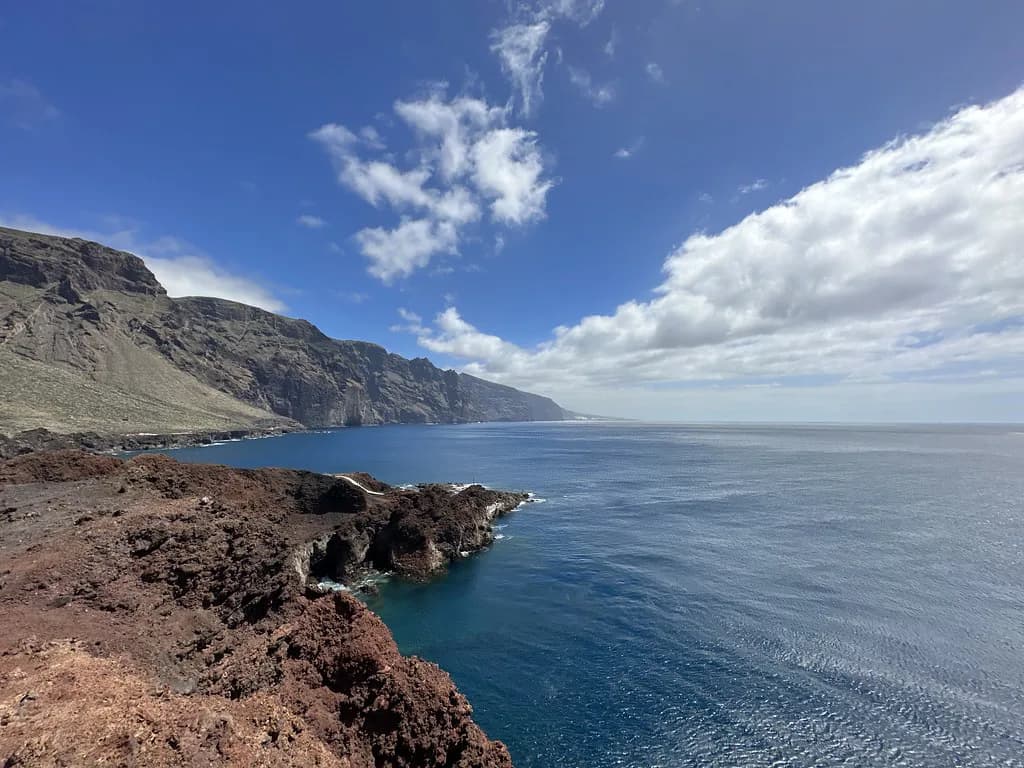
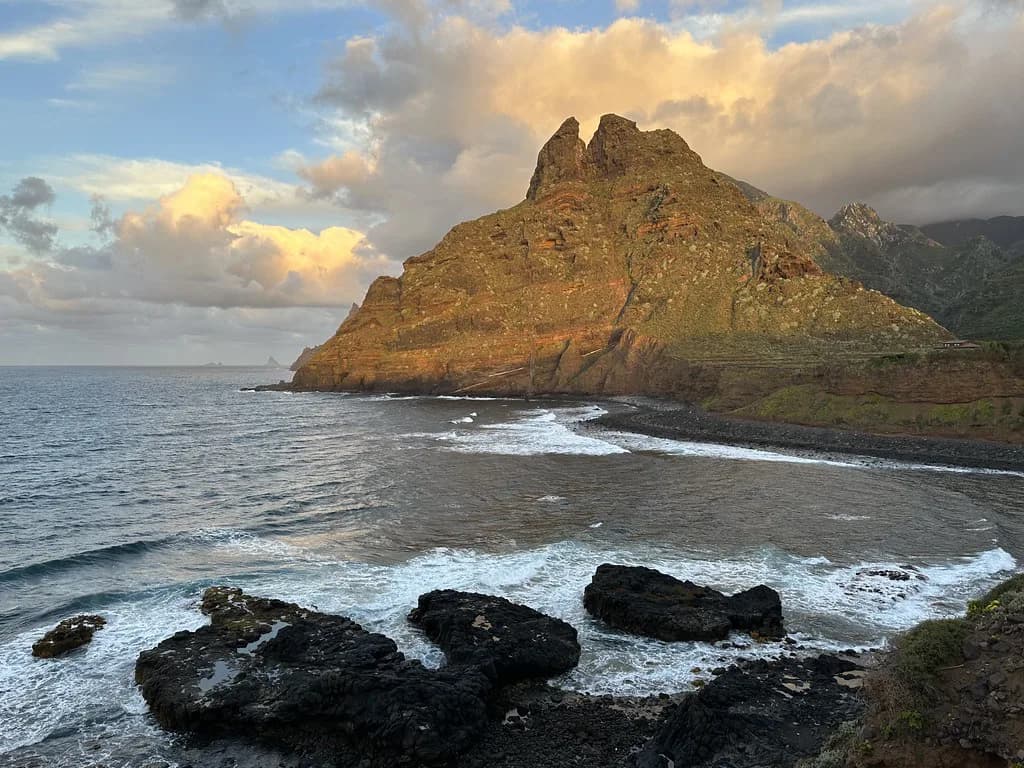
Lanzarote is consistently the warmest island year-round and the closest to the African coast, which makes it the safest November bet for pool-and-terrace weather. Its volcanic landscape is at its best in softer light, and the wind that shapes the island keeps walking comfortable. Tenerife offers the widest range: beach weather in the south, cloud forest in the north and the Teide plateau, where November feels like alpine winter and snow is possible at altitude.
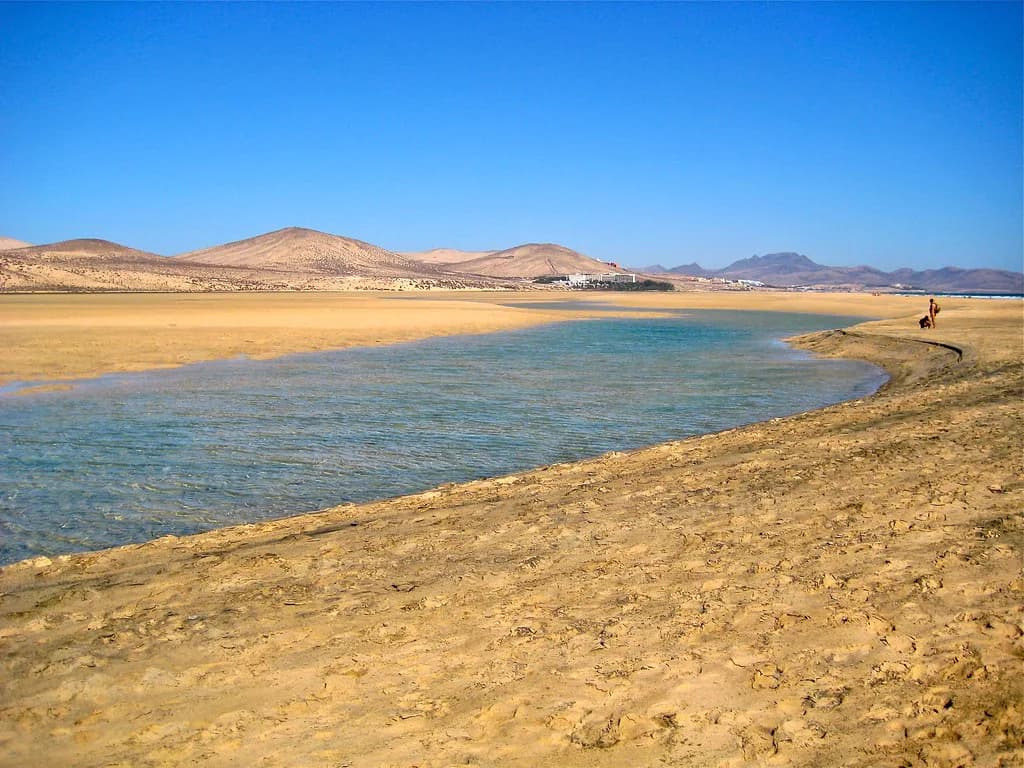
Gran Canaria packs a miniature continent into one island, with dry dunes in the south and green pine-covered peaks inland; the pine forests are home to the endemic Canary woodpecker. La Gomera is the mildest island from October to March, nicknamed the island of eternal spring, and Garajonay National Park's laurel forest shelters white-tailed laurel pigeons and unique goldcrests. La Palma, the greenest and least developed of the main islands, rewards anyone who prefers trails and stargazing to resort life.
Can You Swim in November? Sea Temperatures and Beach Conditions
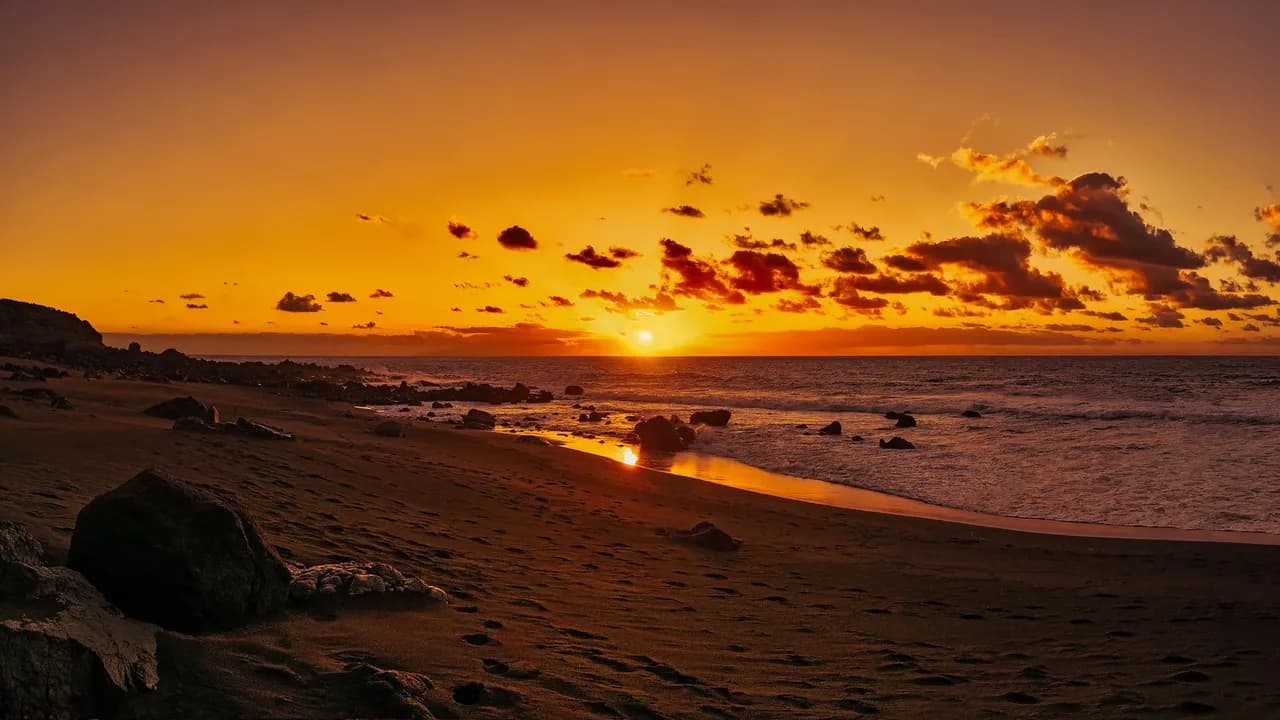
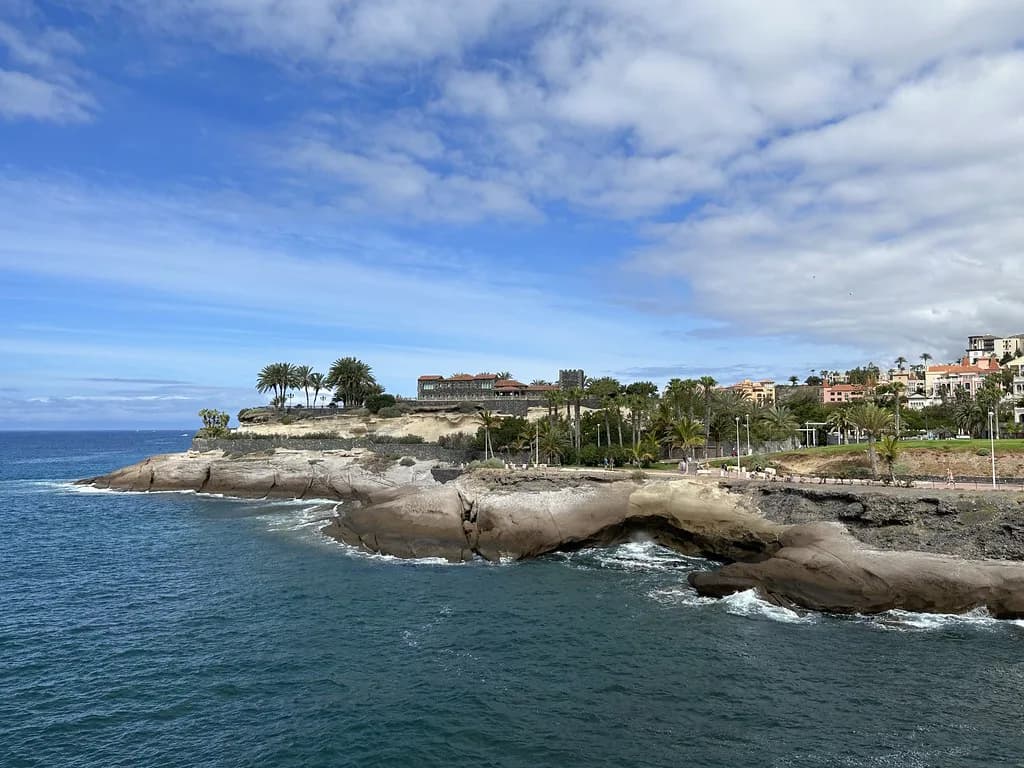
Atlantic water cools more slowly than the air, so November swimming is usually more comfortable than the air temperature suggests, particularly on the southern coasts of Tenerife and Gran Canaria. Sheltered coves and dark volcanic sand warm faster than exposed northern beaches. Pool temperatures at resorts are often the bigger factor, so ask your hotel whether its pools are heated before you book if swimming is a priority.
Swell and wind are the real variables. North-facing beaches pick up more chop and the trade winds can make afternoons brisk, while the calm early morning is usually the best window. Beach clubs and seasonal lifeguard cover thin out after the summer, and some coastal bars reduce days, so a resort that is lively in August may feel half-closed by the middle of the month.
What Slows Down in November
November sits between the summer season and the Christmas peak, and the resorts feel it. Some hotels and restaurants take their annual break, others cut menus and opening days, and excursion operators run reduced schedules. Boat trips and guided walks that run daily in summer may only depart a few times a week, so book the specific activity you care about ahead instead of deciding on the day.
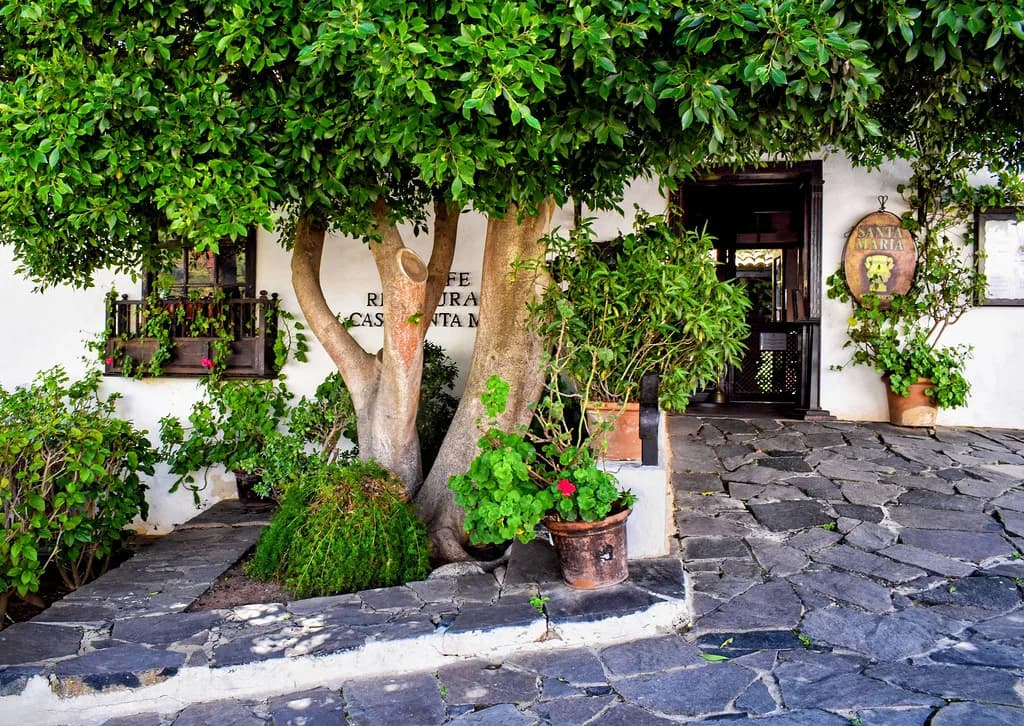
The upside is space. Trails, viewpoints and the famous restaurants in the villages are quieter, and you are far more likely to walk into a table without a reservation. Check directly with the ferry companies for inter-island crossings, and with the cable-car and mountain-guide operators for services you are travelling for, especially guided ascents on the high mountains.
What Is On in November: Almond Blossom and the Run-Up to Carnival
November is a quiet month on the festival calendar, which is part of its appeal. Carnival is the event the islands build toward, and for 2027 the celebrations run from 22 January to 28 February, with dates varying slightly from island to island. Santa Cruz de Tenerife stages one of the biggest carnivals in Spain, Las Palmas and Maspalomas host Gran Canaria's, and La Palma's Los Indianos fills Santa Cruz de La Palma with talcum-powder battles and parades.
If your dates can stretch into the new year, the almond blossom season is marked by the Fiesta del Almendro in Puntagorda on La Palma at the end of January. Closer to November, the islands settle into ordinary life: local fiestas, harvest meals and the first Christmas lights going up in the towns toward the end of the month.
Things to Do on a Mild or Wet November Day
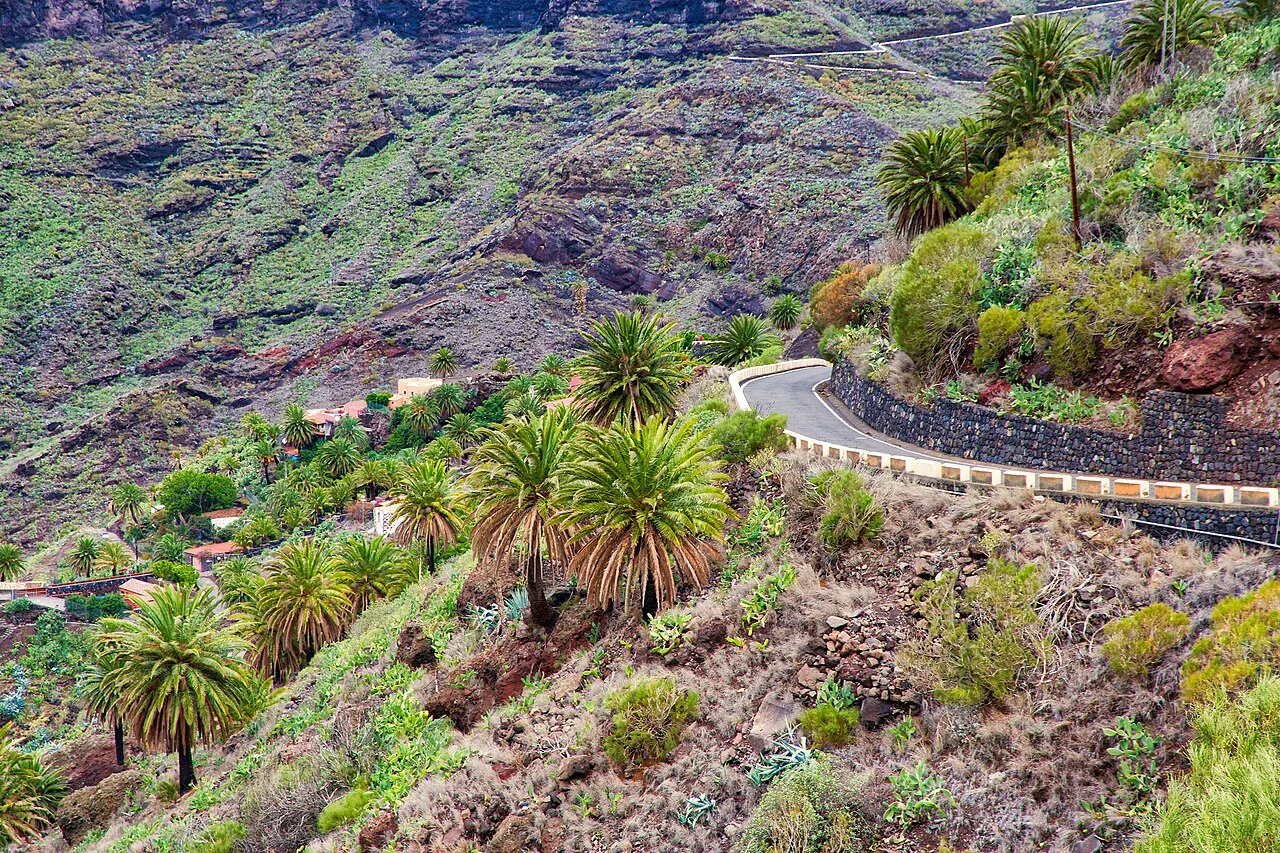
Use the good days for the landscapes that make the islands distinctive: the trails and laurel forest of Garajonay on La Gomera, the volcanic caldera of La Palma, the dunes and pinewoods of Gran Canaria, and the high plateau around Teide on Tenerife. November temperatures make a full day of walking realistic in a way that midsummer does not.
When the rain sets in, shift to the towns. Santa Cruz de Tenerife and Las Palmas have museums, markets and covered food halls, and the historic quarters of La Laguna and La Orotava reward a slow wander. Spa hotels and natural pools give you a warm alternative to the beach, and the islands' fish restaurants are at their most relaxed in the low season.
Birdwatchers should note that spring into early summer is the prime season for the rarest species, so November is a quieter month for wildlife. You will still see the resident laurel-forest birds and the common seabirds, and you will have the trails to yourself.
Day Trips That Work in November
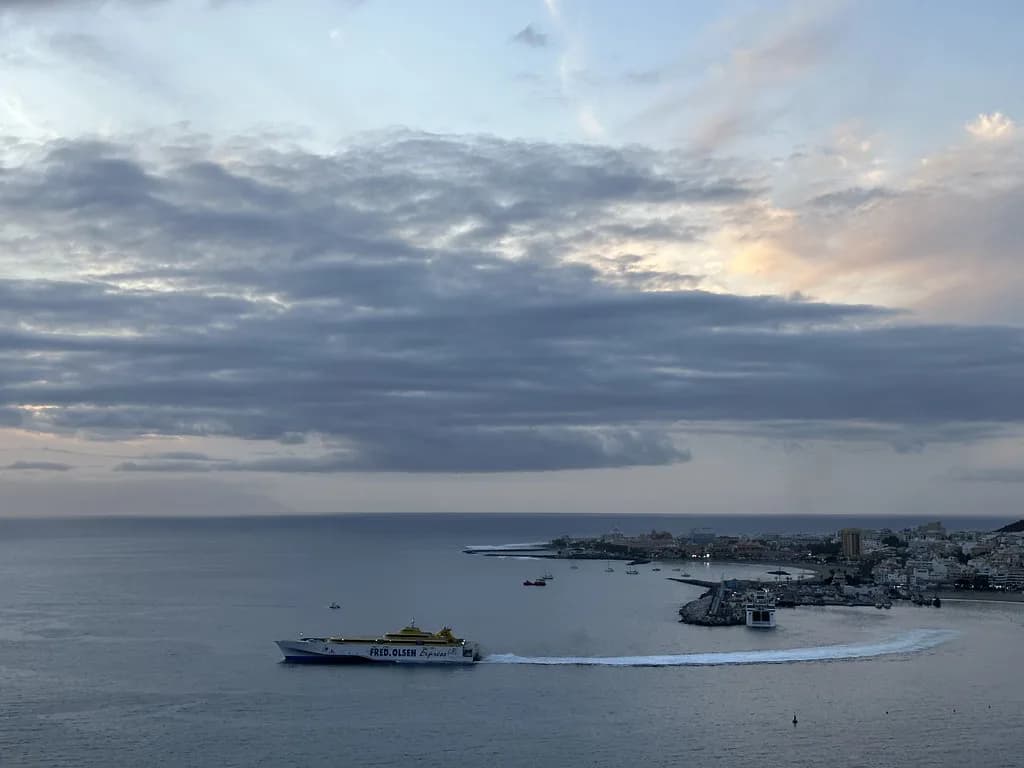
Island-hopping is feasible but needs planning: ferries link the main islands, and inter-island flights connect the capitals, but winter timetables are thinner than in summer. Build a buffer around any connection that matters, and treat a day trip as a full day rather than a half one. The short crossings, such as Tenerife to La Gomera, are the easiest to fit in.
On land, the classic day trips hold up well in November. The Teide cable car and the high-mountain roads can be affected by snow and wind, so keep a flexible day for them. La Laguna's UNESCO-listed centre, the lava tubes of Lanzarote and the salt pans of La Palma are all comfortable in mild weather and make sensible wet-day backups.
Crowds, Prices and Who Should Pick Another Month
November is one of the quietest and cheapest months of the winter season, with resorts well below their Christmas and February occupancy. You trade some atmosphere and some open businesses for lower rates and empty trails. If you want guaranteed restaurant choice and full excursion schedules, February or March, when Carnival and spring break fill the islands, is a better fit.
Travelers who should look elsewhere: anyone chasing reliable beach heat, families who want the full resort machine running, and visitors whose main goal is Carnival. For everyone else, November is a genuinely good compromise between winter sun and quiet.
Getting Around the Islands in November
Each island has its own bus network and hire-car market, and a car is the most practical way to reach trailheads and the quieter beaches. Roads to the high mountains can close in bad weather, so check conditions before setting out on a summit day. Inter-island ferries and flights are the main connections: check current November timetables with the ferry companies and airlines rather than assuming a summer schedule.
Within the resorts, walking covers most of what you need, and taxis are plentiful in the main towns. If you plan to island-hop, pick two bases rather than three and give each enough time to absorb a rainy day. That structure suits November's variability far better than a tightly packed itinerary.
Plan Your November Trip
November in the Canary Islands is a month for travelers who value mild walking weather, quiet trails and low-season rates over guaranteed beach heat. Pick Lanzarote or southern Tenerife for the best odds of sunshine, La Gomera for the mildest temperatures, and La Palma or inland Gran Canaria for landscapes and stargazing. Build in a flexible day for the mountains and a wet-day plan for the towns.
Explore more Canary Islands winter guides
Frequently Asked Questions
Which Canary Island is best in November?
Lanzarote is consistently the warmest island year-round, which gives it the best odds of terrace weather. La Gomera is the mildest from October to March. Southern Tenerife and Gran Canaria offer the most reliable sunshine, while La Palma and inland Gran Canaria suit walkers and stargazers.
What is the weather like in the Canary Islands in November?
Typical November conditions are around 21°C with roughly 33 mm of rain across the month, part of the wetter October-to-March window. Expect mild days, cooler evenings, some showery spells and plenty of bright intervals. The figures are long-term averages rather than a forecast.
Can you swim in the Canary Islands in November?
Atlantic water stays milder than the air, so swimming is realistic on sheltered southern coasts. Exposed northern beaches pick up more wind and swell. Ask whether your pool is heated, since that often matters more than the sea in November.
What is the currency in the Canary Islands?
The Canary Islands use the euro as part of Spain. Cards are widely accepted in resorts and towns, but carry some cash for small village bars, buses and markets.
Is November a good time to visit the Canary Islands?
Yes, if you want winter sun without summer heat and don't mind some rain. It is one of the quietest months, with lower rates and empty trails, but some hotels and excursion operators run reduced schedules. Travelers who need guaranteed beach weather should wait for February or March.
Sources
Winter travel notes
Optional updates when we add or revise winter guides.
You might also like
Continue reading
More guides you'll find useful