Spain in November: Weather, Crowds and Where to Go
Spain in November means mild days in Andalusia and Barcelona, a cooler wetter north, and a warm Canary Islands. Here is what to expect region by region.
On this page
November is when Spain stops being one destination and becomes several. The south and the Mediterranean coast stay mild enough for long days of sightseeing and outdoor lunches, the northern coast turns cooler and wetter, and the Canary Islands keep temperatures that still support beach time. That split means the month suits travelers who care more about culture and calmer streets than about guaranteed heat. If you want a single answer, pick your region first and the weather will follow.
Why November splits Spain into different trips
Treat November as three separate trips: Andalusia and the Mediterranean for mild city days, the north for food and wine with more rain, and the Canary Islands for warmth. Travelers report that attractions such as the Sagrada Familia and the Alhambra are noticeably calmer in November, which changes how you plan your days. The trade-off is shorter daylight and occasional autumn showers, so build indoor backups into the itinerary. If you want the broader seasonal picture, start with the Spain in winter planning guide.
Weather in November, region by region
The Canary Islands are the warmest option, with daytime temperatures typically around 20–24°C (68–75°F). Mainland Andalusia often sits at 15–20°C (59–68°F), while central cities such as Madrid range from about 12°C to 15°C (54–59°F). Northern Spain, including Galicia, Asturias and the Basque Country, is cooler and wetter, averaging roughly 10–14°C (50–57°F). These are long-term averages, not forecasts, so check the national weather service as your dates approach.
Barcelona has its own mild pattern: an average November high near 18°C (64°F) and a low around 8°C (46°F), with roughly five days of rain across the month. The clocks have already gone back, so daylight is noticeably shorter than in summer. That favors concentrated sightseeing rather than long beach days.
Andalusia and southern Spain in November
Andalusia is the easiest winter-sun city break in mainland Spain. Seville, Granada and Córdoba are comfortable for walking, and the Alhambra in Granada sees far calmer conditions than in high season. A light jacket is still useful in the evening. Book the Alhambra slot you want before you arrive, because the daily quota is limited even in shoulder season.
Barcelona and Catalonia in November
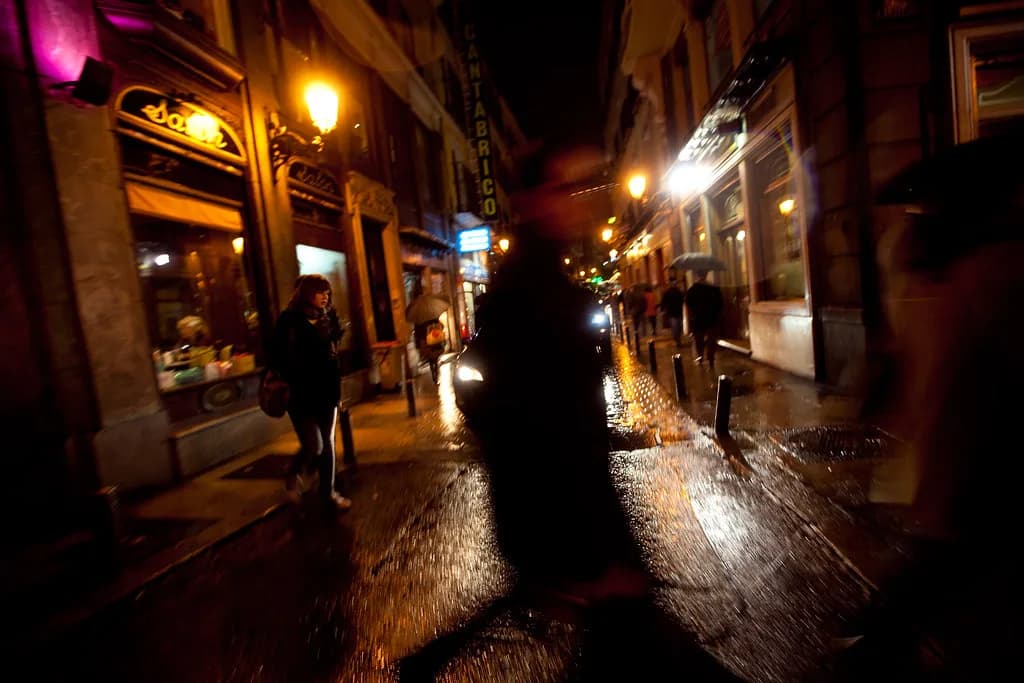
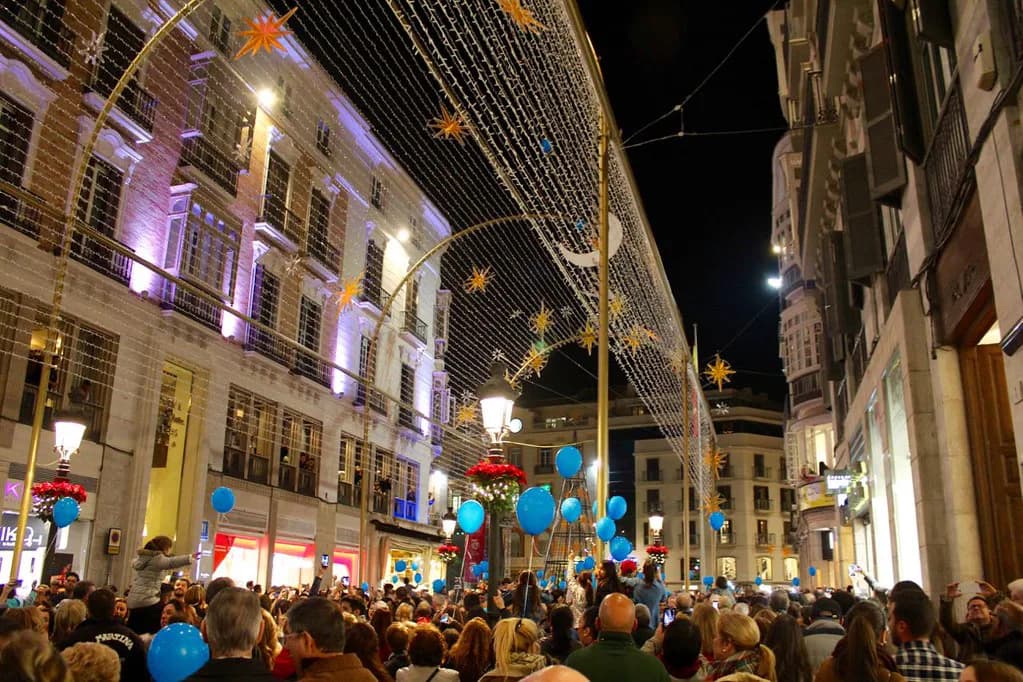
Barcelona in November is warm enough for outdoor terraces at midday and cool enough that you will want a jacket by evening. It is also one of the quieter months, making the Sagrada Familia and the Picasso Museum more pleasant to visit. Seasonal sweets and roasted chestnuts appear around All Saints' Day on 1 November. If you are weighing a longer stay, the Spain in December guide explains how the city changes as the holiday season begins.
Beyond Barcelona, Girona and Tarragona make strong day trips by train in November, and the Costa Brava is much quieter than in summer. The Pyrenees are better for crisp hikes and autumn color than for beach weather. For a deeper island alternative, Mallorca in November offers a calmer version of the Balearics.
Madrid and central Spain in November
Madrid and Toledo cool down noticeably in November, with daytime highs often in the low-to-mid teens Celsius. Evenings are crisp, and autumn showers are possible but usually short. This is good museum weather: the Prado, the Reina Sofía and the Thyssen reward a full day indoors. The city’s international jazz festival fills theatres and smaller venues through the month.
Northern Spain: the Basque Country, Asturias and Galicia
The north is cooler and wetter in November, with more frequent rain in Galicia, Asturias and the Basque Country. The payoff is seasonal food and wine, and fewer visitors in Bilbao and San Sebastián. This is a month for pintxos, hearty stews and museum time rather than coastal walks. If you want the Christmas angle instead, Christmas in Spain covers the December shift.
The Canary Islands in November
The Canary Islands are the only part of Spain where beach weather is realistic in November. Daytime temperatures typically sit around 20–24°C (68–75°F), and the sea stays warm enough for swimming. Gran Canaria and Tenerife both work for a mix of beach, hiking and volcanic landscapes. The Canary Islands in November guide covers the island-by-island differences.
All Saints' Day and the Castanyada
All Saints' Day on 1 November is a national holiday, when families visit cemeteries and bakeries sell seasonal sweets. In Catalonia you will find panellets, small almond cakes, alongside the Castanyada tradition of roasted chestnuts. In Madrid, look for huesos de santo; in Andalusia, buñuelos. Expect banks and offices to close, while most restaurants and private attractions stay open.
Film, jazz and food events in November
Barcelona hosts two film festivals in November: In-Edit, focused on music documentaries, and L'Alternativa for independent cinema. Seville’s European Film Festival and Madrid’s International Jazz Festival bring international names to southern and central Spain. In wine regions such as La Rioja and Catalonia, harvest celebrations continue into the month. Confirm your dates against each organizer’s published program before booking travel.
What to do when it rains
Rain in November is rarely an all-day affair in the south, but the north can be wet. Build in museum mornings and food experiences: a paella class in Barcelona, a wine tasting in Madrid, or a flamenco show in Seville. In Barcelona, the Picasso Museum and the Palau de la Música Catalana are solid indoor options. Spas and thermal baths also make sense in cooler weather.
Day trips that still work in November
From Barcelona, Girona and Tarragona are straightforward by train and far quieter than in summer. From Madrid, Toledo is an easy day trip and rewarding in cool weather. From Seville, Córdoba and Granada are feasible by high-speed rail, though Granada deserves an overnight if you want the Alhambra. Check winter timetables with the rail operators, because services can be less frequent than in summer.
Crowds, prices and short daylight
November is one of the cheaper months to visit Spain, with flights and accommodation typically costing less than in peak season. The main attractions, including the Sagrada Familia and the Alhambra, are calmer than in summer, though they remain popular. The trade-off is daylight: the clocks have gone back, so plan outdoor sights for the morning and keep the afternoon for museums or indoor experiences. For the full winter picture, the Spain in winter guide covers December through February.
Who November in Spain suits, and who should wait
November suits travelers who prioritize culture, food and quieter streets over beach weather. It also works for budget-conscious visitors and for anyone who wants the Alhambra or the Sagrada Familia without summer queues. Skip mainland Spain if you need reliable sunshine and swimming; choose the Canary Islands instead. If you want Christmas markets and festive lights, wait until December, when the season properly begins.
Travelling through Spain in November with a dog
November is often described as one of the most economical months to visit Spain, with fewer tourists and cheaper flights and hotels, and much of the sightseeing advice for the month centres on cities such as Barcelona, Valencia, Seville, Granada and Cordoba. The sources gathered here focus on weather, crowds, festivals and packing rather than on pets, so the practical points they do support are the seasonal ones: in Barcelona the average November high is around 18ºC with an average low of 8º, the month averages five days of rain, and the days are noticeably shorter because the clocks have gone back by then. For anyone walking a dog, that combination shapes the day more than any single rule. The lower temperatures can make a day of sightseeing considerably less sweaty, and you can still strip down to a T-shirt at midday on a sunny terrace, but mornings and evenings are cool enough that a jacket and jumper belong on the packing list. An early start gets you both the daylight and the milder hours, and a rain day is worth planning around rather than fighting, since the month averages those five wet days in Barcelona and autumn showers are possible in central Spain too.
Where you go matters as much as when. November weather in Spain is mild and varied: southern Spain is often still pleasantly warm during the day, averaging between 15–20°C, with cities like Seville, Cartagena and Granada perfect for sightseeing without the intense heat of summer and only a light jacket needed in the evenings. Central Spain, including Madrid and Toledo, is noticeably cooler, with average highs around 12–15°C and crisp nights, while northern Spain, including Galicia, Asturias and the Basque Country, is chillier and wetter, with daytime temperatures averaging around 10–14°C and more rain. The Canary Islands average 20–24°C even in November and are described as the only part of Spain where you can still realistically plan for beach weather at this time of year, with Gran Canaria singled out as a strong option. For a travelling dog, that spread translates into a choice of walking conditions: mild daytime temperatures and outdoor café afternoons in Andalusia, layers and shorter, drier walks in the north, and warmth in the Canaries.
The month's calendar is worth knowing because it changes how busy streets and squares feel underfoot. November starts with a national public holiday, El Día de Todos los Santos, or All Saints' Day, on 1 November, when flower vendors line the streets to sell floral displays for gravesides and people traditionally eat small round almond cakes called panellets, on sale at bakeries around the city. Running concurrently with Halloween on 31 October and All Saints' Day is La Castanyada, whose main activity is eating hot toasted chestnuts, castanyas in Catalan, wrapped in newspaper from street hawkers with roasting stalls around the holiday. These are crowded, food-centred street moments rather than quiet ones, so they suit a dog who is comfortable in a busy city and less well a nervous one. The rest of the month is calmer: fewer tourists mean attractions like the Sagrada Familia and the Alhambra are far calmer to visit, and Barcelona in November can be warm, sunny and cheerful with plenty to see and do, though culture vultures will not care that it is not beach weather when they are admiring the handiwork of Antoni Gaudi, Lluis Domenech i Montaner and Pablo Picasso.
Packing advice for the month already leans towards layers, with t-shirts for the day, a jumper or jacket for evenings and an umbrella if heading north, and My Experience notes from a November Barcelona trip describe weather comfortable for sightseeing and dining outdoors, though evenings were cooler than expected. A dog changes the shape of a November day rather than its weather: the mild midday hours are the ones to spend outside, whether on a terrace kissed by the sun or on the kind of day trip the month still allows, such as Girona and the Dali Museum from Barcelona, or, from Malaga, the white towns of Ronda, Mijas and Nerja and the cities of Seville, Granada and Cordoba. The shorter daylight means getting up earlier if you want to see all the main attractions in the daylight, and that same early start is the easiest way to give a dog its long walk before the evening chill sets in.
Plan Your Visit
Pick your region before you book: Andalusia or Barcelona for mild city days, the north for food and rain, the Canary Islands for warmth and swimming. Expect shorter daylight and occasional showers, and build indoor backups into each day. Check opening hours and event dates with the venue or organizer, then lock in the Alhambra and Sagrada Familia early. If your dates stretch into December, read the Spain in December guide next.
Explore more Spain winter guides
Frequently Asked Questions
Can you sunbathe on the Costa del Sol in November?
Sunbathing is unreliable on the Costa del Sol in November. Daytime temperatures are mild, but the sea and air are cooler than in summer. The Canary Islands are the safer bet for beach weather.
Is Málaga still warm in November?
Málaga stays mild in November, with daytime temperatures that support sightseeing and outdoor lunches. Evenings are cooler, and rain is possible. It is not a guaranteed beach month.
What part of Spain is warmest in November?
The Canary Islands are the warmest part of Spain in November, with daytime temperatures typically around 20–24°C. Mainland Andalusia is next, while northern Spain is cooler and wetter.
Is November a good month to visit Spain?
Yes, if you want fewer crowds, lower prices and mild city weather. It is less suitable if you need guaranteed sunshine or beach days on the mainland.
Can you swim in Spain in November?
Swimming is realistic in the Canary Islands, where the sea stays warm. On the mainland, the water is usually too cold for most swimmers, although some hotels have heated pools.
Sources
Winter travel notes
Optional updates when we add or revise winter guides.
You might also like
Continue reading
More guides you'll find useful