Christmas in Spain: Traditions and What to Decide
Christmas in Spain runs from Christmas Eve to Epiphany, with family dinners, twelve grapes on New Year's Eve and Three Kings parades on 5 January.
On this page
Christmas in Spain is less a single day than a stretch of weeks in which family meals, street lights and late nights accumulate toward Three Kings' Day on 6 January. The season suits travelers who like food-led evenings, city walking in cold air and a public holiday calendar that keeps squares busy well after dark.
Where you go changes what Christmas feels like. The inland plateau brings sharp, clear cold, while the Mediterranean and Atlantic coasts stay mild enough for long walks between meals. Picking a region first, rather than a generic idea of Spain, is the single most useful decision you can make before booking.
When Christmas Happens in Spain
The core dates are fixed and easy to plan around. Christmas Eve falls on 24 December, Christmas Day on 25 December, New Year's Eve on 31 December, Epiphany Eve on 5 January and Epiphany on 6 January, which is a Wednesday in 2027. Christmas Day 2026 is a Friday and New Year's Day 2027 is also a Friday, so both create long weekends.
Spanish Christmas Eve is the most family-oriented night of the season, built around a shared dinner that often runs late; in the past many families waited until midnight mass to eat. Christmas Day itself is a day of joy and gifts, though Santa Claus only became prominent in Spain during the twentieth century, and presents were traditionally brought by the Three Kings on 6 January.
The season closes with Epiphany Eve on 5 January, when parades fill the streets with floats representing the arrival of the Three Kings, and Epiphany itself on 6 January, when children find their gifts. Plan your trip to finish after 6 January if the Kings matter to you, or to end earlier if you want cheaper, quieter city days.
Weather Across a Spanish Christmas
Spain in December splits into two very different travel experiences. Madrid and the inland plateau sit cold and often clear, with short days that push sightseeing into the middle of the afternoon, while Mediterranean cities and the Atlantic coast stay mild enough for unhurried walks and outdoor terraces at midday.
Treat any figures you see for a Spanish Christmas as long-term typical conditions rather than a forecast, because the country spans several climate zones. If snow is part of the appeal, check which regions actually see it before you commit to an itinerary.
Daylight is the constraint most visitors underestimate. In late December the sun sets early across the whole country, so a morning at a museum and an afternoon walk leaves little room for a long day trip, and coastal evenings cool quickly once the light goes.
Christmas Eve and Christmas Day
Christmas Eve in Spain is an evening at the table, not a night out. Families gather for a dinner of roasted lamb, seafood and Christmas sweets, and many still attend midnight mass afterwards, which means restaurants and bars in city centers can be unusually quiet compared with the nights around them.
Christmas Day itself is a family lunch, usually more relaxed than the dinner the night before, with dishes such as cocido madrileño or paella alicantina appearing on tables. If you are traveling, expect the day to revolve around whatever your accommodation or a booked meal provides rather than around spontaneous restaurant choice.
These two days are the most disrupted of the whole season for visitors, and 1 January behaves much the same way. Build your trip so that 25 December and 1 January are slow days with a plan in place, and put the museum and shopping days on either side of them.
New Year's Eve and the Twelve Grapes
New Year's Eve in Spain runs on a single shared ritual: eating twelve grapes, one for each chime at midnight. The custom began in the late nineteenth century, when Alicante winegrowers promoted it to sell a surplus of grapes, and it is now the funniest and most chaotic moment of the season.
Madrid's Puerta del Sol is the symbolic center, where crowds gather and the country watches the clock on television, but the grapes are eaten in almost every city at one of its main landmarks. Wherever you are, arrive early if you want a square with a view of the clock, and bring your own grapes rather than relying on buying them at midnight.
After midnight the night continues, with toasts in cava and long dinners that begin late and end later. New Year's Day 2027 falls on a Friday, so the following weekend remains in holiday mode and city centers stay busier than a normal January weekend.
The Days Between Christmas and New Year
The stretch from 28 December to 30 December is one of the best-value windows of the Spanish winter. The family obligations of Christmas Eve and Christmas Day are over, the New Year crowds have not yet arrived, and city centers settle into a rhythm of lights, shopping and long lunches.
Shops stay open and restaurants operate normally in these days, which makes them the practical choice for travelers who want to eat well and see sights without the closures of the feast days. The Spanish Christmas Lottery draw on 22 December is another date worth knowing, since it dominates the morning for millions of households.
Use these days for the things that need appointments and daylight: major museums, cathedral visits and a half-day trip to a heritage town. Save the evenings for the lights, which are the part of the season that costs nothing and rewards slow walking.
Epiphany Eve and Epiphany
The evening of 5 January is the emotional high point of the Spanish Christmas. Parades known as cabalgatas fill the streets with floats representing the Three Kings, sweets are thrown to the crowd, and children prepare for gifts the next morning rather than in December.
On 6 January, Epiphany itself, families eat roscón de reyes, a ring-shaped cake with something hidden inside. The person who finds the bean traditionally pays for the next cake, while whoever finds the small figure is crowned king of the house; bakeries and restaurants sell it throughout the festivities, but the most traditional moment is the afternoon of 5 January or the day itself.
Epiphany falls on a Wednesday in 2027, which splits the week: the parades happen on a Tuesday evening and many families travel around the following weekend. Book transport and tables for that window early, and expect the days immediately after 6 January to feel suddenly quiet.
What Spaniards Eat at Christmas
A Spanish Christmas meal is a sequence rather than a single dish, and it usually opens with a table of starters that could pass for a tapas counter. Iberian ham, cheeses, seafood, preserves and pickles come first, followed by a stew or soup such as Andalusian stew, Catalan escudella or garlic soup, then a roast or an oven-baked fish.
The sweets are the part visitors remember. Turrón has Arab roots and became popular in the sixteenth century, with towns such as Jijona and Alicante known for artisanal versions; marzipan production took hold in Toledo convents from the thirteenth century, and polvorones began as a rural Andalusian sweet before spreading across the country.
If you want to eat like a local rather than order from a menu, look for a restaurant serving a festive set menu rather than an à la carte dinner, since that is how Spanish families structure the big meals. Bakeries overflow with Christmas confectionery from early December, which makes an afternoon snack the easiest way to sample several sweets at once.
Cava, Chestnuts and Street Food
Eating between the feast days is one of the quiet pleasures of a Spanish Christmas. Roasted chestnut and sweet potato stalls appear across tourism areas in winter, and the smell is usually enough to lead you to them on a cold afternoon walk between monuments.
Cava is the drink of the season, a dry sparkling white wine produced in Spain, and toasts come with their own vocabulary: salud for good health, or the more informal chin-chin. Order it by the glass with a plate of ham rather than treating it as a special-occasion bottle.
Christmas markets in Spain are smaller and more food-focused than the big northern European versions, with stalls for sweets, gifts and crafts rather than elaborate wooden villages. Treat them as a half-hour stop en route to something else, especially in the southern cities where the lights are the main attraction.
What to Do Between the Feast Days
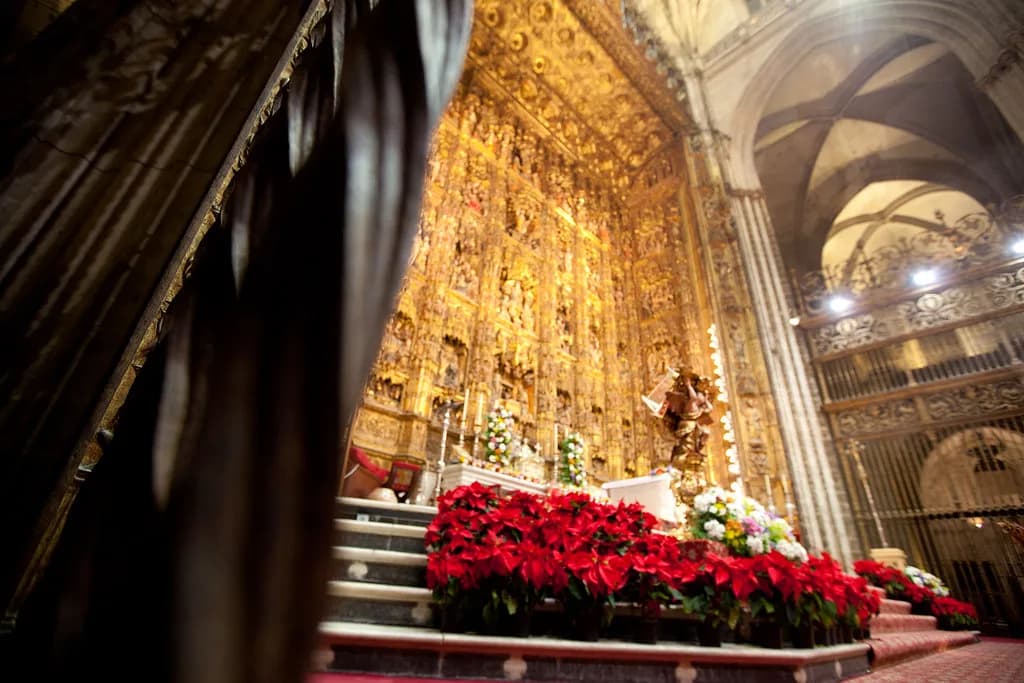
Museums, old quarters and nativity scenes carry a Spanish Christmas trip once the big meals are done. Elaborate belenes, the nativity scenes set up in churches and public buildings, range from simple cribs to whole miniature towns with bakeries, streams and orchards, and they are free to visit in many cities.
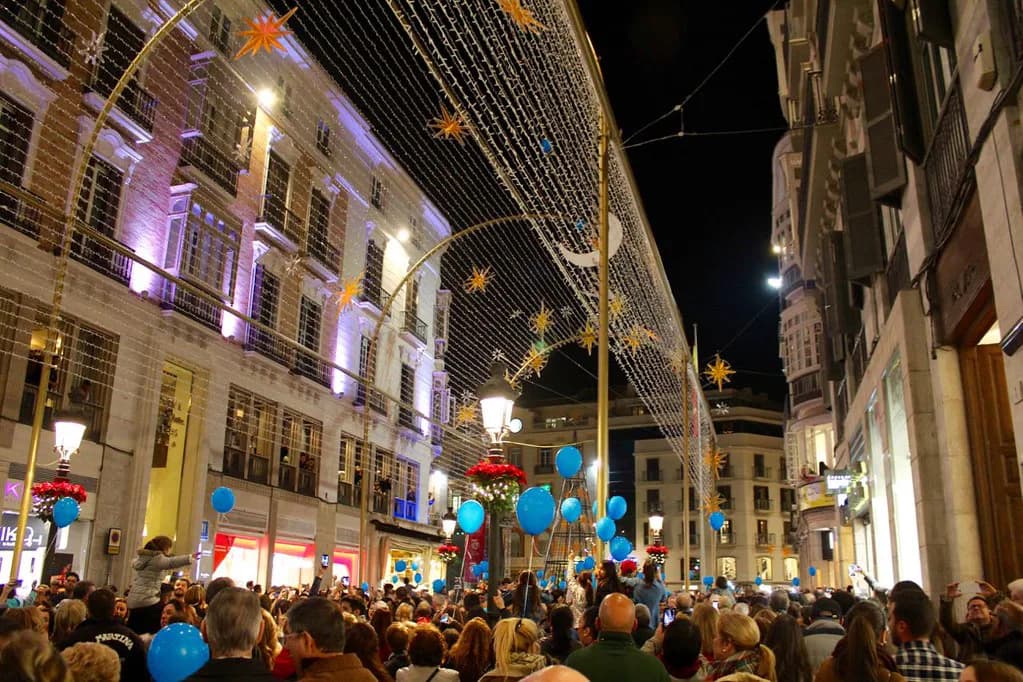
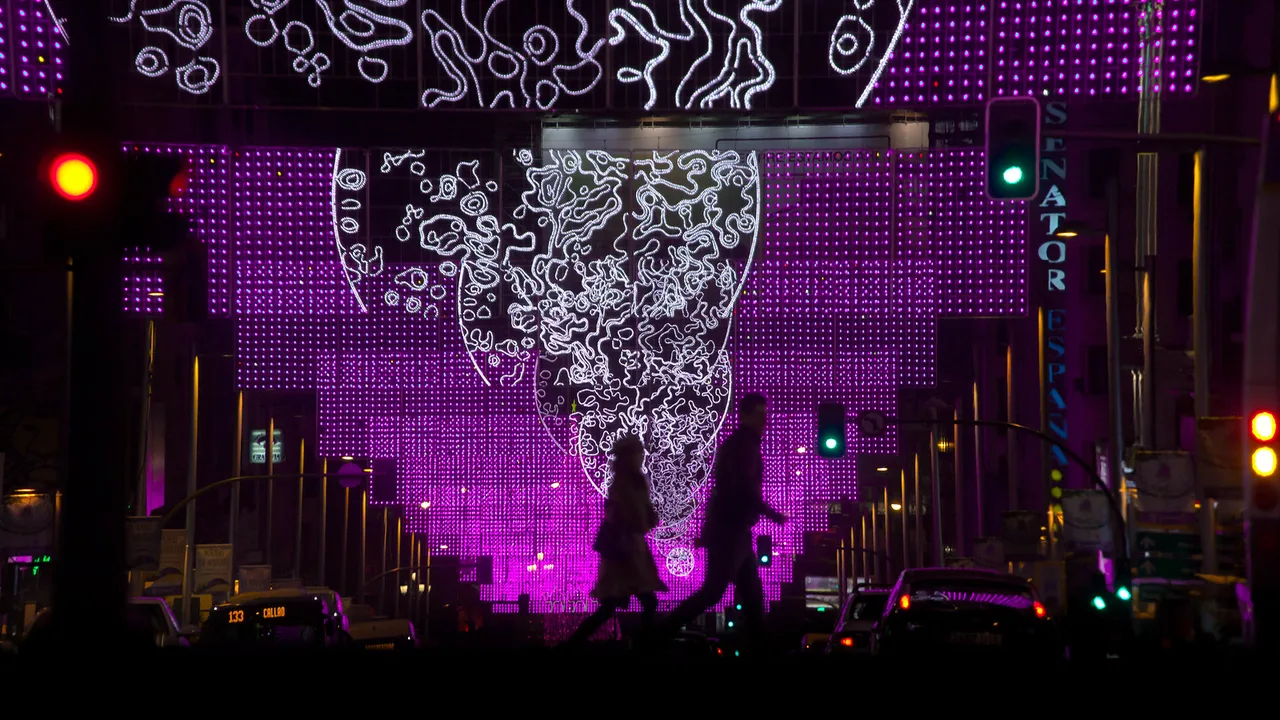
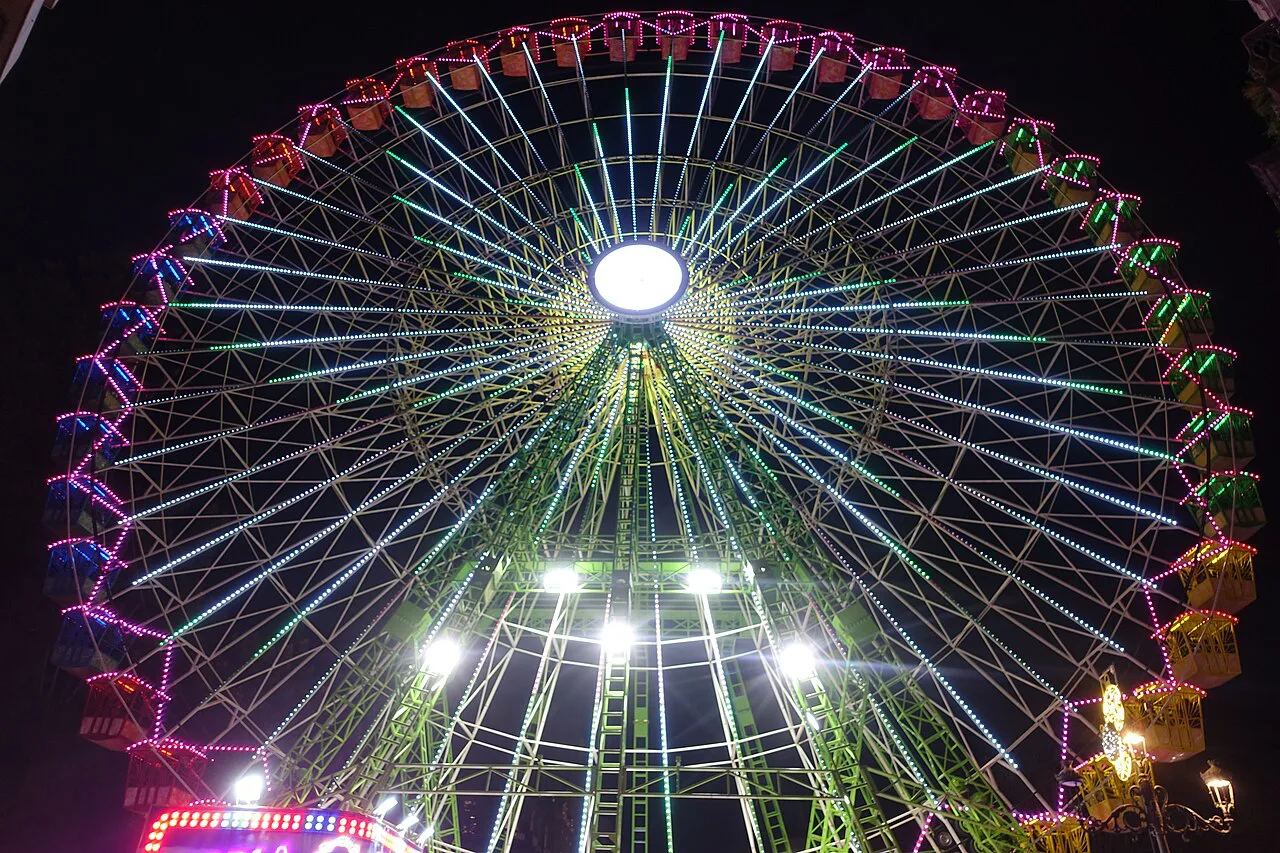
City lights are the other reliable draw, and each city runs its own display rather than a national one. In Málaga, Calle Larios becomes the center of the shopping district's illumination, while Alicante concentrates its lights around the Town Hall Square and the Explanada, with a giant nativity scene recognized as the largest in the world. If you are weighing the coast against the islands, compare it with Christmas in Málaga to see how the two light displays and holiday rhythms differ.
Theatres, concerts and carol singing fill the evenings, and carols vary by region, with Valencian melodies in the east and flamenco-inflected versions in Andalusia. Check what is on at the city's main theatre or concert hall rather than expecting a single national programme.
Day Trips That Work in Winter
Short daylight makes day trips a question of distance, not ambition. A heritage town within an hour by train gives you a full afternoon of walking and a meal before dark, while anything much longer leaves you arriving in the cold and leaving in it.
Toledo's marzipan convents and steep streets work well as a winter day from Madrid, and Jijona and Alicante reward anyone interested in how turrón is made. Coastal towns in the north, such as San Sebastián, are better suited to a spring visit, since winter closes much of what makes them enjoyable.
On the islands, winter is the quiet season, and the rewards are walks and food rather than beaches. Mallorca's cities keep a Christmas rhythm of their own, with lights and markets in Palma and a slower pace in the coastal villages.
Crowds, Prices and Short Days
Christmas is a peak season in Spain, but the pressure is concentrated rather than constant. Expect the highest demand around the weekends nearest 25 December and 1 January, with noticeably calmer days in between and a second surge around 5 and 6 January.
Short days are the real trade-off. Late sunrises and early sunsets mean less time for outdoor sightseeing, so plan two or three indoor anchors per day and accept that a long list of sights will not fit.
Restaurant and shop disruption on 25 December and 1 January is the other thing to plan around, and it is manageable if you decide in advance where those two meals will come from. Prices for accommodation and transport rise over the holidays, so booking early matters more than hunting for a deal.
Who Should Go, and Who Should Wait
A Christmas trip to Spain suits families who want the Three Kings to be the climax, food-led travelers who enjoy long lunches, and city-goers happy with cold air, lights and museums. It also suits anyone who wants a European Christmas that feels local rather than staged for visitors.
It suits less well anyone who wants beach weather, long daylight hours or a quiet, cheap Spain. If that is the goal, look at February or March instead, when the days lengthen and the holiday calendar empties out.
Travelers who want the fiesta energy without the family focus should consider March, when Las Fallas transforms Valencia with street parties and fireworks. That is a different trip from Christmas, and a much louder one.
Plan Your Christmas Trip to Spain
Build your Spanish Christmas around the calendar rather than around a single city. Aim to be in place by 23 December, keep 25 December and 1 January light, and stay through 6 January if you want the parades and the roscón to be the finale of the trip.
Choose the inland plateau for cold, clear days and the coasts for milder walks, then fill the gaps between feast days with museums, nativity scenes and lights. Book transport and holiday meals early, and leave room for the late, long evenings that define the season.
Explore more Spain winter guides
Frequently Asked Questions
Is it too cold to visit Spain in December?
It depends entirely on where you go. Madrid and the inland plateau are genuinely cold in December, with short days and a need for proper layers, while the Mediterranean and Atlantic coasts stay mild enough for long walks. Coastal evenings still cool quickly, so plan outdoor time for the middle of the day.
Do Spaniards celebrate Santa Claus or the Three Kings?
Both, but the Three Kings carry more traditional weight. Santa Claus grew in popularity during the twentieth century under Anglo-Saxon influence, while gifts were traditionally brought by the Three Kings on 6 January. Many families now do something for both, with the Kings remaining the emotional center of the season.
What happens on Three Kings' Day in Spain?
On the evening of 5 January, parades fill the streets with floats representing the arrival of the Three Kings, and sweets are thrown to the crowd. The next morning, 6 January, children find their gifts, and families eat roscón de reyes, a ring-shaped cake with a hidden bean and figure. Epiphany falls on a Wednesday in 2027.
Do people in Spain eat twelve grapes on New Year's Eve?
Yes, and it is the defining ritual of the night. At each chime of the clock at midnight, one grape is eaten, twelve in total, one for each month of the coming year. The custom began in the late nineteenth century when Alicante winegrowers promoted it to sell a grape surplus.
When should I book a Christmas trip to Spain?
Book transport and any holiday meals well before December, especially if your dates include 25 December, 31 December or the days around 6 January. Those windows carry the highest demand, while the days between Christmas and New Year are calmer and easier to arrange at shorter notice.
Where can I see the best Christmas lights in Spain?
Each city runs its own display, so the answer depends on your route. Málaga's Calle Larios becomes the focus of the shopping district, while Alicante concentrates its lights around the Town Hall Square and the Explanada. Smaller cities and island capitals keep their own versions, usually running from early December into January.
Sources
Winter travel notes
Optional updates when we add or revise winter guides.
You might also like
Continue reading
More guides you'll find useful