Spain in February: Weather, Carnival and Where to Go
Spain in February brings almond blossom in Mallorca, Carnival in Cádiz and mild southern coasts. Compare regions, what stays open and who should go.
On this page
February is the month when Spain stops feeling like one country. The Atlantic north stays cool and damp, the Mediterranean south offers bright lunchtime walks, and the Canary Islands run a genuine warm-season winter. It suits travelers who want cities, food and indoor culture without summer heat, and who accept short days and mixed weather.
The month also carries the year's loudest party: Carnival Tuesday falls on 9 February 2027, with Ash Wednesday the next day. Cádiz and the Canary Islands organize the biggest celebrations, while Catalonia fills its weekends with calçotada lunches and Mallorca's almond trees come into bloom.
What Spain is like in February
Expect a country in low season. Museums, cathedrals and city restaurants run normal hours, but coastal resorts thin out, beach bars stay shuttered and some seasonal hotels in Mallorca and the Costa del Sol reopen only in spring. That quiet is the appeal: the Alhambra, the Prado and Seville's Real Alcázar are far easier to enjoy than in June.
The trade-off is variety within a single trip. A week that starts in Madrid at jacket-and-scarf temperatures can end in Valencia with a light coat, so plan southward as you go rather than committing to a single base. February rewards a two- or three-stop itinerary more than a beach stay.
Weather in February: the Atlantic north, the Mediterranean south and the Canary Islands
Spain's national weather service publishes long-term climate normals by station, and those are the figures to trust rather than any single forecast. Typical February conditions split broadly into three zones: a cool, wet Atlantic north, a mild Mediterranean south and east, and a warm Canary Islands archipelago. Treat all of them as averages, not promises.
In the north, Bilbao, San Sebastián and Galicia see the year's dampest stretch, with frequent rain and grey skies; Ourense's thermal baths are popular precisely because soaking in hot springs suits that weather. The Mediterranean coast from Valencia down through Málaga runs milder and drier, with enough sun for terrace lunches. The Canaries sit warmest of all, which is why they fill up in February.
For planning purposes, the southern coast is described as warming through February, with the northern coast cooler and the Canary Islands warmest, and Carnival season defining the month's mood.
Inland cities behave differently again. Madrid sits on a high plateau and is cold in the morning and mild in the afternoon, while Granada, at the foot of the Sierra Nevada, can be genuinely chilly. Pack layers you can shed rather than one heavy coat, and check the state meteorological agency's station data for your exact city before booking.
Daylight and sunshine hours
February days lengthen noticeably across the month, and clocks do not change until 28 March 2027. Early February still gives you dark arrivals and short afternoons; by the end of the month there is real time for a late monument visit. Build sightseeing into the morning and early afternoon and leave evenings for food.
Sunshine varies far more by region than by date. The Canary Islands and the southern Mediterranean coast deliver the most clear days, the Atlantic north the fewest. If blue sky is the point of the trip, choose the Canaries or Andalusia; if you want museums and cities, Madrid, Barcelona and Bilbao work whatever the sky does.
Carnival: Cádiz, the Canary Islands and Ash Wednesday 2027
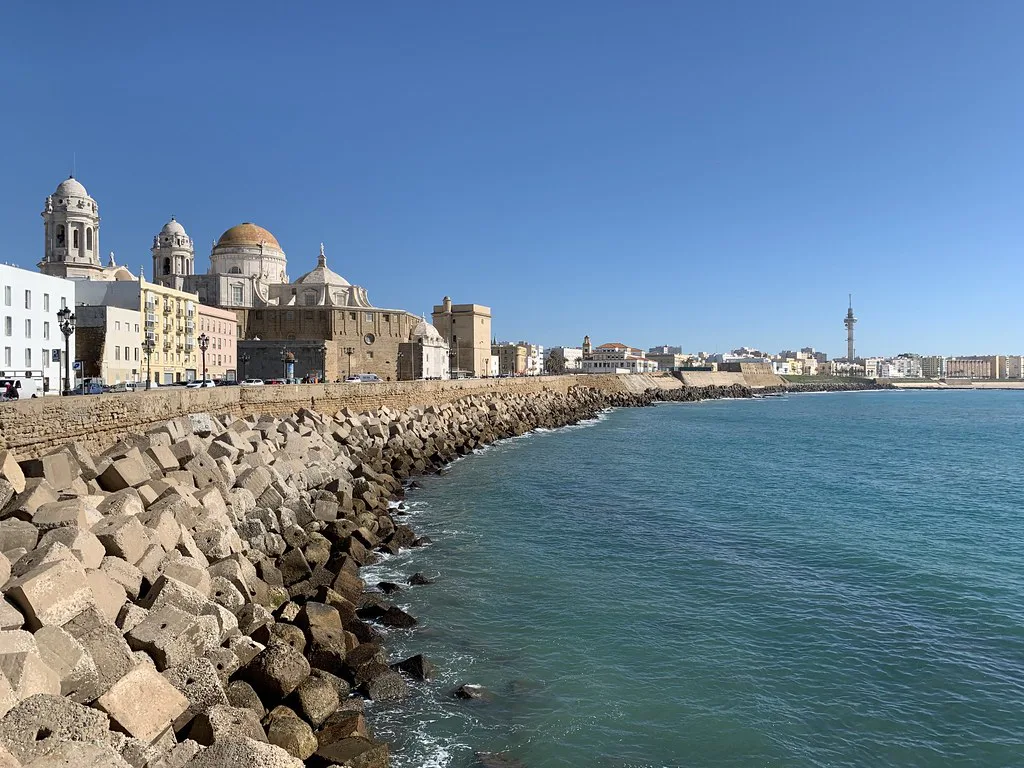
Carnival is February's defining event, and the 2027 calendar is unusually convenient. Carnival Tuesday falls on 9 February, so the climax lands on a weekday followed immediately by Ash Wednesday on 10 February. Book transport and rooms for Cádiz well ahead; the city's Carnival is among Spain's most famous, lasting close to a fortnight of parades, chirigota satirical groups, concerts and street parties.
Cádiz is a compact city, and the old town's narrow streets become packed during the peak nights. Wear shoes you can stand in for hours, and expect restaurant tables to be contested. The Canary Islands stage their own Carnival celebrations, with Santa Cruz de Tenerife and Las Palmas among the best known; both islands combine the party with warm-weather days.
If crowds are not the point of your trip, plan around Carnival rather than through it. Cádiz and the Canary capitals are at their busiest during the main nights, so either embrace that or schedule those cities for the days before or after. Andalusia's inland cities stay comparatively calm throughout.
Valentine's Day and romantic city breaks
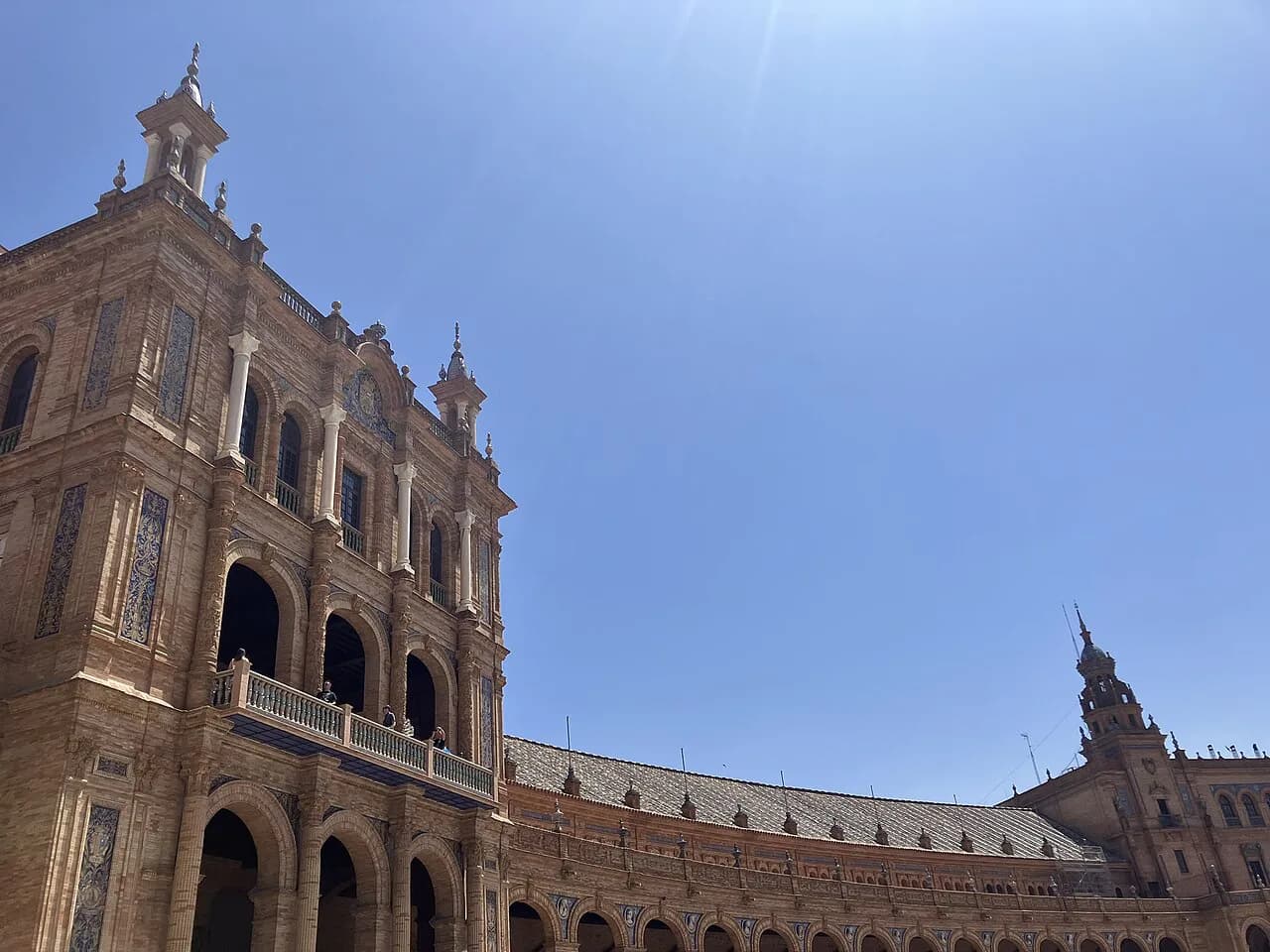
Valentine's Day falls in mid-February, and Seville is the obvious city for it. Cool temperatures make long walks through the Santa Cruz quarter and the Plaza de España pleasant, and horse-drawn carriages and rowboats in the canal give the day a slow rhythm. The Real Alcázar and the Setas de Sevilla are easy to pair with a tapas dinner.
Romance does not have to mean Sevilla. Granada's Alhambra in soft February light, Tarragona's Roman ruins and the museum quarter of Madrid all work for couples who prefer culture to candlelight. Reserve the headline sights online in advance; February is quieter but not empty, and the Alhambra in particular sells timed slots.
Almond Blossom in Mallorca
Mallorca's almond trees flower in February, turning parts of the island pink and white weeks before spring arrives. The hub of the celebration is Son Servera, where the Almond Blossom Festival is held on the first Sunday in February, with music, food and dancing alongside the orchards. Outside the festival, blossom is visible across the island's interior.
This is the moment to walk the Serra de Tramuntana rather than swim. Coastal resorts on Mallorca are quiet in February, many seasonal hotels and beach facilities closed, so base yourself in Palma or an inland village and treat the coast as a day out. Buses and rental cars cover the island; check bus timetables from the Consorci de Transports de Mallorca before relying on a late return.
Calçotada season in Catalonia
From late winter, Catalonia's restaurants and village halls fire up calçotades: chargrilled spring onions dipped in romesco and followed by grilled meat. The custom is communal, family-oriented and often booked as a long weekend lunch, especially around Barcelona and Tarragona. Many restaurants require reservations for calçotada menus, so book ahead.
Catalonia also pairs well with the month's quieter rhythm. Barcelona's museums, the Sagrada Familia and the Gothic Quarter all run in February without the summer crush. Tarragona's Roman remains, including the amphitheatre and the city walls, are pleasant to explore in cool weather with far fewer visitors than in May.
City museums: Madrid, Barcelona and Bilbao
Madrid's museum cluster is February's best rain plan. The Prado, the Reina Sofía and the Thyssen-Bornemisza sit close together on the Paseo del Prado, so a wet day becomes three collections rather than a scramble. Book timed tickets online and go at opening; the Prado's queues build quickly, and February does not mean empty.
Barcelona and Bilbao offer the same advantage in different registers. Barcelona's Picasso Museum and the Sagrada Familia work in any weather, while Bilbao's Guggenheim anchors a compact city break with excellent food. Bilbao is also wetter than most of Spain in February, so plan indoor stops between walks along the river.
Major museums in Madrid and Bilbao run year-round, and the Puerta del Sol sits at the heart of the city's transport network, making museum-hopping by metro straightforward even in rain.
Andalusia: Seville, Granada and the Alhambra
Andalusia is February's most rewarding region for sightseeing. Seville is mild enough for long walks through the Alcázar gardens, Granada is cool but clear, and Córdoba's mosque-cathedral and Jewish quarter suit a day trip. Flamenco performances run year-round in Seville and Granada, giving evenings a warm, indoor focus.
The Alhambra is the region's headline sight and needs to be booked in advance even in low season, because daily visitor numbers are capped. February's cooler air makes the Generalife gardens and the Nasrid palaces comfortable to explore slowly. Combine Granada with a Sierra Nevada day only as a spectator, since the ski season is a separate trip.
The Caminito del Rey and Málaga's mild winter
Málaga's mild February weather makes the Caminito del Rey, the cliff-hugging boardwalk above the Guadalhorce gorge, a genuinely good winter walk. The path is narrow, exposed and one-way in sections, and access is controlled by timed tickets sold through the Caminito del Rey booking service, so book before you travel and check the day's conditions on the official site. Wear proper shoes and leave loose items behind.
Málaga itself is often the warmest city on the Spanish mainland in February, with café terraces busy at midday and the Picasso Museum and Alcazaba filling cloudy hours. The Costa del Sol's resort towns are quiet, so stay in the city and use it as a base for day trips to Ronda or Nerja rather than expecting a beach holiday.
Valencia and the southern coast
Valencia bends toward spring earlier than most of Spain, and February is walkable rather than sunbathing weather. The City of Arts and Sciences, the Turia gardens and the old town are the draw, and the beach works for a stroll rather than a swim. The sea stays cold enough that beach clubs stay shut.
Further south, Alicante and the Costa Blanca offer milder days and a working city alongside the coast. Use February for the Explanada promenade, the Santa Bárbara castle and day trips inland to Elche's palm groves. Expect fewer open seafront restaurants than in summer and check individual venues before setting out.
The north: Ourense's thermal baths and the Basque Country
Galicia is wet and cool in February, and Ourense turns that to advantage. Its thermal springs, including public pools along the Miño river, are a winter ritual for locals, with hot water steaming in the cold air. Bring a towel and a warm change of clothes, and expect to share the pools at popular times.
The Basque Country delivers a different February: pintxos bars, the Guggenheim, and dramatic green coastlines on the drier days. San Sebastián is at its most local in winter, with fewer visitors and a full restaurant calendar. Rain is likely, so build in museum and food time around coastal walks.
The Canary Islands in February
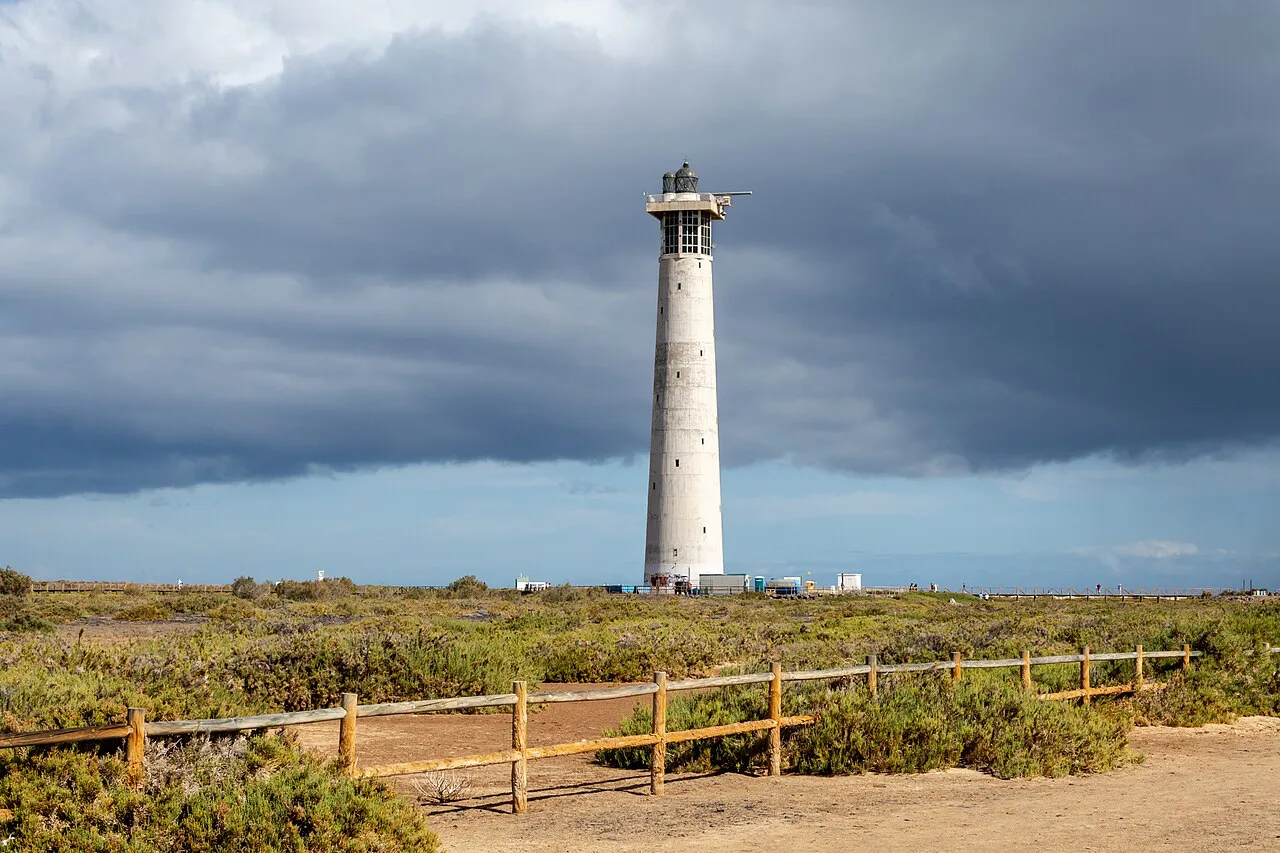
The Canary Islands are Spain's warmest February destination and its busiest winter one. Gran Canaria, Tenerife and Lanzarote all draw northern Europeans escaping the cold, so book flights and rooms early and expect resort prices higher than on the mainland. The warmest, driest weather in the country sits here.
Carnival gives the islands extra energy: Santa Cruz de Tenerife and Las Palmas both stage large celebrations in February, with parades and drag galas. Combine beach time with volcano walks on Tenerife or the dunes of Maspalomas, and use the islands' bus networks for day trips between resorts.
What closes or runs reduced hours in winter
February is low season on the coasts. Many seasonal hotels, beach bars and water-sports operators in Mallorca, the Costa del Sol and Valencia's outlying beaches are closed or open only at weekends, while city hotels and restaurants operate normally. If a particular restaurant matters to your evening, look at its own website or call ahead before making it the plan.
Major sights and museums stay open, though some shorten hours in winter; the Alhambra, the Prado and the Sagrada Familia publish their winter schedules online. Ferries to the Balearics and between the Canary Islands run reduced timetables, so book crossings early and confirm departure times with the ferry companies. Winter is not the time to improvise island hops.
Some mountain roads and cable cars in the Picos de Europa and Pyrenees close or cut services with snow. If a mountain day matters, check the operator's site on the morning itself rather than relying on a summer listing.
Crowds, prices and who February suits
February is one of Spain's cheapest months for city hotels outside Carnival and Valentine's weekend. Flights and rooms cost less than in spring or summer, museums are calmer, and restaurant tables are easier to get. The exceptions are Cádiz and the Canary Islands during Carnival, where demand spikes, so book those first and build the rest of the trip around them.
The month suits museum-goers, food travelers, walkers and couples who want cities without heat or queues. It does not suit anyone set on swimming in the Mediterranean, hopping between beach resorts or expecting reliable sunshine in the north. If you want beach weather, choose the Canaries; if you want long days, wait for March.
February or March: choosing your month
March brings longer days, the clock change on 28 March 2027 and the first spring warmth, plus Holy Week from 21 to 28 March. That means bigger crowds and higher prices in Seville and Málaga. February is quieter and cheaper, with Carnival and almond blossom instead of processions.
Choose February for Carnival, low prices, almond blossom and city sightseeing, and March for warmer walking weather and the energy of Holy Week. If you are deciding between January and February, February wins on daylight and events; January wins on absolute quiet.
Plan Your February Trip
Build the trip around regions, not a single base: two or three nights in Madrid or Barcelona for museums, then south to Seville or Málaga for milder air, or the Canaries for warmth. Book the Alhambra, the Caminito del Rey and any Carnival accommodation as soon as your dates are fixed.
For broader context on the season, the wider winter picture helps with timing; the December guide covers early-winter cities at their most atmospheric.
Explore more Spain winter guides
Frequently Asked Questions
Is February a good time to visit Spain?
Yes, for cities, culture and food. February is low season outside Carnival, so museums, the Alhambra and city restaurants are calmer and hotel rates are lower. The trade-off is mixed weather and closures at coastal resorts.
What is the weather like in Spain in February?
It varies sharply by region. The Atlantic north is cool and wet, the Mediterranean south is mild and often sunny, and the Canary Islands are the warmest part of the country. Inland cities such as Madrid and Granada are cold in the mornings and mild in the afternoon.
Where is the warmest place in Spain in February?
The Canary Islands are the warmest destination, which is why they are busiest in winter. On the mainland, Málaga and the southern Mediterranean coast are typically the mildest cities.
When is Carnival in Spain in 2027?
Carnival Tuesday falls on 9 February 2027, with Ash Wednesday on 10 February. Cádiz and the Canary Islands host the largest celebrations, and accommodation there fills quickly.
What is there to do in Spain in February?
Carnival in Cádiz, almond blossom in Mallorca, calçotada lunches in Catalonia and Valentine's city breaks in Seville. Museum days in Madrid, Barcelona and Bilbao, the Alhambra and the Caminito del Rey all work well in cooler weather.
Do I need to book the Alhambra in advance in February?
Yes. Visitor numbers are capped daily even in low season, so reserve a timed slot online before you travel and choose a morning entry to leave the afternoon free.
Is February a good month for a beach holiday in Spain?
Only in the Canary Islands. Mediterranean beaches are pleasant for walks but too cold for swimming, and many beach bars and water-sports operators are closed until spring.
Sources
Winter travel notes
Optional updates when we add or revise winter guides.
You might also like

Continue reading
More guides you'll find useful