Spain in December: Winter Weather, Events and Where to Go
Spain in December means cool inland cities, mild Andalusia and rainy northern coasts. Compare regional weather, holidays, crowds and what stays open.
On this page
December in Spain is a country of sharply different trips. Madrid and the Castilian plateau give you cold, clear days and long evenings in museums and bars, while Seville and the Andalusian south stay mild enough for unhurried sightseeing outdoors. The northern coast, from San Sebastián to Galicia, is the wet, grey corner of the month.
It suits travelers who want cities, food, architecture and festive atmosphere without summer heat or queues, and who accept short daylight and a few wet days. It is a poor fit if you picture swimming, long coastal drives or beach clubs. Those belong to the wider picture of Spain in winter, which explains how the season behaves from November through March.
Weather in December: Regional Ranges, Rainfall and Daylight
December is not one climate. Typical daily temperatures range from roughly 8°C (46°F) in the coldest inland and northern areas to around 16°C (61°F) in the mildest southern and coastal spots, so a single national figure misleads you. Rainfall is generally moderate across the country, but it concentrates heavily in the north and west.
Practical planning follows from that split. In Madrid and Castile, mornings often sit near freezing and afternoons feel crisp, so you build the day around indoor stops and a midday walk. In Seville or Málaga, a light jacket covers most of the day and terraces stay usable. The northern coast is the gamble: San Sebastián, Bilbao and Santiago can deliver rain for several days running, and locals treat a dry afternoon as a gift.
Daylight is the constraint people underestimate. In late December, Madrid and most of the country see sunrise around 8:30 and sunset before 18:00, giving roughly nine and a half hours of light, and the western edge of the peninsula sits later still. Plan outdoor sights for the middle of the day and save museums, markets and long lunches for the dark edges. Granada, high in the mountains, runs noticeably colder than Seville and can see frost or snow on the Sierra Nevada above the city.
The North Versus the South: How Much the Coast Changes Your Trip
The divide between Spain's Atlantic north and its Mediterranean and Andalusian south is the single biggest decision in a December itinerary. The north, meaning the Basque Country, Cantabria, Asturias and Galicia, is cool and frequently wet, with green hills and rough seas rather than beach weather. Its reward is food: pintxos bars in Bilbao and San Sebastián, seafood, cider houses and the Guggenheim's titanium curves against grey sky.
The south behaves like a different country. Seville, Córdoba and Málaga offer mild, mostly dry days, orange trees in fruit and outdoor cafés, while the Mediterranean coast from Valencia to Alicante stays cool but workable for walks on the sand rather than in the water. If you have one week and want comfort, pick the south. If you have two and want contrast, run Madrid and Andalusia together and leave the north for a warmer season.
Madrid and Castile in December: Cold, Clear Days and Museum Time
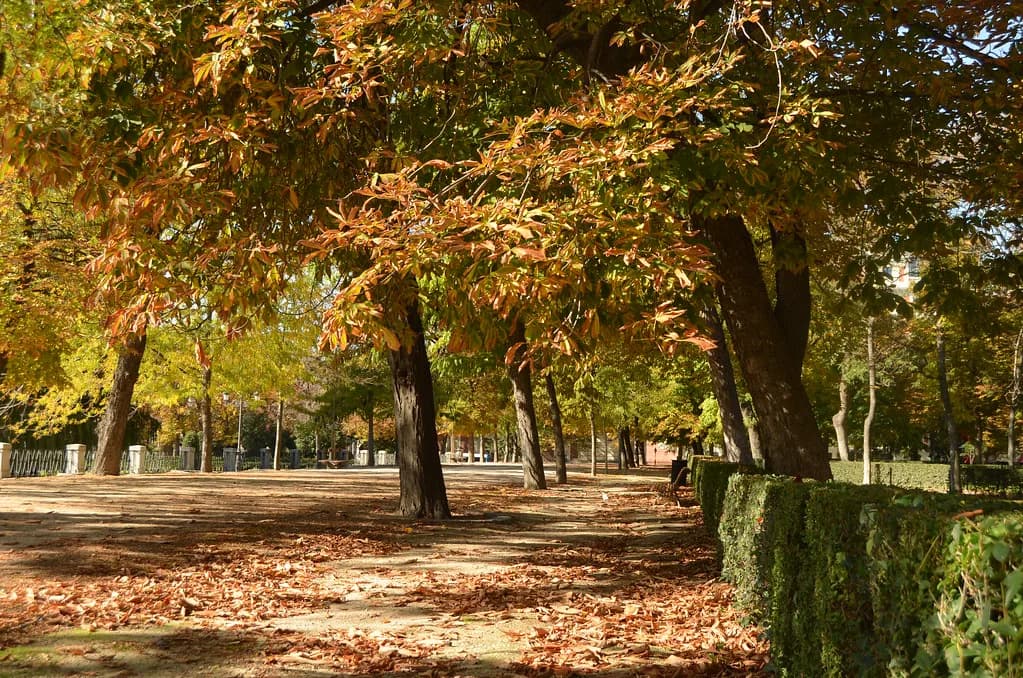
Madrid in December is bracing and bright. The Prado, the Reina Sofía and the Thyssen-Bornemisza make an easy indoor spine for three days, and the Retiro gives you a crisp midday walk. Book the Prado online and go at opening time, because the Christmas fortnight brings Spanish families into the city and the big museums fill accordingly.
Beyond Madrid, Castile rewards a slower loop. Toledo's cathedral and narrow streets work well in cold weather because the distances are short, and Segovia's Roman aqueduct and alcázar give you a half day each. Ávila sits high and feels genuinely wintry, so treat it as a short stop rather than a base. All three are simple day trips or one-night stops by train and bus from Madrid.
Andalusia in December: Seville, Granada and Córdoba
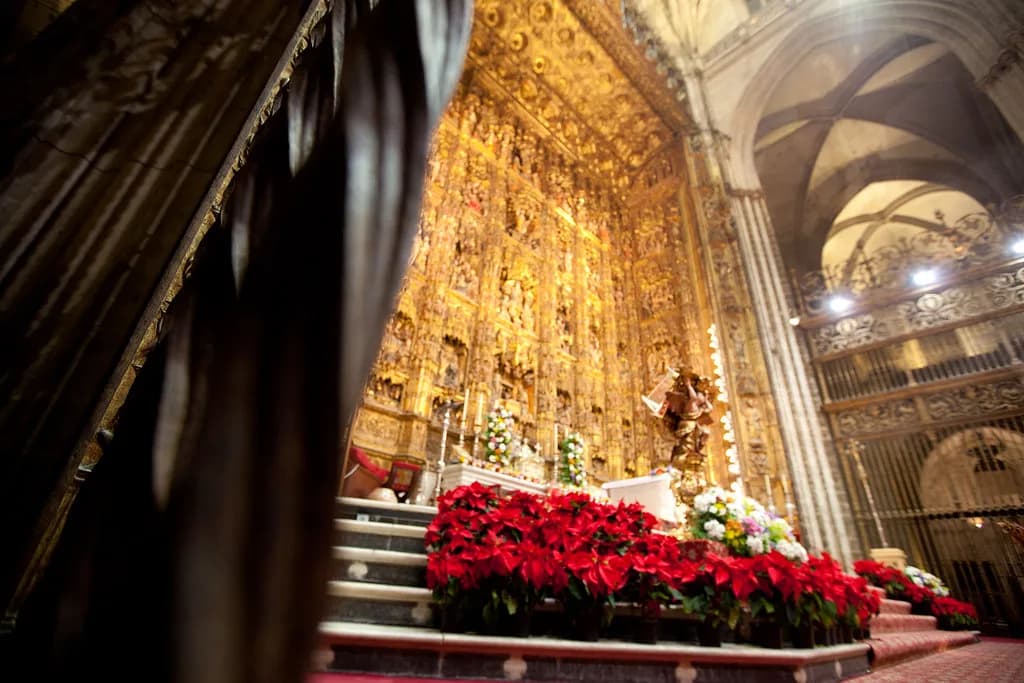
Andalusia is the strongest December region in mainland Spain. Seville gives you the cathedral, the Alcázar and the Santa Cruz lanes without summer heat, and the tapas routine works best when you eat late and walk between bars. Córdoba's Mezquita and the Jewish quarter fit into a comfortable day, and the city is quiet enough in December to enjoy rather than endure.
Granada needs planning. The Alhambra's daily visitor numbers are capped and tickets sell out well ahead, so reserve the Nasrid Palaces for a specific time slot and check the official Alhambra ticket site for the current release rules and winter hours. The Albaicín and Sacromonte are free to wander and give you viewpoints over the Sierra Nevada, which often carries snow by December.
Barcelona, Valencia and the Mediterranean Coast
Barcelona in December is cool rather than cold, with sea breezes that make the waterfront feel sharper than the temperature suggests. The Sagrada Família and the Gothic Quarter handle a wet day well, and the city's markets are at their busiest before Christmas. Crowds thin compared with summer, though the Christmas and New Year weeks bring a second wave of Spanish and European visitors.
Valencia is milder still and makes a good base for the coast. The City of Arts and Sciences, the central market and the cathedral keep a rainy day covered, and the Turia gardens give you a dry, green route across the city. Alicante and the Costa Blanca stay cool but sunny enough for promenade walks. This stretch is a sensible compromise when you want a coastal feel without committing to high-season beach weather.
The Balearics and the Canary Islands in December
The Balearics in December trade beach life for walking, food and city time. Palma de Mallorca keeps its cathedral, old town and market culture running, and the Serra de Tramuntana offers cool, clear hiking, but many coastal hotels and beach businesses wind down for the season. Treat the islands as a quiet off-season escape, not a resort holiday.
The Canary Islands are where December actually warms up. Gran Canaria, Tenerife and Lanzarote deliver the mildest conditions in Spain, which makes them the answer for travelers who want sun and outdoor days in the same month. Expect the busiest weeks around Christmas and New Year and book ferries and popular trails ahead. The trade wind and altitude vary sharply between coast and mountain, so choose your base by what you plan to do.
If the islands are the point of your trip, the Canary Islands in December guide goes deeper on island-by-island conditions, and Mallorca in December covers the quieter Balearic version.
Public Holidays in December: Constitution Day, Immaculate Conception, Christmas and New Year
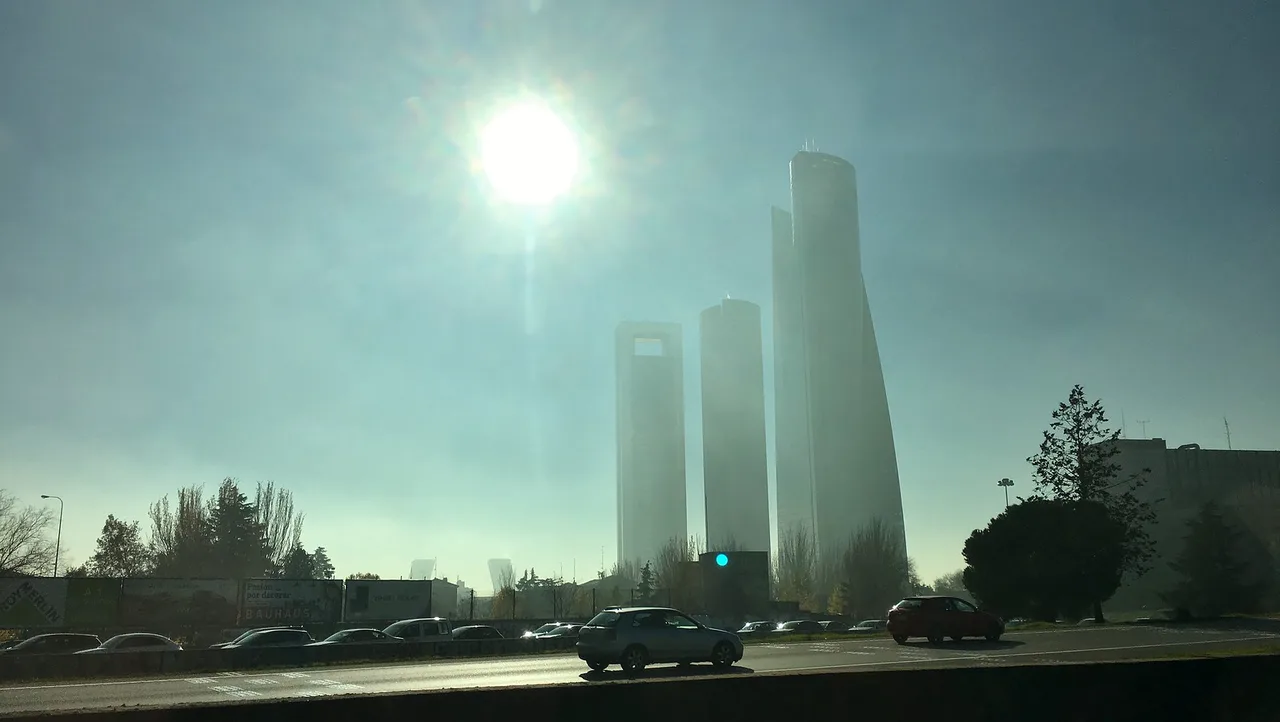
December is dense with public holidays, and they change how the country moves. Constitution Day falls on 6 December and the Immaculate Conception on 8 December, creating a long bridge weekend when Spaniards travel, hotels fill in the cities and museums run holiday hours. Christmas Eve on 24 December and Christmas Day on 25 December, a Friday in 2026, are family days, with many restaurants closed or serving set meals only.
New Year's Eve on 31 December follows the Spanish ritual of twelve grapes at the twelve chimes, most famously in Madrid's Puerta del Sol, and New Year's Day 2027 falls on a Friday. Epiphany on 6 January 2027, a Wednesday, closes the season with family meals and gifts in many households. Shops in big cities stay open through much of the festive period, but smaller towns can shut for several days, so plan food and transport around the 25th and the 1st.
Christmas Markets and Lights in Spanish Cities
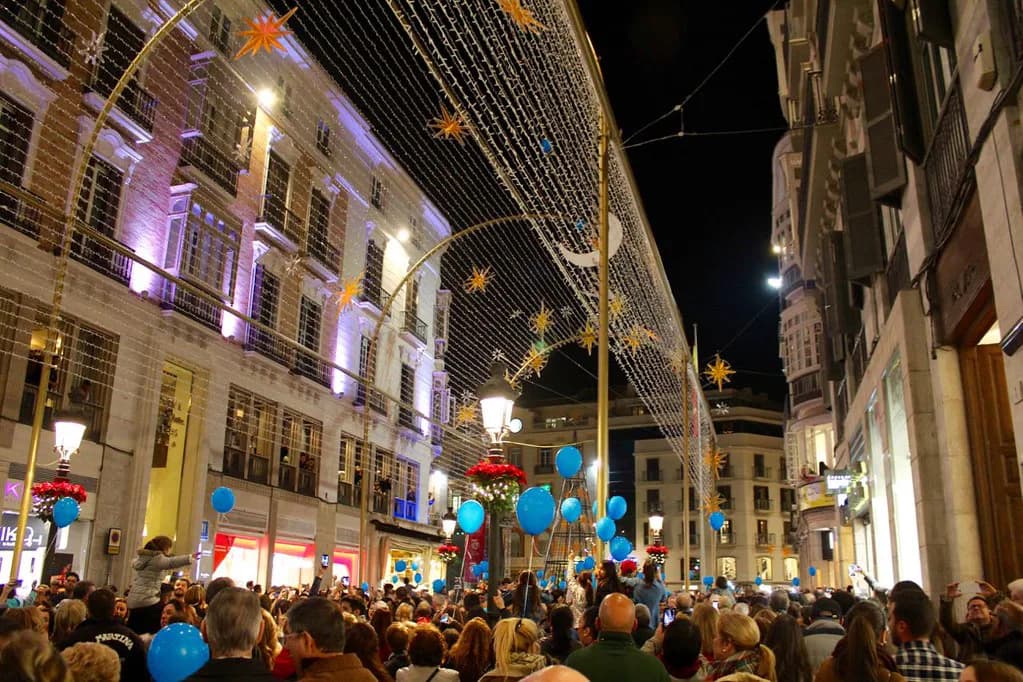
Spain's Christmas markets are smaller and more local than the German model, and the lights matter more than the stalls. Madrid, Barcelona, Valencia and Málaga all decorate central streets and squares, Málaga's lights along the Calle Larios being the most talked about, and the atmosphere is best after dark when the lights come on and families fill the center. Market dates and locations change year to year, so look for the city hall's own Christmas program rather than old blog posts.
New Year's Eve: Spanish Traditions and City Celebrations
New Year's Eve in Spain is a night that starts at home or in a restaurant and ends in a square. The grapes at midnight are the centerpiece, followed by long dinners, cava and parties that run into the morning. Madrid's Puerta del Sol draws crowds for the televised chimes, but most cities run their own countdown in the main square with a smaller, friendlier crowd. If you want the full ritual explained, New Year's Eve in Spain covers the grapes, the timing and how the night unfolds.
Things to Do: Museums, Palaces, Thermal Baths and Food
December is museum and palace weather, and Spain has an unusually deep bench. The Prado in Madrid, the Guggenheim in Bilbao, the City of Arts and Sciences in Valencia and Barcelona's Picasso Museum all give you a full day out of the rain or cold. The Alhambra and the Alcázar of Seville are the two palaces to book in advance, and both reward an early slot before the tour groups arrive.
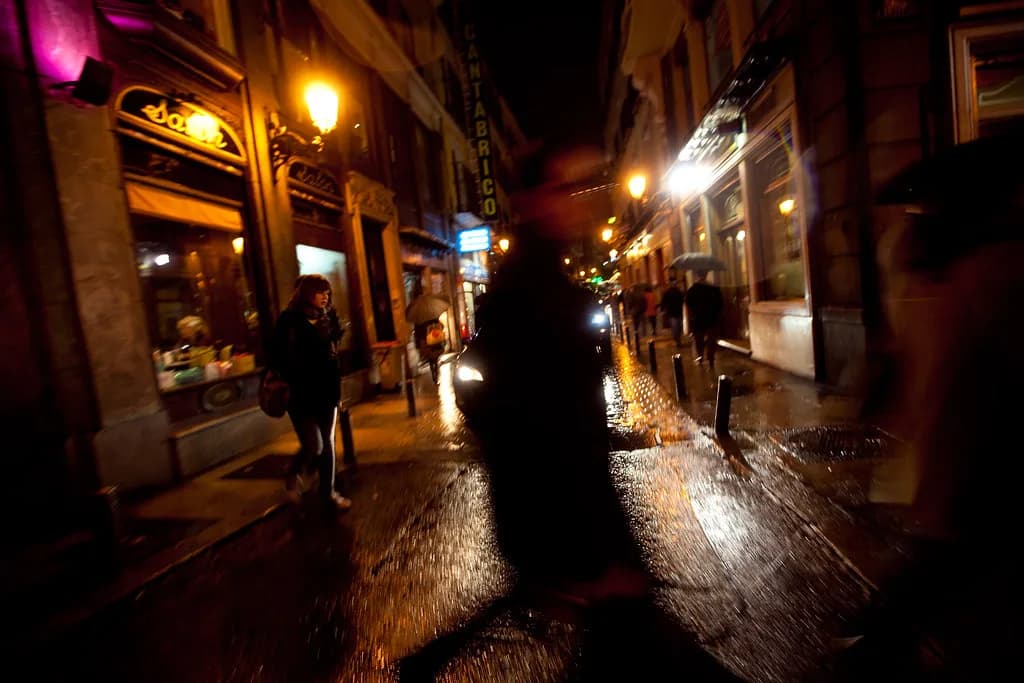
Beyond the big names, the month belongs to food and warmth. Madrid's tabernas, Seville's tapas bars, Bilbao's pintxos counters and the cider houses of Asturias and the Basque Country are at their best in cold weather. Thermal baths and spa towns give you an indoor half day; Ourense in Galicia is the best-known hot-spring city, and several coastal and mountain hotels run heated spa facilities. A long lunch is a legitimate December activity here, not a lost afternoon.
Day Trips That Work in Winter
The best December day trips are short, indoors or scenic from a train. From Madrid, Toledo and Segovia are the classics, both reachable in under an hour by high-speed rail and both compact enough for a cold day. From Seville, Córdoba is an easy train ride and a full day with the Mezquita at its center. From Barcelona, Montserrat works in winter if you check the rack railway and cable car timetables, which can be reduced or weather-affected.
In the north, day trips need more flexibility. Bilbao to San Sebastián is a short bus ride and a good food day, and the Basque coast towns are worth a stop even in rain if you plan around a long lunch. Avoid committing to mountain drives or coastal hikes on a fixed schedule in December, and keep one indoor alternative ready for each outdoor plan.
Crowds, Prices and Short Days: The Trade-Offs
December is not a uniformly cheap month. The first half, between the 6 and 8 December bridge and the run-up to Christmas, is quiet in the cities and offers the best value for hotels and flights. From around 20 December through 6 January, Spanish families travel, prices rise and the main sights get busy, especially in Madrid, Barcelona, Seville and Granada. January, once the holidays end, is the cheapest and calmest stretch of the winter.
The other trade-off is daylight. With sunset before 18:00 for most of the month, you get roughly eight usable hours and a long evening, which suits city trips and museum days but frustrates touring itineraries. If you plan to drive between regions, do it in daylight and keep the number of stops low. Travelers who want long outdoor days and warm evenings should look at spring or the Canary Islands instead of mainland Spain in December.
Who Should Pick December and Who Should Wait for Spring
Choose December if you want cities without summer heat, food and wine as the main event, Christmas lights, museums and a calm pace. Andalusia, Madrid and the Canary Islands give the most reliable versions of that trip. Barcelona and Valencia work well for a short city break, and the north rewards travelers who accept rain in exchange for excellent food and quiet streets.
Wait for spring if you want beaches, long hikes, coastal drives or reliable warm weather. December is also a poor month for a multi-stop road trip across the whole country, because short days and holiday closures eat into the schedule. If your dates are flexible but you want winter sun, the Canary Islands are the answer; if you want spring events, March brings Holy Week from 21 to 28 March 2027 and Las Fallas in Valencia, which is a different trip entirely.
Getting Around Spain in December
Spain's rail network is the backbone of a December trip. High-speed AVE and Avlo services link Madrid with Seville, Córdoba, Valencia and Barcelona in a few hours, and regional trains cover the smaller cities. Book the long legs early for the holiday weeks, when seats sell out, and keep an eye on reduced Sunday and holiday timetables. Buses fill the gaps to towns without rail stations and are usually the better option for rural stretches.
Driving works for Andalusia and the interior but is less appealing in the north in wet weather and in Madrid, where parking is painful and the center is restricted. City transport runs normally through the holidays with reduced service on the 25th and the 1st. Air travel between Madrid, Barcelona and the islands is frequent but gets expensive around Christmas, so lock in flights before the autumn.
Plan Your December Trip
Build your December trip around one or two regions rather than the whole country. Pair Madrid with Andalusia for museums and mild southern days, or take the Canary Islands if sun is non-negotiable. Book the Alhambra and the big Madrid museums ahead, and treat the Christmas week as a period with its own rhythm of closures and family gatherings.
Check the specific venue or operator once your dates are set, since holiday hours and winter timetables change each year. If December does not fit your plans, Spain in January and Spain in February carry the same cities with fewer crowds, and the run-up to spring brings the country's biggest festivals back into play.
Frequently Asked Questions
Is Spain good to visit in December?
Yes, if you want cities, food, museums and festive atmosphere rather than beach weather. Andalusia stays mild, Madrid is cold but bright, and the northern coast is wet. The Canary Islands are the one part of Spain where December feels genuinely warm. Expect short days and a busy Christmas week.
What is the weather like in Spain in December?
It varies sharply by region. Typical daily temperatures run from roughly 8°C (46°F) in the coldest inland and northern areas to around 16°C (61°F) in the mildest southern and coastal spots, with moderate rainfall overall and the heaviest rain in the north and west. Present these as long-term averages, not a forecast, and check a national weather service close to your dates.
Where is the warmest place in Spain in December?
The Canary Islands, where Gran Canaria, Tenerife and Lanzarote deliver the mildest conditions and the best chance of outdoor days. On the mainland, Málaga, Seville and the Andalusian coast are the mildest options, while the Mediterranean coast from Valencia to Alicante stays cool but often sunny.
What are the best things to do in Spain in December?
Museums and palaces lead: the Prado and the Reina Sofía in Madrid, the Alhambra in Granada, the Mezquita in Córdoba and the Guggenheim in Bilbao. Add Christmas lights in the city centers, long tapas and pintxos meals, thermal baths, and short day trips to Toledo, Segovia or Córdoba.
Is December a cheap month to travel to Spain?
The first half of December is one of the quieter and better-value periods for city hotels and flights. Prices rise from around 20 December through 6 January, when Spanish families travel, and drop again in January. Compare your exact dates, as the whole month is not low season.
What is open in Spain over Christmas?
Big-city museums, shops and transport generally keep running through the holidays with reduced hours, while Christmas Eve, Christmas Day and New Year's Day see many restaurants closed or serving set menus only. Smaller towns can shut for several days. Confirm hours directly with the venue or operator you plan to visit.
Should I visit Madrid or Andalusia in December?
Madrid suits museum days, cold clear weather and Christmas lights, and pairs well with Toledo and Segovia. Andalusia offers milder days, outdoor sightseeing in Seville and Córdoba, and the Alhambra in Granada. With a week, choose one; with two, combine Madrid with Seville or Córdoba by high-speed train.
How many hours of daylight does Spain get in December?
Most of the country sees roughly nine and a half hours between sunrise and sunset around the solstice, with sunset before 18:00 and sunrise after 8:00 in Madrid. The western edge of the peninsula runs later. Plan outdoor sights for the middle of the day and keep evenings for museums, markets and long dinners.
Sources
Winter travel notes
Optional updates when we add or revise winter guides.
You might also like
Continue reading
More guides you'll find useful