Does It Snow in Thessaloniki? Winter Snow and Weather Guide
Snow falls in Thessaloniki in some winters, most often in January and February, but rarely settles for long. Here is what the season feels like.
On this page
Thessaloniki in winter is a working port city with Byzantine walls, a huge student population and a food scene that keeps going through the cold months. Days are short, the wind off the Thermaic Gulf cuts through the streets, and rain arrives in spells rather than all at once. It suits travelers who want museums, long lunches and uncrowded archaeology, and who do not need guaranteed sunshine.
The snow question is not simple. Flakes do fall on the city in some years, but lying snow on the streets of the center is rare and short-lived, while the hills that ring the city turn white far more often. Expect cold rather than guaranteed snow, and treat any snowfall as a bonus rather than a plan.
Does It Snow in Thessaloniki?
Yes, sometimes. Thessaloniki sits in northern Greece, on the same latitude as parts of central Italy but exposed to cold air sliding down from the Balkans, so winter snow is entirely possible. What is uncommon is snow that settles and stays on the flat downtown streets for days. If you are weighing up other Greek destinations, the answer to does it snow in Greece varies just as much from region to region.
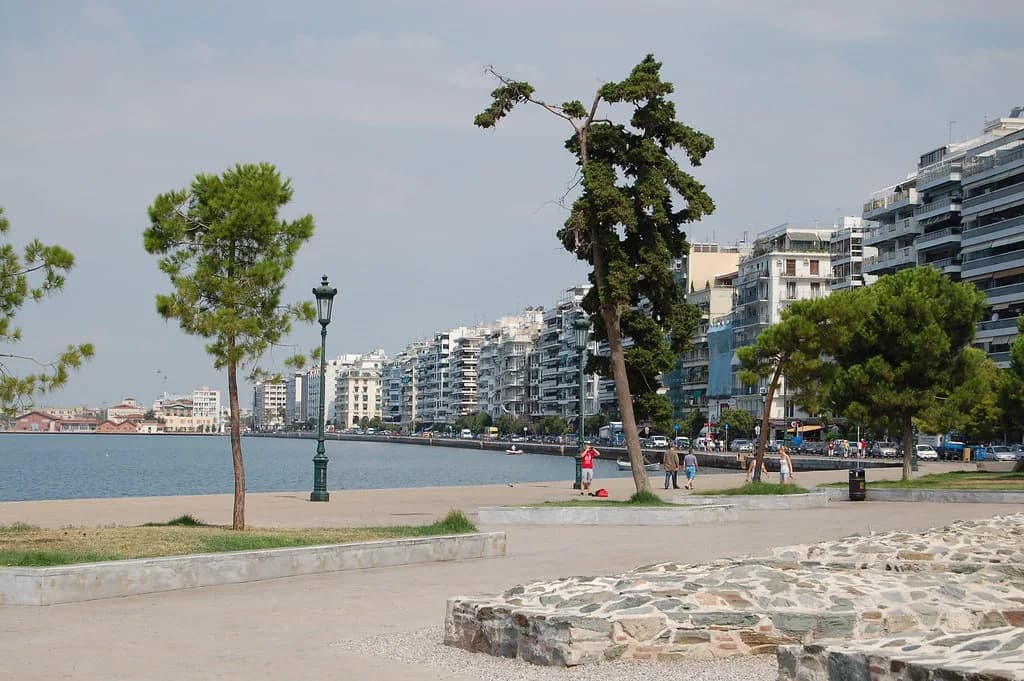
Separate two things when you plan. Snow in the air over the city happens in some winters and is usually gone by midday, while snow on the ground persists on the higher ground around the city and on the slopes visible from the waterfront. Travelers who want the white-roofed photograph should look up rather than down.
Weather in December
December is cool rather than brutal, with a real chance of rain and a wind that makes the waterfront feel colder than the thermometer suggests. Daylight is at its shortest around the turn of the year, so plan outdoor sightseeing for the morning and keep an indoor option ready for the afternoon. Official monthly averages for the city are published by the national meteorological service through the WMO's city pages.
Christmas in the city is a low-key, local affair, with lights along the main squares and a decorated tree rather than the market culture of central Europe. Christmas Day 2026 falls on a Friday, which makes for a long weekend of family visits, and some restaurants close for the day itself while others fill up early.
Weather in January
January is the coldest month and the one with the best odds of seeing flakes in the city. Wind chill off the gulf is the defining discomfort, and a waterproof outer layer matters more than heavy insulation when you are walking between museums and cafes.
This is also the quietest month for tourism, which means short queues at the Archaeological Museum and the Museum of Byzantine Culture and easier tables at the fish tavernas near the Modiano Market. The trade-off is early dusk and a city that feels more residential than festive. Epiphany on 6 January 2027, a Wednesday, brings blessing-of-the-waters ceremonies to the port, a local tradition worth timing a trip around.
Weather in February
February stays cold but the light returns, with noticeably longer afternoons by the end of the month. Snow remains possible, often in short bursts, and the pattern of cold northerly air followed by milder, damper days is typical of the season.
Carnival season falls here, and Carnival Tuesday on 9 February 2027 comes before Ash Wednesday on 10 February. Thessaloniki and the towns of Central Macedonia mark it with costume parties and street celebrations, so check local listings for what is running in the week before.
When Snow Is Most Likely
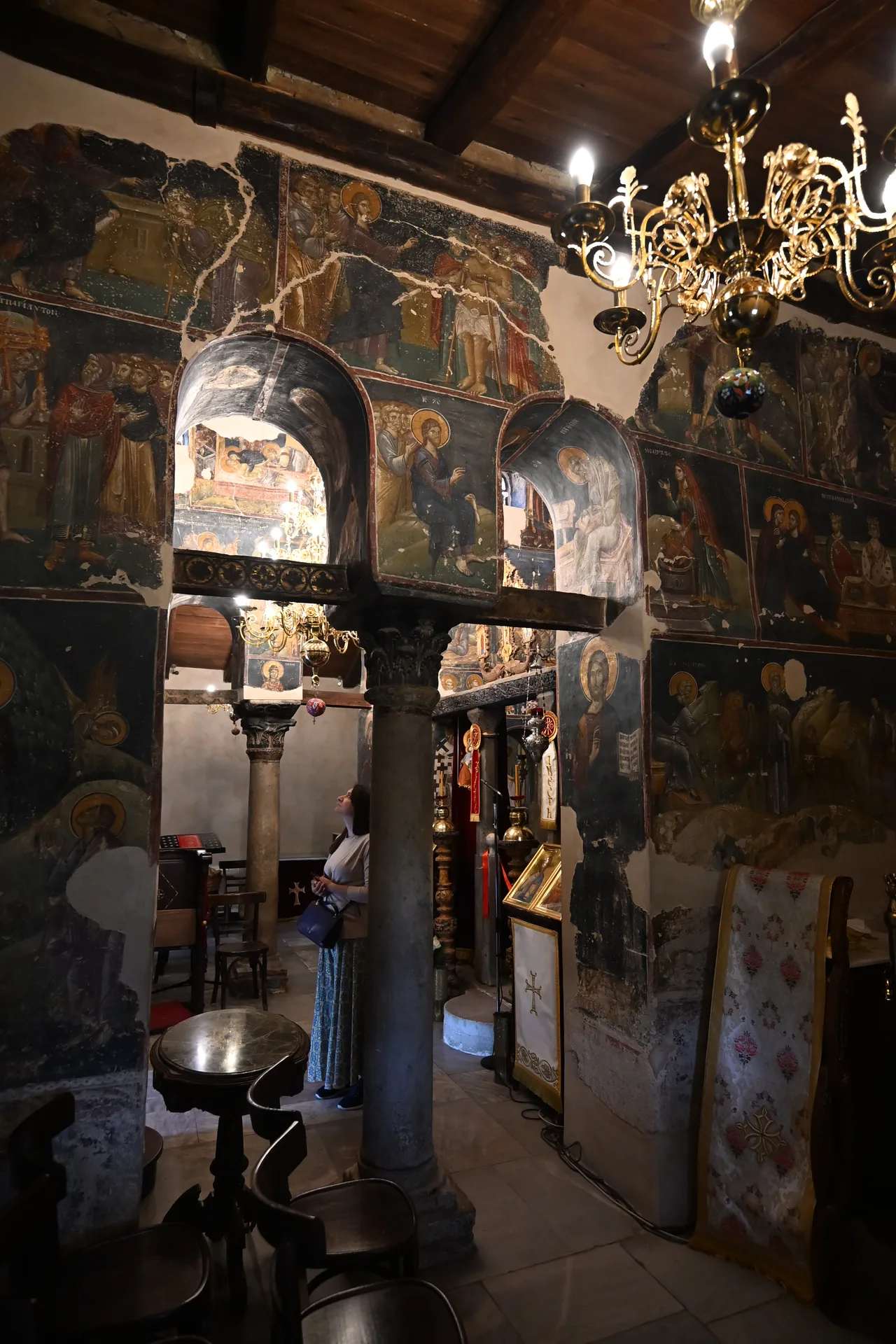
The window runs from late December to mid-February, with January the strongest candidate. Cold snaps that bring snow tend to last a few days, followed by milder air that clears the streets quickly, so a short visit gives you limited odds. The mountains of Central Macedonia keep their snow far longer than the coast.
If your trip is built around snow, a week in late January gives you a better chance than a weekend in December. If your trip is built around the city itself, snow becomes a bonus without changing what you book.
What Snow Changes in the City
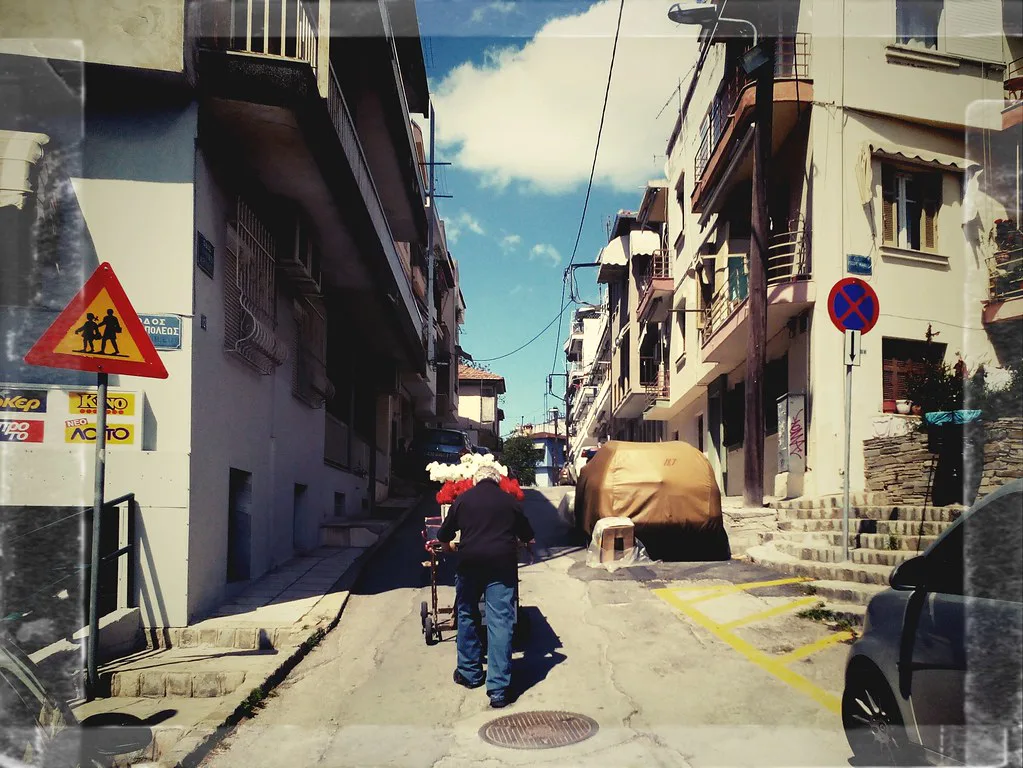
Thessaloniki is built on a slope, and the upper town of Ano Poli is a maze of stepped lanes and cobbles that turn slippery fast. When snow does settle, the walk up to the Byzantine walls becomes a genuine hike, and the bus that serves the upper neighborhoods is a more sensible option.
Flights into Macedonia Airport and intercity coaches can be delayed during a snow event, so build slack into the day before a departure rather than the day of it. Cafes on Aristotelous Square stay open through the cold, with heat lamps outside and warm interiors behind the glass.
Things to Do in Winter That Work Rain or Snow
The Archaeological Museum of Thessaloniki holds the gold treasures of Vergina's royal tombs, and the Museum of Byzantine Culture next door covers the city's long imperial era; together they fill a cold, wet day. Both sit on a single stretch of avenue near the city center with cafes between them.
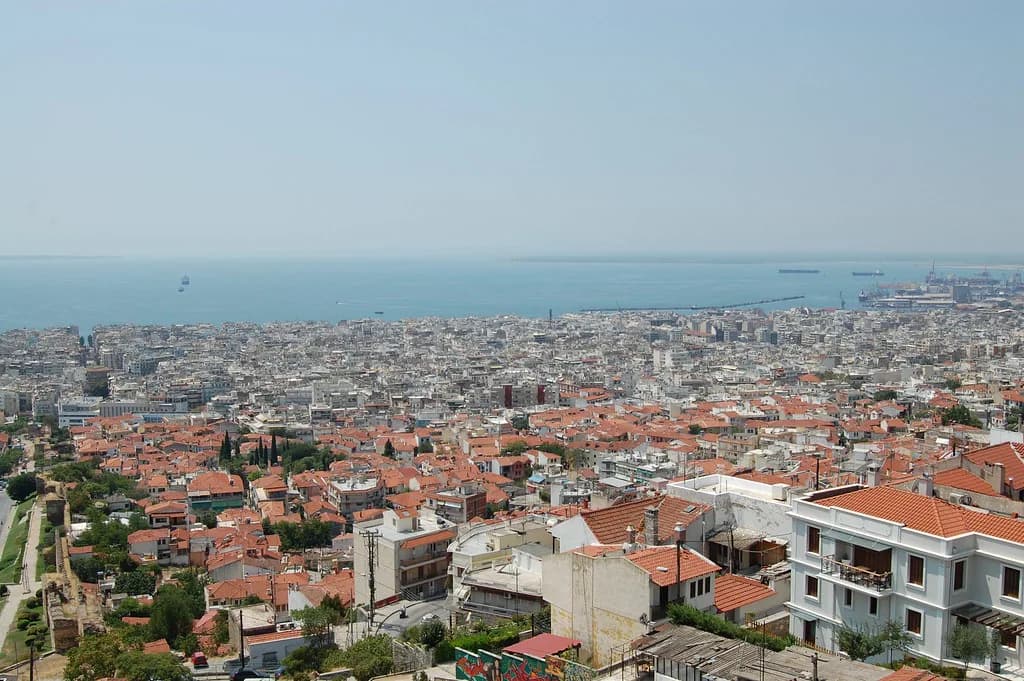
The Roman Forum, the Rotunda and the Arch of Galerius are outdoor sites, but each is compact enough to visit in a clear hour between showers. The covered Modiano Market and the surrounding laneway restaurants suit a long lunch when the rain sets in, and the uphill walk to the Byzantine walls rewards a cloudy afternoon with sweeping views over the gulf.
Snow on the Hills and Mountains Nearby
Mount Chortiatis rises directly behind the city and regularly holds snow when the streets below are clear, which makes it the closest place to see the white stuff without leaving the day. Halkidiki to the southeast is quieter in winter, with fewer boats and empty roads, and its higher ground also catches snow.
Further afield, the royal tombs at Vergina and the ancient site at Pella make strong winter day trips by car, both largely indoor or short outdoor walks. Verify access and opening times with the sites before setting out in a cold snap, since hill roads and rural services are the first to be affected.
Trade-offs: Who a Winter Trip Suits
Come in winter if you want the museums and Byzantine churches without summer heat, if you care more about food and city life than beach weather, and if a chance of snow is a delight rather than the point. The cold wind off the gulf and short daylight are the price, and a few days of rain in a week is normal.
Choose another month if you need reliable sunshine, long evenings outdoors, or a coastline trip built around swimming. Late spring and early autumn give you the same city with warmer days, while January gives you the best shot at snow and the quietest streets.
Plan a Snow-Chasing Winter Trip
Book January or early February if snow is part of the appeal, and build indoor plans around outdoor ones so a wet day does not sink the trip. Keep the hills above the city in mind as a snow hedge, and give yourself a spare half-day before flying home.
Check the forecasts in the days before you travel and confirm hill-road conditions with your rental car company if you plan to drive up to Chortiatis. The city itself delivers museums, food and Byzantine history whether or not a single flake falls.
Explore more Thessaloniki winter guides
Frequently Asked Questions
Does it snow in Thessaloniki?
Snow falls in some winters, usually in short spells between late December and mid-February. Lying snow on the streets of the center is rare and typically melts within a day, while the hills around the city hold snow for longer.
What is the coldest month in Thessaloniki?
January is the coldest month, and it is also the quietest for tourism. Expect a cold wind off the Thermaic Gulf, early dusk and the best odds of seeing a few flakes.
Does snow settle in Thessaloniki?
Rarely downtown for long. The flat streets near the waterfront clear quickly, but the stepped lanes of Ano Poli and the higher ground above the city can stay white for a day or more.
Is December or January snowier?
January generally gives better odds, since it is the coldest month and the one most often hit by cold air from the Balkans. December snow is possible but less common.
Where can you see snow near Thessaloniki in winter?
Mount Chortiatis directly behind the city often carries snow when the streets below are clear. The higher ground of Halkidiki and the mountains of Central Macedonia keep snow far longer than the coast.
What is the average temperature in Thessaloniki in December?
Official monthly figures for the city are published by the national meteorological service through the WMO's city pages, and December is cool rather than severe. Rain and wind are more reliable features of the month than snow.
Sources
Winter travel notes
Optional updates when we add or revise winter guides.
You might also like
Continue reading
More guides you'll find useful