Thessaloniki in February: Weather, Crowds and Things to Do
Thessaloniki in February brings cold, breezy days around 11°C, quiet museums and uncrowded tavernas. Here is what the weather and season feel like.
On this page
February is the month when Thessaloniki settles into its quietest rhythm. The waterfront empties, museum halls thin out and tavernas serve the same food to a mostly local crowd. It suits travelers who want a compact Byzantine and Roman city, warm lunches that stretch into the afternoon, and the freedom to walk into sights without booking ahead.
Weather in February
Expect cold, breezy conditions rather than deep winter. Typical February days in Thessaloniki run from a high near 11°C (52°F) to a low around 2°C (36°F), according to historical averages, with a modest chance of rain and roughly ten and a half hours of daylight. Those are long-term figures, not a forecast, so treat a mild 15°C afternoon and a frosty dawn as equally plausible.
Mornings start cold and the breeze off the Thermaic Gulf makes the seafront feel sharper than the thermometer suggests. Daylight is still short by the middle of the month, with sunrise around 7:23 and sunset around 18:00 in the typical pattern, which means you should plan outdoor wandering for the middle of the day and save indoor sights for the edges.
Snow is rare in the city itself, though cold snaps can bring a dusting, and the mountains behind the city hold snow through the month. If flurries are part of what you are hoping for, the odds and the typical patterns are worth understanding before you book; if you want to know does it snow in Thessaloniki, the answer is occasionally, briefly and rarely enough to change plans.
Daytime temperatures hover in the low teens for much of the month, and AccuWeather's monthly outlook shows daily highs bouncing between roughly 10°C and 18°C across recent February records, with lows occasionally dipping to freezing. That spread is the practical point: pack for a cold start and a mild afternoon on the same day.
How February Compares With January and March
February sits between the year's coldest month and the first hint of spring. January in Thessaloniki is slightly colder, with typical highs near 8°C (47°F) and lows near 1°C (33°F), while March brings longer days and warmer afternoons that make outdoor sightseeing easier. February is the compromise: still properly wintry, but with noticeably more light at the end of the day than December.
If your priority is the Christmas atmosphere around Aristotelous Square and the city's seasonal lights, December delivers it and February does not. If your priority is warmth and long evenings, wait for Thessaloniki in March. February rewards people who care more about empty museums and restaurant tables than about weather.
Late February also carries a cultural shift that January lacks: Carnival season builds toward Clean Monday, the start of Orthodox Lent. In 2026 that means Carnival Tuesday on 17 February, Ash Wednesday on 18 February and Clean Monday on 23 February, a period when Greek city life turns toward costume, food and outdoor celebration before the quiet of Lent.
What Is Open in Winter
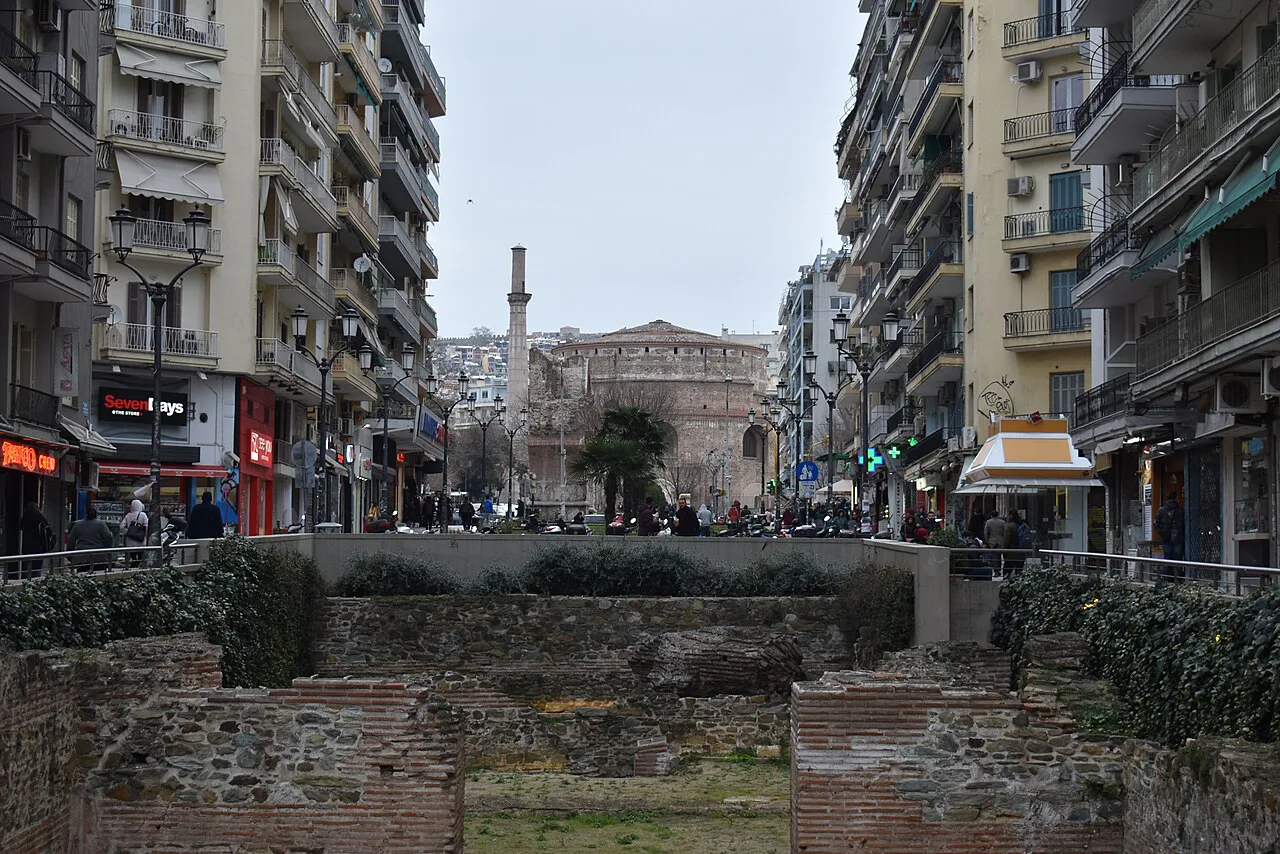
Thessaloniki's core sights run on their normal schedule through February because they are year-round institutions rather than seasonal attractions. The Archaeological Museum, the Museum of Byzantine Culture, the White Tower and the Rotunda of Galerius are the anchors, and the city's Byzantine churches, including Hagia Sophia and the Church of Saint Demetrius, stay open for worship and visits. Opening hours vary by site and season, so confirm times with each museum on the day you plan to go.
What changes is the surrounding infrastructure. Waterfront cafes work at a slower pace, some summer-oriented boat trips and beach-bound excursions simply do not run, and the tavernas that depend on promenade footfall trim their hours. The upside is that the sights that do stay open are far less crowded, which makes the Rotunda's mosaics and the museum galleries far easier to enjoy.
Things to Do
Build your days around the Roman and Byzantine core. Start at the Rotunda and the Arch of Galerius, walk to the Roman Forum, then spend an afternoon in the Archaeological Museum and the Museum of Byzantine Culture, which together cover the city's ancient and medieval layers. The White Tower gives you a panorama of the city and the gulf, and its exhibition explains the Ottoman period.
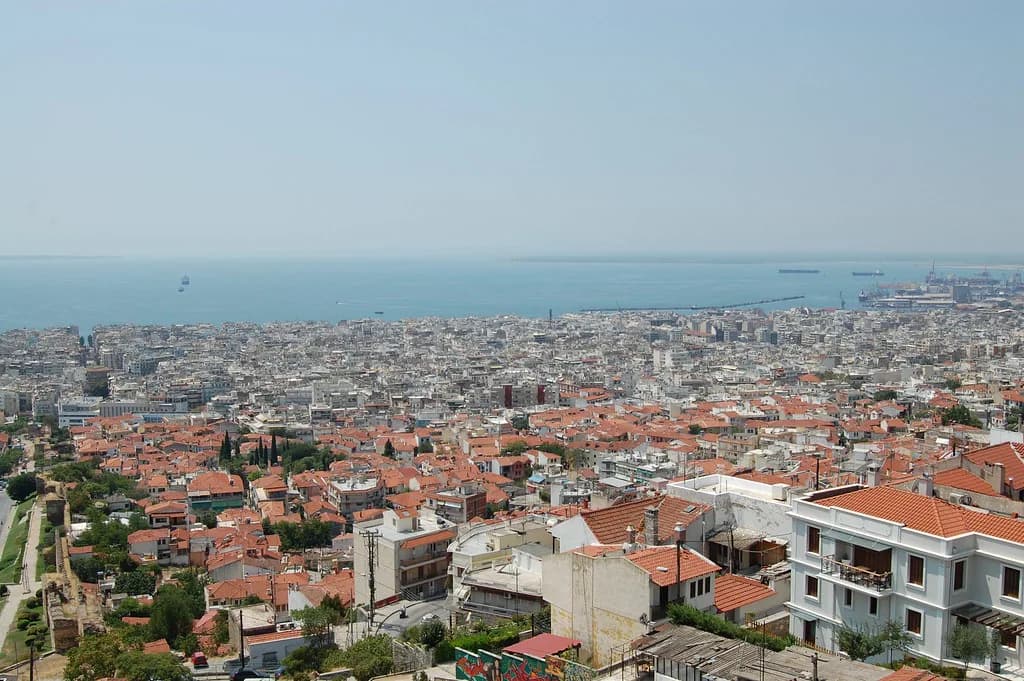
Climb into Ano Poli, the upper town, where cobbled lanes, old houses and Byzantine walls reward a slow walk. In February the neighborhood is quiet enough to wander without crowds, and the views over the city and the gulf are clearest on cold, bright days. Wear shoes with grip, because the stone streets get slick after rain.
Add the smaller museums for depth: the Jewish Museum of Thessaloniki traces the Sephardic community that shaped the city, the Atatürk Museum occupies the founder of modern Turkey's birthplace, and the War Museum covers the liberation of 1912 and the world wars. Each takes an hour or two and gives you warm indoor options when the wind picks up.
Waterfront Walks and Aristotelous Square
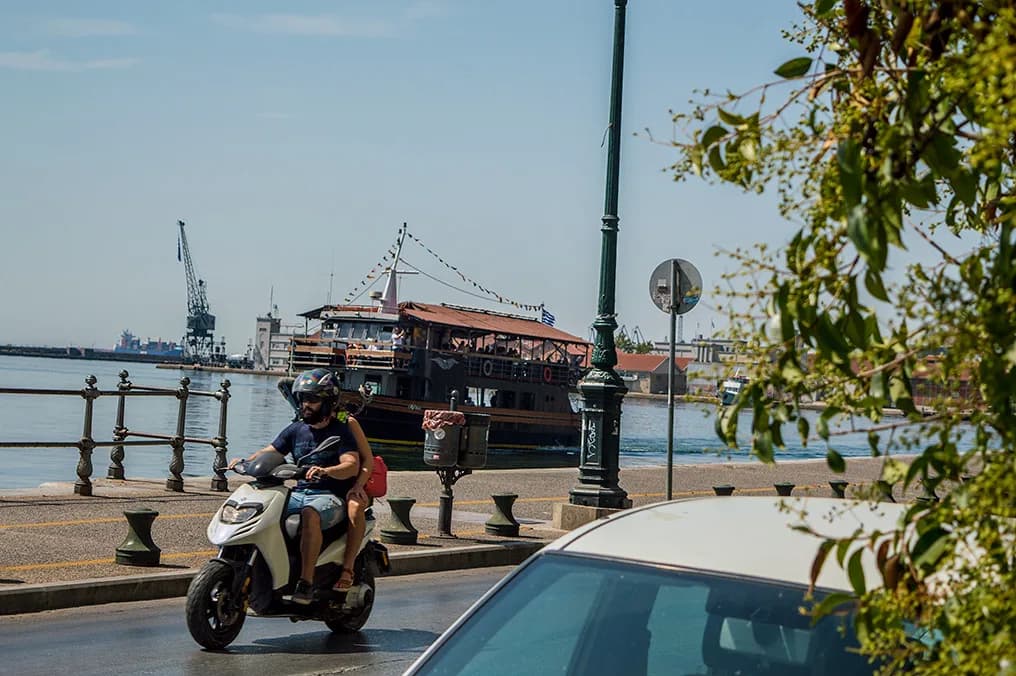
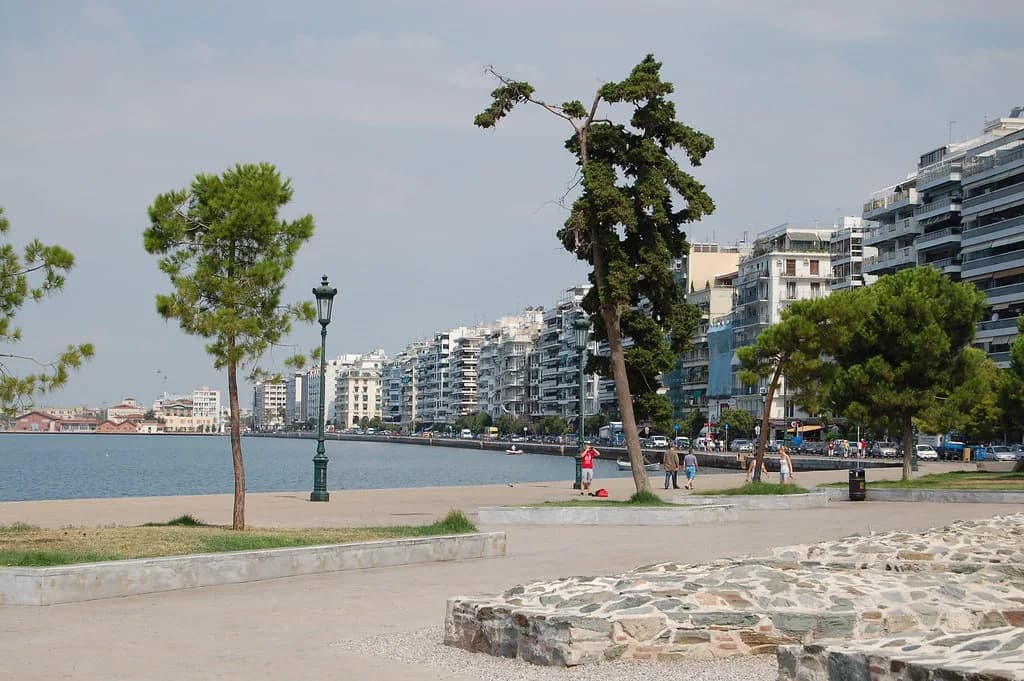
The seafront promenade is the city's living room, and February gives it back to walkers. Walk from the White Tower past the Umbrellas sculpture toward Aristotelous Square, the vast waterfront square designed by Ernest Hébrard, and stop for coffee where the cafes still operate. On a clear, cold day the light over the gulf is exceptional.
Treat the promenade as a midday outing rather than an evening one. With sunset around 18:00 in the typical February pattern, the last two hours of daylight are the warmest and brightest window, and the wind off the water bites once the sun drops.
Food and Tavernas in Low Season
February is a good month to eat your way through the city. Thessaloniki is famous for its food culture, from small-plate tavernas and meze to bougatsa for breakfast, and in low season you can usually walk into places that queue in summer. Lunch is the main meal for many locals, so aim for a long afternoon sitting rather than a rushed evening.
February also falls during the run-up to Lent, when tavernas traditionally serve shellfish and vegetable dishes before the fast. If you are in the city around Carnival and Clean Monday, expect special menus and a livelier atmosphere than the rest of the month.
Day Trips That Work in Winter
Mount Olympus, about an hour and a half from the city, is at its most dramatic in February under snow. The mountain is the mythical home of the Greek gods, and the lower slopes and foothill villages are reachable for viewpoints and walks, while serious high-altitude hiking and winter sports demand proper gear and local guidance.
Vergina, the ancient Macedonian royal capital with its remarkable tomb museum, and Edessa, with its waterfalls and canyon, are both realistic day trips by car or bus. Both are indoor or short-walk destinations that work in cold weather, but winter bus timetables are thinner than in summer, so check regional services before you commit to a schedule.
What Is on in February
Valentine's Day on 14 February is the month's fixed date, marked by restaurants and hotels with special menus and packages. The real cultural event is Carnival season, which builds toward Clean Monday and the start of Orthodox Lent; in 2026 Carnival Tuesday falls on 17 February and Ash Wednesday on 18 February, so the celebrations cluster in the middle of the month.
Carnival in Thessaloniki is a city celebration rather than a single ticketed event: costume parties, street food, music and processions in the center. Exact program details are published by the municipality and local organizers closer to the date, so build flexibility into your plan if Carnival is the reason for your trip.

Who February Suits and Who Should Wait
February suits travelers who want a real city at its normal pace: museum-goers, food lovers, photographers chasing clear winter light and anyone who prefers empty streets to beach weather. It also suits budget-conscious travelers, because low season means more room and softer rates across the city.
It does not suit anyone hoping for swimming, beach days or long evening walks in a T-shirt. The sea is cold, the wind is real and daylight ends early. Travelers who want warmth and a coastal holiday should look further south, toward Crete in February, or wait for May.
Getting Around in Low Season
The city center is compact and walkable, and February's short days make that a practical advantage: most of the main sights sit within a 20-minute walk of Aristotelous Square. Buses cover the rest of the city and the airport, and the city's waterfront is the natural spine for any walking plan.
For day trips, buses from the Macedonia InterCity Bus Terminal serve Vergina, Edessa and the Olympus foothills, but winter timetables are reduced. Rent a car if you want to combine two sites in a day, and keep the short daylight in mind when planning the return leg.
Plan Your February Trip
February in Thessaloniki is a genuine low-season city break: cold but rarely severe, quiet but not closed, and rich in Roman, Byzantine and food experiences that do not depend on sunshine. Plan around the daylight, put the museums and Ano Poli in the middle of the day, and leave room for a long lunch.
If you want the Christmas lights instead, go in December; if you want warmer afternoons, go in March. If you want the city to yourself, February is the month.
Explore more Thessaloniki winter guides
Frequently Asked Questions
How is the weather in Thessaloniki in February?
Typically cold and breezy, with average highs near 11°C (52°F) and lows around 2°C (36°F). Rain is possible but not constant, and daylight runs to roughly ten and a half hours, with sunset around 18:00. Treat these as long-term averages rather than a forecast, and expect some days noticeably milder and some mornings near freezing.
Is it worth going to Greece in February?
For a city break, yes. Thessaloniki's museums, Byzantine churches, Roman ruins and food scene run year-round and are far less crowded in February than in summer. It is not a beach month, and island hopping is limited, so treat February as a cultural and culinary trip rather than a coastal holiday.
Which part of Greece is warmest in February?
The southern islands and Crete generally see the mildest February conditions, while northern mainland cities such as Thessaloniki are colder and breezier. If warmth is your priority, look south toward Crete; if you want a city with deep history and great food, Thessaloniki holds up well despite the cold.
What is there to do in Thessaloniki in February?
Focus on the Rotunda and Arch of Galerius, the Archaeological Museum, the Museum of Byzantine Culture, the White Tower and the Roman Forum. Walk Ano Poli and the waterfront promenade on clear days, eat in tavernas, and consider day trips to Mount Olympus, Vergina or Edessa if winter transport allows.
Does it snow in Thessaloniki in February?
Snow in the city is occasional and usually brief, while the mountains behind the city hold snow through the month. If snow is a priority, plan for flexibility and watch the forecast rather than counting on it.
What is on in Thessaloniki in February?
Valentine's Day on 14 February is marked by restaurants and hotels. Carnival season builds toward Clean Monday, and in 2027 Carnival Tuesday falls on 9 February with Ash Wednesday on 10 February, so the main celebrations cluster in the first part of the month. Program details are published by the municipality and local organizers.
What should you avoid in Thessaloniki in winter?
Do not plan on beach days, summer boat trips or long outdoor evenings. Some seasonal waterfront businesses cut hours, and daylight ends early. Check museum opening times with each venue before you go, and build indoor backups into any day that depends on the weather.
Sources
Winter travel notes
Optional updates when we add or revise winter guides.
You might also like
Continue reading
More guides you'll find useful