Thessaloniki in Winter: What to Expect Nov–Mar
Plan a Thessaloniki winter trip with typical temperatures, rain and daylight, what stays open, the big winter dates and the sights best suited to cold days.
On this page
Thessaloniki in winter is a working port city in its own climate, not a summer resort running on fumes. Locals keep the cafes, bakeries and tavernas going through the dark months, so you get the waterfront, the Roman and Byzantine sights and the food without the August queue at the White Tower.
It suits travelers who want a real city with museums, long lunches and short walks between them, and who accept that a December day may be grey and wet rather than crisp. It is a poor fit for anyone hoping for beach weather, reliable sunshine or a resort-style holiday: the Thermaic Gulf is cold, and the days are short.
What Thessaloniki Is Like in Winter and Who It Suits
Think of winter here as five months with two moods. November and March are mild shoulder months when you can still sit outside at midday, while December, January and February are the core of the cold season, with rain more likely than snow at sea level and a wind that comes off the gulf. The city sits in Central Macedonia, and the mountains behind it catch the weather that the coast only feels as chill.
The rhythm of the winter matters more than any single forecast. The city is at its quietest in the weeks after New Year, then fills again for Carnival before Ash Wednesday, when Greeks go out hard before the long fast. If you want empty museums and cheap flights, come in mid-January; if you want the city at its most sociable, aim for the fortnight before Lent.
Snow is possible but not something to plan around. The city can see a cold snap that leaves a dusting on rooftops and the upper town, and the mountains to the west and north get real snow, but a winter week here is far more likely to bring rain and grey skies than a white cityscape.
Weather in December: Highs, Lows, Rain and Daylight
December is the month with the clearest published figures for the city. Average daytime highs sit around 10.8°C (about 51°F) and nights fall to roughly 3.2°C (around 38°F), so a coat, a scarf and shoes that cope with wet pavement are the practical kit. Rain totals about 50 mm across the month, which usually means several wet days rather than one long downpour.
Daylight is the constraint most visitors underestimate. December gives roughly nine hours of daylight in this part of northern Greece, and the sun sets early enough that an afternoon museum visit can eat the whole outdoor window. Plan the White Tower, the waterfront and the Ano Poli walk for the morning and keep the museums for the afternoon.
The upshot is a month that rewards indoor choices and short, well-timed walks. Build the day around one outdoor stretch and one long indoor stop, and you will not spend the afternoon watching rain run down a cafe window.
Weather in January and February
January and February are the coldest stretch of the Thessaloniki winter, and they are also the months when the city belongs most clearly to its residents. Expect the same pattern as December, cold nights near freezing, daytime highs in single figures to low teens, and rain arriving in batches, with the occasional colder snap that brings snow to the hills and sometimes to the streets.
These are the months for the indoor city: the Archaeological Museum, the Museum of Byzantine Culture, the Roman Forum and the Rotunda, with a long taverna lunch in between. The upside is space and calm, and you will not be competing for a table or a ticket. The downside is that a rainy week can flatten the outdoor half of your plan entirely.
February changes character in its final fortnight. Carnival season builds toward Carnival Tuesday on 9 February 2027 and Ash Wednesday on 10 February 2027, and the city's bars, restaurants and neighbourhood squares fill with costumed groups. If you want the quiet version of Thessaloniki, come before that window; if you want the party, book the end of the month.
November and March: The Shoulder Months
November is the softest entry into winter. The summer crowds are gone, the sea still holds some warmth, and there are days when a coat is optional at midday. It is also the wettest-feeling month in the sense that the autumn rains arrive, so keep a flexible plan with indoor options ready.
March is the month when the city starts to turn. Days lengthen noticeably after the clocks go forward on 28 March 2027, cafe tables reappear outside, and the first warm afternoons make the waterfront genuinely pleasant. It is still changeable, and a cold northerly can arrive without warning, but the balance tilts toward outdoors.
Both months are good value for a city break because demand is low and the city is running normally. They also give you more daylight than midwinter, which matters if your priority is walking the Ano Poli and the Byzantine churches rather than sitting in museums.
The Sea Temperature and the Waterfront in Winter
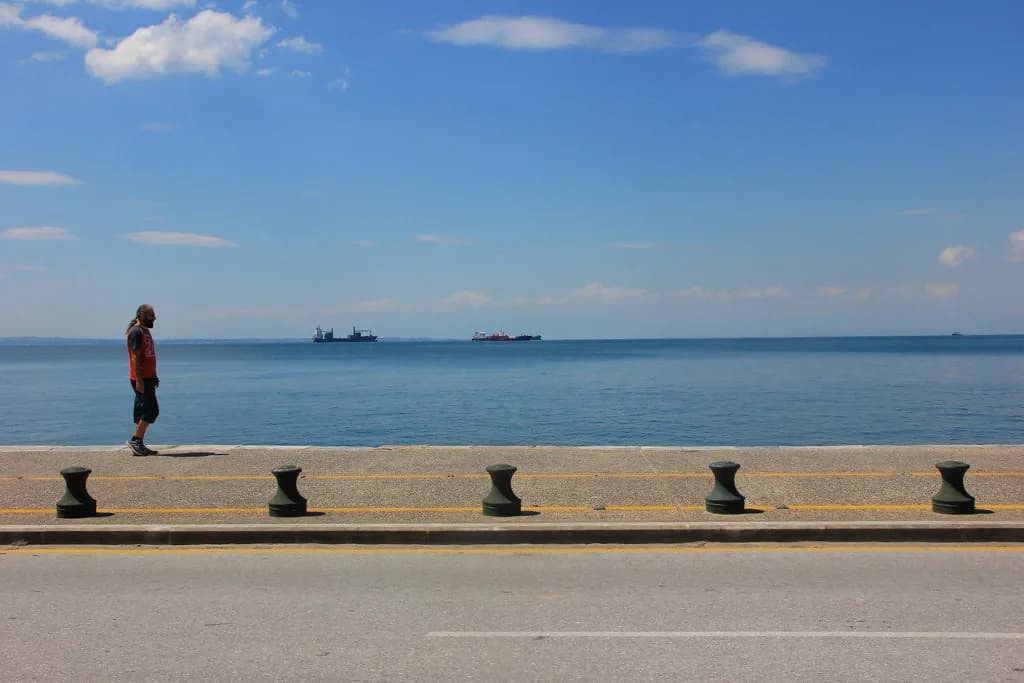
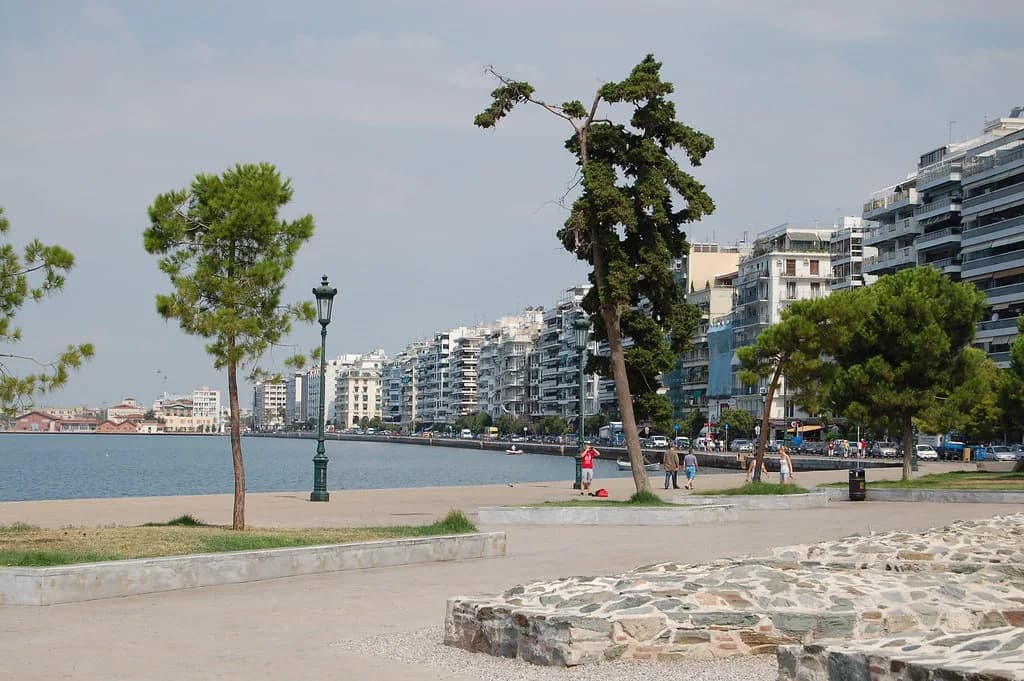
Thessaloniki faces the Thermaic Gulf, and the water is cold in winter. In December it averages around 14°C (about 57°F), which is fine for a bracing walk along the promenade but not for swimming. Treat the waterfront as a place to walk, run or drink coffee with a view, not as a beach.
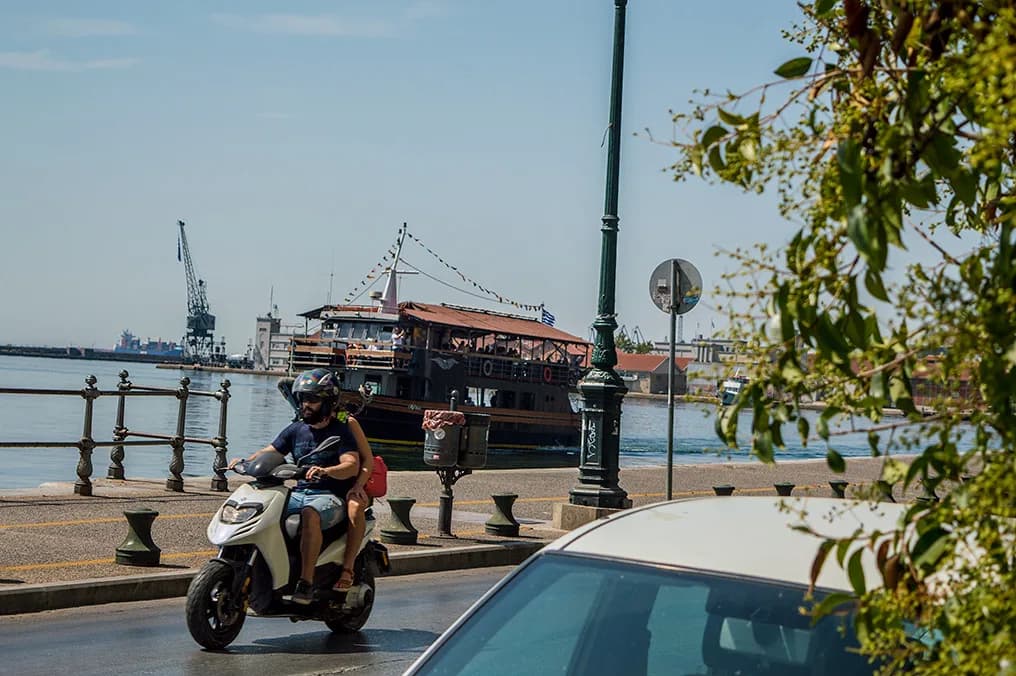
The seafront promenade is still the city's best free attraction in the cold months. On a clear winter day the view across the gulf toward Mount Olympus is the reason to come, and the walk between the White Tower and the concert hall takes an hour at an easy pace. On a wet day, the same stretch is a quick dash between cafes.
What Closes or Slows Down, and What Runs Year-Round
Thessaloniki does not shut for winter. Museums, churches, the Roman Forum, the Rotunda and the covered markets keep normal city hours, and the tavernas and cafes that serve locals stay open all year. This is a resident city of over a million people, not a seasonal resort, and daily life continues through the rain.
What does change is the outdoor and excursion side. Boat trips and seasonal tours running out of the city operate on reduced winter schedules or pause, and island and coastal excursions are best treated as summer plans. If a specific boat tour matters to your trip, check the company's own winter timetable rather than assuming a daily departure.
The practical effect is that you should build the trip around the fixed city sights and add excursions only where they clearly run in the cold months. Vergina and Pella, both major archaeological sites within day-trip range, are the kind of places to schedule on a dry day with an early start, since the driving eats daylight.
Christmas and New Year in Thessaloniki
Christmas in Thessaloniki is a city festival rather than a tourist one. Aristotelous Square fills with lights and families, the shopping streets run late, and the bakeries sell the sweet breads and honey biscuits that mark the season. Christmas Day 2026 falls on a Friday, which makes for a long holiday weekend, and New Year's Day 2027 is also a Friday.
Expect the city to be busy with locals rather than visitors in the days around 25 December and 1 January, and expect some restaurants to close for family days. Book tables for the holiday evenings, and treat the Christmas market as a pleasant evening stroll rather than the reason for the trip; the city's real draw in this period is the lit-up centre and the food.
Epiphany on 6 January
Epiphany, the blessing of the waters, falls on Wednesday 6 January 2027. In Greece the day is marked at harbours and waterfronts with a ceremony in which a cross is thrown into the sea and young men dive for it, and Thessaloniki, as a port city, has its own observance on the front. It is a public holiday, so expect a quieter city with some shops shut and a crowd gathered by the water.
For a visitor, the ceremony is a short, photogenic event that pairs well with a waterfront walk and a long lunch afterwards. Check where the city is holding it this year, since the exact spot and timing move, and arrive early if you want a clear view of the water.
Carnival Season Before Ash Wednesday
Greek Carnival, Apokreas, is the liveliest stretch of the Thessaloniki winter. In 2027 Carnival Tuesday falls on 9 February and Ash Wednesday on 10 February, so the two weekends before that are when costumes, music and late nights take over the city's bars and neighbourhoods. Thessaloniki is not the largest carnival in Greece, but it is a big, young city and it celebrates properly.
The pattern is eating and drinking with intent before the fast. The Thursday before the final weekend is traditionally a night for grilled meat in the tavernas, and the last weekend brings parades and street parties. Book restaurants for that week and expect the city's nightlife areas to be full.
Then comes Clean Monday, the start of Lent, when the city heads outdoors for Lenten food, seafood and the first kites of spring. If your dates overlap, plan a slow lunch and a hilltop walk rather than a museum day, and check the city's own programme for the parade route and any road closures.
Things to Do on Cold or Rainy Days
Rain is the main enemy, so the indoor city is the core of a winter visit. The Archaeological Museum of Thessaloniki and the Museum of Byzantine Culture are the two essential stops, and both reward a half day each. Add the Rotunda and the Arch of Galerius, which sit close together, and you have a full wet-weather itinerary without leaving the centre.
The city's covered and traditional markets are the other refuge, and they are where winter eating happens. Sit down for a long lunch of grilled meat, bean stews, seafood and the local sweets rather than eating on the move, since the taverna is the point of a Thessaloniki winter. The Roman Forum, partly covered, works as a short stop between downpours.
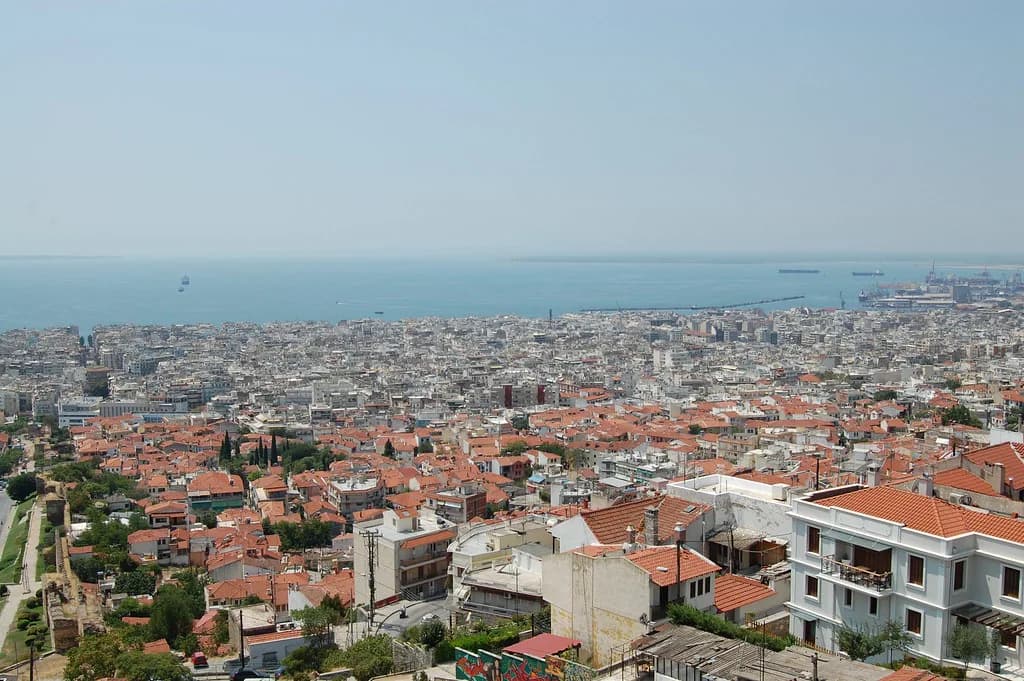
In the upper town, Ano Poli's steep lanes and Byzantine walls are best on a dry, clear day when the view over the gulf justifies the climb. Save it for that morning, and keep a museum and a bakery in reserve for the afternoon.
Ancient Sights and Museums in the Off-Season
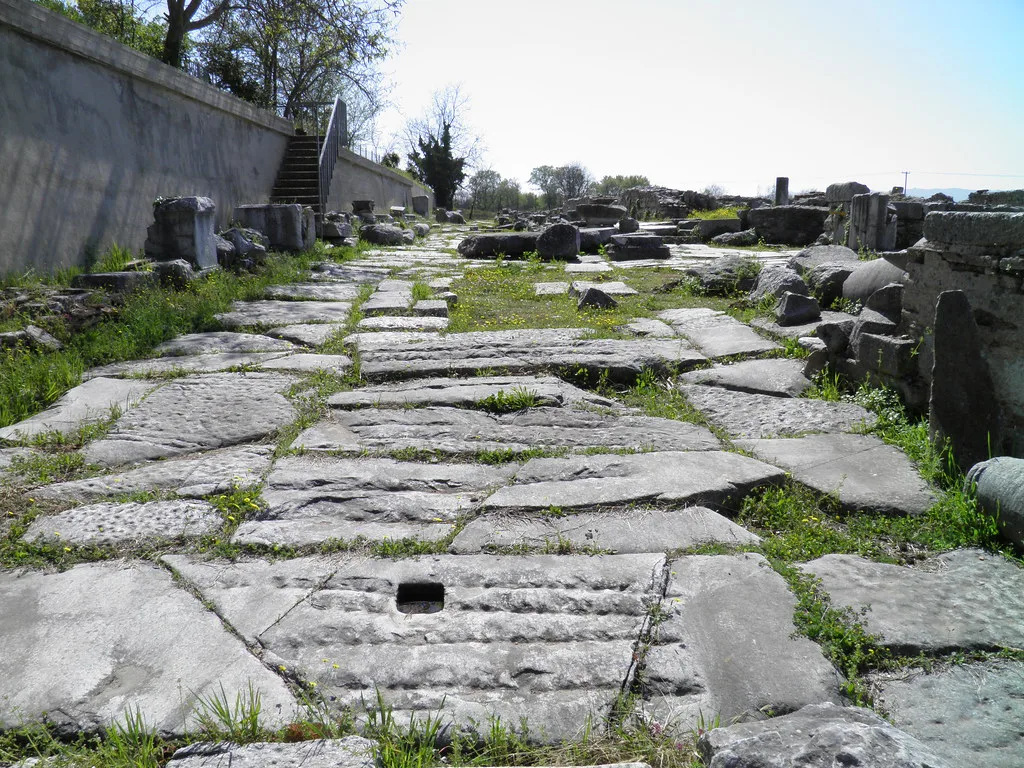
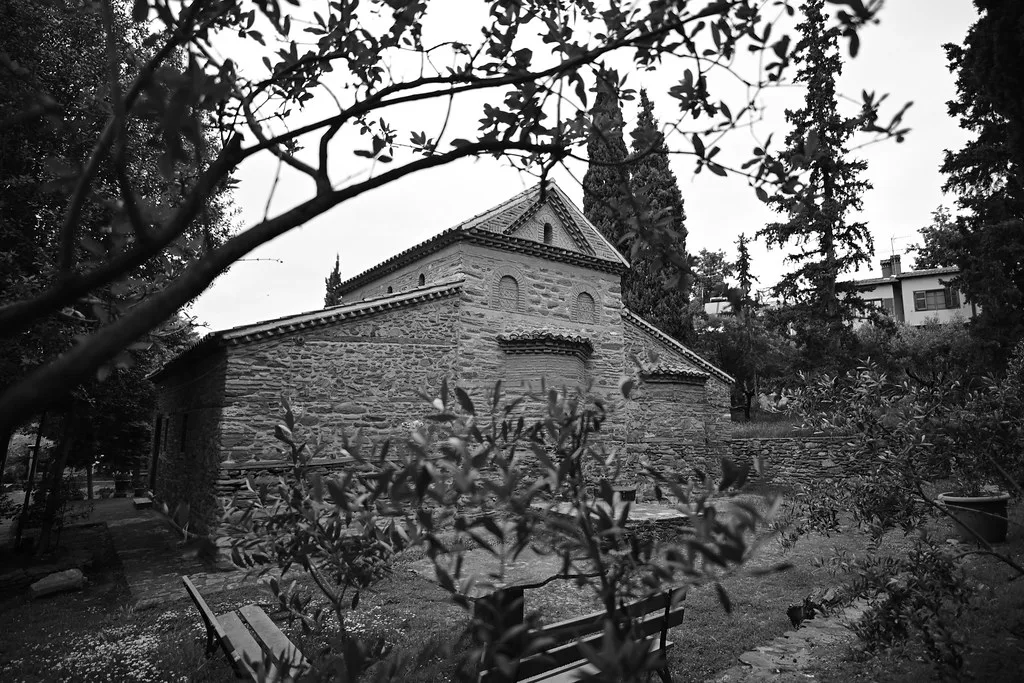
The off-season changes how you see the antiquities. In winter the queues disappear and the marble reads more clearly against wet stone and green grass, so you can move between the Roman Forum, the Rotunda and the city's churches at your own pace. You will share them with locals and school groups rather than tour coaches.
Beyond the city, Vergina with its royal tombs and Pella with its mosaics make the strongest winter day trips from Thessaloniki. Both are mostly indoor or short outdoor experiences, and both need a car or an organised tour, so check that the site is open on your chosen day and set off early to make the most of the light.
Food and Tavernas in Winter
Winter is when Thessaloniki's food culture is most itself. This is a city that eats late and well, and the cold months bring the heavier cooking: baked beans, stews, grilled meats, seafood, and the sweets that belong to Christmas and Carnival. The tavernas around the centre and the Modiano and Kapani markets are where to start.
Because the city is not full of summer visitors, the open restaurants are the ones locals actually use, which is a mild advantage for anyone who cares about food. For a wider picture of how the country eats in the cold months, the Greece in winter guide is a useful companion when you are planning where else to go on the same trip.
Day Trips That Work in Winter
Thessaloniki makes an excellent base for winter day trips because the region's great sights are close. Vergina and Pella are the archaeological highlights, while the mountains toward Olympus and the Halkidiki peninsula are for clear-day drives and walks rather than beach time. Keep day trips to the dry days and let the rain days stay in the city.
If you are comparing Greek winter destinations, the region around Thessaloniki is colder and more continental than the islands and the south. Crete in winter and Corfu in winter run milder and wetter, and the mainland here rewards travelers who want museums and Byzantine churches rather than sea views.
Short Days, Rain and Crowds: The Trade-Offs
The honest trade-off is weather versus company. In January you get empty museums, cheap flights and the city to yourself, but you also get short days, cold nights and a real chance of rain washing out your walking plans. In the Christmas, Epiphany and Carnival weeks you get atmosphere and full tavernas, but you pay more and share the centre with everyone else.
Plan for roughly one wet day in three in December and build your itinerary so that each day has an indoor anchor and an outdoor option. That way a rainy morning costs you a walk rather than a day, and a clear afternoon is a bonus rather than a requirement.
If snow is part of what you want from a winter trip, a dusting is possible but never guaranteed at sea level, while the mountains behind the city see proper snow. Temper your expectations, and treat any snowfall in the city as luck.
Who Should Come in Winter and Who Should Wait
Come in winter if you want a real, unpretentious Greek city, food and museums, and a trip that costs less and feels local. Choose January for calm or late February for Carnival. The city suits long weekends, couples, solo travelers and anyone who prefers urban life to beach life.
Wait for late spring or early autumn if you want reliable sunshine, swimming, island hopping or long outdoor days. March after the clocks change is the sensible compromise if you want more light, and it is the month when the city starts to feel like itself again.
When you are weighing up whether Thessaloniki or a quieter island suits your winter, the same rule applies across Greece: pick one base, keep the plan flexible and let the weather decide the day. That works especially well in a city with as much indoors as this one. If you are tempted by a smaller capital instead, Tirana in winter offers the same flexible, weather-led approach in compact form.
Plan Your Visit
Thessaloniki in winter is a city break with weather attached: expect cold, often wet days with roughly nine hours of December light, and build your plan around museums, markets and long taverna lunches with the waterfront for the clear hours. The reward is a working Greek city at its normal pace, with the port, the Byzantine churches and the food all to yourself.
Pick your dates by mood: mid-January for quiet, late February for Carnival, or March for lengthening days. Come dressed for rain and cold, keep one indoor option ready for every day, and the city will give you a winter that feels lived-in rather than staged.
Explore more Thessaloniki winter guides
Frequently Asked Questions
What is the weather like in Thessaloniki in winter?
December typically averages about 10.8°C (51°F) by day and 3.2°C (38°F) at night, with around 50 mm of rain and roughly nine hours of daylight. January and February are colder and similar in character, with rain more likely than snow at sea level and occasional cold snaps that can bring flakes to the city.
Is Thessaloniki worth visiting in winter?
Yes, if you want a working Greek city rather than a beach resort. Museums, churches, markets and tavernas stay open, the queues disappear, and the cost is lower than in summer. Travelers who need reliable sunshine and swimming should choose another season.
Does it snow in Thessaloniki?
Snow is possible but not dependable. Sea-level Thessaloniki usually gets rain in winter, with a cold snap occasionally leaving a dusting on rooftops and the upper town. The mountains behind the city see proper snow far more often than the waterfront does.
What is there to do in Thessaloniki when it rains?
Head indoors to the Archaeological Museum of Thessaloniki, the Museum of Byzantine Culture, the Rotunda or the Roman Forum, and break the day with a long lunch in a taverna or a wander through the covered markets. Keep Ano Poli and the waterfront for the dry hours.
Is Thessaloniki crowded in winter?
The city is quiet from early January until Carnival, when Greeks fill the tavernas, bars and squares ahead of Lent. Christmas, Epiphany and the Carnival fortnight are the busiest winter windows; mid-January is the calmest.
What events happen in Thessaloniki in winter?
Christmas lights and the New Year celebrations, the Epiphany blessing of the waters on 6 January 2027, and the Carnival season that ends with Carnival Tuesday on 9 February 2027 and Ash Wednesday on 10 February 2027. Clean Monday follows, when the city eats Lenten food outdoors and flies kites.
Is the sea warm enough to swim in Thessaloniki in winter?
No. The water in December averages around 14°C (57°F), cold enough that swimming is for hardy locals rather than visitors. Treat the waterfront as a place to walk, run and drink coffee with a view.
How many hours of daylight does Thessaloniki get in December?
Roughly nine hours, which is the figure published for December. The sun sets early, so plan outdoor sights for the morning and keep museums and long lunches for the afternoon, and expect noticeably more light by late March.
Sources
Winter travel notes
Optional updates when we add or revise winter guides.
You might also like
Continue reading
More guides you'll find useful