Thessaloniki in December: Weather, Christmas and What's Open
Thessaloniki in December brings cold, breezy days, festive streets and quiet museums. See typical temperatures, daylight and what stays open over the holidays.
On this page
December turns Thessaloniki into a different city from the summer port people imagine. The waterfront empties, the museum halls go quiet, and daily life shifts indoors to the market halls, churches and tavernas of Central Macedonia. It suits travelers who want Byzantine monuments and good food more than beach time, and who accept that daylight is short and the air is often raw.
The city also happens to be one of Greece's best cold-weather destinations, because so much of what makes it worth visiting sits indoors or within a short walk. Fifteen Byzantine monuments hold UNESCO World Heritage status, the archaeological collections are first rate, and the covered markets keep working through winter. What you give up is warmth, long evenings outside and any notion of swimming in the Thermaic Gulf.
December in Thessaloniki at a Glance
Think of December as a compact city break rather than a warm-weather holiday. Days are short, the sea breeze off the gulf feels sharp, and rain arrives in spells rather than all-day downpours. In exchange you get uncrowded sites, lower room rates than in summer, and a city that is genuinely celebrating rather than performing for tourists.
The month rewards a loose plan: one indoor anchor per day, a walk when the sky clears, and a long lunch when it does not. Travelers who need guaranteed sunshine should look at spring or early autumn instead, while anyone who enjoys northern European winter cities will feel at home here. February is colder and Carnival season brings a different mood entirely, which is worth weighing if your dates are flexible.
Weather in December
Typical December conditions are cold and breezy, with average daily highs near 11°C (52°F) and lows around 2°C (36°F) in the wider regional data for the city. The same historical averages put the chance of rain at roughly one day in three, humidity around 76 percent, wind near 11 mph and about 10.6 hours of daylight, with sunrise near 7:23 and sunset near 18:00. Treat these as long-term norms, not a forecast, and expect the thermometer to swing widely from one week to the next.
Cold here is relative: Athenians and Thessalonians bundle up for temperatures a Chicago or Boston resident would call mild, and bright sunny intervals between fronts are common. Rain tends to arrive in shorter bursts, which makes it practical to keep a flexible schedule rather than booking timed entries back to back. Snow is rare in the city center but does fall in some winters, and the surrounding mountains see it far more reliably.
Because the averages hide a lot of variation, the sensible approach is to check a short-range forecast a few days before you fly and again on arrival, then build each day around it. A clear, cold morning is the moment for the upper town and the walls; a wet one belongs to the museums. Packing for layered warmth matters more than any single heavy coat, since heated interiors and crowded tavernas can feel warm within minutes.
What the Season Changes
The biggest seasonal shift is pace rather than closure. The city's Byzantine churches and monuments are working religious and civic sites embedded in a living neighborhood, so access follows local worship and site management rather than a summer tourist timetable; the smaller churches along the walking route are often open for only limited stretches of the day. Plan the outdoor monuments for the middle of the day, when light and the chance of an open door are both best.
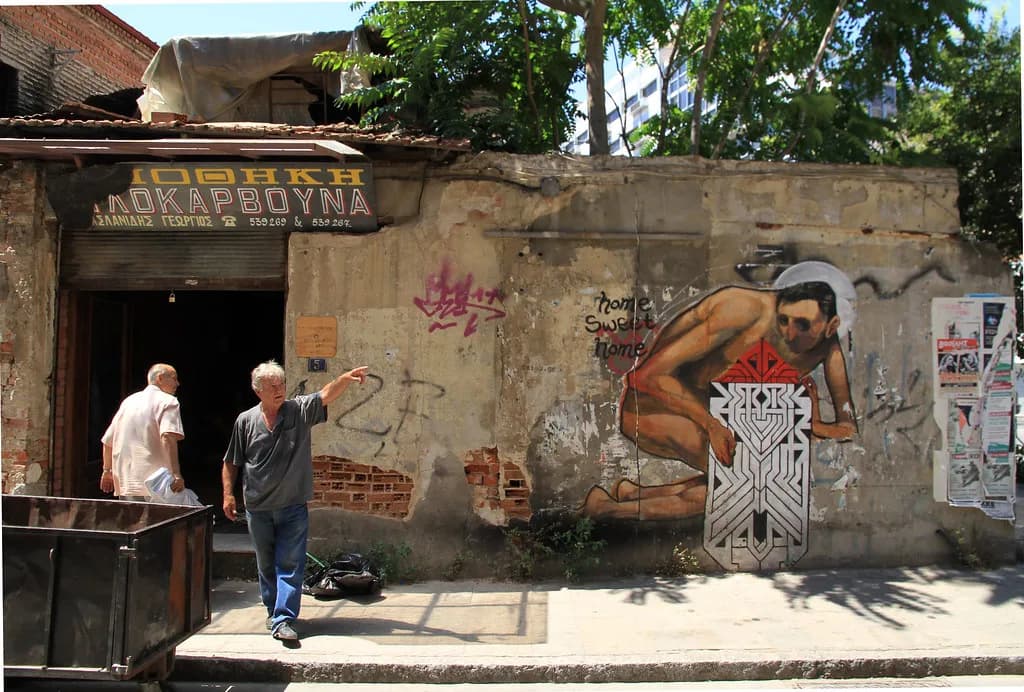
Market life carries on through winter, and that is one of the month's quiet pleasures. Kapani Market keeps selling meat, fish, cheese and Greek pantry staples to locals, while Modiano Market fills with food vendors and eateries in a covered hall where you can eat out of the weather. The Athonos Square area nearby still trades in handmade wooden and wicker goods, and crowds are thin enough midweek that shopping feels unhurried.
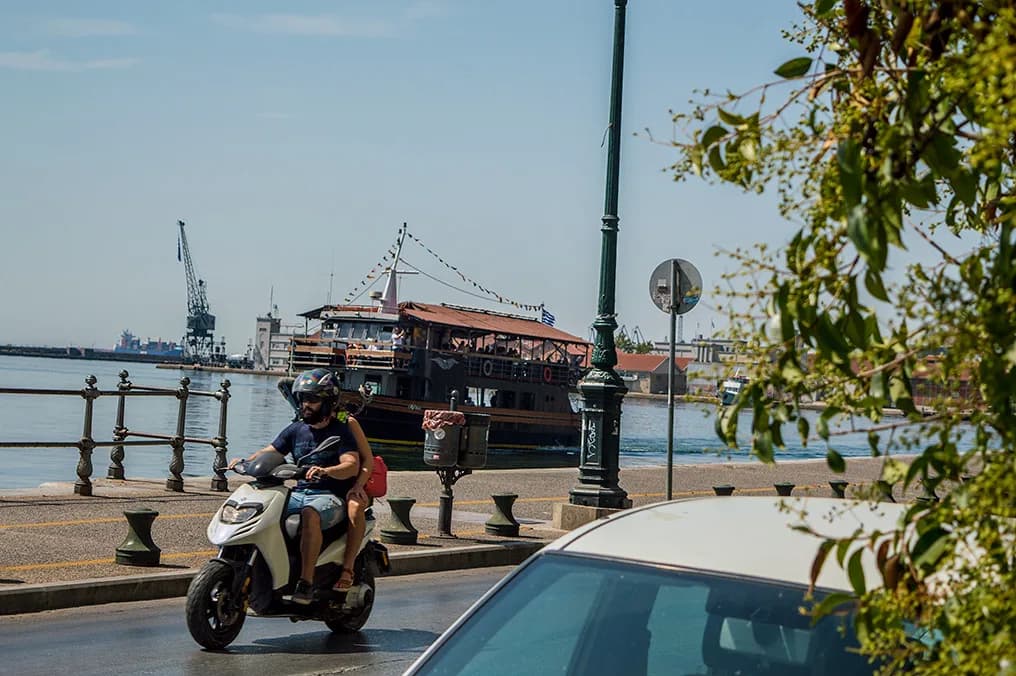
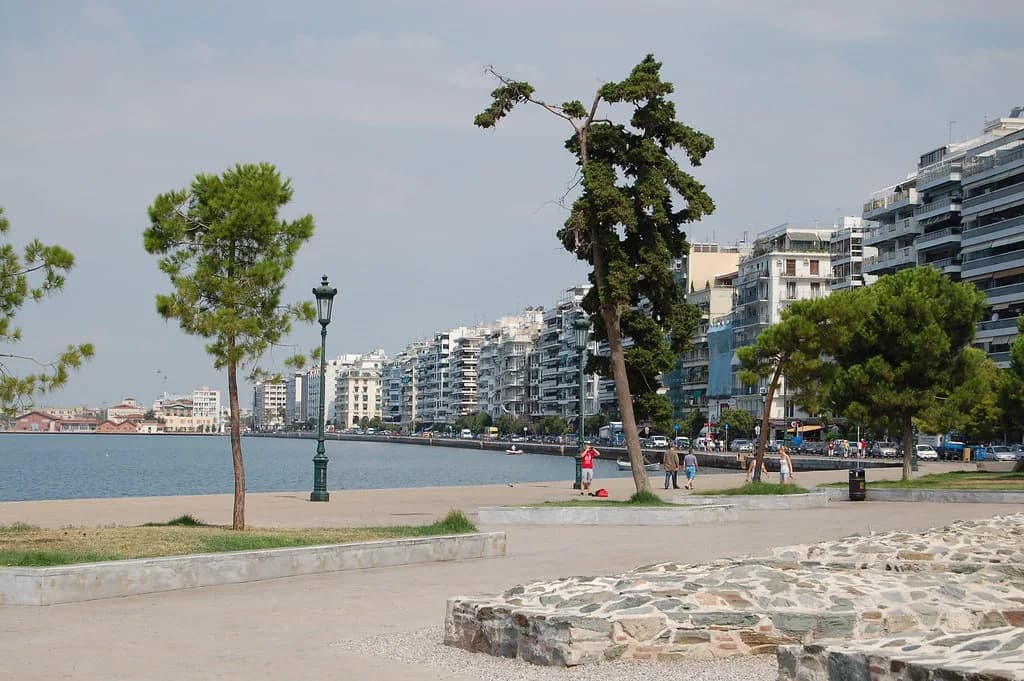
Along the waterfront, the promenade and Aristotelous Square stay open and busy with locals, but the outdoor cafe terraces that define summer are thinner and the evening scene moves inside. That makes December a good month for the city's restaurants and bars, which do steady business with residents rather than seasonal visitors. The wider pattern across Greece is the same: everyday life continues, and the tourist-facing layer simply shrinks.
Christmas and New Year in Thessaloniki
Christmas Day 2026 falls on a Friday and New Year's Day 2027 on a Friday, giving most visitors a long holiday weekend either side. The municipality of Thessaloniki publishes its Christmas program each year, covering the lights, squares and family events that make up the season, so the current edition is the place to look for what is running during your dates. Aristotelous Square, with its neoclassical facades and cafe-lined edges, is the traditional focal point and hosts the tree lighting.
Thessaloniki's festive season is a local celebration first, which means decorated streets, families out shopping and a lively taverna trade rather than a tourist spectacle. A short Christmas market is part of the picture, but the real draw is the city at night with the lights on and the waterfront glowing. If the holiday itself is your reason for traveling, the dedicated Christmas guide covers the season in more depth.
Epiphany on Wednesday 6 January 2027 brings the blessing of the waters, when a cross is thrown into the sea and young divers retrieve it in harbors across Greece, and the ceremony is easy to catch along the waterfront. New Year's Eve itself follows the familiar pattern of late parties for the young and quiet gatherings at home for everyone else. Note that Christmas Day and New Year's Day are public holidays, so confirm any restaurant you have your eye on for those specific dates directly with the venue.
The UNESCO Byzantine Monuments in Winter
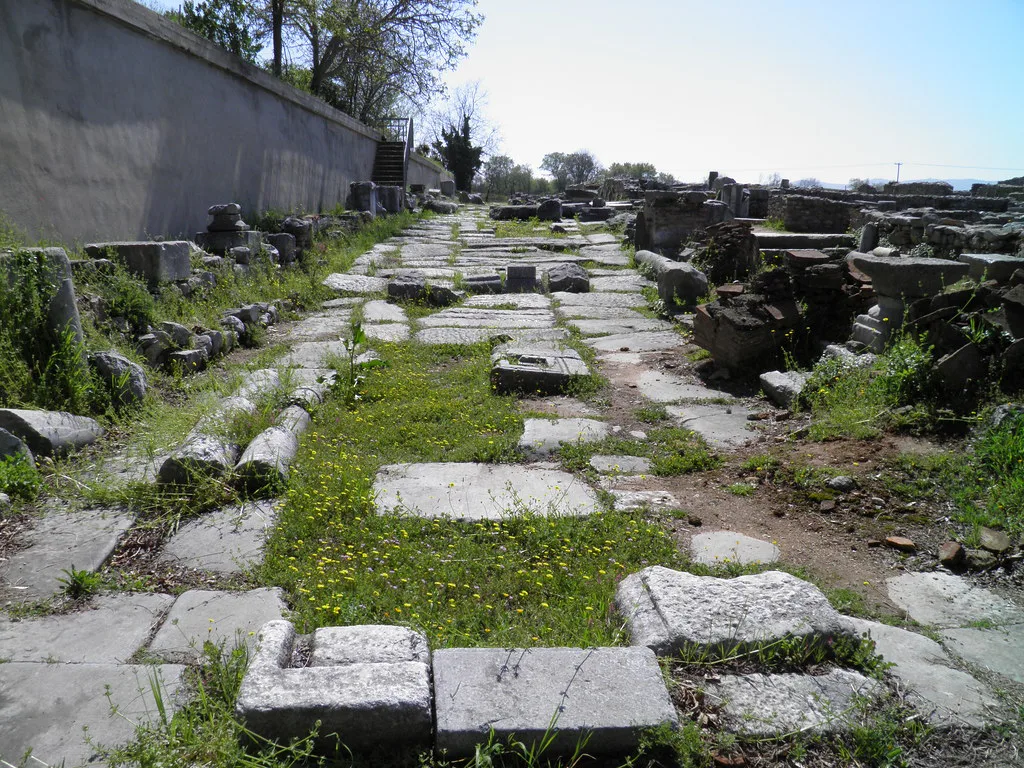
Winter is the season to see Thessaloniki's Byzantine heritage without jostling for position. Lines at Greek archaeological sites and museums disappear in the off-season, so you can walk into the Rotunda of Galerius, the Church of Saint Demetrius or the Roman Forum and have space to look properly. Some of the smaller monuments, including the Church of Saint Catherine and the Church of Panagia Chalkeon, keep short opening windows, so slot the biggest sites into the core of the day and treat the rest as bonuses.
The Rotunda is the showpiece: a vast fourth-century domed structure that has served as a Roman mausoleum, a church and a mosque, with mosaics still visible high in the dome. Entrance carries a modest fee and the interior is mostly empty of furnishings, so bring binoculars or a zoom lens if you want to study the mosaics. The Arch of Galerius a short walk away is free to view at any hour and pairs naturally with the Rotunda on the same outing.
Hagia Sophia, the city's cathedral for a period in the thirteenth century and a mosque under Ottoman rule, holds mosaics and carved iconostasis woodwork that reward a slow visit. Dress for a working church rather than a museum, and keep voices low when services are underway. A combined ticket is not the point here; the pleasure is in wandering between monuments that sit a few minutes apart and ducking into whichever is open when the rain starts.
Ano Poli and the City Walls on a Clear Cold Day
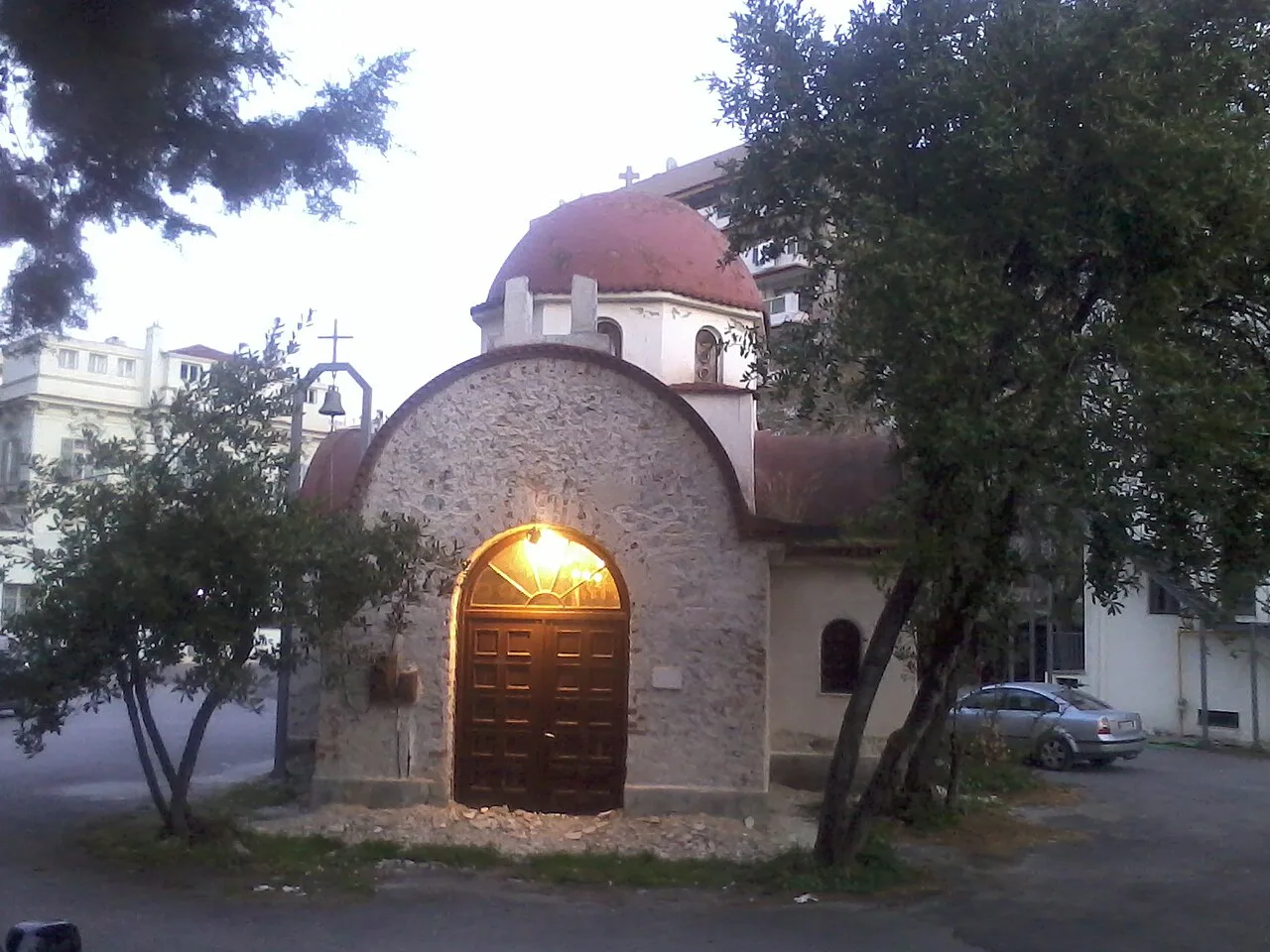
The upper town is the best outdoor plan December offers, provided you pick a bright morning. Start at the Heptapyrgion fortress on the hill, where the walls span Roman, Byzantine and Ottoman work and the former prison buildings give a sense of the site's layered past, then walk downhill through Ano Poli's narrow streets instead of climbing back up. The descent takes in the Vlatadon Monastery, founded in the fourteenth century and still in use, and the small Church of Hosios David with its mosaics.
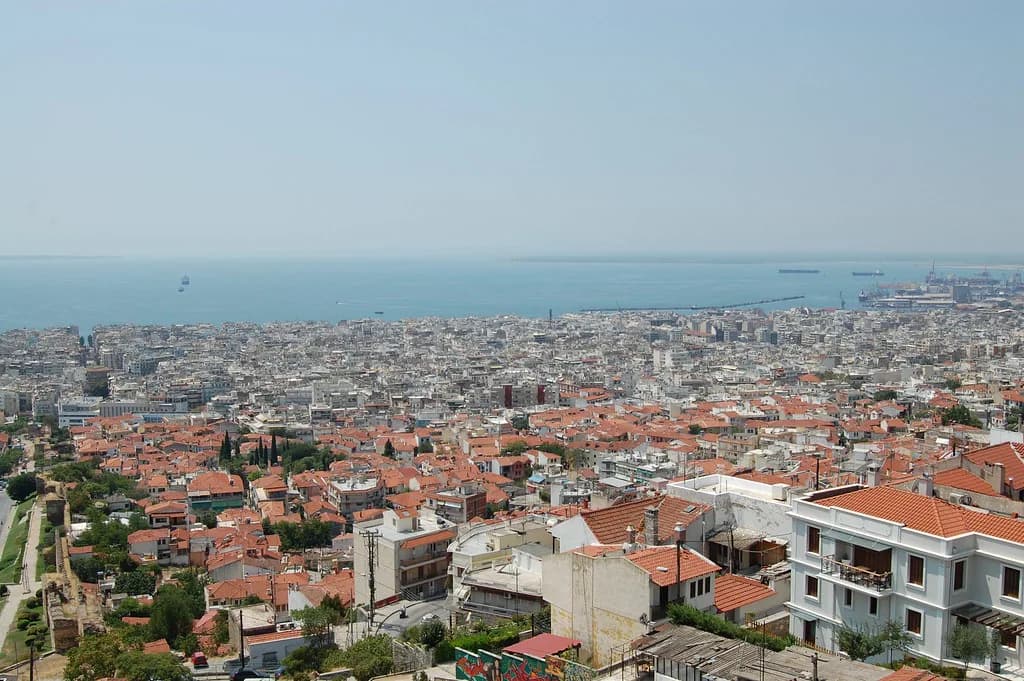
Views from up here stretch over the rooftops to the gulf, and on a clear cold day the air is sharp enough to see the far shore. Many of the churches along the route open only for limited periods, so treat interior visits as luck and the walk itself as the main event. Wear shoes with grip for wet cobbles and keep the outing to daylight hours, since the lanes are poorly lit after dark.
Museums That Reward a Wet Afternoon
When the rain settles in, Thessaloniki has one of the strongest museum lineups in Greece. The Archaeological Museum of Thessaloniki holds sculpture, pottery and jewelry from the region's ancient sites, and in winter you can move through the galleries at your own pace rather than trailing a crowd. The Museum of Byzantine Culture next door covers the city's long Byzantine centuries in depth and makes a natural pairing on the same wet day.
The Jewish Museum of Thessaloniki tells the story of one of Europe's oldest Jewish communities and the destruction of the city's Jewish population during the Second World War. The Menorah in Flames memorial at Eletherias Square, with its seven branches formed from human figures, stands near the waterfront and is worth seeing alongside the museum. Both reward a slower visit than a quick walk-through allows.
Waterfront Walks, the White Tower and the Umbrellas
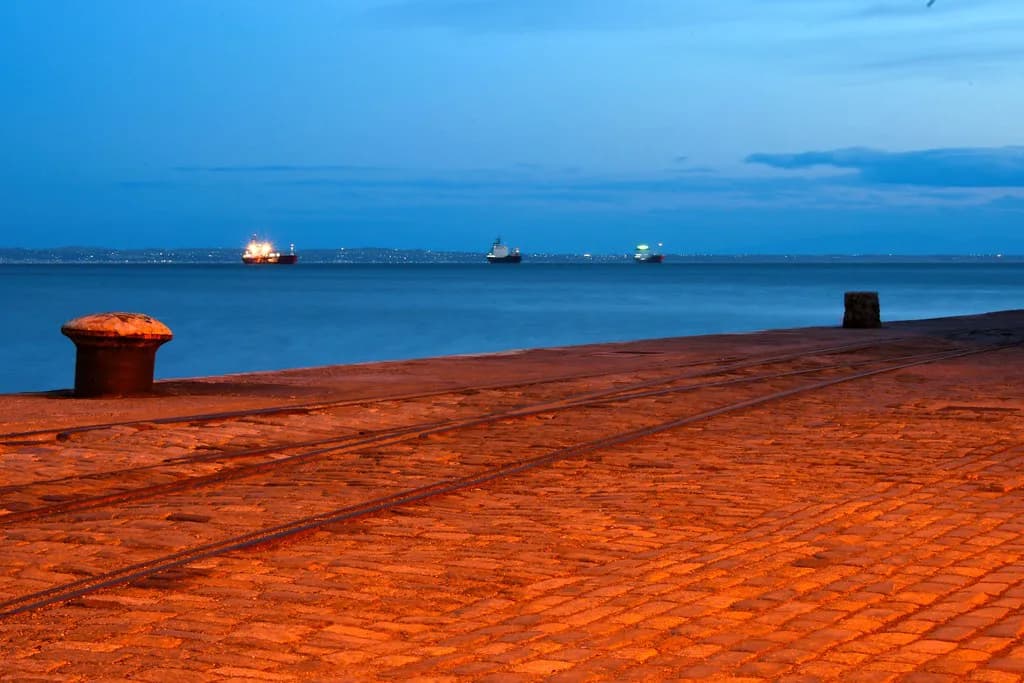
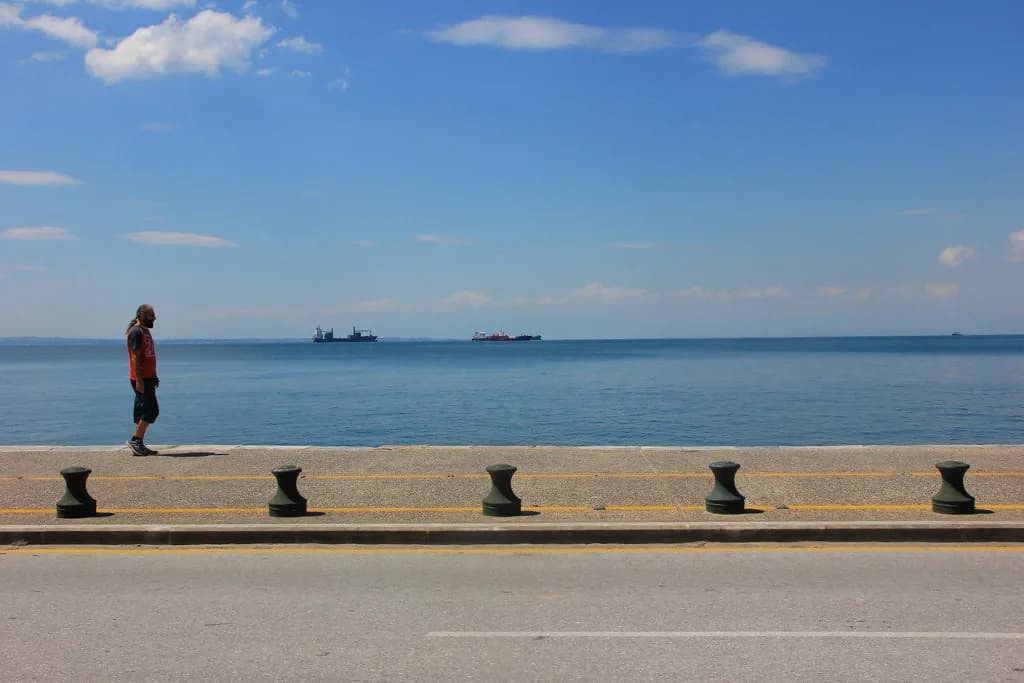
Thessaloniki's promenade is a year-round promenade, and December gives it back to the people who live here. Walk from the port past the White Tower, a fifteenth-century Ottoman fortification that now houses a museum tracing the city's history across its floors, then continue to the Umbrellas sculpture by George Zongolopoulos, the city's favorite photo stop. There is no elevator in the tower and the spiral stair is steep, which is worth knowing if anyone in your party has mobility limits.
Plan the walk for the middle of the day, when the low winter sun is at its warmest and the light on the water is best, and keep an alternative indoor stop in reserve in case a front rolls in. The Alexander the Great statue and the Holocaust memorial sit along the same stretch, so a single unhurried loop covers the waterfront's main landmarks. Sunset comes early, so an afternoon start leaves little margin.
Market Food and Tavernas
Winter eating in Thessaloniki is about heat, smoke and slow afternoons. The covered market halls are the place to graze on olives, cheese, cured meats and whatever the fishmongers have that morning, and the tavernas around Athonos Square and the center serve the hearty stews and grilled meats that suit the season. This is also the city with the reputation for the best food in Greece, and winter is when the kitchens cook for locals rather than for a summer crowd.
Booking matters less than it does in August, but popular places fill on weekend evenings and around the holidays. Reserve for Friday and Saturday and for the nights between Christmas and New Year, or eat early. A long lunch is the most reliable strategy of all: tables are easier to find, the light is better, and you can walk the calories off along the waterfront before dark.
Day Trips That Work in December
Vergina, the ancient Macedonian royal site west of the city, is the standout winter day trip: the tombs are covered and the museum display is entirely indoors, so weather barely matters. The drive is manageable with a rental car, and public transport options are thinner in winter, so check connections before committing to a car-free plan. Allow a full day including the drive each way. If you would rather anchor a whole trip around indoor sites and quiet towns, see what stays open in Crete in December.
The Mount Olympus foothills are another realistic outing, with snow on the upper slopes from December and clear views on cold, dry days. Lower trails around Litochoro remain walkable when conditions allow, but winter conditions on the mountain change fast and the higher refuges operate on a seasonal basis, so check the current status with the local hiking or refuge operator before setting out. Trekking poles and proper boots are not optional at this time of year.
Getting Around
Thessaloniki is easy to reach in winter. The international airport sits about twenty minutes from the center by road, there are direct flights from cities across Europe, and the train from Athens takes roughly four hours. Driving from Athens on the toll highway takes about five and a half hours with modern rest stops on the way, and tolls can be paid by card.
Within the city, the center is walkable and most of the monuments, markets and museums sit within a comfortable radius of Aristotelous Square. Buses and taxis cover the climb to Ano Poli, and taking a cab up before walking down is the sanest plan for the upper town. For the broader regional picture, the winter overview maps out how the city fits into a longer trip.
Crowds, Prices and the Trade-offs
December is low season, and that shows in availability and rates rather than in any published figure. Rooms are easier to find than in summer, museums are quiet, and restaurant tables are obtainable at short notice outside the holidays. Airfares and hotel rates across Greece drop between October and April, which is the structural reason a winter city break here undercuts a summer island trip.
The trade-offs are real. Daylight is short enough that a late start costs you an afternoon, wet days can wipe out the upper town, and the seaside is for looking at rather than swimming. Christmas week and the days around New Year are the exception to the quiet, when Greeks travel home and the center fills with shoppers and families. Beyond that, the city feels like itself, which is the point.
Who December in Thessaloniki Suits
Come in December if you want Byzantine monuments without queues, a serious food city at its most local, and a compact break where everything worth seeing is a walk or a short taxi ride apart. It is a strong choice for couples, museum-goers and anyone who prefers cold-weather cities to hot beaches. Travelers chasing sun, long evenings outdoors or island hopping should aim for late spring or early autumn instead.
Build the trip around two or three indoor anchors, keep one clear day for Ano Poli and the walls, and leave room for a wet afternoon that turns into a long lunch. If your dates land in the first week of January, the Epiphany ceremonies on 6 January add a memorable morning by the water before the city settles back into its winter rhythm. Travelers weighing a later winter visit can compare the January and March versions of the same trip.
Explore more Thessaloniki winter guides
Frequently Asked Questions
What is the weather like in Thessaloniki in December?
December is typically cold and breezy, with average highs near 11°C (52°F) and lows around 2°C (11°F) in the historical figures for the city. Rain is possible on roughly a third of days, humidity runs high and daylight lasts about 10.6 hours, with sunset close to 18:00. These are long-term averages, so check a short-range forecast before you travel.
Is December a good time to visit Thessaloniki?
Yes, if you want a cold-weather city break built around Byzantine monuments, covered markets and tavernas. Archaeological sites and museums are quiet, and rooms are easier to book than in summer. It is a poor fit for anyone hoping to swim, sunbathe or spend long evenings outside.
Are the museums and Byzantine sites open in December?
The main museums, including the Archaeological Museum and the Museum of Byzantine Culture, operate year-round, and the large monuments such as the Rotunda and the White Tower receive visitors through winter. Several of the smaller churches keep short daily opening windows, so plan the important sites for the middle of the day. Confirm times with the individual venue for the days you are there.
Is Thessaloniki crowded in December?
Outside the holidays it is one of the quietest months of the year. Christmas week and the days around New Year are the exception, when Greeks return home and the center fills with shoppers and families. Ordinary weekdays in early or mid-December feel almost empty at the monuments.
What happens in Thessaloniki at Christmas and New Year?
The municipality publishes a Christmas program each year covering lights, squares and family events, with Aristotelous Square as the traditional center of the celebrations. Christmas Day 2026 and New Year's Day 2027 both fall on Fridays. Epiphany on Wednesday 6 January 2027 brings the blessing of the waters along the waterfront.
What day trips work from Thessaloniki in December?
Vergina is the strongest winter option, since its royal tombs and museum display are indoors and weather matters little. The Mount Olympus foothills around Litochoro offer snowy scenery and lower walks when conditions allow. Both need a car or checked transport connections, and mountain conditions change quickly.
How do you get to Thessaloniki in winter?
Fly into Thessaloniki International Airport, about twenty minutes from the center, or take the train from Athens, which takes roughly four hours. Driving from Athens on the toll highway takes about five and a half hours. Winter schedules on regional transport are thinner, so book the long legs in advance.
Who should skip Thessaloniki in December?
Travelers who want guaranteed sunshine, beach time or a base for island hopping should choose late spring or early autumn instead. Anyone sensitive to short daylight and cold, damp days will find the month limiting. Those who enjoy northern European winter cities usually take to it immediately.
Sources
Winter travel notes
Optional updates when we add or revise winter guides.
You might also like
Continue reading
More guides you'll find useful