Thessaloniki in November: Weather, Events and What's Open
Thessaloniki in November brings cool, often wet days, quiet ruins and a lively student city. See typical weather, what stays open and who should visit.
On this page
Thessaloniki in November feels like a city exhaling. The summer crowds along the Thermaic Gulf have thinned, the waterfront promenade fills with residents and students rather than tour groups, and the air turns cool enough that a long morning of ruins ends naturally in a taverna. It is a month for people who want urban Greece, Byzantine churches, museums and food, not beach time.
This is the cusp of winter rather than a warm extension of autumn. Days are noticeably shorter and wetter than in October, and the weather can swing between bright, mild afternoons and gray, damp spells on the same trip. Plan around that variability and the city rewards you with elbow room at its major sights.
Weather in November
Treat November figures as long-term averages, not a forecast. In Thessaloniki the month is milder than northern Europe but far from summer: expect cool days, chillier evenings, and a mix of sunshine and rain rather than a steady Mediterranean glow. Averages for the city are published by climate services such as WeatherSpark, where you can read the November record for Thessaloniki directly.
Across Greece, November daytime highs commonly sit in the low to mid-60s Fahrenheit on the mainland, with nights cool enough for a jacket, and rain becoming more frequent as the month advances. Northern cities such as Thessaloniki sit at the chillier end of that range, and the wind off the gulf makes the waterfront feel cooler than the thermometer suggests.
The practical consequence is layering and flexibility: build each day around one indoor anchor and one outdoor one, so a wet morning does not wreck the plan. The city is compact enough that you can switch from a museum to a covered market without losing much time.
Daylight and Short Days
By November the afternoon closes in early, so the shape of a good day changes. Front-load outdoor sightseeing in the morning and early afternoon, then shift to churches, museums or a long lunch once the light fades. Clocks in Greece go back with the rest of Europe on the last Sunday of October, so November is the first full month of early sunsets.
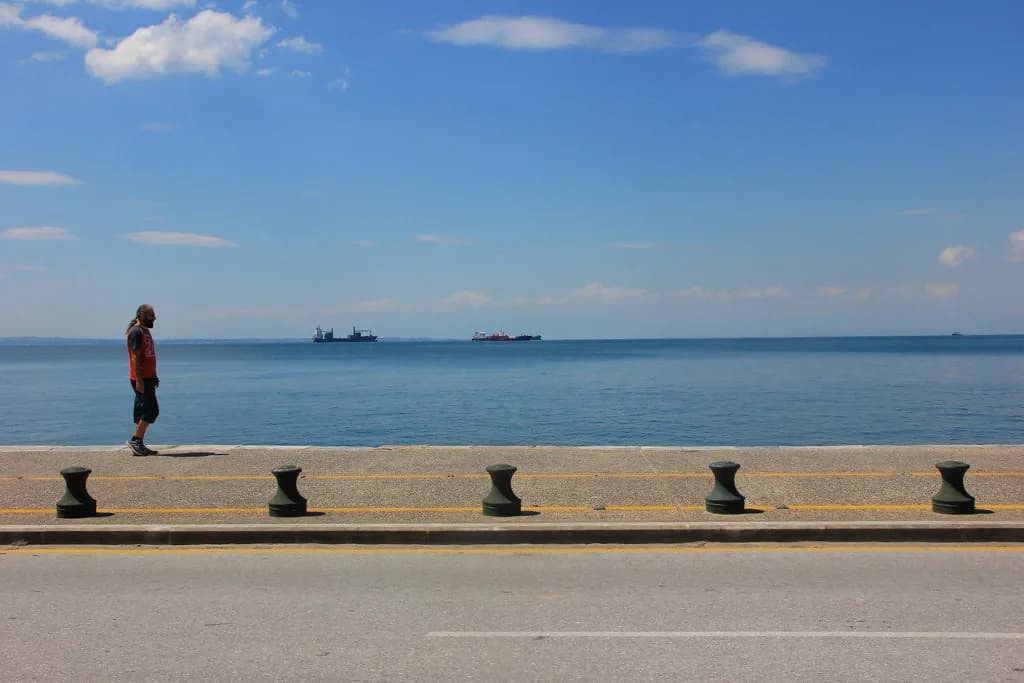
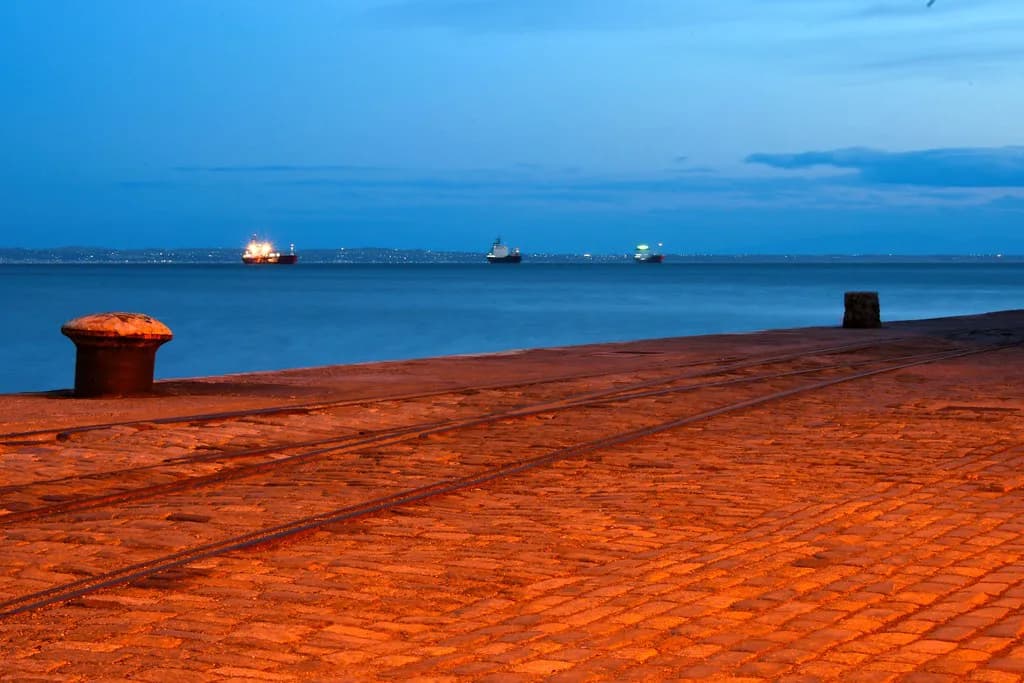
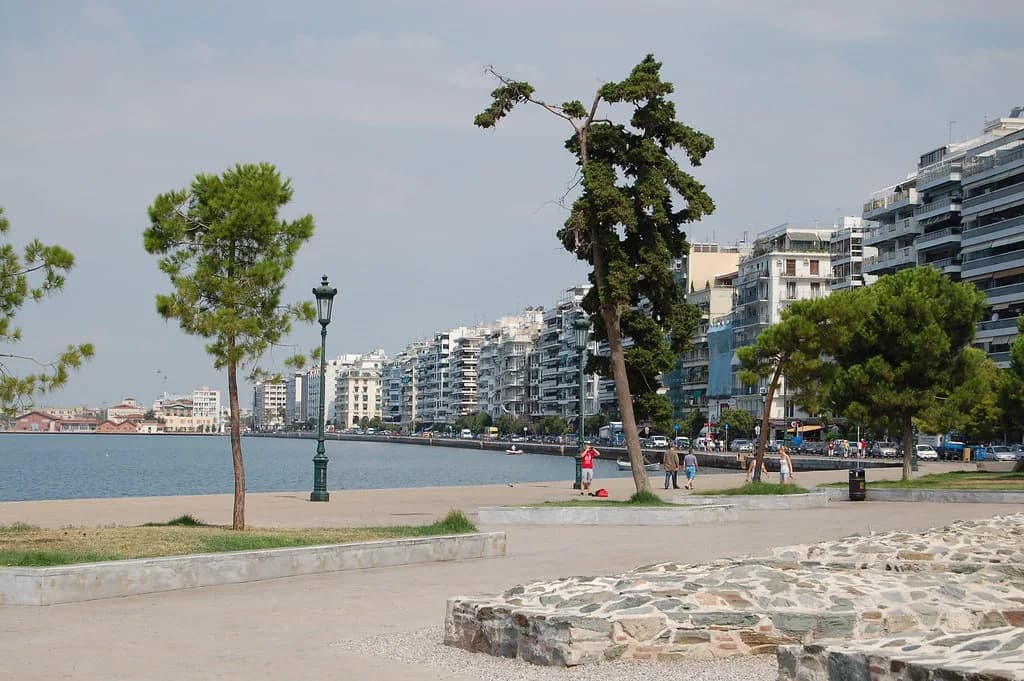
The best dusk plan is the waterfront: walk the promenade toward the White Tower as the light goes, when the gulf and the city's skyline soften. Ano Poli, the old upper town, is better saved for a clear morning, when the lanes and viewpoints are dry underfoot and you can see across the bay.
What Is Open in November
Thessaloniki is a working city of residents and students, so its core sights do not shut down for the season. Archaeological sites, Byzantine churches, museums and the waterfront promenade remain part of daily life once summer ends, and the city's cafés and tavernas keep local hours rather than tourist ones. As high season recedes, cities and larger hubs, Thessaloniki included, continue to welcome visitors in a more resident-focused mood.
The one thing to plan around is that some island services and coastal businesses wind down after summer, which matters if you are adding a Halkidiki stay to a city break. For the city itself, November is a month of normal operations rather than seasonal closures.
Things to Do
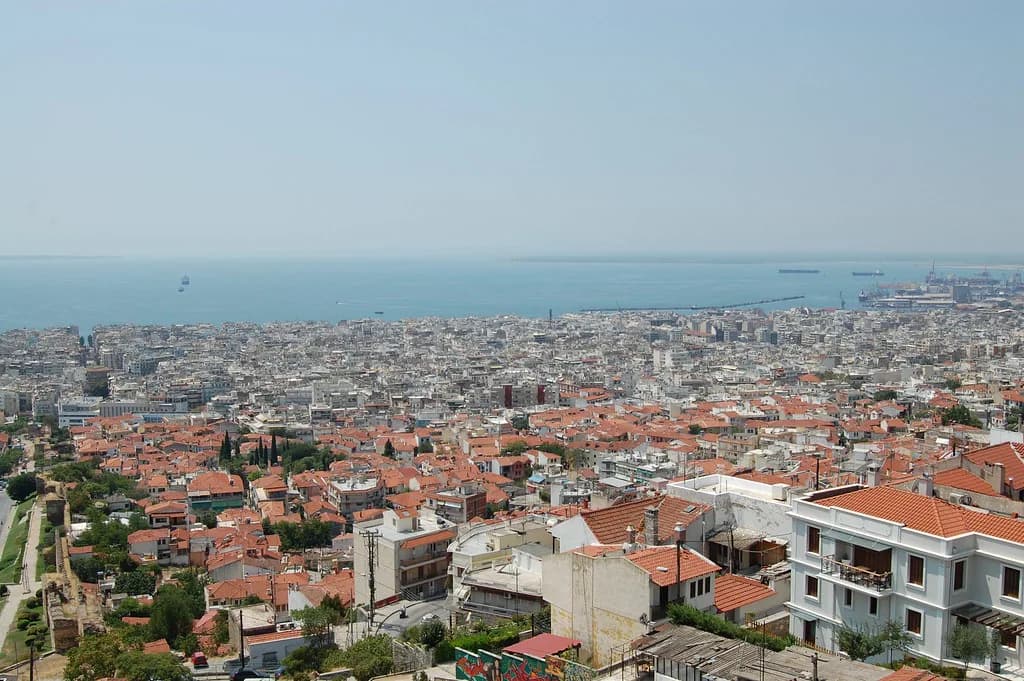
Start with the obvious set-piece: the Roman Forum, the Arch of Galerius and the Rotunda, all clustered in the center and easy to combine on foot. In November you can linger at these sites without the summer press of crowds, which makes the mosaics and imperial-scale masonry far easier to read. Pair them with a wander through the Ano Poli lanes and up to the city walls for the view back over the rooftops and the gulf.
Aristotelous Square is the city's living room and worth building time around rather than rushing through. Its arcaded curve faces the water, and the cafés along it stay busy into the cooler months with locals rather than day-trippers. From there the waterfront promenade runs east past the White Tower, giving you a long, flat walk that works even on a gray day.
For the wider arc of the season, from the run-up to Christmas through the coldest weeks, see the Thessaloniki in winter guide, which covers how the city changes across the whole period. If your dates land after New Year, the Thessaloniki in February guide explains what the carnival buildup and late-winter weather add.
Museums for Wet Days
The Archaeological Museum of Thessaloniki is the anchor for a rainy afternoon, with its gold grave goods from Macedonian tombs and finds that trace the region from prehistory through antiquity. The Museum of Byzantine Culture, nearby, does the other half of the city's story: mosaics, icons, frescoes and church architecture across the Byzantine centuries. Together they can fill a full wet day without repetition.
Build a rain plan that alternates these with smaller stops, such as the Roman Forum site and the church of Hagios Demetrios, so you are never caught far from shelter. Thessaloniki's Byzantine churches are working places of worship, so treat them as quiet stops rather than attractions, and step in between showers rather than planning a circuit around them.

Food and Taverna Life
The cooler months are when Thessaloniki's food culture makes most sense. Meze, seafood, grilled meats and shared plates suit the evening better than a summer salad, and the city's tavernas and ouzeris fill with locals and students once the tourist season fades. Order broadly and slowly: a table of small plates is the local way to eat, and it stretches an evening comfortably when the nights are cool.
Markets and food shops are worth a morning even in the rain, since they are covered and busy with residents doing their weekly shop. Look for autumn produce, olives and cheeses, and use the visit as a way to plan a picnic or a hotel-room lunch. The city's café culture also holds up in November: a long coffee is the standard response to a wet afternoon.
Olive Harvest and the Autumn Food Season
November overlaps with the olive harvest in many parts of Greece, and the Peloponnese and Crete are the classic places to see groves and mills at work. From Thessaloniki this is a longer trip, but the wider region's markets carry the new-season oil and autumn produce.
Closer to home, Halkidiki's villages and mainland markets reflect the same seasonal shift, with olives, pulses and foraged greens appearing alongside the usual seafood. Treat this as a food note rather than a reason to head for the coast: the harvest is a rural rhythm you may glimpse, not a scheduled attraction.
Events and Holidays in November
Thessaloniki has a genuine cultural calendar in late autumn, with concerts, exhibitions and film and music events running in the city. The city's official events listing is the place to see what is scheduled during your dates, including the Thessaloniki International Film Festival and other autumn programming.
On the religious side, Saint Andrew's Day falls at the end of November and is observed in Orthodox churches across the city and the region. If you want to attend a service, check the listing from the Metropolis of Thessaloniki or your local parish for times. Beyond that, November is largely a month of ordinary city life, which is part of its appeal.
Day Trips That Work in November
Vergina, with its royal tombs and museum, is the standout day trip: it is indoor-heavy, which makes it ideal when the weather turns, and it sits within easy reach of the city by road. Pella, the ancient Macedonian capital with its mosaics, pairs naturally with Vergina if you start early and accept that you will be driving back in the dark.
Dion and the foothills of Mount Olympus are more weather-dependent: the archaeology is largely outdoor, and wet or windy days make the site less rewarding. Save Olympus-area walking for a clear forecast and keep the trip short, since daylight is limited in November. A car makes these trips practical; without one, look for organized excursions that run in the shoulder season.
Halkidiki and the Coast in November
Halkidiki's beach season is over by November, and the resort strips wind down while the peninsula's villages and landscapes stay open. If you want a coastal add-on, treat it as a scenic and culinary detour rather than a beach stay, and expect a quieter, sometimes closed-up feel along the main resort fronts.
The trade-off is simple: you gain empty coastline and lower-key tavernas, but you lose the reason most people go, namely swimming and beach life. For a city-focused November trip, Halkidiki works best as a short excursion on a clear day, not as the base for the whole stay.
Crowds, Prices and Mood
November is comfortably quieter than summer and cheaper in the shoulder-season sense, with softer demand outside the most in-demand hubs. Airfares and hotel rates often ease compared with peak season, and the city's sights feel less congested. It is also calmer than December, when Christmas markets and holiday visits pick up.
The mood is the real selling point: Thessaloniki in November is a lived-in city rather than a tourist stage. That means fewer English menus and more Greek conversation around you, which suits travelers who prefer atmosphere to convenience. If you need guaranteed sunshine, this is not your month.
If you want the Christmas atmosphere instead, the Christmas in Thessaloniki guide covers the lights and market period, while Thessaloniki in December explains how the month turns festive. Thessaloniki in January is the coldest, quietest option for travelers who want the city to themselves.
Who November in Thessaloniki Suits
November suits urban travelers, food lovers and history-minded visitors who would rather have Byzantine churches and museums to themselves than a beach. It also suits anyone combining Thessaloniki with a wider Greek trip, since Athens and the mainland remain active with fewer crowds.
It does not suit sun-seekers, beach-first travelers, or anyone who needs reliable dry weather for outdoor plans. If your image of Greece is swimming and island-hopping, wait for May or choose a different month entirely. If you want a colder, more festive city, February and the carnival period are the better fit.
For comparison, Thessaloniki in March brings longer days and the first hints of spring, while Corfu in November shows how the Ionian islands handle the same shift into the off-season. Use those guides to decide whether November is the right edge of winter for your trip.
Getting Around
The center of Thessaloniki is walkable: the waterfront, Aristotelous Square, the Roman Forum, the Arch of Galerius and the Rotunda sit within a comfortable loop, and Ano Poli is a climb rather than a bus ride. Buses cover the wider city, but for a short November break you can largely stay on foot.
For day trips to Vergina, Pella or Dion, a car gives you the most control over timing, which matters when daylight is short. Without one, look for organized excursions that run in the shoulder season, and check departure times with the tour company before you commit.
Plan Your November Trip
November in Thessaloniki is a city break for people who want Greece without the summer version: cooler air, shorter afternoons, Byzantine churches and museums without the crowds, and tavernas full of locals. Go with a flexible plan that pairs one indoor anchor with one outdoor walk each day, and the variable weather becomes part of the rhythm rather than an obstacle.
Book the city first and treat Halkidiki or the mainland sites as optional add-ons depending on the forecast. If you want festive lights, aim for December; if you want the quietest, coldest version of the city, January is your month.
Explore more Thessaloniki winter guides
Frequently Asked Questions
Is Thessaloniki worth visiting in November?
Yes, if you want an urban Greek trip rather than a beach holiday. The city's museums, Byzantine churches, Roman sites and food scene all stay active, and the waterfront is pleasant for walking in cool weather. Crowds are thinner than in summer, though you should expect rain and short days.
What is the weather like in Thessaloniki in November?
Expect typical late-autumn conditions: cool days, chillier evenings, and a mix of sun and rain rather than steady warmth. Northern Greece is cooler than the islands or Crete. Treat any figures as long-term averages and check a current forecast before you travel.
Is Greece good in November?
It is good for culture, food and city life, and less good for swimming and island hopping. Cities such as Athens and Thessaloniki remain fully active, while some island resorts and beach services wind down for the season.
What events happen in Thessaloniki in November?
The city's calendar includes concerts, exhibitions and film and music events in late autumn, along with Orthodox observances such as Saint Andrew's Day at the end of the month. The official Thessaloniki events listing shows what falls on your dates.
How many days is enough for Thessaloniki?
Three full days covers the center, the Roman and Byzantine sights, the museums and the waterfront at an unhurried pace. Add a day or two if you want Vergina, Pella or a Halkidiki excursion, and remember that November daylight is limited.
Do you need a car to visit Thessaloniki's day trips in November?
A car helps for Vergina, Pella and Dion, especially when short daylight makes timing tight. Without one, organized excursions run in the shoulder season; check current departure times before booking.
Sources
Winter travel notes
Optional updates when we add or revise winter guides.
You might also like
Continue reading
More guides you'll find useful