Thessaloniki in January: Weather, What's On and What's Open
Thessaloniki in January brings cold, breezy days around 8°C, quiet Byzantine monuments and warm tavernas. Here is what the month is really like.
On this page
January strips Thessaloniki back to its working self: a port city of students, tavernas and Byzantine churches, with the waterfront promenade quiet and the summer crowds long gone. Daytime highs average roughly 8°C (47°F) and nights hover near 1°C (33°F), so this is a month for walking between heated interiors rather than lingering outdoors. It suits travelers who want UNESCO monuments and food without queues, and it disappoints anyone hoping for seaside weather.
The city rewards a realistic plan. Treat January as a museum-and-taverna break, group sights by neighborhood, and use the short daylight window for outdoor stretches such as the walls above Ano Poli. For the wider picture of how the season shifts from December through March, the Thessaloniki in winter guide sets out what stays open and what slows down across Central Macedonia.
Weather in January: Highs, Lows, Rain and Daylight
Typical February days in Thessaloniki run from a low of about 2°C (36°F) to a high of around 11°C (52°F), and the city feels breezy rather than still. Rain is possible on roughly a third of days, with modest accumulations rather than long downpours, and humidity stays high enough that the cold bites more than the numbers suggest. Daylight is the real constraint: expect about 10.6 hours between sunrise and sunset, with mid-afternoon light fading fast.
Read those figures as long-term averages, not a forecast. Some January days arrive mild and sunny enough for a jacket-free coffee on Aristotelous Square, while others bring sharp wind off the Thermaic Gulf and a raw damp that sends everyone inside. Snow is uncommon in the city center, though it can dust the hills above town; if a cold snap is your worry, the does it snow in Thessaloniki guide explains what actually falls and how often.
Pack for layers rather than extremes, and check the forecast a few days out rather than weeks ahead. The practical trade-off is simple: January rarely delivers a full day outdoors, but the cold keeps the city's sights nearly empty, which is exactly what makes a winter visit worthwhile.
Short Days and How to Sequence Your Sightseeing
With sunset arriving mid-afternoon in early January, plan outdoor sights for the morning and keep museums and churches for the fading light. The flat center around the Roman Forum, Aristotelous Square and the waterfront is easily walked in a couple of hours, so it fits a short window without rushing. Save the uphill climb to Ano Poli and the Heptapyrgion fortress for a clear morning, when the view over the gulf justifies the effort.
A workable rhythm is one outdoor block, one indoor block, then a long taverna lunch. That pattern absorbs a sudden shower without wrecking the day and keeps you close to warm interiors when the wind picks up. If you want a ready-made order of sights, a three-day Thessaloniki itinerary that runs from the waterfront up through the Byzantine monuments is a useful template to compress.
The UNESCO Byzantine Monuments in Winter
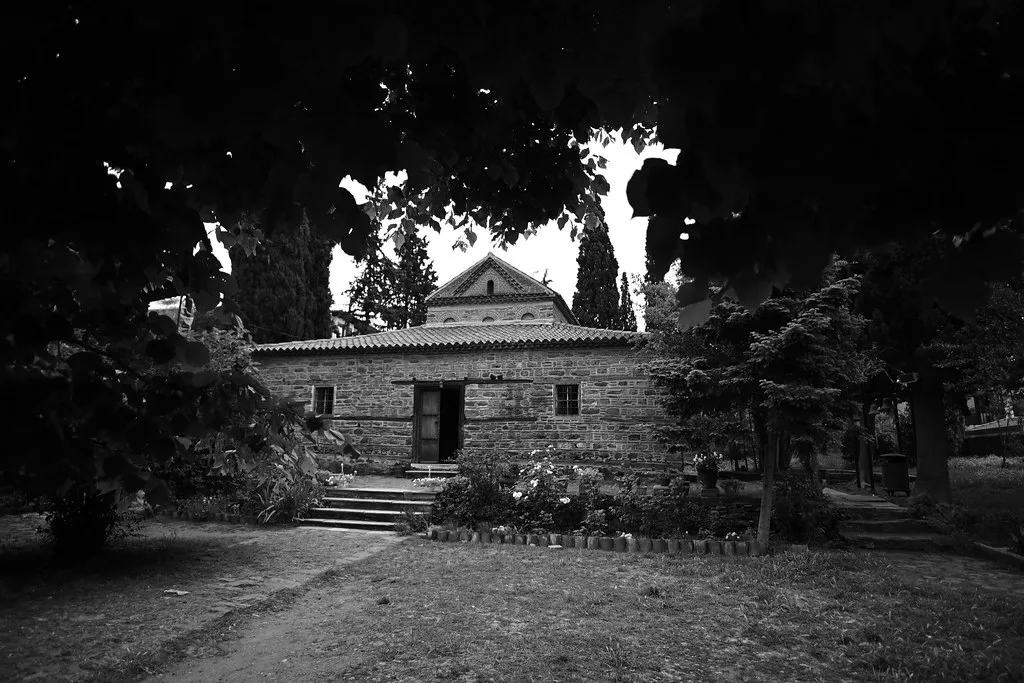
Thessaloniki holds more UNESCO-listed Byzantine monuments than any other Greek city, and in January you can see them without jostling. The Rotunda of Galerius, the Arch of Galerius, Hagia Sophia, the Church of Saint Demetrius and the Vlatadon Monastery are the anchors, all within a walkable band from the center up to the old town. Winter opening hours can be shorter than in summer, so check current times with the Greek Ministry of Culture and Sports before setting out, and plan the day around the monuments you most want to enter.
Several of these sites are free to enter, while a few charge admission, so budget loosely and confirm details at the site. The quieter season also means you can linger over the mosaics in Saint Demetrius and the frescoes at Vlatadon without a crowd behind you. Build in one indoor church visit for every outdoor stretch, and January becomes comfortable rather than punishing.
Museums for Wet and Cold Days
When rain settles in, the Archaeological Museum of Thessaloniki and the Museum of Byzantine Culture carry a full afternoon between them, and the Jewish Museum of Thessaloniki adds the city's Sephardic history in a compact space. The White Tower, the city's landmark on the waterfront, houses a museum tracing Thessaloniki from its founding to the present, and it is a sensible stop when the promenade turns windy. Expect fewer visitors than in summer and more room to read the exhibits.
Aim to start museum visits before lunch, since the short daylight makes late starts feel rushed. Rotate between the archaeology, Byzantine and Jewish collections depending on energy rather than trying to see everything in one day. The city's compact center means you can retreat into a cafe, warm up, and continue without losing much time on transport.
Ano Poli and the City Walls on a Clear Day
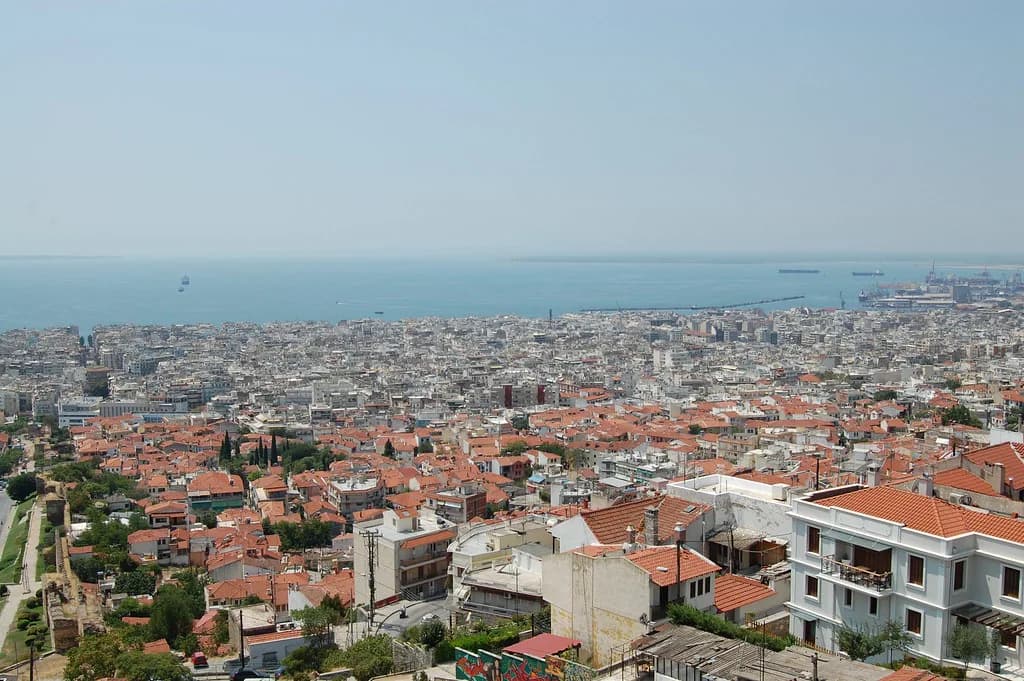
On a bright, cold morning, head up to Ano Poli, the old upper town, and walk the Byzantine walls toward the Heptapyrgion fortress. The climb is steady and the streets are cobbled and steep, so go early, when the light is good and the pavement is not slick from overnight rain. The reward is the best view in the city over the rooftops and the gulf, best enjoyed before the afternoon chill sets in.
Allow time to wander down through the old town rather than retracing your steps, since the descent passes monasteries and small churches that are easy to miss. This is the one part of a January visit that genuinely depends on the weather, so keep it flexible and move it to whichever morning looks clearest.
The Waterfront, Aristotelous Square and the Markets
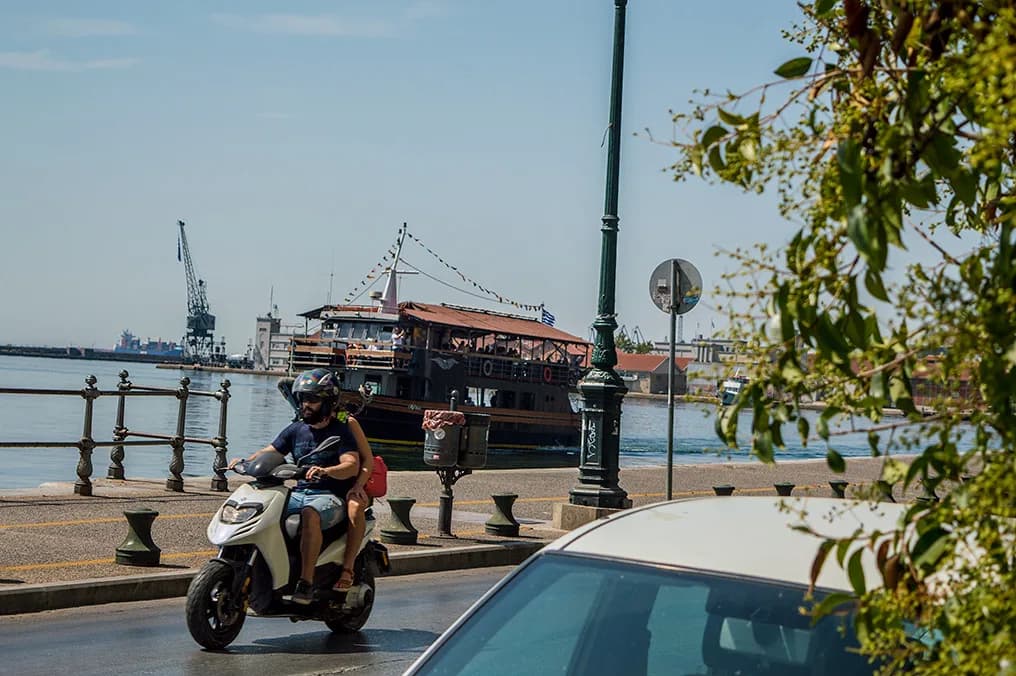
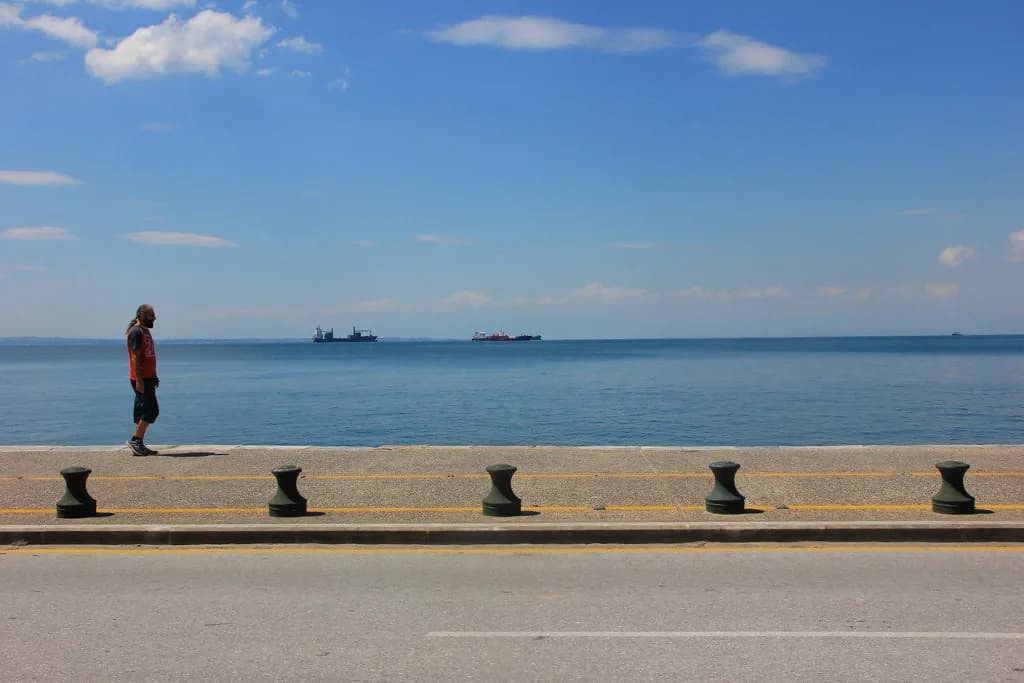
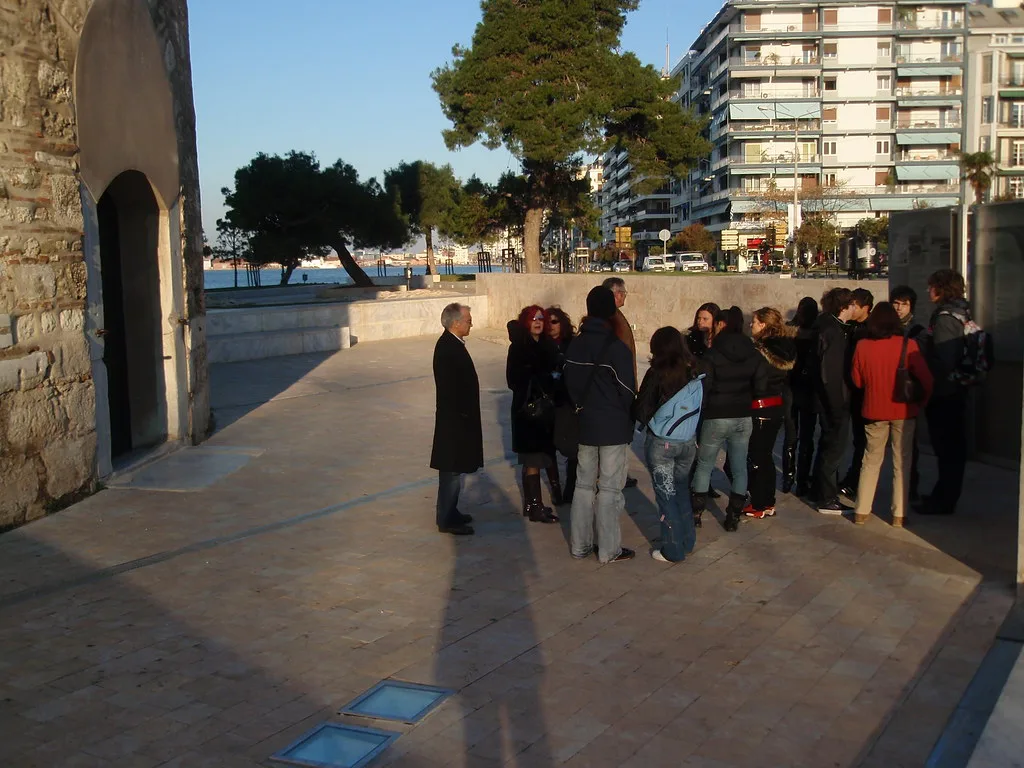
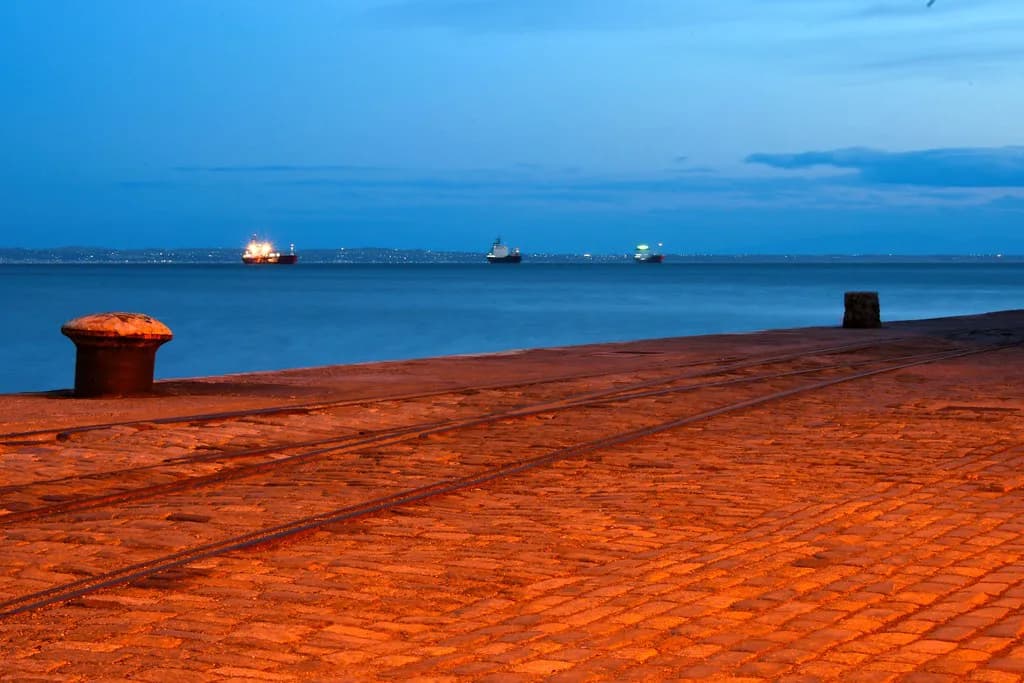
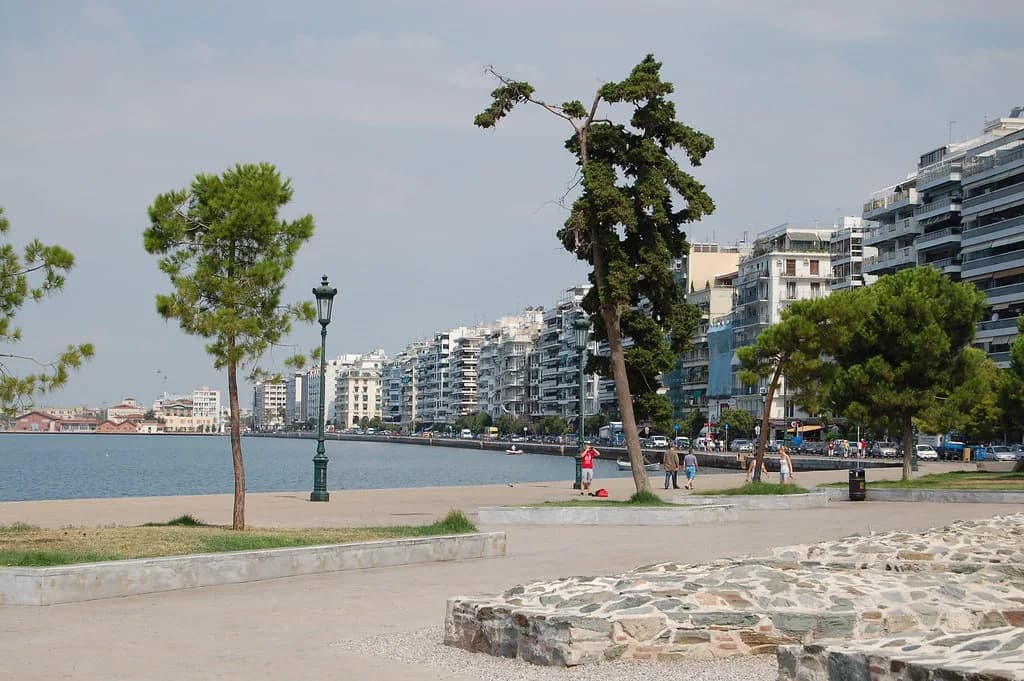
The waterfront promenade and Aristotelous Square are the city's living room, and in January they belong mostly to locals. Walk the seafront past the White Tower and the Umbrellas sculpture, then cut inland for the covered markets, where Modiano and Kapani stay busy with everyday shopping rather than tourists. This flat circuit works in almost any weather and takes a relaxed half day.
Aristotelous Square is also where the city gathers for its big seasonal moments, from holiday crowds to everyday coffee culture, so it rewards a return visit at different times of day. If you are curious how the square and the center change around the holidays, the Christmas in Thessaloniki guide covers the festive stretch.
Epiphany on 6 January
Epiphany, on 6 January, is the one fixed winter date worth planning around. In Greek port cities the day is marked by the blessing of the waters, when a cross is thrown into the sea and young swimmers dive for it, and Thessaloniki's harbor setting makes it a natural place to witness the ceremony. Arrive early for a spot near the water and expect cold, festive crowds.
Beyond Epiphany, treat January as a quiet month on the events calendar and check the municipality's own announcements for anything scheduled. The city publishes its seasonal program through the Municipality of Thessaloniki, so that is the place to look for confirmations rather than relying on secondhand listings.
Food and Taverna Culture in the Off Season
January is when Thessaloniki's food culture is at its most local, with tavernas, ouzeris and coffee shops full of residents rather than visitors. The city is known across Greece for its food, from grilled meats and mezedes to the sweets of its pastry shops, and the cold months make long, warm lunches the natural center of the day. Because the tourist-oriented places thin out, you tend to eat where locals eat.
Use the markets as a guide to what is in season, then follow the crowds at lunchtime rather than hunting for a view. Evenings are long and social, with bars and music venues giving the center an energy that belies the empty monuments. If you want a broader sense of how the city's cafe and taverna scene works, a city-break guide to Thessaloniki's food and coffee culture is a good companion.
Day Trips That Work in January
Two archaeological day trips justify the effort in January: Vergina, with its royal Macedonian tombs, and Pella, the ancient capital, both reachable from the city and largely indoor or sheltered. Winter is a good time for these sites, since the low season empties the museums and the surrounding countryside stays green. The Mount Olympus foothills are worth it mainly for the snow-dusted views rather than the trails, which are better left to warmer months.
Days are short, so choose one site per outing and start early rather than trying to combine Vergina and Pella. If a cold snap makes the roads uncertain, keep the day trip flexible and swap in a museum instead. Travelers planning farther ahead can compare conditions with the Thessaloniki in February guide, when daylight begins to stretch.
Getting Around the City in Winter
Thessaloniki's center is compact and walkable, which is the real advantage in January, when you want short hops between warm interiors. Buses cover the wider city and the airport, while taxis are easy to find and useful for the uphill run to Ano Poli, saving your legs for the view. The city's transport authority publishes current routes and tickets, so confirm fare details there rather than from memory.
Wear shoes with grip for wet cobbles in the old town, and keep a folded umbrella in your bag rather than relying on the forecast holding. Because the city is small, you rarely lose more than twenty minutes to a wrong turn, which makes a flexible plan practical. The broader Greece in January guide is useful if you are linking Thessaloniki to other stops in the same trip.
Crowds, Prices and the Trade-offs of a January Visit
The main trade-off is weather against emptiness: January brings cold, breezy and sometimes damp days with early sunsets, in exchange for monuments you can see without queues and a city that feels like itself. Rates at hotels and on transport generally sit well below summer levels, though you should compare specific dates rather than assume. What you give up is the waterfront cafe life and easy outdoor evenings that make Thessaloniki shine in spring and autumn.
For anyone who prizes food, Byzantine art and quiet streets over sunbathing, that is a fair swap. Anyone hoping for beach weather or long outdoor days should push the trip toward the Thessaloniki in March shoulder season, when the light returns and the tavernas spill outside again.
Who January Suits
January suits travelers who want Thessaloniki's Byzantine churches, museums and tavernas without crowds and do not mind cold, breezy days with early sunsets. It rewards a flexible plan built around one outdoor block per day and long indoor lunches, with Epiphany on 6 January 2027 as the one date worth planning around.
Choose another month if you want the waterfront to be the point of the trip, or if long daylight hours outdoors are essential. Otherwise, accept the cold, pack layers, and enjoy a city that is at its most itself.
Explore more Thessaloniki winter guides
Frequently Asked Questions
What is the weather like in Thessaloniki in January?
January is the city's coldest month, with typical highs around 8°C (47°F) and lows near 1°C (33°F), often breezy and with rain possible on roughly a third of days. Daylight runs to about 9.5 hours, so afternoons fade early. Treat these as long-term averages rather than a forecast.
Is January a good time to visit Thessaloniki?
Yes, if you want a city break built around Byzantine monuments, museums and food rather than the waterfront. The cold and short days mean fewer hours outdoors, but the low season leaves the UNESCO sites and museums quiet, which is the main reason to come now.
What is there to do in Thessaloniki in January?
Focus on the UNESCO Byzantine monuments such as the Rotunda, Hagia Sophia and Saint Demetrius, plus the Archaeological Museum, the Museum of Byzantine Culture and the White Tower. On clear mornings, climb to Ano Poli and the city walls, and spend afternoons in the markets and tavernas of the flat center.
Does it snow in Thessaloniki in January?
Snow is uncommon in the city center, though cold snaps can dust the higher ground above town. Rain and raw wind are the more typical January conditions, so plan outdoor sights for clear mornings and keep museums as your fallback.
How many hours of daylight does Thessaloniki get in January?
Expect roughly 9.5 hours between sunrise and sunset, with mid-afternoon light fading quickly. That makes morning the best window for outdoor sights like the walls and Ano Poli, with museums and churches saved for later in the day.
What is on in Thessaloniki in January?
Epiphany on 6 January 2027, a Wednesday, is the fixed date to plan around, with the blessing of the waters and a cross-throwing ceremony at the harbor. Beyond that, the month is quiet, so check the Municipality of Thessaloniki's own announcements for anything scheduled.
Sources
- Winter and Off-Season Travel in Greece
- Things to do in Thessaloniki in February – Wanderlog
- Χριστούγεννα 2025 | Δήμος Θεσσαλονίκης
- 3 Days in Thessaloniki, Greece - Quiltripping
- 11 Things To Do On A Thessaloniki City Break In Greece
- Guide for a cool city weekend in Thessaloniki.
- 2 days in Thessaloniki 11-13 January - Tripadvisor
Winter travel notes
Optional updates when we add or revise winter guides.
You might also like
Continue reading
More guides you'll find useful