Thessaloniki in March: Weather, Crowds and Things to Do
Thessaloniki in March brings mild days, cool evenings and thin crowds. See typical weather, what is open, and which sights and day trips suit late winter.
On this page
Thessaloniki in March is a shoulder-season city break: mild but changeable, uncrowded, and built around Byzantine monuments, long waterfront walks and food rather than beach time. The first half of the month still feels like winter in the city, with cool evenings and a working-city rhythm; the second half turns brighter and busier as Greeks head outdoors. It suits travelers who want serious sights without queues and who can accept a rain day swapped for museums.
Weather in March
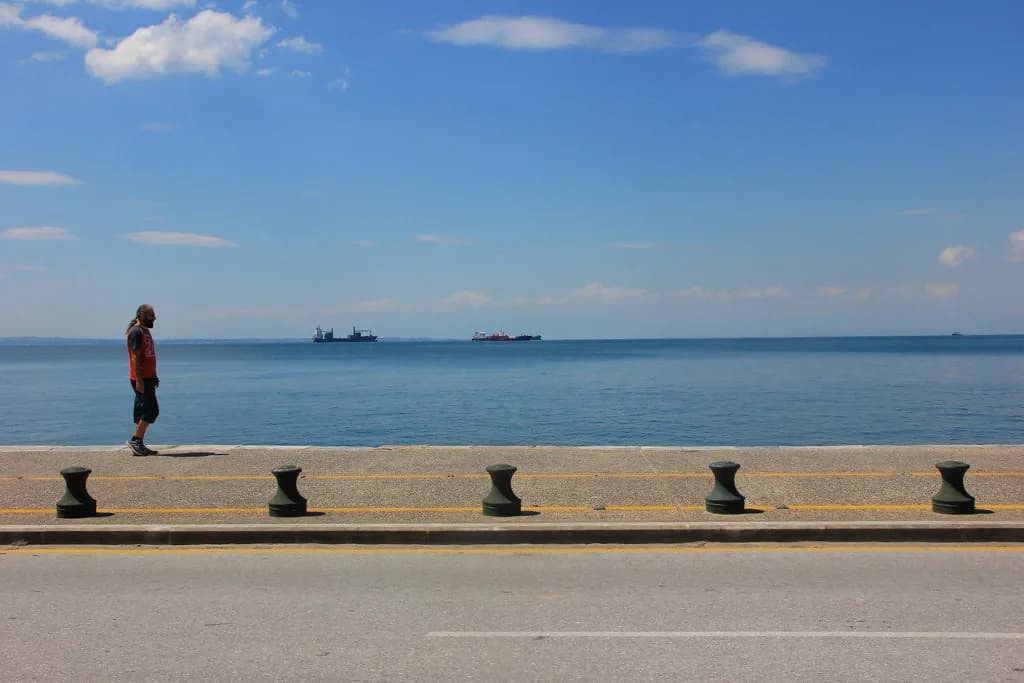
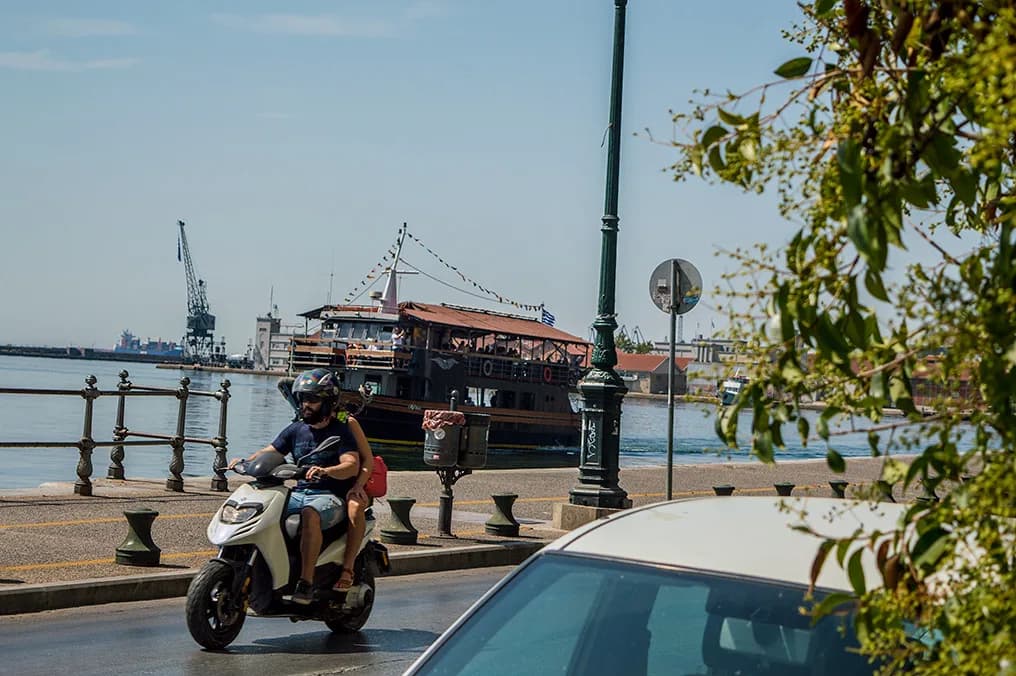
Typical March conditions in Thessaloniki are mild by day and cool after dark, with rain arriving in showers rather than all-day downpours. The waterfront along the Thermaic Gulf is where the month's character shows most: bright lunchtime sun, a cold breeze off the water, and evenings that still call for a jacket. Treat any figures you see as long-term averages rather than a forecast, and check the Hellenic National Meteorological Service for the week you travel.
Daylight stretches noticeably across March, and clocks go forward on the last Sunday of the month (29 March 2026), which pushes sunset into the evening just as the month ends. That matters for planning: early March rewards an early start if you want the upper-town viewpoints and the city walls in good light, while late March gives you enough evening to walk the promenade after dinner.
How March changes the city
Thessaloniki in winter runs on a quieter, local rhythm, and March is when the balance tips back. Cafes and terrace tables fill at midday, the paralia promenade gets its walkers and cyclists back, and the city's student population keeps bars in Ladadika busy at weekends. What does not change is the underlying working-city feel: this is not a resort that shuts down, so the center stays functional whatever the weather.
If you are weighing which winter month fits you, February is colder and quieter, while March trades a little rain risk for longer days and more life outdoors. A December visit gives you the decorated city and the holiday buildup instead.
What is on in March
Greek Independence Day falls on 25 March and is a national public holiday, so expect a parade, school closures and a different rhythm in the center that day. Many shops and some businesses close, museums and archaeological sites often run holiday hours, and it is worth checking with the individual venue once you have your dates fixed.
The timing of pre-Lent festivities depends entirely on the year: in 2026 Carnival Tuesday fell on 17 February and Ash Wednesday on 18 February, so the carnival season ended well before March began. Clean Monday, the first day of Lent, follows immediately after and is traditionally a day for outdoor picnics and kite flying.
Holy Week and Easter move with the Orthodox calendar, so in 2026 Orthodox Easter Sunday falls on 12 April, outside March, meaning the month is free of Holy Week crowds; in years when Easter falls in early April the last days of March can be busy with domestic travel. If your trip lands near a major holiday, book transport early and expect church services to draw crowds in the evening. For the wider national picture across the same weeks, the Greece in March calendar is a useful cross-reference.
Things to do in March
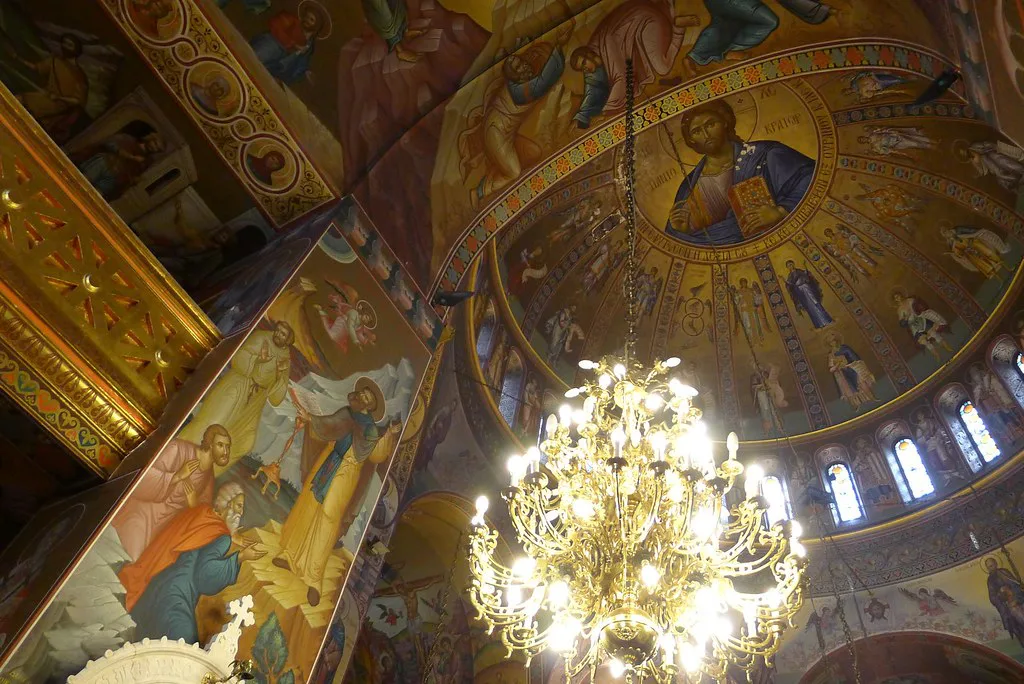
The compact center makes a walking day easy even with showers. Start at the White Tower on the waterfront, then cut inland to the Arch of Galerius and the Rotunda, which sit a few blocks apart and together cover the Roman layer of the city. From there, the Byzantine churches — Hagia Sophia, the Church of Saint Demetrius with its mosaics, and the small Panagia Chalkeon — are within a short stroll of one another.
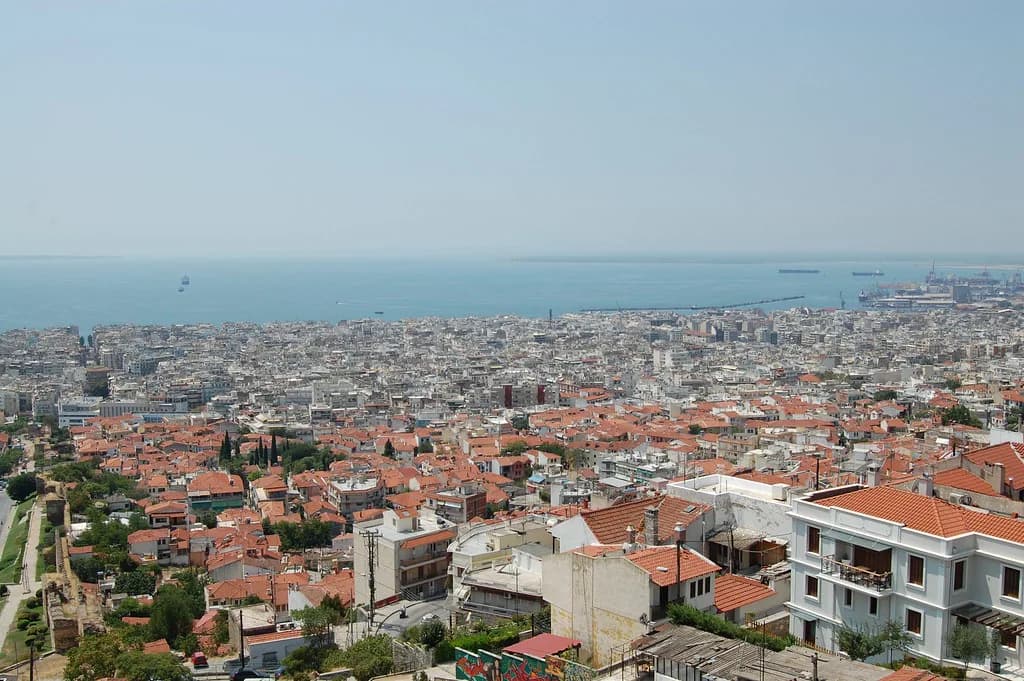
Climb or take a taxi up to Ano Poli, the upper town, where the streets narrow and the view over the city and gulf opens up. The Heptapyrgion fortress at the top and the Vlatadon Monastery nearby reward a slow half-day, and walking downhill afterward is far easier than walking up.
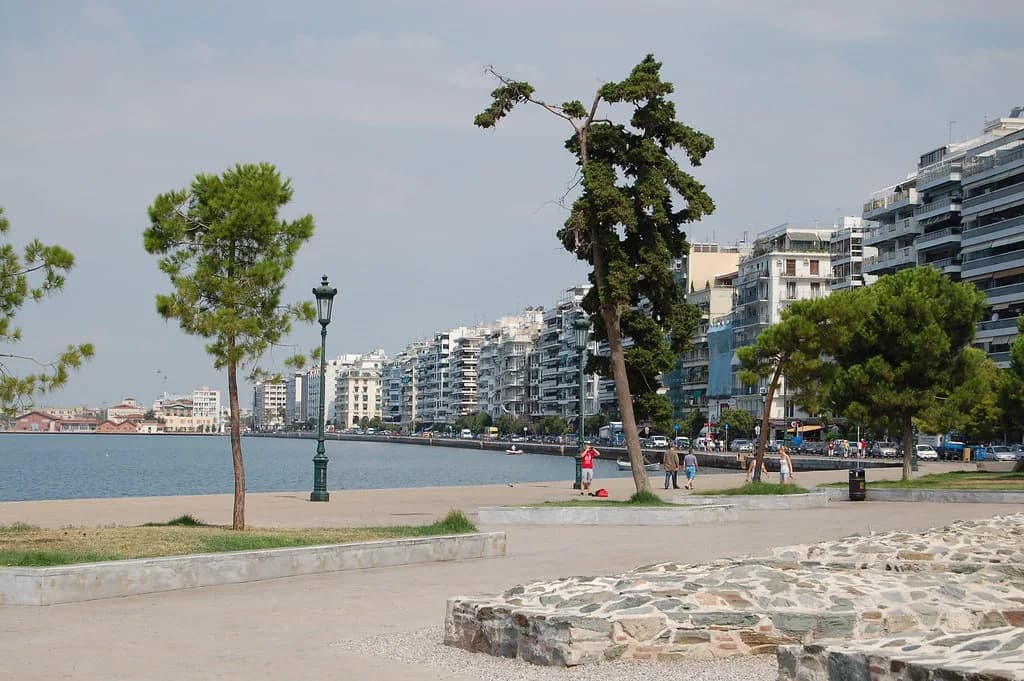
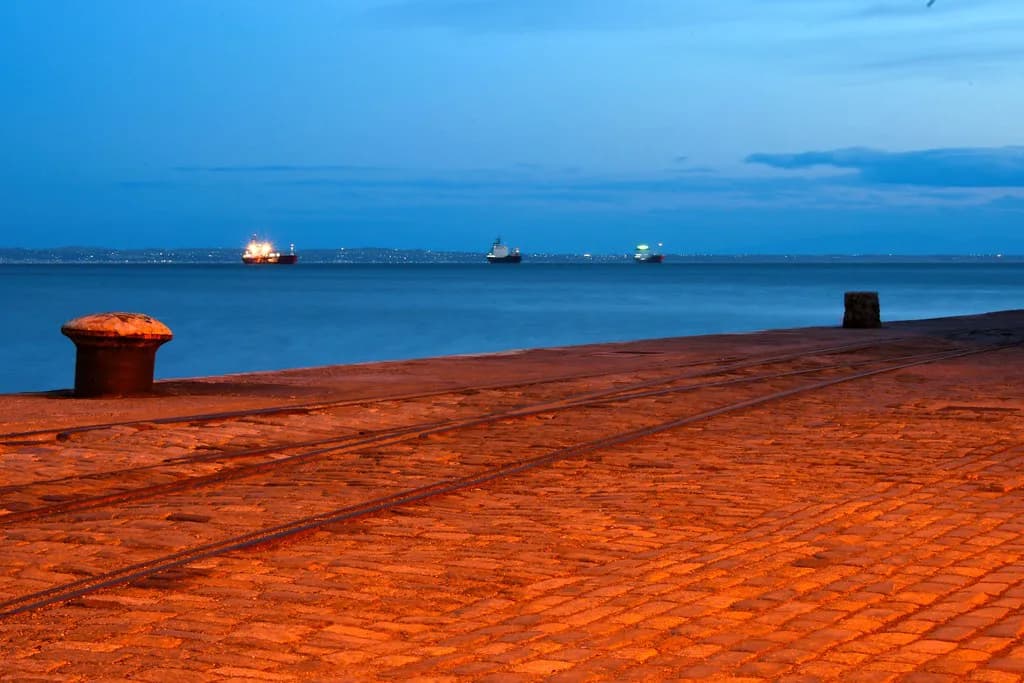
The waterfront walk from the port to Aristotelous Square is the city's best free hour in any weather: sea on one side, city on the other, with the Umbrellas sculpture and the Alexander the Great statue along the way. End at the square for coffee and watch the city go about its day.
Museums for a rainy day
When rain settles in, the museum cluster around the International Trade Fair grounds is the answer: the Archaeological Museum, the Museum of Byzantine Culture and the White Tower museum are all within easy reach of each other. The Jewish Museum of Thessaloniki near Freedom Square adds essential context to the city's history and pairs well with the Holocaust memorial on the waterfront.
For a view with your coffee, the OTE tower near the fairgrounds has a rotating floor and a panorama over the city and gulf, which works well on a clear but cold afternoon. Museum opening hours can vary by season, so confirm times with the museum you plan to visit before setting out.
Markets and food
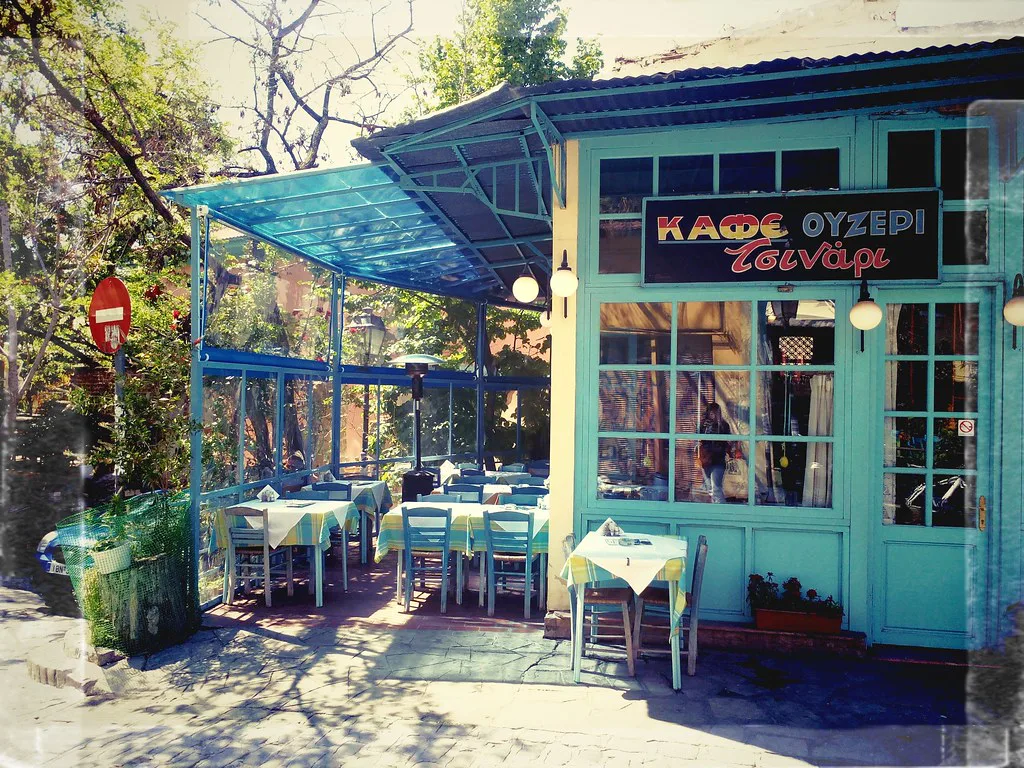
Modiano Market, Kapani Market and the smaller Athonos Square market are the places to build a March food day around. Kapani is where locals shop for cheeses, olives, spices and fish, and the surrounding streets hide old hamams and small eateries that make a good lunch stop. Come mid-morning when stalls are fully open and the light is best.
Ladadika, near the port, comes alive in the evening with bars and restaurants in restored warehouses, and it is a natural place to end a day after a waterfront sunset. Thessaloniki's food culture runs deep, so plan at least one long meal rather than squeezing it between sights.
Day trips that work in March
Vergina, the royal burial site of the Macedonian kings, and Pella, the ancient capital, are both realistic day trips from Thessaloniki and are largely indoor or covered experiences, which makes them good choices when the weather is uncertain. Dion, at the foot of Mount Olympus, is more exposed, so save it for a dry day and check opening arrangements with the site before you go.
Athens is reachable by train or by a short flight if you want to combine the two cities, and Thessaloniki International Airport sits about 20 minutes from the center. Meteora's monasteries are a longer haul by road and better as an overnight than a rushed day trip in March.
Trade-offs and who March suits
March gives you quiet sights and easy restaurant tables, but it also brings rain risk, cool evenings and no swimming — the Thermaic Gulf stays cold well into spring. Some seasonal venues run reduced hours and a few sights close earlier than in summer, so a flexible plan beats a tightly booked one. If you want guaranteed beach weather, come in May or later.
March suits travelers who prioritize Byzantine and Roman sights, food and long walks, and who can roll with a wet afternoon. Skip it if sunbathing is the point of your trip, or if you want the guaranteed heat and long evenings of summer.
Getting around
The historic center is walkable, with the waterfront, Aristotelous Square and the main Byzantine monuments all within comfortable walking distance of each other. Buses and taxis cover the airport run and the climb to Ano Poli, and the city's compact scale means you rarely need a car.
For onward travel, trains and flights connect Thessaloniki with Athens, and the road network across Central Macedonia makes Vergina and Pella straightforward half-day excursions.
Plan Your Visit
March in Thessaloniki is a smart shoulder-season choice for travelers who want Byzantine churches, Roman monuments, waterfront walks and serious food without summer crowds. Pack for changeable weather, keep a museum list ready for rain days, and book early if your dates fall around 25 March or a major Orthodox holiday.
Explore more Thessaloniki winter guides
Frequently Asked Questions
Is Greece hot during March?
No. March in northern Greece, including Thessaloniki, is mild by day and cool at night, with rain showers likely. It is a good month for sightseeing but not for swimming or beach time — the sea stays cold well into spring.
What is the weather like in Thessaloniki in March?
Expect changeable spring weather: mild daytime temperatures, cooler evenings, and a mix of sun and showers. Daylight lengthens through the month, and clocks go forward on 28 March 2027, giving noticeably longer evenings by the end of March.
What are the best things to see and do in Thessaloniki in March?
The White Tower, the Rotunda and Arch of Galerius, the Byzantine churches, and the Ano Poli upper town are the core. Pair outdoor walks along the waterfront with the Archaeological Museum, the Museum of Byzantine Culture and the Jewish Museum for wetter days.
Is Thessaloniki in Greece or Macedonia?
Thessaloniki is in Greece, in the region of Central Macedonia, and is the country's second-largest city. It is the gateway to ancient Macedonian sites such as Vergina and Pella.
When is the best time to go to Thessaloniki?
March and the other shoulder months give mild weather and quiet sights. Summer brings heat and crowds, while deep winter is colder and quieter. Choose March if you want longer days without summer heat.
How many days do you need in Thessaloniki?
Three full days cover the main Byzantine and Roman sights, the waterfront and a market visit comfortably. Add a fourth day for a day trip to Vergina or Pella, and more if you plan to reach Meteora or Athens.
Can you swim in Thessaloniki in March?
No. The Thermaic Gulf is still cold in March and organized swimming is not realistic. Treat the waterfront as a place to walk, not to bathe, and save swimming for later in spring or summer.
Sources
Winter travel notes
Optional updates when we add or revise winter guides.
You might also like
Continue reading
More guides you'll find useful