Christmas in Thessaloniki: What the Holiday Days Are Like
Christmas in Thessaloniki brings a lit tree at Aristotelous Square, festive sweets and a quiet local holiday rhythm. Here is what the days are really like.
On this page
Thessaloniki is a working port city first and a holiday city second, and that is what makes late December here feel unforced. The center gets lights and a tree, the waterfront fills in the evenings, and the tavernas keep serving through the season rather than shutting for tourists. It suits travelers who want a real Greek city in winter with festive trimmings, not a resort built around the holiday.
The run-up and the holiday itself behave differently, so the dates you pick matter more than any single sight. Before Christmas the city is decorated and busy; on Christmas Day and the days around it, family life takes over and the streets thin out. Plan the decorated stretch for atmosphere and the quiet days for museums, walks and long meals.
Weather in December
December in Thessaloniki is cool and often damp rather than freezing, with the city sitting at the head of the Thermaic Gulf. Expect short afternoons: daylight is at its annual minimum around the solstice, so by late December the light fades soon after the working day ends. Build your outdoor time into the morning and early afternoon and keep a museum or covered market in reserve for the wet hours.
Because the sea moderates temperatures, snow on the waterfront is rare and any cold snap tends to be brief. Rain, not ice, is the practical issue, and a single waterproof layer plus shoes with grip will do more for a December visit than heavy insulation. Check the forecast for the days you are there rather than relying on seasonal averages for a specific week.
What Christmas Changes in the City
The municipality dresses the center for the season, and the official Christmas program is the reliable place to see what is scheduled for a given year. The city's Christmas pages are published in Greek, so the calendar of concerts, children's activities and square events is easiest to read there. Treat any single date you see online as tied to the year it was posted.
Outside the holiday days themselves, most of the city keeps working: shops, museums, cafes and the covered markets operate on normal winter schedules. The noticeable shift comes in the days around Christmas and New Year, when some family-run places close and public transport runs on holiday timetables. The broader pattern of what stays open through the season is covered in the Thessaloniki in winter guide, which is worth reading before you fix dates.
Aristotelous Square and the Tree
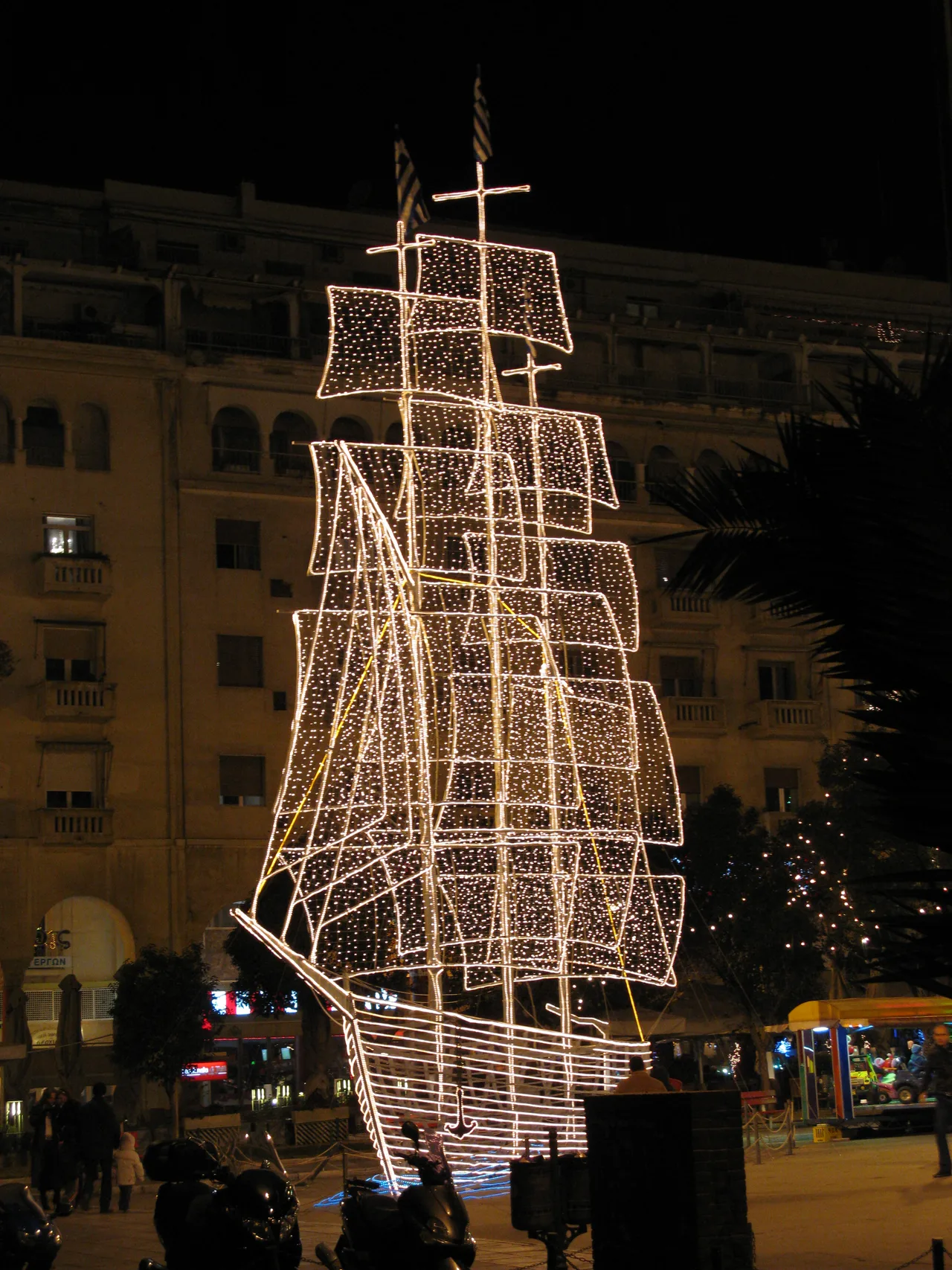
Aristotelous Square is the stage for the season, and the tree-lighting ceremony is the moment the city formally switches on its decorations. The ceremony has traditionally been held on a December afternoon with music and a crowd facing the waterfront, as the city's tourism office describes for past seasons. Announced dates have fallen in early December — recent seasons lit the tree on 7 December — and the exact date moves each year and is announced by the municipality, so confirm it against the current program if the lighting matters to your trip.
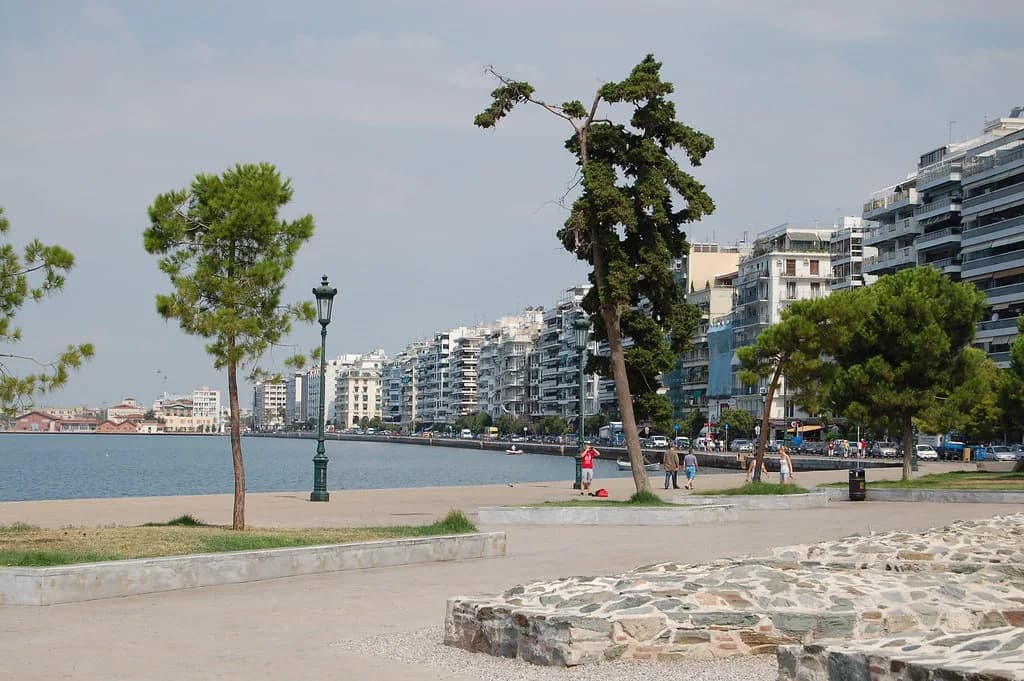
The square works best as a base rather than a destination in itself: it opens onto the seafront promenade, where the decorated streets and the arcaded shopping blocks of the center are a short walk away. Come in the late afternoon to catch the lights before dinner, and expect the area around the tree to be busiest in the first evenings after the switch-on. For a fuller picture of the month's rhythm, the Thessaloniki in December guide covers the run-up in detail.
Festive Sweets and Seasonal Food
The edible signature of a Greek Christmas is the pair of holiday biscuits sold everywhere in December: kourampiedes, the pale almond shortbread dusted with icing sugar, and melomakarona, the darker honey-and-walnut cookies soaked in syrup. Bakeries and pastry shops across the center stack them in boxes, and buying a mixed box is the cheapest way to taste both. They keep well, so they also make sensible gifts to carry home.
Savory holiday eating in the city leans on the taverna rather than the banquet: grilled meat, winter greens, bean dishes and cheese, with the holiday meal itself usually a family affair at home. Restaurants in the center stay open through most of the season and are busiest on weekend evenings, so booking ahead helps on Fridays and Saturdays in the decorated weeks. Many kitchens close or shorten service on Christmas Day itself.
Christmas Eve and Christmas Day
In 2026, Christmas Eve falls on a Thursday and Christmas Day on a Friday, which puts the holiday at the end of a working week and gives many locals a long weekend. Christmas Eve is still an active day: people shop, visit family and go out in the evening, and churches hold services late into the night. Expect the center to be lively until well after dark, then noticeably still the next morning.
Christmas Day is a family day in Greece, and the city's public rhythm slows accordingly. Museums and archaeological sites generally run reduced or holiday hours, many independent shops shut, and restaurants that do open tend to serve set holiday menus, sometimes by reservation only. The practical move is to plan Christmas Day around a walk on the waterfront and one confirmed meal, and put indoor sights on the days either side.
If you are staying through the week, note that the days between Christmas and New Year are not a single block of closures: shops reopen, the city refills, and the atmosphere builds again toward New Year's Eve. Check the current hours of the specific museum or site you want on the day before you go, since holiday schedules vary between institutions.
Things to Do in the Cold
Thessaloniki's best winter sight is one you barely notice in summer: the Roman Forum, a sunken archaeological site in the middle of the modern center with covered walkways and a small museum area. It rewards a slow hour in the rain and sits within easy walking distance of the main shopping streets. Nearby, the Bezesteni, the old Ottoman covered market, gives you another roofed stop on the same loop.
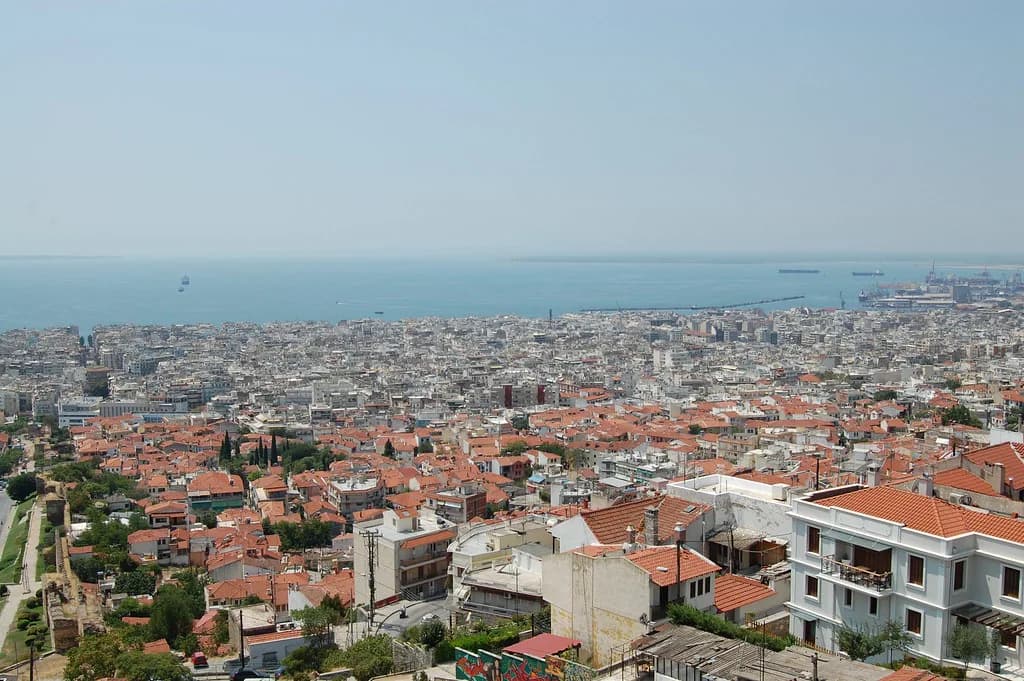
Ano Poli, the upper town, is the most atmospheric walk in the city, with Byzantine walls, wooden houses and views back over the rooftops to the gulf. In winter the climb is cool rather than hot, which makes it far more comfortable than in August, though the cobbled lanes get slippery when wet. Go up in the morning and come down through the old market streets for lunch.
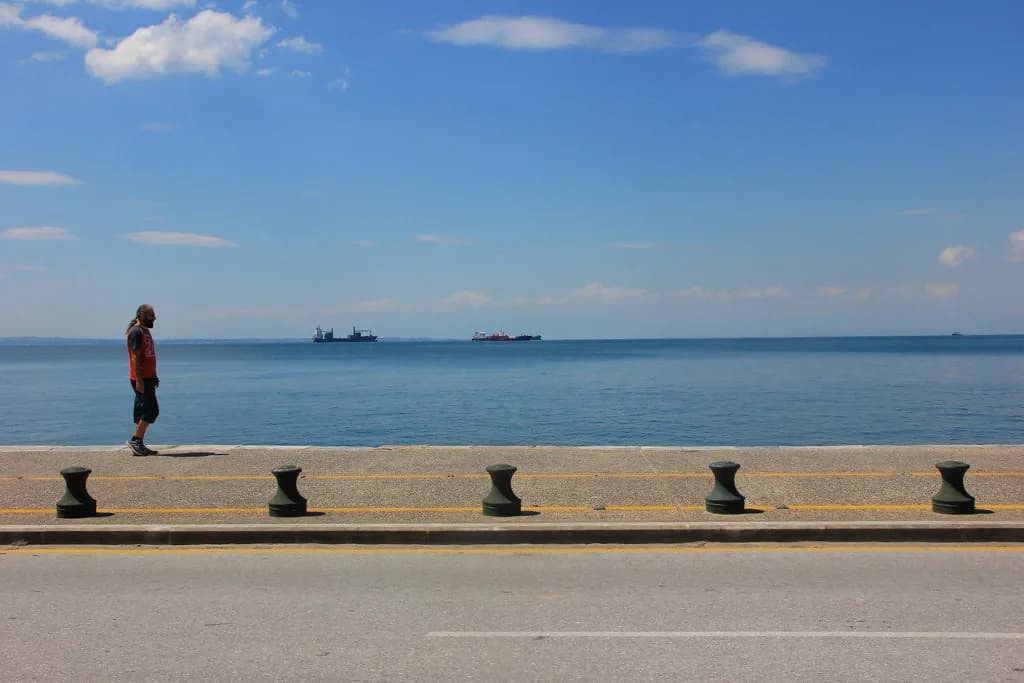
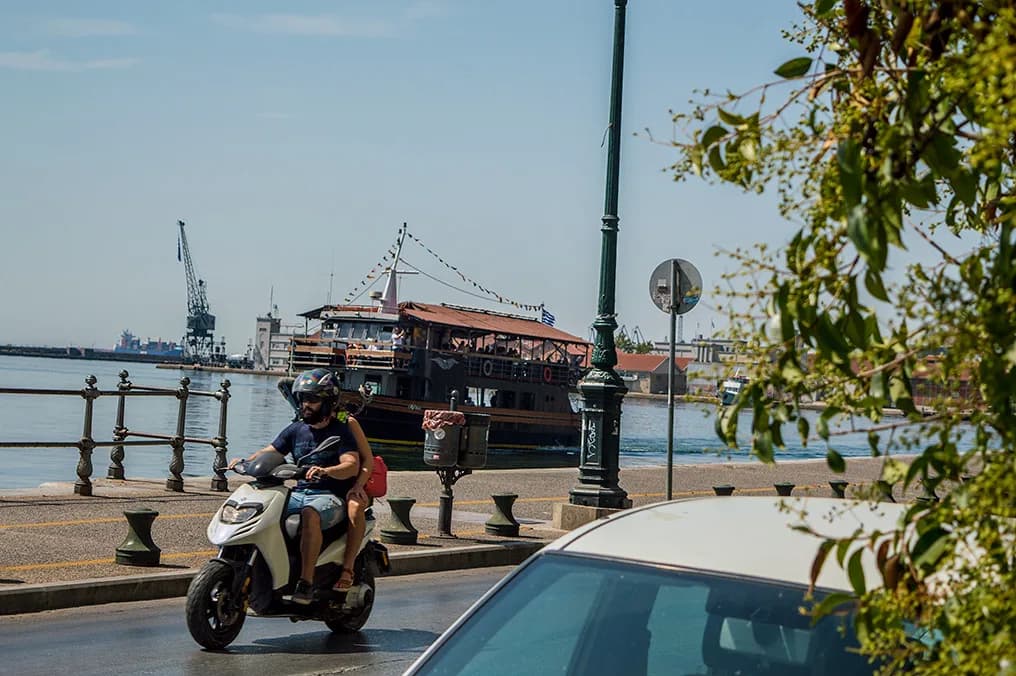
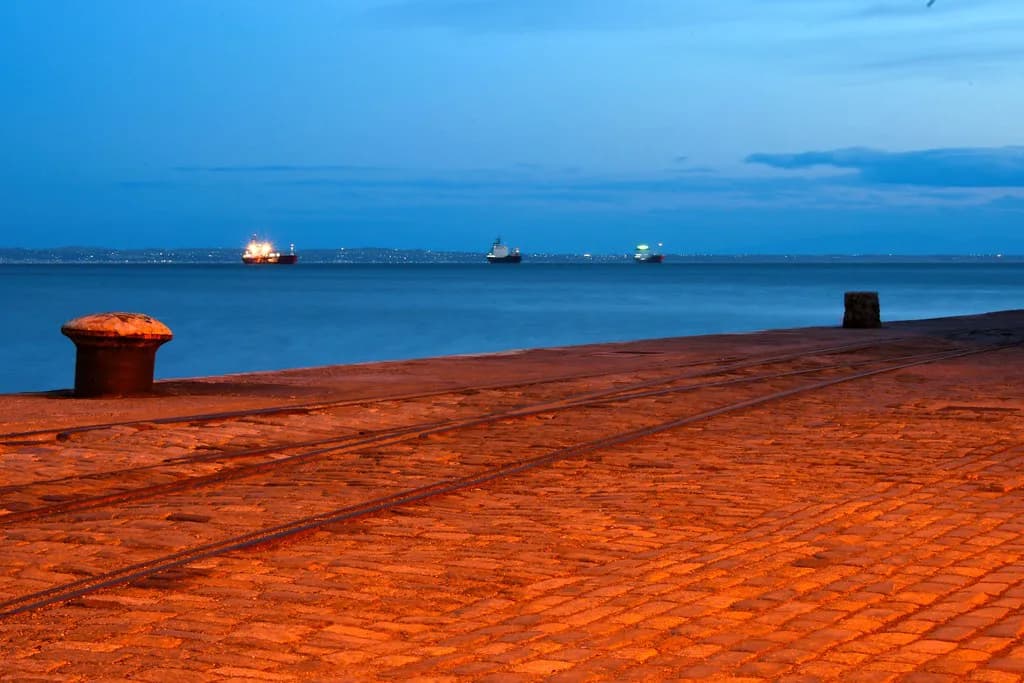
The White Tower and the seafront promenade anchor any winter day, and the walk along the water toward the concert halls is one of the city's great free pleasures in cool weather. Pair it with the Museum of Byzantine Culture or the Archaeological Museum, both of which give you hours of indoor time if the weather turns. The city's wider winter sight list, including these museums and the covered markets, is set out in the Thessaloniki in winter guide.
Markets and Festive Stalls
Thessaloniki's holiday shopping is spread across the center rather than concentrated in one large market site, with stalls and decorated squares appearing around Aristotelous and the main commercial streets. Expect crafts, decorations and sweets rather than a single enclosed fairground. The city's Christmas program is the place to look for which squares are active in a given year.
New Year's Eve on the Waterfront
New Year's Eve in Thessaloniki is an outdoor, public celebration, with the waterfront and the area around the White Tower drawing crowds for midnight. Fireworks over the gulf and music in the streets are the familiar pattern, and the seafront gives the widest view of the display without a ticket. Arrive early enough to claim a spot and expect the promenade to be packed after 11pm.
On 1 January 2027, a Friday, the city wakes slowly, and the first day of the year is a good one for a long lunch and a walk rather than sightseeing. Greek New Year customs center on the vasilopita, the sweet bread baked with a coin inside, cut at family tables and often served in cafes and restaurants through early January. In Greek tradition it is Agios Vasilis, not Santa Claus, who brings the gifts, which is why you will see his name attached to New Year rather than Christmas.
Epiphany on 6 January
Epiphany, on 6 January 2027, a Wednesday, closes the Greek holiday season and is celebrated with the blessing of the waters, when a cross is thrown into the sea and swimmers dive for it. In a port city like Thessaloniki the rite has real weight, and the waterfront is the natural place to watch. It is a public, outdoor ceremony, so it costs nothing but an early start.
If your trip runs into early January, this is the date to keep: the city is quiet, prices are at their lowest of the winter, and the ceremony gives the week a focal point. The Thessaloniki in January guide covers the month's weather and what stays open in more detail, which helps if you are deciding between a Christmas visit and an Epiphany one.
Day Trips That Work in Winter
The mountains behind the city are the obvious escape, and the foothills around Litochoro on the slopes of Mount Olympus are reachable as a long day out by train or car. Winter changes the proposition: the days are short, upland roads can be affected by snow, and the walking is cold and wet rather than dry and hot. Go only with a clear forecast and a plan to return before dark.
Closer in, the archaeological site of Vergina and the royal tombs at Aigai make a strong indoor-leaning day trip, and the wine country of Naoussa and the beaches of Halkidiki are within range for a half-day drive. In winter Halkidiki is quiet, with many coastal hotels and beach businesses closed for the season, so treat it as a landscape and lunch stop rather than a resort visit.
Crowds, Prices and Trade-Offs
A Thessaloniki Christmas is a modest, city-scale affair, and that is the point: you will not fight crowds for a view or queue for a table the way you might in a major Christmas-market city. The trade-off is equally real. Daylight is short, rain is common, and on Christmas Day and New Year's Day many places shut, so a two-day visit over the holiday itself can feel thin.
The best value sits in the first half of December, when decorations are up but the holiday travel rush has not arrived, and again after 7 January, when the city returns to normal and hotel rates settle. Avoid assuming the holiday week will be cheap just because the city is not a classic Christmas destination. For a different coastal Christmas, the Christmas in Crete guide shows how the season looks further south.
Who should come: travelers who want a real Greek city, good food, Byzantine and Roman sights and a low-key festive atmosphere, and who are happy to fill short afternoons with museums and long lunches. Who should choose another month: anyone who needs guaranteed sunshine, long daylight or a packed schedule of Christmas markets. Spring and early summer give Thessaloniki its best weather; late December gives it its quietest, most local mood.
Plan Your Christmas Trip
Thessaloniki's Christmas is best treated as a five-to-seven-day city break that straddles the decorated run-up and one or two of the quiet holiday days, rather than a single festive weekend. Base yourself in the center so Aristotelous Square and the waterfront are walkable, and keep one indoor plan per day for the rain.
Fix the dates first, then check the municipality's Christmas program for the tree lighting and any events that matter to you, and confirm holiday hours for the museums you most want to see. Everything else — the sweets, the tavernas, the Ano Poli walk, the Epiphany ceremony — runs on the city's own winter rhythm and rewards a slower pace.
Explore more Thessaloniki winter guides
Frequently Asked Questions
Is Thessaloniki worth visiting at Christmas?
Yes, if you want a real working Greek city with festive lights, a decorated main square and excellent food rather than a purpose-built Christmas market. The atmosphere is concentrated in the center and along the waterfront, and the holiday itself is quiet and family-focused. It suits travelers who enjoy cities in winter and do not need guaranteed sunshine.
How cold is Thessaloniki in December?
December is cool and often wet, with the sea moderating temperatures so that hard frost and snow on the waterfront are uncommon. Rain is the main practical issue, and daylight is at its shortest around the solstice, so afternoons end early. Pack a waterproof layer and plan indoor time for the late afternoon.
What is open in Thessaloniki on Christmas Day?
Christmas Day is a family holiday, so many shops close, museums and sites run holiday hours and some restaurants serve set menus by reservation. The waterfront and public squares remain open and are pleasant for a walk. Confirm the hours of any specific museum or restaurant for the day you plan to visit.
How do Greeks celebrate Christmas in Thessaloniki?
The season centers on family meals, church services on Christmas Eve, holiday biscuits such as kourampiedes and melomakarona, and the New Year customs around the vasilopita and Agios Vasilis. Public celebrations cluster around the tree at Aristotelous Square in December and the waterfront on New Year's Eve. Epiphany on 6 January closes the season with the blessing of the waters.
What is there to do in Thessaloniki in winter?
The Roman Forum, the Bezesteni, the Byzantine and Archaeological museums and the covered markets give you indoor options, while Ano Poli and the seafront promenade are comfortable walks in cool weather. Day trips to Litochoro and the Olympus foothills or to Vergina work if the forecast is clear. New Year's Eve on the waterfront and the Epiphany ceremony in early January are the seasonal highlights.
Sources
Winter travel notes
Optional updates when we add or revise winter guides.
You might also like
Continue reading
More guides you'll find useful