Christmas in Crete: What the Holiday Season Is Really Like
Christmas in Crete brings mild coastal days, village traditions and quiet resorts. See the weather, what stays open and who the trip suits.
On this page
Crete in December is a working island, not a holiday strip. Families bake, go to church and gather around tables while most beach hotels and seasonal tavernas sit empty, so the trip suits travelers who want Greek town life, food and walks rather than sunbathing.
The festive season builds through December, peaks on Christmas Eve and Christmas Day, continues through New Year and closes with the Blessing of the Waters on Epiphany, 6 January. That rhythm matters when you plan flights and ferries, because the quietest days of the year fall between the holidays.
What Christmas in Crete is like
This is the island at its most domestic. Municipalities hang lights in main squares, bakeries fill with seasonal sweets and children go door to door with triangles, while the season's entertainment comes from markets, concerts and nativity plays rather than big winter attractions. Travelers who need nightlife, heated pools and a full activity board should look at summer or at a bigger mainland city.
The upside is space and calm. Old Towns, harbors and archaeological sites are uncrowded, restaurants that stay open have time to talk, and the mountain interior looks nothing like the postcard version of Crete. Snow sits on the highest peaks, and village life carries on as it has all year.
Weather in December
Daytime temperatures on the coast typically sit around 16–18°C (61–64°F), with nights near 10–12°C (50–54°F), according to one Crete guide, so a wool coat plus a light waterproof covers most days. Rain is frequent, daylight is short and wind picks up along the northern coast, which makes layered clothing and waterproof shoes worthwhile for market strolls and harbor walks.
Treat these as typical averages rather than a forecast for your dates, and remember that the south coast and the Messara plain run warmer than the north. The mountains are a different climate altogether: snow on the high peaks is normal in winter, and roads into upland villages can be cold and wet.
The sea is cold enough that most swimmers stay out, though you will still see people in the water on sunny afternoons. Plan outdoor time for the middle of the day, when the light is best and temperatures peak, and keep an indoor backup for each afternoon.
How the season runs: Christmas Eve to Epiphany
In 2026, Christmas Day falls on a Friday and New Year's Day 2027 on a Friday, so both holiday weeks run into a weekend. Epiphany, 6 January 2027, is a Wednesday. Expect the busiest family travel around 24–25 December and again over the New Year, with noticeably quieter days in between.
Christmas Eve is the focus of church observance, with midnight liturgy across the island and late family dinners afterward. Christmas Day itself is domestic and quiet, and many businesses treat the following days as reduced hours. Verify individual restaurants and museums directly before you build a day around them.
New Year brings the cutting of the Vasilopita, a cake with a hidden coin that grants the finder good luck for the year, and Heraklion's Lion Square is the setting for the city's New Year's Eve gathering. The season ends on 6 January with the Blessing of the Waters, when a priest throws a wooden cross into a harbor or lake and swimmers dive to retrieve it.
Cretan Christmas traditions
Children sing kalanta, the Greek carols, early on 24 and 31 December, carrying triangles and small instruments and collecting coins or sweets from neighbors. Households bake Christopsomo, a decorated Christmas bread, alongside batches of melomakarona and kourabiedes that get offered to every visitor through the season.
Rather than a large tree, many Cretan homes and public spaces display small decorated wooden boats, a nod to the island's maritime history, and coastal towns light up boats along the waterfront. Nativity scenes appear in churches and squares, and the faithful observe the Nativity Fast in the weeks before Christmas Day.
In Heraklion on New Year's Day, locals head for bougatsa, the flaky cream-filled pastry, as the first sweet of the year. It is a small custom but a good reason to be in a city center on 1 January rather than a closed resort strip.
What's on in the main towns
Heraklion concentrates its public program on Eleftherias Square, where a Christmas market with crafts, ceramics, honey and sweets runs from early December into early January, alongside concerts and children's activities. The city also lights up Daidalou Street and the shopping district, so an evening walk covers both the market and the storefronts.
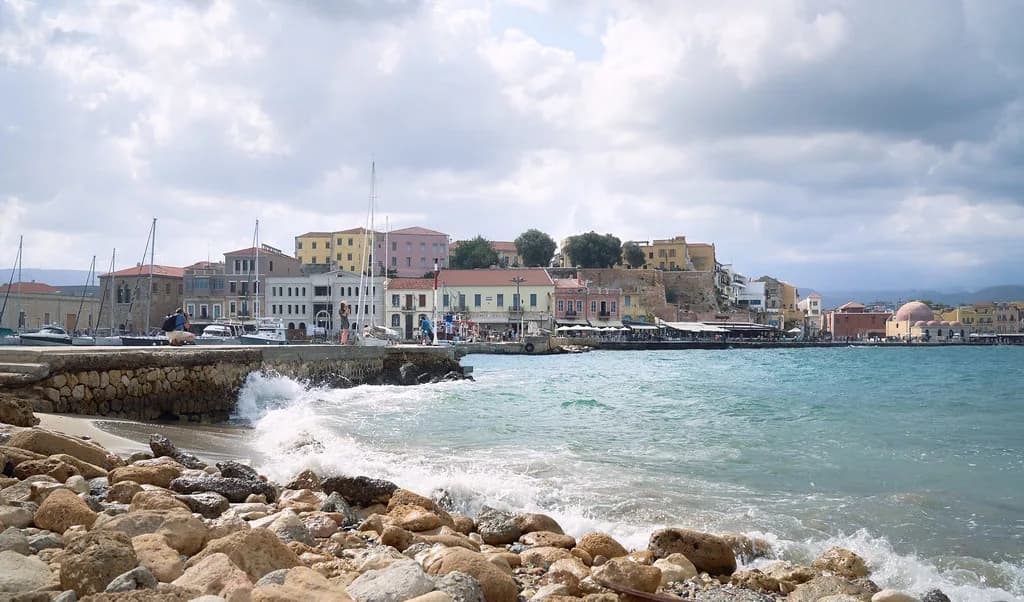
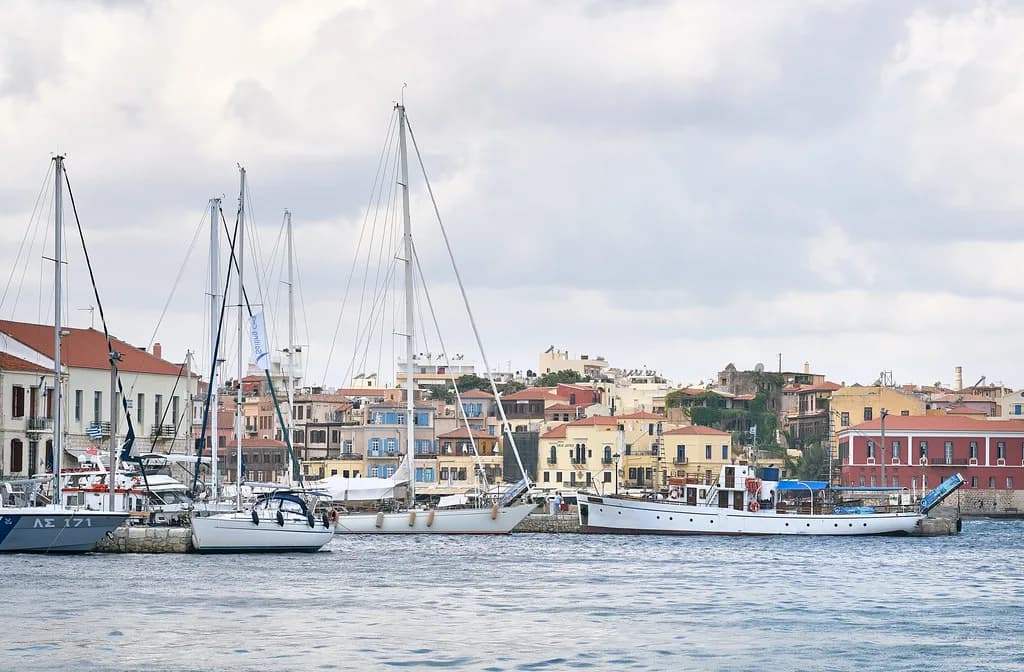
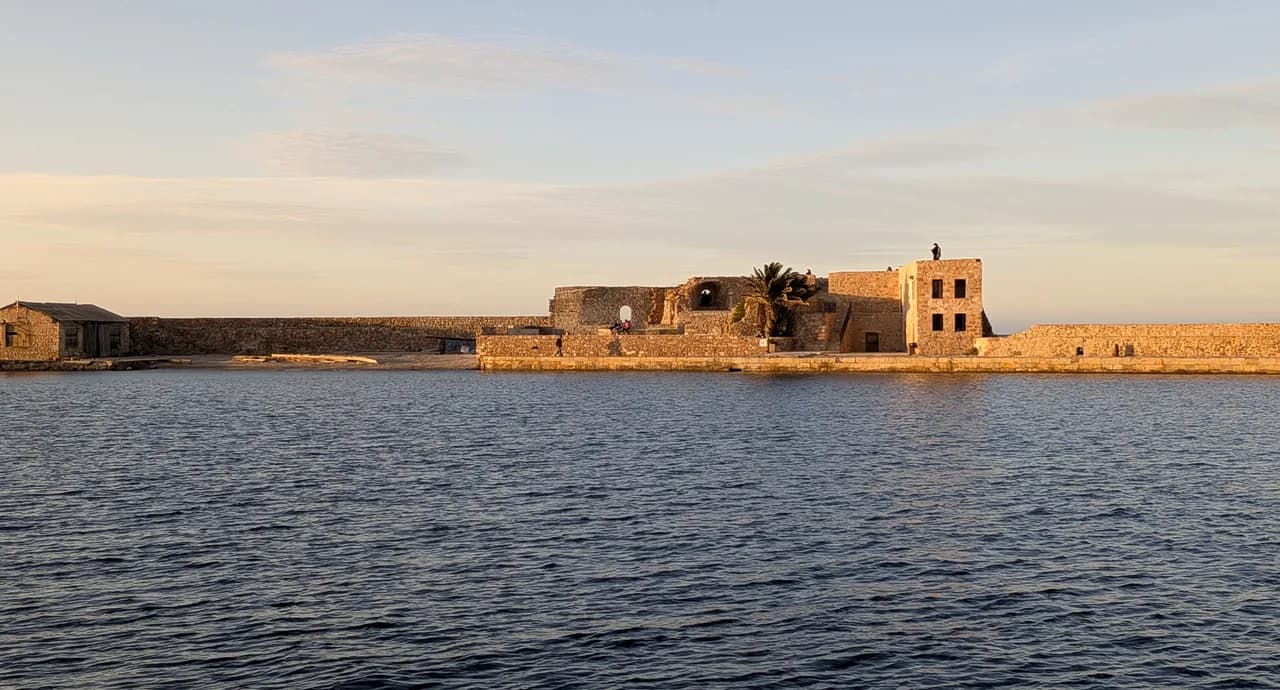
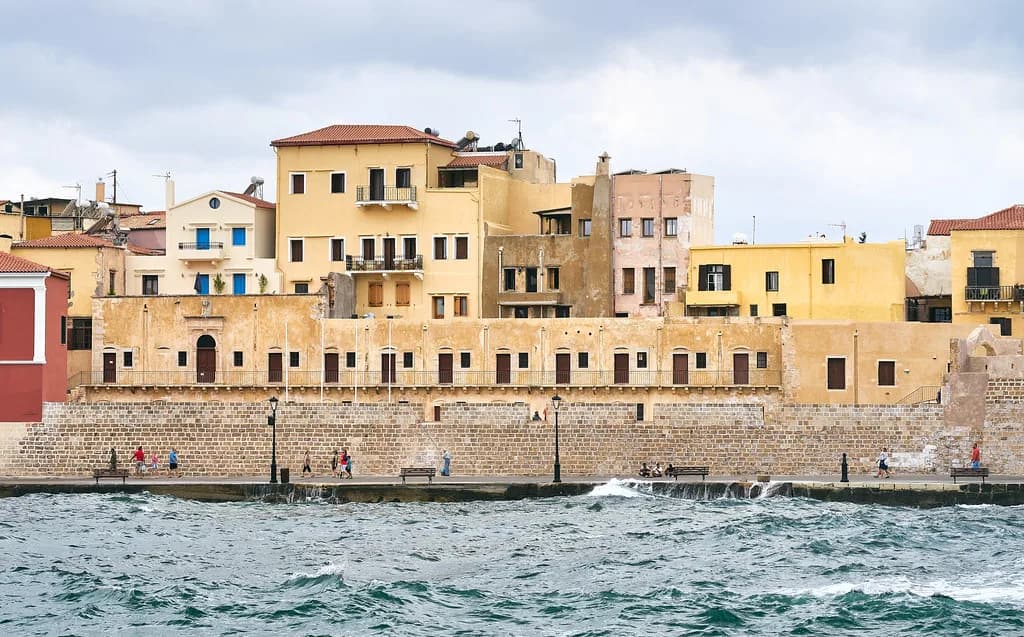
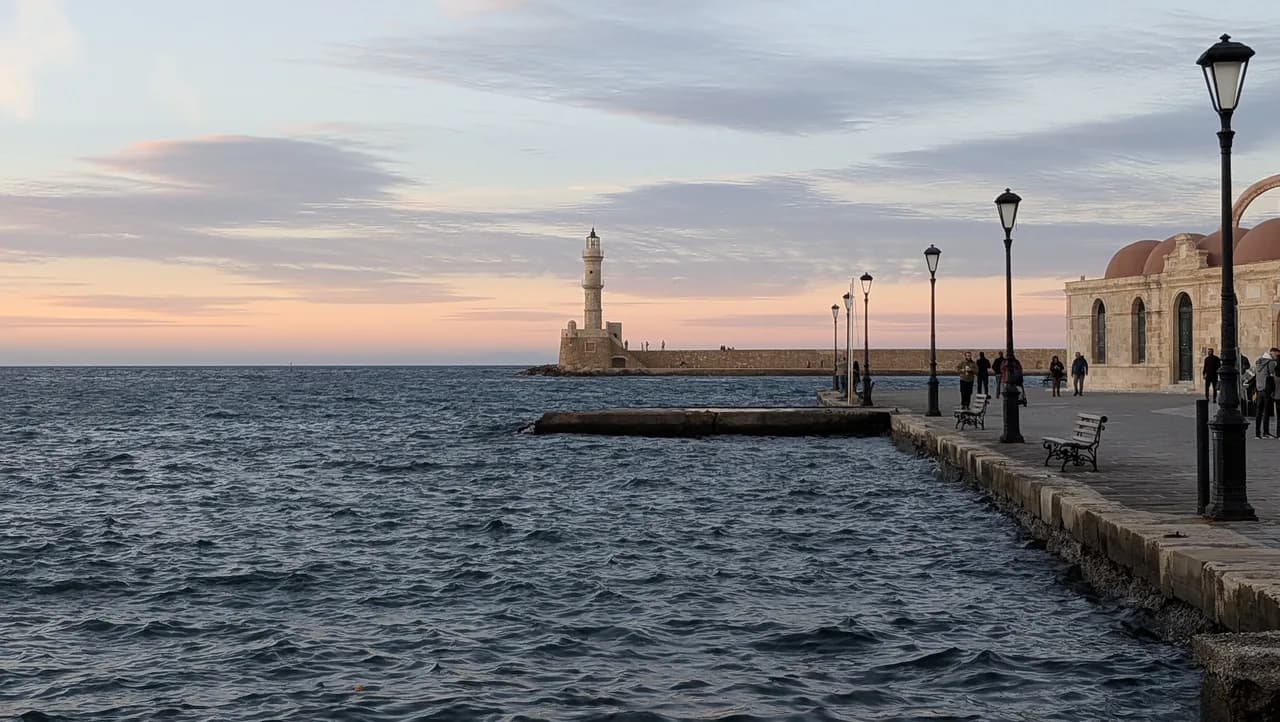
Chania sets its market in the Municipal Garden and adds a Christmas Park with light installations and performance areas, while the Old Town and the Venetian harbor stay walkable and atmospheric. Rethymno places stalls in its Old Town, and Agios Nikolaos gathers market activity around Lake Voulismeni, a compact setting that suits a short visit.
Beyond the markets, expect school and cultural-association concerts, charity events and nativity plays in all four cities. These are community events rather than ticketed tourist productions, so the best way to find them is the municipal calendar in the weeks before you travel.
What's open and what's closed
The biggest practical trade-off is seasonal closure. Many coastal resorts, beach bars and summer hotels in areas such as Hersonissos, Malia and the southern coast shut for winter, so base yourself in Heraklion, Chania, Rethymno or Agios Nikolaos where year-round residents keep shops, bakeries and restaurants going.
Ferries run a reduced winter schedule, and weather can delay sailings, so leave slack if you plan to combine Crete with another island. Museums and archaeological sites generally keep winter hours with earlier closing than in summer, and the Palace of Knossos is far more comfortable to visit without summer heat and crowds.
Confirm opening days for specific sites and for any restaurant you have set your heart on, since holiday hours vary by operator rather than by island-wide rule. Air connections through Heraklion and Chania continue through winter, but frequencies drop compared with summer.
Things to do in winter
Museums are the obvious rainy-day answer, and the Heraklion Archaeological Museum holds the Minoan collection that explains everything you will see at Knossos. Pair it with a walk through the city walls and the harbor fortifications on a dry afternoon.
The Old Venetian Harbour in Chania, the lanes of Rethymno's Old Town and the waterfront at Agios Nikolaos are all pleasant in cool weather precisely because the summer crowds are absent. Stop often for coffee and raki, and let the short daylight hours set the pace of the day.
Food is the real winter draw. Look for apaki, smoked pork, and tsiladia, pork set in jelly with citrus, on village tables, along with winter greens, snails and the sweets that fill every bakery. A long lunch in a mountain village is a better use of a cold day than chasing a beach.
Day trips that work in winter
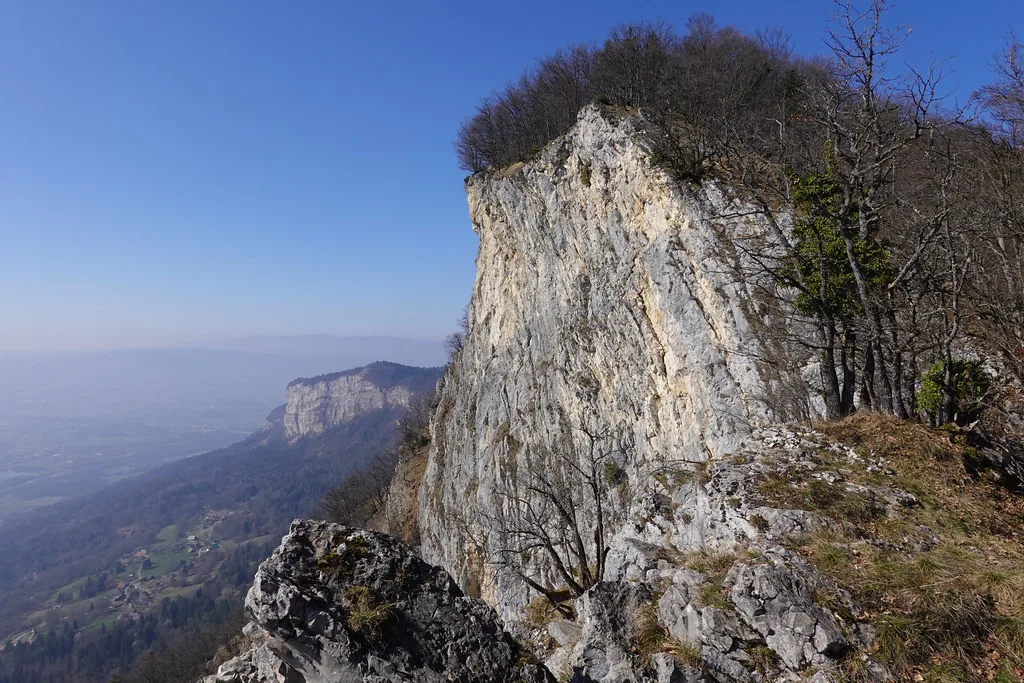
Upland drives are the winter-only contrast to the island's summer image. The Lasithi Plateau and the villages around it are quiet and often cold, and the White Mountains villages give you a glimpse of a Crete that visitors rarely see in July.
Check road conditions before any mountain drive, since snow and ice can close higher routes, and keep plans flexible enough to swap a mountain day for a coastal one. In February the island moves into Carnival season, which shifts the mood toward costume parties and town celebrations before Lent.
Christmas food to look for
Melomakarona, honey-soaked cookies with walnuts, and kourabiedes, almond shortbread dusted with sugar, appear in every bakery from early December and are the easiest seasonal food to try. Christopsomo, the decorated Christmas loaf, is more of a home tradition but turns up in good bakeries too.
Savoury winter eating leans on pork, greens and citrus. Apaki and tsiladia are the dishes to order in village tavernas, and the Vasilopita appears on every table around New Year. If you want the wider Greek picture, from Vasilis customs to mainland city celebrations, it helps to compare with Christmas in Greece as a whole.
Crowds, prices and short days
Crowds are minimal and accommodation rates are at their lowest of the year outside the holiday weeks, but that comes with closures and fewer choices. Daylight is short enough that you should plan one main outdoor objective per day and keep the afternoon indoors if the weather turns.
The festive period itself brings Greeks home to family, which fills city restaurants and raises demand around 24–25 December and New Year, while the weeks between are very quiet. Flights and ferries thin out too, so a missed connection is harder to absorb in December than in June.
Who a Christmas trip to Crete suits
This trip suits travelers who like food, church traditions, walking in Old Towns and having sights almost to themselves. It also works well for families with Greek connections or for anyone combining a city stay with village visits and a mountain drive.
It does not suit people who want beach days, pool time or nightlife, and it is not the right month for a first visit built around swimming and resorts. If warmth and swimming are the priority, come in May or September instead.
If you are island-hopping, it is worth seeing how a smaller Dodecanese island handles the season before committing to a multi-island winter route. Reading about Christmas in Rhodes gives you a useful comparison for how another island marks the holidays.
Getting around Crete in December
A car gives you the most freedom for village lunches, mountain drives and out-of-town sights, but winter weather makes coastal and mountain roads slower than the map suggests. Winter also means less traffic and easier parking in the towns compared with summer.
Intercity buses link Heraklion, Rethymno and Chania reliably enough for a city-based trip without a car, but rural services are thin. Ferries between Crete and the mainland or other islands run reduced schedules, so book the crossing that fits your dates; winter timetables often mean sailings are not daily.
Plan Your Christmas Trip to Crete
Base yourself in Heraklion or Chania, book accommodation early for 24–25 December and New Year, and leave room for a slow day when the weather closes in. Build the trip around church traditions, bakeries and town walks rather than resort life.
Decide your dates around the holiday peaks, then confirm the specific museum, restaurant or ferry operator you rely on. That way the quiet, mild, family-rooted side of Crete works for you instead of catching you out.
Explore more Crete winter guides
Frequently Asked Questions
How warm is Crete at Christmas?
Typical coastal days run around 16–18°C (61–64°F) with nights near 10–12°C (50–54°F). Rain is frequent and northern coastal areas can be windy, so plan for cool, changeable weather rather than beach conditions.
Is Crete a good place to visit during Christmas?
Yes, if you want mild weather, food, church traditions and uncrowded towns. It is a poor fit for beach holidays, pool time and nightlife, since many coastal resorts and seasonal businesses close for winter.
What are the Christmas traditions in Crete?
Children sing kalanta on 24 and 31 December, families bake Christopsomo and sweets, homes and squares display decorated wooden boats, and New Year brings the Vasilopita cake with its hidden coin. The season closes with the Blessing of the Waters on Epiphany.
What food do people eat in Crete at Christmas?
Look for melomakarona and kourabiedes from the bakeries, Christopsomo bread at home tables, and savoury dishes such as apaki and tsiladia in village tavernas. On New Year's Day in Heraklion, bougatsa is the traditional first sweet.
Is anything open in Crete over Christmas?
Cities stay active: Heraklion, Chania, Rethymno and Agios Nikolaos keep shops, bakeries and restaurants running and set up seasonal markets and lights. Coastal resort areas largely wind down, and museums and sites follow shorter winter hours.
How do people in Crete celebrate New Year and Epiphany?
New Year centers on the Vasilopita coin cake and city gatherings such as Heraklion's Lion Square celebration. On 6 January, priests bless the waters at harbors and lakes and swimmers dive for a thrown wooden cross.
Do I need a car in Crete at Christmas?
A car helps for village lunches and mountain drives, and winter traffic is light. City-to-city buses connect Heraklion, Rethymno and Chania, so a car-free city-based trip is workable if you skip remote villages.
Sources
Winter travel notes
Optional updates when we add or revise winter guides.
You might also like
Continue reading
More guides you'll find useful