Crete in January: Winter Weather & What to Decide
Plan Crete in January with typical temperatures for Chania and Heraklion, winter closures, Epiphany on 6 January and low-key days in the old towns.
On this page
January is Crete at its quietest: the beach season is over, the harbors belong to locals, and the island runs on a slower winter rhythm. Daytime temperatures often feel mild enough for a jacket-and-walk afternoon, while evenings turn cool and some rain passes through. It suits travelers who want Chania's old town, Heraklion's museums and long taverna lunches without summer crowds, and it disappoints anyone hoping to swim or island-hop freely.
Why January Suits Some Travelers and Not Others
Crete is the largest Greek island and the southernmost part of Europe, which shapes its winter. Chania and Rethymno keep a working core of cafés, bakeries and tavernas through the season, and the old towns remain walkable and atmospheric. If your idea of a good trip is a museum morning, a harbor stroll and a slow lunch, January delivers it. If it is sunbathing and boat trips, it does not.
The month also brings Greece's most distinctive winter celebration, the Epiphany blessing of the waters on 6 January. Coastal towns mark it with processions and a cross thrown into the sea, and it gives a January trip a fixed anchor in the calendar. For a wider look at how the island behaves across the season, see the Crete in winter overview before fixing your dates.
Weather in January: Temperatures, Rain and Daylight
January is a cool-weather month rather than an extension of autumn. In Athens, the closest well-documented benchmark, days average around 55°F (about 13°C) and nights often dip into the 40s°F (roughly 5–9°C). Crete sits south of the mainland and typically runs a little milder than that on the coast, while mountain villages are distinctly colder.
On Crete itself, January days frequently reach the 60s°F (around 15–18°C) on the milder stretches, with evenings cooling into the low 50s°F (about 10–11°C). Rain showers are common across Greece in January and often arrive in passing fronts rather than all-day drizzle, leaving bright, washed light behind them. Snow is rare at sea level but possible in the mountains, where the white peaks contrast sharply with green valleys and blue bays.
Days are short in January, so plan outdoor time for the middle of the day and keep an indoor option for late afternoon. The island's coastal position keeps conditions changeable: a sunny morning can turn to a wet afternoon, and wind on exposed headlands feels colder than the thermometer suggests. Treat every figure here as a long-term average and check a local forecast for the week you travel.
Chania, Heraklion and the South Coast: Local Differences
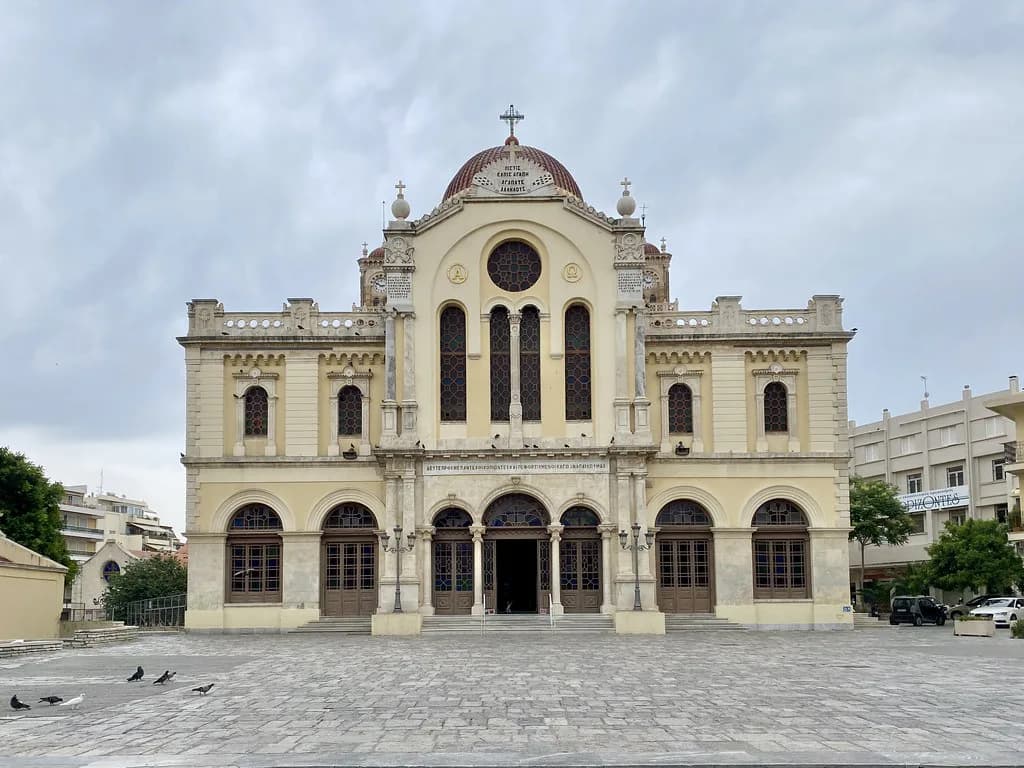
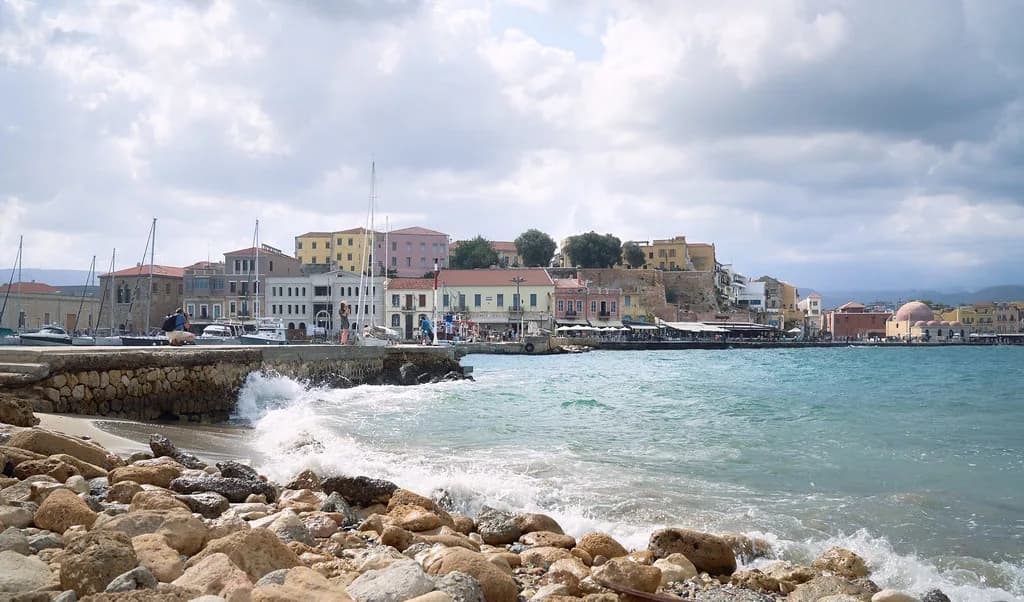
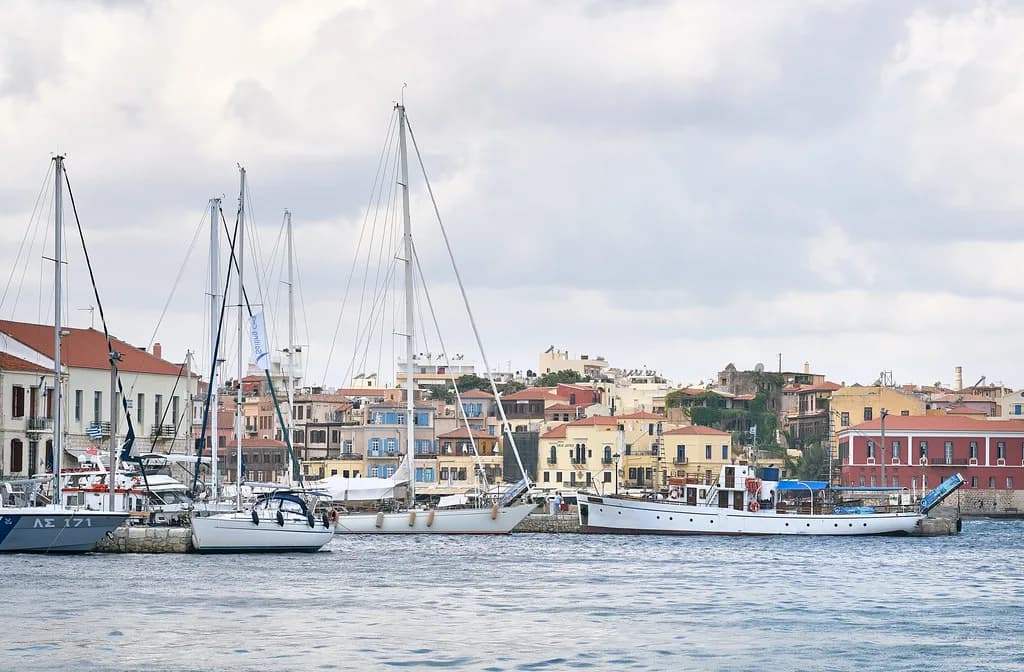
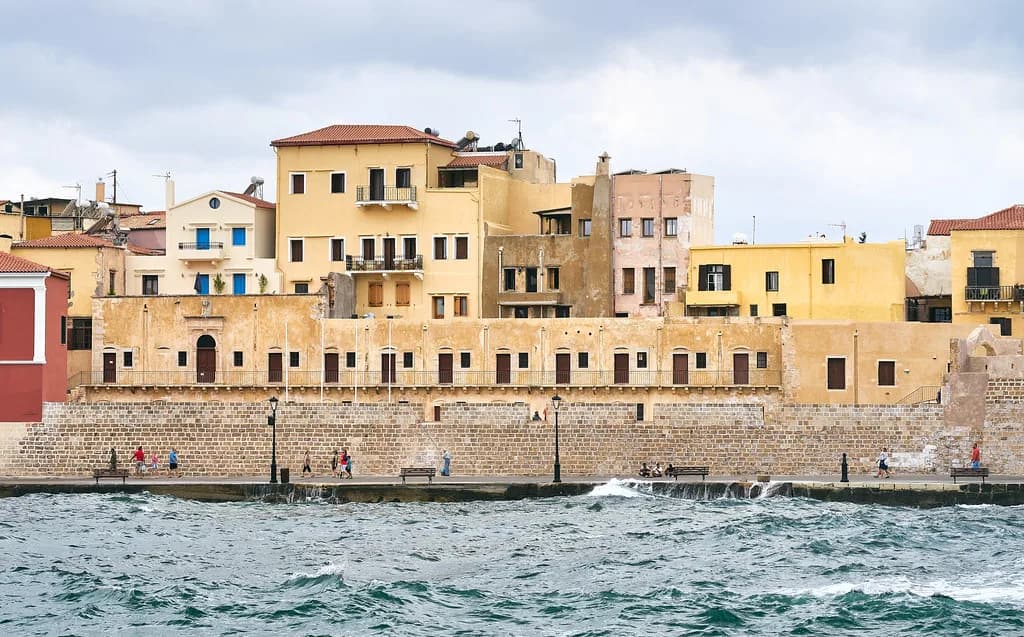
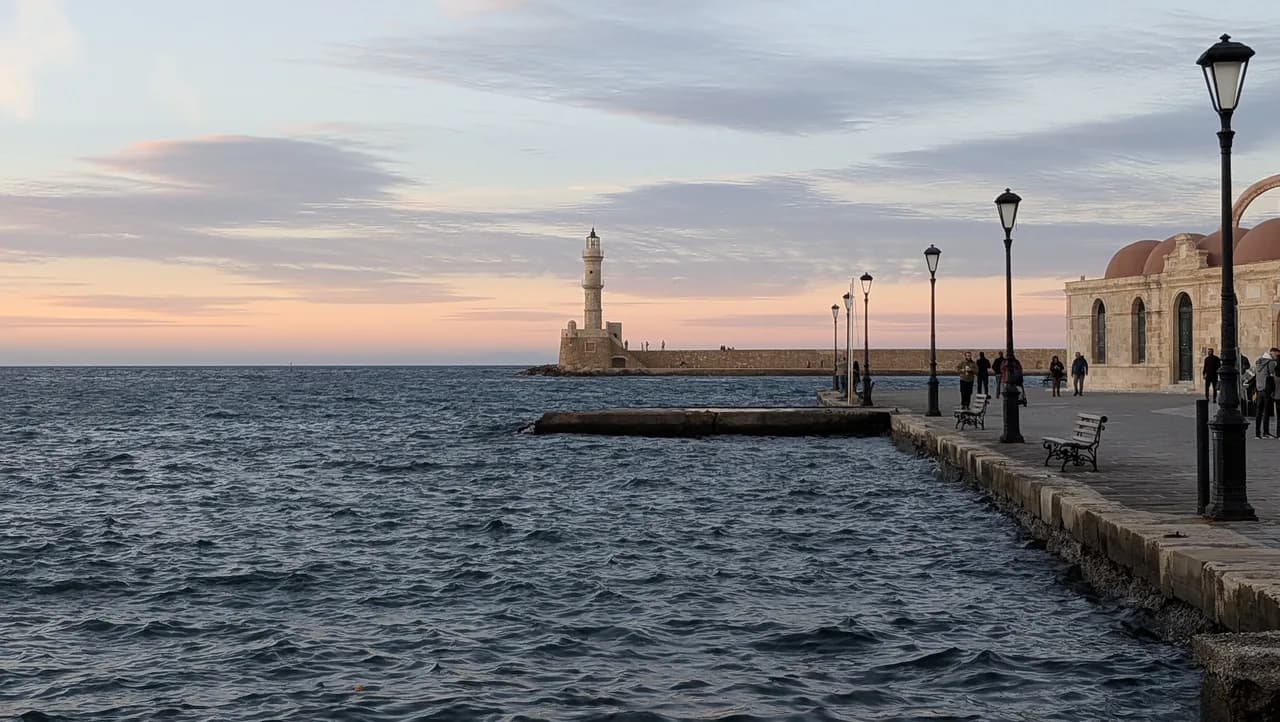
The north coast, where Chania, Rethymno and Heraklion sit, faces the open Aegean and catches more wind and rain in winter. Chania's Venetian harbor and narrow old-town lanes are still the island's most rewarding winter walk, but expect squalls to interrupt it. Heraklion is a bigger, more workaday city, which means more places stay open when tourism thins out.
The south coast, reached by road over the mountains, is generally drier and sunnier, and the Libyan Sea moderates temperatures there. That makes a south-coast day out worthwhile even in January, though the driving is slow on winding mountain roads. Inland, the plateaus and foothills are cold enough for frost and occasional snow, and the change from coast to highland in an hour's drive is one of Crete's defining winter experiences.
What Closes and What Stays Open in Winter
Some seasonal businesses close for the winter: beachfront tavernas, excursion boats and resort hotels in the more package-oriented coastal strips shut down or cut back. On Crete, though, the towns remain lived in, and a core of family-run tavernas, bakeries, grocery stores and cafés keeps serving locals through January. The difference from summer is one of scale and choice rather than an empty island.
Ferries and domestic flights switch to reduced winter schedules, with fewer departures than in summer. Services between major hubs are generally reliable, but storms and strong winds can delay or cancel exposed routes, so build a little slack into any island-hopping plan. A winter base of a couple of nights in Chania or Heraklion, with day trips by road, is less exposed to weather disruption than a tight ferry itinerary.
Epiphany on 6 January
Epiphany, or Three Kings, falls on 6 January and is one of the biggest religious celebrations of the Greek winter. In coastal towns and ports, clergy bless the waters and throw a cross into the sea, river or harbor; young swimmers dive in to retrieve it, and brass bands and crowds gather at the water's edge. On Crete, Chania, Rethymno and Heraklion all hold harbor ceremonies worth planning a day around.
The atmosphere is communal and local rather than staged for visitors, so treat it as a civic event: arrive early, watch from the quay, and expect restaurants to be busy afterwards. If your trip overlaps the date, it is the single strongest reason to choose early January over another week of the month.
Things to Do on a Cool Winter Day
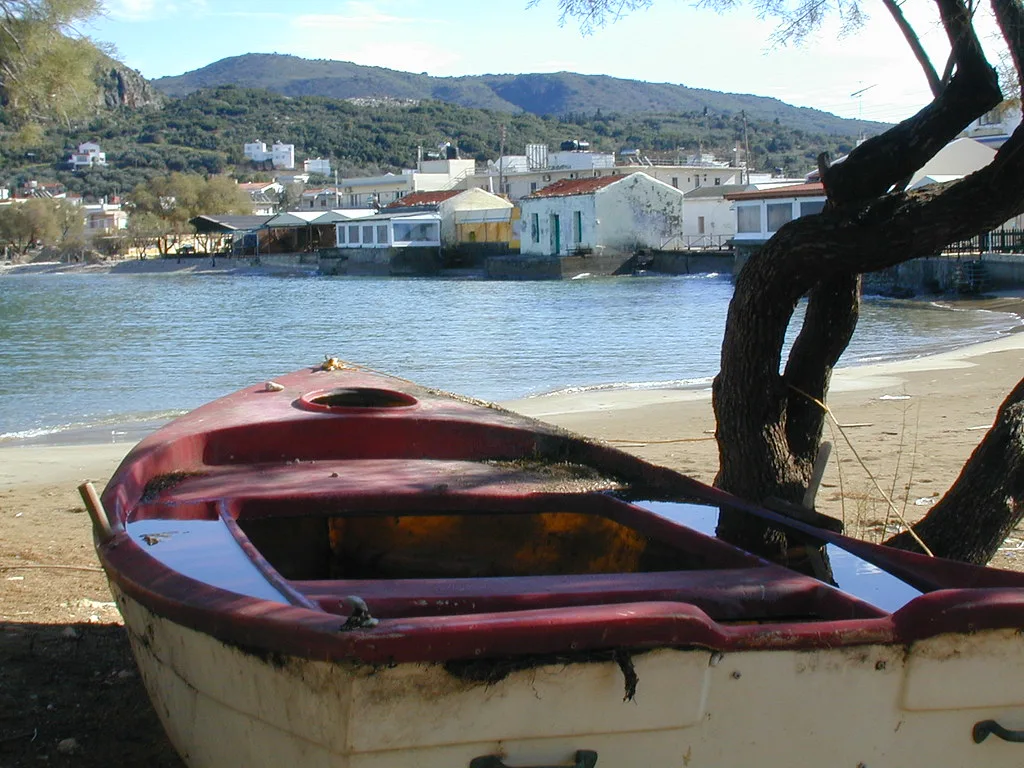
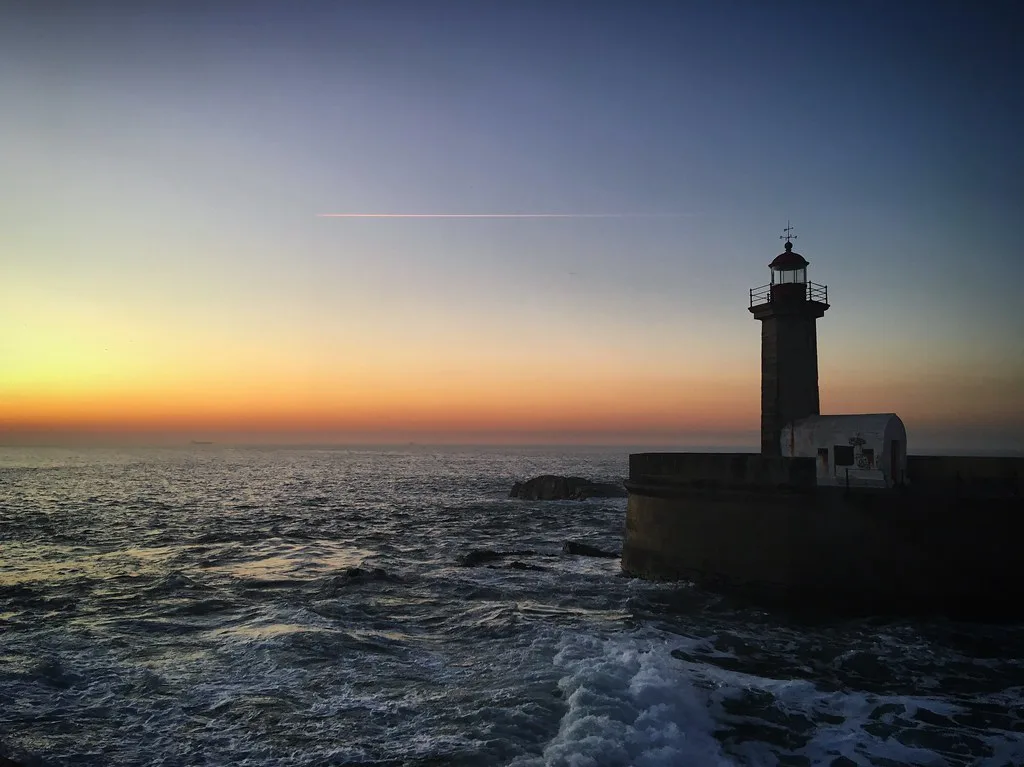
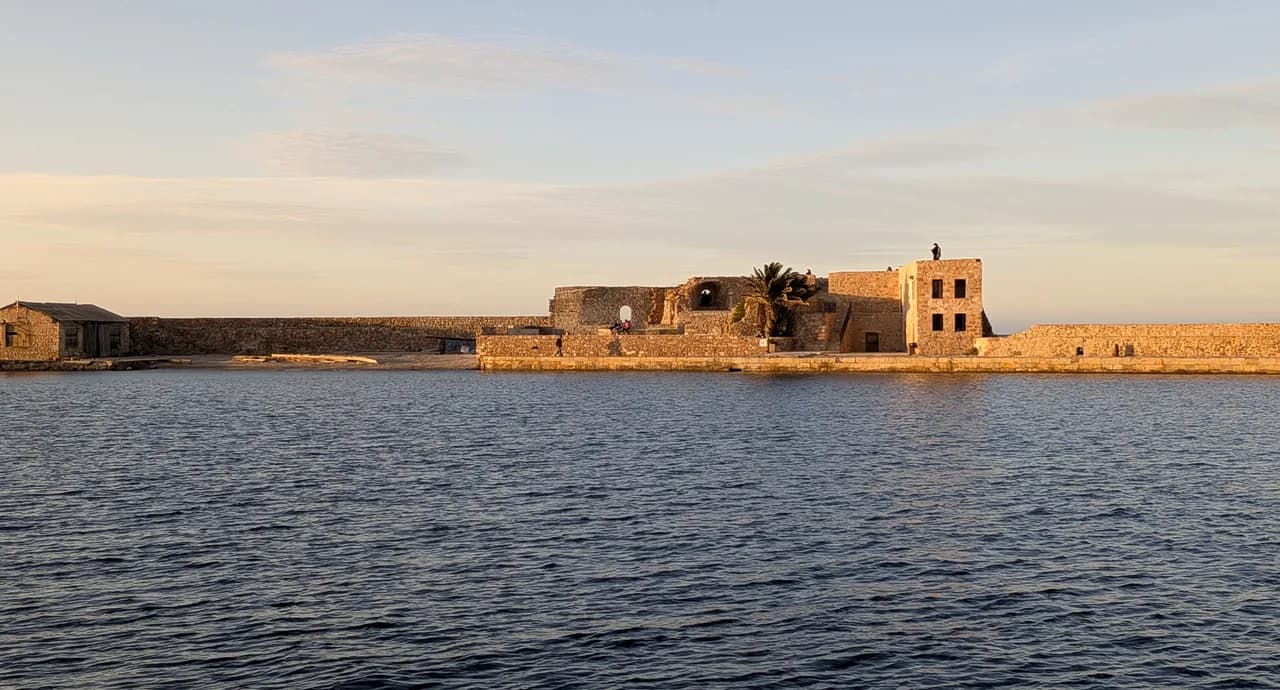
The old towns carry January. In Chania, walk the Venetian harbor and its lighthouse, then retreat into the Maritime Museum in the Firkas Fortress for Crete's nautical history from the Minoans through the Venetian and Ottoman periods to the Second World War. The Archaeological Museum of Chania covers the city's deep past, and the Tabakaria district, with its abandoned nineteenth-century leather tanneries, is an atmospheric walk for a dry afternoon.
In Heraklion, the archaeological museum and the ruins of Knossos make a full day, and the Palace of Knossos is far more pleasant to explore in cool weather than under summer sun. Rethymno's Venetian quarter and fortress are an easy add-on, and Rethymno and Chania both reward aimless wandering down alleyways. Museums and archaeological sites are quieter in January, which means more space and better light for looking.
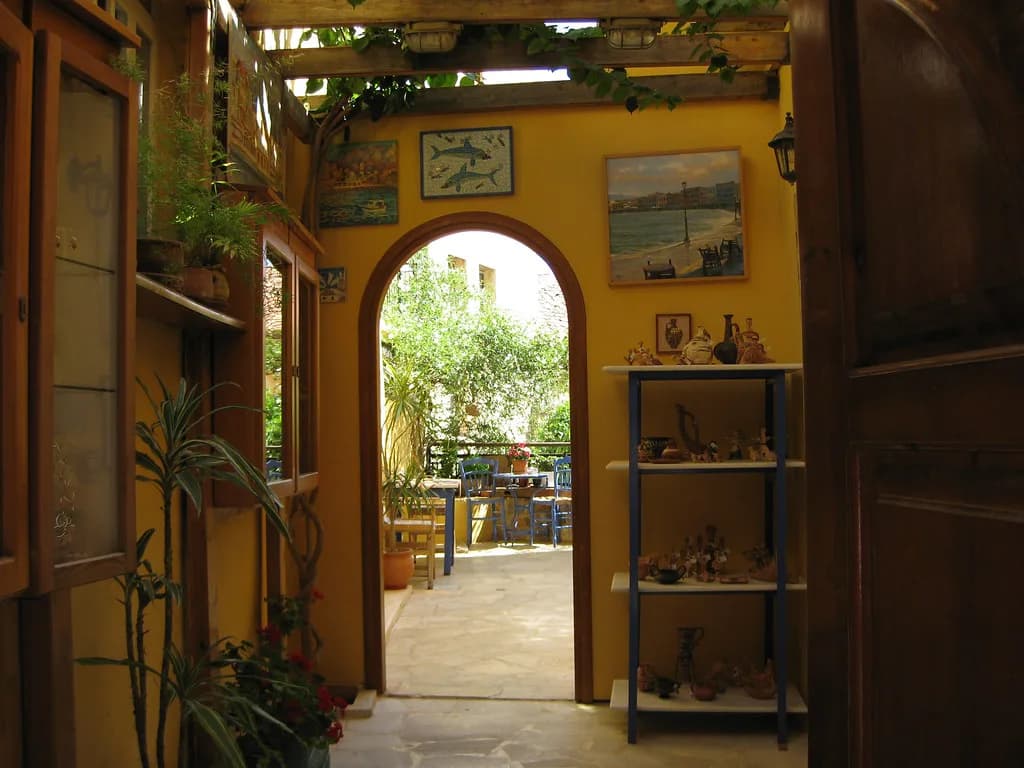
For a rural day, the countryside west of Chania offers farm-to-table tavernas reached by scenic gorge roads; a long lunch cooked over a wood fire is a genuinely Cretan winter pleasure. Local cuisine leans on olive oil, wild greens, sheep's cheese, seafood and citrus, and meals usually end with a small complimentary dessert and a shot of raki. Note that the main meal is often eaten mid-afternoon, and dinner starts late for locals but earlier for visitors.
Hikes and Gorges in January
Walking is the best reason to come in January, provided you choose low and short routes. Coastal paths, old-town strolls and lowland trails around Chania and the south coast stay comfortable, and the cooler air makes half-day walks easier than in summer. Inland gorges are a different matter: winter rain can make them unsafe, and access depends on current conditions at the trailhead and on local advice.
Do not assume a famous gorge is walkable in January. Conditions in the big gorges vary with rainfall and snowfall, and any route with water or scrambling should be confirmed locally before you commit a day to it. Treat high-mountain walks as cold-weather outings and keep a lower, drier alternative ready. A guided walk or a local guide's recommendation is the most reliable way to match the day's weather to a route.
Day Trips That Work in Winter
Winter day trips should be by road and adaptable. From Chania, the drive through the Therisso gorge to mountain villages is scenic and can be combined with lunch; monasteries such as Agia Triada make short, atmospheric stops. From Heraklion, Knossos and the inland villages are easy half-days, and the south coast is reachable when the mountain roads are clear. Beaches such as Balos and Seitan Limania are spectacular but are not swimming stops in January; if you go, go for the walk and the light, and check the access road before setting out.
If your dates slide into February, the island changes character again as Carnival approaches and the season slowly builds, which the Crete in February guide covers. Either way, keep day trips flexible and let the forecast decide which coast you take. If you're comparing winter islands more broadly, it's worth reading about Corfu in January before settling on Crete.
Food and Long Winter Evenings in Chania and Heraklion
January evenings are long, and eating well is the best way to fill them. Chania has a dense cluster of excellent restaurants and cafés, from home-cooked Cretan kitchens to seafood places and bakeries selling warm cheese pies for breakfast. Heraklion is a working city with a strong taverna and meze culture, and the winter pace leaves more time for conversation with owners and staff.
Book dinner a little earlier than you might at home and expect a slower, more generous meal: shared plates, local wine, and a complimentary dessert and raki to finish. Prices outside peak season are generally lower, though this varies by place. For a broader view of the season, including what happens between Christmas and New Year, see the Christmas in Crete guide.
Crowds, Prices and Short Days: The Trade-offs
The upside of January is space. Major sites, museums and old-town streets are far emptier than in summer, restaurants are less pressured, and off-season rates are typically lower than in high season. The downside is the short day, the chance of rain and wind, and the reduced choice of boats and seasonal restaurants. Some travelers will find the coast too cold and quiet to be enjoyable.
Weigh the trip around what you actually want. If you want swimming, boat trips and long beach days, January is the wrong month and May or September will serve you far better. If you want uncrowded archaeology, serious food, winter light and the Epiphany ceremonies, the trade-off is easily worth it.
Who Should Visit Crete in January and Who Should Pick Another Month
January on Crete rewards the traveler who likes cities and countryside in winter dress: old harbors, museums, mountain views, long meals and a sense of local life rather than a tourist season. Couples, walkers, food lovers and anyone who prefers quiet sites and lower prices will find plenty to do. Travelers who need guaranteed sunshine or sea swimming should look at late spring or early autumn instead.
If your heart is set on a winter trip but you want more life in the calendar, February brings Carnival and the first stirrings of the new season. For a full picture of the island across the whole winter, start with the Crete in winter guide and pick the month that matches your priorities.
Plan Your January Trip
Build a January trip around two bases, Chania and Heraklion, with day trips by road and one or two rural lunches. Keep plans flexible enough to move an outdoor day if rain arrives, and treat the Epiphany ceremonies on 6 January as the fixed point of the month. Pack for mild days and cool, wet evenings, and expect a quieter, more local Crete than the summer brochures show.
Explore more Crete winter guides
Frequently Asked Questions
How warm is Crete in January?
Coastal January days often reach the 60s°F (around 15–18°C), with evenings cooling into the low 50s°F (about 10–11°C), though the north coast is windier and wetter than the south. Treat these as typical averages rather than a forecast and check the local forecast before you travel.
Is January a good time to visit Crete?
Yes, if you want quiet sights, old towns, museums, food and walking without summer crowds. It is not a beach month: swimming and boat trips are out for most travelers, and some seasonal restaurants and resort hotels close.
Can you hike the Samaria Gorge in January?
Winter access depends on rainfall, snow and current trail conditions, so do not plan on it without confirming locally. Short coastal and lowland walks around Chania and the south coast are a more reliable choice in January.
Does it snow in Crete in January?
Snow is rare at sea level but possible in the mountains, where winter snow often caps the peaks. Coastal towns usually see rain rather than snow, while inland plateaus and higher villages can be cold enough for frost.
Are ferries and restaurants open in Crete in January?
Ferries run reduced winter schedules and can be delayed by storms, so leave slack in any island-hopping plan. In towns like Chania and Heraklion, a core of tavernas, cafés, bakeries and shops stays open through the winter.
What is there to do in Crete in January?
Visit Chania's Venetian harbor and its maritime and archaeological museums, explore Knossos near Heraklion, walk coastal paths and old-town lanes, and eat long lunches in the countryside. The Epiphany ceremonies on 6 January 2027 add a distinctive local event to the month.
Sources
Winter travel notes
Optional updates when we add or revise winter guides.
You might also like
Continue reading
More guides you'll find useful