Corfu in January: Weather, Crowds and What Stays Open
Corfu in January brings 9–14°C days, around 110 mm of rain and a quiet island run for locals. See what stays open and who the month suits.
On this page
January is Corfu at its quietest, and that is the whole appeal. The Ionian island empties out after the holidays, resort strips go dark and the capital settles into a working winter rhythm of school runs, coffee cups and shutters. It is a month for people who would rather wander a Venetian alley in a rain jacket than queue for a sunbed.
What you give up is the brochure version: warm sea, long evenings and tavernas with their doors flung open along the coast. What you get is a cool, green, sometimes soaking island where the archaeology, the churches and the food are all yours. Whether that trade is worth it depends on how much rain you can shrug off.
Is January a good time to visit Corfu?
Yes, if you are booking a cultural and walking break rather than a beach holiday. January sits in the heart of the low season, so flights and rooms are cheaper and the sights are uncrowded, but the weather is genuinely cool and wet rather than mildly off-season. Visitors who need guaranteed sunshine should look at the island in late spring, or compare a milder island winter, such as Crete in January a little further south.
This is a poor month for anyone hoping to swim, island-hop widely or eat at a different beach taverna every night. Many hotels, bars and restaurants along the coast shut for the quiet months, so the self-catering-and-lounger version of Corfu simply is not on offer. If your idea of winter is a mild city with good food and long lunches, the capital delivers; if it is a resort with a heated pool, go elsewhere or go later.
Weather in January: highs, lows, rain and sunshine
Typical January days run from about 9°C to 14°C (48°F to 57°F). Evenings and nights feel distinctly chilly, so a coat earns its place on any after-dark walk.
Rain is the defining feature of the month, with roughly 110–120 mm falling over January and many days carrying cloud or showers. Expect around four hours of sunshine on an average day, which means short bright windows between fronts rather than long blue skies.
Wind is moderate, averaging around 15 km/h, and humidity sits near 75 percent, which makes the damp cold feel sharper than the thermometer suggests. Pack for wet walking and plan indoor anchors for the afternoons that turn. Treat all these numbers as long-term averages, not a forecast for your week; the daily outlook on arrival decides your plans.
Sea temperature and daylight
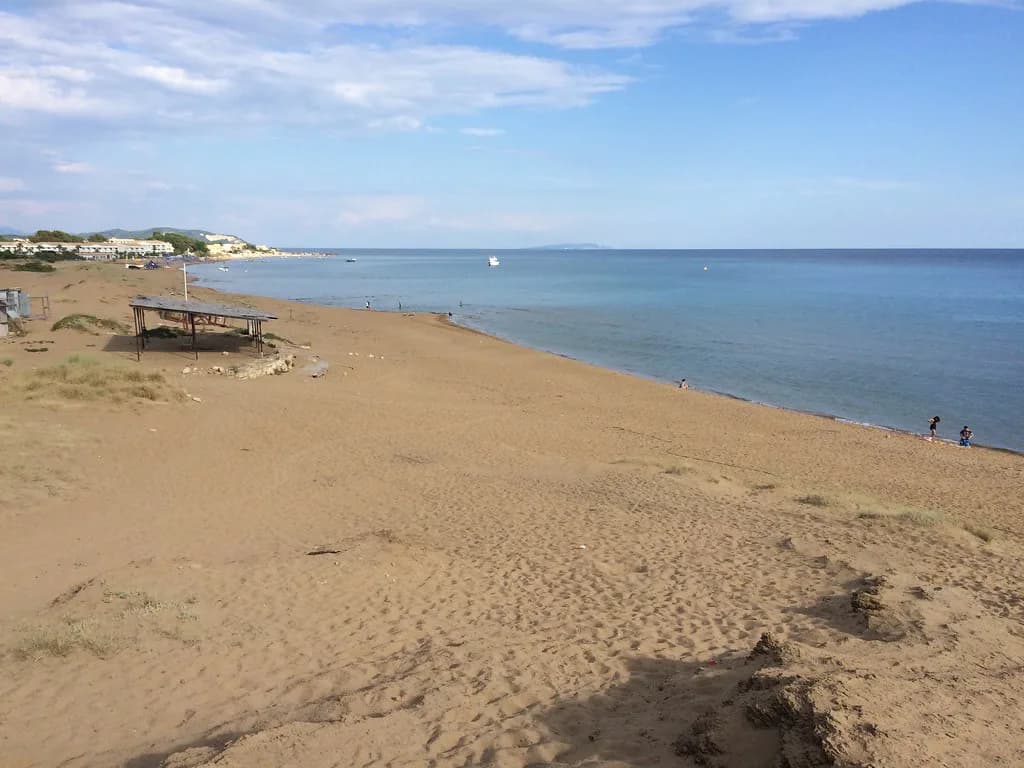
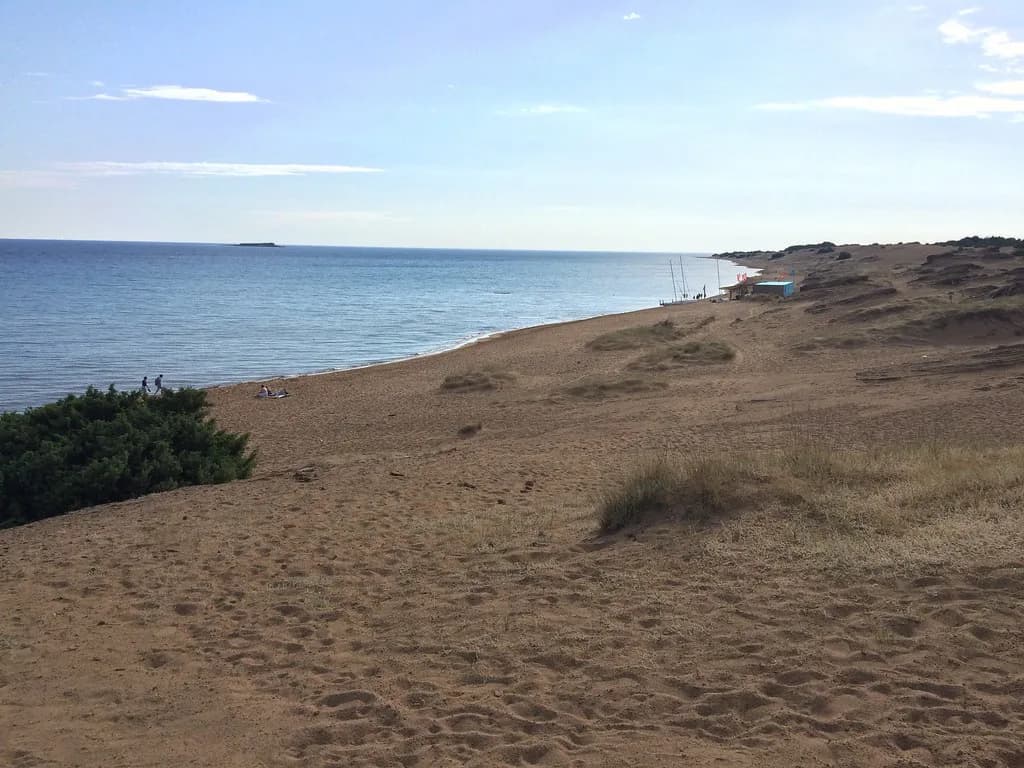
The Ionian is at its coldest in January, averaging about 15°C to 16°C. That is fine for a bracing paddle and wrong for a swim, and the beach clubs and water-sports operators that line the summer coast are not part of the picture this month.
Days are short: Greece runs on Central European Time in winter, with clocks going back in late October and forward again on 28 March 2027, so January afternoons fade early. Build your day around morning light for walks and viewpoints, and keep the museums and long lunches for the grey hours after three. Sunset comes well before dinner, so a torch or phone light is useful on unlit village lanes.
What closes and what stays open in winter
The coastal resort strips around Ipsos, Kavos and the big package hotels largely close for the season, and many seasonal bars and restaurants along the beaches shut their doors. Public buses and ferries still run, but less often, so the island's transport thins out along with its visitor numbers.
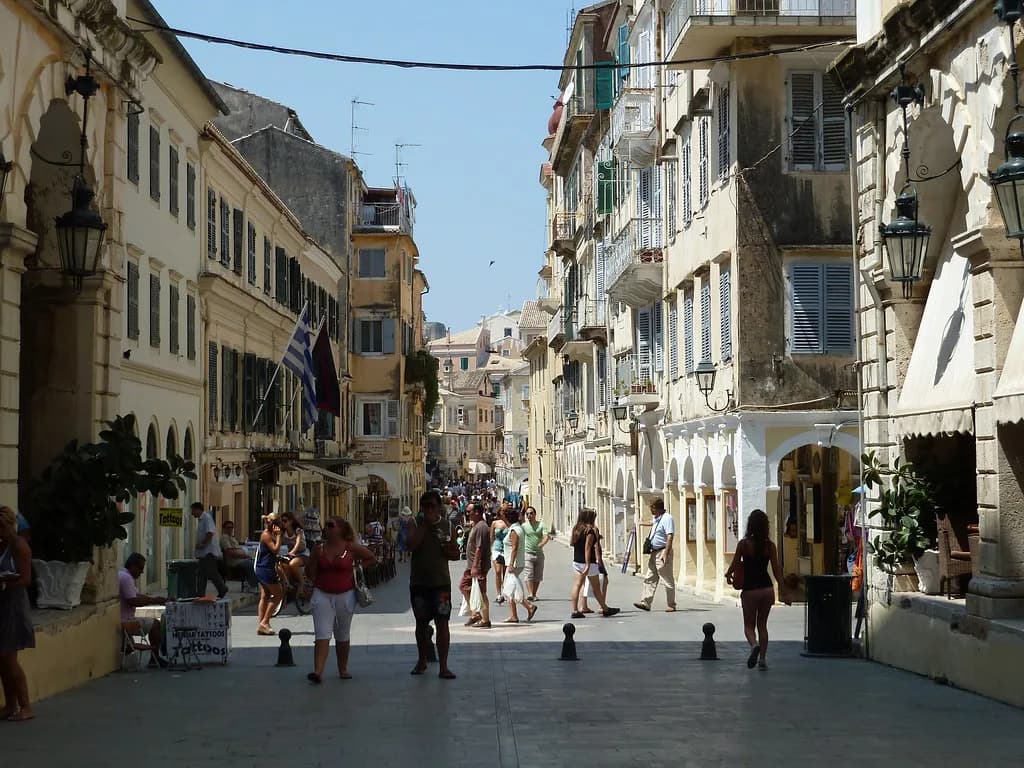
Corfu Town is the exception and keeps the most year-round life: shops, cafés, bakeries, tavernas and the main sights stay in business for locals and off-season visitors. The island is large enough to have a winter life of its own, so you will find restaurants and services open, just concentrated in the capital and the bigger villages rather than scattered along the coast.
That concentration matters for planning: base yourself in or near Corfu Town and treat the rest of the island as day-trip country. You will eat better, walk more and waste less time hunting for an open kitchen.
Getting around Corfu in January: buses, ferries and car hire
Public transport keeps running through the winter, but bus services are reduced compared with summer, so timetables need a look before you rely on them for a village day out. Ferries to the mainland and neighbouring islands also run less frequently, which makes spontaneous hopping riskier than it is in July.
Car hire is the practical answer for reaching mountain villages and quieter coastal roads, and winter traffic makes driving far less stressful than in high season. Roads to the interior climb and twist, and wet surfaces slow things down, so allow more time than the distance suggests. Fuel stations and village cafés thin out away from the main routes, so fill up before heading inland.
Corfu Town in winter: Old Town, fortresses and the Jewish Quarter
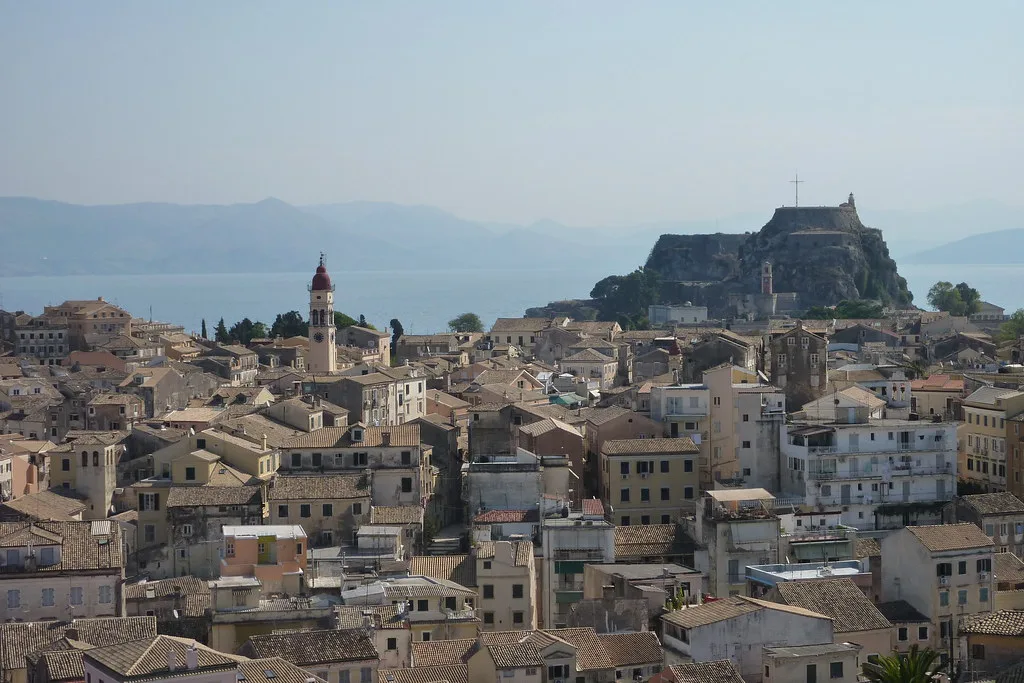
The Old Town is the reason to come in January. Its cobbled lanes, Venetian facades and the Jewish Quarter are made for slow wandering, and without the summer crush you can actually stop and look. Duck into Saint Spyridon Church, the island's spiritual centre with its tall bell tower, and walk the esplanade in front of the Old Fortress.
The fortresses repay a dry morning: the views from the walls take in the rooftops, the sea and, on clear days, the mainland mountains beyond. When rain sets in, retreat into the lanes for coffee and a long lunch; tables are easy to find without a reservation. For the wider picture of what the season holds, the guide to Corfu in winter covers the months either side of January.
Museums and palaces: Archaeological Museum, Museum of Asian Art, Achilleion
Rainy days are made for the museums. The Archaeological Museum of Corfu holds the pediment from the Temple of Artemis, the Museum of Asian Art occupies a handsome neoclassical building near the esplanade, and Casa Parlante recreates the life of a 19th-century noble family. These are compact, walkable stops that fill a wet afternoon without exhausting anyone.
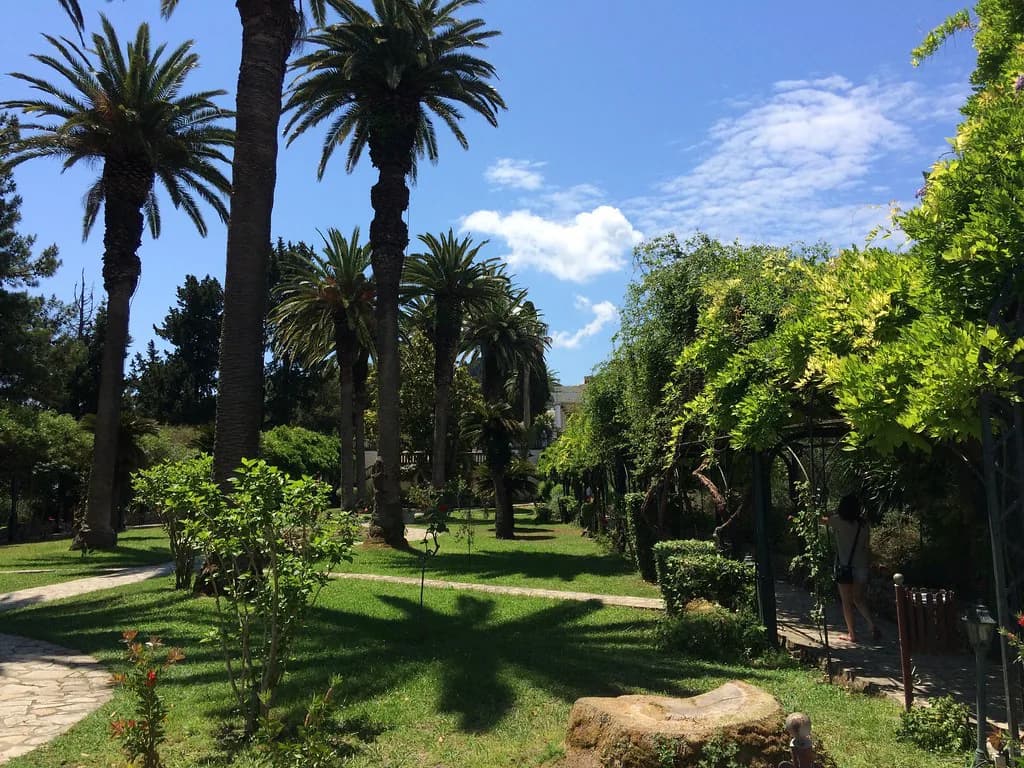
Just outside town, the Achilleion Palace is the island's showpiece: a neo-classical villa built for an Austrian empress, filled with statues of Achilles and set in gardens with views over the coast. Its grounds and museum make a solid half-day when the weather holds, and the house itself shelters you when it does not. Opening hours at the palace vary in winter, so check the schedule before you set out.
Villages and viewpoints: Pelekas, Chlomos and Paleokastritsa
Inland Corfu is where January shines. Pelekas, about 13 km from town, sits below the Kaiser's Throne, a rocky viewpoint with sweeping panoramas that is at its best on a clear, cold morning. Further south, Chlomos clings to a hillside in Venetian colours and is known locally as the balcony of Corfu for its outlook over the coast.
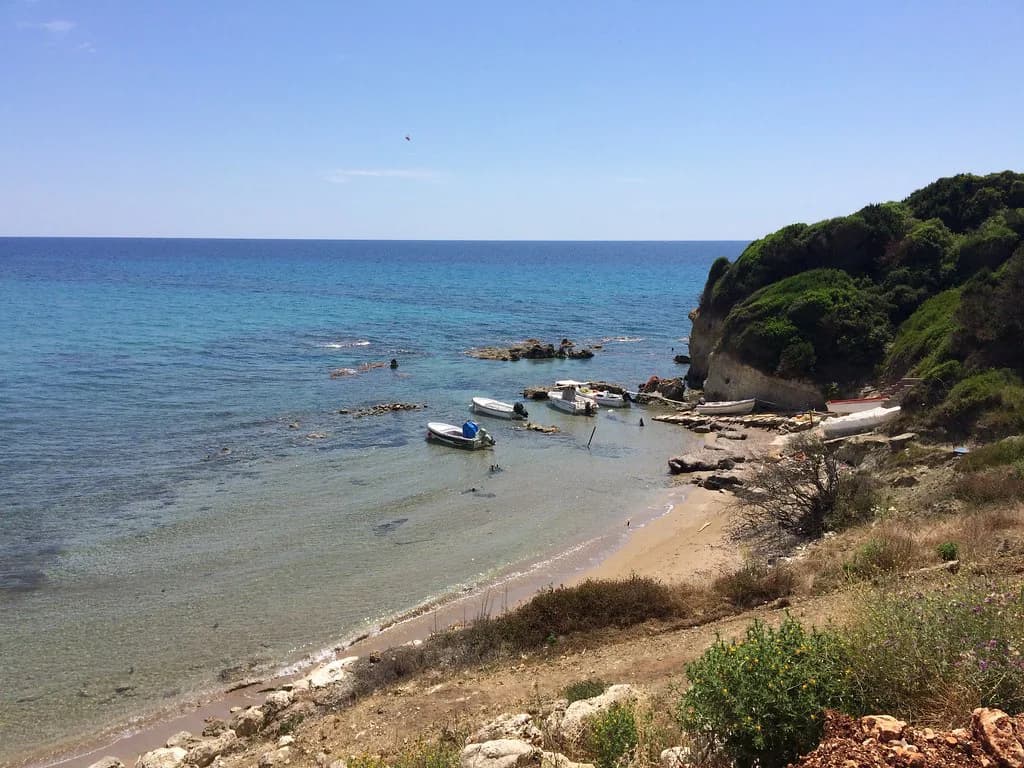
On the west coast, the Monastery of Paleokastritsa sits on a hill above the bays, with a small museum of religious artefacts and an olive press inside. The bays themselves are beautiful in winter light, though the boats and beach life are gone for the season. Mountain roads can be slick after rain, so pick your day and watch the sky.
Walks, food and small local stops
The island's trail network suits the season: mild temperatures make coastal paths and inland tracks far more pleasant than they are in July. Corfu is famously green and wet in winter, which is exactly why it looks so lush, so waterproof gear matters more than a hat. Do not walk in the wet without a plan for turning back.
Food is the other winter pleasure. Corfu Town's bakeries and tavernas turn out orange pie and other local pastries, and in the quiet months you can walk into a restaurant without booking. The Patounis soap factory, working since 1850, offers a look at one of the island's older trades, and the countryside around Liapades is wine country worth exploring on a dry day.
Day trips that work in January
The neighbouring Ionian islands of Paxos and Antipaxos are the classic day trip, but winter sailings are limited and weather-dependent, so treat them as a bonus rather than a plan. A hired car opens up better odds: the drive along the coast reveals quiet beaches and villages that summer visitors never see empty. Confirm sailings with the ferry company before committing a day to the water.
Closer in, the mainland is reachable by ferry from Corfu Town, and the crossing itself is worth it on a bright day. If the sea is rough, stay on the island: Paleokastritsa, Pelekas and the mountain villages fill several days without a boat.
Crowds, prices and the mood of the island
January is low season in the fullest sense. Corfu Town is quiet, traffic is light and you can walk from one end of the centre to the other without dodging anyone. Accommodation and flights are cheaper than in summer, and shops and tavernas are often more flexible on price.
The mood is local rather than festive. Greek carnival season gets underway in January, with parades and celebrations building towards February, but the island's own calendar of events is worth checking with the municipality if that is a draw. Otherwise, expect early nights, quiet streets and the pleasure of being the only customer in the room.
Who January suits and who should wait
This month suits walkers, museum-goers, food travellers and anyone who prefers a working town to a resort. It is a good fit for a short city break from Athens or a long weekend from northern Europe, especially for travellers comfortable with rain. Couples and solo travellers who want atmosphere without crowds will find it.
It does not suit families chasing beach days, swimmers, or anyone who wants the full island experience with everything open. Travelers who need sun should head further south or wait until spring; the same island in March is noticeably warmer and busier. If your dates are fixed around February, the comparison with Corfu in February shows how the season shifts.
Plan Your January Trip
Book with the expectation of rain and you will enjoy Corfu in January: cheap rooms, empty lanes, open museums and tavernas that have time to talk. Base yourself in the capital, rent a car for the villages and keep a wet-day list of museums and long lunches ready.
Check the daily forecast before each outing and confirm ferry times with the operator if you plan to cross water. The island rewards travellers who move with the weather rather than against it. If you want a wider sense of the season, compare the month with Corfu in December and Corfu in March.
Explore more Corfu winter guides
Frequently Asked Questions
What is the weather like in Corfu in January?
Typical January days run from about 9°C to 14°C (48°F to 57°F), with roughly 110 mm of rain across the month and around four hours of sunshine on an average day. Humidity near 75 percent and a moderate breeze make the damp cold feel sharper than the thermometer suggests. These are long-term averages, so the daily forecast on arrival should shape your plans.
Is it worth visiting Corfu in January?
It is worth it if you want a cultural and walking trip rather than a beach holiday. Corfu Town keeps its museums, cafés, bakeries and tavernas running for locals, and the Old Town, fortresses and inland villages are uncrowded. The trade-off is real rain, short afternoons and a coastline where many seasonal hotels, bars and restaurants close.
Can you swim in Corfu in January?
The Ionian averages about 15°C to 16°C in January, which is fine for a quick paddle and too cold for a proper swim. The beach clubs and water-sports operators that line the summer coast are not part of the winter picture. If swimming matters to your trip, plan for late spring instead.
Is Corfu or Crete better in January?
Crete sits further south and generally offers the milder, sunnier version of a Greek island winter, while Corfu is greener, wetter and quieter, with a compact Venetian capital that works well for a short break. Choose Corfu for architecture, walking and food in a working town; choose Crete if warmth and a longer season of open coastal life matter more. Compare the two before booking flights.
What can you do in Corfu when it rains?
Head for the Archaeological Museum of Corfu, the Museum of Asian Art or Casa Parlante, all compact and walkable in the centre of town. The Achilleion Palace outside town shelters you indoors and gives you gardens for a break in the showers, and long taverna lunches fill the grey afternoons. Keep one wet-day plan in reserve for each day of your trip.
Are restaurants and hotels open in Corfu in January?
Corfu Town keeps the widest choice, with shops, cafés and tavernas serving locals year-round, and the bigger villages retain some winter life. Along the resort strips many seasonal hotels, bars and restaurants close for the quiet months, so base yourself in or near the capital. Confirm directly with any specific place you have your heart set on.
Sources
Winter travel notes
Optional updates when we add or revise winter guides.
You might also like
Continue reading
More guides you'll find useful