Corfu in Winter: What to Expect Nov–Mar
Corfu in winter is quiet, green and often wet, with mild days, closed resorts and an island that belongs to locals. Here is what November to March is really like.
On this page
Corfu in winter is a different island from the one in the holiday brochures. The Ionian light is softer, the hills stay green, and Corfu Town carries on with its shops, cafés and cultural life while the coastal resorts empty out. This is a season for people who want museums, old streets and long lunches more than beach days.
The catch is weather and logistics: expect cool, often rainy days and a thinner transport network. Plan around Corfu Town as your base, keep village and trail days flexible, and the island gives you a quiet, affordable version of itself. Those who need guaranteed sun and swimming should look at a different month.
What Corfu Is Like in Winter, and Who It Suits
Winter here means mild air, frequent rain and an island that runs on local life. Corfu is one of the greener Greek islands, and the wet season is the reason: the hills stay lush through the colder months even as holiday villages go quiet. Expect shorter days and a need to build indoor options into every plan.
The season suits travelers who like towns, history and food, and who can accept a washed-out afternoon. It does not suit anyone set on swimming, beach clubs or resort nightlife. Winter temperatures on the island average roughly 11°C to 14°C, and the rainy season runs from November through February.
Rough Guides treats December as a genuinely good month for culture and the outdoors, provided you don't mind cooler weather and the chance of rain. That framing holds for the whole season: fewer crowds, lower prices, and the need for a flexible itinerary.
Winter Weather in Corfu, Month by Month
December is the month with the clearest published picture: average air temperatures around 11°C (52°F), afternoon highs near 15°C (59°F), nighttime lows around 7°C (45°F) and average rainfall of about 140mm across the month. The sea averages a cool 16°C (61°F), which puts swimming firmly off the table for most people. Some days offer only occasional sunny spells.
Winter as a whole averages about 14°C (57°F) in December and 11°C (52°F) in February, with cool, occasionally rainy conditions and crisp air. Royal Caribbean's seasonal summary describes the landscape staying green and the air feeling crisp, with Corfu Town remaining lively while many resorts close.
For January and February specifically, treat published monthly normals as a guide rather than a promise. The pattern is consistent with December: mild afternoons, chilly evenings, and rain arriving in spells rather than settling in.
March begins the turn toward spring: days lengthen and the island starts drying out, though the sea stays cold. Carnival falls on 9 February 2027 and Ash Wednesday on 10 February, so late February pairs cool, unsettled weather with the island's biggest party of the season.
Rain, Wind and Daylight: Planning Around Short, Wet Days
Corfu's winter rain is why the island is so green, and it shapes how you plan a day. A morning of showers can turn into a bright afternoon, so keep indoor sights as a reserve and save walks for the clearest window. Wind off the Ionian adds a chill on exposed coastal paths and hilltop viewpoints.
Daylight is short, which matters more than temperature: you want to be at outdoor sights and on trail sections in the middle of the day, and indoors by late afternoon. Build each day around one outdoor objective and one indoor fallback rather than a long list of stops. Anyone visiting in the run-up to Christmas should note the clocks went back on 25 October 2026 and don't go forward again until 28 March 2027.
What Closes and What Stays Open
The broad pattern is that resort areas shut down while Corfu Town keeps functioning. Beaches, beach bars and seasonal hotels in the coastal strips close for the winter, but the capital retains shops, cafés, tavernas and bars. Museums, churches, monasteries and archaeological sites are easier and more comfortable to visit in winter than in the summer crush.
Don't assume any single sight is open: hours vary across the season, so a quick phone call or a look at the attraction's own page settles it before you set out. Bigger towns such as Corfu Town give you the widest choice of open businesses and services, which is why a base there makes practical sense in low season.
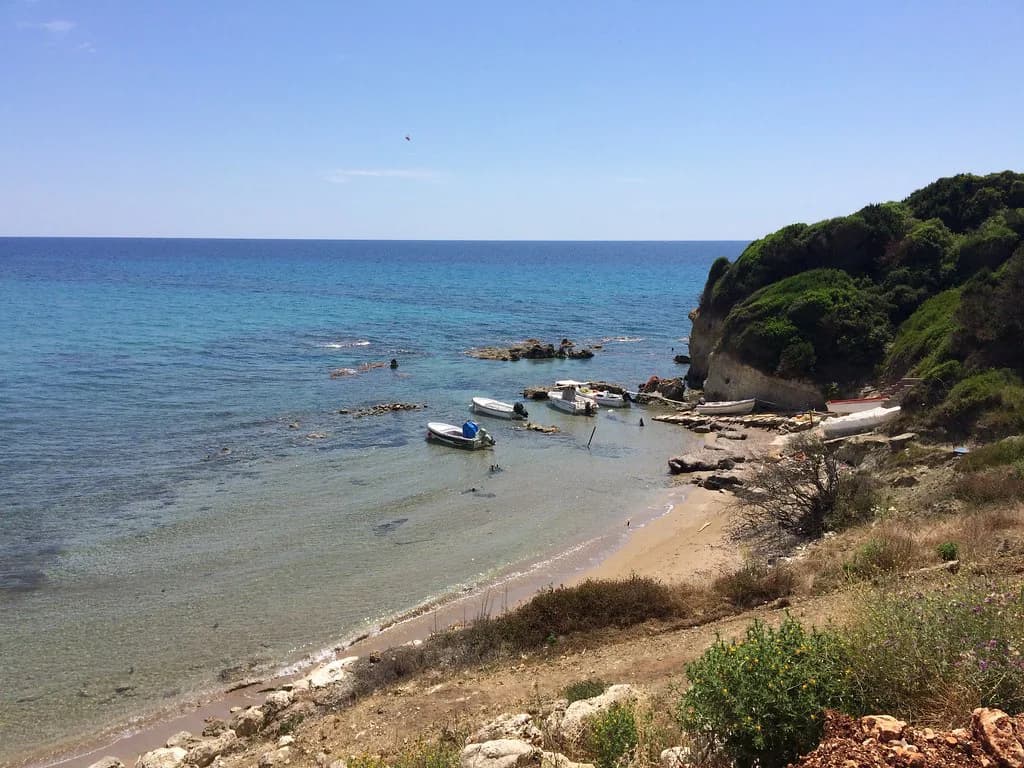
Nature is the exception that never closes. Coastal trails, hillside villages and the island's three distinct environments — coastline, lowlands and mountains — are all more enjoyable without summer crowds. The trade-off is mud, wet footing and the occasional washed-out day.
Corfu Town in Winter: Old Town, Liston and the Fortresses
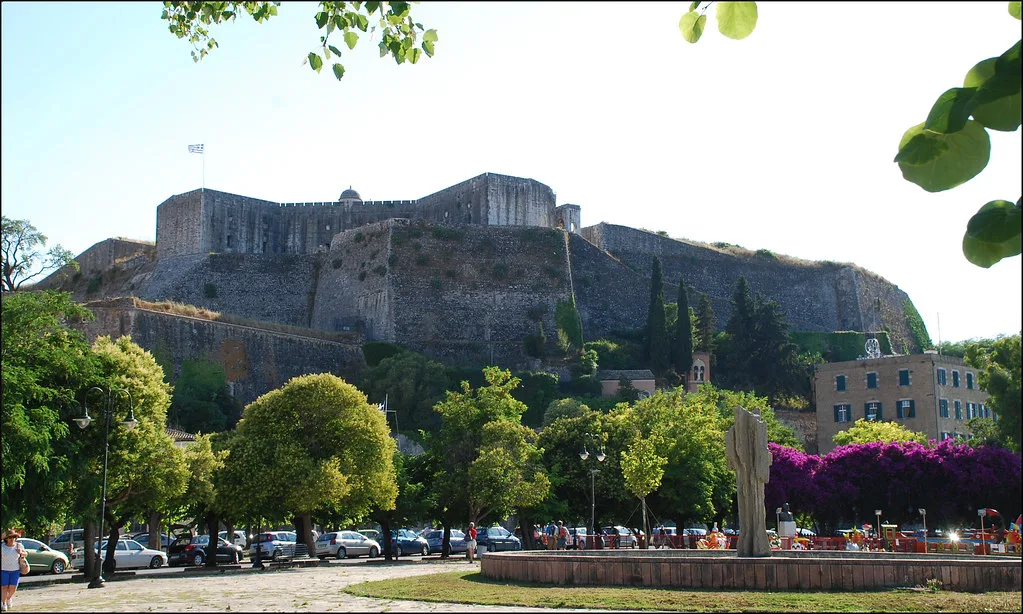
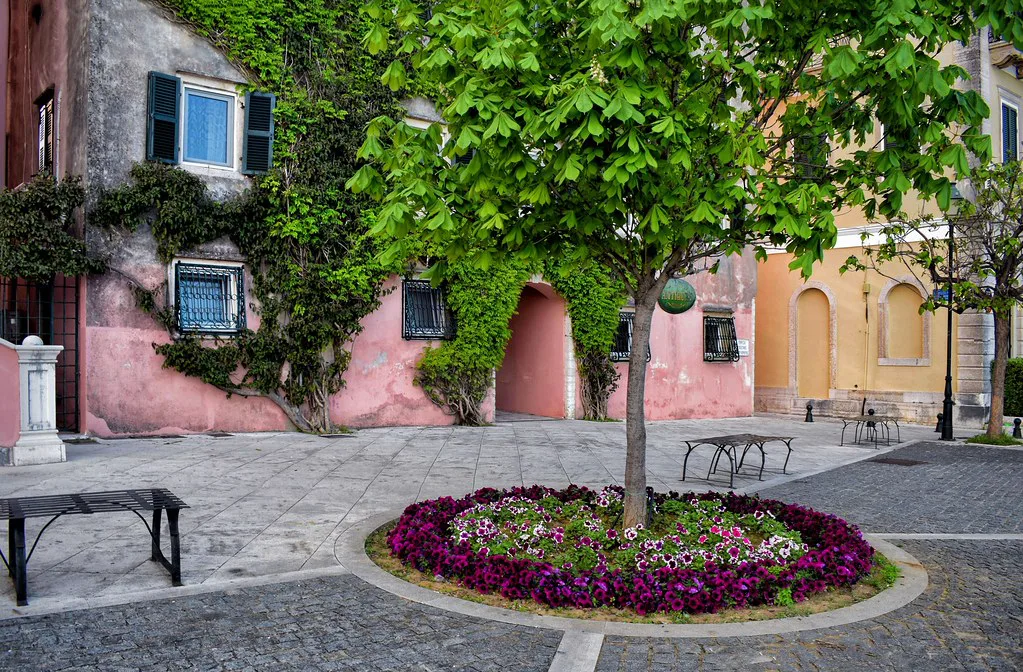
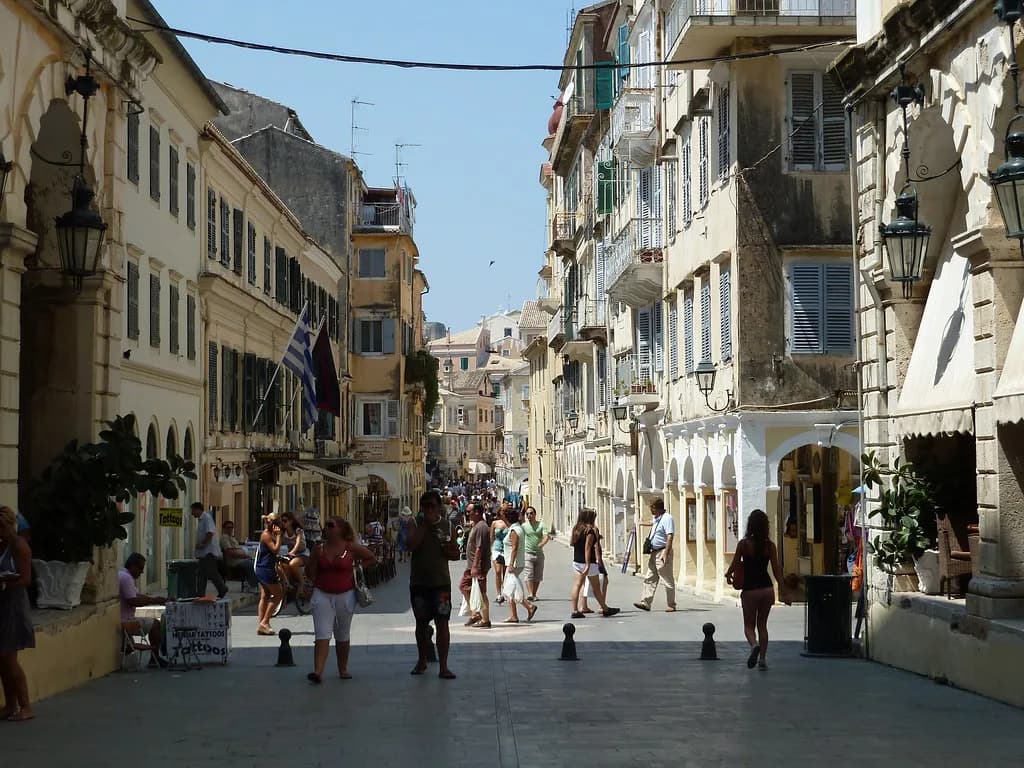
Corfu Town is the heart of a winter visit. The Old Town's winding cobbled alleys, Venetian-era buildings and Jewish Quarter are far more enjoyable without the summer crowds, and you can walk into most restaurants without a reservation. Saint Spyridon Church, with its red roof and tall bell tower, is the landmark to orient yourself by.
The Liston's historic cafés are the natural place to sit out a shower with a coffee or something stronger, and the town's fortresses give you the best views over the water. Winter is when the Old Town is at its most photogenic and least rushed.
Plan two days in town without guilt: one for the Old Town and its churches, one for the fortresses and the waterfront. If rain pins you down, the cafés and shops absorb the time easily.
Museums and Indoor Sights for Wet Days
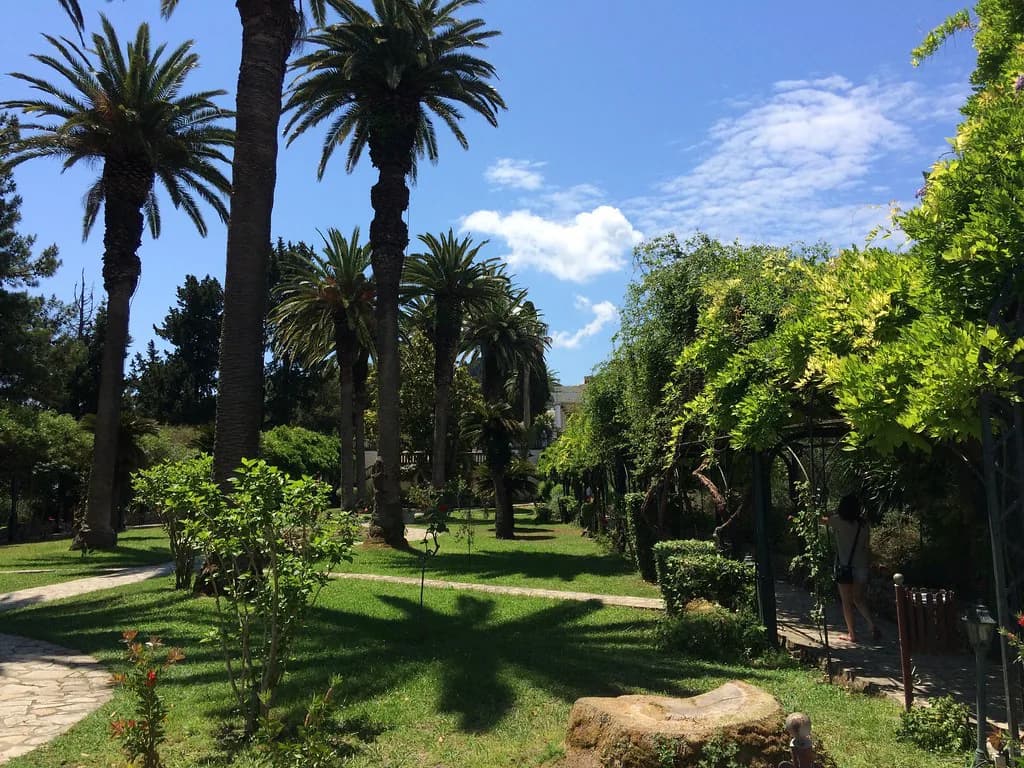
The Archaeological Museum and the Old Fortress are the standard rainy-day anchors in Corfu Town, and both are far calmer in winter. Achilleion Palace, the Empress of Austria's neoclassical summer residence south of town, pairs mythological statues and gardens with an attached museum covering the palace and its imperial occupants.
For something smaller and more local, the Patounis Soap Factory has been making olive-oil soap since 1850 and runs a factory tour; winter is the season when you don't need to book ahead. A bakery stop in town for baklava rounds off a wet afternoon neatly.
Out at Paleokastritsa, the hilltop monastery dedicated to the Virgin Mary dates to 1228 and holds a small museum of religious relics plus a traditional olive-oil press. Its elevated position gives it wide views over the coast, which makes it worth saving for a clear interval between showers.
Villages and Viewpoints: Pelekas, Chlomos and Paleokastritsa
Corfu's hill villages show a side of the island that summer visitors rarely see. Pelekas, about 13km from Corfu Town, sits below the Kaiser's Throne, a viewpoint named for a former German kaiser, and delivers panoramic views across the island. Chlomos, roughly 31km from town, is known as the Balcony of Corfu for its altitude and its Venetian-style, brightly painted houses around a square dating to the 13th century.
Winter is also the season to eat in these villages: mountain tavernas serve dishes that tourist-facing restaurants rarely bother with. Check the weather before heading uphill, since exposed roads and low cloud can change the plan; a spare layer makes the difference at altitude.
Liapades, a short drive from Paleokastritsa, is the island's wine village and a pleasant winter stop with space to spare. Pair it with the monastery and the coast road for a full day out of town.
Walking the Corfu Trail and Coastal Paths
The Corfu Trail is the strongest argument for a winter walking trip: a 200km route running the length of the island from Cape Asprókavos in the south to Áyios Spyrídhon in the north. Experienced walkers can cover it in about ten days, and the cooler, quieter season is when that makes sense.
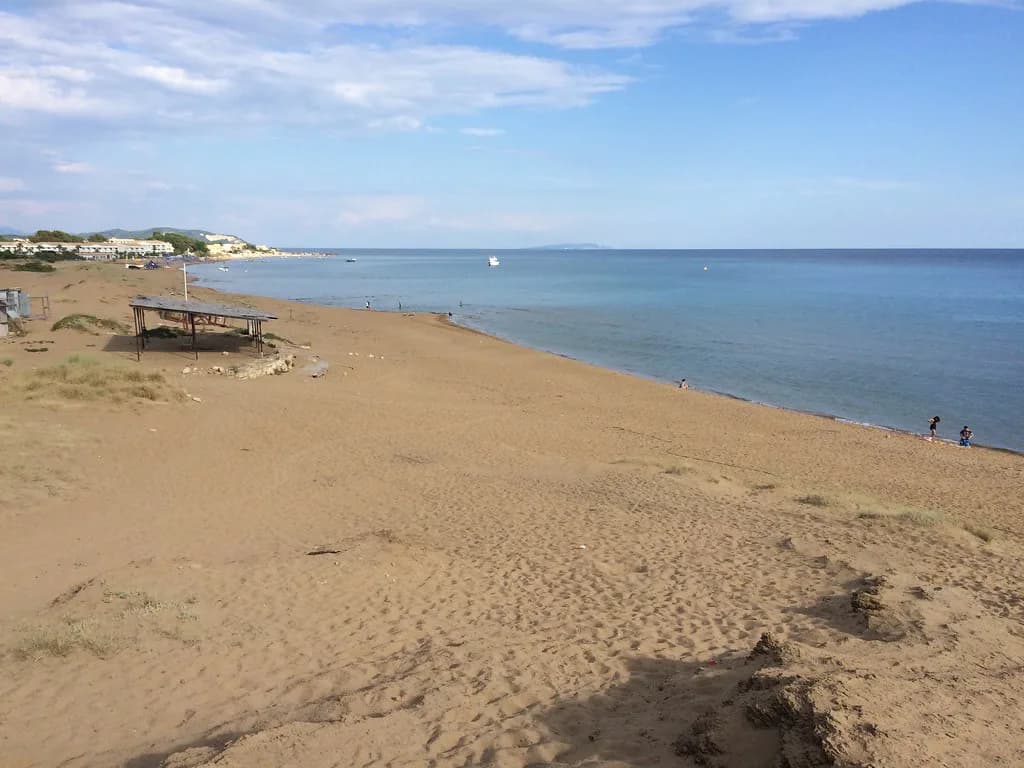
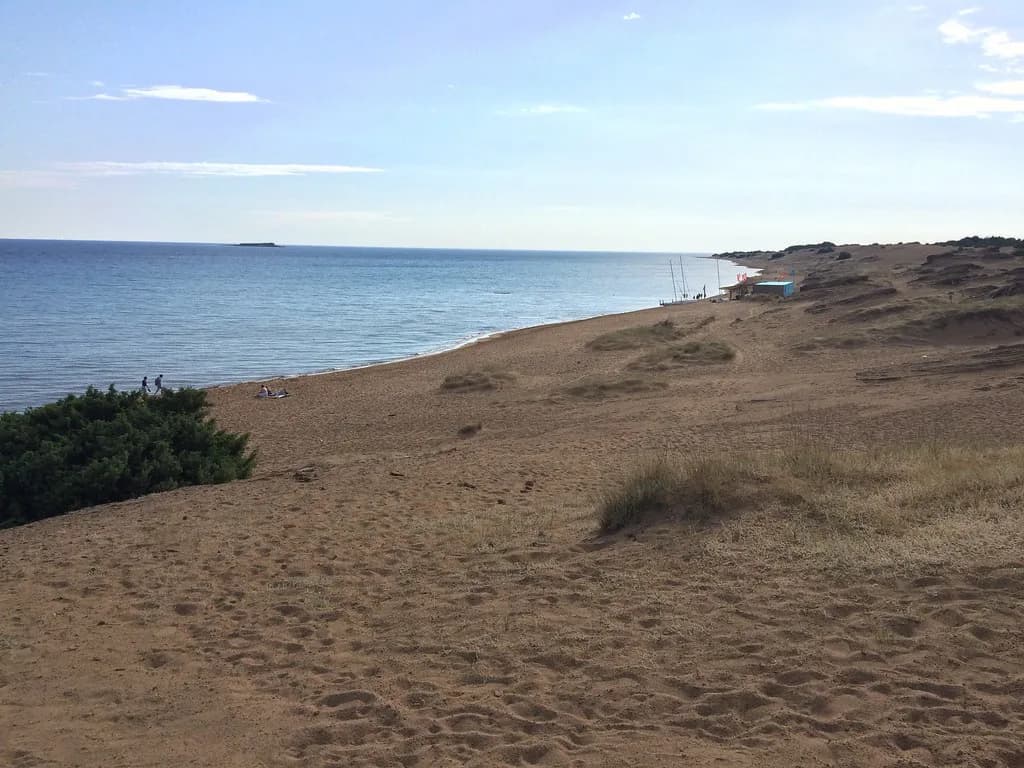
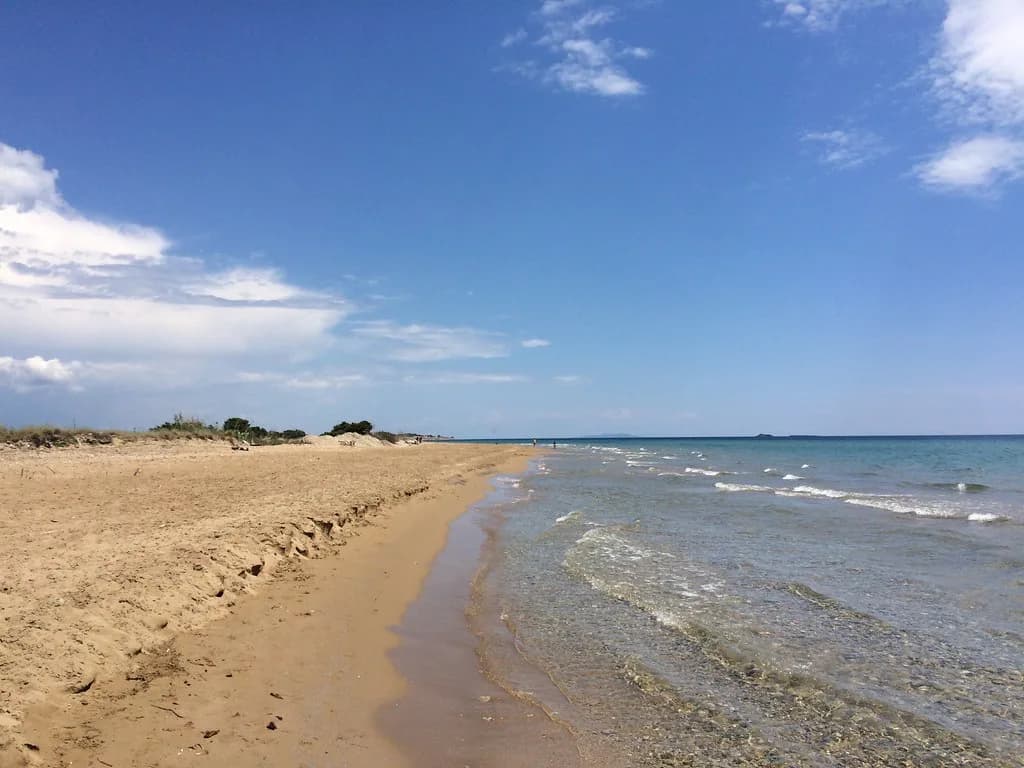
Shorter options are everywhere: coastal paths, old mule tracks and trails through the mountainous interior. Beach walks in winter are a pleasure in themselves, with miles of sand and nobody on it. Waterproof footwear and a rain shell are the practical essentials, since wet ground and sudden showers are the norm rather than the exception.
Keep mountain days flexible. The Corfu Trail crosses high ground where weather decides the day, so treat any hill section as movable and keep a valley or town day in reserve.
Food in Winter: Tavernas, Bakeries and Local Dishes
Cold, wet days make Corfu's food culture the main event. Look for soutzoukakia, beef meatballs with grilled peppers in a spicy tomato and yoghurt dressing, and gemistá, peppers and tomatoes stuffed with herb-infused rice. Both are winter cooking rather than summer fare.
Corfu Town's tavernas, cafés and bars stay open through the season, and owners are often open to better rates on local products when tourists are scarce. Winter also means you can chat with locals without the summer scramble for tables.
Build a day around one good lunch rather than three rushed stops. A long table in a village square, with a car outside and nowhere urgent to be, is the winter rhythm that makes the island worth the rain.
Christmas and New Year on the Island
Corfu's Old Town gets its festive makeover with twinkling lights, Christmas trees and candy houses, and Rough Guides dates the published festive season from 12 December to 7 January. Christmas Day 2026 falls on a Friday and New Year's Day 2027 on a Friday, which makes for a long holiday stretch on the island.
Don't expect a summer island with tinsel on: this is a Greek town Christmas, with local shops, cafés and church life rather than resort entertainment. Accommodation and flights sit in low season, so prices are at their softest of the winter. A short festive paragraph covers the season; the rest of the month is town, food and walks.
Carnival Season in February
Carnival is Corfu's biggest winter event, with parades and traditional music in the run-up to Lent. Carnival Tuesday falls on 9 February 2027, with Ash Wednesday on 10 February, so the final week of Carnival is the one to target if you want the island at its liveliest.
Carnival week brings more visitors and a different mood to Corfu Town, but it remains nothing like summer. Book early for those dates and expect the town, not the beaches, to be the center of gravity. Outside the festival days, February is the quietest, coolest month of the season.
Getting Around Corfu Without Summer Buses and Boats
Corfu's public transport keeps running in winter but on significantly reduced schedules, and summer boat services to beaches and nearby islets don't apply. For village days, trailheads and the monastery at Paleokastritsa, a rental car removes the waiting and lets you chase the weather.
Driving in low season is easier than in summer, with quieter roads and less stressful parking. Corfu Town remains connected by air and ferry through the winter, and daily ferries still run, so the island is reachable year-round even when the resort strips are shuttered.
If you'd rather not drive, base yourself in Corfu Town and use it as a hub for museum days and town exploration, saving outlying villages for a guided day or a taxi. For comparison with other Greek islands in the off-season, Rhodes in winter keeps a walled old town alive in much the same way.
Day Trips That Work in Winter
The best winter day trips stay on the island and stay flexible. Paleokastritsa combines the monastery, coastal views and a short walk; Pelekas and Chlomos deliver hill-village lunch and panoramas; Liapades adds wine. All three suit a car and a clear-ish forecast.
Achilleion Palace makes a solid half-day south of town, and the Old Town itself can absorb a whole day when the rain sets in. Corfu is big enough to have a winter life of its own, so a week of short trips won't run dry.
If you want to compare island winters, Crete in winter offers a larger, warmer island with more year-round life, and winter in Tirana trades the coast for a lively capital city break. Corfu's advantage is compactness: town, hills and coast all sit within easy driving distance.
Costs and Crowds: What Low Season Actually Means
Winter is firmly low season, which means smaller crowds and lower costs on accommodation and flights. Owners of local-product shops may also be more flexible on price when visitors are few. Check current rates with the hotel or airline rather than relying on any figure quoted elsewhere.
The trade-off is reduced choice: fewer open restaurants, thinner bus schedules and some sights on shortened hours. Budget for a car or taxis and accept that a rainy day costs you an outdoor plan. Christmas, New Year and Carnival week are the exceptions when demand rises.
Overall, winter Corfu is one of the better-value Greek island breaks, provided you're not paying for facilities you can't use. Beach resorts and pool bars don't feature, so don't pay for them.
Who Should Visit Corfu in Winter and Who Should Wait
Come in winter if you want authentic island life, empty trails, good food and low prices, and if rain doesn't ruin your day. Come if you're happy to drive, to move plans around the weather, and to spend afternoons in museums and cafés.
Wait for late spring or early autumn if you want swimming, boat trips, beach time and reliable sunshine. Summer, by contrast, brings heat and crowds. Corfu in winter is a cultural and walking season, not a sun holiday, and the island is honest about that.
Plan Your Winter Trip to Corfu
Treat Corfu as a town-and-country winter break: base yourself in Corfu Town, rent a car, and plan each day around the forecast. Keep museums, the fortresses and long taverna lunches as your wet-weather anchors, and save villages and trail sections for clear windows.
The season rewards flexibility. Christmas lights run through the Old Town, Carnival lands in February, and outside those peaks you'll have the place largely to yourself. If you need sun and sea, choose another month; if you want the island's real rhythm, winter is when you'll find it.
Explore more Corfu winter guides
Frequently Asked Questions
How cold is Corfu in winter?
December averages around 11°C (52°F), with afternoon highs near 15°C (59°F) and nights around 7°C (45°F). Winter overall averages roughly 11°C to 14°C, so it is cool rather than freezing, with chilly evenings and a cold sea.
Does it rain a lot in Corfu in winter?
Yes. The rainy season runs from November through February, and December alone averages about 140mm of rain. Showers tend to arrive in spells, and some days offer only occasional sunny breaks, so build indoor options into your plans.
Can you swim in Corfu in winter?
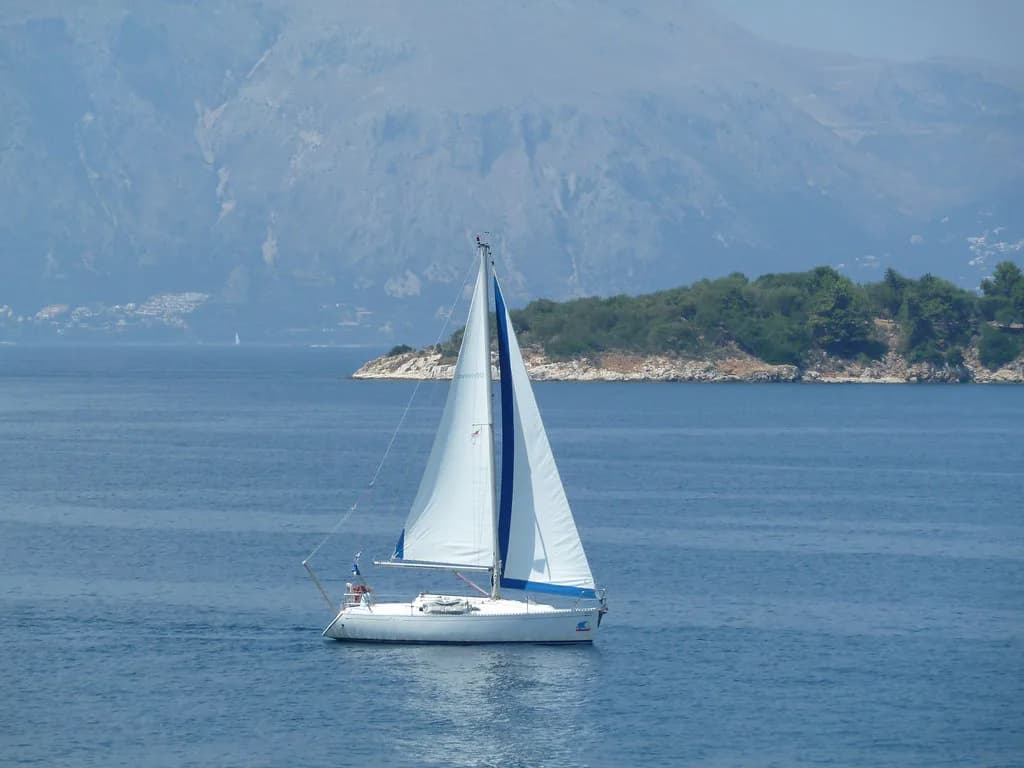
Not comfortably. The sea averages around 16°C (61°F) in December and stays cold through the season. Beach resorts and beach bars close, so winter is for coastal walks rather than swimming.
What is open in Corfu in winter?
Corfu Town stays lively, with shops, cafés, tavernas, museums and fortresses open. Coastal resort areas close down for the season. Opening hours vary, so check current details before traveling out.
What is there to do in Corfu in winter?
Explore the Old Town and Liston, visit the Archaeological Museum, Old Fortress and Achilleion Palace, tour the Patounis Soap Factory, walk sections of the Corfu Trail and eat in hill villages such as Pelekas and Chlomos.
How do you get around Corfu in winter?
Buses run on reduced winter schedules and summer boat services don't operate, so a rental car is the practical choice for villages, trailheads and the monastery at Paleokastritsa. Corfu Town remains connected by air and daily ferries.
Is Corfu worth visiting in winter?
It is worth it for culture, walking, food and low prices, with far fewer crowds. It is not worth it if you want swimming, beach days or guaranteed sunshine; late spring and early autumn suit that better.
When is Carnival in Corfu?
Carnival season brings parades and traditional music to the island, with Carnival Tuesday on 9 February 2027 and Ash Wednesday on 10 February 2027. The final week of Carnival is the liveliest, and it is worth booking ahead for those dates.
Sources
Winter travel notes
Optional updates when we add or revise winter guides.
You might also like
Continue reading
More guides you'll find useful