Tirana in Winter: What November to March Is Really Like
Tirana in winter brings mild, rainy days, quieter streets and lower prices. See typical conditions, what stays open and who should visit November to March.
On this page
Tirana in winter is a city of soft, damp days rather than frozen ones: expect grey skies, light rain and temperatures that rarely bite, with the snowy landscapes most travelers picture belonging to the Albanian Alps far to the north. That makes the capital a good fit for museum-goers, food travelers and anyone who wants a European city break without summer crowds.
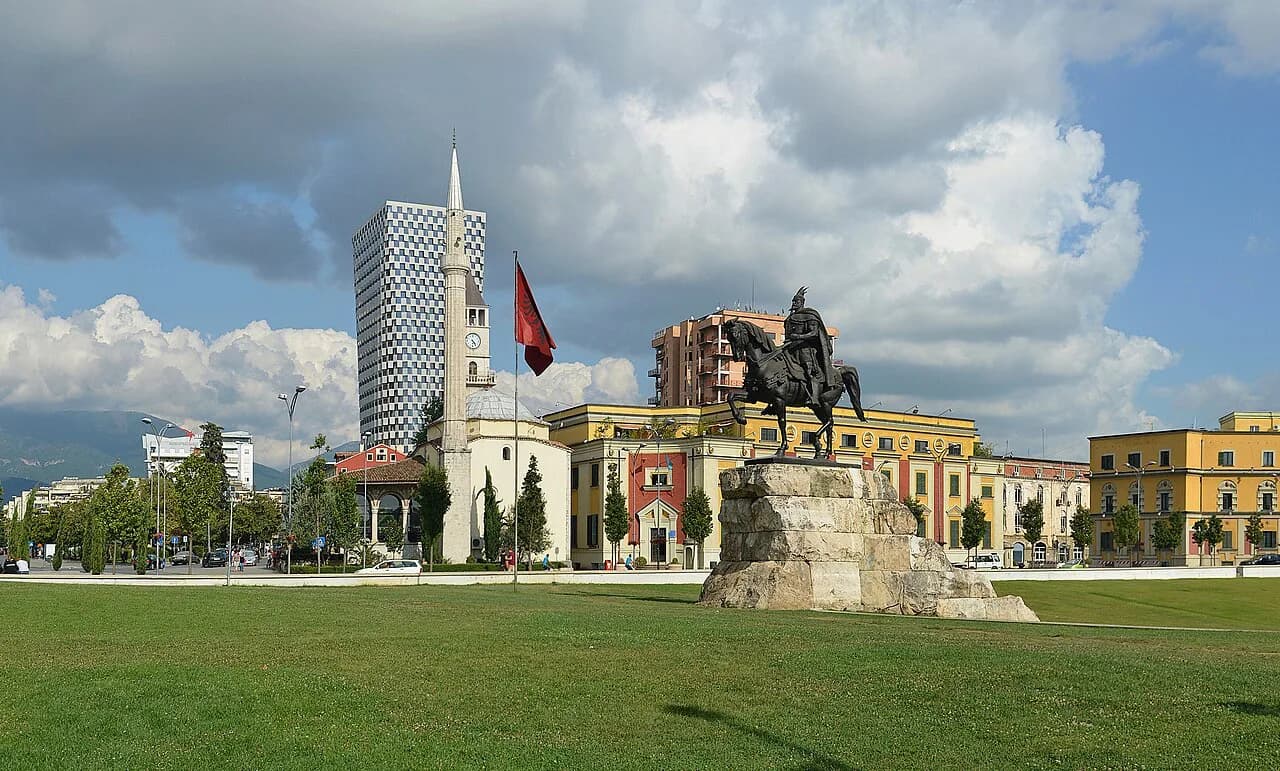
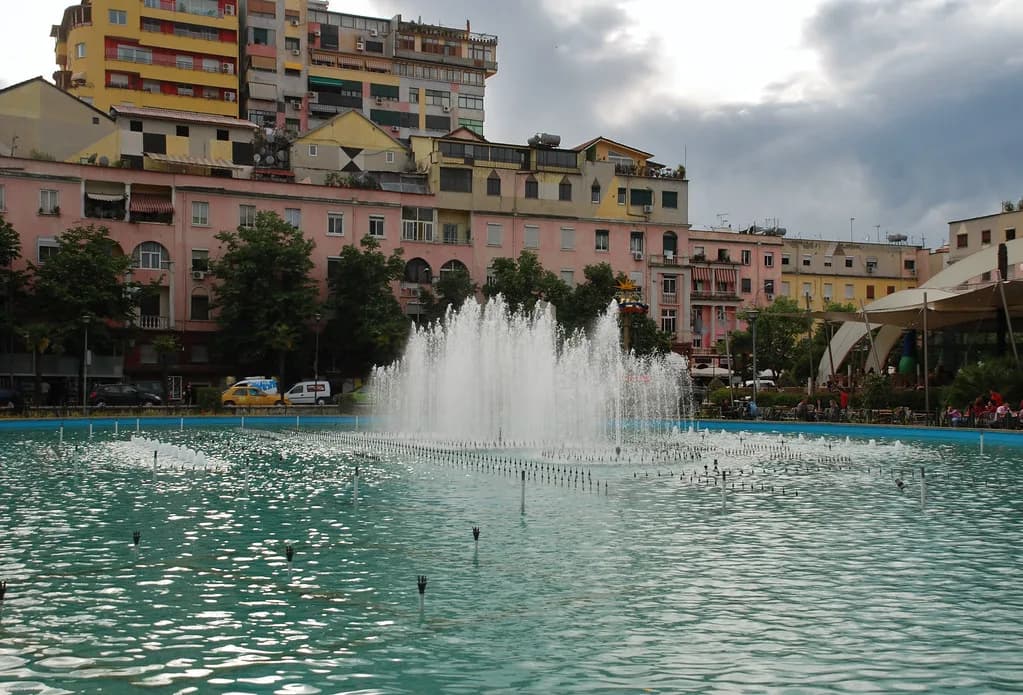
The season rewards flexible planning. Streets around Skanderbeg Square stay lively, the café culture carries on indoors, and the low season brings smaller restaurant queues and cheaper rooms outside the year-end week, as Albania's end-of-year travel specialist notes.
What Tirana Is Like in Winter
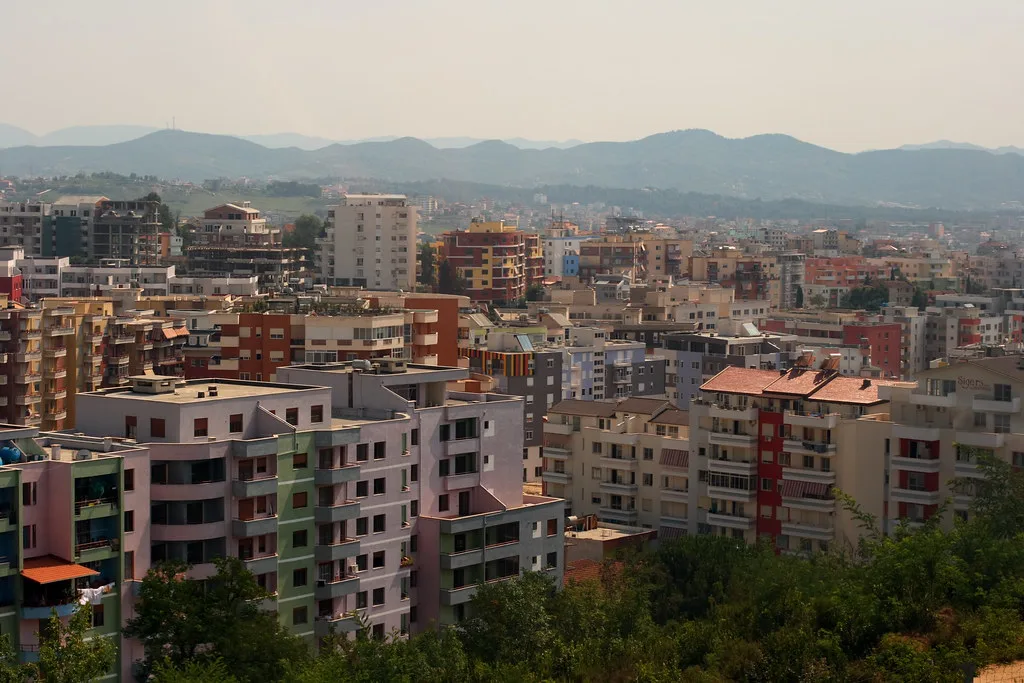
Winter settles Tirana into a mild, humid rhythm. The city sits in a central lowland basin where snow is rare and the cold is more damp than sharp, so a wool coat and an umbrella matter more than boots and thermals. The surrounding hills and the mountains beyond can look very different from the city itself.
The payoff is a capital that stays functional. Buses run, museums keep their doors open, and the café and restaurant scene continues through the dark months, which is not true of the coastal resorts that empty out after the summer season. What you lose is daylight and reliable sunshine; what you gain is room to move.
Think of Tirana as a city break rather than a winter-sports base. If you want snow-covered peaks and alpine views, that is a different trip to Theth or Valbona in the north, reached on separate mountain roads. Tirana works best when you treat it as a comfortable, low-cost urban hub with day trips attached. If you are weighing up a mild Mediterranean winter elsewhere in the region, our Greece winter guide covers where to go and what stays open. The same mild-season city-break logic applies if you are comparing Corfu in winter with the Albanian capital.
Weather in December and January
December and January are the coolest, wettest stretch of the Tirana year. Days are typically mild by Balkan standards, especially compared with inland neighbors, and rain tends to arrive as light showers rather than prolonged downpours, which keeps walking around the center practical. Pack layers and a waterproof shell rather than assuming heavy snow.
Daylight is short in both months, so plan outdoor sightseeing for the middle of the day and keep an indoor plan for late afternoon. The exact sunset time shifts week by week, and a sunrise-and-sunset table for Tirana will give you a precise picture for your dates; national weather records are the reliable place to find typical highs, lows and rainy days for the month you choose.
If your priority is festive atmosphere, Tirana in December brings decorated streets, Christmas markets in the capital and a genuine end-of-year buzz. January trades that glow for stillness: fewer visitors, easier tables and a city that feels like it belongs to residents again.
Weather in February and March
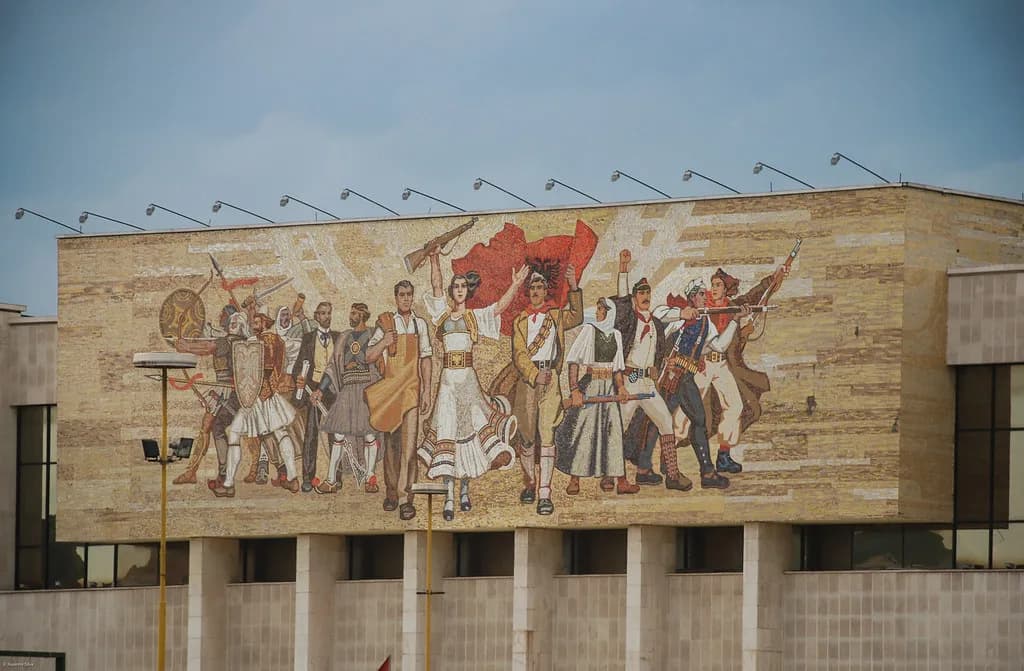
February keeps the winter pattern but edges toward change: still cool and showery, with the occasional brighter spell. It is a month for indoor culture and food rather than long walks, and it is often the quietest time to have the National History Museum or the galleries largely to yourself.
March is the turning point. Days lengthen noticeably, and after the clocks go forward in late March the evenings suddenly stretch, making rooftop terraces and after-dinner walks viable again. Early March can still feel wintry, so treat the month as a transition and keep indoor options in reserve.
For planning purposes, treat any temperature or rainfall figure as a long-term average, not a forecast. Averages describe what a month usually feels like; they cannot predict the week you arrive, so cross-check closer to departure and keep your itinerary flexible.
Rain, Daylight and Snow
Rain is the defining winter feature in Tirana, more so than cold. Expect wet pavements, grey skies and the occasional heavy shower, especially in the December and January window. An umbrella and shoes with grip are more useful than a heavy parka.
Snow in the city is uncommon and rarely settles for long. The white winter scenery that appears in Albanian tourism imagery belongs mostly to the northern Alps around Theth and Valbona, which have their own snowy season and separate access. Do not book Tirana expecting a winter wonderland on the streets.
The bigger constraint is daylight. With sunset arriving early in December and January, a short trip can feel compressed, so group sights by neighborhood and save the darkest hours for museums, markets or a long lunch. By late March the balance tips back toward long, usable afternoons.
What Stays Open in Winter
Tirana does not shut down for winter. Museums, galleries, cafés and restaurants in the center and in the Blloku district operate through the season, and the city's core sights remain accessible on foot. Expect normal city rhythms rather than seasonal closures, though individual venues can vary their hours.
The contrasts lie outside the capital. Mediterranean beach resorts along the Albanian Riviera, such as Dhërmi, Himarë and Vlorë, wind down after summer and are quiet in December, which suits walkers and photographers but not swimmers. Mountain guesthouses in the Albanian Alps stay open for winter stays, but road access can be affected by snow.
For an overview of how the city's indoor spaces and markets operate before the holidays, the seasonal notes on Skanderbeg Square and the city center are a useful starting point. If you are traveling earlier in the season, Tirana in November covers the pre-festive window when the weather is still relatively gentle.
Christmas and New Year in Tirana
The Christmas season brings the capital's most visible winter activity: decorated streets, festive lights and Christmas markets with live music, crafts and food stalls. Christmas Day and New Year's Day fall within a single week, so that stretch concentrates the celebrations.
This is also the one stretch when Tirana is genuinely busy and priced higher than the rest of winter. December 28 to 31 draws domestic and regional visitors, so bookings tighten and restaurants fill. Outside that window, December remains low season and much calmer.
Early January is a quiet stretch in the city rather than a major street festival period. For a fuller picture of holiday events and market locations, see the dedicated Christmas in Tirana planning notes and keep dates flexible around the year-end peak.
Things to Do in Winter
Start with the city's indoor strengths. The National History Museum, the House of Leaves and the capital's galleries give you full days without stepping into the rain. Skanderbeg Square itself, with the Et'hem Bey Mosque and the clock tower, is best visited on a dry morning.
Food is a winter highlight. Albanian cooking leans into hearty seasonal dishes such as stuffed cabbage, slow-cooked soups and handmade jufka pasta, often served in family-run restaurants that keep their traditional recipes. Pair them with a glass of raki and a long lunch, and the grey weather stops mattering.
For a view, head up to the Dajti cable car or the hills above the city on a clear day, when the low winter light makes the skyline sharp. Save it for a gap between fronts. Bookable winter activities in the Tirana area, from guided walks to day tours, are listed by local operators.
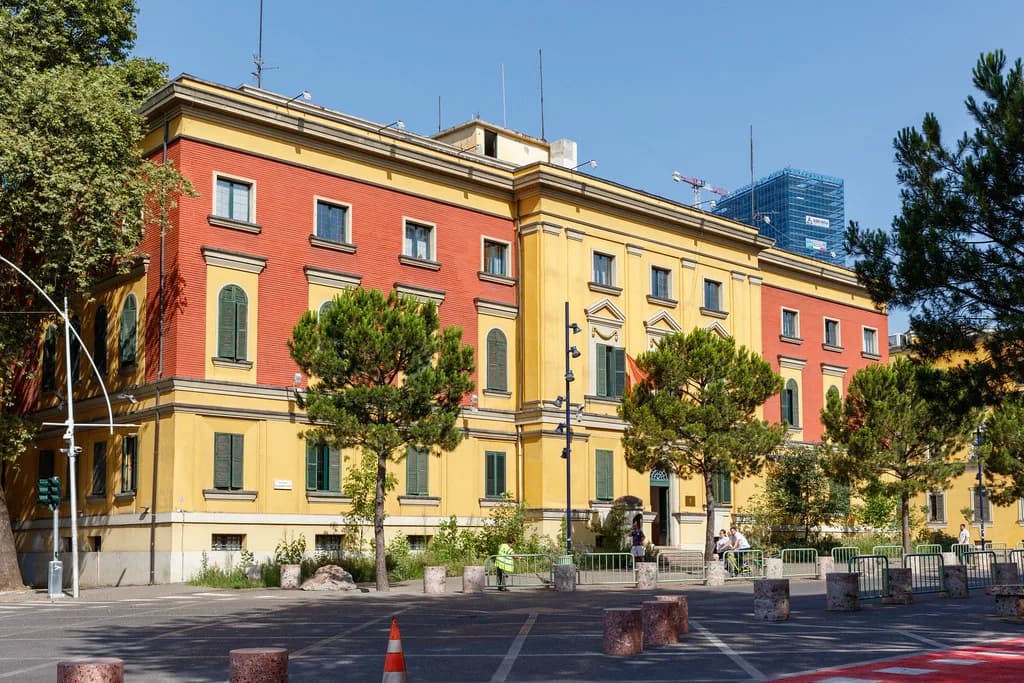
For a quieter day in January, the city slows down and museum queues disappear. That is the moment to linger over the Blloku cafés and explore the capital's layered architecture, from Ottoman and Italian-era buildings to the colorful facades of the center.
Day Trips That Work in Winter
The UNESCO towns of Berat and Gjirokastër are the standout winter day trips. Both are close enough for a long day from Tirana, and both suit the season: the historic hillside houses, cobbled lanes and early-morning fog give them a mood that summer crowds obscure.
Berat's white Ottoman houses stack up the hillside and reward a slow walk plus a stop at the castle. Gjirokastër's stone streets and fortress are equally atmospheric in rain, though surfaces get slippery. Allow a full day for either, or split them across two days if you want a gentler pace.
The coast makes a good scenic detour in winter if you accept it as a walk-and-look trip rather than a beach one. Vlorë and the Albanian Riviera turn calm and photogenic in December, with quiet water and open views. Lake Pogradec, further east, offers another peaceful contrast to the capital.
Winter Food and Drink in Tirana
Tirana's winter table is built for cold-weather appetites. Traditional soups, stuffed cabbage, baked casseroles and slow-cooked meat dishes appear on menus across the city, and portions are generous. Ordering a shared spread of small plates is the best way to sample several at once.
The café culture keeps going all winter. Locals sit for hours over an espresso or a glass of raki, and the Blloku district is the heart of it. This is a city for lingering rather than rushing between sights.
Korçë, in the southeast, is known for its own winter food traditions and Christmas market, and makes a longer overnight trip if you want to extend beyond the capital. Within Tirana itself, family-run restaurants are the best bet for homemade, generational recipes.
Crowds, Prices and Short Days
Outside the year-end peak, winter is low season in Tirana. Rooms cost less, restaurant waits shrink and popular sights feel spacious, which is why the season can deliver strong value for a city break. The one exception is the last days of December, when demand jumps.
The trade-off is the weather and the light. Short days and rain can limit how much you see on a tight schedule, so plan fewer stops per day and leave room for a warm indoor reset. Travelers who need guaranteed sunshine should look at a different season or a different destination.
Booking early for the year-end week while staying flexible the rest of the season is the sensible approach. Flights into Mother Teresa International Airport and city hotels are easiest to compare well before you travel.
Who a Winter Trip Suits
Tirana in winter suits city-break travelers, food lovers, museum-goers and anyone who values low prices and quiet streets over sunshine. It also works well as a base for UNESCO day trips and as part of a wider Balkan winter route.
It suits you less if you want winter landscapes, guaranteed dry weather or a lively beach scene. For snow you would head to the Albanian Alps; for sun you would look to summer. If festive lights are the main draw, plan around Christmas and New Year rather than mid-January.
Use the calendar to set expectations. After the clocks go forward in late March, evenings lengthen quickly, and the city moves toward spring. Before then, plan around the dark afternoons and you will enjoy Tirana at its quiet, hospitable best.
Plan Your Winter Trip to Tirana
The best month depends on what you want: December for festive atmosphere, January for the quietest and cheapest city break, February for calm indoor culture, and March for lengthening days. All four are mild and damp rather than snowy, which suits a capital break but not a winter-sports trip.
Book early for the last days of December, keep the rest of the season flexible, and let the weather decide which day trips you take. Trips to Berat, Gjirokastër and the quiet Riviera run year-round, so a rainy forecast does not have to ruin your plans.
Explore more Tirana winter guides
Frequently Asked Questions
Does it snow in Tirana in winter?
Snow in the city is uncommon and rarely settles for long. Tirana sits in a lowland basin where winter is mild and damp, so you are far more likely to meet rain than snow. The snowy landscapes in Albanian tourism imagery belong mainly to the northern Alps around Theth and Valbona, which are a separate trip with different access.
What is the weather like in Tirana in January?
January is one of the coolest and wettest months, with mild days for the Balkans and rain that often arrives as light showers rather than long downpours. Daylight is short, so plan outdoor sightseeing for the middle of the day and keep indoor options for the afternoon.
Is Tirana worth visiting in winter?
Yes, if you want a city break rather than a snow holiday. Museums, cafés, restaurants and the central sights stay open, crowds are thin outside the year-end week, and prices are at their lowest. It suits food and culture travelers; it does not suit anyone hoping for guaranteed sunshine or winter landscapes.
What is there to do in Tirana in winter?
Focus on indoor culture: the National History Museum, the House of Leaves and the city's galleries, plus long lunches of traditional soups, stuffed cabbage and jufka pasta. On a clear day, ride the Dajti cable car for views, and use the capital as a base for day trips to Berat and Gjirokastër, which keep their atmosphere in rain and fog.
Does Tirana have Christmas markets?
Yes. The capital hosts Christmas markets with live music, crafts and food stalls during the festive season, and the streets are decorated with lights. The exact locations and dates are set by the organisers each year, so look for the city's official announcements.
Is Tirana cheap in winter?
Outside the last days of December, winter is low season, so rooms and restaurant meals are generally less expensive than in summer and you will face shorter waits. The year-end week is the exception, when demand from domestic and regional visitors pushes availability and prices up.
Sources
Winter travel notes
Optional updates when we add or revise winter guides.
You might also like
Continue reading
More guides you'll find useful