Tirana in November: Weather, What's Open and What to Do
Tirana in November brings cool, damp days and short daylight. See typical temperatures, what stays open, and whether the quieter month suits your trip.
On this page
Tirana in November is the month when the city stops performing for visitors and settles back into its own rhythm. The café terraces thin out, the boulevards stay walkable, and museums that were shoulder-to-shoulder in summer become genuinely usable for a rainy afternoon. It suits travelers who want culture, food and conversation without queues, and who can accept short daylight and a real chance of rain.
The month splits in two. Early November can still feel like a lingering autumn, mild enough for long walks and outdoor coffee, while late November shifts into early winter, with the national holidays of 28 and 29 November giving the city a distinct, flag-draped character. If you want the best odds of dry days, aim for the first half.
Weather in November
Typical November conditions in Tirana are cool and changeable rather than bitterly cold. Days often reach the low to mid-teens Celsius (roughly the 50s Fahrenheit), while nights drop into single digits Celsius (the 40s Fahrenheit), and rain is a recurring feature across the month. Because the city sits in a broad valley with hills close by, weather can shift quickly from bright morning to damp afternoon. Treat any forecast as a guide rather than a promise, and plan one indoor option for every outdoor one.
Rainfall is spread through the month rather than concentrated in a single week, so a three-day trip will almost certainly include at least one wet stretch. Packing a compact umbrella and a pair of shoes with grip matters more than a heavy coat, because the pavements in the center can be slick. Sunshine is limited, and the shift from autumn to early winter becomes more pronounced after mid-month, when mornings start colder and the afternoon light fades earlier.
Daylight and the feel of the days
November daylight shortens noticeably as the month progresses, with sunset arriving in the late afternoon by the final week. That makes mornings the best window for outdoor sightseeing, whether that means walking Skanderbeg Square, wandering the Blloku district or climbing to a viewpoint. Save museums, galleries and long lunches for the afternoon, when the light goes and the rain becomes less of an obstacle.
The short days also change how the city feels: the café culture shifts indoors, the streets empty earlier, and evening entertainment starts sooner than in summer. Plan your main meal at lunchtime if you want to make the most of daylight, and keep evenings for indoor dining, live music or a slow dinner. This is a month for pacing yourself rather than cramming sights into every hour.
What stays open in winter
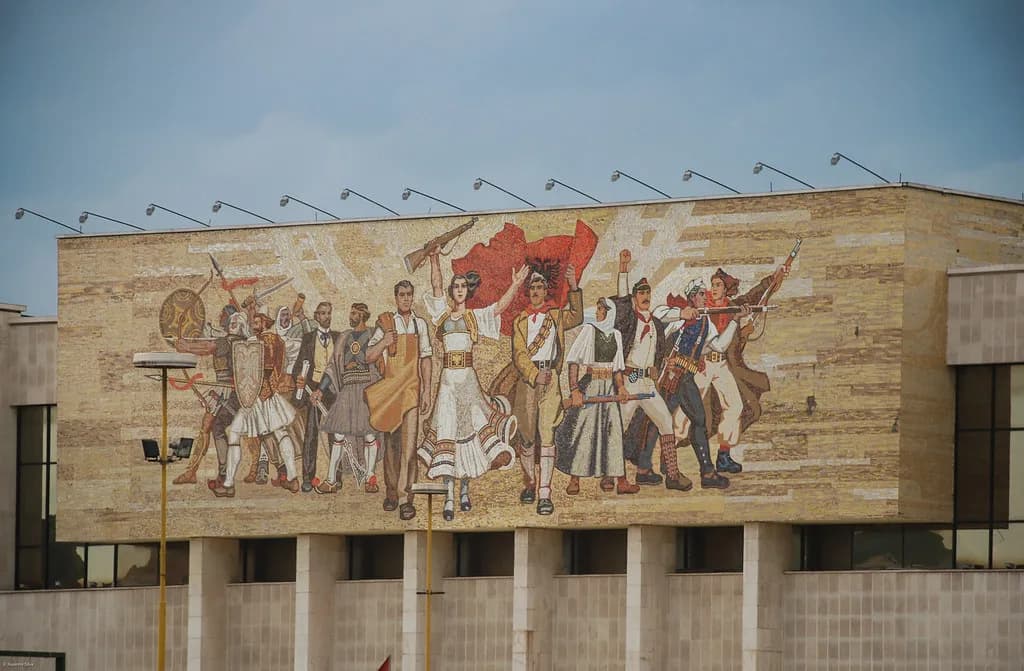
Tirana's core sights operate year-round, though hours often trim in the low season. The National History Museum, the National Gallery of Arts and the House of Leaves are indoor options that suit wet weather, and the city's central landmarks remain accessible on foot. Visitor numbers drop sharply after the summer peak, which means you can often walk into museums without waiting. Check individual venue pages for current opening days, since some reduce their weekly schedule between November and March.
Some seasonal businesses, particularly those geared to summer tourism, may cut back or close, but the city's core hospitality scene stays active. Restaurants in Blloku and the New Bazaar area continue to serve through the winter, and coffee culture is a year-round affair. The main practical adjustment is that outdoor terraces become less reliable, so build your plans around indoor spaces with a backup option nearby.
Bunk'Art and the city's history sights
Bunk'Art, the museum housed in a former nuclear bunker, is one of the best rainy-afternoon stops in the city. Its underground corridors and rooms tell the story of Albania's communist period, and the experience is largely indoors, making it ideal when the weather turns. The companion site, Bunk'Art 2, sits closer to the center and covers the surveillance apparatus of the regime. Both are worth booking ahead if you are traveling over a holiday weekend.
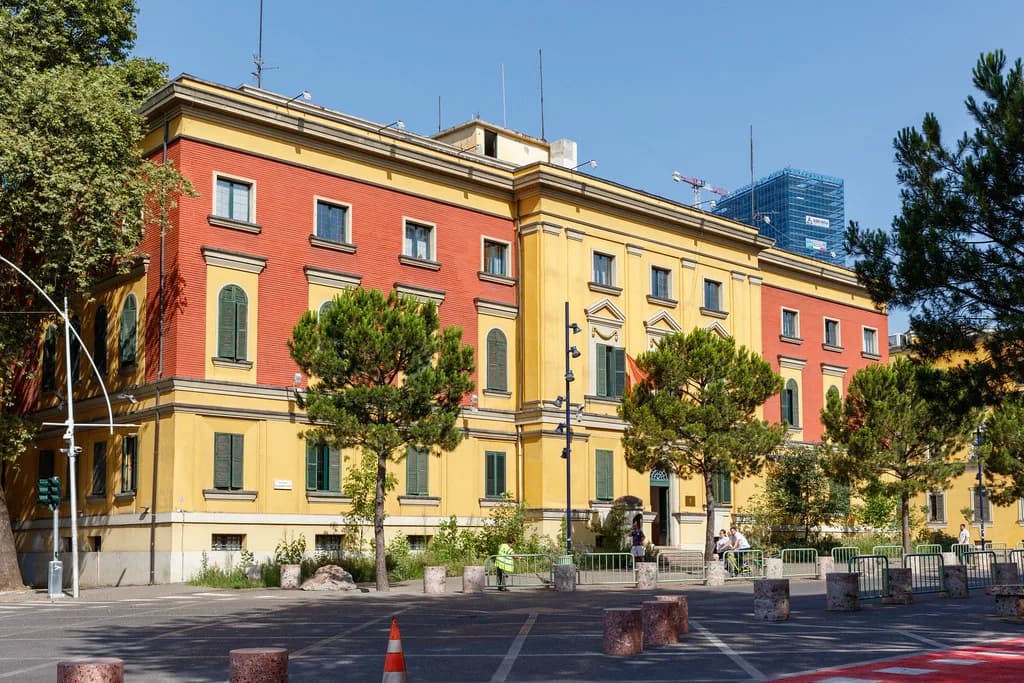
Beyond the bunkers, Tirana's Cold War and Ottoman history is layered into the city center. The Et'hem Bey Mosque, the Clock Tower and the nearby government buildings sit within a short walk of each other, and the House of Leaves documents the surveillance state in a compact, manageable visit. Pair these with a stop at the National History Museum to give context to what you have seen. All are indoor or semi-indoor, so they work in almost any November weather.
Skanderbeg Square and the central walk
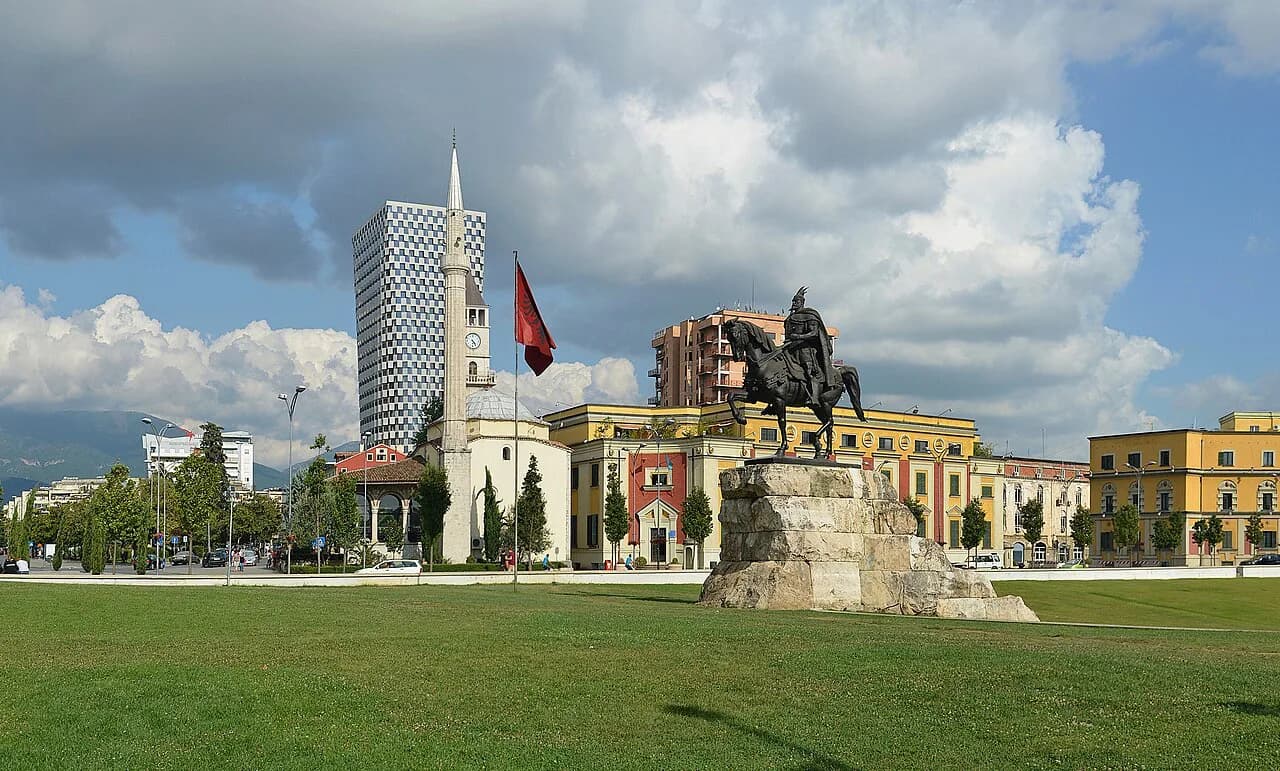
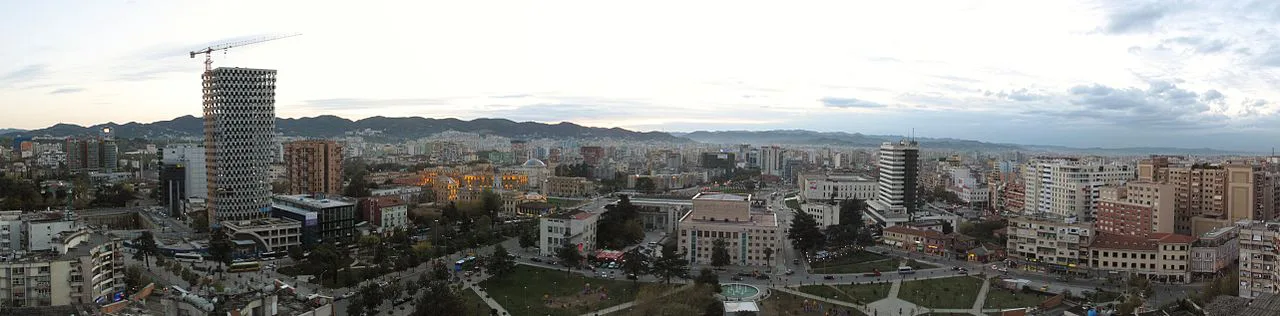
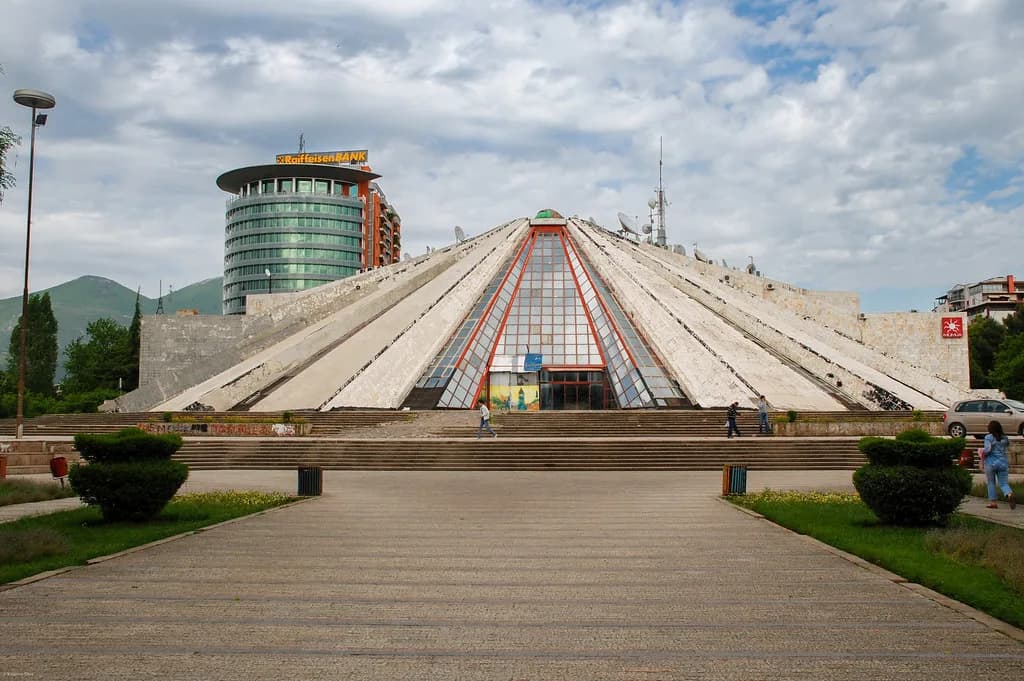
Skanderbeg Square is the city's civic heart, and in November it is far quieter than in summer. The vast paved space, ringed by the mosque, the clock tower and the opera house, is best crossed in the morning when the light is good and the paving is less crowded. From there you can walk down to the Pyramid, the New Bazaar and the Blloku district without needing transport. Allow a couple of hours for a slow loop that includes coffee stops.
A winter stroll here is less about seeing everything and more about atmosphere: the square in low light, the smell of roasted chestnuts from street vendors, and the sense of a city going about its business. Wrap up warm, because the square is exposed and the wind can cut across it. If it starts to rain, duck into the nearby National History Museum or one of the cafés along the Rruga Myslym Shyri.
Food and cafés
November is a good month to eat your way through Tirana. Byrek, the flaky pastry filled with spinach, cheese or meat, is a cheap and warming breakfast, while tavë kosi, a baked lamb and yogurt dish, suits a long lunch. The city's coffee culture runs year-round, and the cafés of Blloku and the New Bazaar are places to linger rather than rush. Expect hearty portions and a relaxed pace, with lunch often stretching into the afternoon.
The low season also means you can often get a table at places that would be booked out in summer, and the pace of service is unhurried. Look for restaurants around the New Bazaar for traditional Albanian cooking and the streets of Blloku for a more contemporary scene. If you are traveling over the 28 and 29 November holidays, book dinner ahead, as locals fill the city's restaurants during the long weekend.
Markets and indoor browsing
The New Bazaar is the city's main market for produce, cheese and household goods, and it stays active through November. It is largely covered, which makes it a sensible stop on a wet morning, and the surrounding cafés offer a place to warm up. The nearby Toptani shopping center and the city's galleries provide indoor alternatives if the rain sets in. A single Christmas market may appear later in the month, but the city's retail life is otherwise year-round.
For a slower browse, the bookshops and design stores around Blloku and the center are worth an hour, and the National Gallery of Arts offers a dry, quiet way to spend an afternoon. The advantage of November is that none of these places feel crowded, so you can take your time. Combine a market visit with a coffee and a museum stop to build a flexible wet-weather day.
Day trips that work in November
Krujë, the hill town north of Tirana, is a realistic day trip in November, though the old bazaar and castle are exposed and the roads can be slick in rain. The town's museum and the Skanderbeg Museum are indoor options, and the views over the coastal plain are atmospheric even under cloud. Winter timetables for buses and any cable car should be verified before you set out, as services can thin outside the summer season.
Mount Dajti, reached by the Dajti Ekspres cable car from the edge of the city, is weather-dependent in November. Clear days reward you with views across the valley, but cloud and wind can shut the experience down or make the top unpleasant. Check Dajti Ekspres running status on the day rather than committing in advance, and keep a city-based backup plan. Further afield, the Albanian Alps are a summer proposition, not a November one, for most travelers.
November 28 and 29: Flag Day and Liberation Day
The month's defining calendar event is the pair of national holidays on 28 and 29 November. Flag Day, on 28 November, marks the declaration of Albanian independence, and Liberation Day, on 29 November, commemorates the end of the Second World War in the country. The city marks both with official ceremonies and public events, and many Albanians travel to be with family. Expect some businesses to close or run reduced hours on the days themselves, and book transport and accommodation early if your trip overlaps.
For visitors, the holidays offer a chance to see the city at its most civic, with flags on public buildings and a generally festive mood. The main ceremonies center on Skanderbeg Square and the surrounding government district, and the atmosphere is welcoming rather than closed-off. Treat the two days as a long weekend and plan around the fact that some restaurants and shops may keep holiday hours.
Crowds, prices and trade-offs
November is firmly low season in Tirana, so crowds are thin and prices for accommodation and some tours are at their most competitive of the year. The trade-off is rain, short daylight and trimmed opening hours at some sights. If you value quiet museums and easy restaurant tables over guaranteed sunshine, the month delivers. If you want long evenings outdoors and reliable beach weather, choose another time.
Package operators list November flight-and-hotel deals for Tirana, which gives you a sense of how the low season is priced, though the exact figures change constantly. Compare a few operators and check what is included before booking, because the headline price often excludes transfers or baggage. Independent travelers will find the city's budget hotels and guesthouses similarly competitive outside the holiday weekend.
Who November suits — and who should pick another month
November suits travelers who want a cultural city break with low prices and no queues, and who are happy to build their day around a museum, a long lunch and an early dinner. It also suits anyone curious about Albania's recent history, since the bunker museums and the House of Leaves are best experienced without summer crowds. If you are planning to link Tirana with the coast or the mountains, be aware that many seasonal services have already shut, and for a milder low-season alternative with open coastal sights, see our Greece winter guide.
If your idea of a trip requires sunshine, beach time or guaranteed outdoor dining, look at another month. December brings colder days and Christmas atmosphere, while spring and early summer are better for hiking and the coast. November is for the city itself, not for the country's outdoor highlights.
Getting around Tirana in the rain and cold
Central Tirana is compact and walkable, and in November most of the sights you want are within a twenty-minute walk of Skanderbeg Square. For longer hops, taxis and ride-hailing apps are cheap and easy to find, and the city bus network covers the outer neighborhoods. Carry small notes for fares, and keep a taxi app on your phone for wet evenings when walking back to your hotel is unappealing.
If you plan to visit Mount Dajti, the cable car leaves from the edge of the city and is best reached by taxi or bus, with the return trip timed for the earlier sunset. For Krujë, buses run from the northern bus terminal, but schedules are thinner in winter, so confirm departure times at the station the day before. Build slack into any day trip, because November weather can delay road travel.
Plan Your Trip
Tirana in November rewards travelers who treat the city as the destination rather than a base for the coast or the mountains. Go early in the month for milder days and the best odds of dry weather, or late for the national holidays and a city dressed in flags. Either way, pack for rain, plan around short daylight and leave room for long lunches.
Explore more Tirana winter guides
Frequently Asked Questions
How hot is Albania in November?
Tirana and the interior are cool rather than cold, with daytime temperatures typically in the low to mid-teens Celsius and colder nights. Rain is frequent, and the coast is milder but quieter as seasonal businesses close. Treat any forecast as a guide and pack layers and a waterproof.
Is Albania expensive or cheap?
Albania is generally an affordable destination, and November is low season, so accommodation and some tours cost less than in summer. Restaurant and café prices are modest by Western European standards. For exact costs, check current hotel and tour listings rather than relying on older figures.
Will museums and monuments in Tirana be open in November?
The main museums and central monuments operate year-round, though some venues trim their weekly hours in the low season. Bunk'Art and the National History Museum are reliable indoor options. Check individual venue pages for opening days before you go.
Is November a good time to visit Tirana?
Yes, if you want a quiet city break with low prices and no queues. November suits museum-goers, food lovers and anyone interested in Albanian history. If you need sunshine and outdoor dining, choose a different month.
Sources
Winter travel notes
Optional updates when we add or revise winter guides.
You might also like
Continue reading
More guides you'll find useful