Tirana in March: Weather, Spring Events and What's Open
Tirana in March brings mild, breezy days around 13°C, longer daylight and Summer Day on 14 March. Here is what to expect and what to do.
On this page
March is when Tirana turns the corner out of winter. Days are noticeably longer, café tables reappear on the pavements, and the city's biggest spring party arrives on 14 March. It is not warm enough for sunbathing and it is not reliably dry, but it is a comfortable month for walking and sightseeing.
This guide covers typical March weather, the fixed national dates, which museums and sights to use on wet days, and the day trips that make sense before the season fully settles. It is aimed at travelers deciding between March and later spring, not at anyone chasing guaranteed sunshine.
Who March in Tirana Suits
March rewards people who plan around a city rather than a beach. Museum-goers, walkers, food-focused travelers and anyone curious about Albanian traditions will find plenty to fill three or four days, and daylight is long enough for a half-day trip out of the capital.
If your idea of a spring break is reliable sunshine and outdoor swimming, March in Tirana will disappoint. The Adriatic coast is still cold and the city sees its share of wet, breezy days. Travelers who want warmth should look at later spring, while those who want a quieter, cheaper capital with a festival should consider March seriously.
It also makes a good bridge between the deep winter months and the busy late-spring season. If you are weighing Tirana across the colder half of the year, the broader Tirana in winter overview sets out how each month differs, and March comes out as the mildest and liveliest of them.
March Weather in Tirana
Typical March days in Tirana run from a high of about 13°C (56°F) to a low of around 5°C (41°F), which makes midday pleasant for walking and evenings cool enough for a jacket. These are long-term averages rather than a forecast, so expect individual days to swing either side of them.
March is also one of the breezier months, with average wind speeds around 11 mph, and rain is a real feature of the month rather than an exception. Daylight stretches to roughly 12 hours, which is a big change from January and gives you long afternoons for sights and day trips.
The practical takeaway is to treat March as a two-plan month. Keep a walking itinerary for clear days and a shortlist of indoor sights for the wet ones, and you will rarely lose a day. Check the daily outlook before committing to a mountain excursion, because conditions at altitude differ sharply from the city.
How March Changes the City
Crowds in March are modest by European capital standards. You will share Skanderbeg Square with locals and school groups rather than tour buses, and the main museums and central restaurants operate without the queues of late spring. Room rates generally sit below the April-to-September peak, though you should price your own dates rather than assume a discount.
The trade-off is unpredictability. A sunny March afternoon feels like May, while the next morning can be grey, windy and wet, so a rigid schedule of outdoor sights is risky. Build flexibility into your days and leave the fixed slots for indoor visits or the festival.
If you want the festive version of the city, note that the decorations and market stalls belong to December rather than March; the Tirana in December guide covers that period. By March the city has moved on to spring and open-air events.
Summer Day on 14 March
Summer Day, or Dita e Verës, falls on 14 March and is Albania's loudest welcome to spring. The festival began in Elbasan as a pagan celebration of nature's rebirth and is now a nationwide public holiday, with the capital's centre filling with open-air concerts, artisan stalls and street performances.
The traditions are easy to join. Locals wear red-and-white string bracelets called verore for good luck, and the festival's signature sweet is ballokume, a dense cornflour, butter and sugar cake that appears in bakeries across the city. Try both, and expect the centre to be busy with families through the day.
Plan around the crowds rather than against them. The main square and surrounding streets are the focal point, so book nothing that requires a quiet afternoon, and use the morning for a museum before the party builds. Because 14 March is a fixed national date, it is a sound anchor for a spring trip, unlike one-off concerts that change year to year.
Teachers' Day and International Women's Day
Two smaller dates open the month. Teachers' Day on 7 March is marked with flowers and small gifts for educators, a tradition carried over from the communist era and now a warm, informal occasion. International Women's Day on 8 March is celebrated enthusiastically in Albania, with women gathering for special meals and exchanging gifts.
For visitors these are not spectator events so much as a change in atmosphere: florists busy, restaurants fuller in the evening and a general sense of occasion in the centre. If you want a table for dinner on 8 March, reserve ahead rather than turning up.
Museums for Rainy Days
Tirana's indoor sights are strong enough to carry a wet day. Bunk'Art 1, housed in a former Cold War bunker, spreads contemporary art and history exhibits over several underground floors, while Bunk'Art 2 in the city centre compresses the story of Albania's communist past into a more compact space.
The House of Leaves occupies the former headquarters of the Sigurimi, the communist-era secret police, and its rooms of surveillance equipment, photographs and documents give the regime's workings a concrete, uncomfortable shape. It pairs naturally with either Bunk'Art site for a half-day of twentieth-century history.
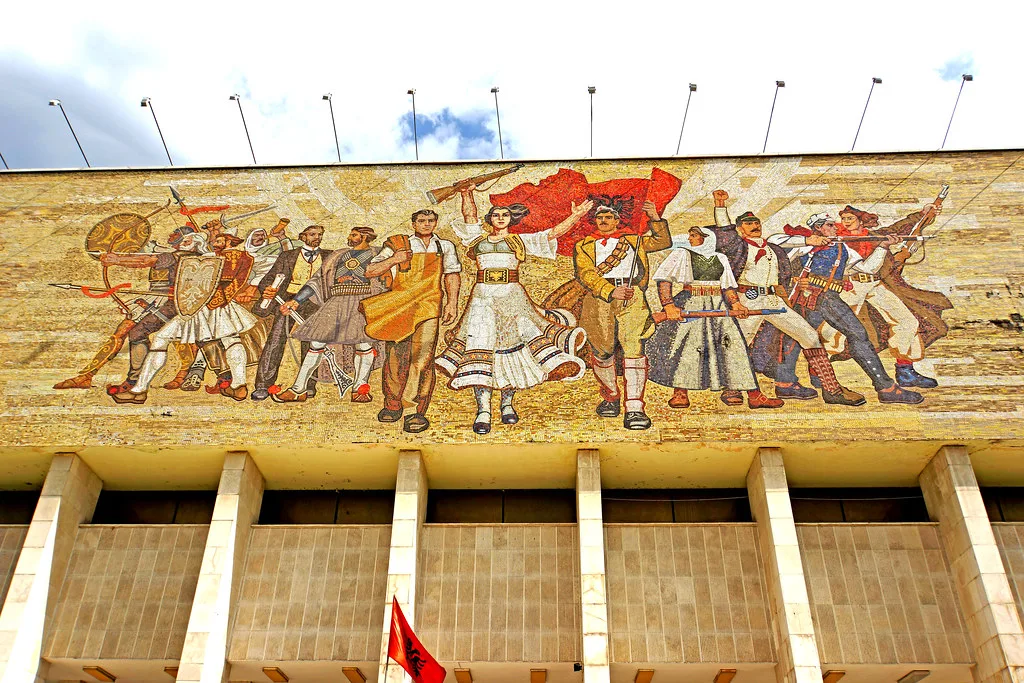
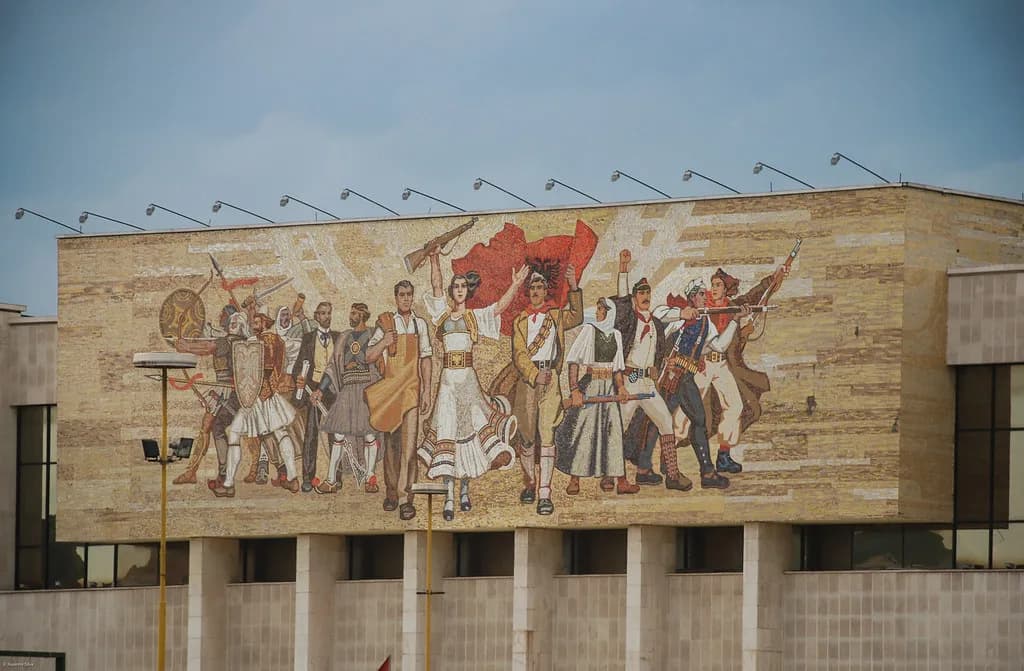
The National Historical Museum anchors Skanderbeg Square with exhibits running from the Illyrian period through the national awakening to the communist era. Its mosaic facade is one of the city's best-known images, though the museum's current opening arrangements should be confirmed with the venue before you build a day around it.
Skanderbeg Square and the Historic Core on Foot
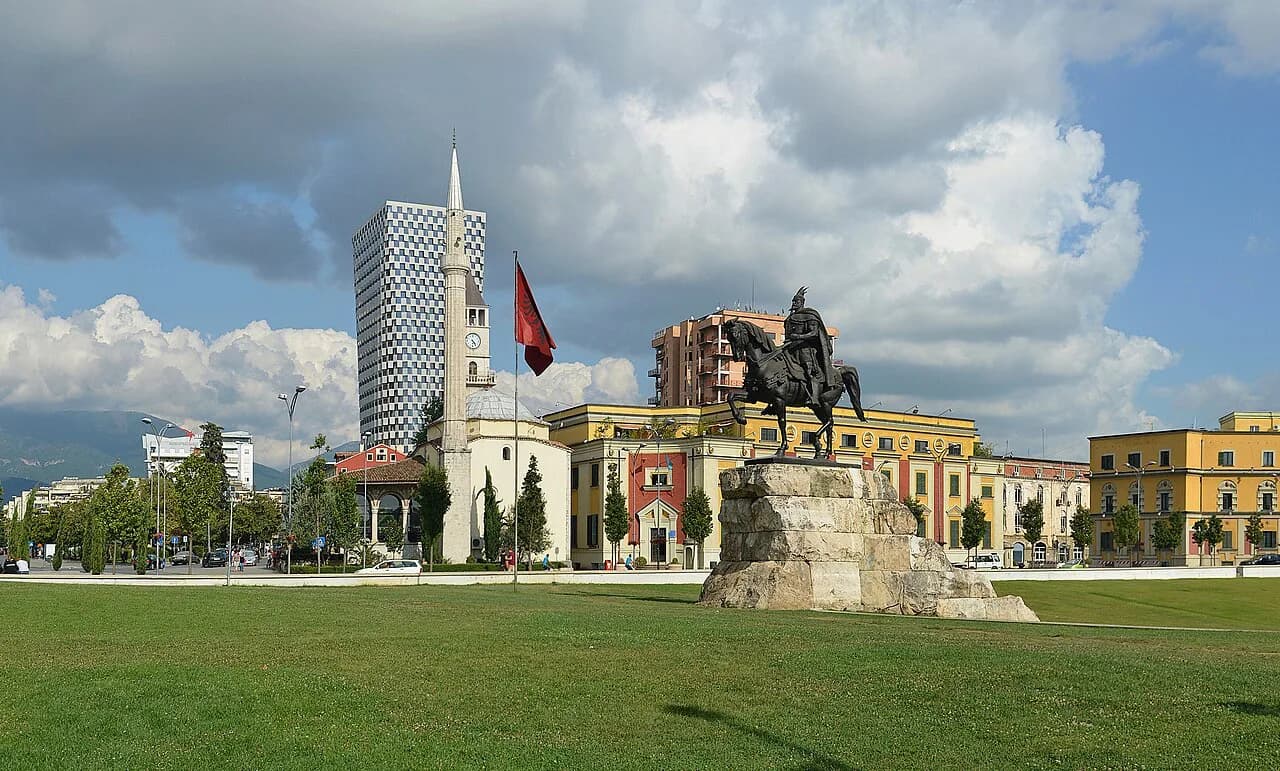
Central Tirana is compact and best covered on foot. Skanderbeg Square holds the equestrian statue of the national hero, the Et'hem Bey Mosque and the Tirana Clock Tower within a couple of minutes of each other, and the pedestrian streets leading toward Blloku and the New Market are made for wandering.
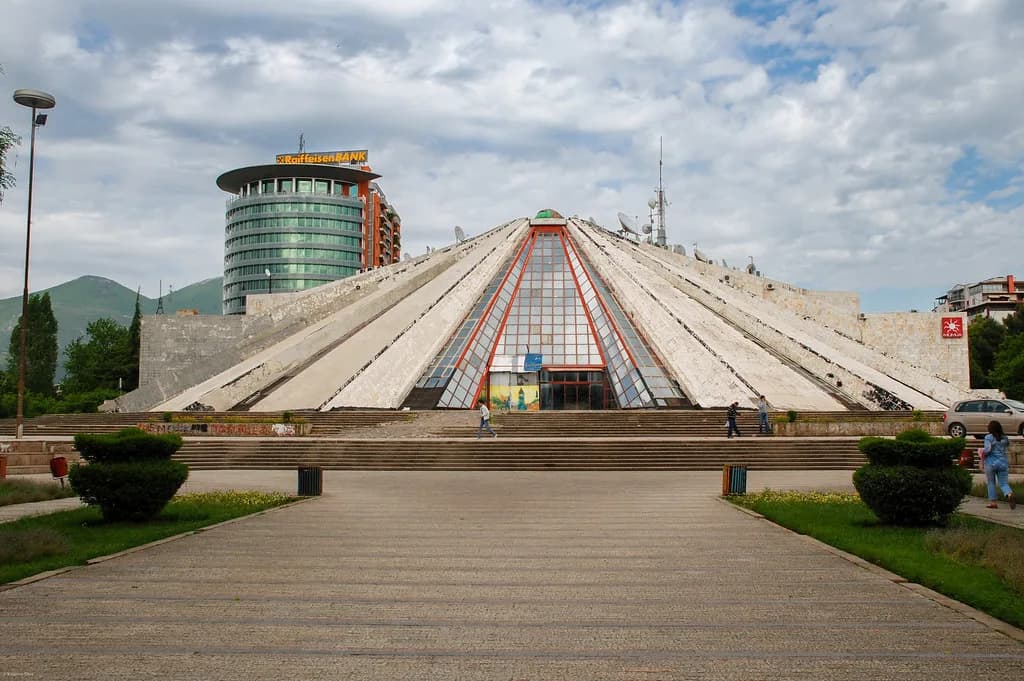
March's longer daylight makes late-afternoon walks viable in a way they are not in January. The Pyramid of Tirana is a short walk from the square, and the surrounding streets give you the mix of Ottoman remnants, Italianate buildings and colourful modern blocks that defines the city.
If you are deciding between months, daylight is the clearest divider. January afternoons close in early, as the Tirana in January guide explains, while March gives you two or three extra hours of usable light for the same itinerary.
Mount Dajti and the Dajti Express
The Dajti Express cable car climbs to Mount Dajti National Park above the city, where trails and a summit restaurant look back over the plain. It is the best half-day escape from the capital and, on a clear March day, the views are the reason to go.
Treat it as weather-dependent. Cloud can swallow the summit even when the city is bright, and wind affects the ride, so check conditions on the day and keep a city backup plan. Snow can linger on the higher ground in early March, which changes what is walkable at the top.
Day Trips That Work in March
Petrela Castle sits on a hill roughly half an hour from the city, a medieval fortress with a tower, walls and wide views over the surrounding valleys. The winding drive through rural villages is part of the appeal, and the castle's restaurant makes it an easy half-day rather than a full excursion.
Kepi i Rodonit, the Cape of Rodoni, is about an hour northwest of Tirana on the Adriatic, with the ruins of Skanderbeg's fifteenth-century Rodoni Castle and a rugged shoreline. It is a coastal walk rather than a beach day in March, so go for the scenery and accept whatever the weather gives you.
Both trips are worth it only on a reasonably settled day. Mountain roads and exposed coast are unpleasant in wind and rain, and the value of each lies in the views. Keep them flexible and slot them into the best forecast of your stay.
Eating in Tirana in March
March is good eating weather. Hearty Albanian staples such as tave kosi, baked lamb with yogurt, and fërgesë, a pepper, tomato and cheese bake, suit the cool evenings, and byrek is available everywhere for a quick lunch between sights.
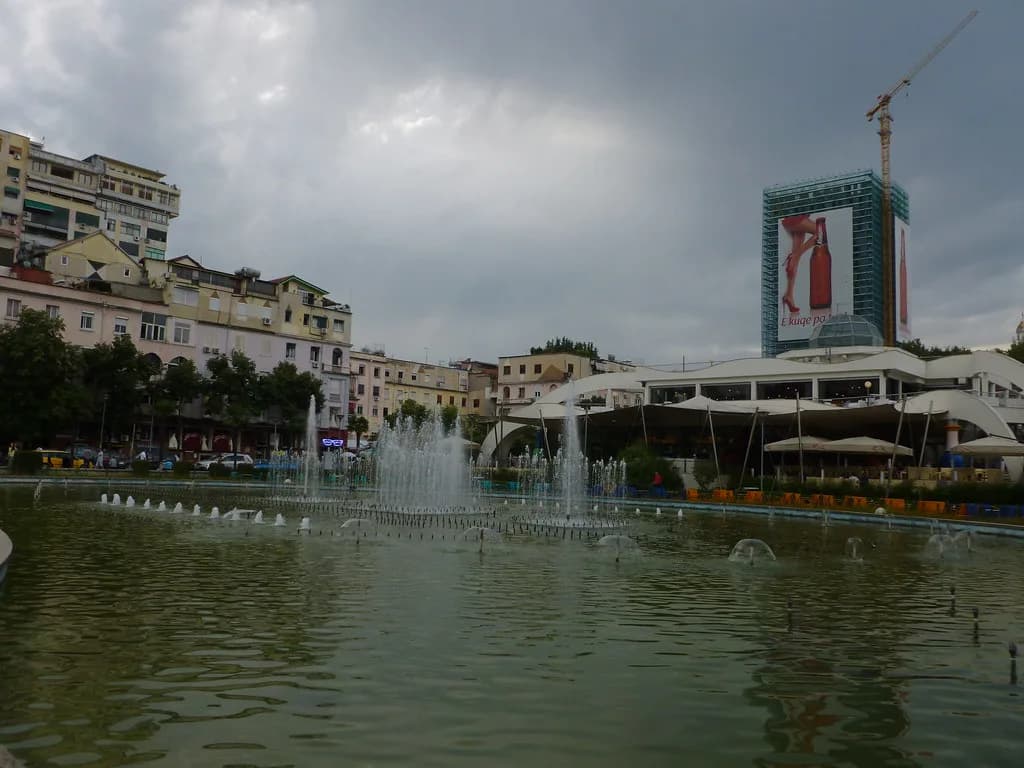
The New Market, Pazari i Ri, is the place to see produce and local products, and the Blloku district concentrates cafés, bars and restaurants in a walkable grid. During Summer Day, look for ballokume in bakeries rather than assuming it is a year-round staple.
Getting Around Tirana
The centre is walkable, and most of what a short break covers sits within twenty minutes on foot of Skanderbeg Square. For the cable car, the airport and outlying sights, use the local bus network or a taxi, and agree the fare or use a metered app before setting off.
For day trips, a hired car gives the most flexibility, though driving in the city takes nerve. Organized tours run to Petrela and the coast, but their winter and early-spring schedules vary, so check departure days directly with the tour company rather than relying on a listing.
March or Later Spring
March is the transition month: cheaper and quieter than April and May, with the festival as its fixed highlight, but with genuinely mixed weather. Later spring brings warmer, more stable days and a livelier outdoor scene, at the cost of higher prices and more visitors. If your plans hinge on a milder shoulder-season climate, our Corfu winter guide shows how the same trade-off plays out on a Greek island.
If your priority is a specific festival and you can tolerate rain, choose March. If you want dependable sunshine for walking and day trips, wait until the second half of spring. Either way, book the fixed dates first and let the weather fill in the rest.
Plan Your March Trip
March in Tirana is a month of two halves: mild, breezy days with long light and the loud, joyful Summer Day on 14 March, balanced against rain and a real chance of grey skies. Build an itinerary with both an outdoor and an indoor plan for each day and you will get the best of it.
Fix the festival date, keep Mount Dajti and the coastal cape flexible for the clearest forecast, and use the museums when it turns. Travelers who want guaranteed warmth should aim later in spring; those who want a lively, affordable capital with local traditions should take March as it comes.
Explore more Tirana winter guides
Frequently Asked Questions
What is the weather like in Tirana in March?
Typical March days reach about 13°C (56°F) and fall to around 5°C (41°F) at night, with breezy conditions and a real chance of rain. Daylight is roughly 12 hours by the end of the month. These are long-term averages, not a forecast, so some days will be warmer and some much wetter.
Is March a good time to visit Tirana?
Yes, if you want a quieter, generally cheaper capital with a major local festival. March suits walkers, museum-goers and food-focused travelers. It is a poor choice for anyone expecting beach weather, because the coast is still cold and the city sees regular rain.
What is Summer Day in Albania?
Summer Day, or Dita e Verës, is celebrated on 14 March and marks the arrival of spring rather than summer. It began in Elbasan as a pagan festival and is now a national holiday, with concerts, markets and street performances in Tirana and traditional touches such as red-and-white verore bracelets and ballokume cake.
Does it rain a lot in Tirana in March?
Rain is a normal part of the month rather than an exception, and March is also one of the windier months. Plan around it by keeping indoor sights such as Bunk'Art 1 and the House of Leaves as backup for wet days, and save mountain and coastal trips for clearer forecasts.
Should I visit Tirana in March or April?
Choose March for lower prices, smaller crowds and the 14 March festival, accepting mixed weather. Choose April or May for warmer, more stable days and easier outdoor planning. The longer March daylight already makes sightseeing comfortable, so the decision comes down to how much rain you will tolerate.
What can I do on a rainy day in Tirana?
Head indoors to Bunk'Art 1 or Bunk'Art 2 for Albania's communist history, or the House of Leaves for the secret-police story. The National Historical Museum on Skanderbeg Square is another option, and its current opening arrangements are best confirmed with the museum before you go.
Sources
Winter travel notes
Optional updates when we add or revise winter guides.
You might also like
Continue reading
More guides you'll find useful