Tirana in February: Weather, Events and Winter Things to Do
Tirana in February means cold, breezy days, low-season calm and a busy cultural calendar, from Capital Day to jazz week. Here is what to expect.
On this page
February is Tirana at its quietest and most indoor-focused: cold, often breezy, with short days that push you toward museums, theatres and long lunches rather than long walks. Yet the city keeps working through winter, and the month carries a stronger cultural program than January or December. It suits travelers who value low-season calm, low prices and a genuine Albanian city over beach weather.
The trade-off is weather and light. Days are cool enough for a coat, rain is possible, and darkness arrives early, so you build a February trip around a few well-chosen sights and evenings out rather than full days on foot. Read on for typical temperatures, what stays open, what happens in the month and which day trips still make sense.
Weather in February
Typical February days in Tirana run from a high of about 10°C (51°F) to a low of about 3°C (37°F), cold but mild for the Balkans, and the city often feels breezy. Expect roughly a 41% chance of rain on any given day, with about 0.2 inches (5 mm) when it does fall, so a waterproof layer earns its place in your bag. Daylight averages about 10.6 hours, with sunrise near 6:37 AM and sunset near 5:11 PM.
Treat those figures as long-term averages, not a forecast: February can deliver a bright, crisp week or a run of grey drizzle, and the mountains above the city can be snowy while the streets are merely damp. Albania as a whole takes a lot of winter rain, which matters more for mountain roads than for a city break. Check a short-range forecast from the Albanian national weather service in the days before you travel.
How February Compares With January and March
January is the coldest month in Tirana, with highs of about 9°C (47°F) and lows near 2°C (35°F), so February is a slight step warmer and noticeably lighter in the evenings. If your priority is the shortest, darkest version of the city, January is the deeper winter experience; if you want a little more daylight and the first hint of spring, wait a few weeks.
March warms further and lengthens the days, but it also brings the run-up to Easter, which changes the rhythm of an evening stroll. February sits at the edge of winter: still cold, still low season, but with a cultural calendar that gives the month its own reason to visit.
Crowds and Costs
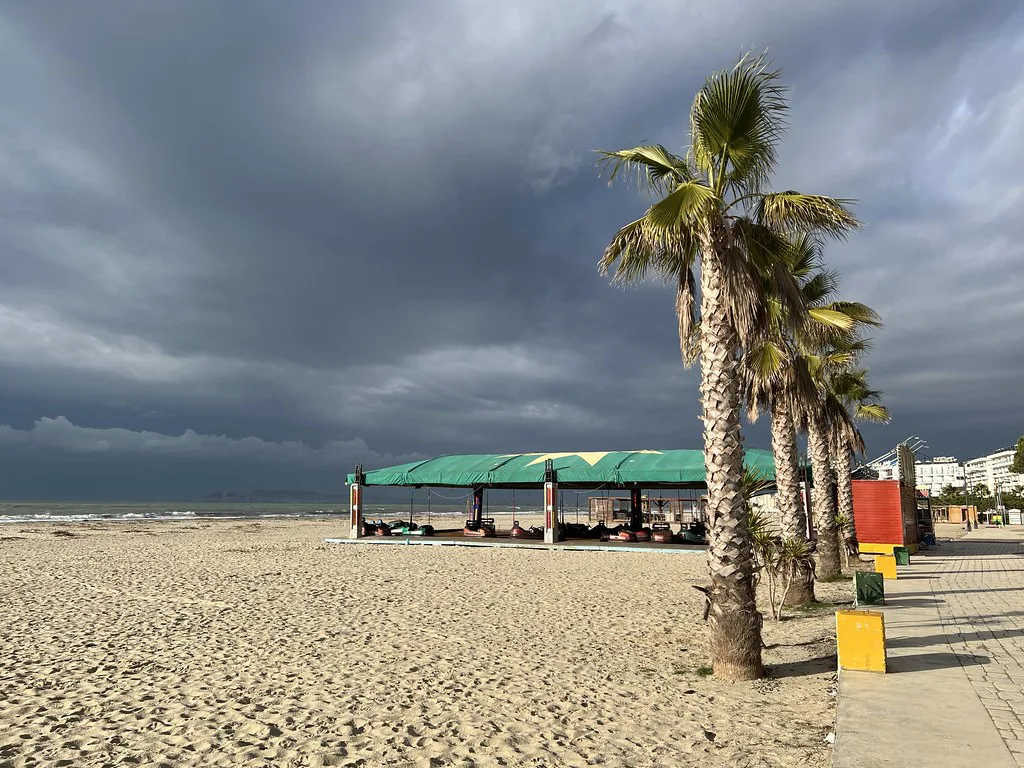
February is firmly low season in Albania, and even summer in Tirana is calmer than comparable European capitals, so the city feels uncrowded now. Prices at hotels and restaurants are at their softest, and you can usually decide on a restaurant the same evening rather than booking ahead. Coastal resorts on the Albanian Riviera are seasonal and largely shut, which is one more reason to keep this trip focused on the capital and inland.
The low season also means fewer queues at the major sights and more space in cafes, which matters when the weather keeps you indoors. Set expectations accordingly: some seasonal businesses and seaside operations simply do not operate in winter, but the city's core museums, theatres and restaurants do.
What Is Open in Winter
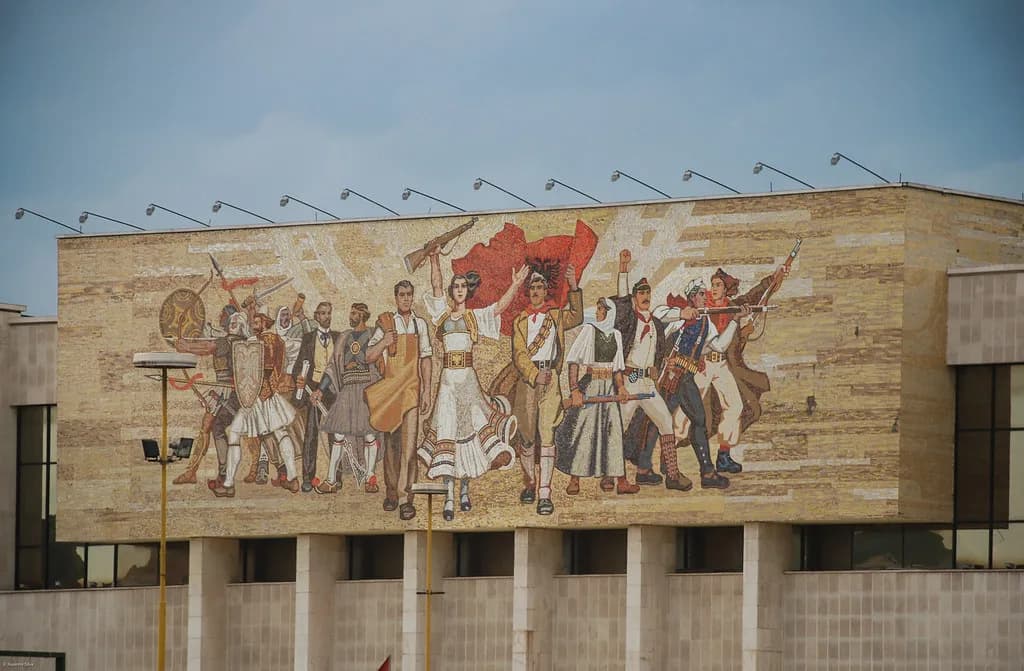
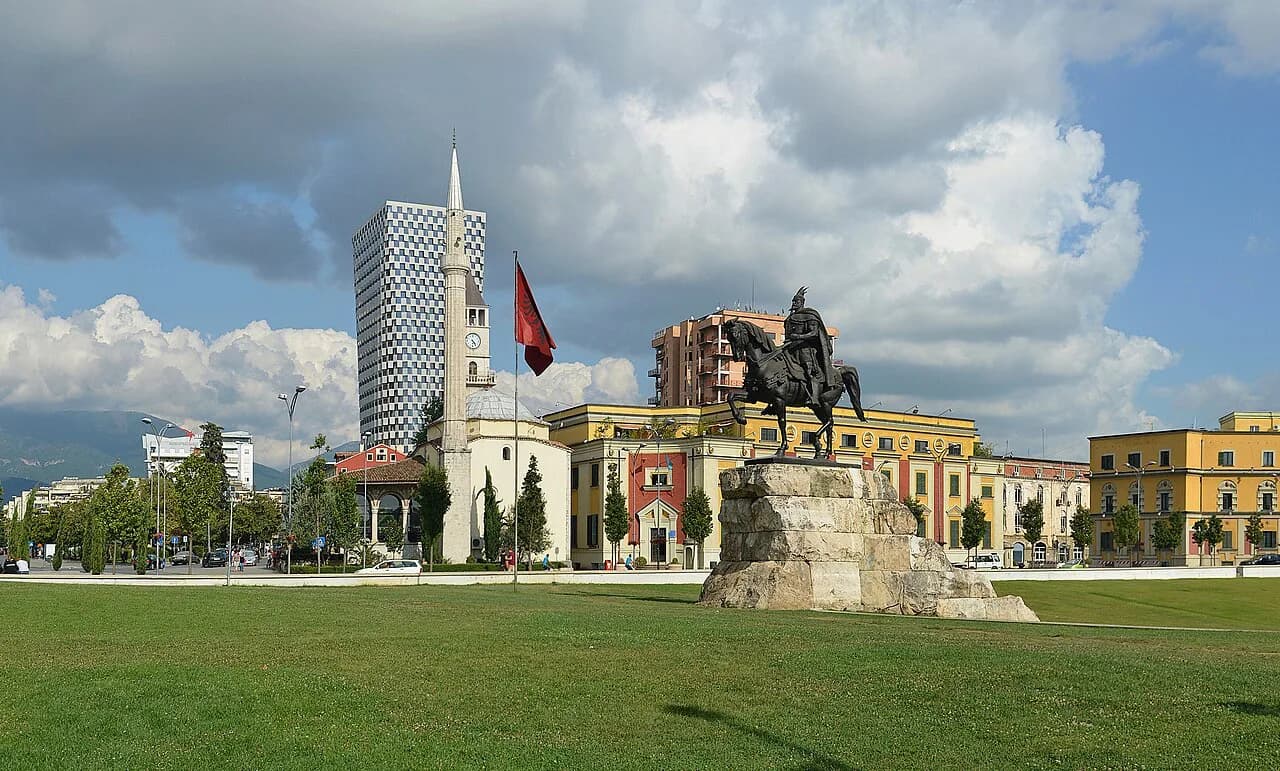
Tirana's central sights stay in business through February: Skanderbeg Square, the Et'hem Bey Mosque, the Clock Tower and the opera and ballet theatre all anchor the center, with the National History Museum's vast mosaic façade marking the square's edge. The city's museums, galleries and theatres are the backbone of a winter visit, since they work whatever the sky is doing.
The Grand Park of Tirana and Farka Lake remain open for walks, though February is more about a brisk circuit than a picnic. On the mountain above the city, the Dajti cable car is the usual way up for views; check Dajti Express directly for its winter timetable and whether the upper station is running before you build a day around it.
For a fuller picture of what stays open across the season, from December's markets to the deep-winter months, see the wider winter guide to the city. Museum opening hours can shift out of season, so confirm times with the museum or the national tourism board before a long trip across town.
What Is on in February
The month's anchor is Tirana Capital Day on 11 February, marking the anniversary of the city becoming Albania's capital in 1920. The city usually marks it with a photographic exhibition on its evolution, plus poetry readings and cultural events in the squares. Treat the format as annual tradition rather than a fixed programme and look for the current year's listings from Visit Tirana.
The National Theatre of Opera, Ballet and Folk Ensemble stages opera and ballet through the month, and in past seasons the programme has included major productions alongside family shows at the Puppet Theatre. Tirana Jazz Week has filled intimate venues such as Reja and Kino Agimi with local and international artists in previous years. Dates and line-ups change each season, so check the theatre and festival organizers for the February 2027 schedule rather than relying on last year's calendar.
Valentine's Day on 14 February brings hearts and decorations to the city center and special menus in many restaurants, a useful marker if you want to combine a Tirana city break with festivities elsewhere in the region.
Valentine's Day in Tirana
Mid-February turns the center romantic in a very Tirana way: decorations in the squares, love-themed events, and restaurants and cafes laying on set menus for couples. Dining out is the main event, so book a table for the evening if you have a particular place in mind. Restaurants around Blloku and the center are the obvious choices, and the city's own listings suggest spots such as Morsi, Amo Sushi and Veranda among others.
If you would rather skip the set-menu crush, use the evening for a performance instead: opera, ballet or a jazz set can be a better Valentine's plan than a crowded restaurant. Either way, book ahead for the weekend closest to 14 February, when demand peaks.
Dajti Mountain in Winter
Dajti Mountain rises directly above Tirana, and in February its upper slopes can be snow-covered while the city below is merely cold, giving you a genuine winter landscape within a short trip from the center. The cable car is the classic way up, and the views over the city and coastal plain are the reward; the upper station's facilities and the cable car's operating hours vary with season and weather, so check Dajti Express before setting out.
Lower down, Farka Lake offers an easy escape minutes from the city, with walking trails, birdwatching and local restaurants nearby. It is a gentler option when the mountain is clouded in or you want a short half-day out rather than a full excursion.
Things to Do
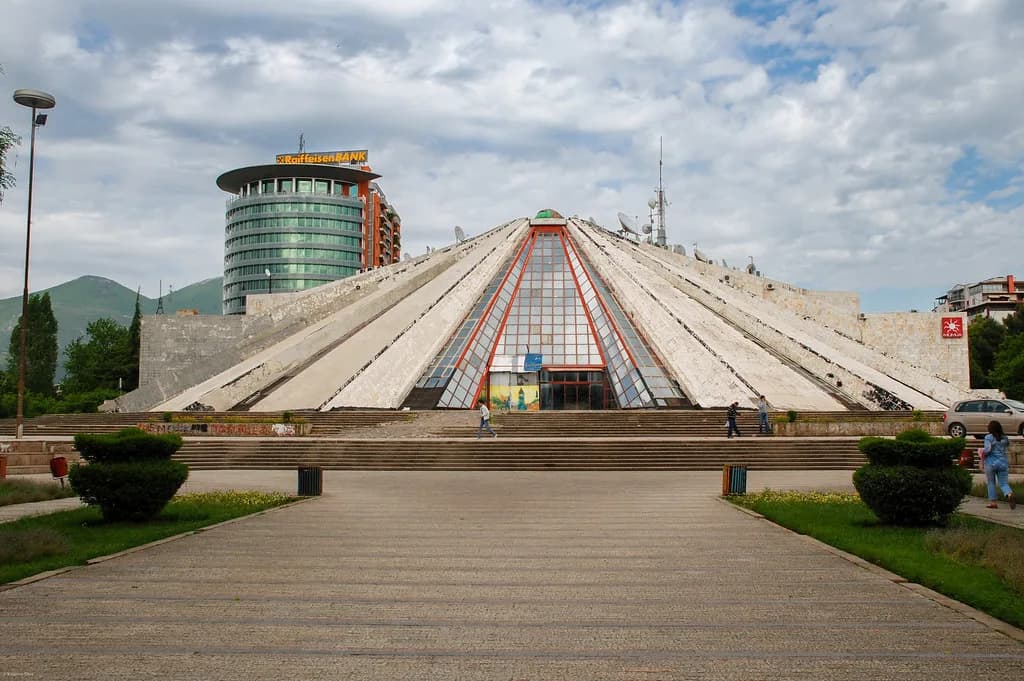
Start indoors. The National History Museum, Bunk'Art and the Piramida give you a compact course in Albania's Ottoman, communist and modern history, and they are exactly the kind of places a cold, damp February day calls for. Museum hours can be trimmed out of season, so build one headline museum into each day rather than trying to tick off five.
Smaller collections reward a slower afternoon: the Postal Museum Gallery traces Albania's postal history back to its first government, and the Museum of Natural Sciences covers a country holding roughly 30% of Europe's flora and 42% of Europe's fauna. Both are compact enough to pair with a coffee and a walk.
For food, head to Pazari i Ri for produce and local flavors, then drift into Blloku for cafes, bars and restaurants. February menus lean hearty: stews, soups and grilled meats suit the weather. Walking the block between the New Market and Blloku is one of the easiest ways to spend a short, cool afternoon.
If you are weighing a different month in the same season, the November guide shows the city before the cold sets in.
Day Trips That Work in February
Krujë, north of Tirana, is the easiest day trip: a medieval castle, mountain views and a short drive each way make it a good fit for a short winter day. Berat, a UNESCO World Heritage Site with well-preserved Ottoman architecture, is farther south and better as an overnight than a rushed return trip.
Winter road conditions can affect mountain routes, and Albania's heavy winter rain has caused landslides in upland areas, so check the forecast and road conditions before heading out. If you want snow, the ski fields around Korçë in the southeast are the country's winter draw; from Tirana, treat them as a separate trip rather than a day out.
The Trade-Offs
February gives you short days, rain and the occasional cold snap, with sunset before half past five and a real chance of drizzle on any given day. Those conditions suit travelers who like cities, museums, theatre and food, and who are happy to plan around the weather rather than fight it. They suit less well anyone hoping for long hikes, beach time or reliable sunshine; if a mild island escape is what you had in mind instead, our Corfu winter guide shows what that alternative looks like.
If you want a brighter, longer version of the same city, aim for late spring or early autumn, when the coast opens and the days stretch. If you want the city at its most festive, December's markets and lights give a different kind of winter trip. Check the December guide for that contrast before you commit.
If you are planning around the holidays rather than the month, the Christmas guide covers the festive season in the city.
Plan Your February Trip
February in Tirana is a low-season city break with a strong cultural spine: Capital Day on 11 February, opera, ballet and jazz, and museums that reward a cold afternoon. Go if you want space, lower prices and a real Albanian city in winter; wait for spring if you need long daylight and reliable sunshine.
Build each day around one indoor anchor and one short walk, keep an evening free for a performance or a long dinner, and check the forecast and the Dajti Express timetable before committing to a mountain day. That is enough to make a short, cold month work in your favor.
Explore more Tirana winter guides
Frequently Asked Questions
How cold is Tirana in February?
Typical February days run from a high of about 10°C (51°F) to a low of about 3°C (37°F), often with a breeze. Treat these as long-term averages rather than a forecast, and check a short-range forecast from the Albanian national weather service before you travel.
Is February a good time to visit Tirana?
Yes, if you want a low-season city break with museums, theatre, jazz and restaurants at their quietest. February is cold, often wet and short on daylight, so it suits travelers who plan around indoor sights rather than long days outdoors.
Does it rain a lot in Tirana in February?
There is roughly a 41% chance of rain on any given day, with light totals when it falls. Albania as a whole receives a lot of winter rain, which affects mountain roads more than the city, so a waterproof layer and a flexible plan are sensible.
Is Dajti Mountain worth visiting in February?
Yes, for the contrast: the upper slopes can be snowy while the city is merely cold, and the cable car offers views over Tirana and the plain. Check Dajti Express for its winter operating hours and the upper station's facilities before you go, since weather can affect both.
What events happen in Tirana in February?
Tirana Capital Day falls on 11 February and is marked with exhibitions and cultural events in the squares. The city's opera and ballet theatre performs through the month, and Tirana Jazz Week has filled venues such as Reja and Kino Agimi in past seasons. Confirm dates with the organizers for the current year.
Can I visit Krujë or Berat as a day trip in February?
Krujë works well as a day trip from Tirana, with a medieval castle and mountain views a short drive north. Berat is farther south and better as an overnight. Winter rain can affect mountain roads, so check conditions before setting out.
Sources
Winter travel notes
Optional updates when we add or revise winter guides.
You might also like
Continue reading
More guides you'll find useful