Tirana in January: Winter Weather, Events and Things to Do
Tirana in January is cold, often wet and quiet, with short days and low prices. Here is the typical weather, what stays open and what to do indoors.
On this page
January strips Tirana back to its everyday self: commuters, cafés, and a wide central square without the summer crowds. Days are short and often damp, but prices are at their lowest and the main sights are close enough together to cover on foot. It is a month for travellers who care more about museums, bunkers and Balkan food than about blue skies.
The trade-off is real: you will likely spend part of the trip indoors, and an afternoon plan needs to start before the light goes. If your idea of a winter city break is long walks and terrace lunches, January will feel constrained. If you want Tirana without queues and with room to linger, it is one of the better months to see the city.
Weather in January
Long-term averages for Tirana put the typical January daytime high at 11°C (52°F) and the night-time low at 2°C (36°F). The same data shows rain on about 13 days of the month, 127 mm of rainfall, and only around four hours of sunshine a day. Treat these as typical conditions rather than a forecast, and expect a mix of grey dry spells and wet days.
Those four hours of sunshine sit inside a day of roughly ten hours of daylight, so the bright spells are the exception rather than the rule. In practice you get a better chance of clear views in the morning, with cloud building through the afternoon. The month also carries a low UV index, so sunburn is a non-issue on the short outdoor stretches.
Daylight and the Shape of a January Day
On 1 January 2027, sunrise in Tirana is around 07:07 and sunset around 16:22, giving just over nine hours of daylight. By 16 January the window runs roughly 07:04 to 16:37, and by 31 January about 06:53 to 16:55. The gain across the month is modest but noticeable if you stay a week or more.
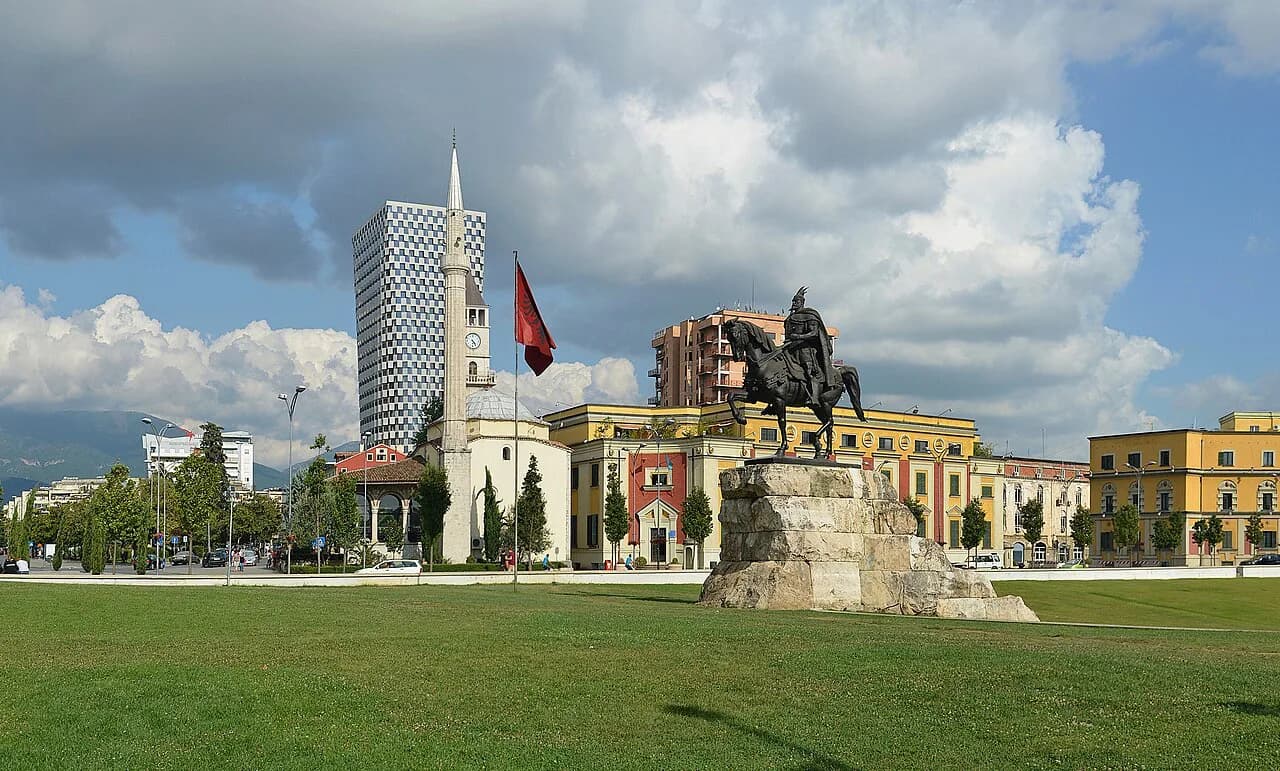
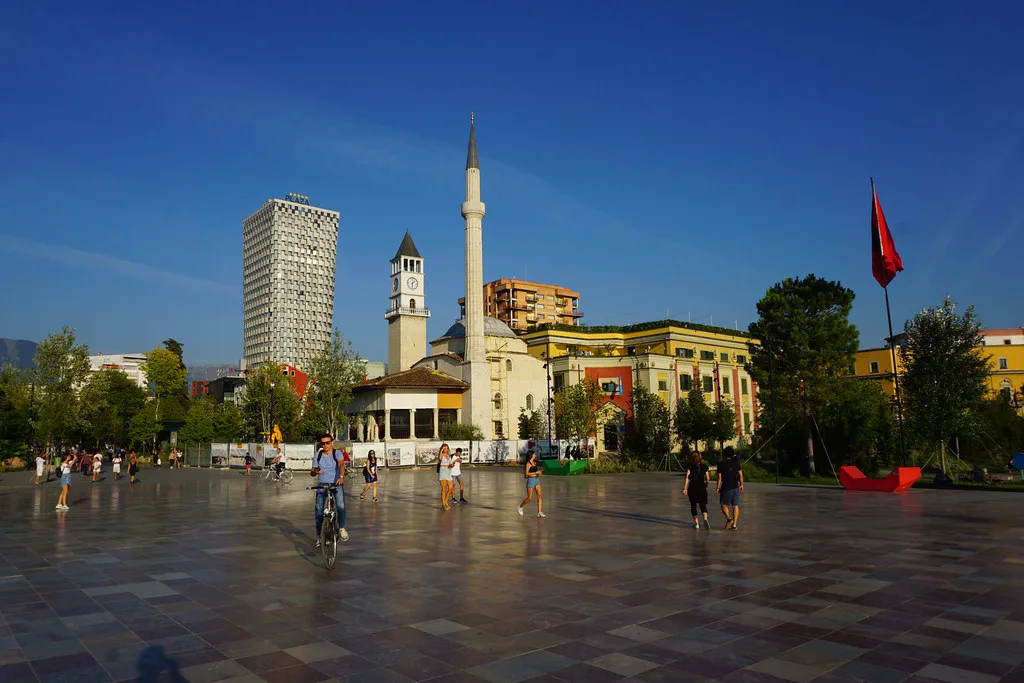
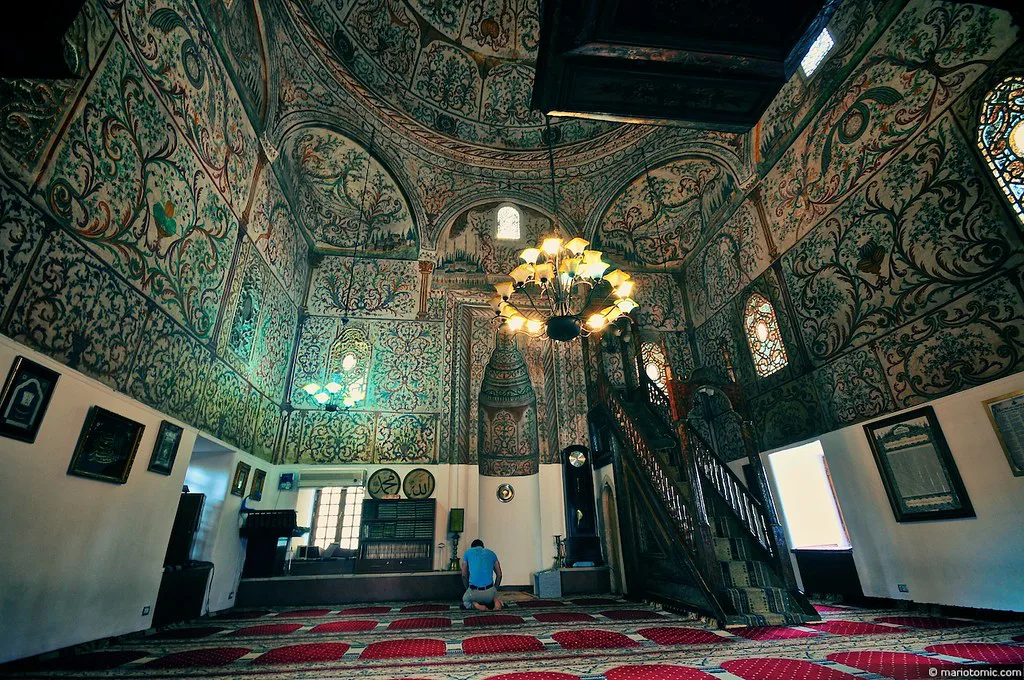
Plan outdoor sightseeing for late morning through early afternoon and keep museum or bunker visits for the 15:30 onward slot. Skanderbeg Square, the Et'hem Bej Mosque and the Pyramid are all within a few minutes of each other, so a compact walking loop fits comfortably before dark. If you want a mountain view from the Dajti Express cable car, go on a morning with clear skies, not a wet afternoon.
Does It Snow in Tirana?
Snow in central Tirana is uncommon but not unknown; the city sits in a basin with a January average low of 2°C (36°F), which is cold enough for occasional wintry spells. The mountains around the city see far more snow than the streets do. For reliable snow you would need to head into higher ground, which is a different trip from a Tirana city break; Croatia in winter shows how a nearby country handles coast and snow in the same season.
If snow is the point of your trip, treat Tirana as a city base rather than a snow destination. Build in flexibility for mountain days, and check road and cable-car conditions the morning you plan to go up. The broader winter picture for the city, including how December and February compare, is covered in the Tirana in winter guide.
What Is Open in January
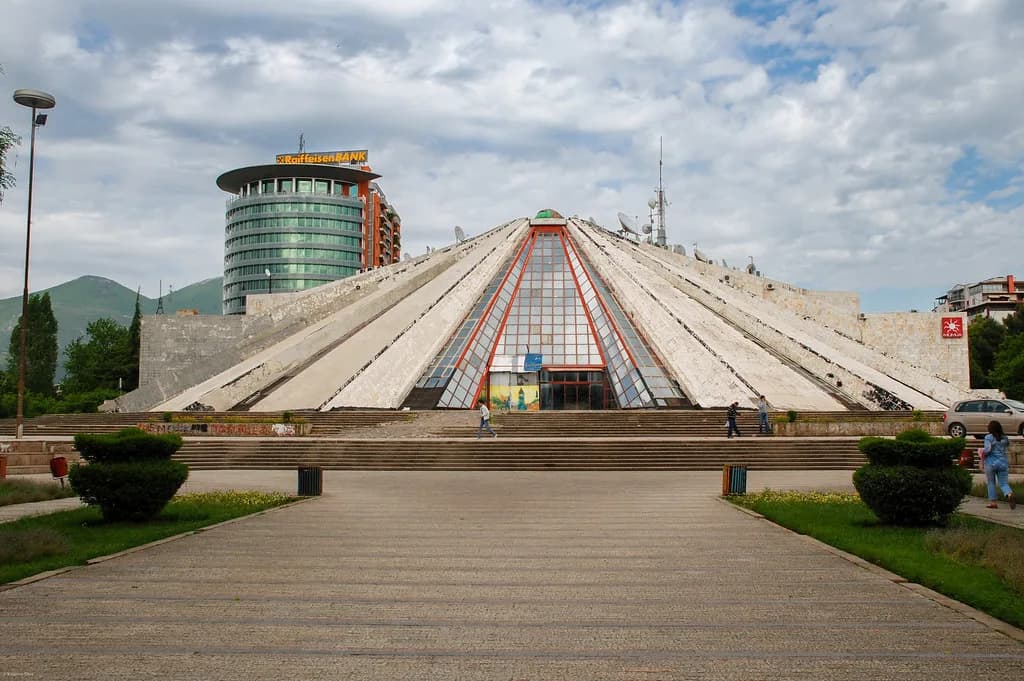
The city centre stays operational through January. Skanderbeg Square is a public space and remains the natural starting point, with the Et'hem Bej Mosque, the Clock Tower and the Pyramid of Tirana all clustered around it. The Pyramid is free to climb and gives a 360-degree view over the rooftops, though the steps are steep and slippery after rain.
The two Bunk'Art sites are the strongest rainy-day anchors: Bunk'Art 1 occupies a former Cold War bunker on the city's edge, and Bunk'Art 2 sits in a preserved nuclear shelter in the centre, both running as history and contemporary art museums. Their opening days and ticket prices change through the year, so check Bunk'Art's own listings before you go.
The Dajti Express cable car is the main weather-dependent outing. It runs up Mount Dajti for views and walking trails, but cloud and wind can shut down the view entirely; pick a clear morning rather than committing a fixed day in advance.
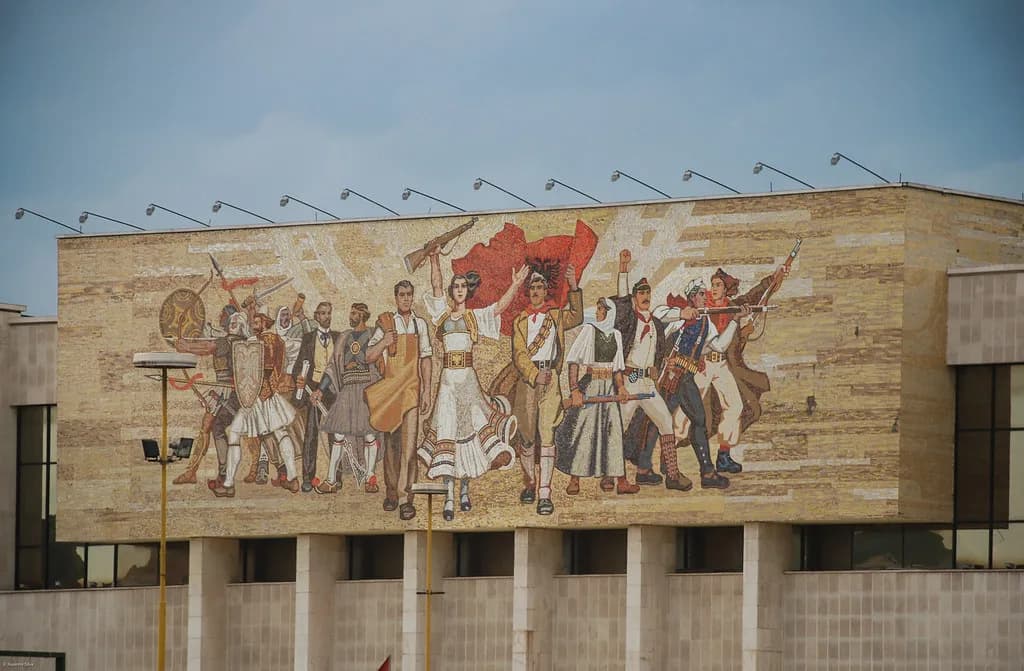
The National Historical Museum on Skanderbeg Square houses the country's largest collection, from Illyrian finds to the communist era, and is a sensible wet-weather stop given its central location. Its facade mosaic alone is worth the detour. Opening arrangements have varied, so look at the posted hours at the entrance or on the museum's site before building a day around it.
New Year's Day and the First Week of January
New Year's Day falls on 1 January and Albania observes it as a public holiday, with the day off for New Year's Day observed on 4 January. The first days of January are quiet in the city: many independent shops and restaurants run reduced hours while families stay home. Expect the centre to feel subdued rather than festive once the New Year's Eve decorations come down.
Skanderbeg Square carries the visible remnants of the season, with a Christmas tree and stalls still in place in early January in some years. Keep any festive expectations modest; this is a single decorated square, not a market circuit. If you want the fuller holiday atmosphere, come in the run-up rather than after the holiday.
If your dates fall in the last days of December, the city has a livelier feel and fuller calendars. Compare the two months before booking: Tirana in December sets out what the holiday weeks look like, while January is the calmer continuation.
Things to Do When It Rains
With about 13 wet days in the month, you need a wet-weather plan that does not depend on luck. The bunkers, the National Historical Museum and the city's many cafés fill a rainy day comfortably. Walk the Blloku district for coffee and bookshops, or head to Pazari i Ri, the New Market, for produce, cheese and local food stalls.
Tirana's café culture is the city's quiet pleasure in winter: long sits, strong coffee and no pressure to move on. Pair a morning in a museum with an afternoon of cafés and an early dinner of grilled meats, byrek or tavë kosi. This is the kind of day January rewards, and it is why the month works for slower travellers.
The city's central sights can be strung together on foot even in poor weather. Start at Skanderbeg Square, walk through the Et'hem Bej Mosque courtyard and on to the Pyramid, and keep the bunker for the wettest hours. A waterproof jacket and shoes with grip matter more than an umbrella in the city's wind.
Day Trips That Work in Winter
Krujë, about an hour north of Tirana, is the easiest winter day trip: the hilltop castle, the Skanderbeg Museum and the old bazaar sit close together. The bazaar is quieter in January, which makes browsing more pleasant. Check bus times on the day, as winter schedules thin out.
Berat, a UNESCO-listed town of stacked Ottoman houses, is a longer day but rewarding in low season, when the castle quarter is nearly empty. Durrës, on the coast, is the shortest run from the capital and pairs a Roman amphitheatre with a seafront walk; the beach itself is not the point in January. All three are realistic by bus or car, though you should leave early to make the most of the short daylight.
Coastal and mountain itineraries need more caution in midwinter. Ferries and mountain roads can be affected by weather, and some seasonal businesses close. The wider regional picture, including higher ground, is set out in the Albanian Alps section of the winter guide.
Crowds, Prices and the Trade-Offs
January is low season in Tirana, which means noticeably fewer visitors, easier walk-ins at restaurants and cheaper accommodation than spring or summer. The flip side is reduced hours at some independent businesses, especially in the first week, and fewer organised tours running. You will not find the city shut, but you will find it operating on its own rhythm.
The main costs are the ones you cannot avoid: short daylight, wet days and cold evenings. Budget for indoor time and plan fewer outdoor sights per day than you would in May. If you accept that, January gives you a more authentic and affordable Tirana than the peak months do.
Who Should Go in January and Who Should Wait
January suits city-break travellers who want museums, food and café time, and who do not mind carrying a rain jacket. It also suits budget travellers and anyone who prefers an uncrowded capital to a polished one. Photographers who work with moody light will find the low sun and wet streets rewarding.
It does not suit travellers who need long daylight, dry afternoons or reliable mountain views. If those matter, aim for late spring or early autumn instead. If you can only travel in winter, February brings slightly longer days and a few more events, and March opens the shoulder season.
For a full picture of how the city changes across the season, read the Tirana in winter guide, which sets January against November and February. If your dates are flexible, compare Tirana in February before you book, since the difference in daylight is small but the atmosphere shifts.
Plan Your January Trip
Book January for the calm and the prices, and pack for rain and cold. Keep one indoor plan per day, put outdoor sights in the morning window, and treat the cable car as a bonus rather than a fixed appointment. That approach turns a wet week into a good one.
Use the daylight curve to structure your days: an early start, a museum or bunker in the afternoon, and dinner before the evening closes in. Check the specific opening days for the bunkers and the National Historical Museum as your dates approach, then let the weather decide the rest.
Frequently Asked Questions
Is January a good time to visit Tirana?
It is a good time if you want low prices, few crowds and a city that feels local rather than touristy. It is a poor choice if you need long daylight, dry weather or reliable mountain views. The month rewards museum-goers, food-focused travellers and anyone happy to slow down.
What is the weather like in Tirana in January?
Typical January conditions are a daytime high around 11°C and a night-time low around 2°C, with rain on roughly 13 days and about four hours of sunshine a day. These are long-term averages, not a forecast, so expect a mix of grey dry spells and wet days rather than one constant weather type.
Does Tirana get snow?
Snow in the city centre is uncommon but possible during cold spells, since January nights average around 2°C. The mountains around Tirana see much more snow than the streets do. If snow is your goal, plan a mountain day and keep it flexible.
How many hours of daylight does Tirana get in January?
There are about 10 hours of daylight in the month, starting with sunrise near 07:07 and sunset near 16:22 on 1 January. By the end of the month the window runs roughly 06:53 to 16:55. Plan outdoor sightseeing for late morning and early afternoon.
What is there to do in Tirana in January?
Focus on the city centre: Skanderbeg Square, the Et'hem Bej Mosque and the Pyramid are close together, and the two Bunk'Art sites and the National Historical Museum fill wet afternoons. Cafés in Blloku and food stalls at Pazari i Ri round out a rainy day, and the Dajti Express cable car is worth it on a clear morning.
What fruit is Albania known for?
Albania is known for figs, pomegranates and citrus, along with olives and grapes. In January, look for preserved and dried fruit, citrus and winter produce at Pazari i Ri rather than fresh summer fruit. The market is a good place to taste local cheese, honey and preserves alongside it.
Are restaurants and sights open in early January?
Public holidays around New Year's Day reduce hours at some independent businesses, and the first week can feel quiet. The main central sights and the bunker museums generally operate, but their schedules vary. Confirm the specific opening days with each venue before building a day around it.
Sources
Winter travel notes
Optional updates when we add or revise winter guides.
You might also like
Continue reading
More guides you'll find useful