Cascais in Winter: What November to March Is Really Like
Cascais in winter brings mild, damp days, quiet beaches and open museums. See what November to March is really like before you book a trip.
On this page
Cascais in winter is a working Portuguese coastal town rather than a resort in mothballs, which is exactly what makes it interesting between November and March. The beaches empty, the promenade belongs to locals and dog walkers, and the museum quarter stays open when the Atlantic weather closes in. It suits travelers who want mild air, Lisbon on the doorstep and no queue at the sights, and it frustrates anyone hoping for reliable sunshine and swims.
The same Atlantic that keeps winter temperatures mild also brings the rain, so plan around damp spells rather than pretending they will not happen. A short break works best with one indoor anchor each day and a flexible outdoor plan for brighter hours. If you are weighing the whole country, this Cascais in winter picture fits into a broader Portugal in winter trip that ranges from city museums to hill towns.
What Cascais is like in winter and who it suits
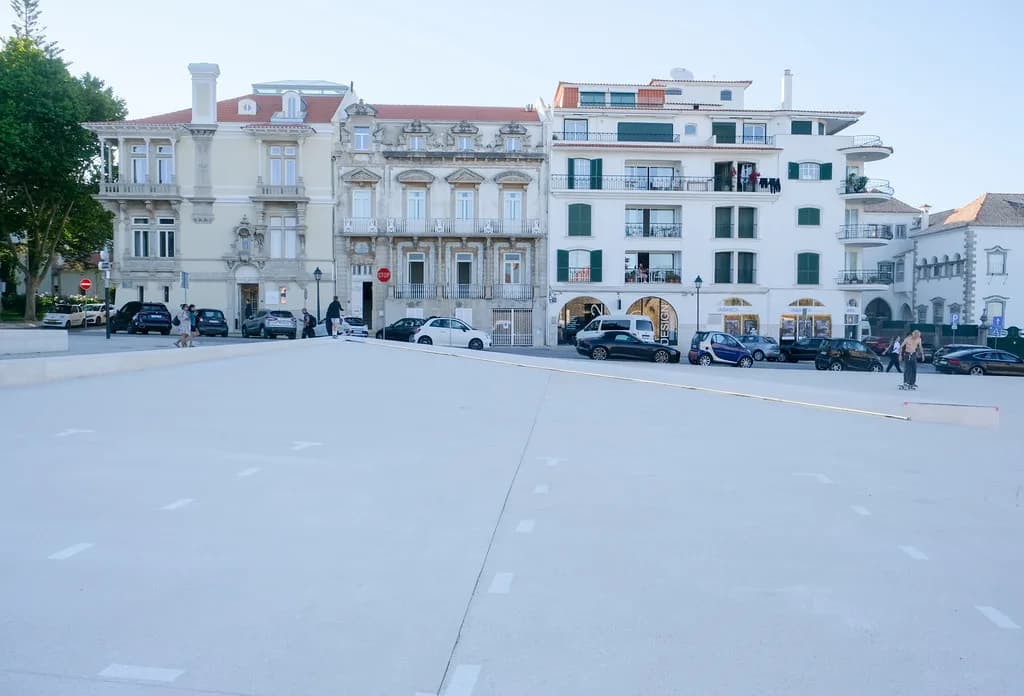
Winter strips Cascais back to its everyday self. The town has a large permanent population, so restaurants, bars and shops stay open year-round even when the summer crowds vanish, which means you are not arriving in a closed village. What changes is the pace: the seafront is quiet, the terraces are fewer and the days are short.
The climate is Mediterranean moderated by the Atlantic, so winter is mild rather than cold, but the damp sea air makes a moderate temperature feel cooler than the number suggests, especially when a breeze picks up. That is the central planning fact for a winter visit: judge the day by how it feels on the coast, not by the air temperature alone.
This is a good destination for museum-goers, walkers who do not mind a shower, couples wanting a quiet off-season base and families who can mix indoor play with coastal strolls. It is a poor fit for anyone whose main goal is sunbathing, swimming or a beach holiday, because the sea stays chilly and the wet season runs through the heart of winter. The wet season begins in late October and peaks in November and December, though recent years have dragged it into February, with the rain arriving as unpredictable Atlantic fronts.
Weather in December, January and February
December is the wettest stretch of the season and the month when the contrast with summer is sharpest. Expect grey skies and spells of solid rain between brighter days, with the damp sea air making the air feel cooler than a thermometer implies. Christmas week brings the shortest afternoons of the year, so build your day around a morning outdoors and an indoor afternoon. For a fuller month-by-month view, the Cascais in December guide sets out what the weather typically does.
January is the quietest month and the one where rain can persist, but it also delivers the emptiest museums and the lowest pressure on restaurants. The wet weather is unpredictable rather than constant, so a clear five-day spell is possible and so is a week of fronts coming in off the Atlantic. Pack for damp rather than freezing conditions and keep one indoor plan in reserve each day.
February continues the mild, damp pattern, though the days lengthen noticeably and the first hints of spring appear. Carnival Tuesday falls on 9 February 2027, a calendar marker worth knowing if you want to avoid or join the festivities, and Ash Wednesday follows the next day. For a detailed read on this month, see Cascais in February.
March is transitional rather than truly wintry, with longer afternoons and more usable outdoor time, and it is the month when a winter trip starts to feel like an early-spring one. The clocks go forward on 28 March 2027, which adds an evening of light at the end of the month. Rain remains possible, so keep the wet-day plan ready.
Rain, wind and daylight: what to expect
Cascais is sheltered from the strong Atlantic winds that batter the exposed headlands, which is why the town itself can feel calm while the coast a few kilometres away is wild. Head up into the Serra de Sintra, to Cabo da Roca or Guincho, and you meet the wind and the damp air head-on, so those trips belong on brighter days. The lesson is to treat sheltered Cascais and exposed Sintra as two different climates in one trip.
Daylight is the other constraint. December afternoons end early, and a short break of three or four days can lose whole afternoons to darkness and rain if you do not plan around them. Use the mornings for outdoor plans and keep the museum quarter for the afternoon, when the light is gone anyway.
Rain in winter tends to arrive as heavy Atlantic fronts rather than gentle drizzle, so a wet day is often properly wet, not merely grey. The compensation is that between fronts you get clear, crisp days with long views down the coast. Build flexibility into your booking, and a winter week can deliver both the storm and the sunshine.
Sea temperature and beach walks out of season
The Atlantic off Cascais is chilly almost year-round, fluctuating by only around 5°C to 6°C through the year and reaching just 21°C at the peak of summer. In winter that means the water is bracing rather than inviting, so swimming is a cold-water plunge for the hardy rather than a holiday activity. Surfers still head out on good-wave days, but they wear full wetsuits even in summer.
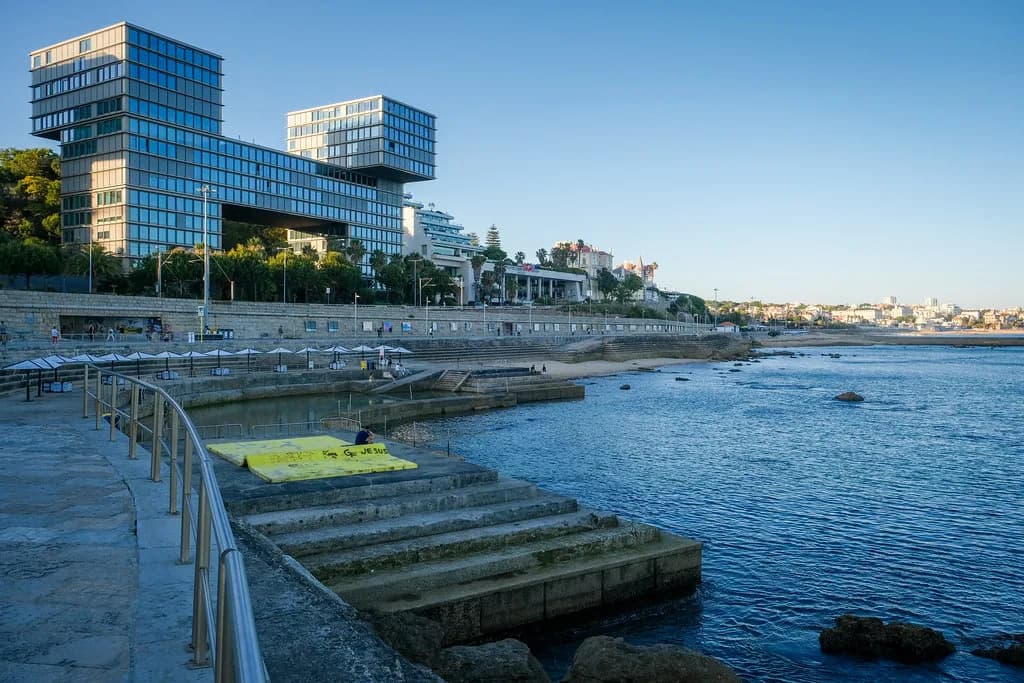
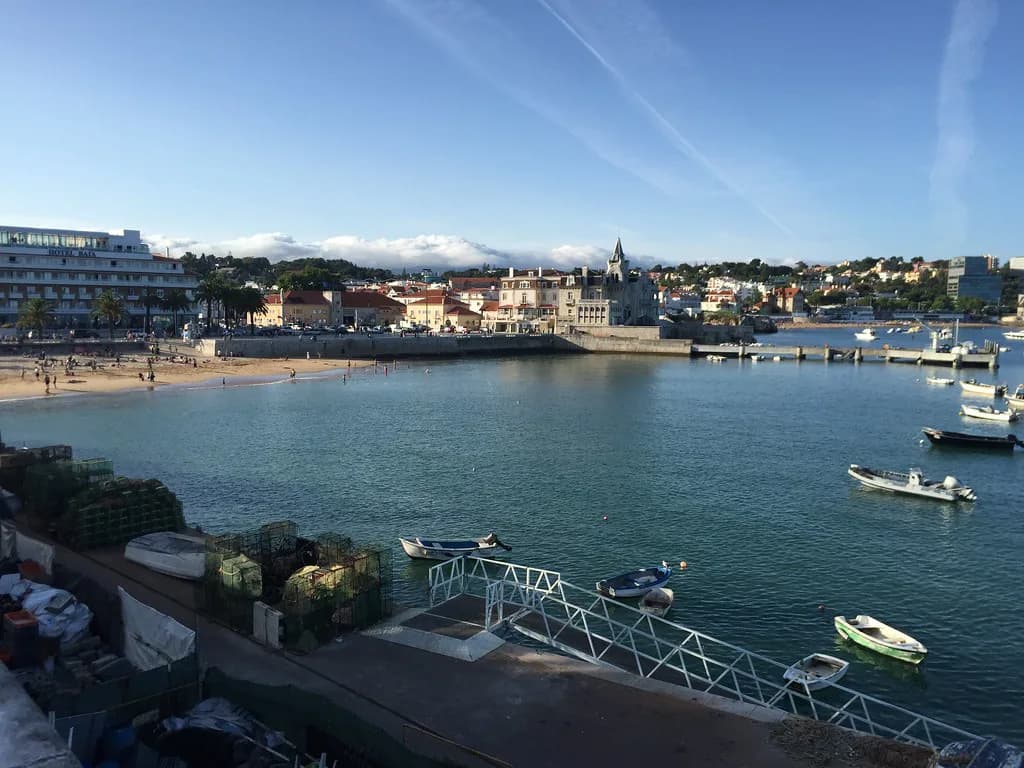
The beaches are still worth visiting for walks rather than swims. A promenade stroll from Carcavelos towards Guincho pairs well with cooler temperatures when the sun is out, and the cycle path from the marina towards Guincho is a fine way to see the coast without committing to a full beach day. Winter weather rarely produces days that count as suitable for the beach, so plan a walk and a coffee rather than a towel and a book.
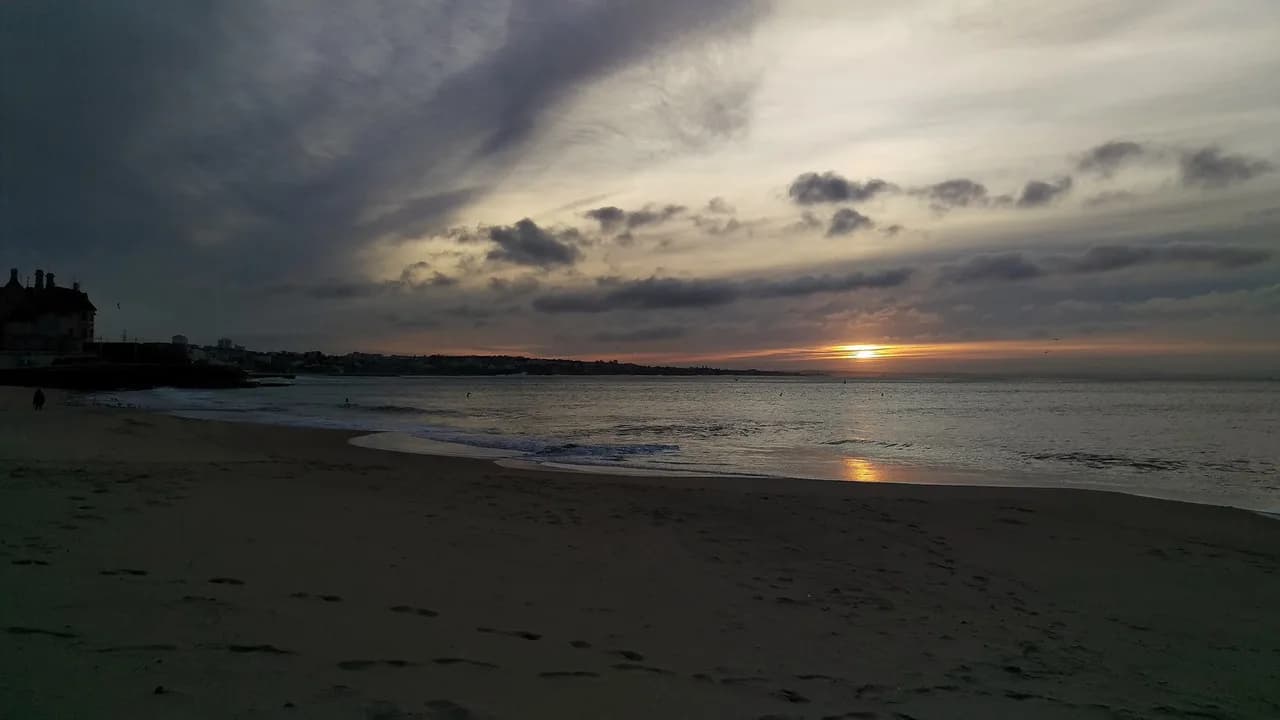
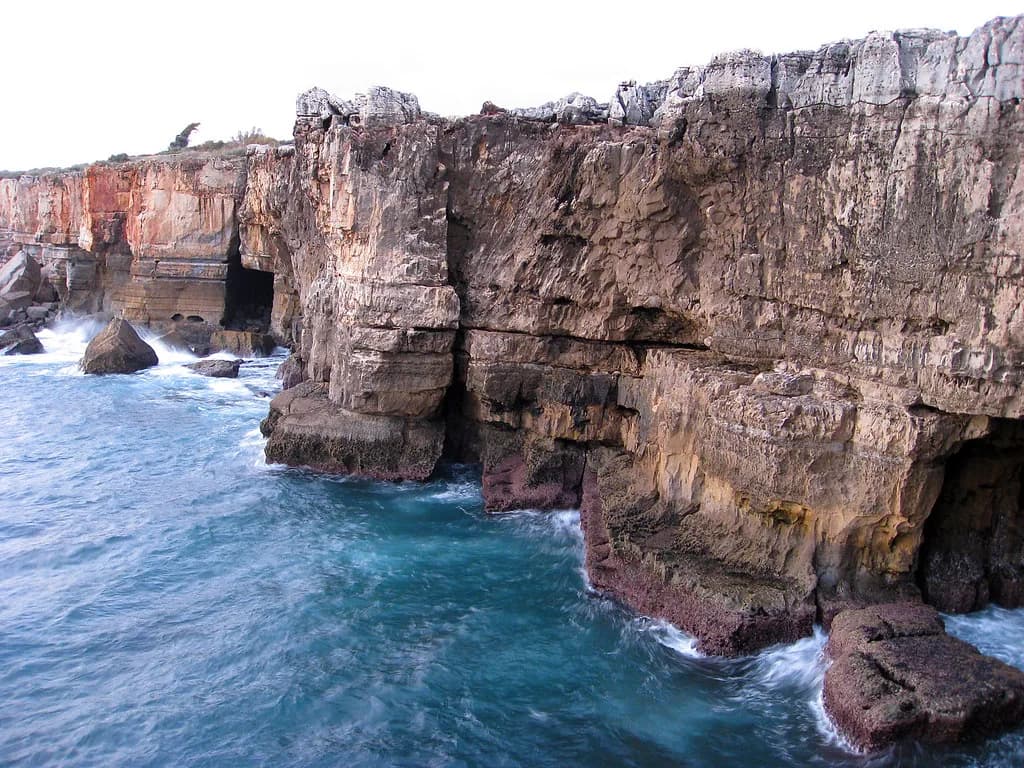
Treat the sea as scenery in winter and you will enjoy it more. Watch the surf from the marina or the promenade, then retreat to a covered terrace or a museum when the wind picks up. The Atlantic in winter is dramatic and photogenic, but it is not a swimming pool.
What stays open and what slows down
Because Cascais has a large permanent population, restaurants, bars and shops stay open year-round, so you are not arriving in a town that has shut for the season. Some beach-oriented businesses and seasonal terraces cut back, and the pace slows, but the infrastructure of daily life keeps running. That makes Cascais a reliable winter base in a way that purely seasonal resorts are not.
The town's cultural institutions are the backbone of a winter visit because they do not depend on the weather. The Bairro dos Museus, the Museum Quarter, gathers the Casa das Histórias Paula Rego, the Museu do Mar Rei D. Carlos, the Centro Cultural de Cascais, the Museu Condes de Castro Guimarães and the Farol Museu de Santa Marta within a compact area. Admission to these museums is free on the first Sunday of every month, according to Time Out, which makes that Sunday the single best day to plan a museum-heavy visit.
Mercado da Vila keeps trading through the colder months, with its restaurants and shops under a roof that shields visitors from the rain, plus a programme of markets, boot sales and workshops. It is a good rainy-morning stop that combines food shopping with lunch. The town's libraries run storytelling sessions for children through the year, and they are free and indoors, which helps on a wet afternoon.
Christmas and New Year in Cascais
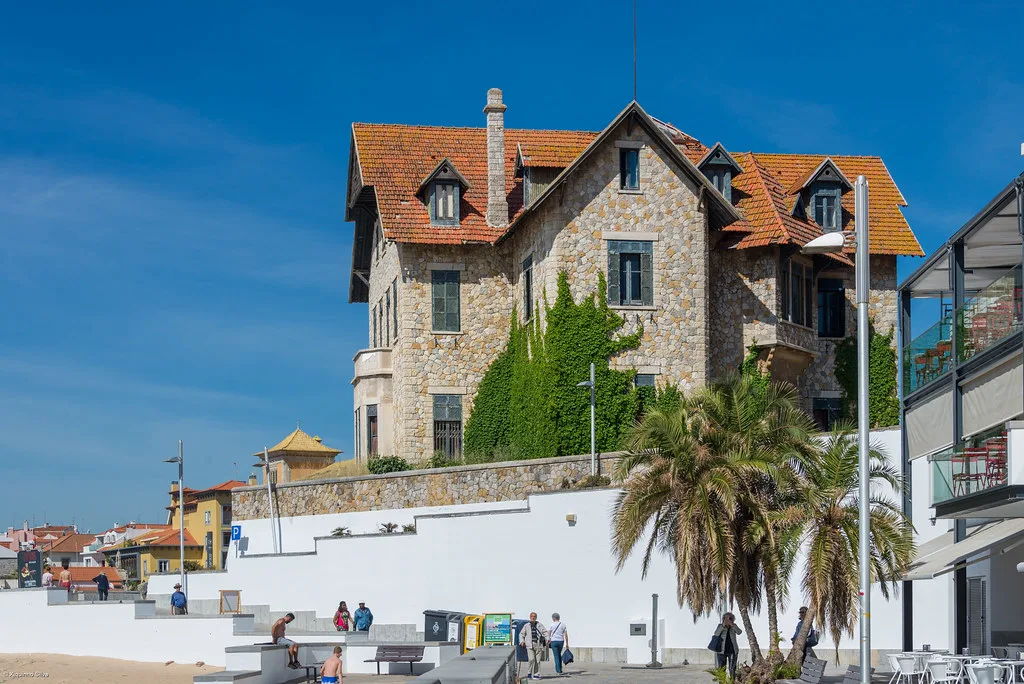
Christmas Day 2026 falls on a Friday and New Year's Day 2027 on a Friday, so both holiday weeks give you a long weekend with the town at its quietest. Epiphany on Wednesday 6 January 2027 marks the end of the festive period in Portugal. Expect many family-run restaurants to keep holiday hours and the seafront to be calm; book the days around the holidays and check opening times with restaurants directly before you travel.
Cascais does not depend on a Christmas market to make December work. The appeal is the combination of a decorated town, short afternoons and the Atlantic out of season, with the option of a Lisbon day trip for bigger city celebrations. Treat any market as a bonus rather than the reason to come.
If you want the festive atmosphere without the crowds of a major city, the days between Christmas and New Year are the sweet spot: the holidays are still running, the streets are quiet and the museums are open. Just keep an indoor plan for the wet afternoons, because December is the wettest month of the season.
Things to do on a wet day: the Museum Quarter
When the Atlantic fronts arrive, the Museum Quarter is the obvious shelter. Start with the Casa das Histórias Paula Rego, then work through the Museu do Mar Rei D. Carlos and the Museu Condes de Castro Guimarães, which together fill a full wet afternoon without a single outdoor step. The Farol Museu de Santa Marta and the Centro Cultural de Cascais round out the cluster and sit close enough to the marina that you can add a covered-terrace lunch.
For families, Anima Park in Alcabideche is an indoor playground designed for children aged 4 to 12, with a climbing wall, a treetop circuit, slides, trampolines and a mini city for imaginative play. It is the kind of place that rescues a rainy day when the beaches and gardens are out of the question. Pair it with a museum stop and the day works even in steady rain.
The spa at the Evolution hotel in Estoril offers a heated indoor pool, sauna, Turkish bath and treatments, which is another reliable wet-day option. Check availability and whether day access is possible before you go, since spa access policies change. Between the museums, the indoor playground and the spa, a rainy week in Cascais has more than enough to fill.
Things to do on a dry day: coast, marina and countryside
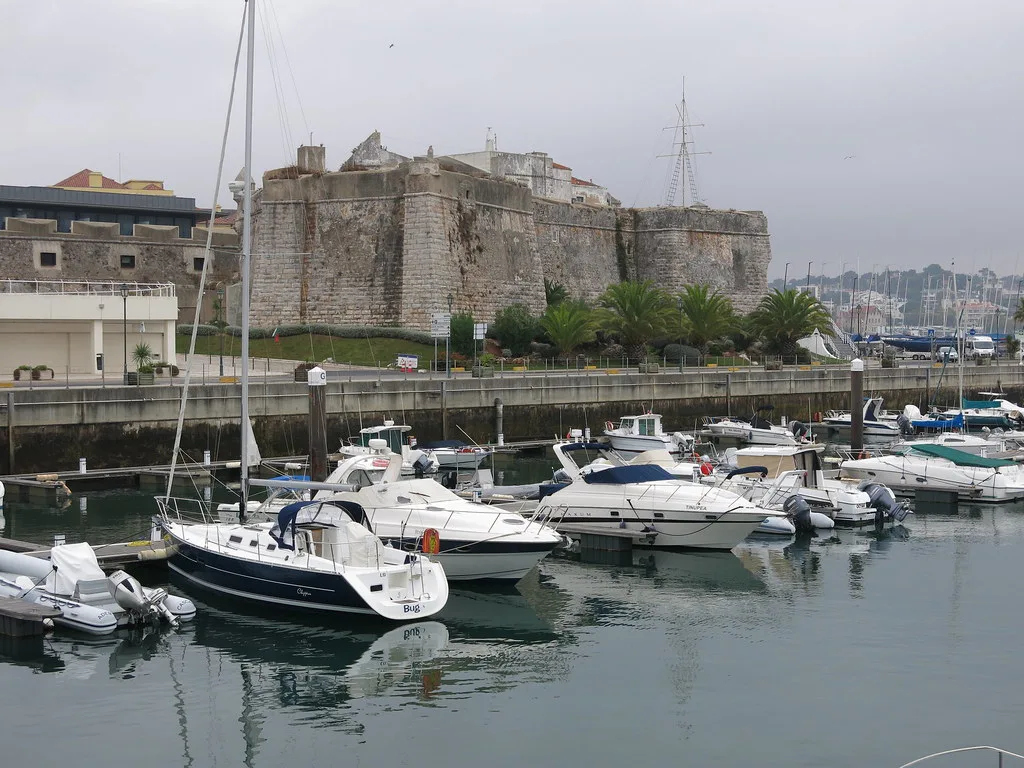
On a bright winter day, Cascais rewards you outdoors. Walk the marina and the seafront around Parque Marechal Carmona, where the Farol Museu de Santa Marta sits next to the water, then follow the cycle path towards Guincho beach. The covered terraces with heaters and blankets are a genuinely local way to spend a sunny cold afternoon, so claim one for lunch and watch the light on the water.
For a longer walk, Quinta do Pisão in the Sintra-Cascais Natural Park is a nature park of around 380 hectares with a programme of free activities including organised hikes, workshops and markets. It is peaceful and quiet in winter, which is the point, but it is no fun in pouring rain, so save it for a dry day.
Casa da Guia, with its restaurants, shops and terraces overlooking the coast, is a good half-day stop on a clear day, and the coastal villages of Azenhas do Mar and Praia das Maçãs make a scenic drive for those with a car. Remember that these exposed spots feel noticeably colder and windier than sheltered Cascais.
Food, terraces and evenings out
Winter eating in Cascais is about comfort. Cimas English Bar, a Portuguese classic, serves traditional dishes and game with a fireplace in its main room, which is exactly what a cold, damp evening calls for. Reserve ahead for weekend evenings, when the town's restaurants fill with locals rather than tourists.
For live music, the Cascais Jazz Club hosts jazz, blues and bossa nova sessions from Wednesday to Sunday, and entry is free, though the music invites a drink. SMUP, the Sociedade Musical União Paredense in Parede, runs an ambitious programme of original music across genres through the year. Check the club's current programme before you go, since acts and schedules change.
Day trips that work in winter: Sintra, Cabo da Roca and Lisbon
Lisbon is the easiest day trip, reached on the regular train from Cascais to Cais do Sodré, and in winter the city's museums, cafés and covered markets are a better bet than its beaches. Sintra is the other obvious excursion, with its palaces including the Pena Palace rising out of the mist-shrouded hills, and mist is part of the experience in winter. Cabo da Roca, the westernmost point of mainland Europe, is spectacular but exposed, so save it for a clear day when the wind is manageable.
Treat the hills as colder and wetter than Cascais. A winter day in Sintra can be raw and foggy, the palaces can be swathed in cloud and the paths muddy, so wear proper shoes and go on a brighter forecast. The reward is fewer visitors and an atmosphere you do not get in July.
Be realistic about day length. In December, a Sintra day trip consumes the whole daylight window, so leave early. By March, the longer afternoons give you room for a palace and a wander. The clocks go forward on 28 March 2027, which is the moment evening day trips become genuinely pleasant again.
Crowds, prices and the trade-offs of a winter visit
Winter is low season, so you will find quieter streets, easier restaurant tables and lower pressure on accommodation than in July and August. Operators discount and hotels are more flexible, and the town's permanent population means the basics keep running. The trade-off is the weather: rain can wipe out an afternoon, short days limit what you can see and outdoor plans need a backup.
The rain variability is the biggest planning risk. A clear run of five days is possible, and so is a week of solid rain, so a short trip can go either way. If your holiday has to deliver sunshine, winter is a gamble; if it has to deliver atmosphere, food and museums without crowds, it is a good bet.
The sea stays cold, the beaches are for walking and the terraces are for blankets rather than bikinis. That is fine for adults who like a brisk coastal walk and a museum afternoon, but families with small children should plan around indoor attractions. The best winter days here are the crisp, clear ones, and they are worth waiting for.
Who should pick another month
Skip Cascais in winter if your idea of a holiday is lying on a beach, swimming in the sea or eating every meal outside. The Atlantic is cold, the wet season is real and some days will be grey from morning to night. Choose June to September for sun, or accept that a winter visit is about the town rather than the beach.
Come in winter if you want a mild, quiet base with excellent museums, good food and Lisbon half an hour away. The damp cold is real, so pack for it and plan around the light. For travelers who prefer atmosphere to crowds, that is a fair trade.
Plan Your Winter Trip to Cascais
Book Cascais for the quiet season and build your days around the weather. Use the mornings for coastal walks and the marina, keep the Museum Quarter and the spa for wet afternoons, and save Sintra and Cabo da Roca for clear days.
Check the Cascais town hall agenda for museum opening times and events, and confirm individual restaurant hours around the Christmas and New Year holidays. The museums are free on the first Sunday of the month, which is worth planning around, and the jazz club runs from Wednesday to Sunday. With a flexible plan and a rain jacket, a winter trip to this stretch of the Lisbon coast delivers atmosphere that summer cannot.
Explore more Cascais winter guides
Frequently Asked Questions
Is Cascais worth visiting in the winter?
Yes, if you want a quiet, mild base with strong museums, good food and Lisbon half an hour away. The beaches are for walking rather than swimming, and rain is common, so plan indoor anchors and stay flexible.
What is the weather like in Cascais in December?
December is the wettest stretch of the season, with grey skies, spells of solid rain and short afternoons. Temperatures are mild but the damp sea air makes them feel cooler, so pack for damp rather than freezing conditions.
What is there to do in Cascais when it rains?
Head for the Museum Quarter, which includes the Casa das Histórias Paula Rego, the Museu do Mar Rei D. Carlos and the Museu Condes de Castro Guimarães. Families can use Anima Park in Alcabideche, and the spa at the Evolution hotel in Estoril is another wet-day option.
Is Cascais warmer than Lisbon in winter?
Cascais sits on the Atlantic and is milder and breezier than inland Lisbon, but the damp sea air makes it feel cooler than the temperature suggests. Lisbon has more sheltered streets and more indoor options for a wet day.
Can you swim in Cascais in winter?
The Atlantic is cold year-round and winter is bracing rather than inviting. Surfers still go out in wetsuits on good-wave days, but most visitors should treat the sea as scenery and enjoy the coastal walks instead.
Is Sintra or Cascais better in winter?
Sintra is colder, wetter and often misty in winter, which suits a clear day for the palaces and parks. Cascais is more sheltered, has the museum quarter and the coast, and makes a better winter base, with Sintra as a day trip.
Sources
Winter travel notes
Optional updates when we add or revise winter guides.
You might also like

Continue reading
More guides you'll find useful