Cascais in January: Winter Weather, Crowds and Things to Do
Cascais in January brings mild Atlantic days, rain showers and short daylight. See typical temperatures, what stays open and whether the trip suits you.
On this page
Cascais in January is a working Portuguese coastal town in its quietest stretch, not a resort waiting to open. Days are mild for northern Europe but often grey and damp, the Atlantic wind is a constant on the cliffs, and the streets belong mostly to residents. It suits travelers who want long coastal walks, small museums and Sintra without queues, and who can accept sunset before six.
Weather in January
Typical January days run from a high near 15°C (59°F) to a low near 11°C (51°F) on long-term averages. The same historical data describes the month as moderately chilly and slightly windy, with a modest chance of rain on any given day and average wind speeds around 16 mph. Treat all of this as climate, not forecast: a single January week can be crisp and bright or wet and blustery.
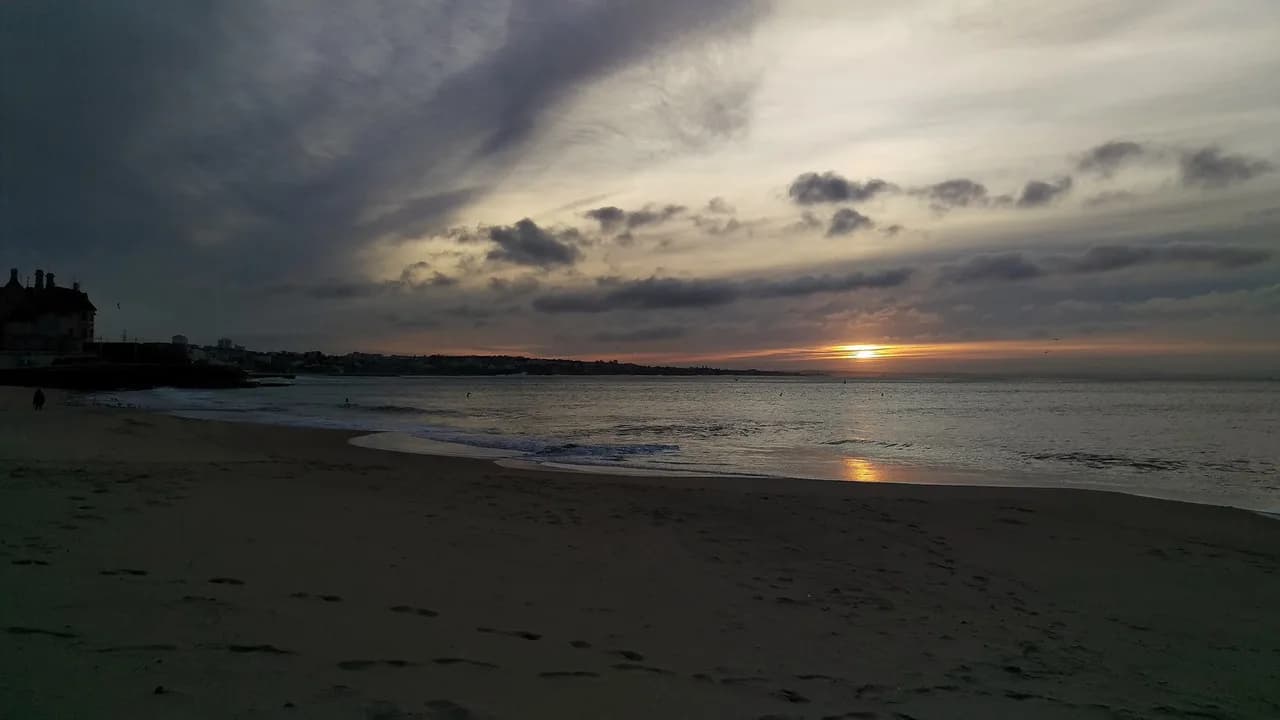
Daylight is the real constraint. Midwinter averages roughly 9.8 hours of daylight, with sunrise around 7:52 AM and sunset around 5:40 PM, so the light fades while you are still out walking. Plan outdoor time for the morning and early afternoon and keep a museum or a long lunch in reserve for the last two hours of light.
Sea temperatures stay cold through January, well below what most people would call swimmable, and the Atlantic swell is often strong. Cascais bay is more sheltered than the open coast, which makes the town promenade comfortable on windy days, but the exposed beaches and cliff paths feel the full force of the wind.
January Against December and February
December is slightly warmer and noticeably darker, with Christmas lights in the old town and holiday crowds around the marina. January strips most of that away: the decorations come down, hotel rates soften and the town returns to its ordinary rhythm. The weather difference is small, but the atmosphere difference is not.
February is only marginally cooler on the averages, with highs around 15°C (59°F) and lows near 10°C (50°F), so switching months rarely changes the weather story much. What changes is the calendar: Carnival falls in February in some years, bringing a short burst of local festivity, while January stays almost entirely event-free. If you want the emptiest version of Cascais, January wins; if you want a little more life, look at February.
Short Days and Rain: Shaping a January Day
With sunset before six, January rewards a front-loaded day. Start with the coastal path or the old town in the morning, when the light is best and the wind often lighter, then move indoors for the afternoon. Rain rarely lasts all day here, but showers can be sharp, so build in a flexible indoor option rather than committing to a full-day outdoor plan.
Wind matters as much as rain. On gusty days the cliff paths around the Boca do Inferno are exhilarating but exposed, while the sheltered streets behind the bay and the Parque Marechal Carmona offer a calmer alternative. Save the open coast for the clearer, stiller days and use the windier ones for museums and the town center.
What Stays Open in Winter
Cascais is a residential town, so everyday life continues through January: cafes, restaurants, the market, the marina and the main museums stay in business for locals rather than visitors. That makes the month unusually easy for a low-season trip, since you are not depending on seasonal openings, and long-time visitors to the town note that much of it runs year-round for exactly this reason. Individual restaurants often close for a week or two after the holidays, so confirm specific opening times with the venue before you build a day around it.
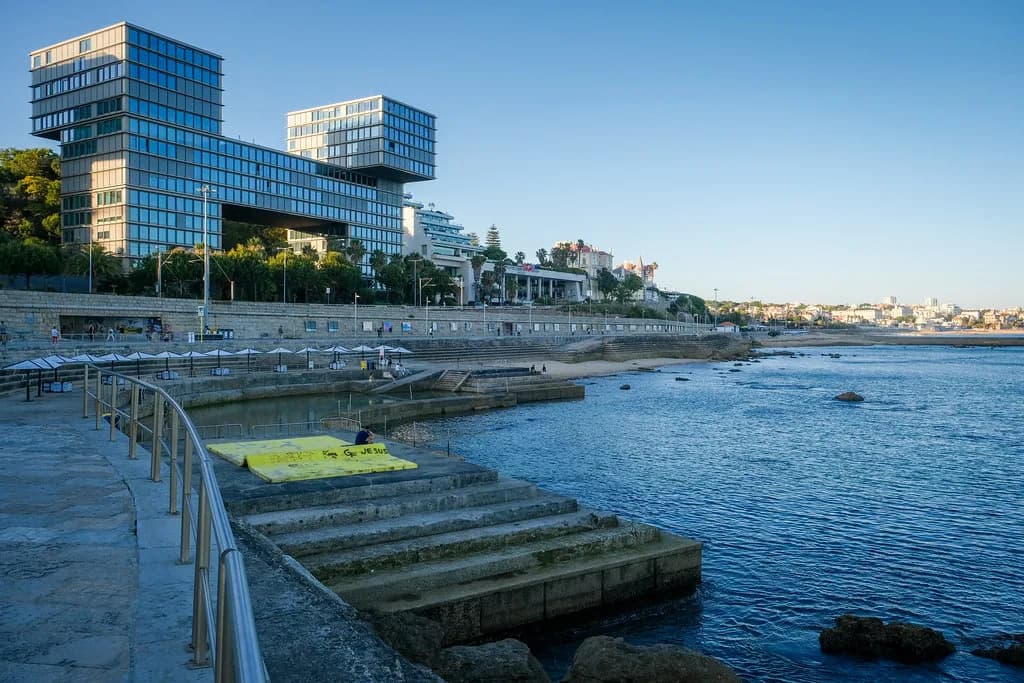
The Casa das Histórias Paula Rego and the Museu Condes de Castro Guimarães are the two indoor anchors worth planning around, the first for its Paula Rego collection in bold pyramid-shaped towers, the second for a furnished 1900 villa with azulejo tiles and a park. Both suit a wet afternoon, and the villa's surrounding gardens are free to walk even when you skip the interior.
Things to Do in January
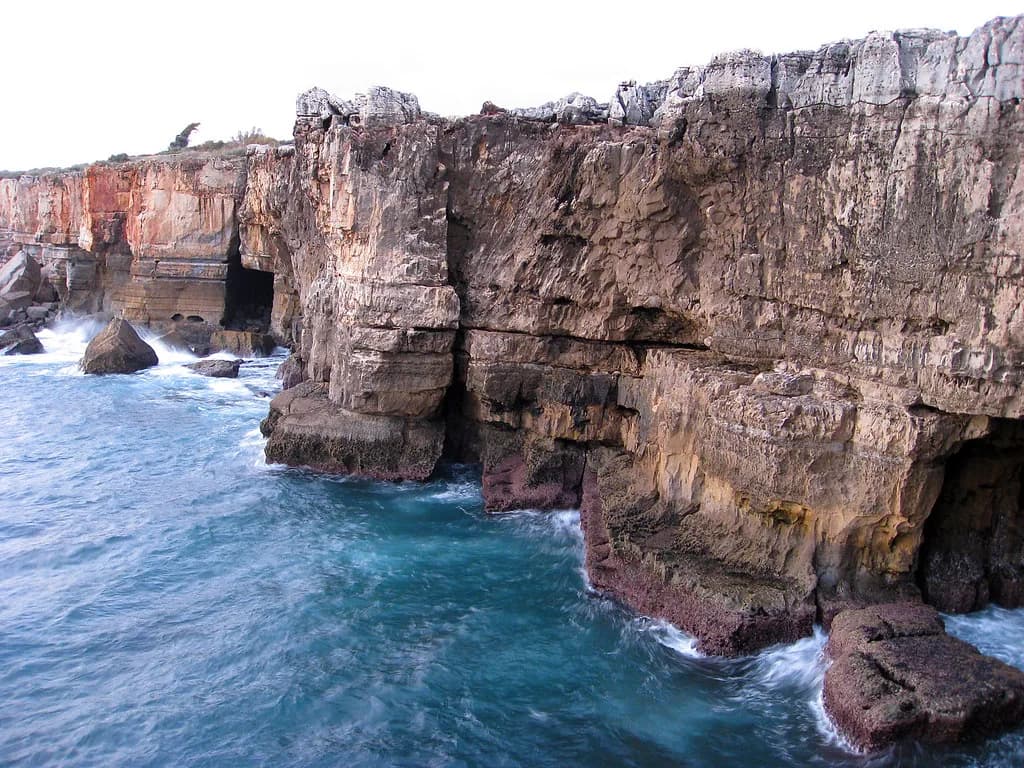
The cliff viewpoint at Boca do Inferno is the classic January stop: a natural arch where Atlantic swell thunders through the rock, roughly a 25- to 30-minute walk from town, and free to enter. Go on a day with a decent swell for the full effect, and keep back from the edge, since the rocks are wet and the drops are real.
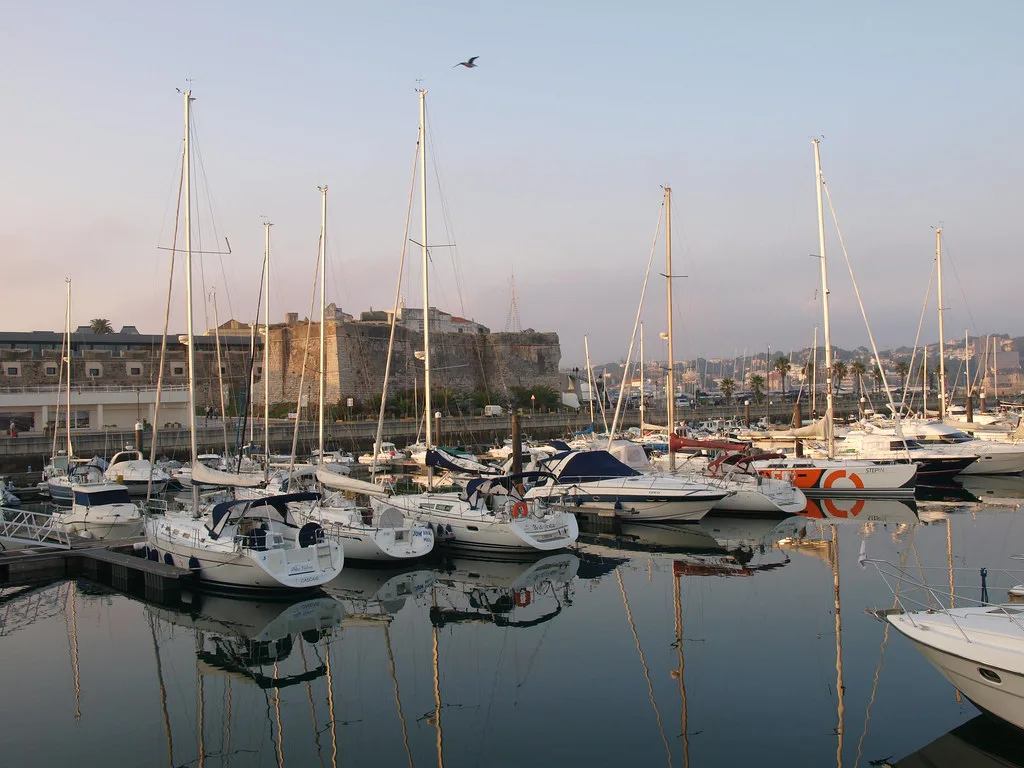
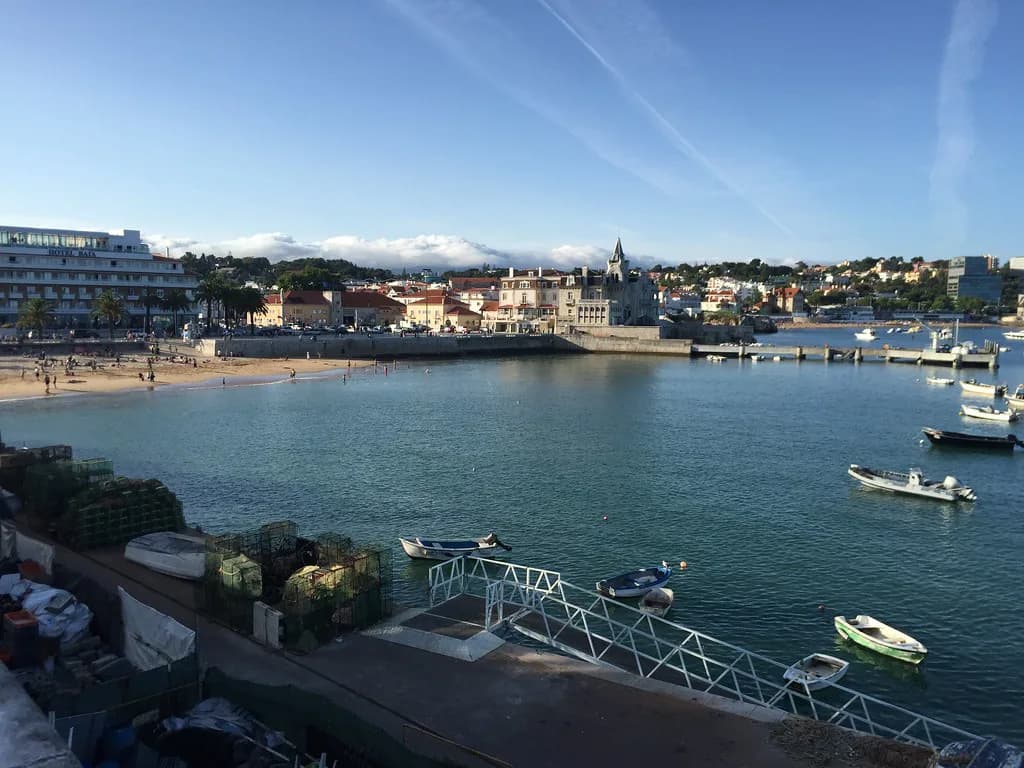
The old town and the bay promenade make an easy half-day on foot, with the Cidadela fortress, cobbled lanes and the marina close together. The Museu do Mar Rei Dom Carlos I adds a compact maritime and archaeology stop, and the town beach at Praia da Rainha is a small sheltered cove that reads better as a view than a swim in January.
Food is a reliable January pleasure: seafood is at its best in the cooler months, with clams, mussels and sea bass appearing on local menus. Pair a long lunch with a shorter afternoon walk rather than trying to fill every hour outdoors.
Coastal Walks and Atlantic Swell
Praia do Guincho, a few kilometers west of town, is the dramatic end of the Cascais coast: a wide, dune-backed beach with powerful surf that draws surfers and walkers rather than swimmers. In January the wind and waves are the point, and the surrounding Sintra-Cascais Natural Park gives you cliff paths with big views. Treat the water as off-limits for swimming and enjoy it from the sand and the trails.
For a longer outing, follow the coast toward Cabo da Roca, the westernmost point of mainland Europe, where the cliffs drop straight into the Atlantic. It is a serious walk in winter wind, so pick a clear, calm day and start early enough to be back before dark.
Day Trips That Work in Winter
Sintra is the obvious winter day trip, and January is when its palaces and gardens are at their quietest. Pena Palace, Quinta da Regaleira and the Moorish Castle are all reachable from Cascais by road, and the cooler weather makes the uphill walking far more comfortable than in summer. Go early, since the short daylight limits how much you can see in one day. For a mountain counterpart to Sintra's palaces, the same short-day logic applies to Pico do Arieiro in Madeira in January, where winter light also sets the pace.
Estoril is a short coastal hop for the casino and the seafront promenade, and Lisbon is an easy train ride for a full day of museums and city streets when the weather turns. Both work well as rain-day backups, since they put you indoors within a short journey of Cascais.
New Year's Day and Epiphany
January opens with New Year's Day on 1 January, when much of the town slows down and some restaurants and shops stay shut. The month closes its holiday period with Epiphany on 6 January, a quiet family day rather than a public spectacle in Cascais. Beyond those two dates, January has no major festival of its own, which is precisely why it feels so empty.
Crowds, Prices and the Trade-offs
January is the low season in Cascais, so you get calm streets, easy tables and space at the main viewpoints. The trade-off is weather: rain showers, Atlantic wind and early sunsets can cut into outdoor plans, and the town can feel sleepy in the evenings. If you want warmth, guaranteed sun and long beach days, this is the wrong month and you should look at late spring or summer instead.
For a sense of how the rest of the season compares, March brings longer days and the first spring warmth along the Atlantic Ocean, while November is wetter and darker than January.
Who January in Cascais Suits
January suits travelers who value quiet over heat: walkers, museum-goers and anyone using Cascais as a calm base for Sintra and Lisbon. It works well for couples and solo travelers who can flex around the weather and enjoy a long lunch when a shower passes.
It suits you less if you want beach time, evening bustle or reliable sunshine. If any of those matter more than empty streets, aim for spring or early autumn and treat January as a short, atmospheric coastal stop rather than a full holiday.
Explore more Cascais winter guides
Frequently Asked Questions
Is Cascais worth visiting in January?
Yes, if you want a quiet, mild coastal town with working museums, good seafood and easy access to Sintra and Lisbon. January is Cascais at its calmest, so the appeal is atmosphere and space rather than beach weather. Expect rain showers, Atlantic wind and sunset before six.
What is the weather like in Cascais in January?
Typical January days run from about 15°C (59°F) to 11°C (51°F), with moderate wind and a real chance of rain. Daylight averages just under 10 hours, with sunset around 5:40 PM. These are long-term averages, not a forecast, so check a short-range forecast close to your trip.
Is January a good time to visit Cascais?
It is a good time for coastal walks, museums and day trips without crowds. It is a poor choice for swimming or sunbathing, since the Atlantic stays cold and the swell is often strong. Travelers who need guaranteed sunshine should choose another month.
Is Sintra or Cascais better in January?
They serve different purposes. Cascais gives you a mild coastal base with sea air and easy transport, while Sintra gives you palaces and gardens that are far quieter in January than in summer. Many visitors base in Cascais and spend a day in Sintra rather than choosing between them.
Is Cascais worth visiting in winter overall?
Winter is when Cascais feels like itself: a residential town going about its business rather than a resort in season. You trade beach weather and long evenings for calm streets, softer rates and short, atmospheric days. It suits travelers who plan around daylight and weather rather than against them.
Sources
Winter travel notes
Optional updates when we add or revise winter guides.
You might also like
Continue reading
More guides you'll find useful